Inspiration
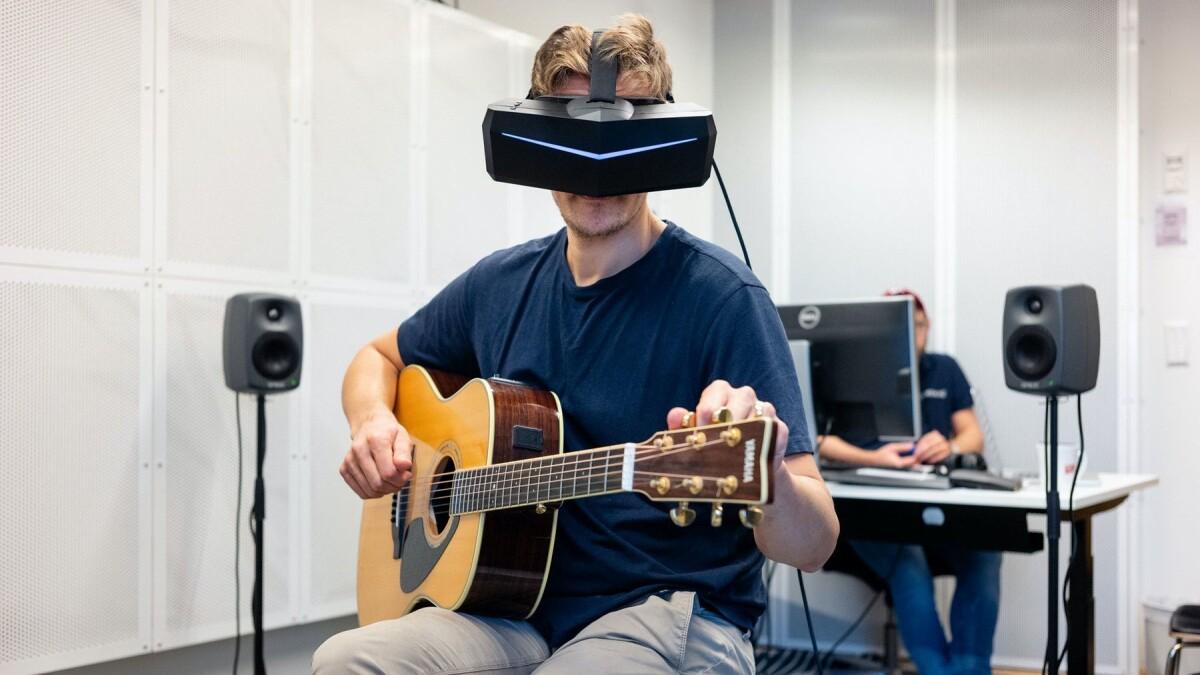
Learning to play a musical instrument is a dream for many people, but getting started is not always easy. A good drum kit, piano, guitar or other instrument can be expensive. Music lessons require time, money and access to teachers. Many people have the motivation to learn but lack the resources to explore music.
We imagined a different approach: What if someone could enter a virtual music studio, pick up an instrument, start playing and learn with an intelligent music teacher without having to purchase every physical instrument?
That idea became MeloSpace.
What it does
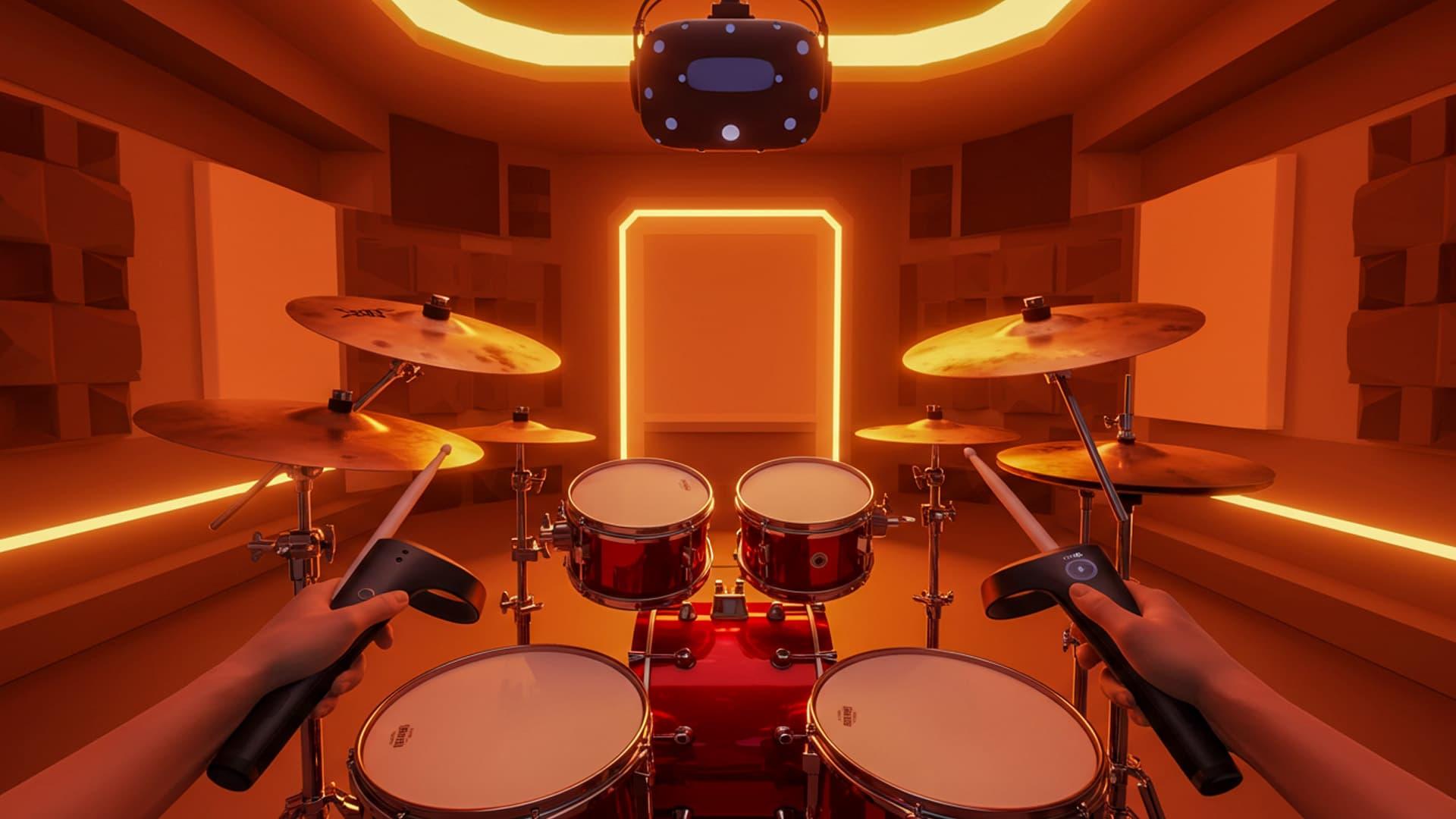
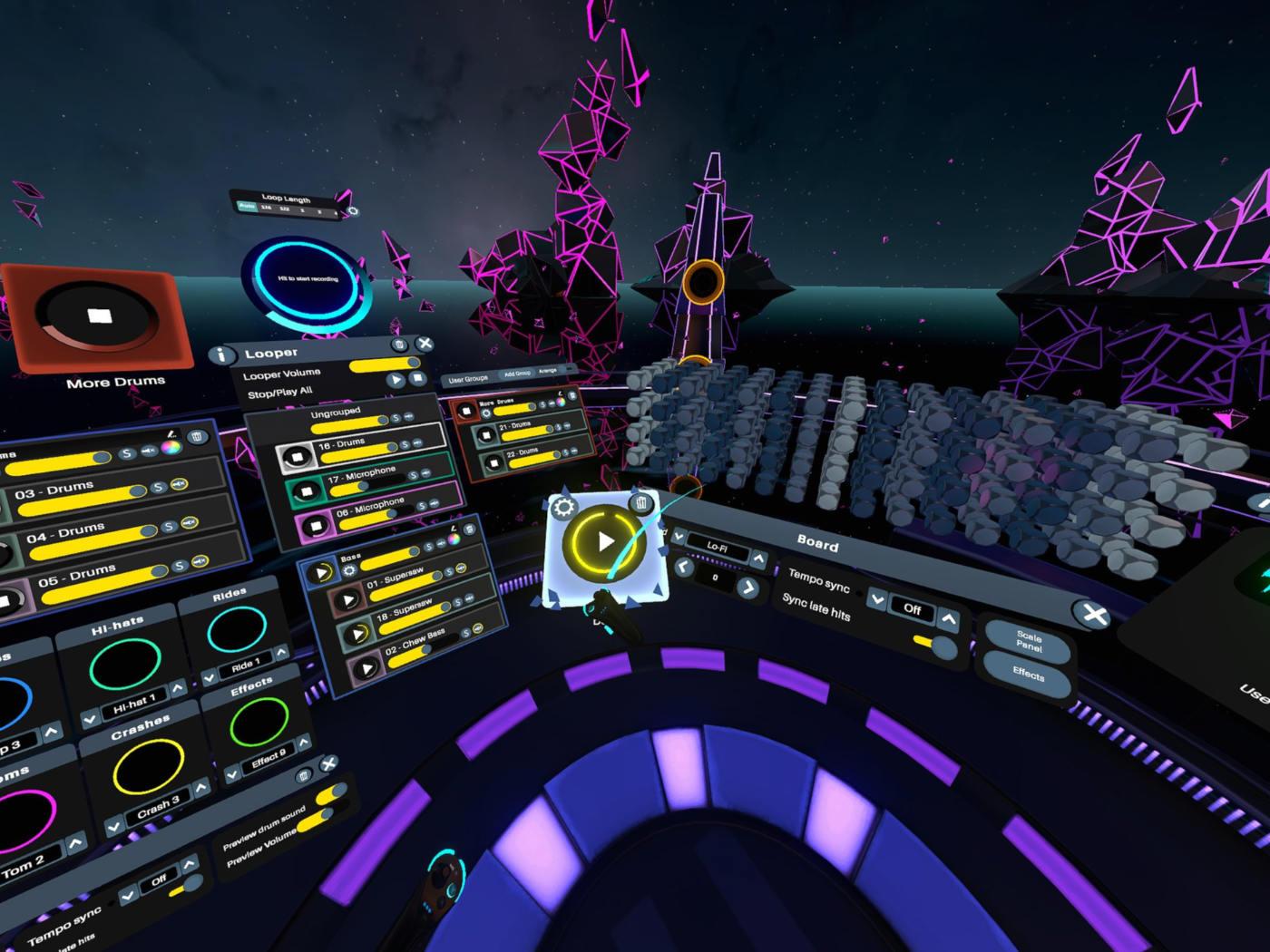
MeloSpace is a hands-first virtual music studio designed for Meta VR devices. It brings musical instruments, music learning and creative experimentation into one immersive environment.
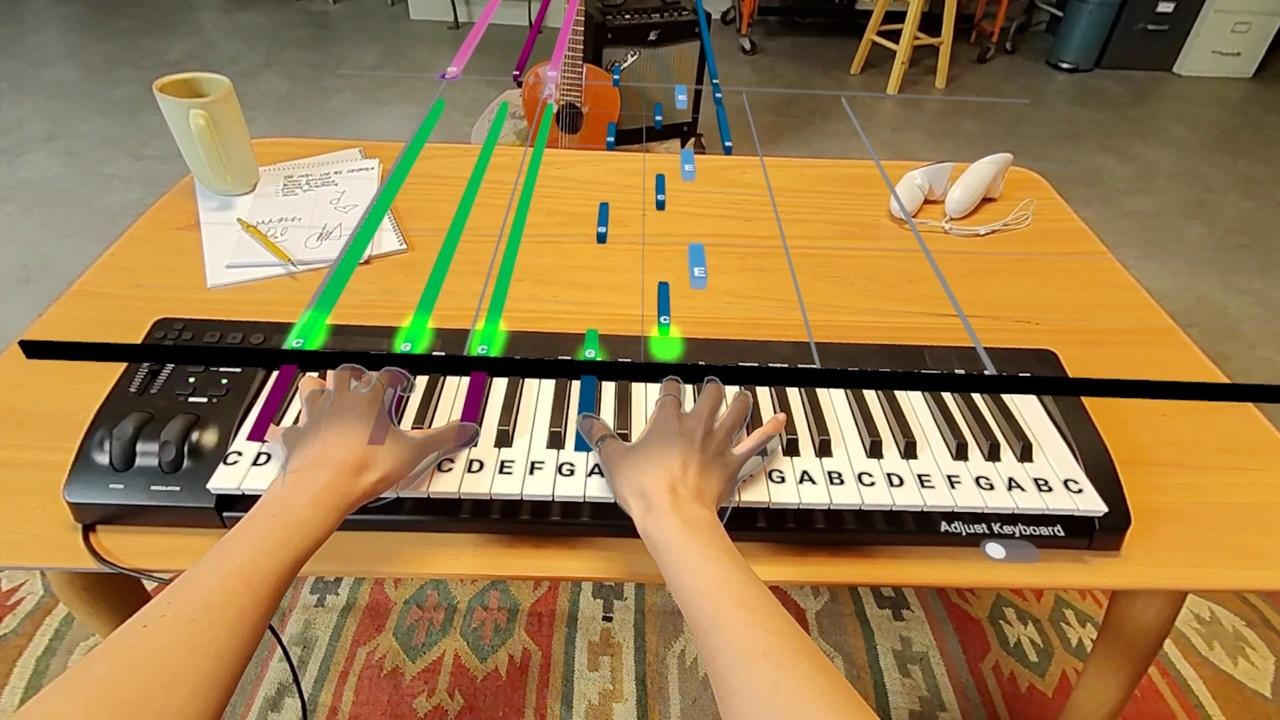
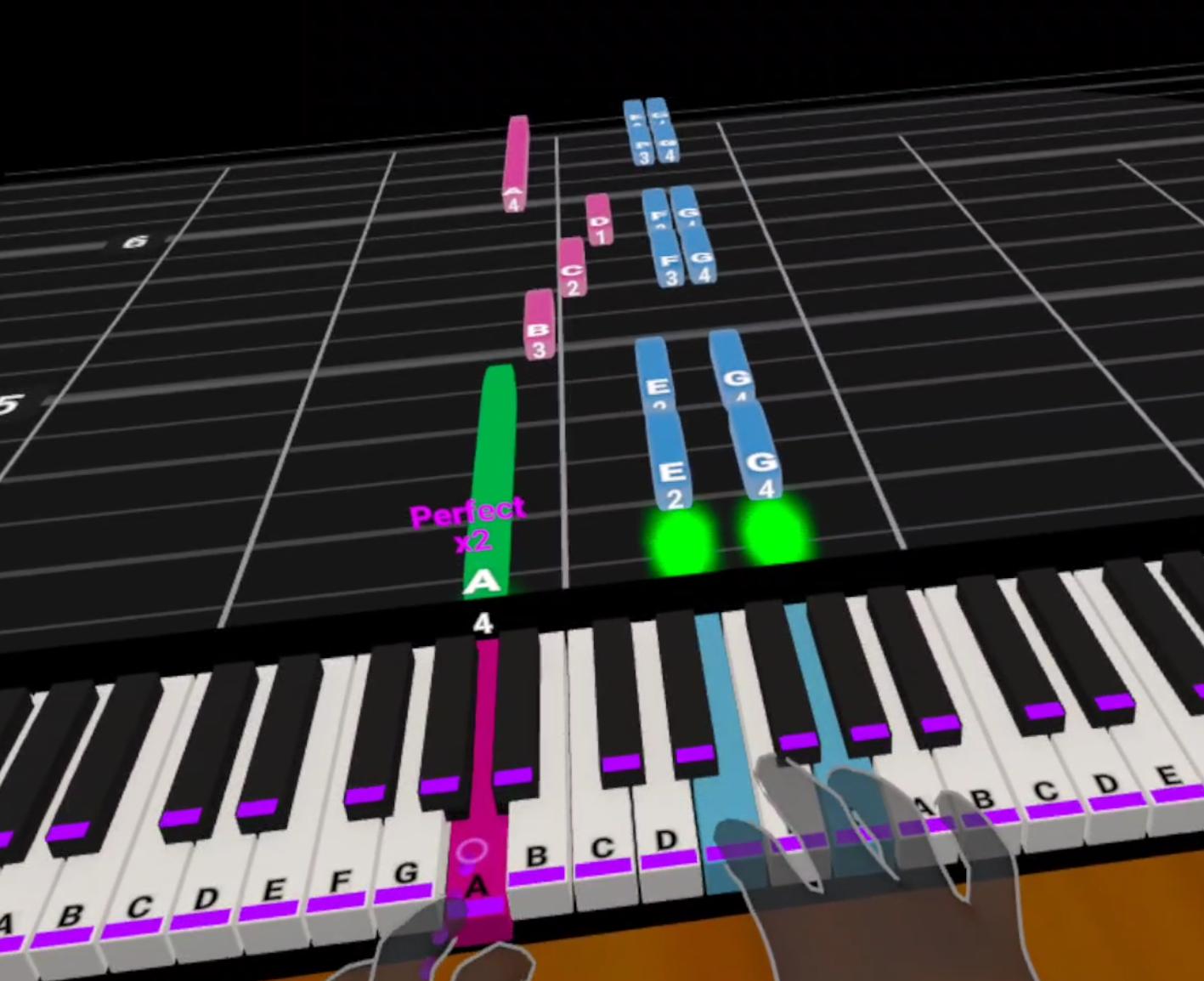
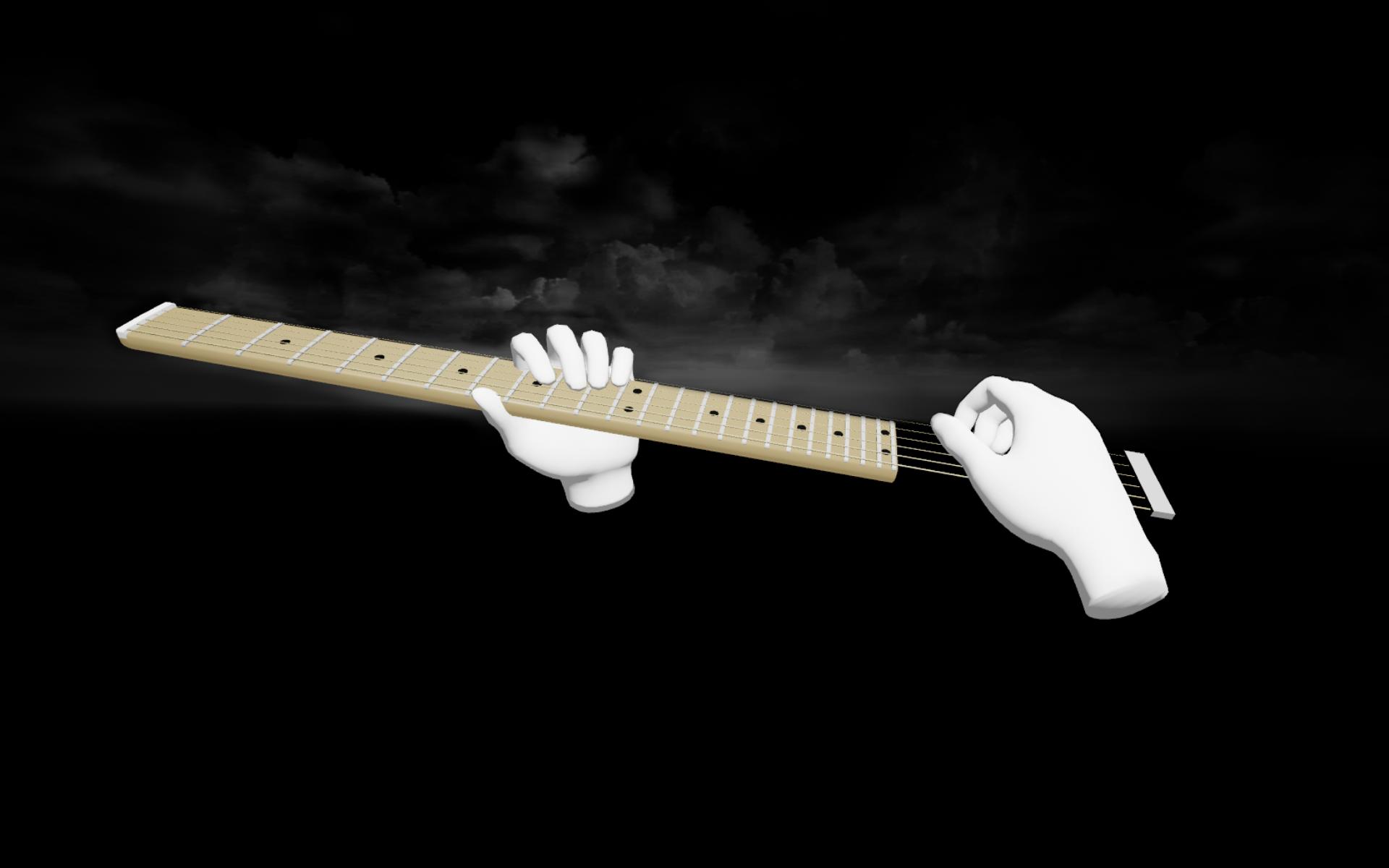
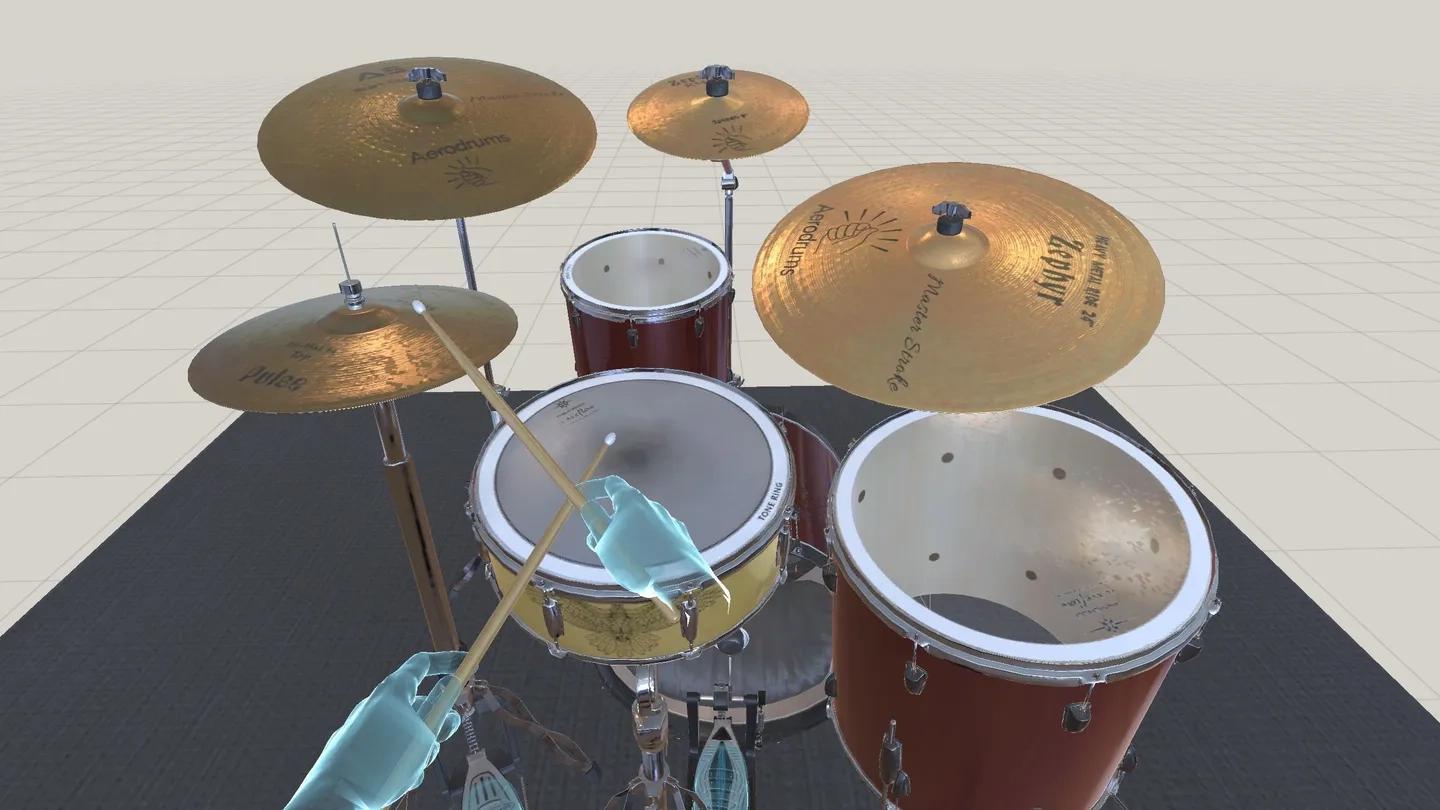
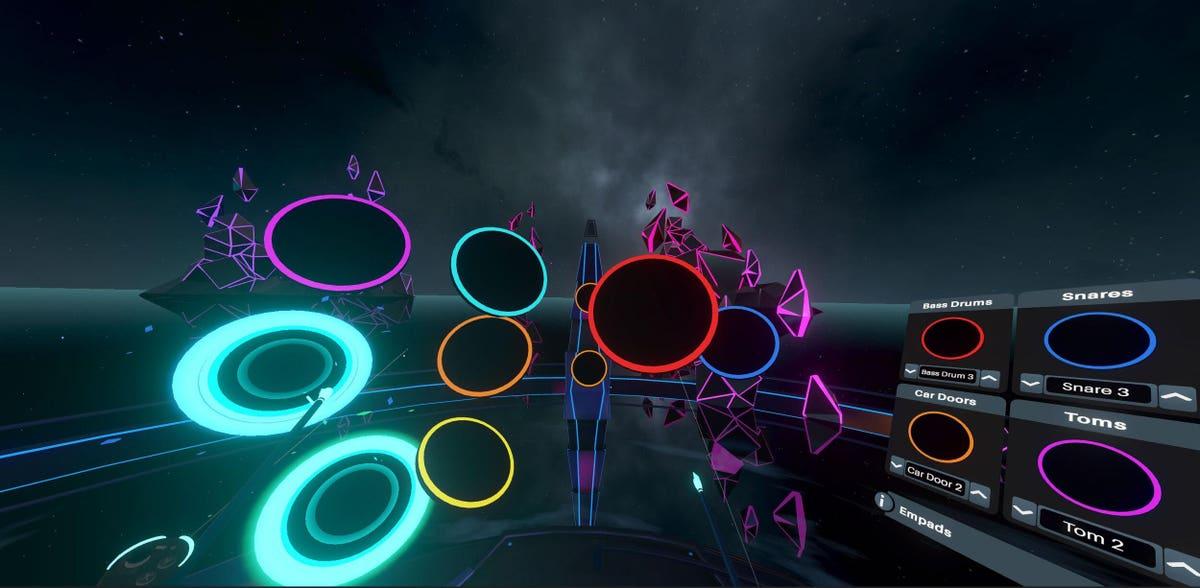
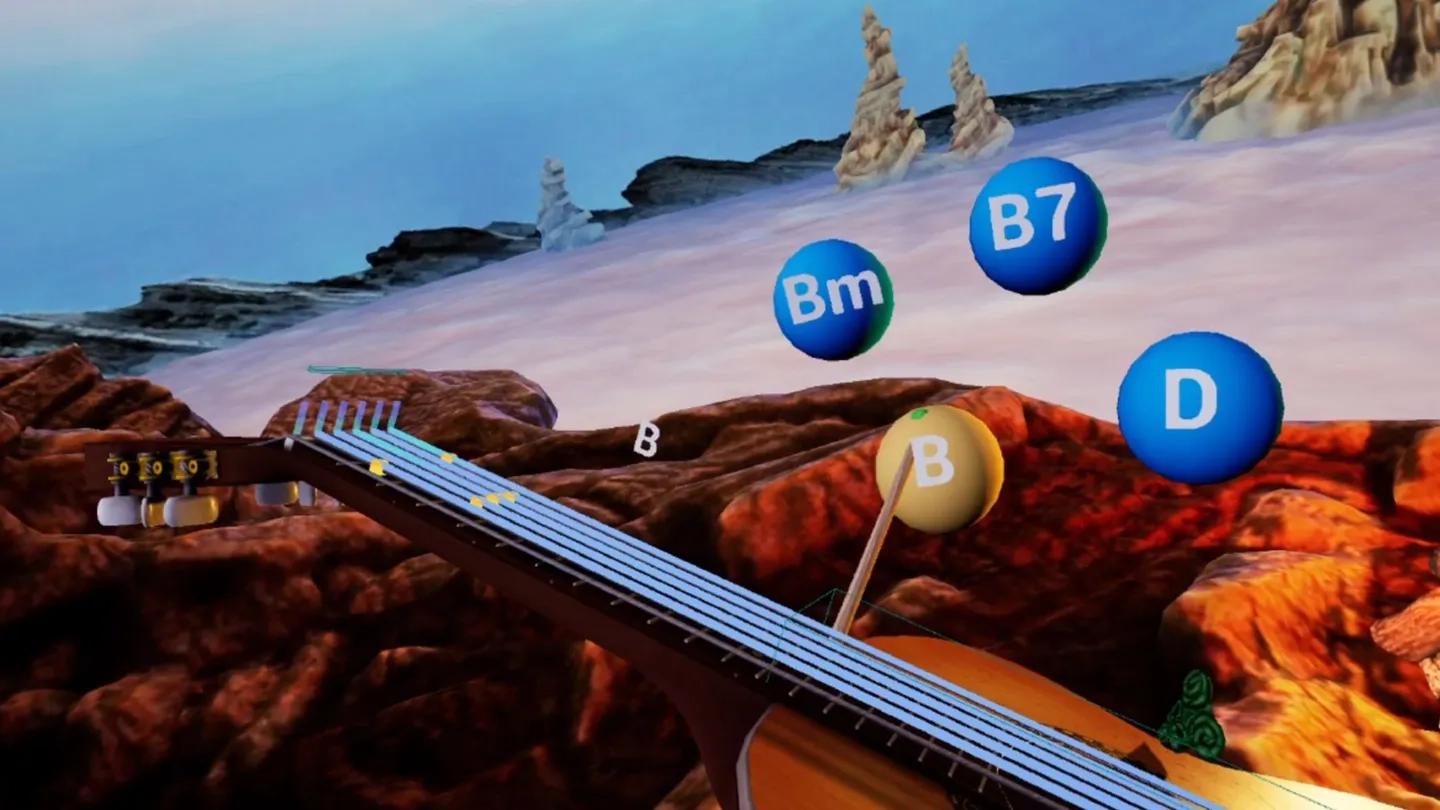
Users can explore virtual musical instruments, interact with them using their hands and experience the sounds associated with playing them.
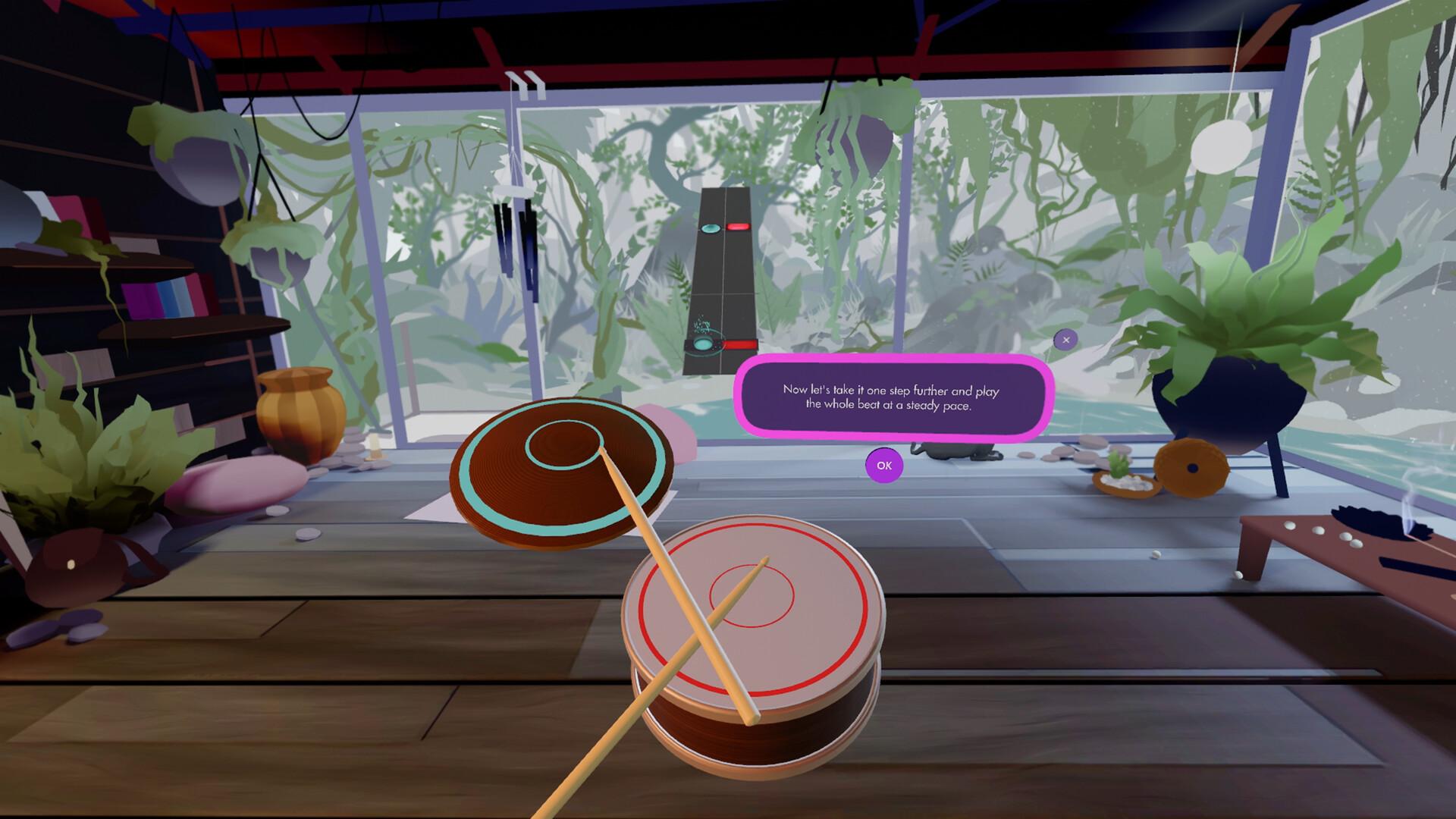
The AI Music Tutor is designed to guide learners through instrument selection, lessons, demonstrations, practice exercises and personalized feedback. Instead of only explaining what to do, it can coordinate actions within the music environment.
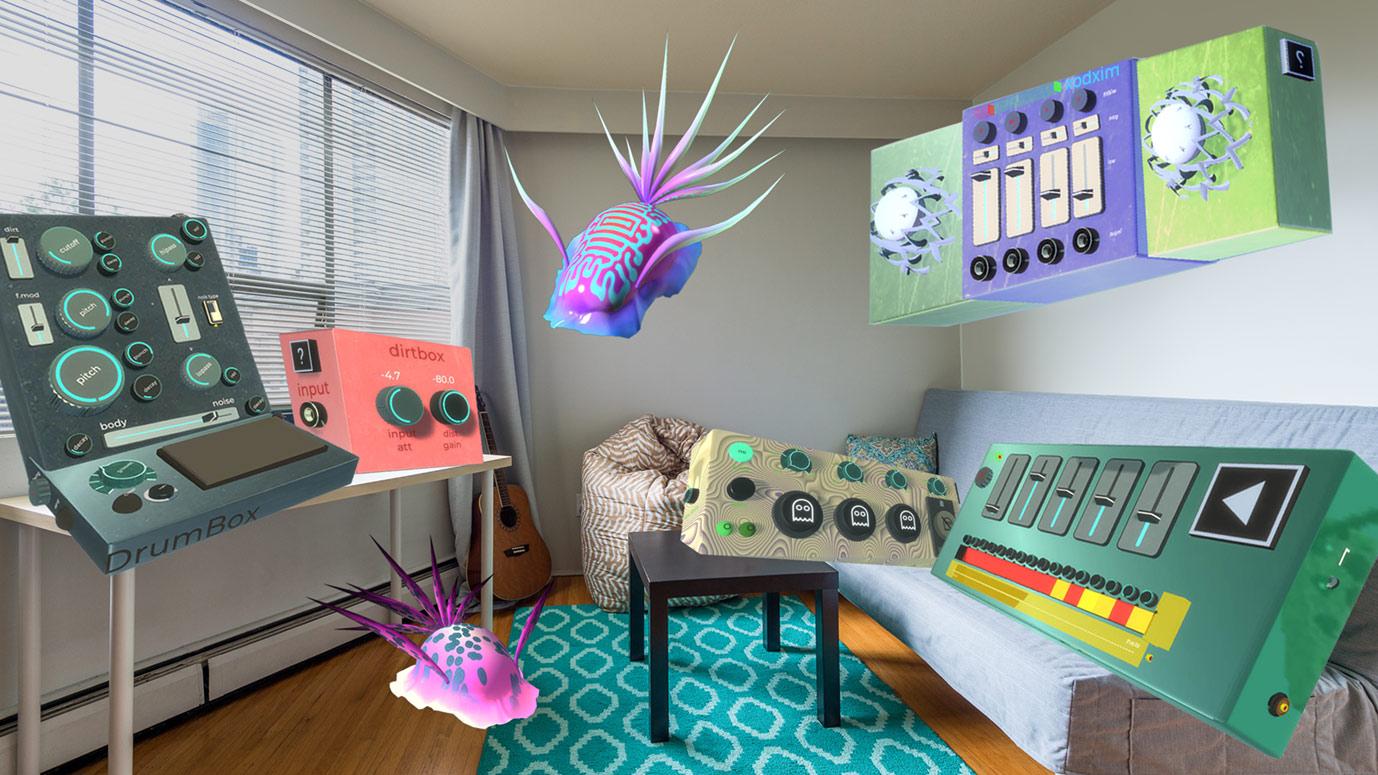
Our long-term vision is to expand this into a large instrument universe covering keyboards, percussion, strings, wind instruments and electronic music.
How we built it
We used Google AI Studio to accelerate application development and Google's Gemini technology for AI-powered assistance.
The immersive experience is built using [Meta Immersive Web SDK (IWSDK), Three.js, TypeScript and WebXR — retain only the technologies actually used].
The instrument experience uses [describe your actual audio engine and sound samples]. Our design separates local instrument playback from AI processing so that musical sounds do not need to wait for an AI response.
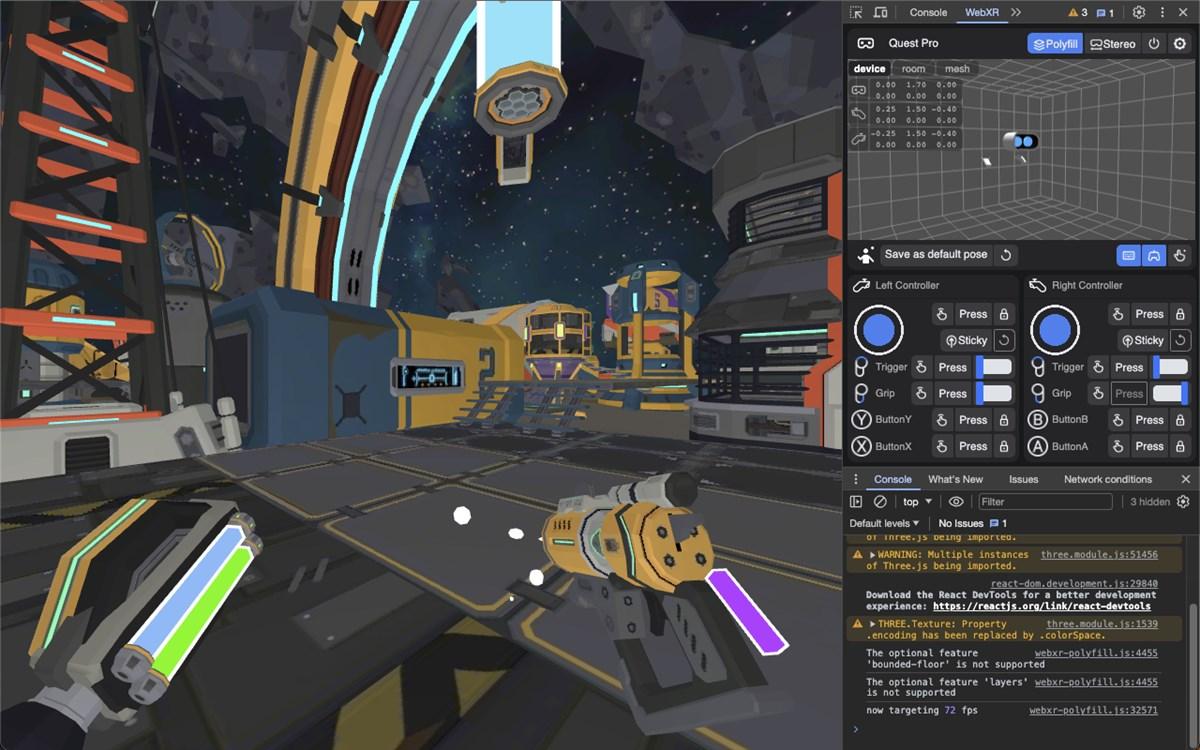
We designed the experience around hands-first interaction and seated use, with desktop XR emulation supporting development and testing.
Challenges we ran into
One of the biggest challenges is translating the natural movements of human hands into convincing musical interactions. Playing a piano, striking a drum and strumming a guitar all require different interaction models.
Sound responsiveness is another important challenge. Musical instruments need immediate audio feedback, while AI teaching and feedback can happen separately.
Developing and validating an immersive experience without owning a physical headset also makes desktop XR emulation and careful testing important.
Accomplishments that we're proud of
We are proud to be exploring a different approach to music education: an environment where learning, musical interaction and AI assistance can happen together.
What we learned
Building for VR requires thinking beyond traditional screens. Interactions must be designed around spatial positioning, natural hand movement, visual feedback and responsive audio.
We also learned that AI is most useful when it can take meaningful actions within an application rather than simply provide conversational answers.
What's next for MeloSpace
We plan to expand the instrument library, develop a complete adaptive music curriculum, improve realistic instrument interactions, introduce music composition and recording, and eventually support collaborative music sessions and professional creative tools.
Our long-term goal is to make music exploration and education more accessible by bringing an entire music universe into an immersive environment.
Built With
- firebase
- google-ai-studio
- google-gemini-api
- iwer
- llms
- meta-immersive-web-sdk
- metaai
- react
- three.js
- typescript
- vite
- web-audio-api
- webxr

