-
-
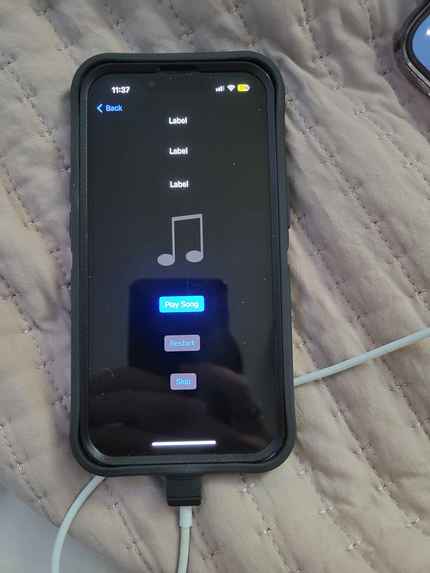
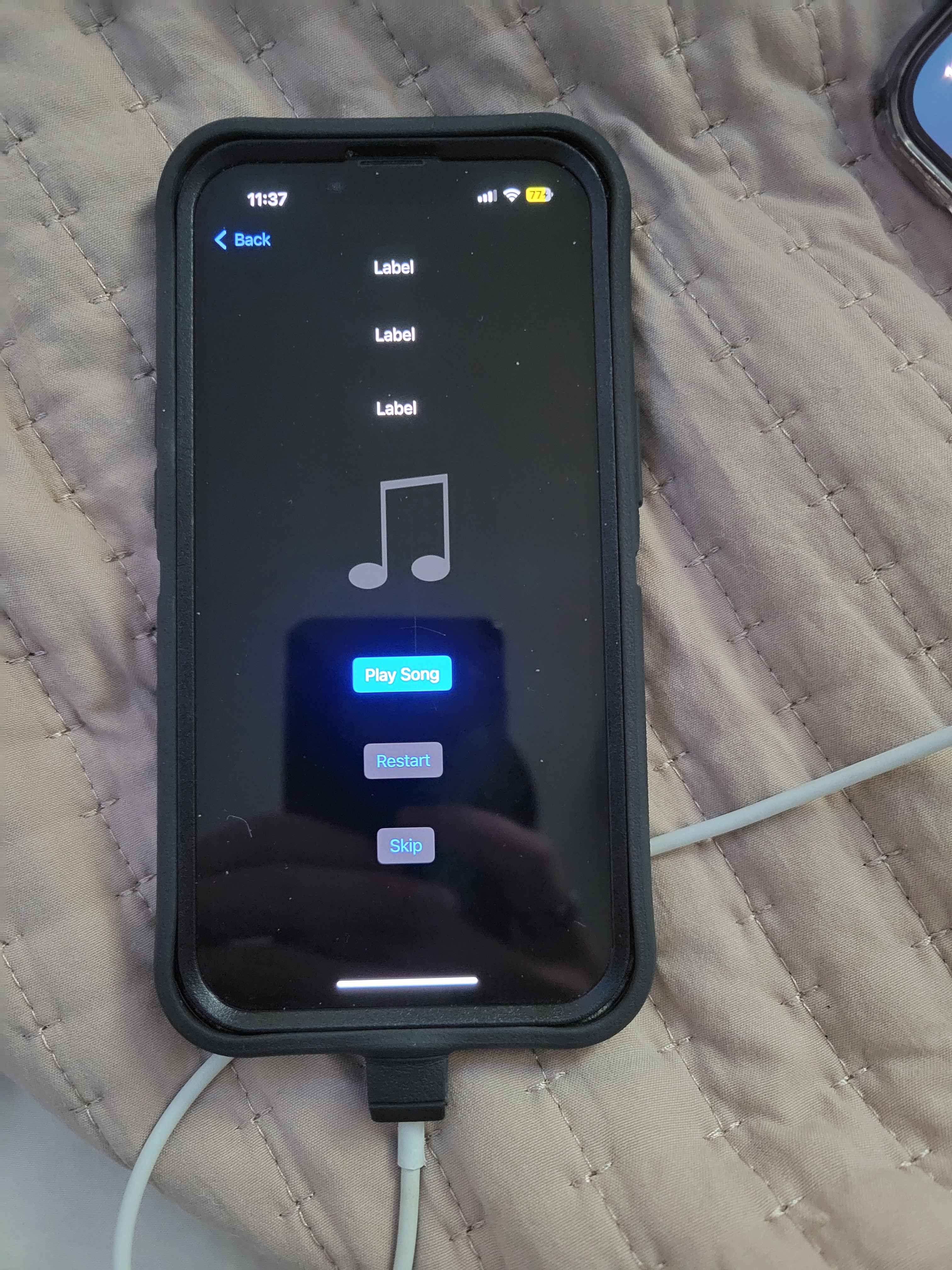
App screen
-
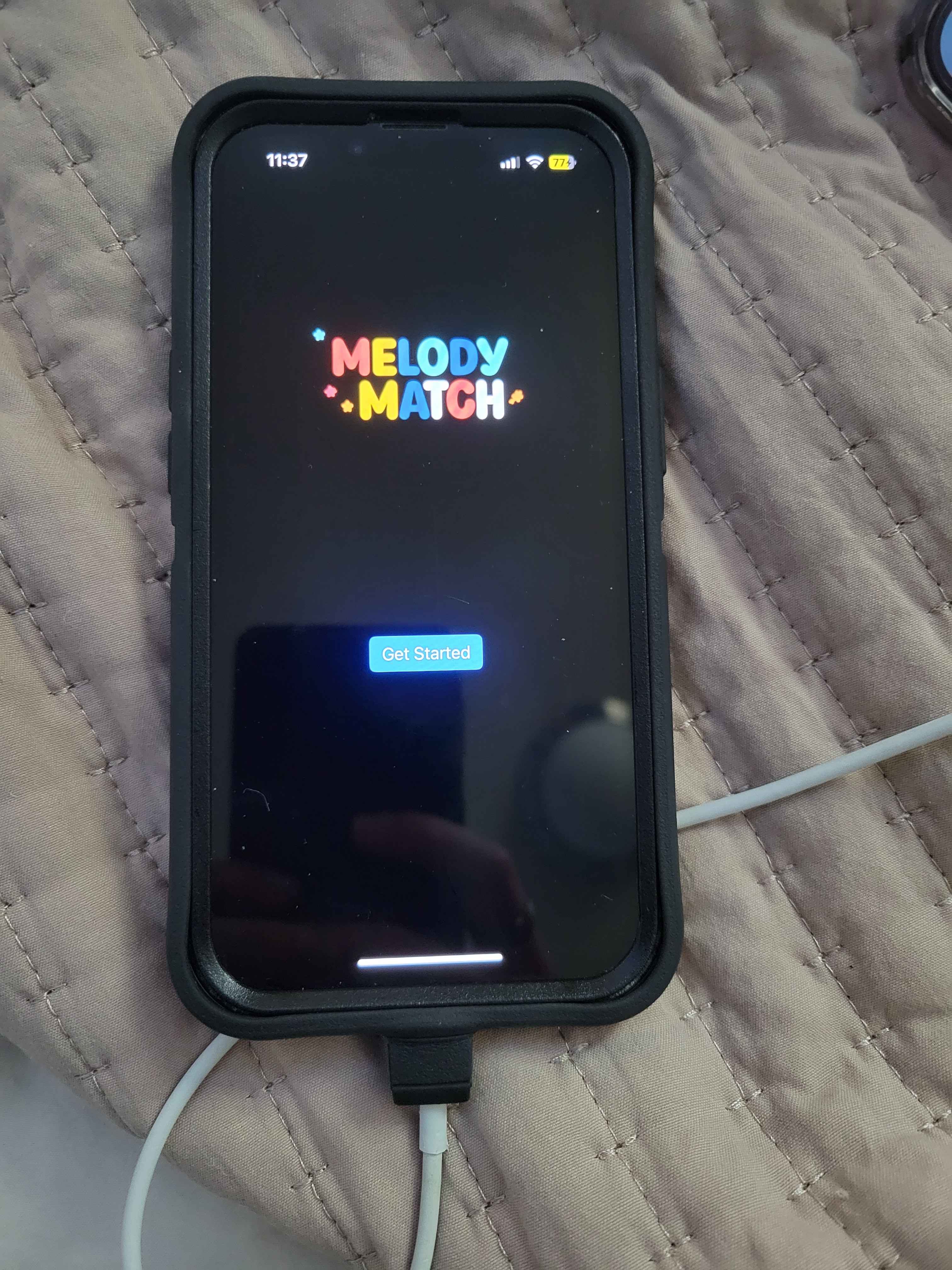
App front page
-
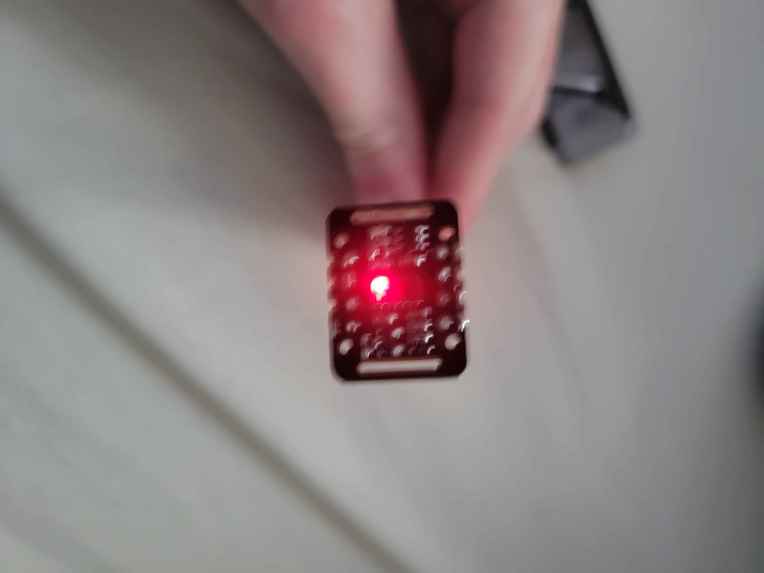
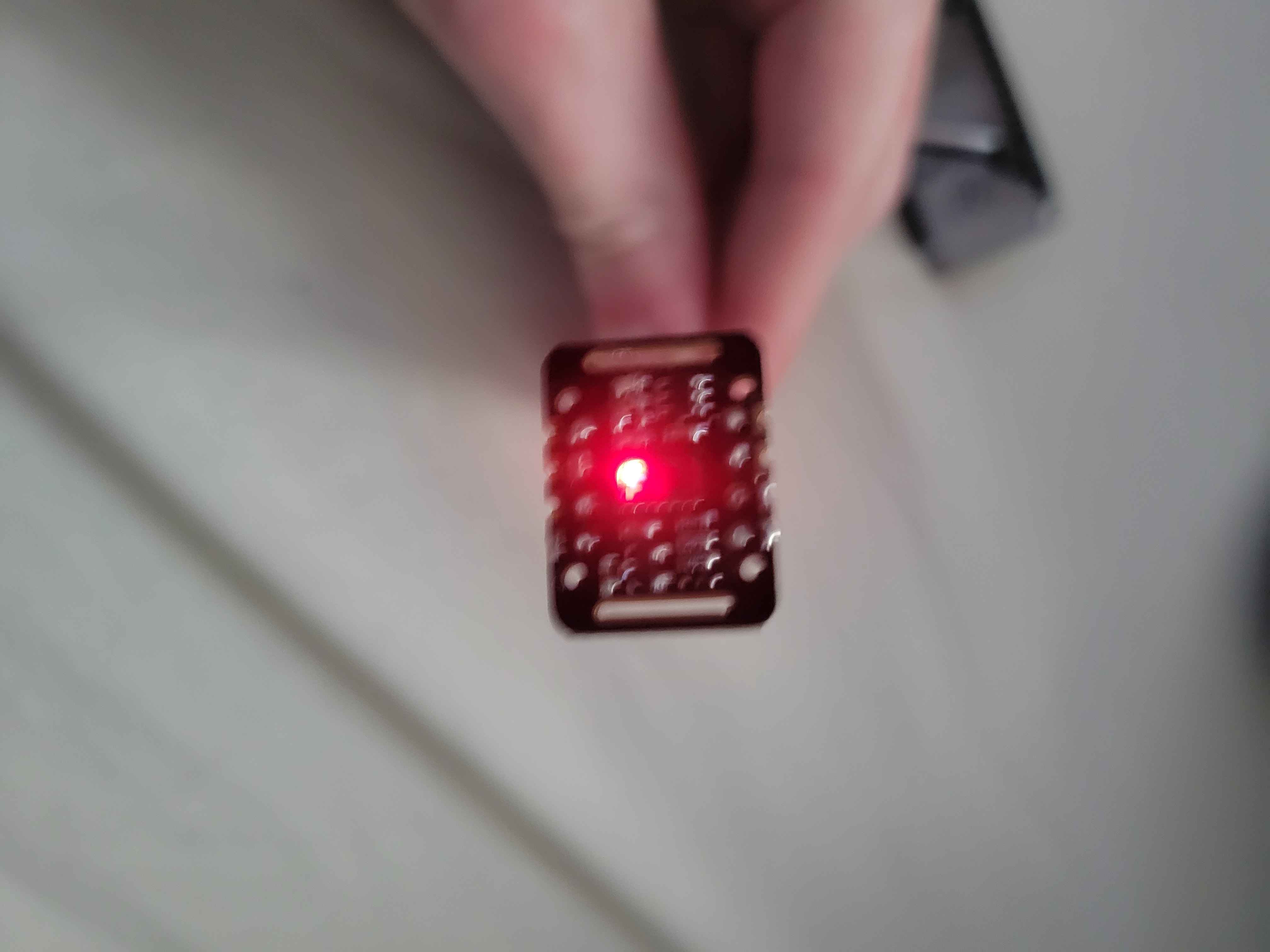
IR Sensor
-
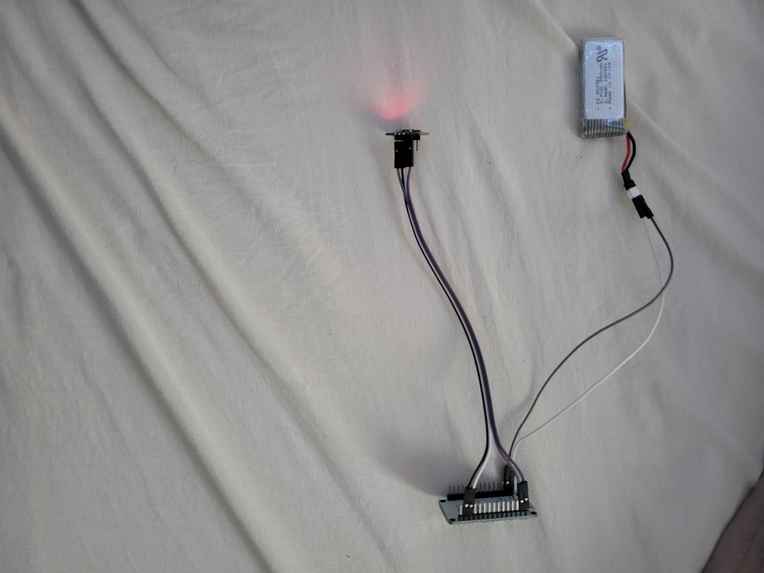
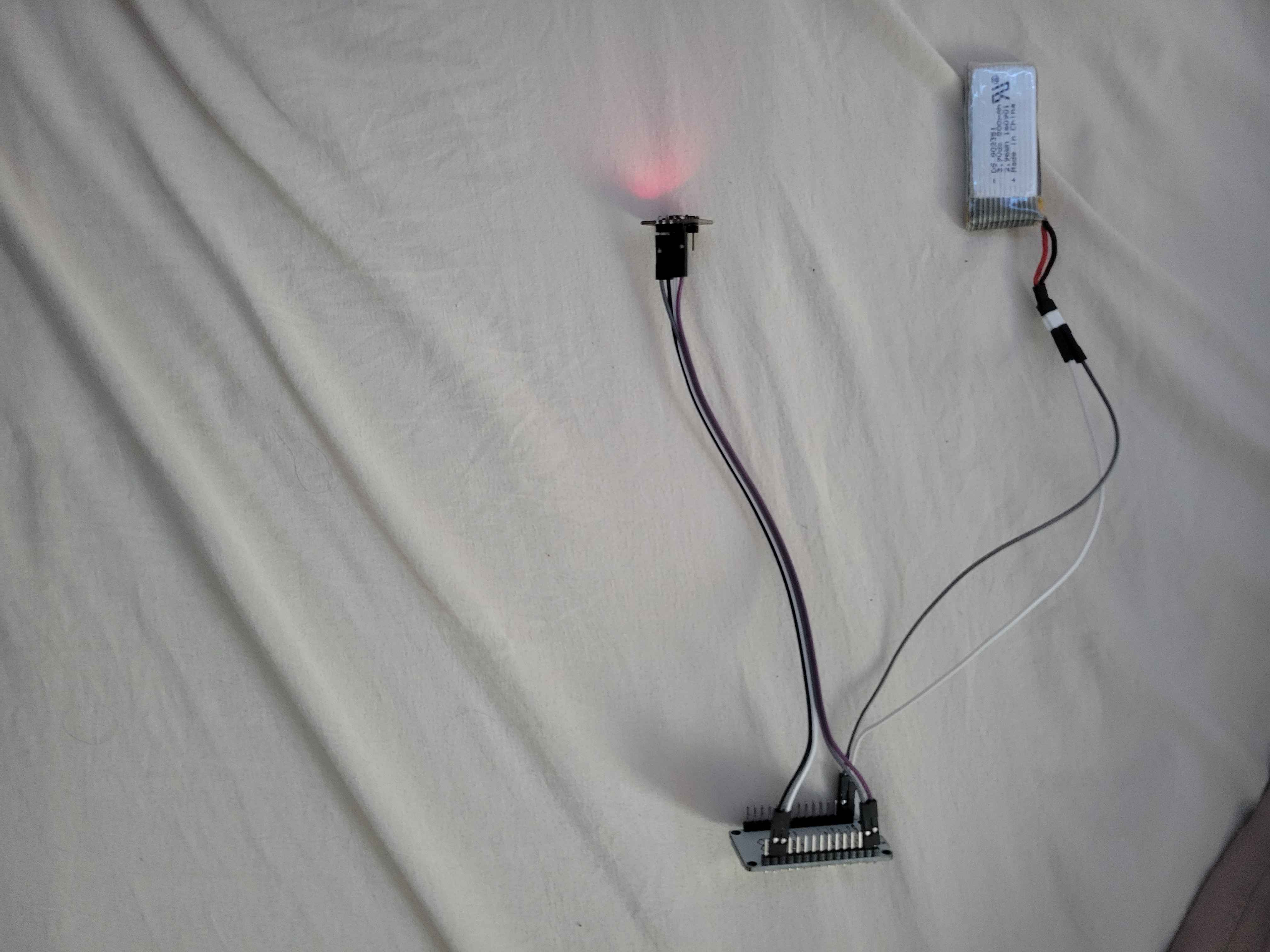
Heart reading device
Inspiration
Melody match was inspired and is a current reinvasion of a previous failed project called heartbeat harmony. We wanted to incorporate a device that uses simple but effective hardware to be able to solve a real-world problem. This problem is the ever-rising rate of anxiety and stress. Melody match is the bridge that attempts to solve these issues by using non-invasive IR sensors and AI algorithms.
What it does
Melody match uses IR light signal that is projected through the user's finger. As the heart contracts and relaxes, blood is ejected in pulsatile waves. These waves increase the amount of blood in the tip of the finger that can absorb more IR light and thus detect the user's heart. This data is transmitted to a microcontroller that will transmit the data to the user's phone. The melody match then uses AI to run a search algorithm on different music genres that are prioritized based on the live heart rate data. This search is done to find a match of the genre music that induces the greatest heart rate relaxation.
How we built it
We used a simple IR sensor that is powered by the user's smartphone. We then send this data to a server. This server acts at the brain of the system as it holds the neural algorithm that was done with python. The neural algorithm uses the heart rate data and samples of music genres that tests their respective reactions on the user. This algorithm is trained to find patterns in the heart rate changes and the genres of music associated with it. After the neural algorithm finds the highest correlated match, it will transmit the match back to the user's phone on the melody match app to display the music that calms them the most.
Challenges we ran into
One challenge we ran into was having enough computation efficiency to be able to achieve the neural algorithm. We solved this by using a ESP8266 which is a Wi-Fi microcontroller that allows us to transmit the heart rate data to a server which is capable of running the neural network. Another problem we ran into was being able to power the heart rate sensor device as the iPhone was not able to accomplish this. We solved this problem by using an external 3.8 V LIPO battery to power the microcontroller that then powers the IR sensor.
Accomplishments that we're proud of
We are proud of the work we put into gathering to put our idea into play. Building melody matches was a roller coaster of issues and troubleshooting but during this process we learned to enjoy the ups and downs of the creation, and we are proud that as a result a product was made that could have an impact on people's lives. While the nature of the idea is simple, the effects of the little things in life should never be underestimated.
What we learned
The process of putting our idea into action taught us that like many things in life, unexpected and unforeseen issues can and most likely will occur. During this we had to think outside the box to find solutions. Sometimes the solution was found as a result of two possible solutions coalesced. We learned how to optimize our neural algorithm. Lastly, we learned music is a powerful aspect of our lives.
What's next for Melody Match
The future of Melody match is a more refined prototype. We are limited with the hardware capabilities and wish to see Melody match more refined and independent of extraneous hardware. One example of this could be an official housing for the device as this would not only spruce the design quality but be able to reduce noise on the IR sensor to get more reliable heart rate data. While Melody Match is simple, we can see a future where this is the first step in the research and application of music in the complex world that is health.
Built With
- esp8266
- python
- texas-instruments
- xcode


Log in or sign up for Devpost to join the conversation.