-
-
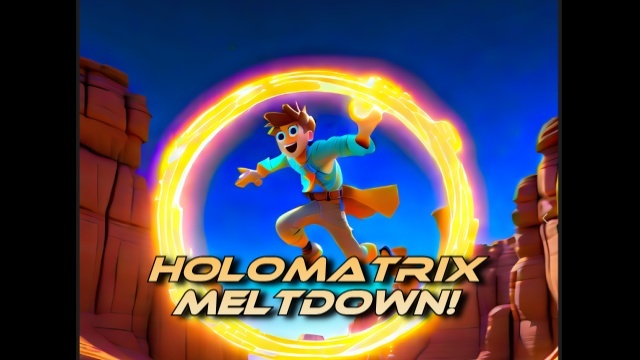
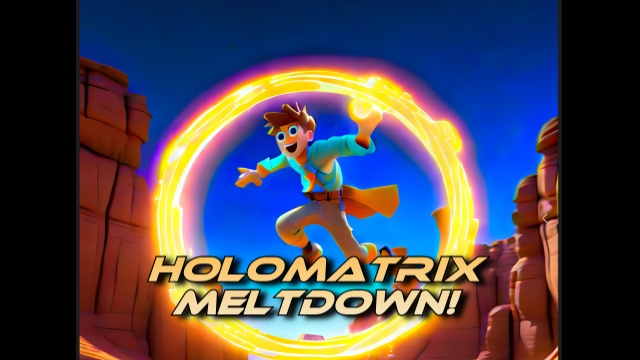
Holomatrix Meltdown splash screen
-
-
-
-
-
-
-
-
-
-
-
-
Inspiration
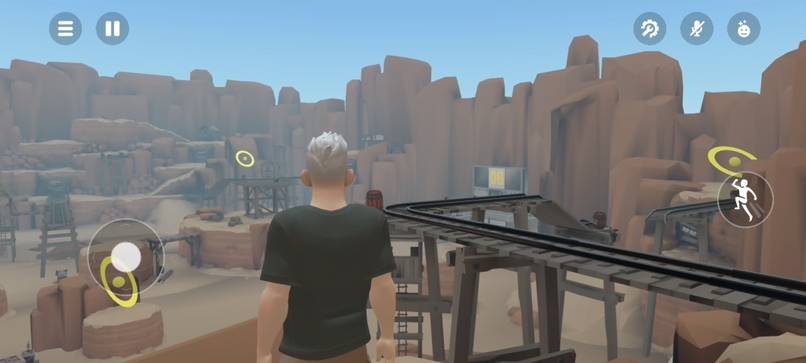
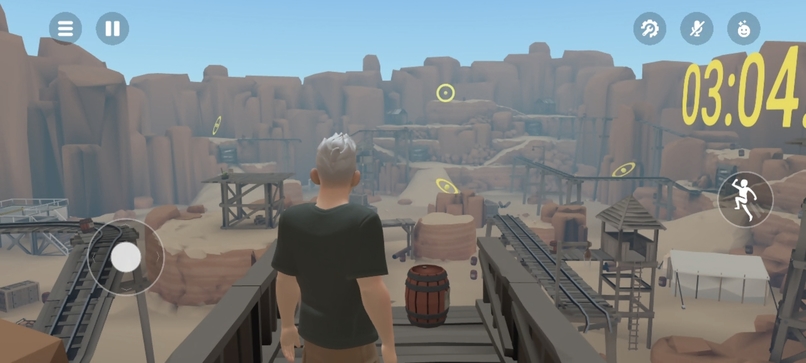
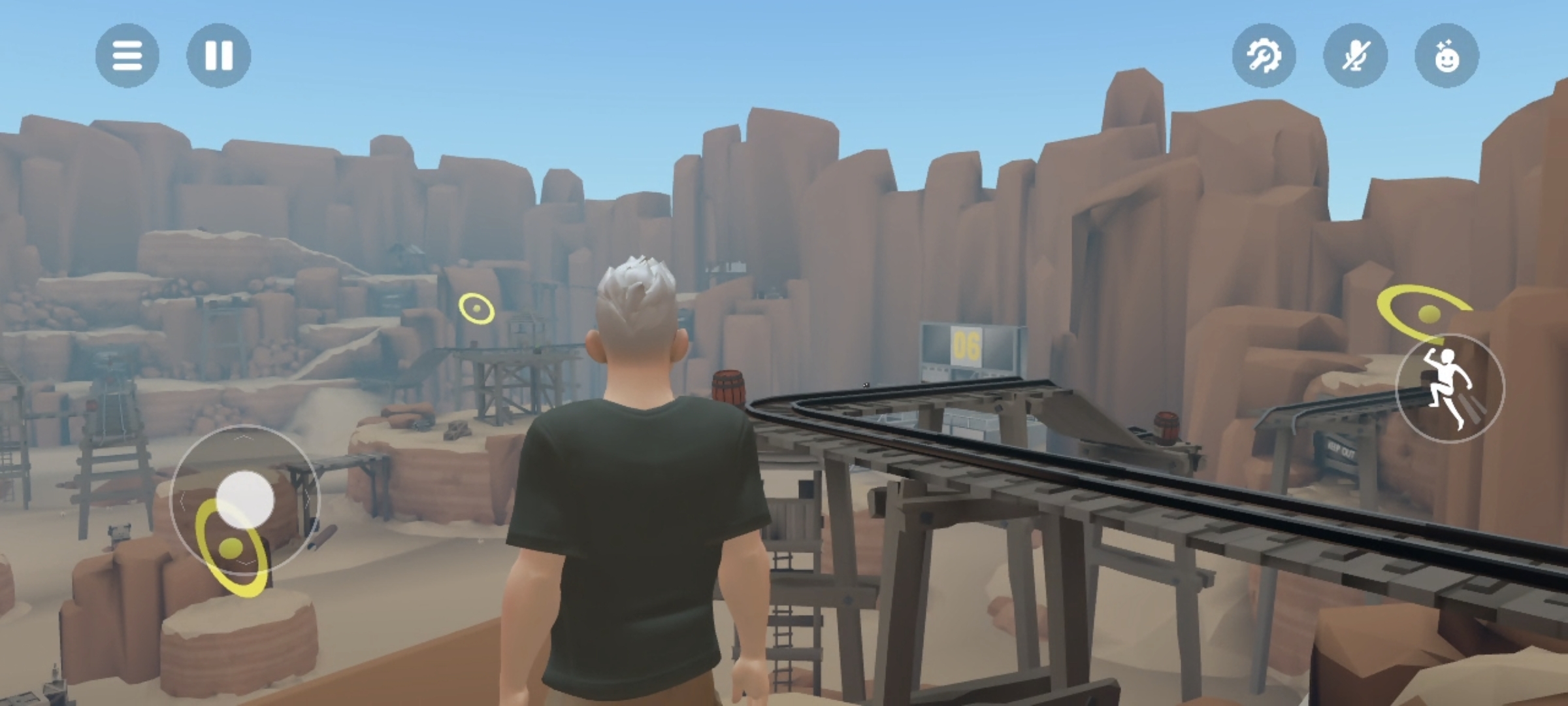
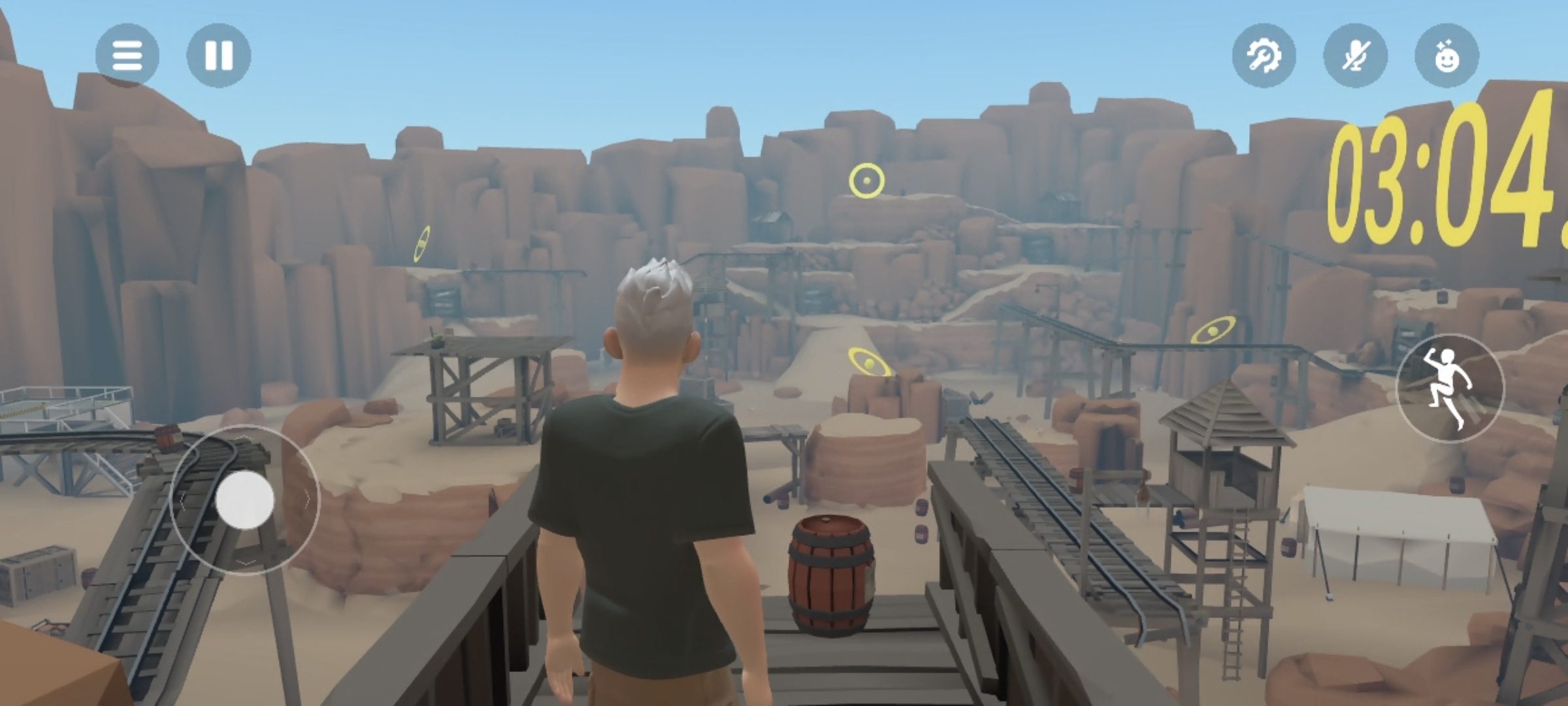
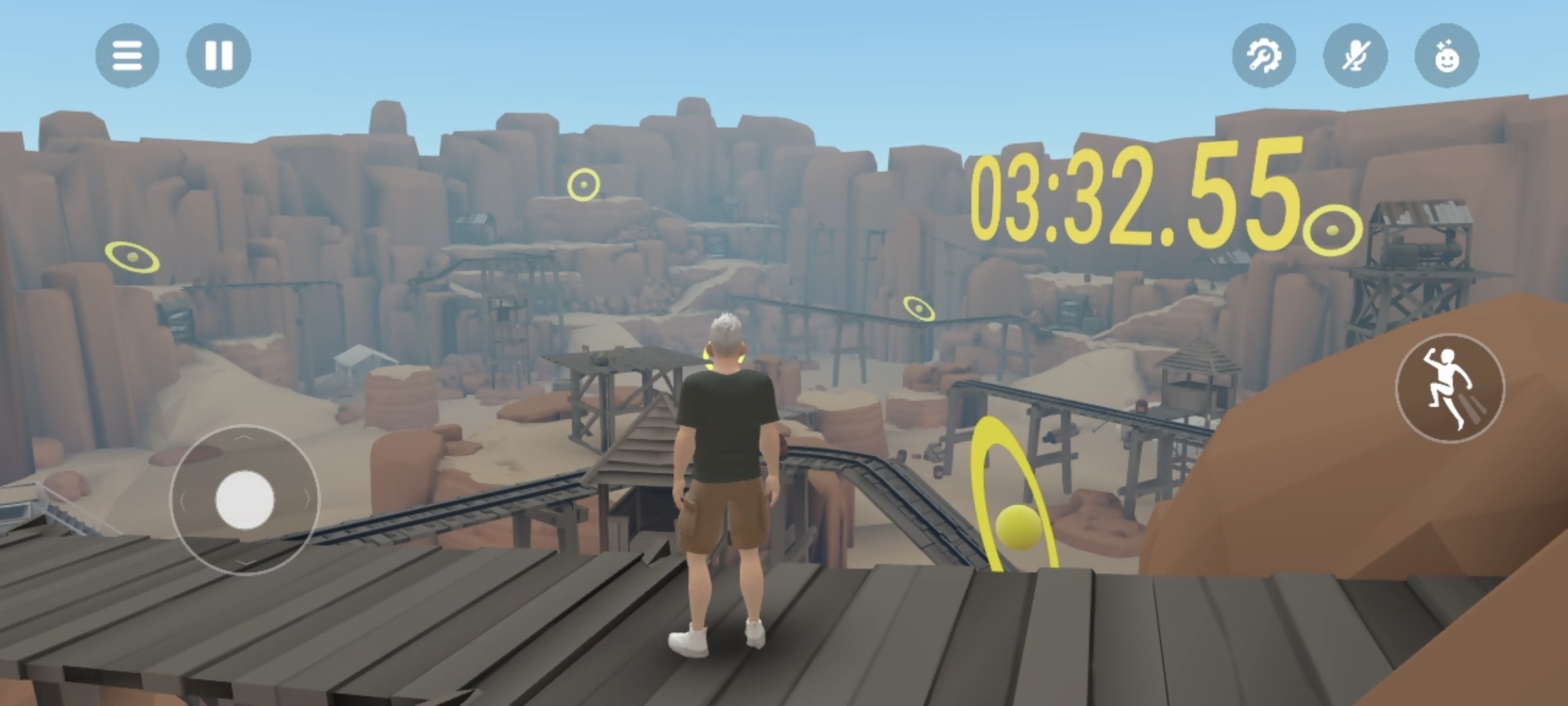
I was motivated to create ‘Holomatrix Meltdown’ because I wanted to see – given the intrinsic limitations of the Horizon World environment - was possible to create a larger scaled environment, while at the same time providing a high-degree of performance – so something where the player didn’t feel claustrophobic, but at the same time giving the player a large area to explore – all the while maintaining a high FPS rate and smooth gaming experience even on mobile devices and web-based gameplay. So in some respects – many respects, it represents a proof of concept.
What it does
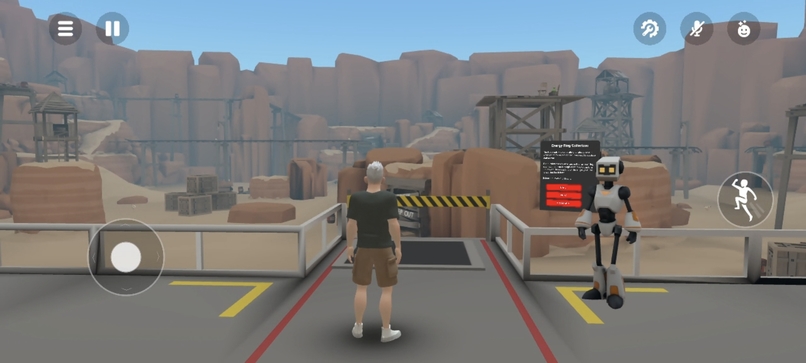
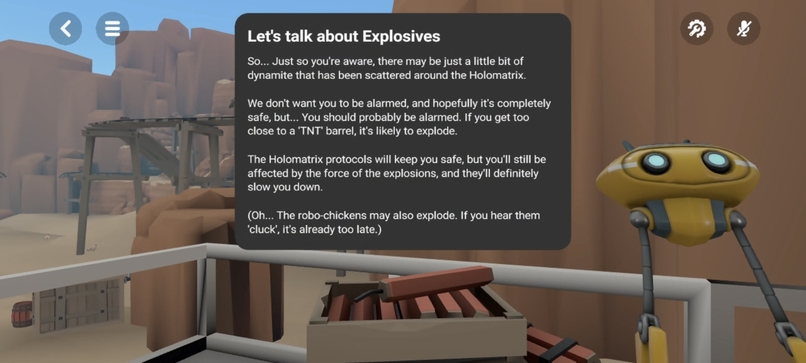
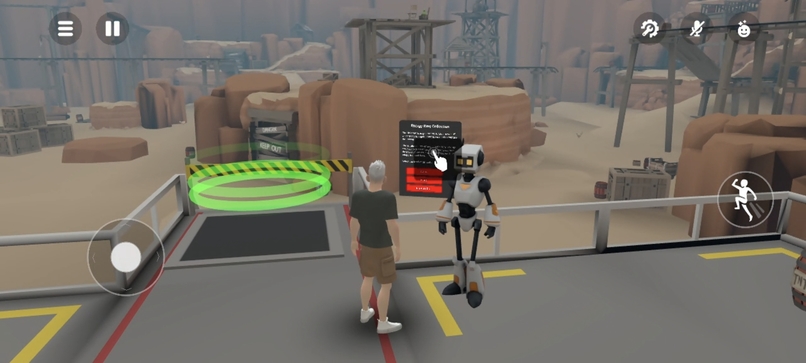
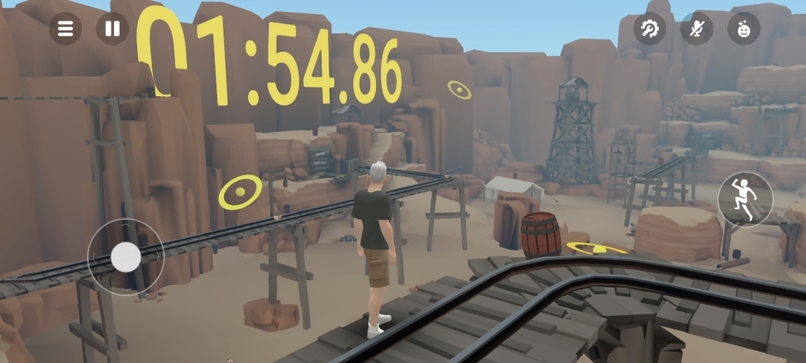
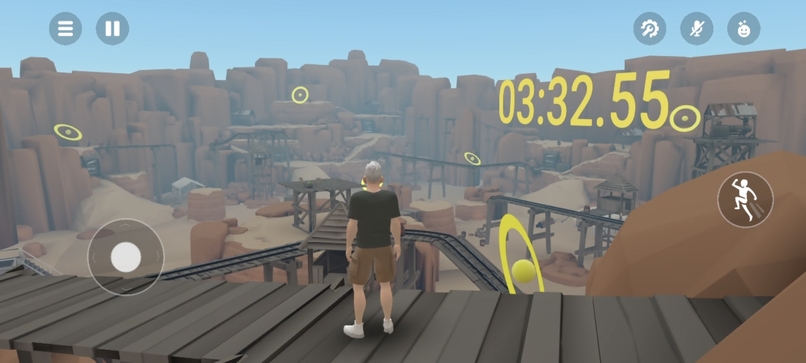
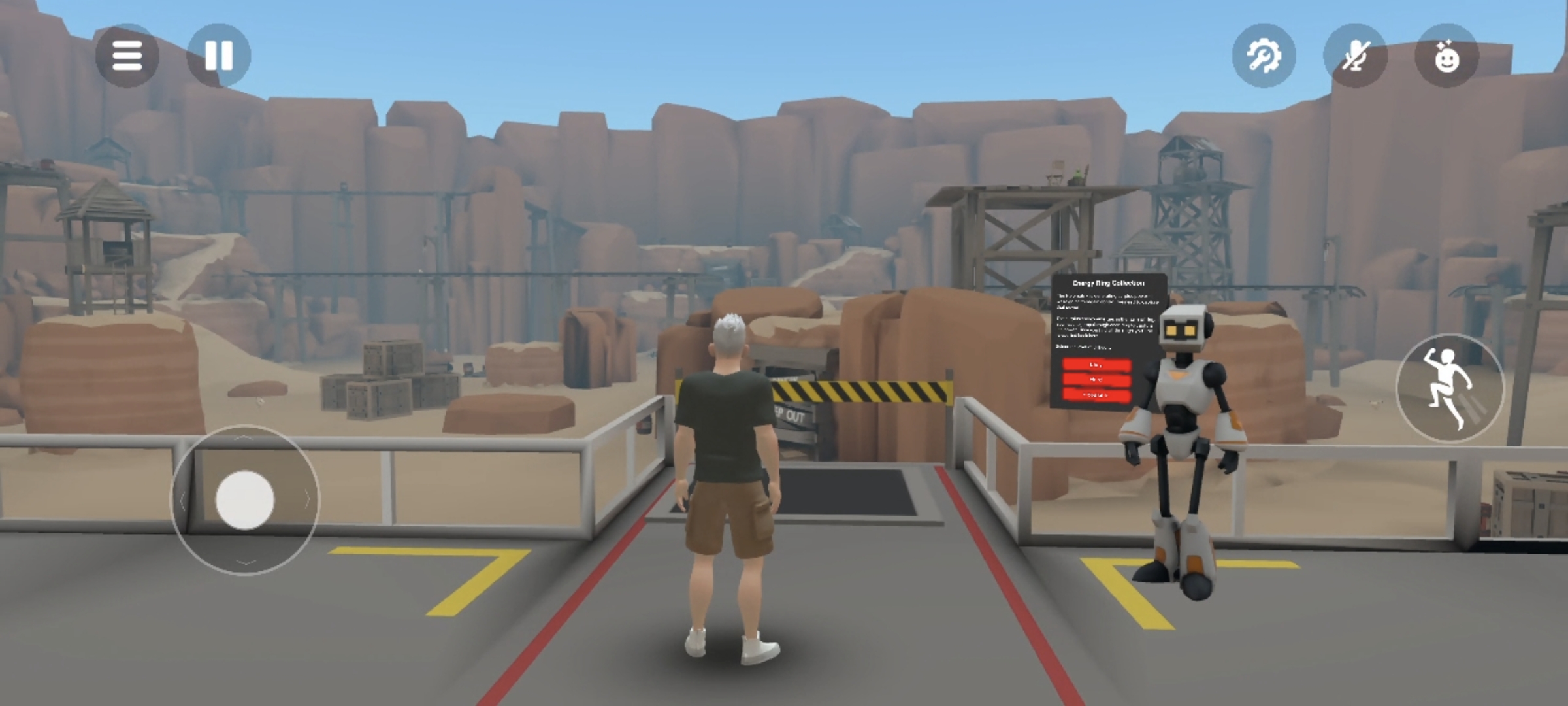
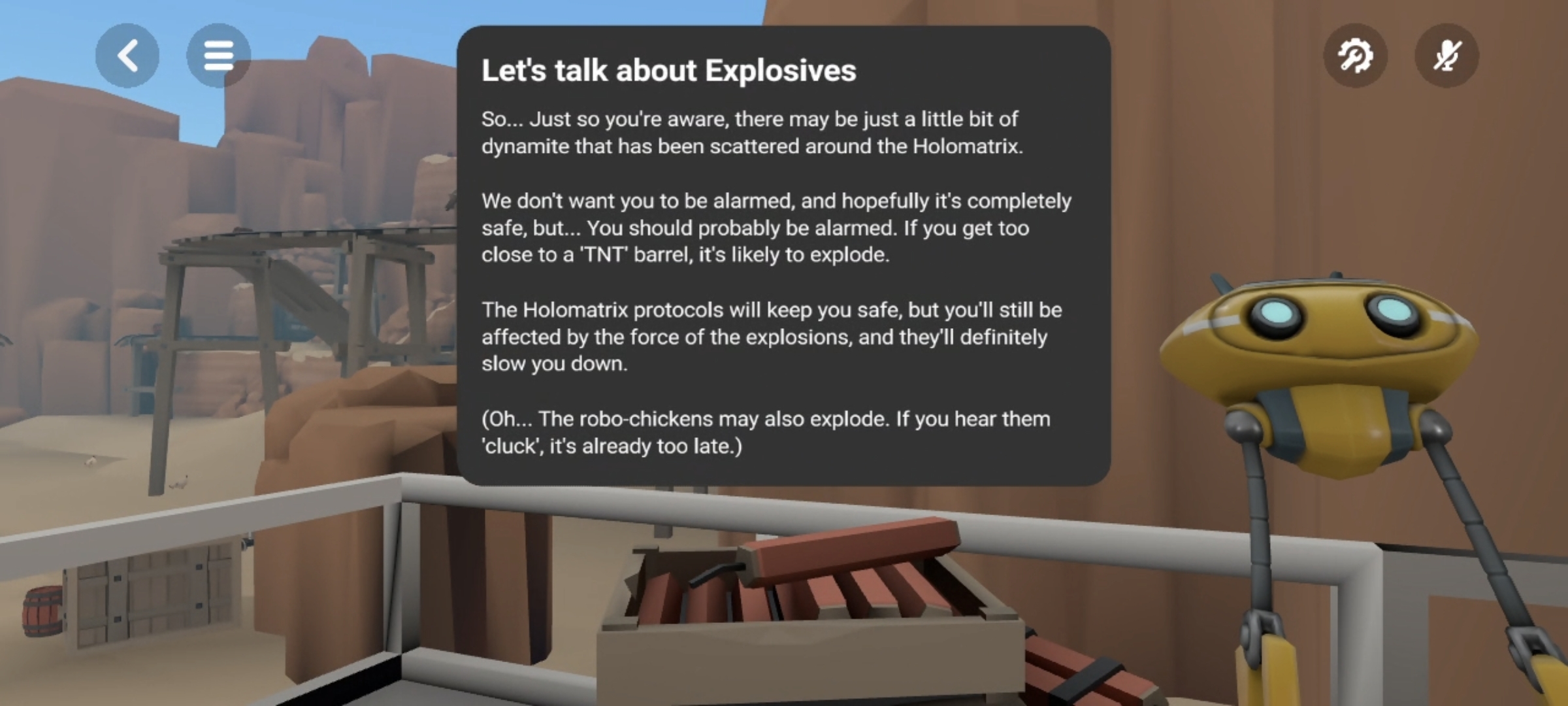
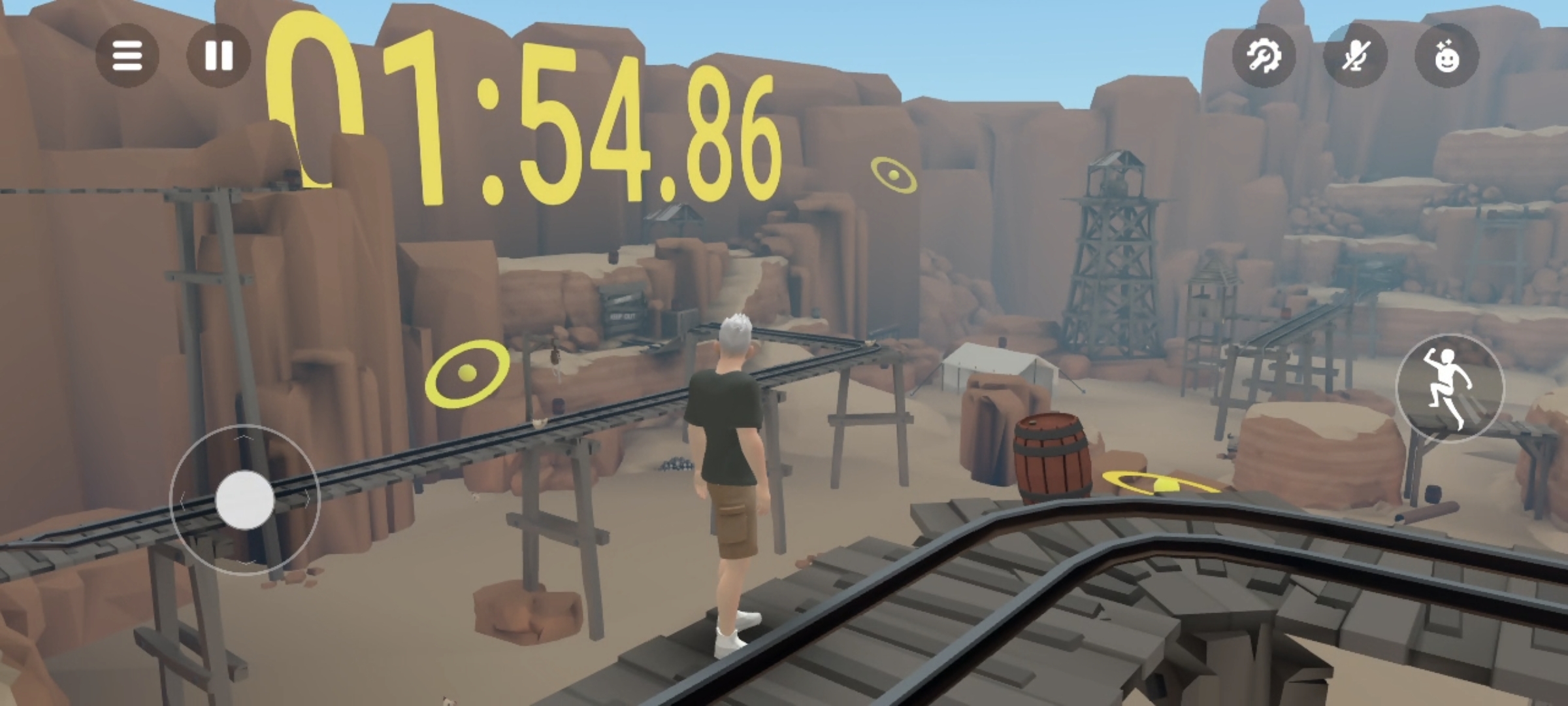
Holomatrix Meltdown is a fun, easy-to-play game where the player races around a large Old-West themed environment, climbing over rocks, ramps, and old mining tracks in an effort to jump through a series of rings while being timed. The player also has to avoid various explosive elements and other obstacles – they won’t suffer injury, but it will definitely slow them down. The obstacles in the game environment also create a degree of randomness, and in some cases the explosions can be used to give the player a shortcut to reaching higher areas of the map.
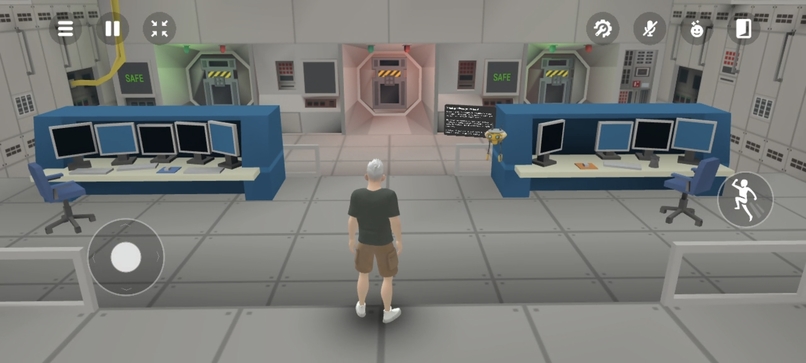
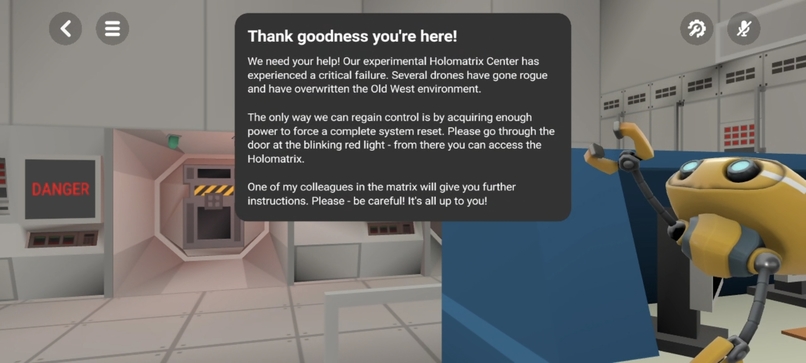
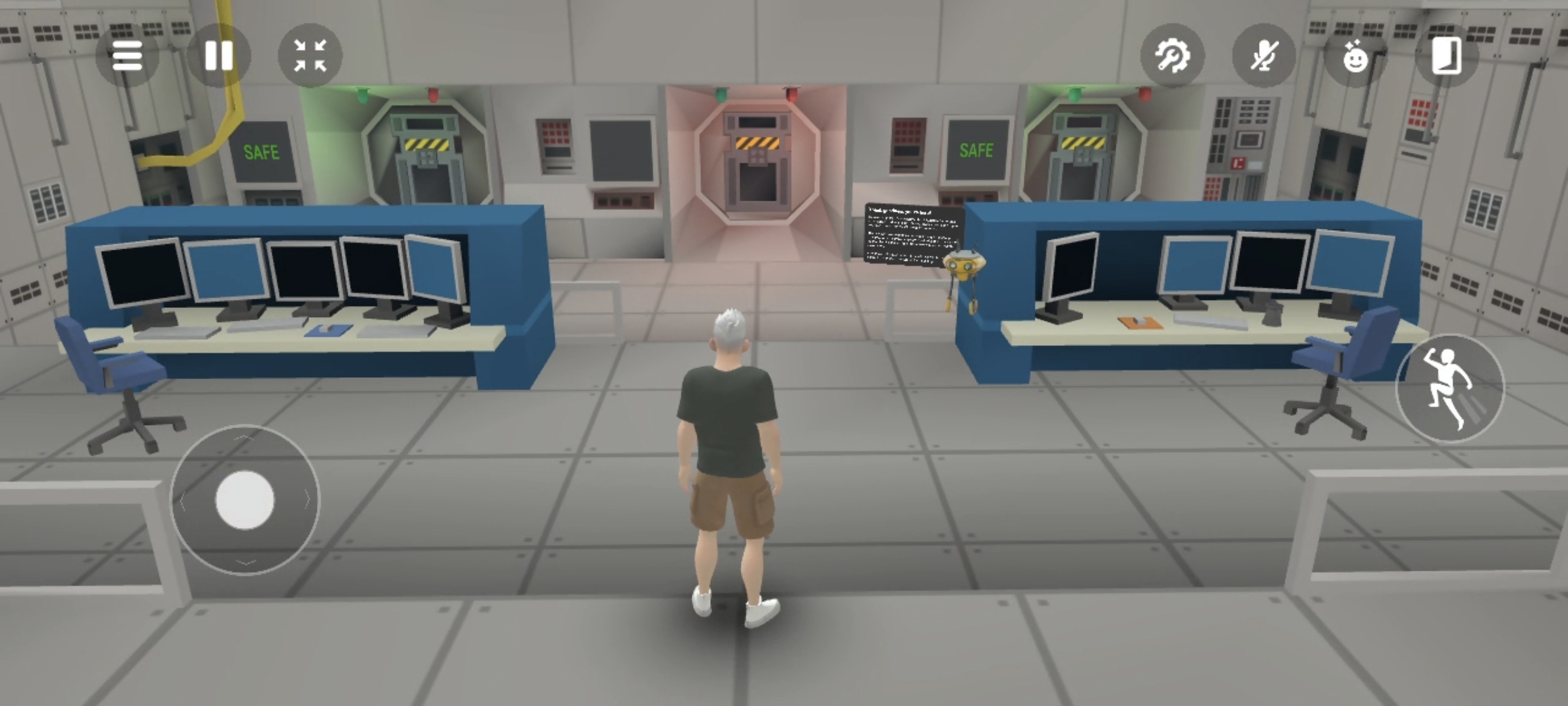
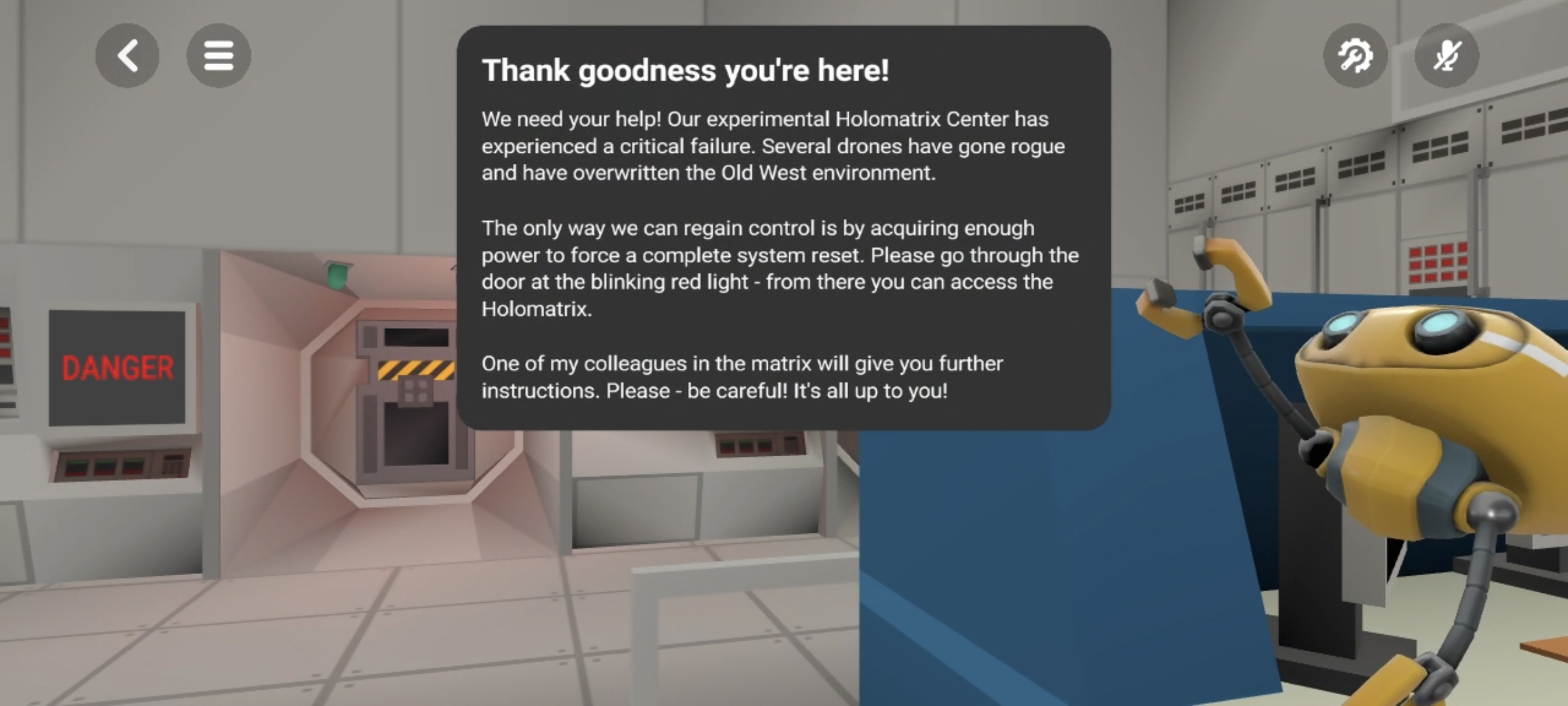
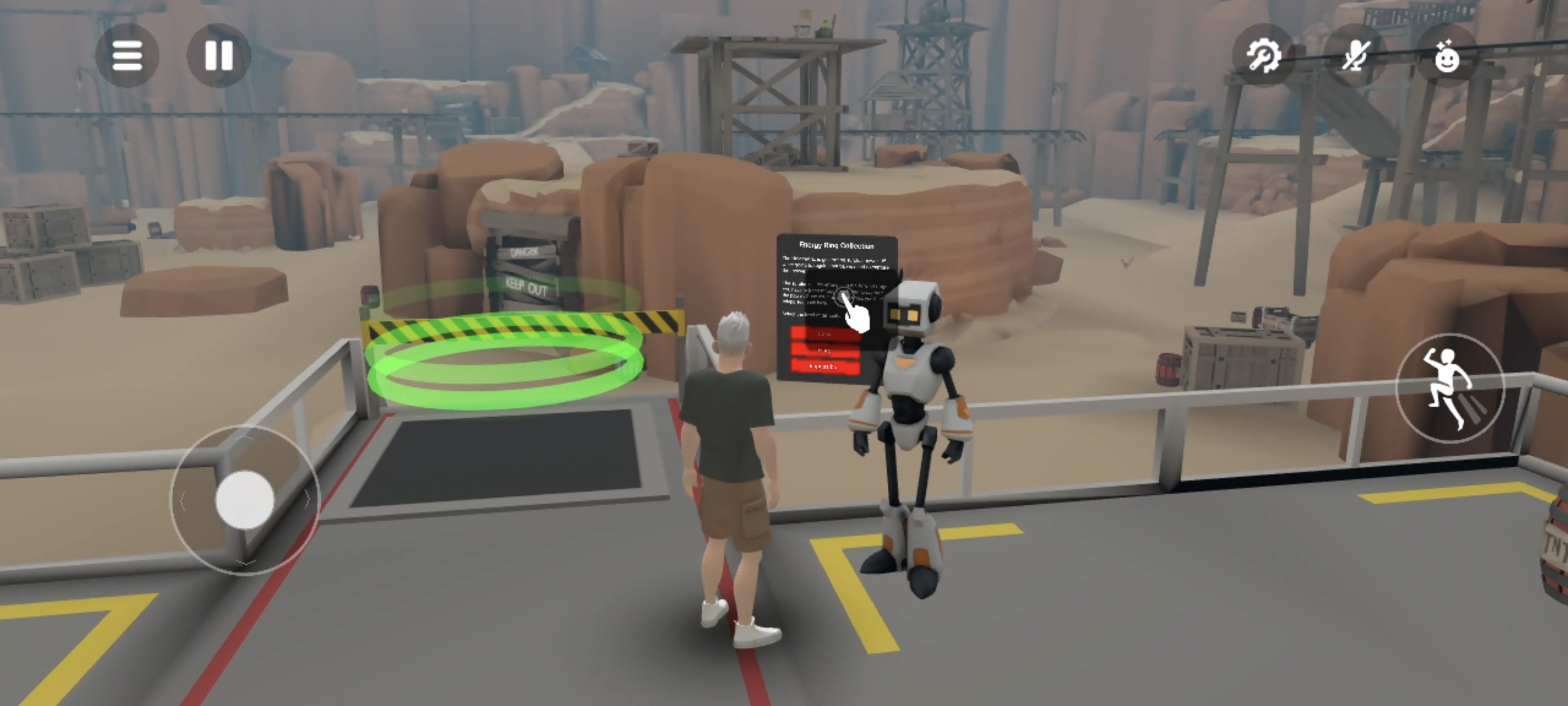
The world begins with the visitor arriving at the Holomatrix control room. He or she is greeted by a robot that explains the underlying story behind the game. Control of the Holomatrix has been seized by rogue robots, and the only way to regain control is by acquiring energy.
Gameplay has been designed to be extremely intuitive, using simple UI elements and visual cues to guide the player. Audio and video effects have intentionally been selected to give the player a rewarding sense of achievement during and after the race.
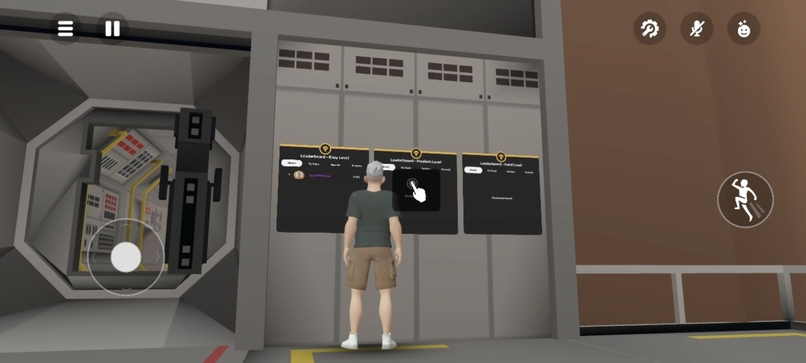
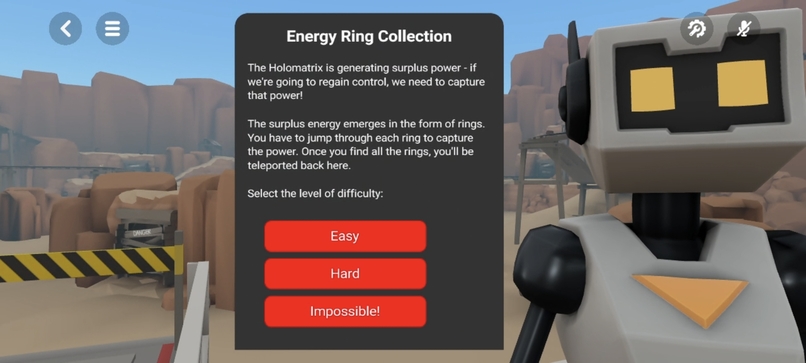
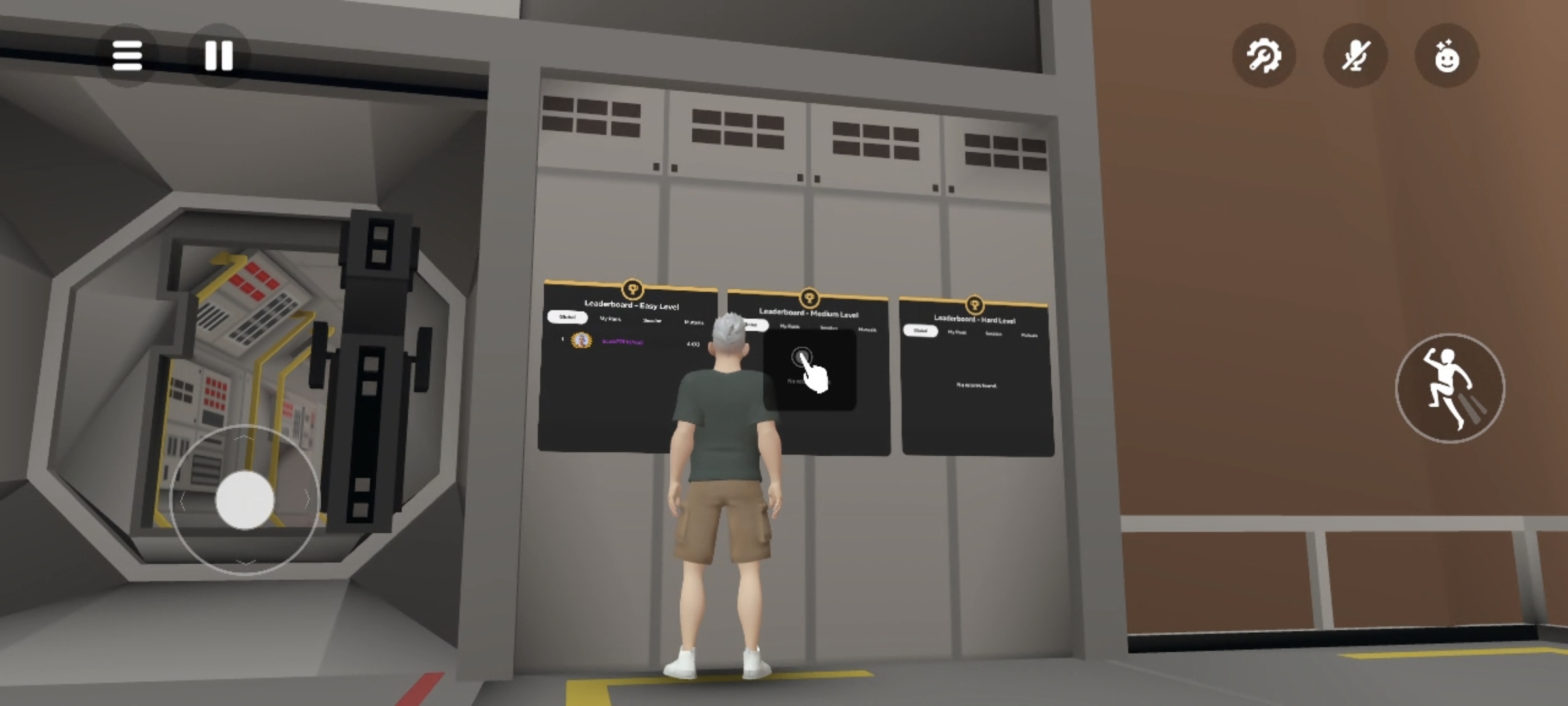
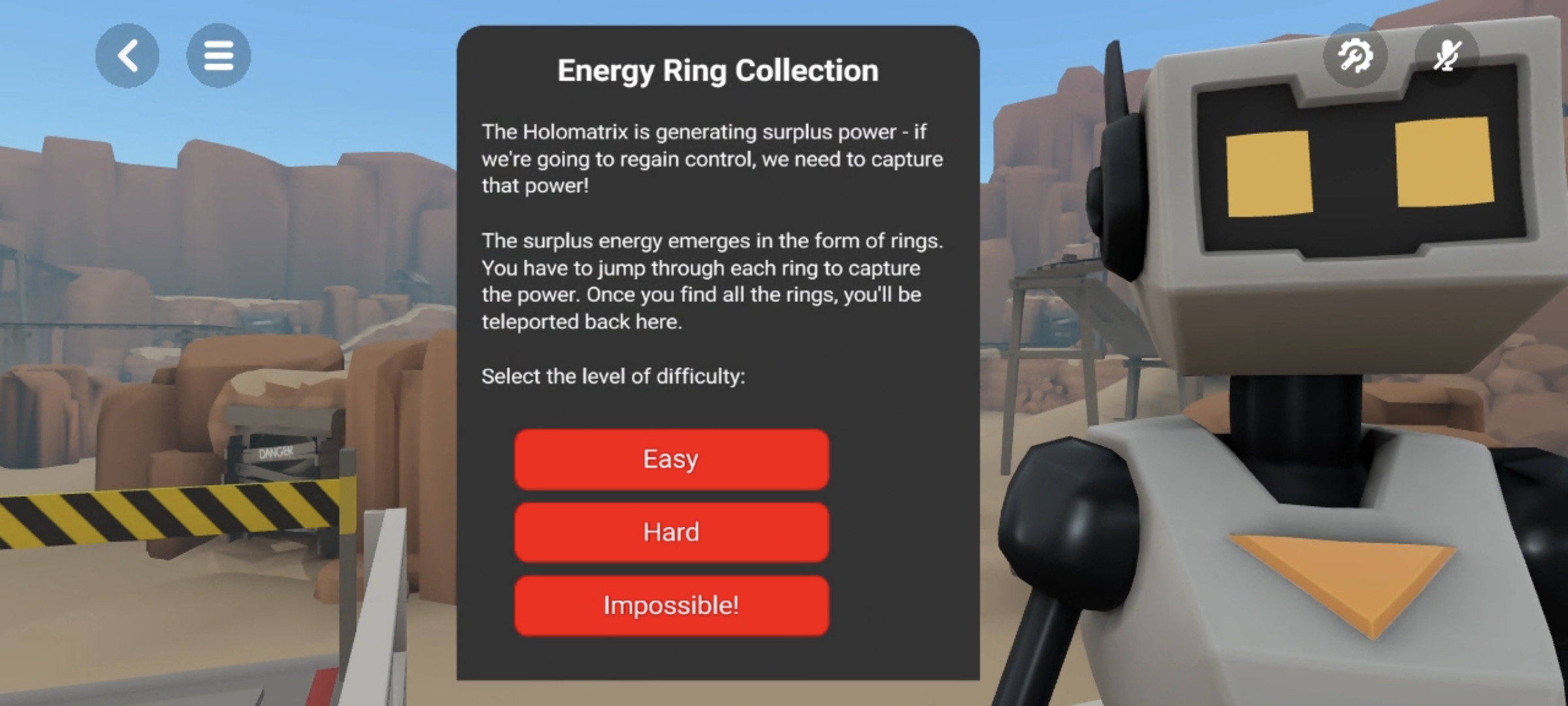
Gameplay itself is fairly simple, at the moment Holomatrix Meltdown is limited to single-player competition, and it offers three levels of difficulty. The game was designed around creating a gameplay style that was both addictive and fun - Since the player is instantly presented with the entire series of rings to jump through, part of the fun is the route-planning, trying to come up with the most expedient route to get to each ring as quickly as possible. Once all the rings have collected, the player is teleported to the Launchpad, and is presented with three leaderboards - one for each difficulty level. The leaderboards are reset weekly in order to promote healthy competition without leaving players feeling left out.
Construction
The workflow for creating the gameplay arena was originally constructing the environment in Unity, then baking the meshes together and exporting the file in an fbx format. By selectively grouping elements together by texture, and keeping everything anchored in the world by zero-indexed-axises, it was simple to import just a small handful of fbx files and textures into the Horizon Worlds desktop environment, and in just a few minutes have a complete world ready to go, all with a minimum of vertices and need for draw calls.
After that, I could simply leverage the tools within the ‘Horizon Worlds’ desktop environment, and its ever growing library of gizmos and assets. It then became fairly simple and straightforward to add any virtually any gameplay element I wanted.
On a personal note, I have to acknowledge it would not have been possible to create a game of this scope within the required timeframe without the use of the Meta ‘Gen AI’ suite of tools. I found myself progressively using the script generators on a regular basis, and although it didn’t always produce flawless results, it saved me a massive amount of time. Although I work by myself in the development process, for the first time it felt like I had a partner that was always ready to lend a hand.
Challenges I ran into
What made this project interesting was the same thing that made it challenging. Out of necessity the Horizon Worlds eco-system has some limitations that have to be worked with. So - instead of having the unrestricted freedom to add an endless number of assets, I had to figure out how to build something that carried the appearance of a large scale area, but with a bare minimum of vertices. I'm pretty happy with the balance that was struck.
The other biggest challenge was time - two months may seem like a lot of time to work with, but not when you have a family to care for and other full-time responsibilities. That's where the suite of tools and assets available in the desktop environment really made this game possible (with particular kudos going to the Meta 'Gen AI' tools). The initial plan for 'Holomatrix Meltdown' was much grander in scale, but as the deadline approached I had to scale things back quite a bit, but without the support of the built in tools, it never would have happened at all.
Accomplishments that I'm proud of
I'm proud of a couple of achievements here. Although I wasn't able to build what I initially envisioned within the allotted time, I was able to put together a game that was fun and engaging. The other thing I'm proud of was proving (at least to myself) that it's possible to create something expansive and visually beautiful in the Horizon World's environment - The experience was a real eye-opener for me. I look forward to expanding on that in the future.
What I learned
I would take me days (and more space than this form allows) to itemize the volume of things I learned with this experience. To summarize though - I learned that, even within the limitations of the Horizon Worlds environment, 'it' can be done. 'It' being just about anything I can imagine.
What's next for Holomatrix Meltdown?
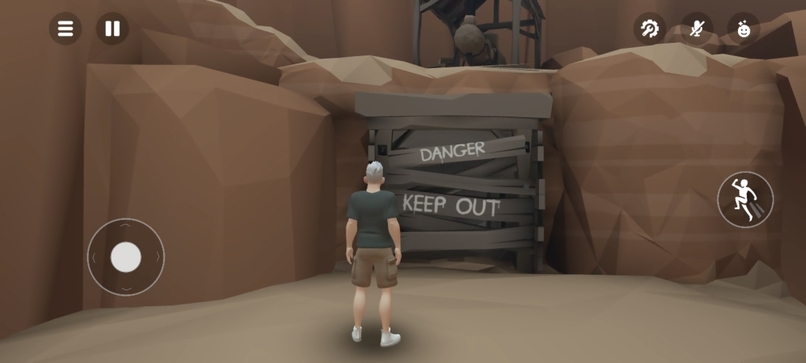
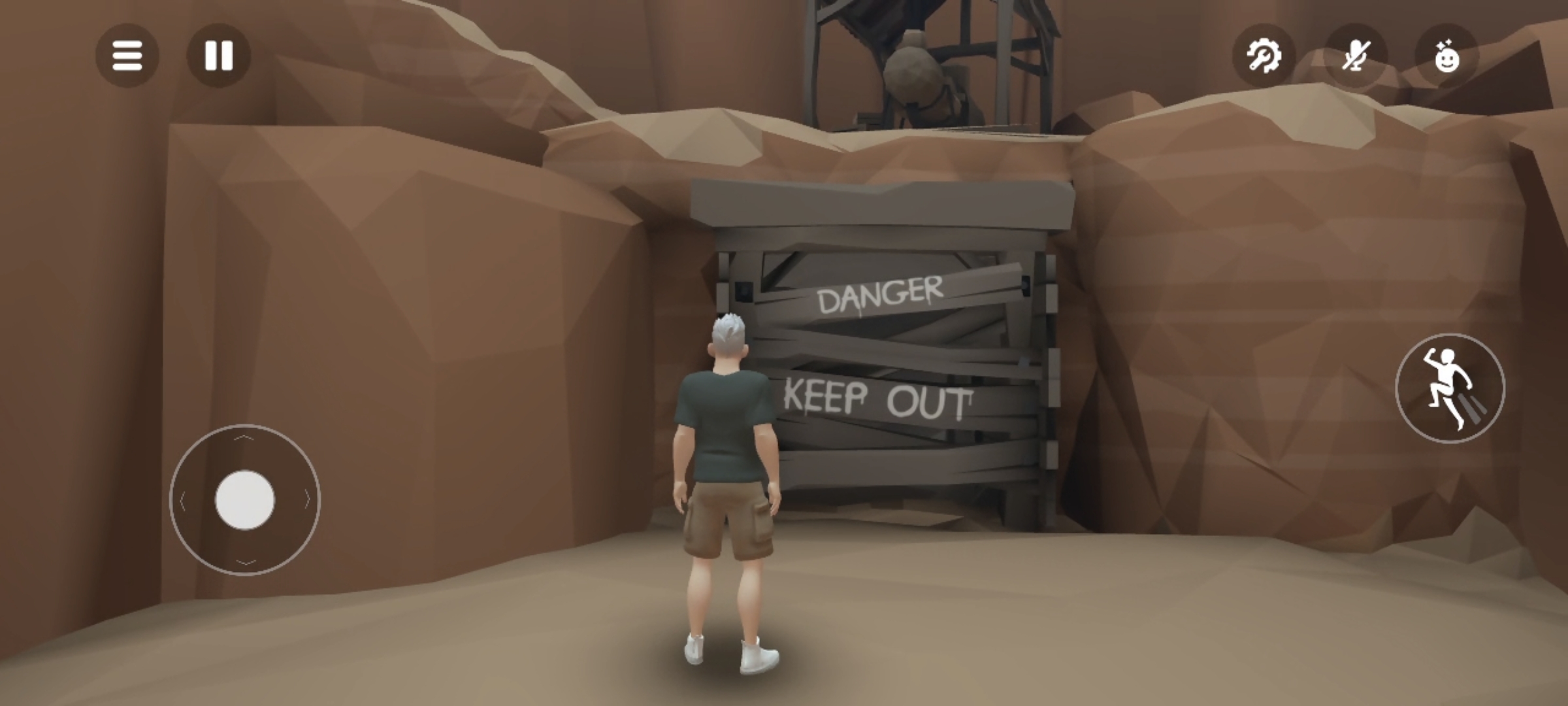
Originally when Holomatrix Meltdown was being designed, it was far more ambitious in scope, but as time passed the scale had to be dialed back. So - The first priority will be to add a two-four player race mode, using different colored rings for each player. Beyond that, you may have noticed there are actually three doors in the control room. In the future, the plan is to add two more modes of gameplay. The first would be a scavenger hunt across the map allowing players to explore all the mines and secret areas of the map, and the second would be a simpler energy-cell collection timed event.
That stated, with the recent update to Horizon Worlds regarding world size limitations, it is sorely tempting to create two new completely unique environments. The whole point to the core idea of the ‘Holomatrix’ was to provide players a central control room landing pad, but offering them radically different gameplay experiences in each environment – in this case, the ‘Temple of Terror’ and the ‘Dungeons of Disaster’, each loaded with hidden rooms and traps. Is it possible to add more large-scale environments to this World without negatively impacting the performance? I'm very, very eager to find out...


Log in or sign up for Devpost to join the conversation.