-
-
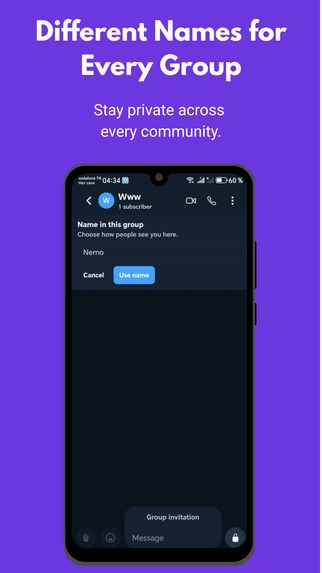
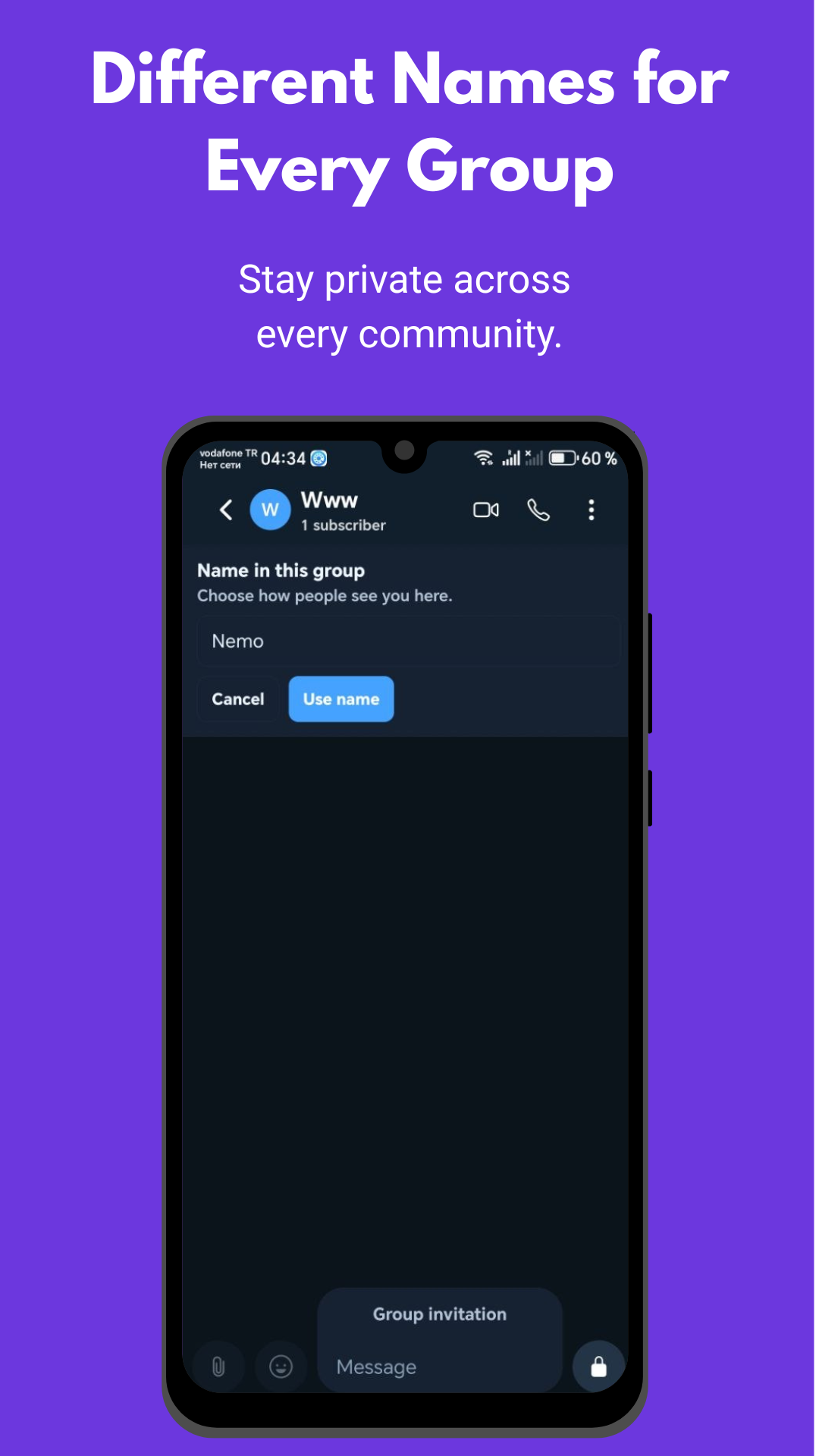
Use different names in different groups
-
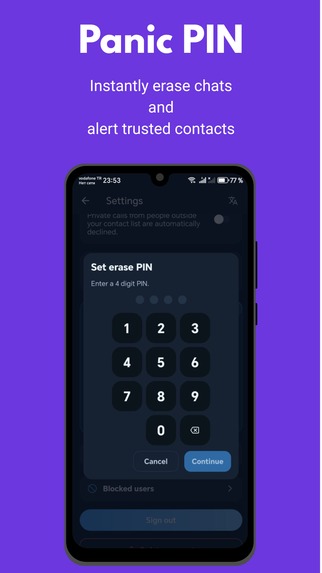
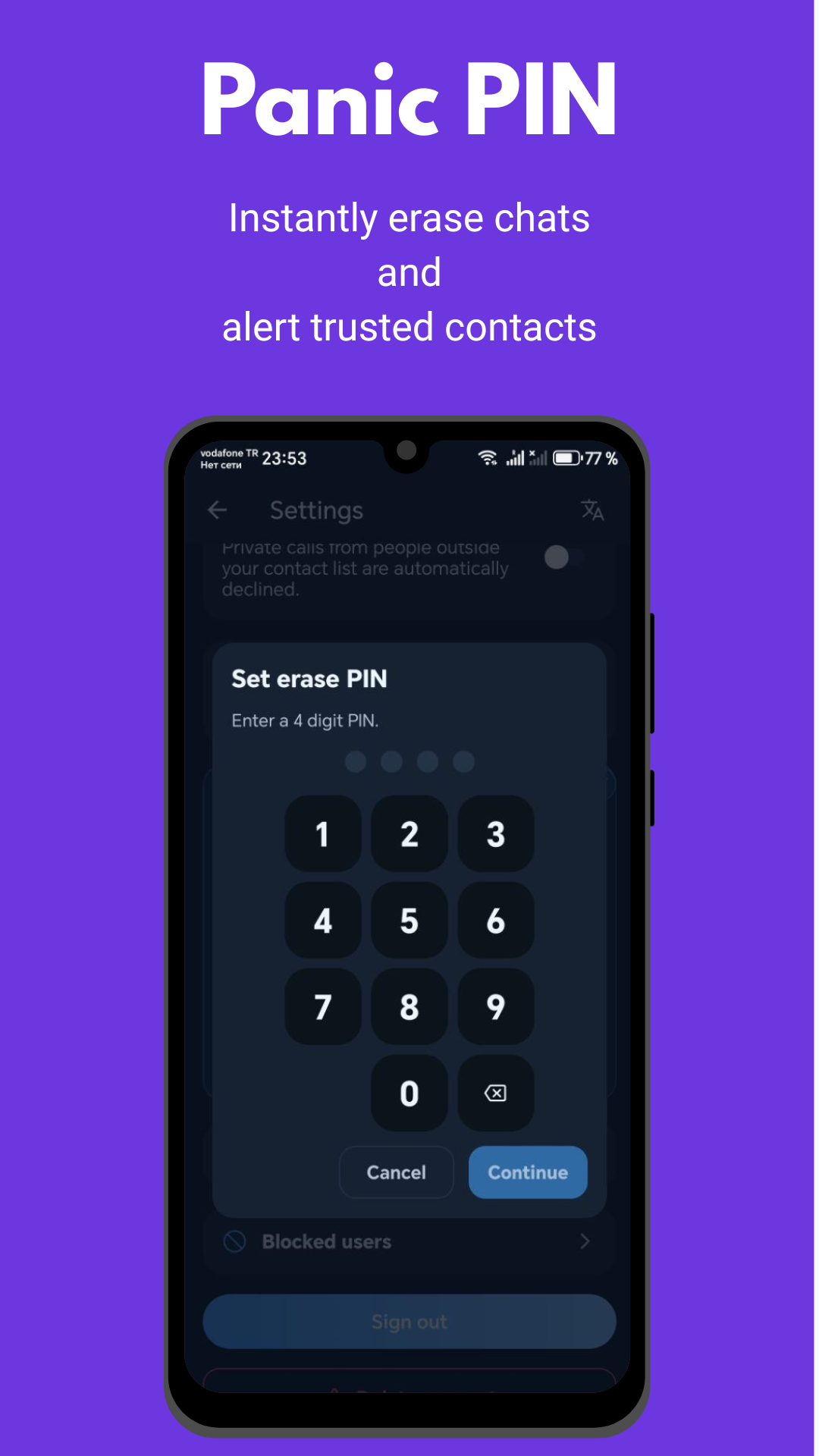
PANIC PIN for erase all data in related situations and send message to selected contact , also shares live location automatically
-
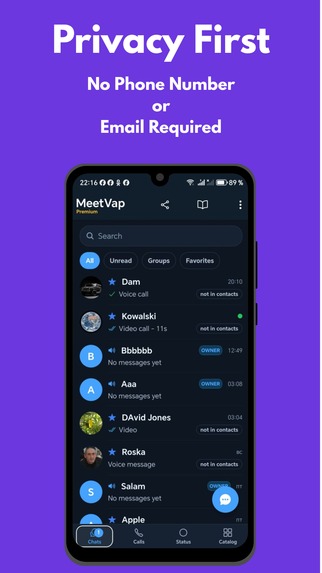
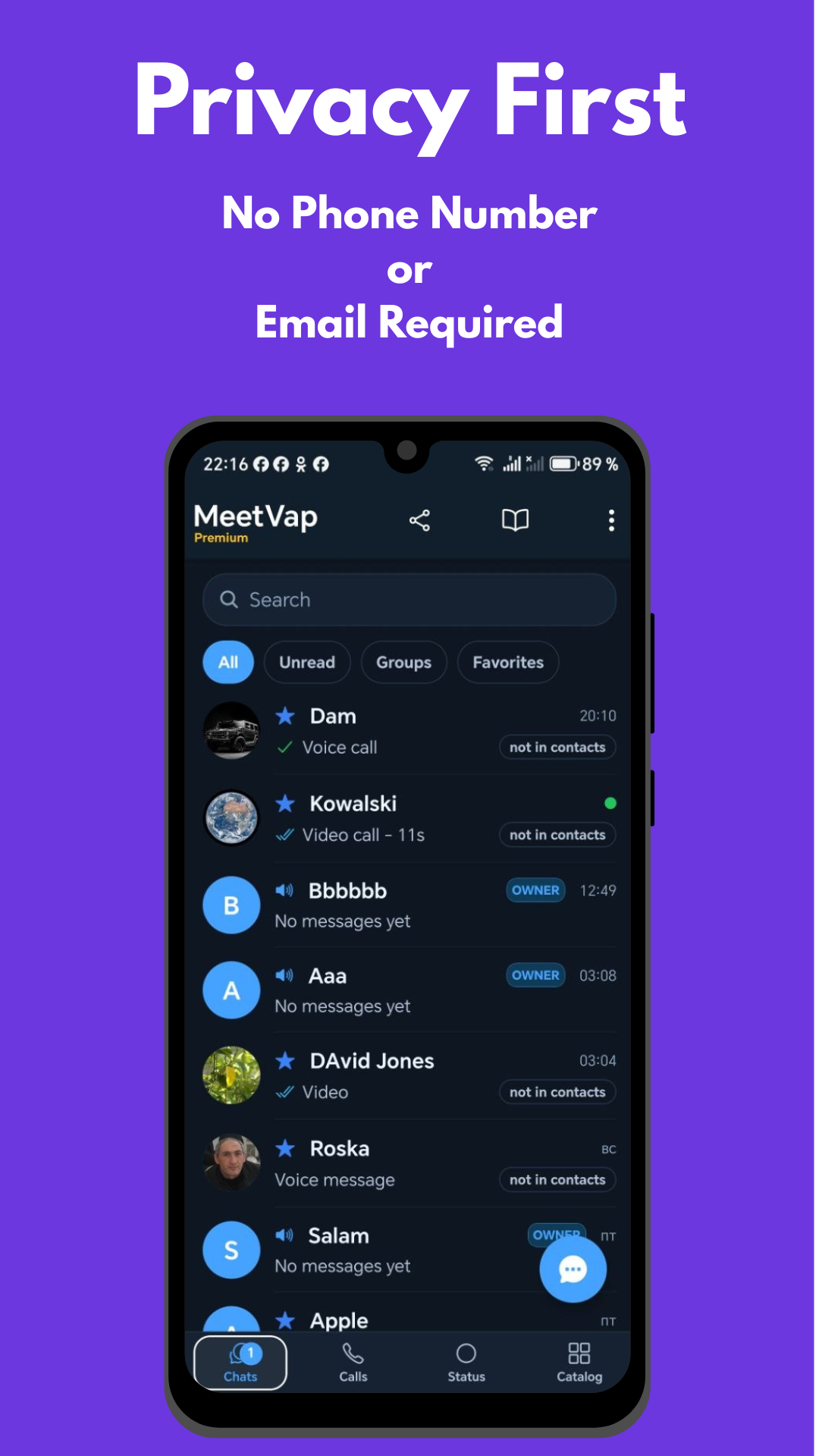
Privacy first messenger like whatsapp, telegram and etc.
-
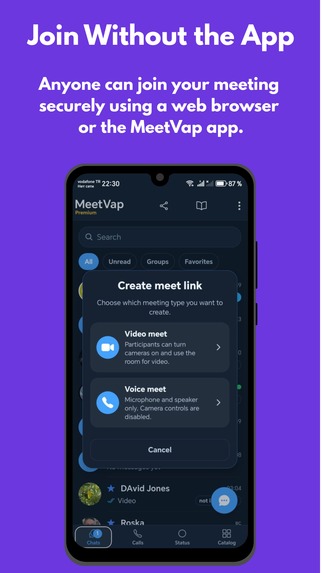
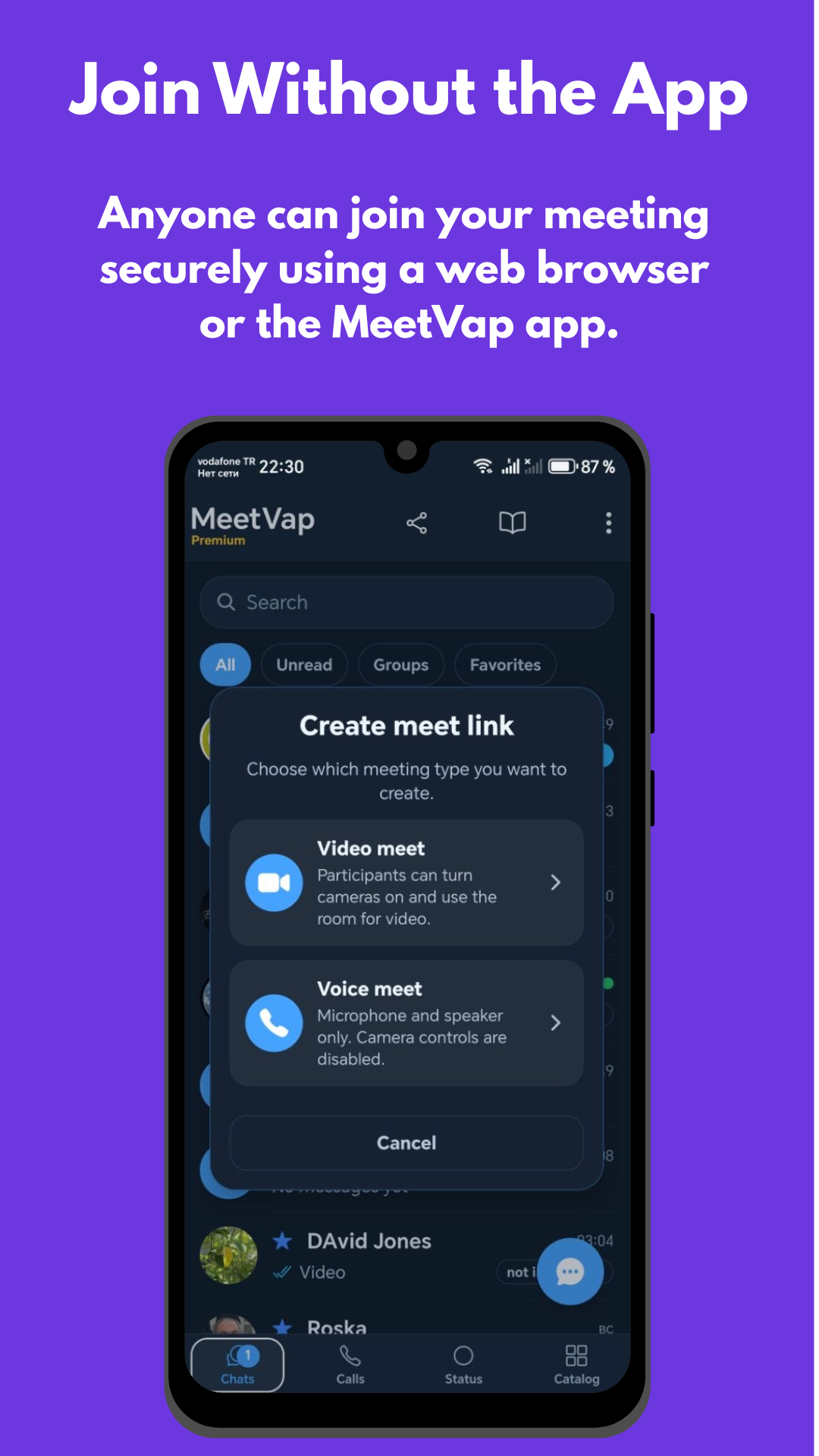
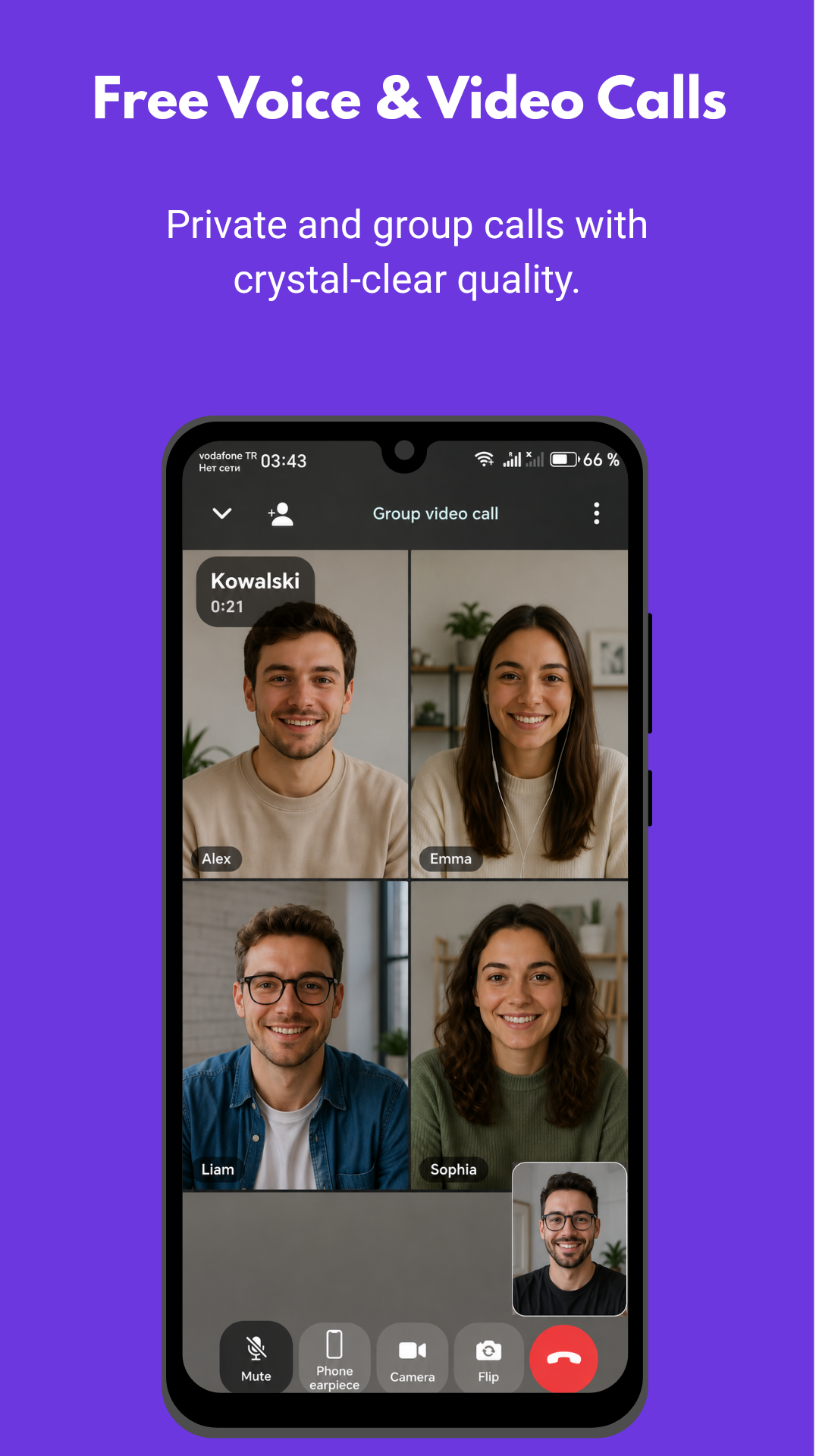
Zoom , Google meet like functionality
-
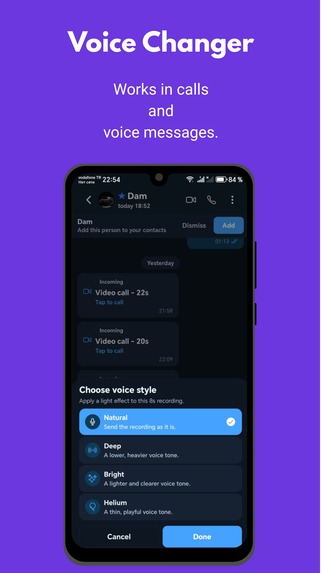
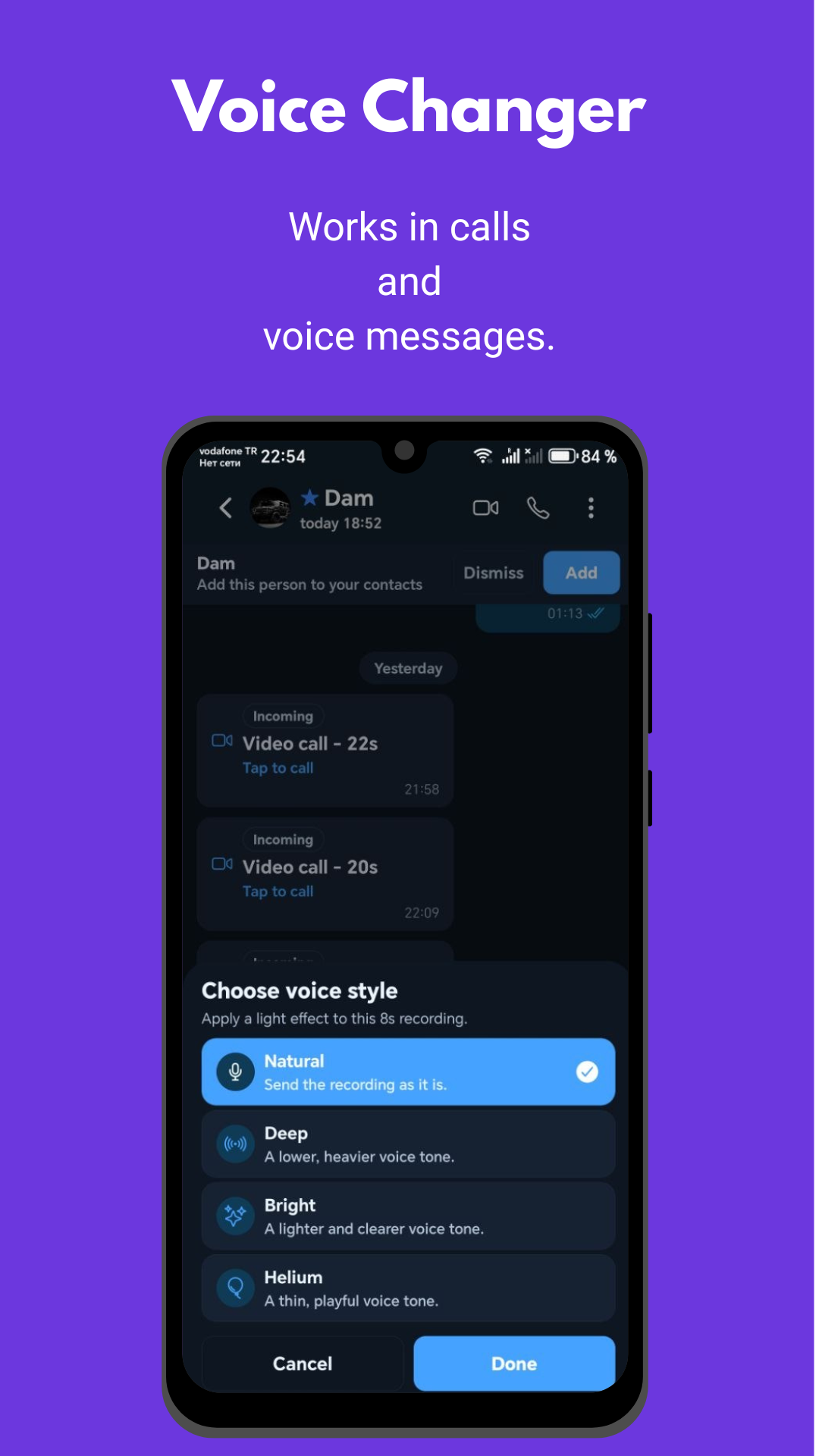
Rea-Time voice changing during call and voice messages
-
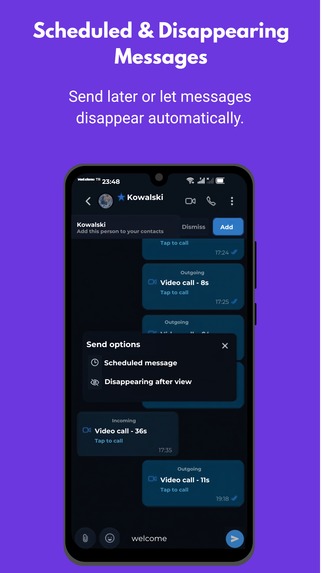
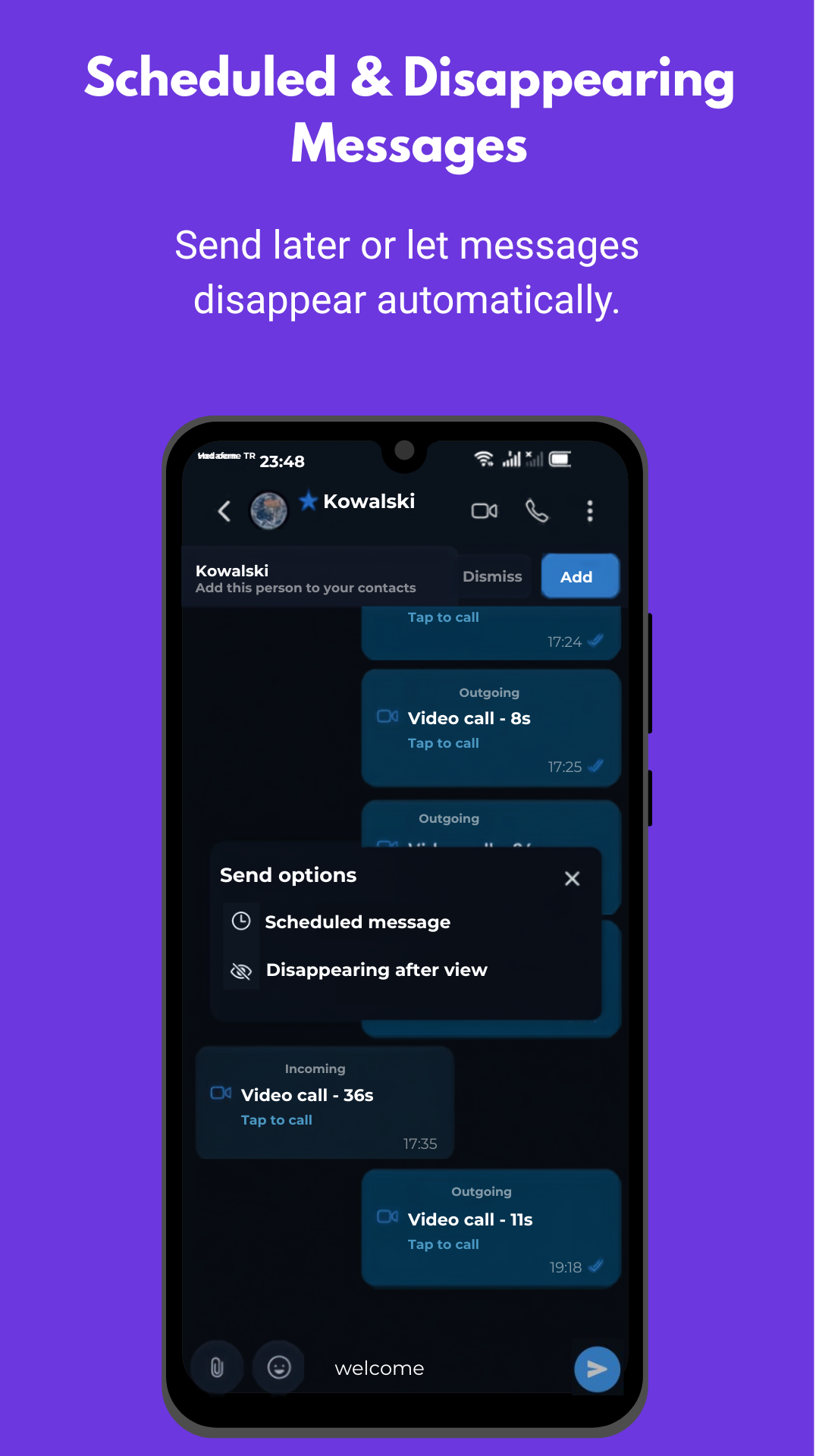
Scheduled and Disappearing messages
-
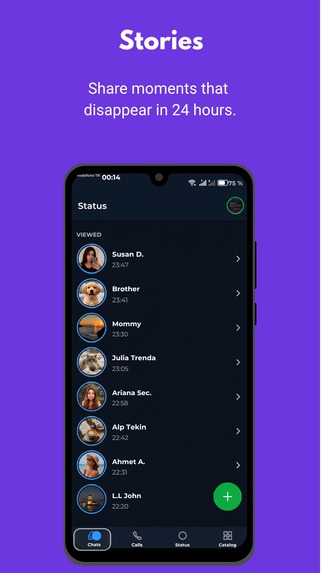
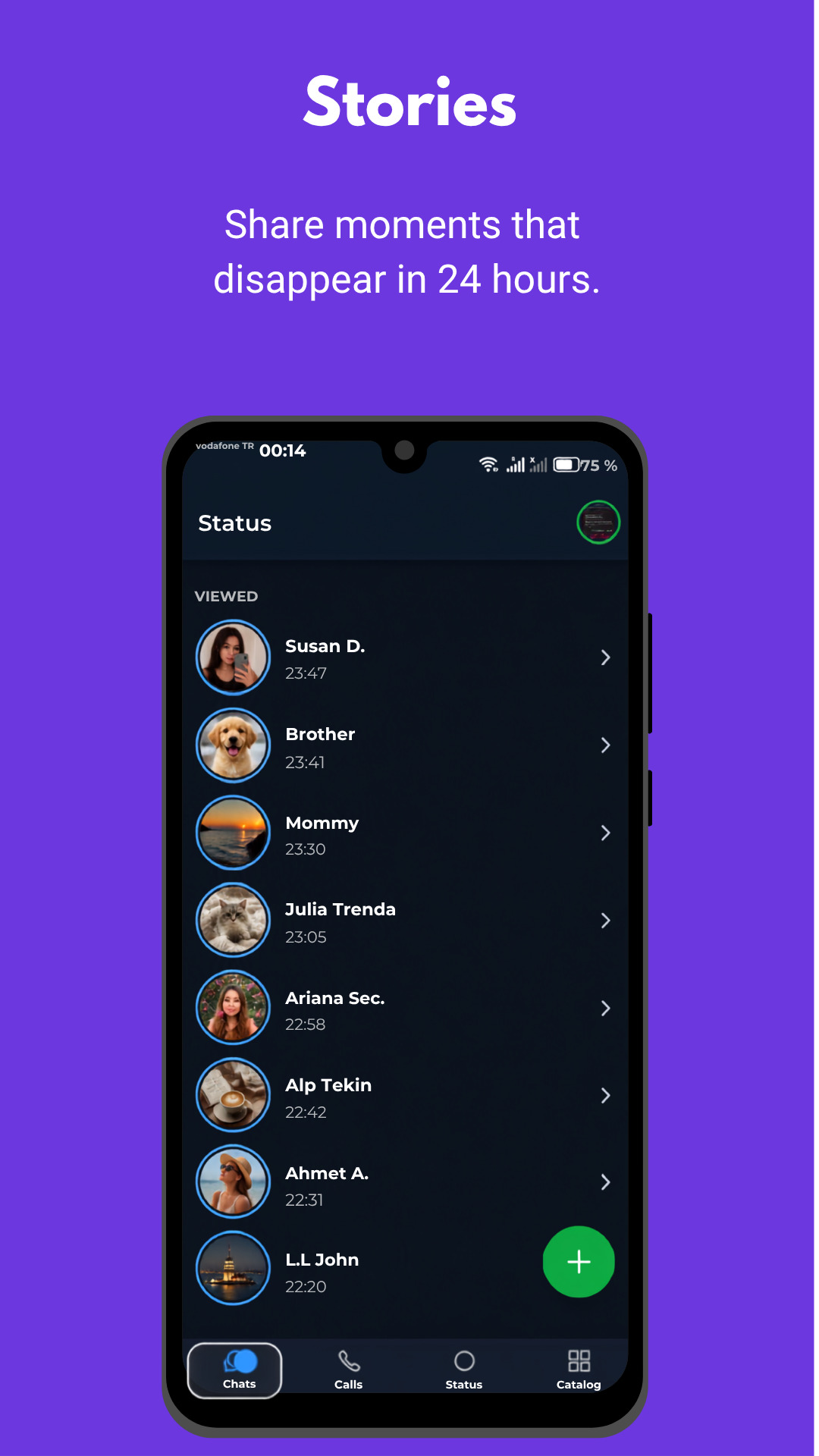
Share your stories with contacts
-
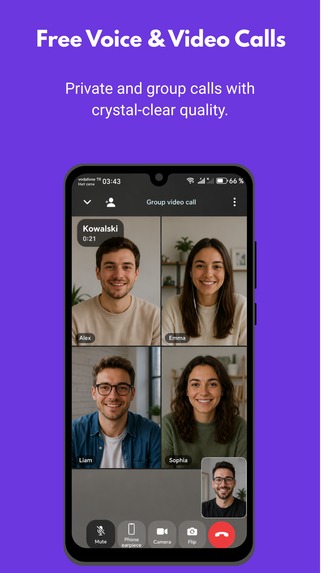
Free Video and Voice calls
I am a systems architect with more than 20 years of experience in software development. Over the last few years, I have started working with artificial intelligence, experimenting with different models. I became especially interested in ChatGPT because, over the past two years, I have used many different AI products and tested all.
I had the idea of conducting a serious experiment with a predictable goal, where, if successful, the result would be a real product. The topic chosen was a messenger application because it is complex enough to require developing applications for three different platforms: iOS, Android, and the web, as well as a server-side backend.
The decision was made to develop the entire project using ChatGPT, completely alone, without any additional developers. I started with architectural planning. Together with ChatGPT, I designed the architecture. Of course, the overall architecture itself was entirely defined by me, since I already had experience developing similar applications many years ago.
Initially, I used ChatGPT 5.5, but as soon as version 5.6 was released, I switched to it. That transition, by the way, provided a significant increase in productivity and in the quality of solving engineering tasks.
To make the experiment as close to the real world as possible, the goal was to replicate the complete functionality of messengers such as WhatsApp and Telegram, add some features from Zoom and Discord, create a kind of multi-product, make it competitive, publish it in the App Store and Google Play, distribute it to a certain number of users, and collect feedback.
As a result, a product called MeetVap was created, containing the all functionality of messengers such as WhatsApp and Telegram, along with several features from Zoom. For example, the messenger includes video conferences, group voice calls, screen sharing, and extensive messaging functionality. It also implements a system where messages are not permanently stored on the server—they are stored only for delivery and are completely deleted immediately after delivery. In includes invitations to meets users who not have metvap app on phones via browser.
At the same time, the web version works simultaneously with the mobile applications. A special mechanism monitors web usage: if a user accessed the web version within the last week, undelivered messages are retained for an additional week to ensure proper synchronization. This is complex architecture and code.
In the end, the result was a very solid product.
At the moment, the total number of users across Google Android devices and Apple iPhones exceeds approximately 300 people. These include many different Android devices and various iPhone models. The feedback has been entirely positive, with absolutely no complaints regarding performance.
The application was, of course, built using the React Native stack, which ChatGPT handled very successfully.
It became clear that using ChatGPT as a development tool provided only advantages. It made it possible to validate an idea very quickly while saving the substantial budget that would otherwise have been required to hire a development team.
From my experience, this does not mean that software developers are no longer needed. However, it clearly demonstrates that artificial intelligence, especially a model such as ChatGPT 5.6, can significantly accelerate the work of experienced software engineers.
I should also add that throughout the project, all code generated by ChatGPT was thoroughly reviewed by me. Naturally, in certain areas we redesigned or rewrote parts of it, but I consider that completely normal, since exactly the same process has always existed when working with human developers.
What I personally learned during the time I was developing this messenger is that if you set tasks very clearly and explain the architecture—that is, provide enough background information—the AI does an excellent job of writing code and eliminates repetitive work.
Yes, there were moments and challenges where, for example, certain things such as the quality of video conferences under poor Internet connectivity, or certain bugs related to message delivery, had to be debugged. In those situations, we also used the capabilities of ChatGPT by connecting the phone through ADB and so on, just as developers normally do, reading the phone logs, and together with ChatGPT analyzing the situation.
Here, ChatGPT was used as an excellent filter because we were able to collect far more logs than a person is capable of reading, and ChatGPT gave us a very good summary of all that information.
In the end, we overcame those challenges, learned how to communicate properly with ChatGPT, and, of course, built a product that was published in the App Store and Google Play and is currently working very well without any complaints on more thant 300 devices .
Accomplishments that we're proud of
- Built an entire production-ready communication platform in only six weeks.
- Published the application on both the Apple App Store and Google Play.
- Reached around 200 active users during the first month after launch. 4 Created a horizontally scalable backend architecture.
- Demonstrated that one experienced engineer, working alongside Codex 5.6, can build a product that would traditionally require an entire development team.
Next move:
Our further plans are to refactor the code with the help of ChatGPT 5.6-sol, get rid of very large source code files, and split them into smaller files that are easier for people to understand and read.
In other words, we want to move from an MVP model to a model that will be able to live and operate on the market for a long time.
We also plan to build a decentralized server-side architecture using ChatGPT 5.6 because, in my opinion, after upgrading from version 5.5 to 5.6, I see that this has become a realistic possibility.
Built With
- android
- chatgpt
- codex
- ios
- livekit
- messenger
- node.js
- postgresql
- react-native
- redis



Log in or sign up for Devpost to join the conversation.