Inspiration
During the COVID-19 pandemic, online conferences and virtual meetings became essential for communication, education, and collaboration. However, language barriers made it difficult for participants from different linguistic backgrounds to communicate effectively. We were inspired to develop a platform that uses AI technologies to make virtual communication more inclusive and accessible, regardless of the language people speak.
What it does
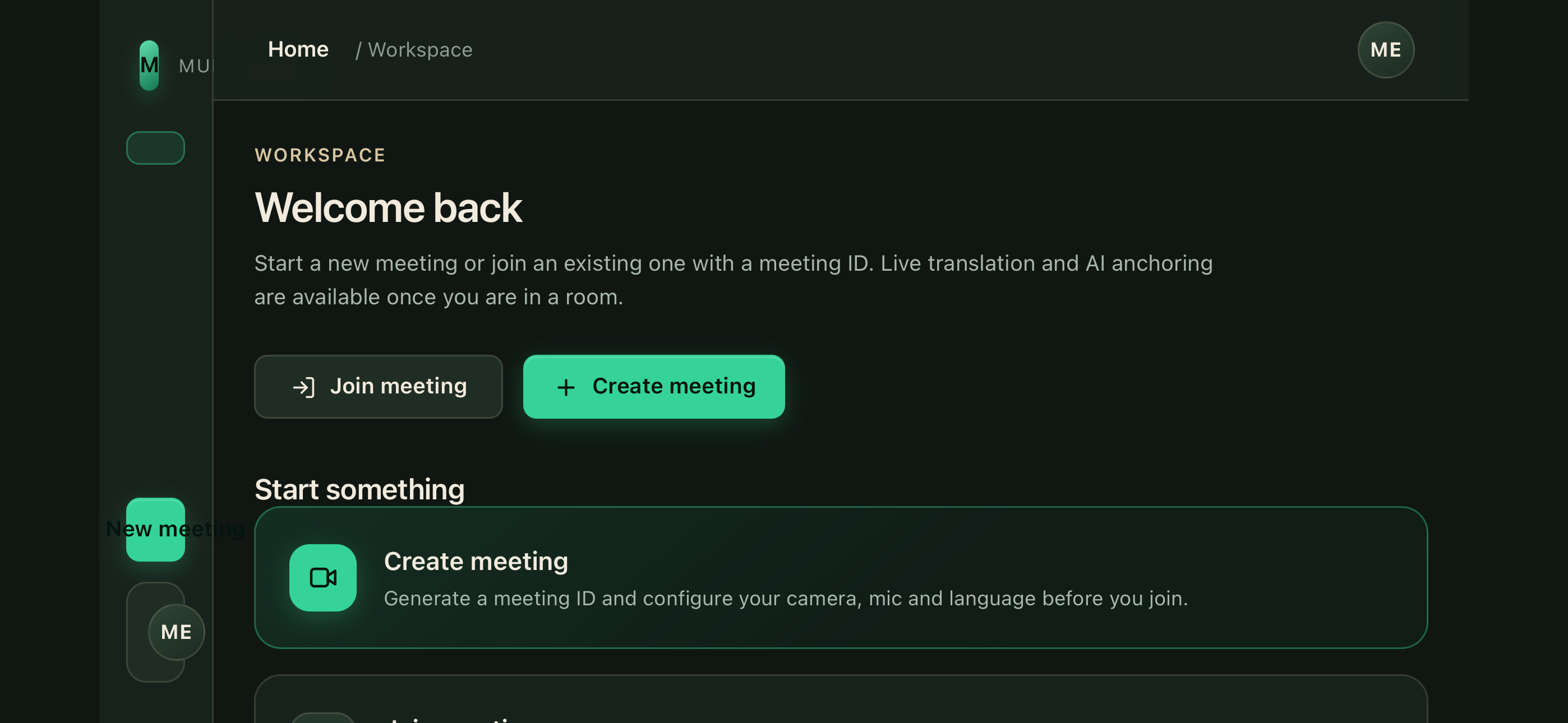
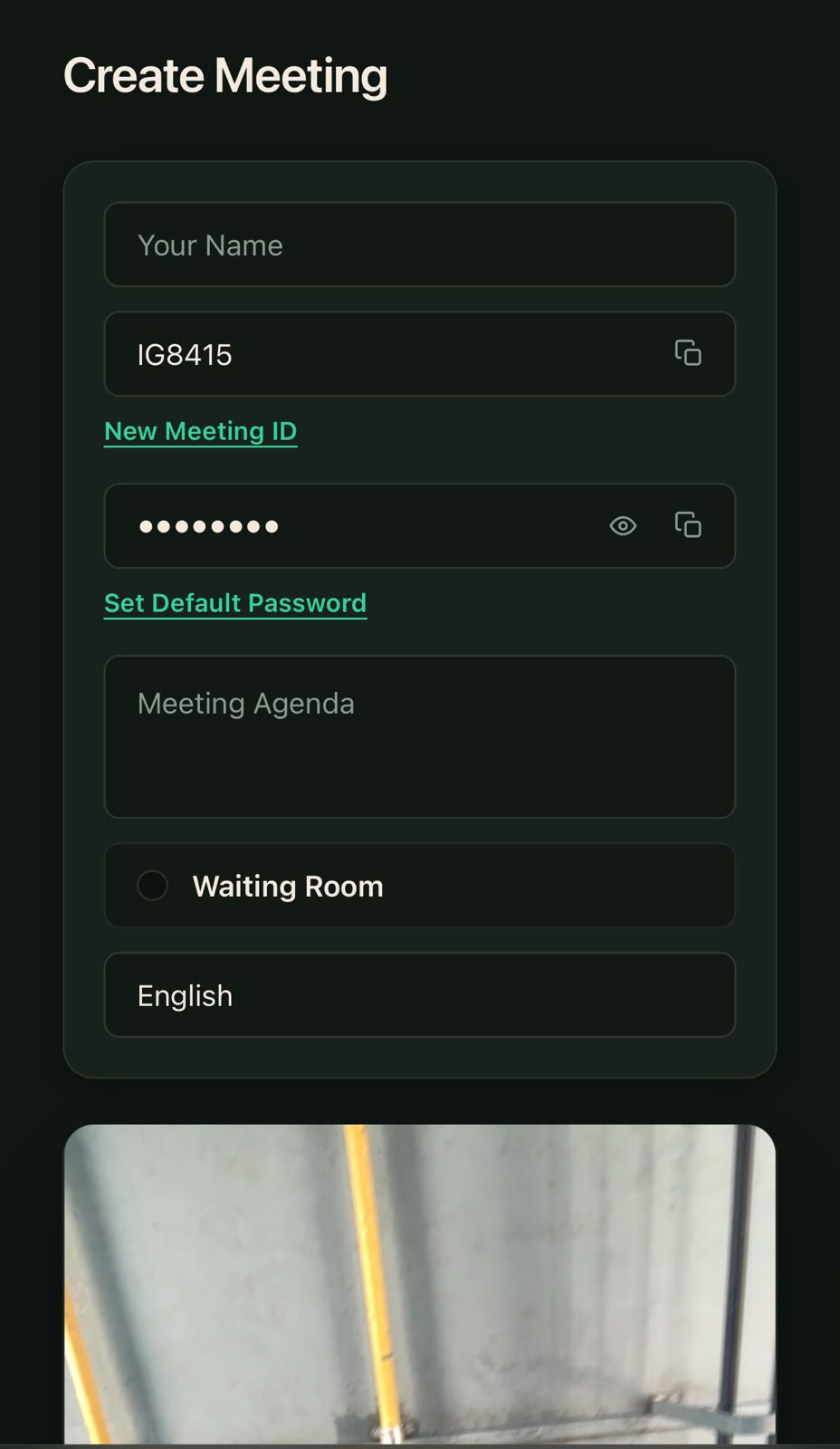
Our AI-Powered Online Conference Platform with Real-Time Multilingual Translation combines virtual conferencing with multilingual communication and automated meeting assistance.
- Real-time video conferencing: Enables participants to communicate through virtual meetings.
- Speech recognition: Converts spoken words into text.
- Multilingual translation: Translates recognized speech into other languages.
- Text-to-speech: Converts translated text into spoken audio.
- AI meeting anchoring: Provides automated speaker introductions, meeting announcements, transitions, and time-related alerts.
- Meeting summaries: Generates a basic overview and extracts selected discussion points from stored transcripts.
- Live chat: Enables participants to exchange messages during meetings.
- Meeting controls: Supports meeting-related interactions and anchoring management.
How we built it
We built the frontend using React.js, JavaScript, CSS, and Bootstrap, with Node.js and Express.js powering the backend services.
We integrated the browser’s Web Speech API for speech recognition, the Google Translate package for multilingual translation, and the Sarvam AI API for text-to-speech conversion. WebRTC supports real-time audio and video communication, while Socket.IO facilitates real-time communication between the frontend and backend. MongoDB stores application data and meeting summaries.
The anchoring service combines predefined announcement templates, translation, and speech synthesis to deliver meeting announcements.
Challenges we ran into
One of our main challenges was integrating multiple technologies into a single real-time platform. Coordinating speech recognition, translation, and audio generation required careful handling of asynchronous operations and communication between frontend and backend services.
We also faced challenges in managing real-time events, handling service responses, and ensuring that translated announcements and captions were delivered appropriately to participants.
Accomplishments that we're proud of
We are proud to have developed a platform that brings together virtual conferencing, multilingual communication, and automated meeting assistance in one application.
Integrating speech recognition, translation, and text-to-speech technologies allowed us to explore practical ways of reducing language barriers in online meetings. We are also proud of our collaborative development process and the opportunity to present our project at a hackathon.
What we learned
Throughout this project, we gained practical experience in full-stack web development, real-time communication, API integration, and connecting AI services to web applications.
We learned how WebRTC and Socket.IO support different aspects of real-time communication, how speech-processing services can be integrated into a multilingual workflow, and how to troubleshoot challenges involving multiple interconnected technologies.
What's next for Meet AI
We aim to improve the accuracy and responsiveness of multilingual communication, enhance meeting summaries, and develop more advanced context-aware anchoring. We also hope to improve the overall user experience and expand language support to make virtual meetings accessible to a wider audience.
Built With
- anchoring
- and-sarvam-ai-for-conferencing
- built-using-react.js
- express.js
- google-translate
- mongodb
- node.js
- socket.io
- speech-synthesis
- translation
- web-speech-api
- webrtc

Log in or sign up for Devpost to join the conversation.