-
-

MedZen logo
-
Screenshot of app (no device frame)
-
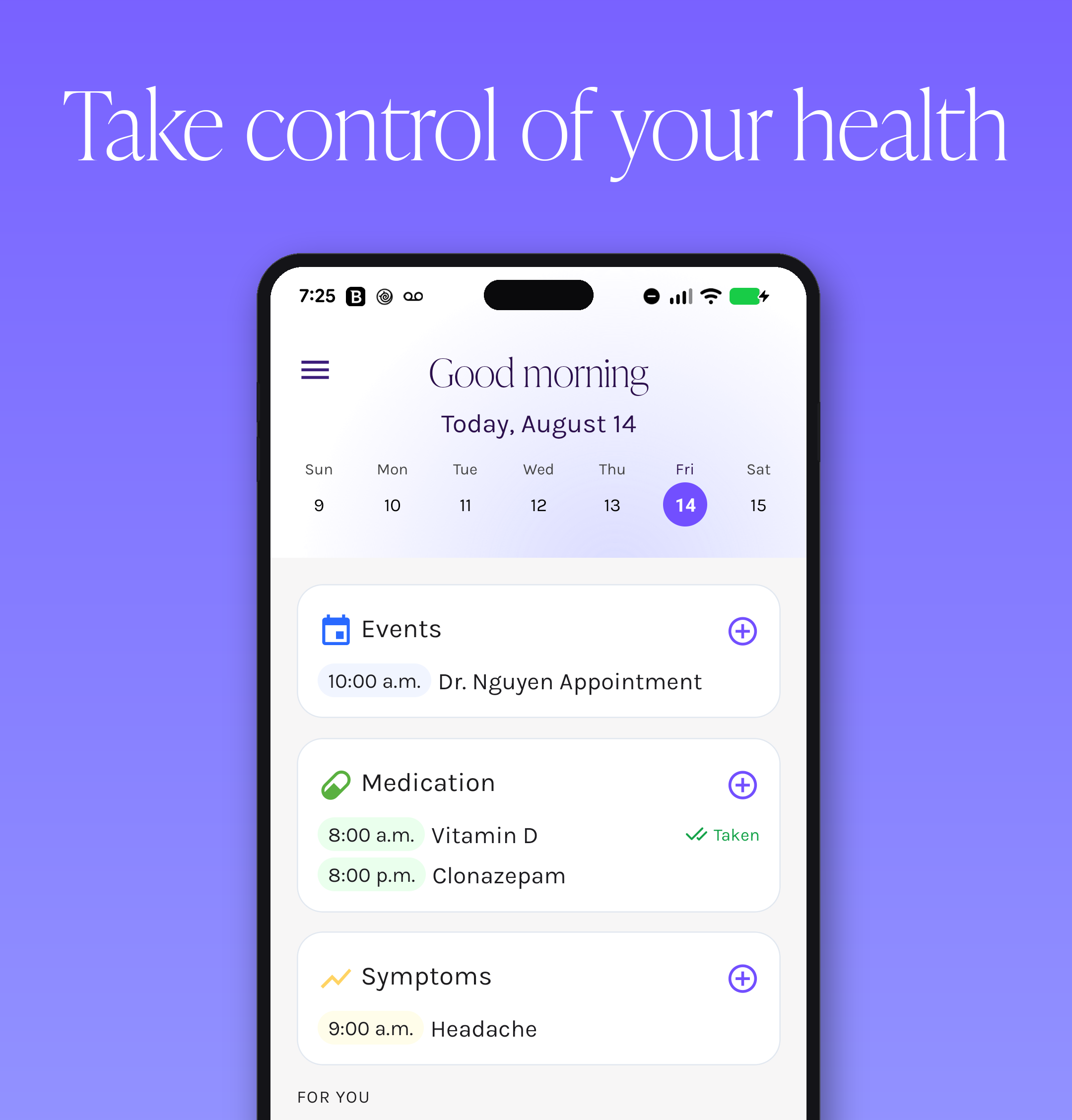
Take control of your health
-
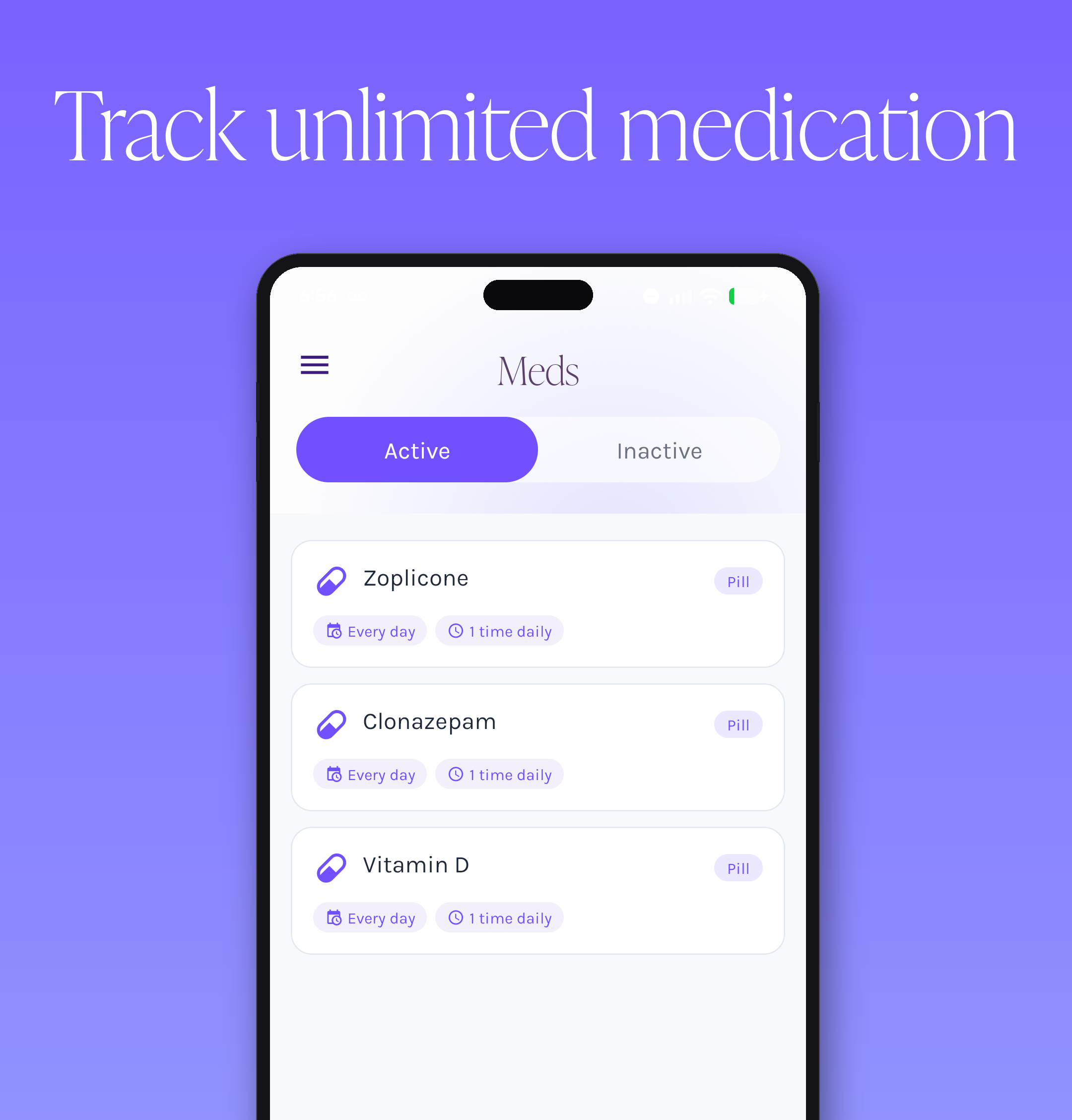
Track unlimited medication
-
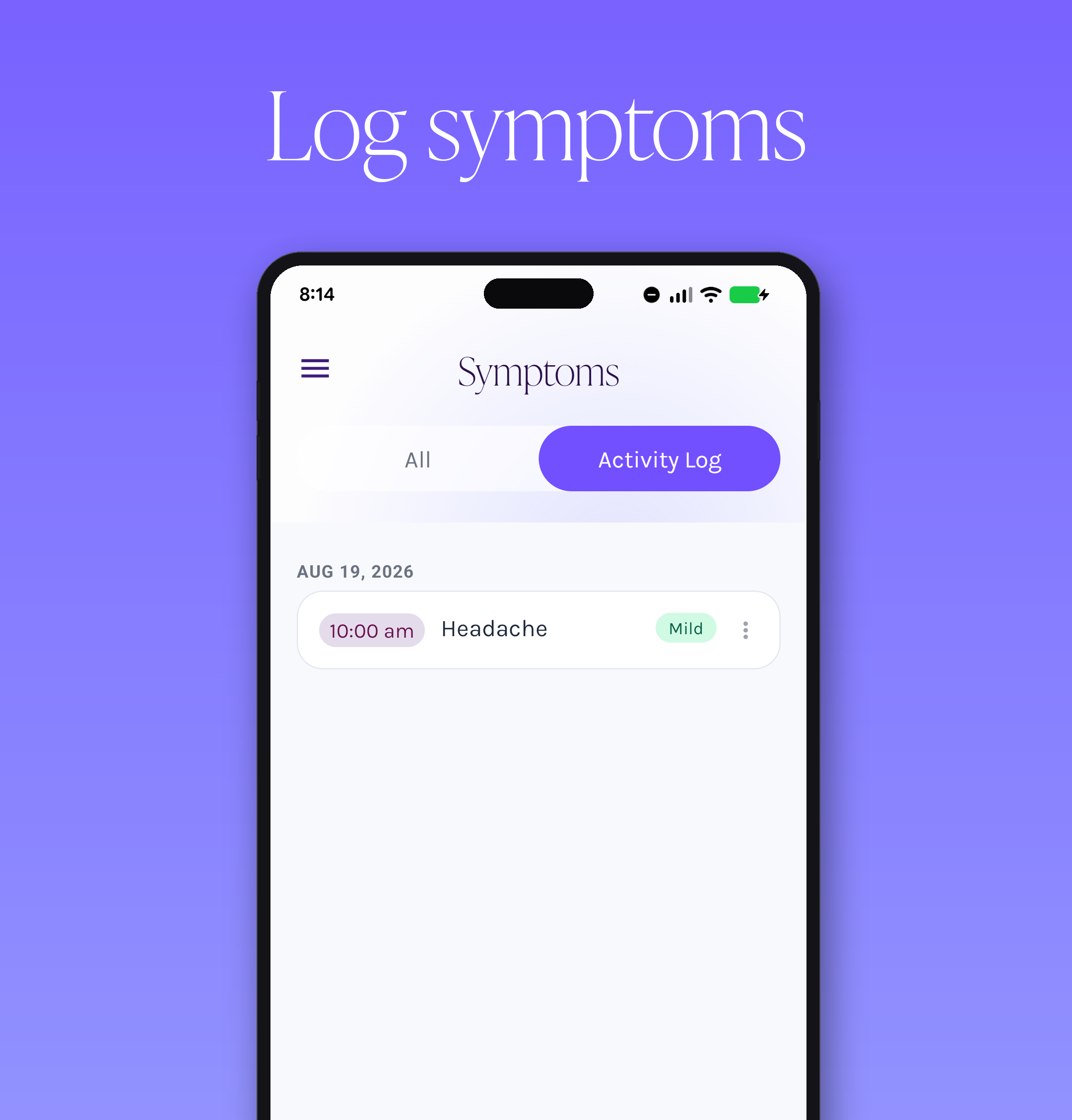
Log symptoms
-
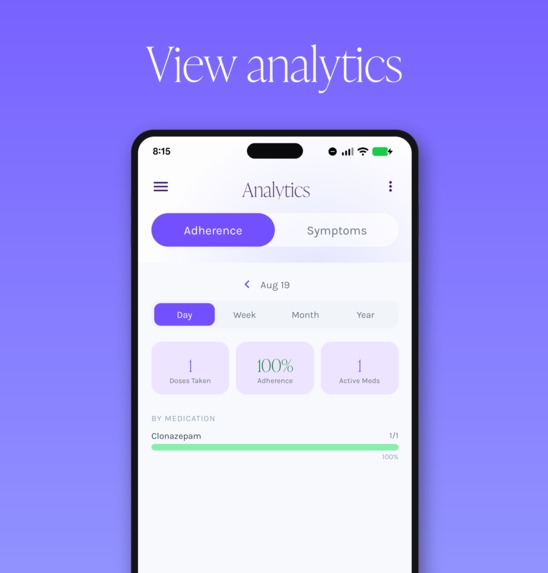
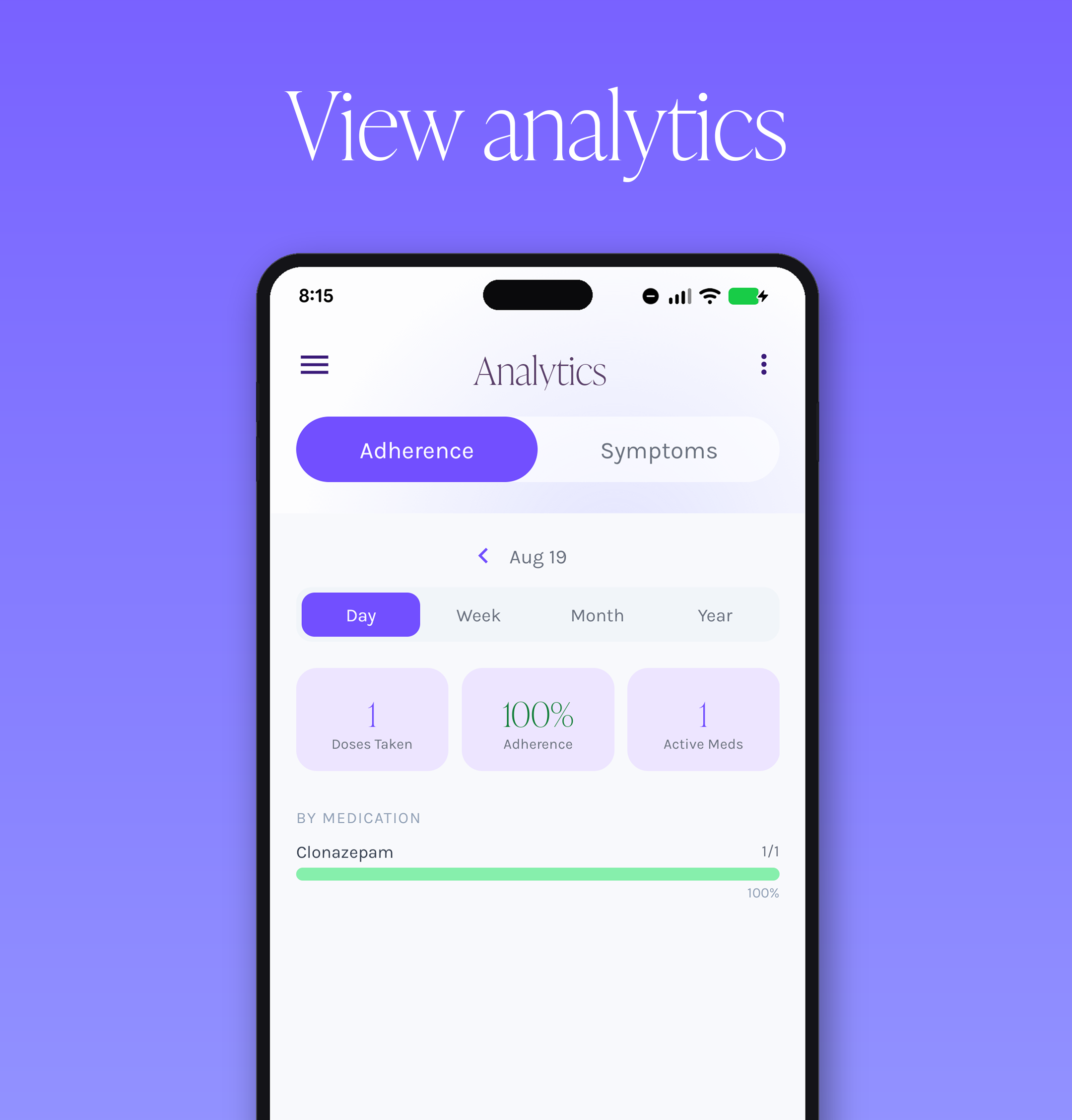
View analytics
-
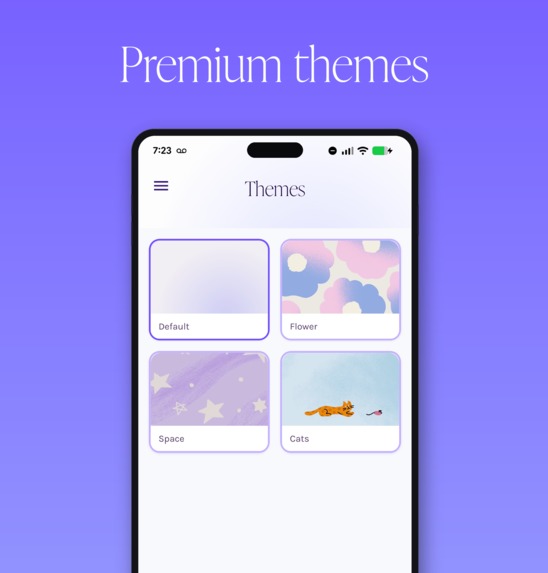
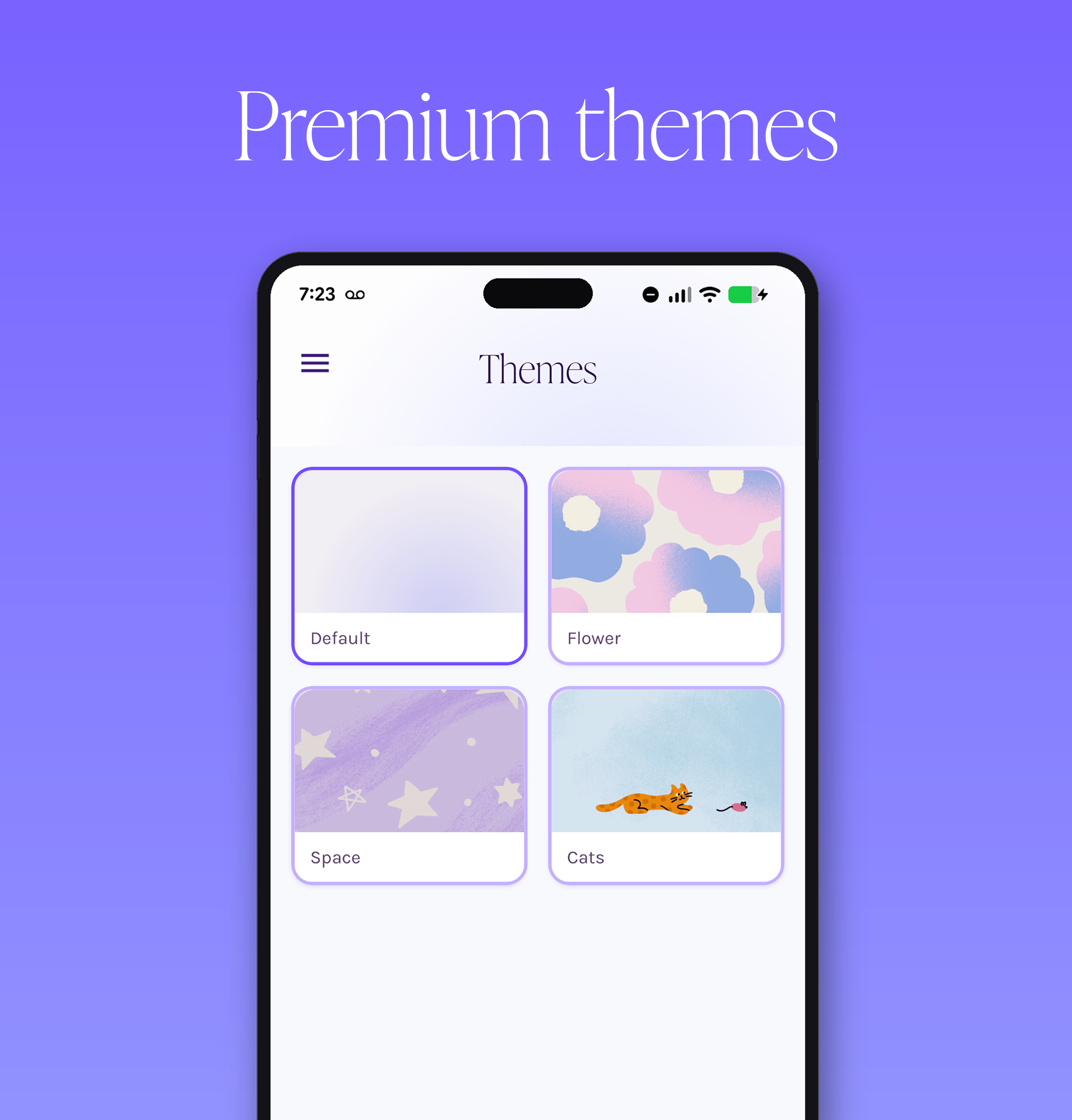
Premium themes

Inspiration
MedZen started from a personal frustration.
After being diagnosed with chronic health conditions, I spent a lot of time trying to manage my health across different apps, notes, reminders, and calendars. One app tracked medications, another tracked symptoms, and another handled appointments. None of them gave me a simple way to keep everything together.
I also noticed that many health apps felt very clinical and impersonal. They were designed to track information, but not necessarily to make managing a chronic condition feel easier.
That inspired me to build MedZen — a privacy-first health tracking app designed to bring medications, appointments, symptoms, contacts, and health information together in one place.
What it does
MedZen is a mobile health tracking app designed to make managing chronic illness feel a little less overwhelming.
When I was managing my own health, I found myself using different tools for medications, appointments, symptoms, notes, and other important information. It felt fragmented, and I knew there had to be a simpler way.
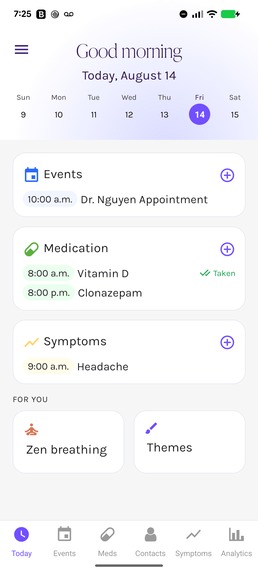
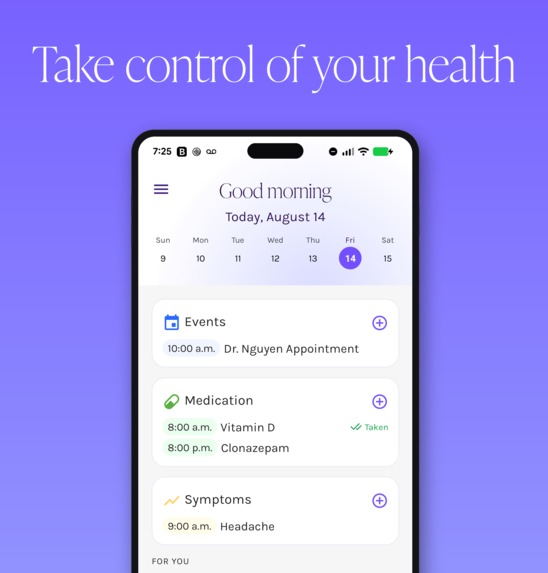
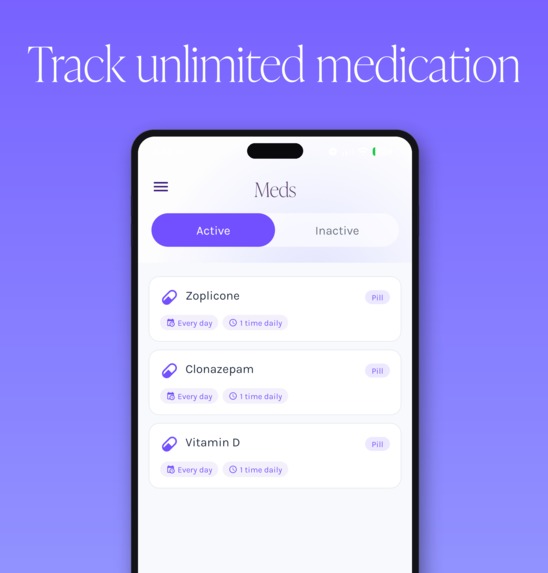
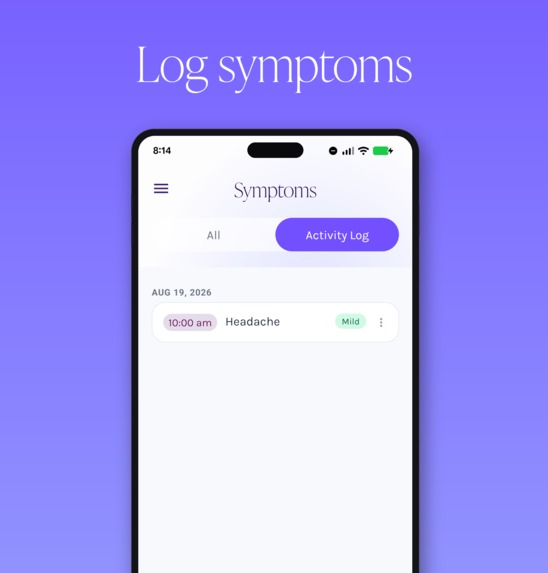
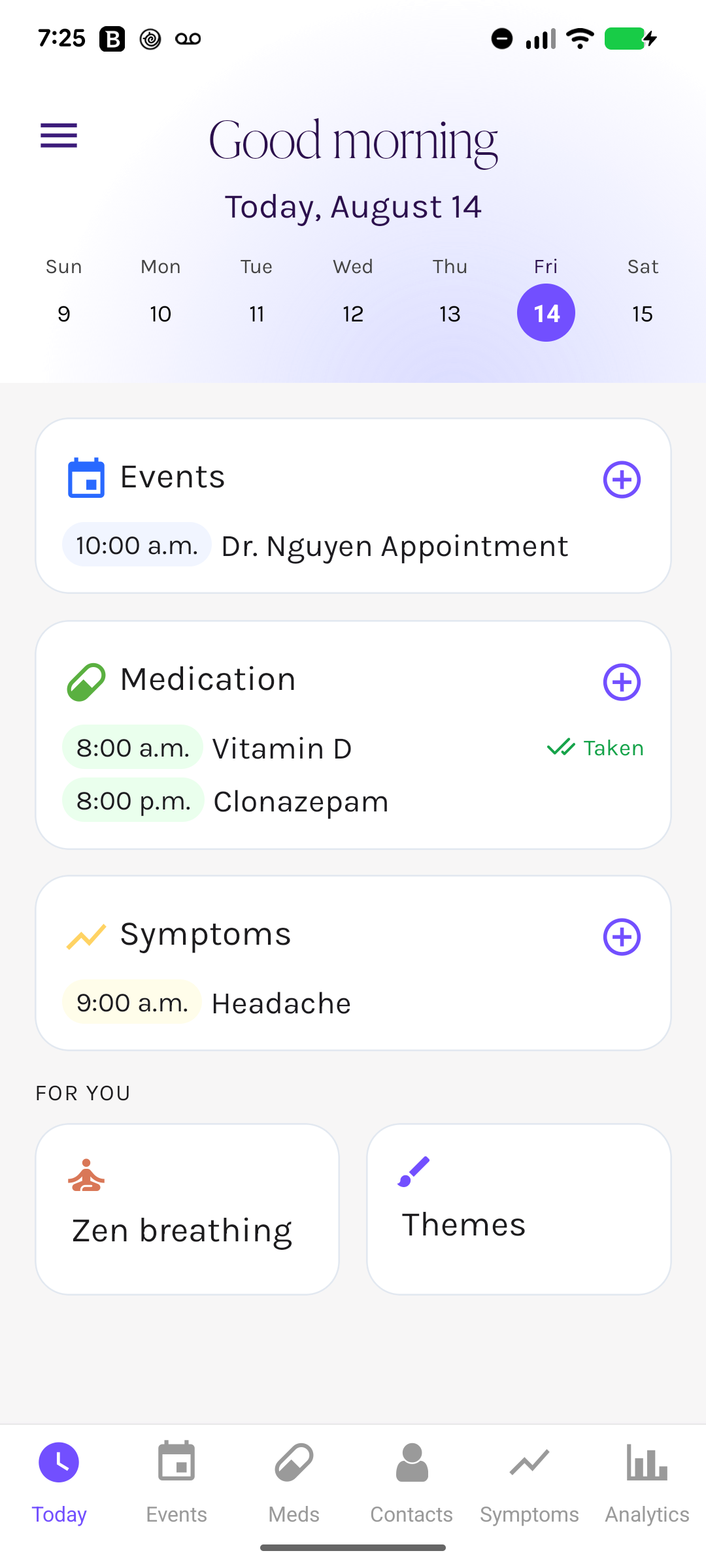
MedZen brings those pieces together in one place. Users can track medications and reminders, log symptoms, organize appointments, manage important health contacts, and view their health information through analytics.
I also wanted MedZen to feel different from traditional health apps. Health management can already feel clinical and stressful, so I wanted to create something that feels more personal, approachable, and customizable.
Privacy is another important part of MedZen. Health information is stored locally on the user's device rather than being stored on a central server.
How we built it
I built MedZen as a solo developer using React Native, Expo, JavaScript, and SQLite.
I started with the problems I personally experienced and turned those frustrations into individual features and user flows. I built the core functionality first, including medication tracking, symptom logging, appointments, and reminders, and then continued refining the experience based on feedback.
A really important part of the development process was user testing. I had 10 beta testers use MedZen and provide feedback on their experience. Watching people interact with the app helped me notice things I wouldn't have caught on my own — from places where navigation wasn't intuitive to features that could be simplified or improved.
I used that feedback to make changes and iterate on the app rather than assuming I already knew what users needed. Some of the most useful insights came from seeing how people actually used the app compared with how I imagined they would use it.
Because MedZen handles different types of health information, I also spent a lot of time thinking about the underlying database structure. I wanted the data to be organized reliably while keeping it stored locally on the user's device.
I also focused heavily on the user experience. I didn't want MedZen to feel like a database where you're constantly entering information. I wanted logging something to feel quick and natural, especially when someone isn't feeling well.
Building everything as a solo developer meant constantly switching between developer, designer, product manager, tester, and problem solver. The beta testing process helped me step outside of my own perspective and build MedZen around the people who would actually use it.
Challenges we ran into
One of the biggest challenges was balancing simplicity with functionality. There is a lot of information involved in managing a chronic condition, but adding more features can quickly make an app feel overwhelming.
Another challenge was working with local notifications and medication schedules. Medication reminders need to account for different schedules, intervals, and starting times while still being reliable for the user.
Building everything as a solo developer was also challenging. I had to take on product design, development, database architecture, UX, testing, and troubleshooting myself. It forced me to prioritize what was most important and continuously iterate instead of trying to build everything at once.
Accomplishments that we're proud of
I'm most proud that MedZen has grown from an idea based on my own experience into a real app that people are actually using.
Before building further, I wanted to understand whether other people living with chronic illnesses were experiencing the same challenges I was. I posted a survey on Reddit asking people about how they currently manage their health information, and within just 24 hours, more than 1,000 people with chronic illnesses responded.
The response was incredibly encouraging. It showed me that the challenges I was experiencing weren't unique to me and highlighted a broader need for better tools to manage medications, symptoms, appointments, and other health information in one place.
From there, I turned that feedback into a working product and had 10 beta testers use MedZen and provide feedback. Their experiences helped me identify areas that needed improvement and showed me how people actually interacted with the app outside of my own assumptions.
I'm also proud that MedZen has now reached 250 installs on the Google Play Store. Seeing people discover and download something that started as a personal idea has been incredibly rewarding.
One piece of feedback that has stuck with me was: "This app could be life-changing for me."
That reminded me why I started building MedZen in the first place. What began as a personal frustration has grown into a product that I'm continuing to develop for a much larger community of people living with chronic illness.
What we learned
The biggest thing I learned is that building a useful product isn't just about getting the technology to work. The user experience matters just as much.
While building MedZen, I learned more about designing mobile interfaces, structuring local databases, handling notifications, visualizing health data, and thinking carefully about privacy when working with sensitive information.
I also learned how important it is to listen to users. Conversations and feedback helped me realize that medication tracking was one of the most important problems to solve, while customization and simplicity could make MedZen feel different from existing health apps.
What's next for MedZen
The hackathon isn't the end of MedZen. It's another step in its journey.
I'm continuing to improve the app based on feedback from real users and testers. Some of the areas I'm exploring include deeper health insights, better medication logging, improved symptom tracking, more customization, and additional ways for users to understand patterns in their health data.
I also want to continue making privacy a fundamental part of the product rather than something added later.
Ultimately, my goal for MedZen is simple: people living with chronic illness shouldn't have to spend so much of their time managing the tools they use to manage their health.
I started MedZen because I needed something like it. Now I want to build something that can help other people spend less time organizing their health information — and more time living their lives.
Built With
- expo.io
- react-native
- revenuecat
- sqlite

Log in or sign up for Devpost to join the conversation.