-
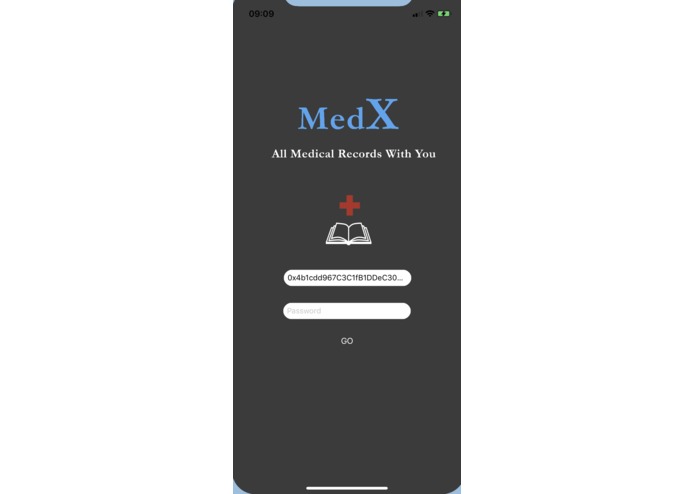
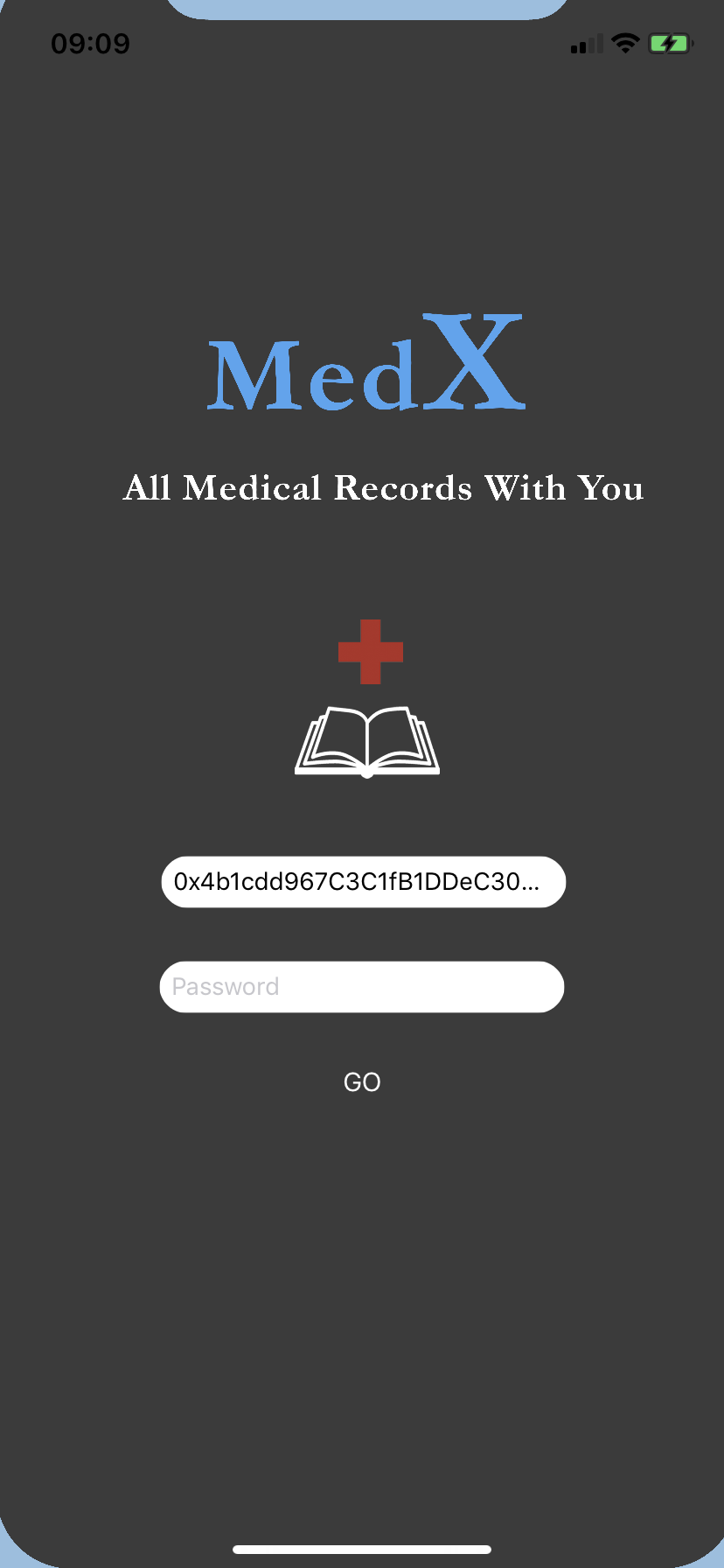
Loading Page
-
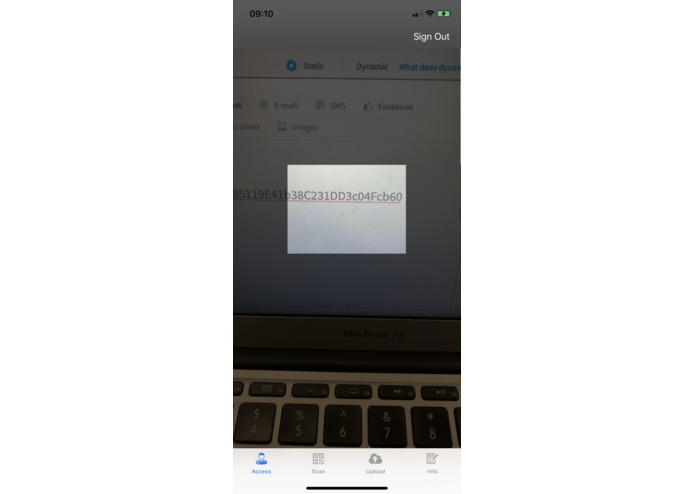
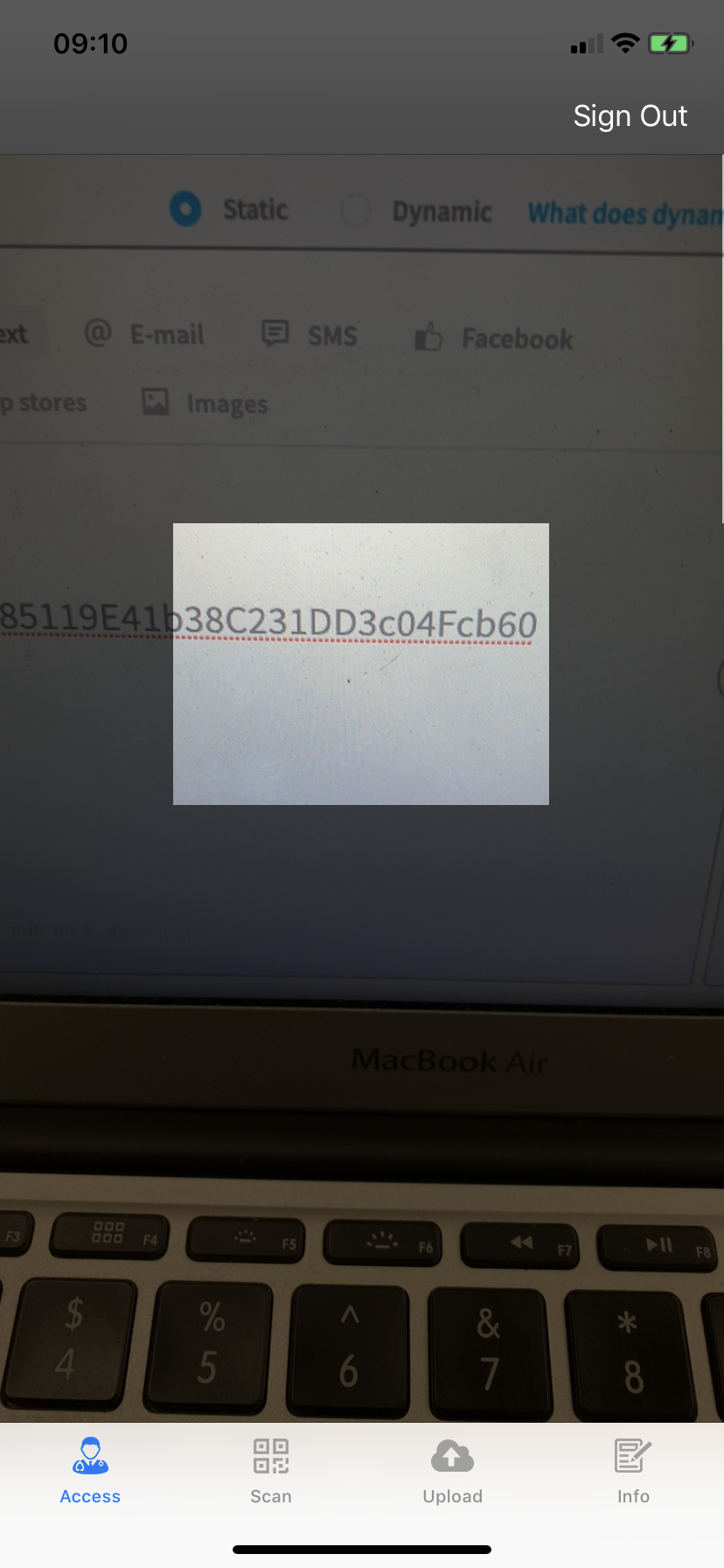
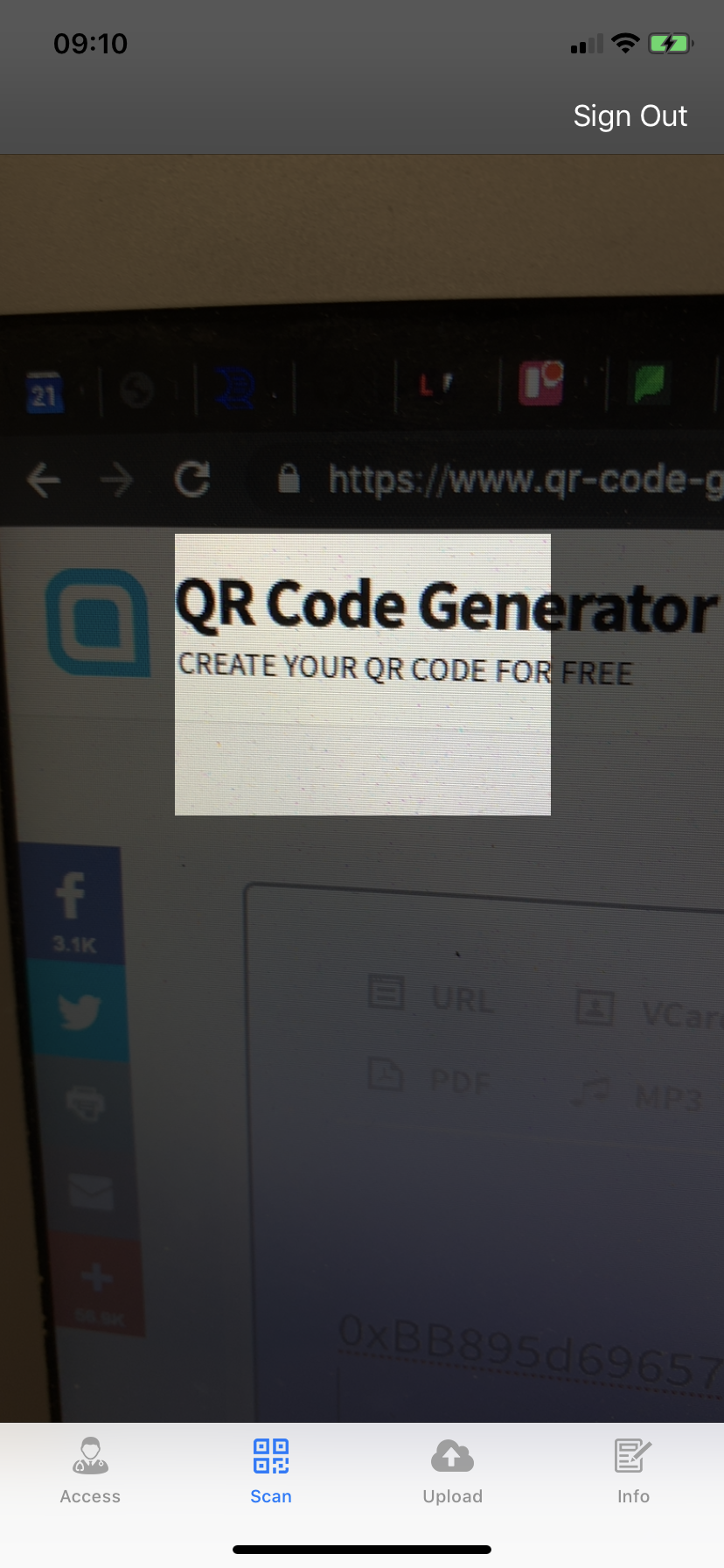
Patient's scanner to scan physician's QR Code to grant physicians access to the medical record
-
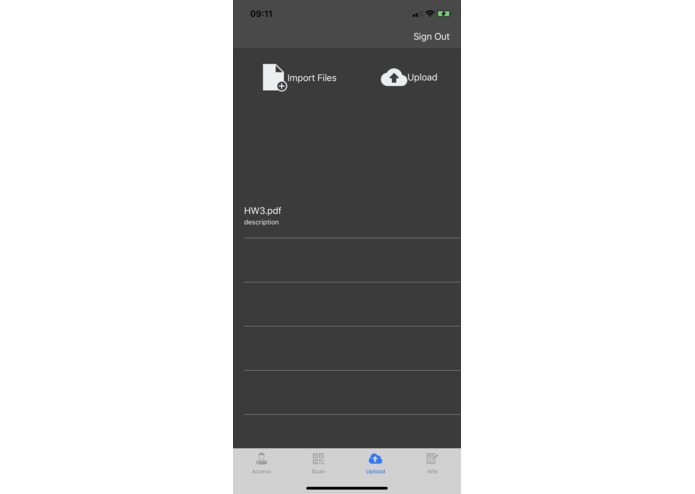
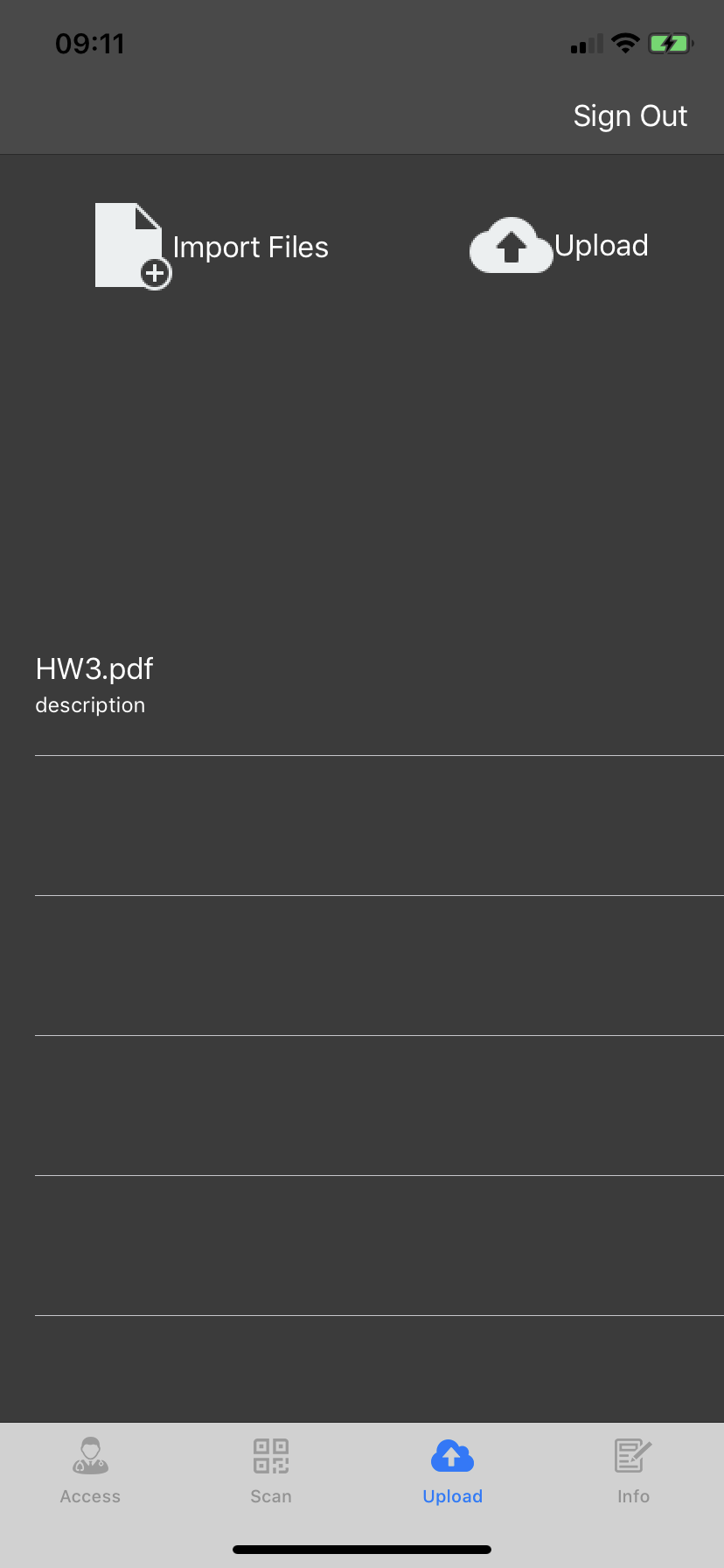
The patient has the option to upload his own record to the blockchain
-
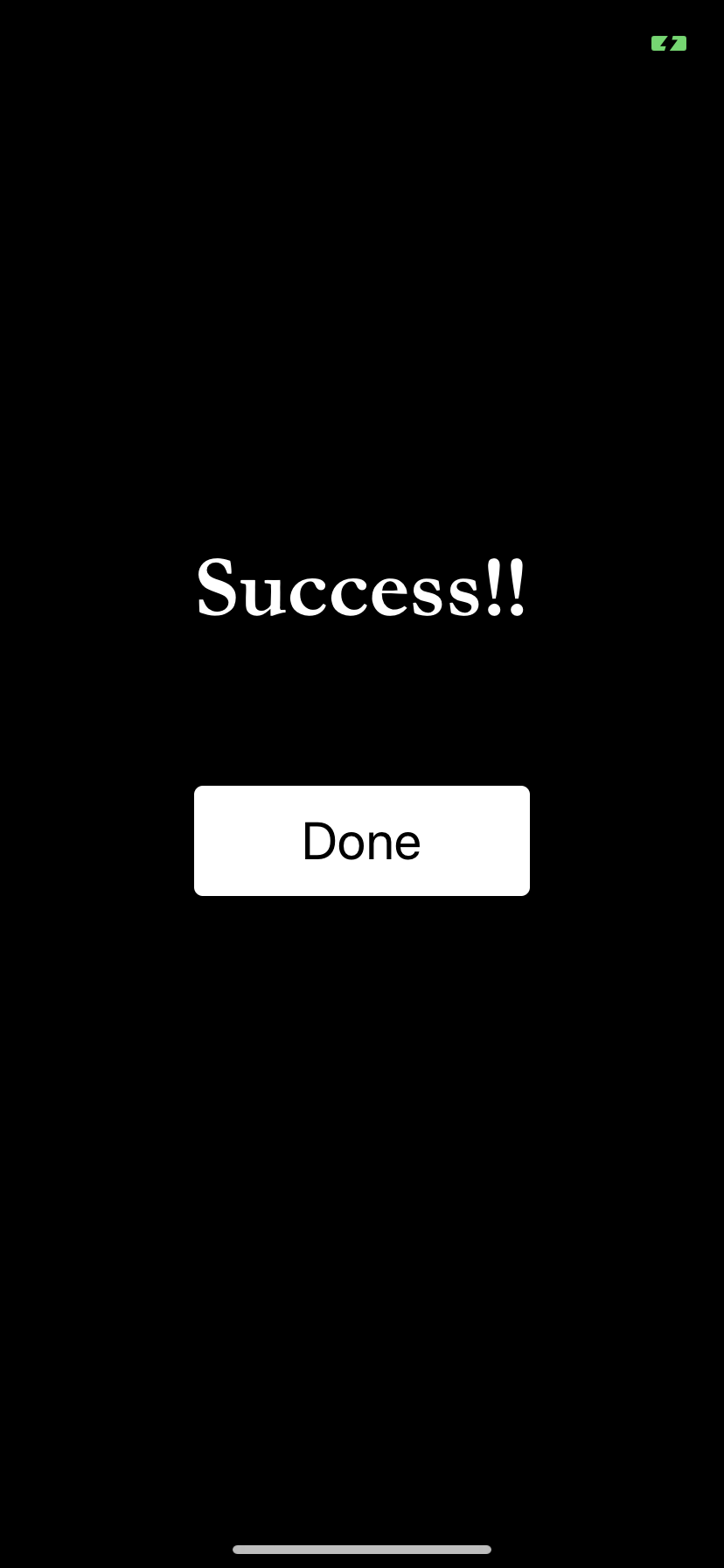
the screen will indicate if the upload is success
-
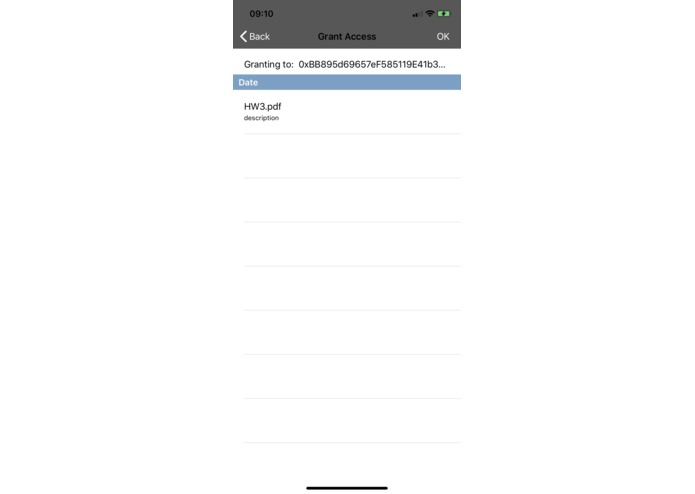
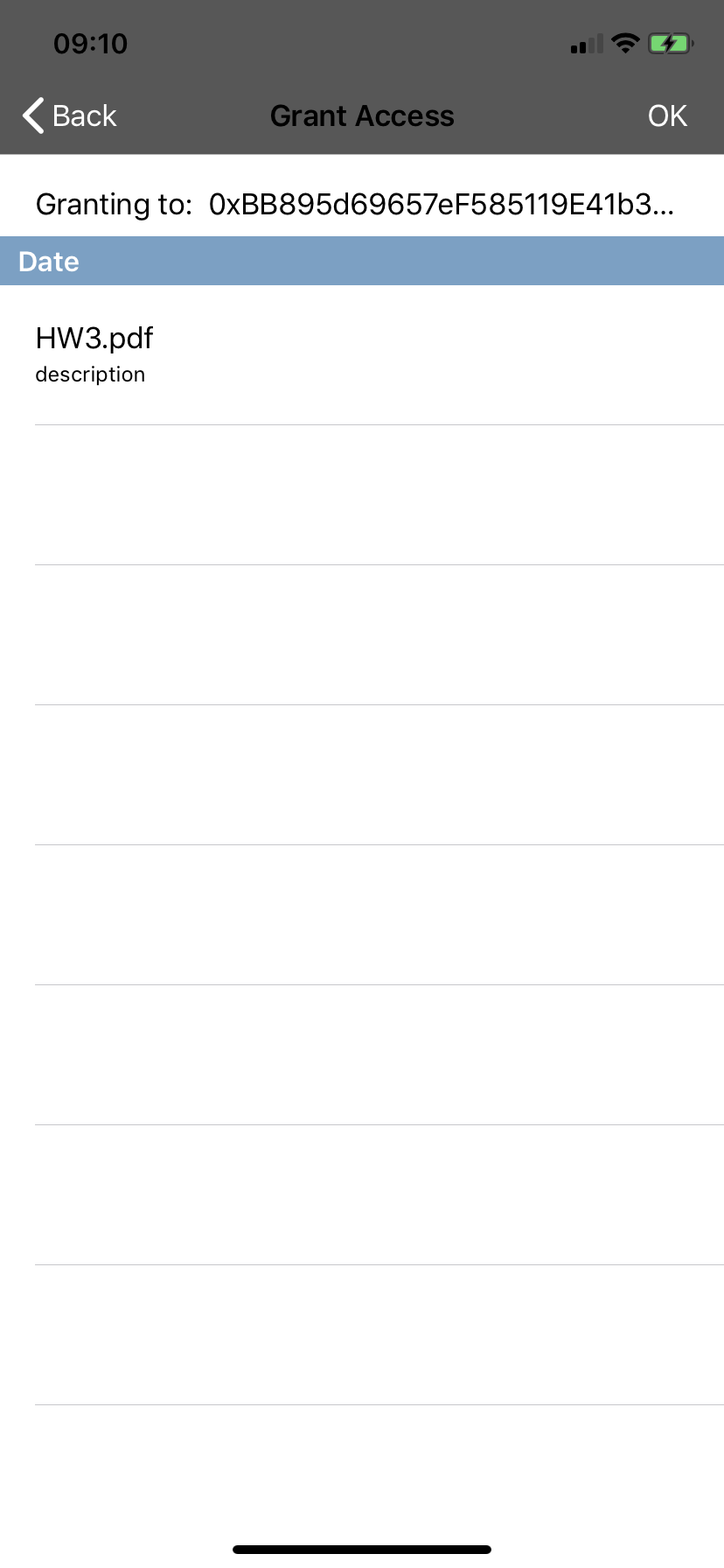
Patients will have the option to decide which records to share with the physicians
-
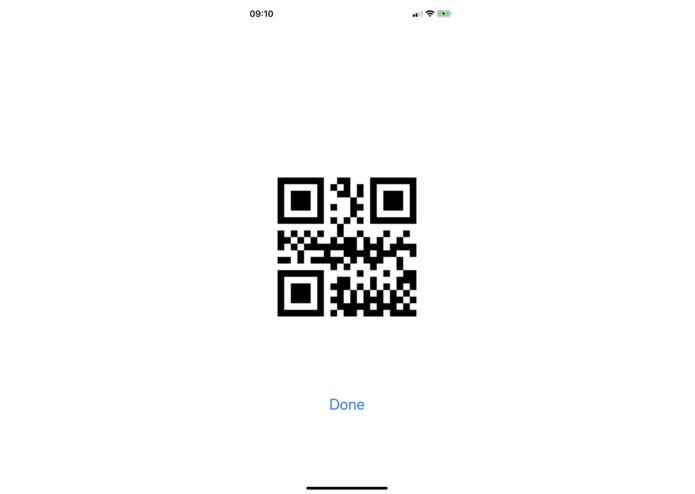
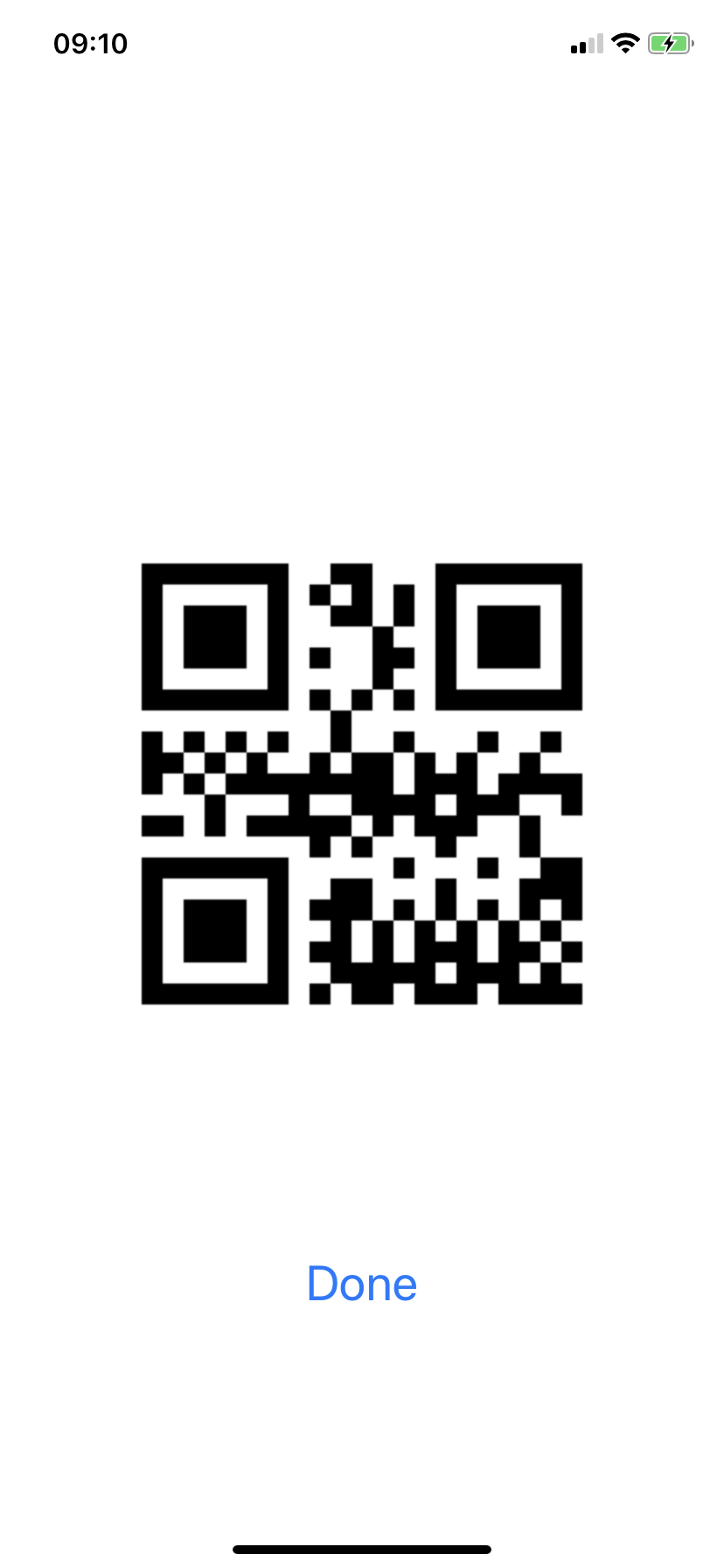
A QR code containing all medical records the patient wish to share will be displayed
-
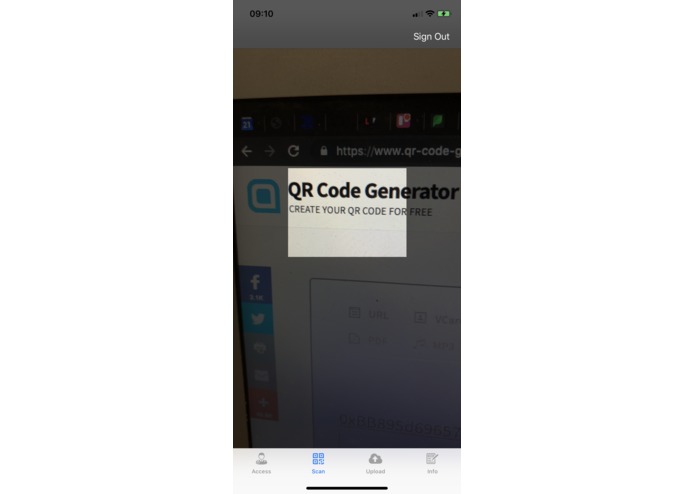
The physician then can use a different scanner to scan the QR code to access the files
-
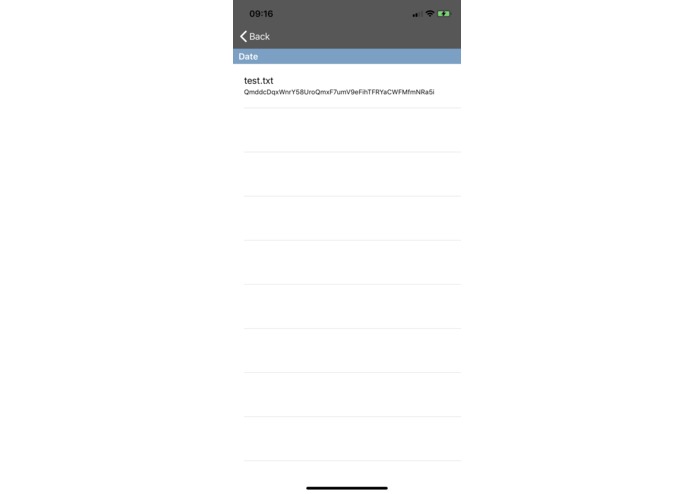
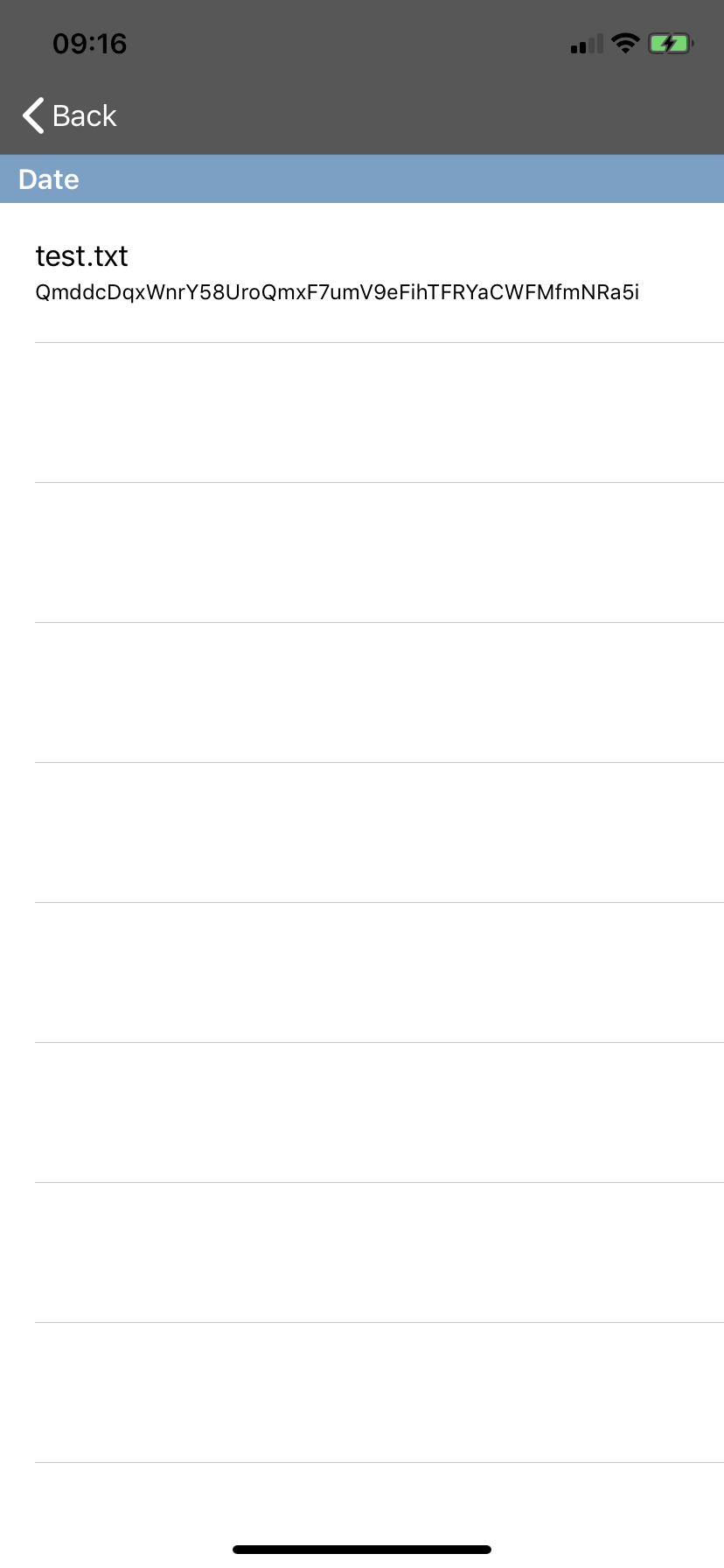
The physician can view all the files share with them
-
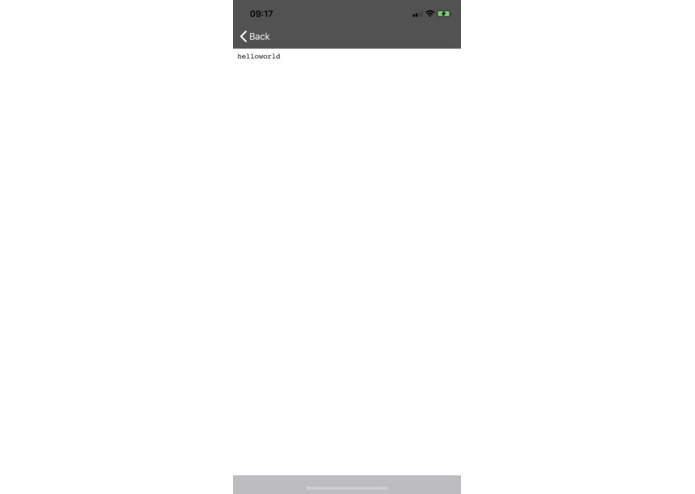
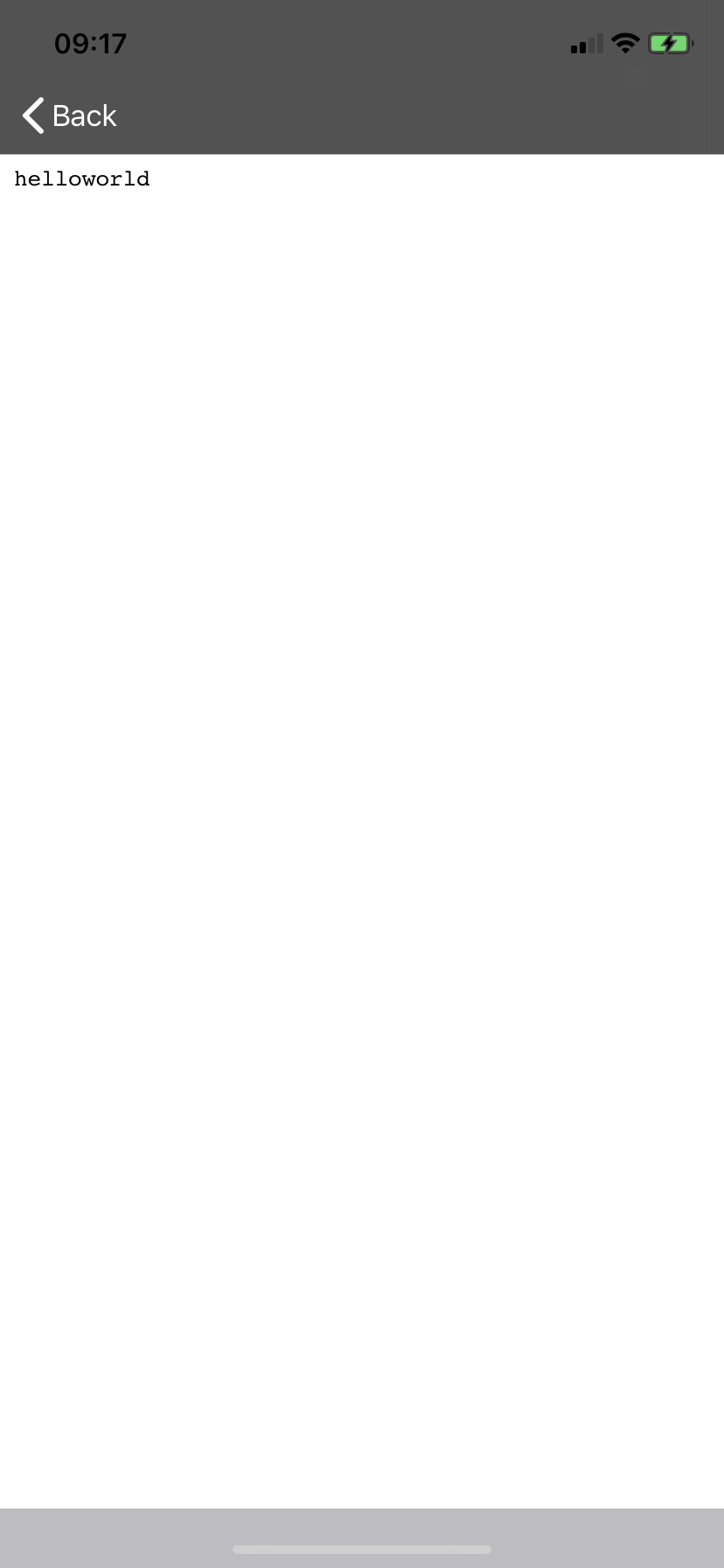
Physicians can view the content of medical record from the app
-
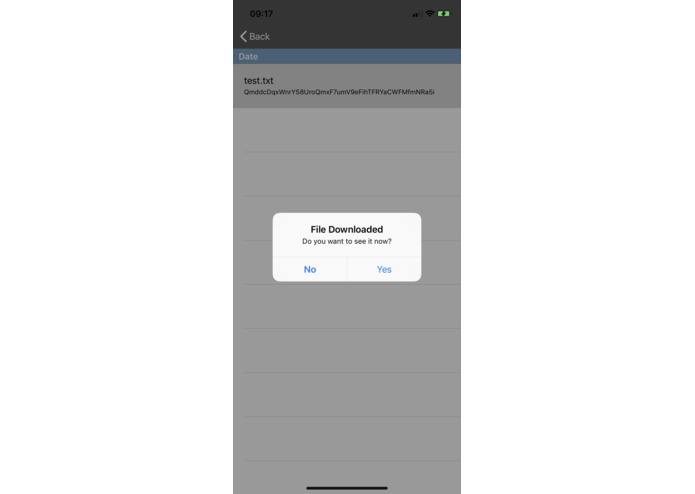
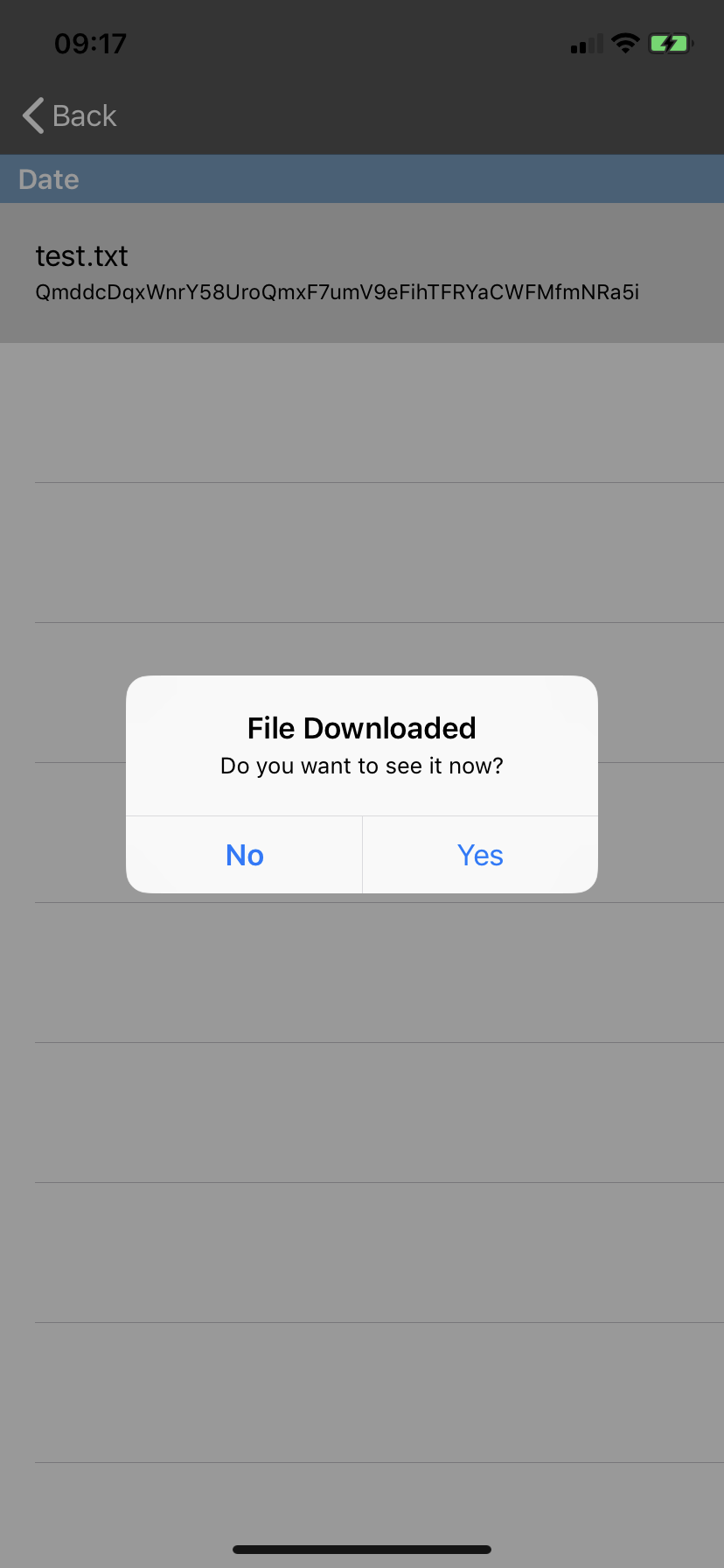
The physician is given the access to the file they have the option to view the shared file from the blockchain
-
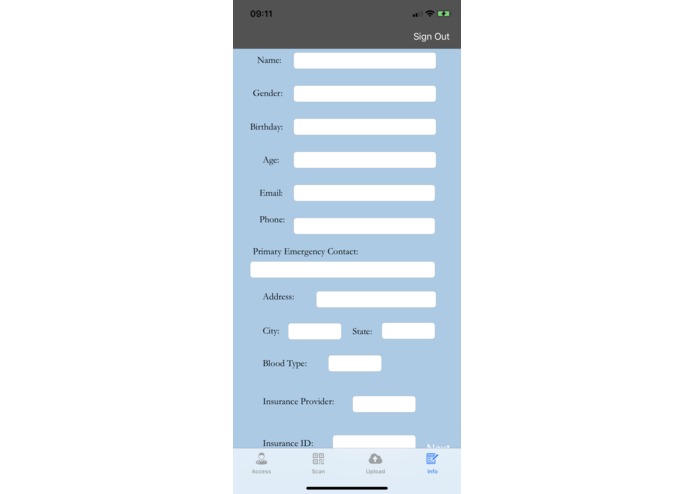
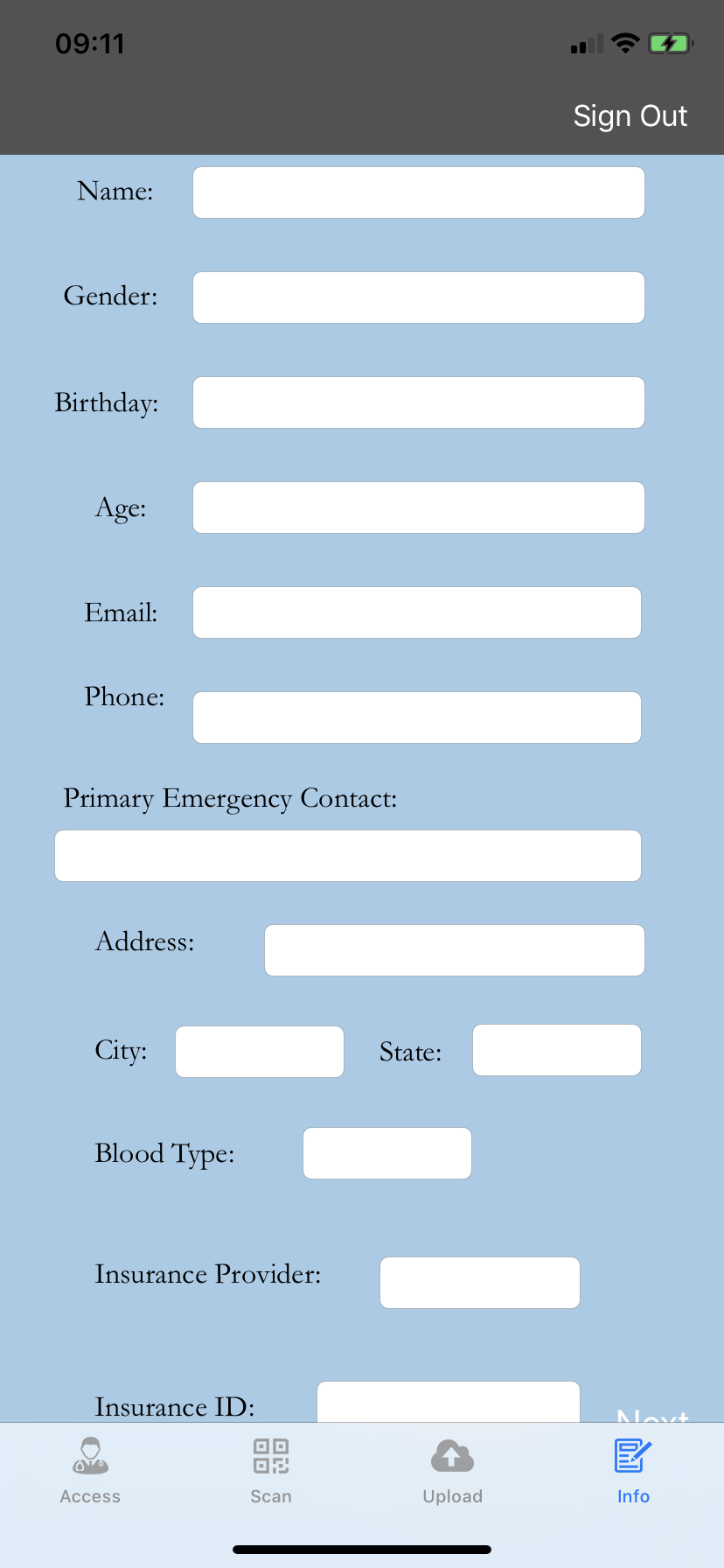
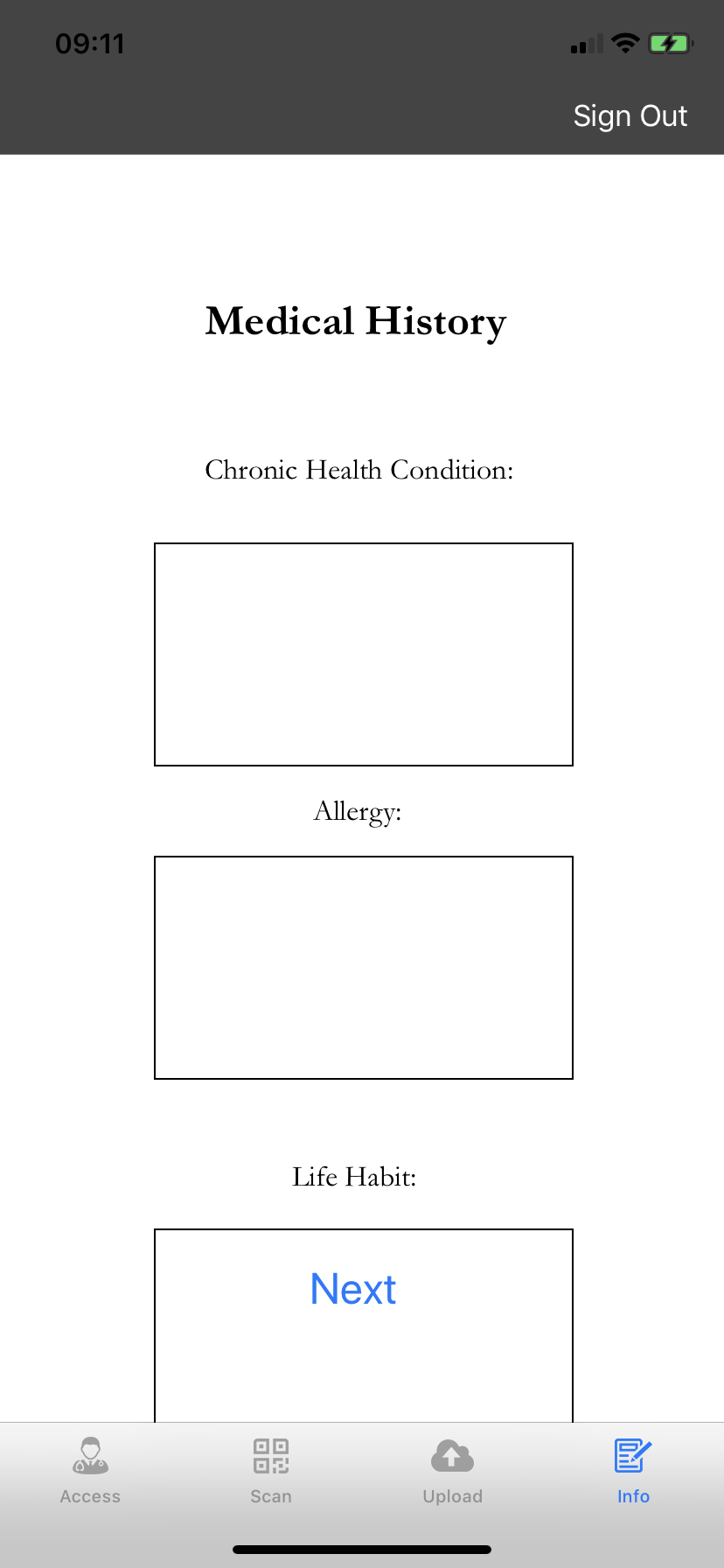
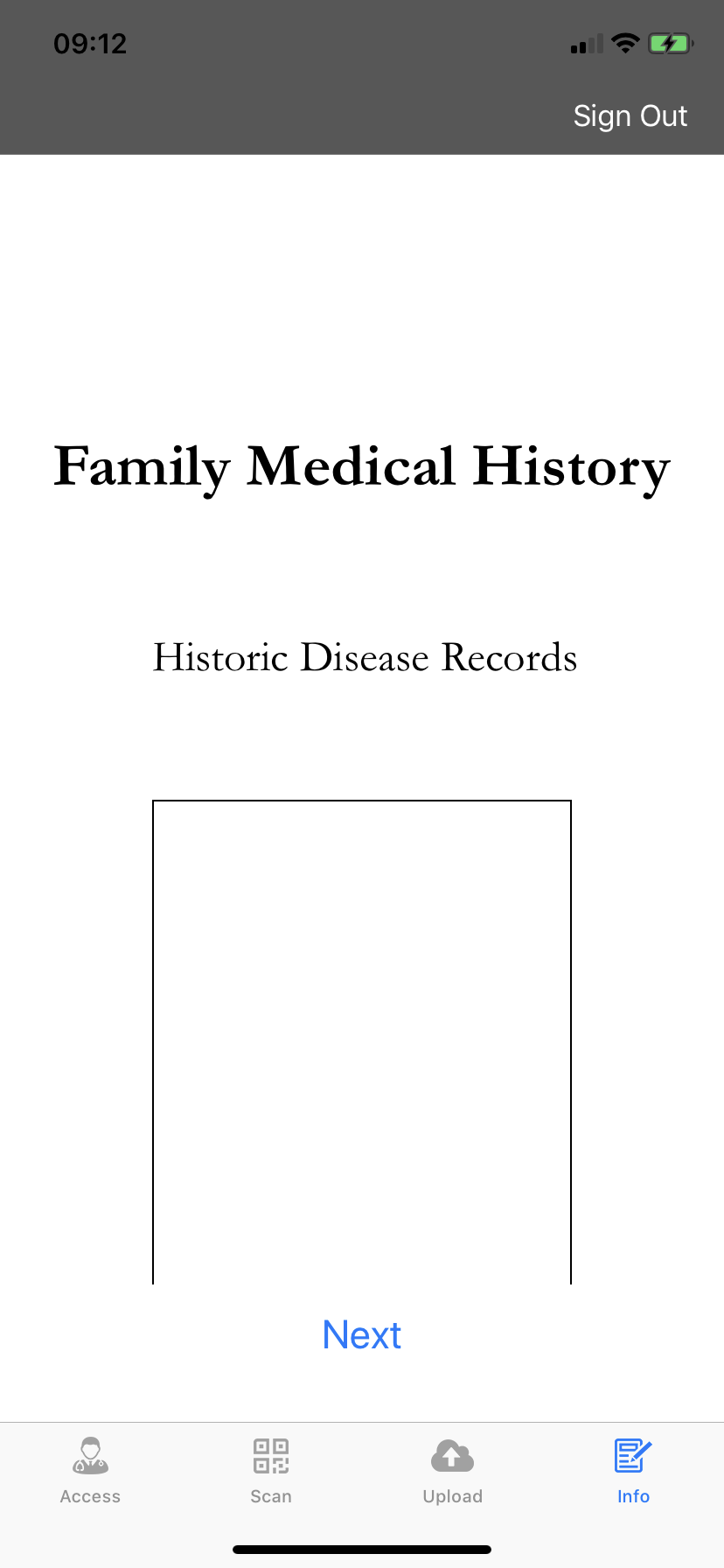
The patient will also have the option to manually enter the medical information
-
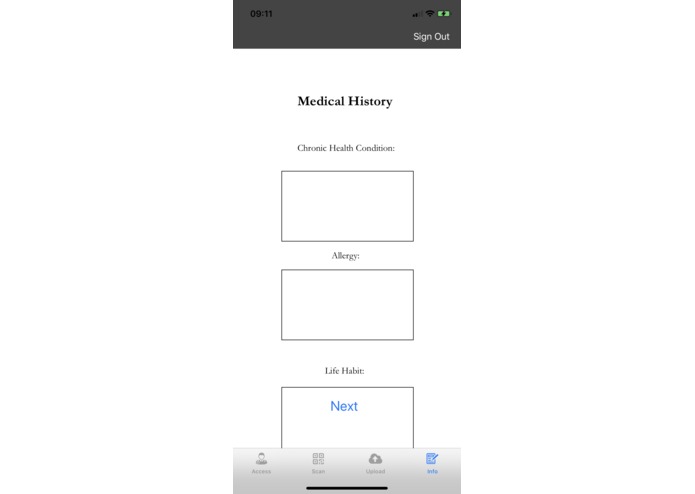
More manually input fields
-
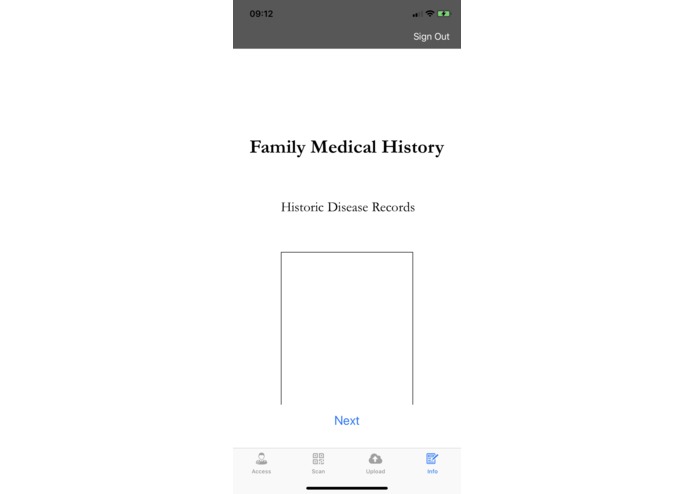
More manually input fields
Inspiration
Convenience is a major issue when it comes to people actually seeking medical care. The easier we make it for patients to interact with the healthcare system, the more likely they are to seek medical care. This inspired us to create
We want to give patients the ability to conveniently share information with medical providers in a universal way without compromising security and privacy. Using blockchain and IPFS allows us to achieve a universal healthcare sign on and data store, without risking a severe data breach like we so often hear about in the news.
What it does
Our app allows patients to create and manage an account on the Lightstreams network. Using this account, patients can upload their medical records to a secure, distributed, and highly available network built on IPFS. Once these files have been uploaded, patients have full control over the distribution of their medical information.
For example, when a patient visits a new doctor they can simply give permission for that doctor to
How I built it
Running a remote Lightstreams node allows us to send https API requests from an iOS device using Alamofire. This API returns locations of files and public addresses of accounts on the network. The meta data about these files, and the accounts who have been given permission to view them, are managed on a local SQLite database.
Challenges I ran into
One of the biggest challenges we've come across is trying to comprehend the concept of blockchain technology and identifying the best blockchain that works the best with the functionality that we are trying to achieve.
The collaboration with Xcode's storyboard also caused a lot of problems with git conflicts.
Accomplishments that I'm proud of
The product is definitely the biggest accomplishment we have this weekend. We also enjoyed the whole learning and explore process.
What I learned
We really have a deeper understanding of the concept of the decentralized network and blockchain technology. We also understand the importance of communication during teamwork and how it can help improve the efficiency of the work flow
What's next for MedX
Our next steps are to take our proof of concept, and make it even more user friendly. We think that a DNS like service mapping human readable usernames to blockchain public keys will be necessary to make it accessible for all users. Since Lightstreams is still under active development, we are waiting for them to expose the ‘write’ api call so files can be updated while keeping the pervious history. Lastly, we feel adding the ability to scan and parse pdf documents will remove one of our last barriers to convenient healthcare (having to enter your info 1 last time).


Log in or sign up for Devpost to join the conversation.