-
-
-
-
-
-
G
-
Inspiration
As a nurse in Iraq, I see a recurring problem in the Emergency Room: elderly patients returning with complications not because they lack medicine, but because they cannot read the instructions. In my community, low literacy and declining vision turn a simple prescription into a dangerous guessing game. I built MedVoice to break this barrier, giving the most vulnerable patients a "voice of care" they can finally understand.
What it does
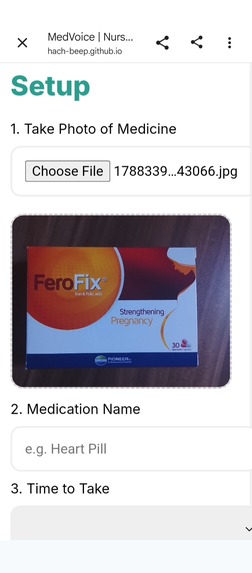
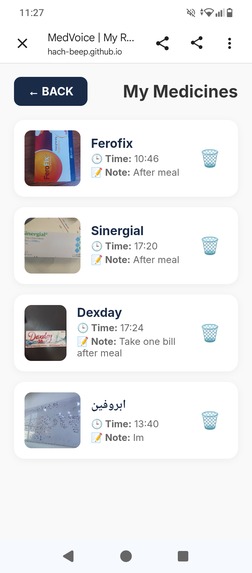
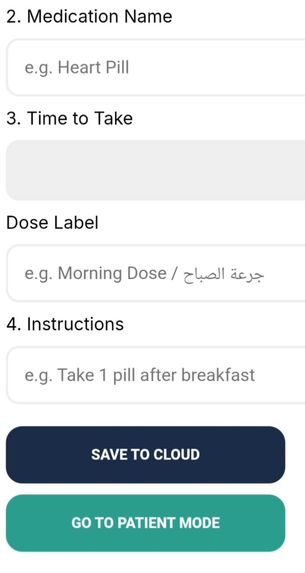
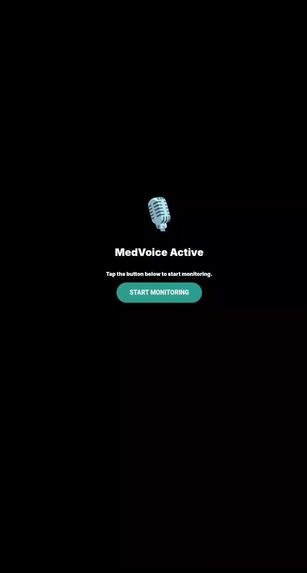
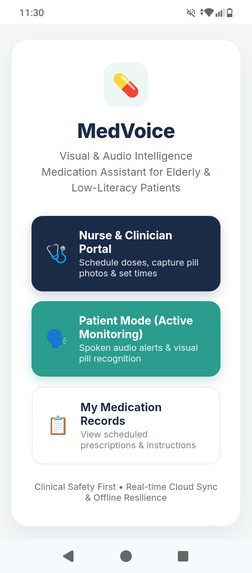
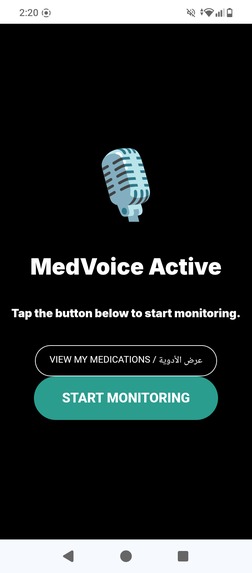
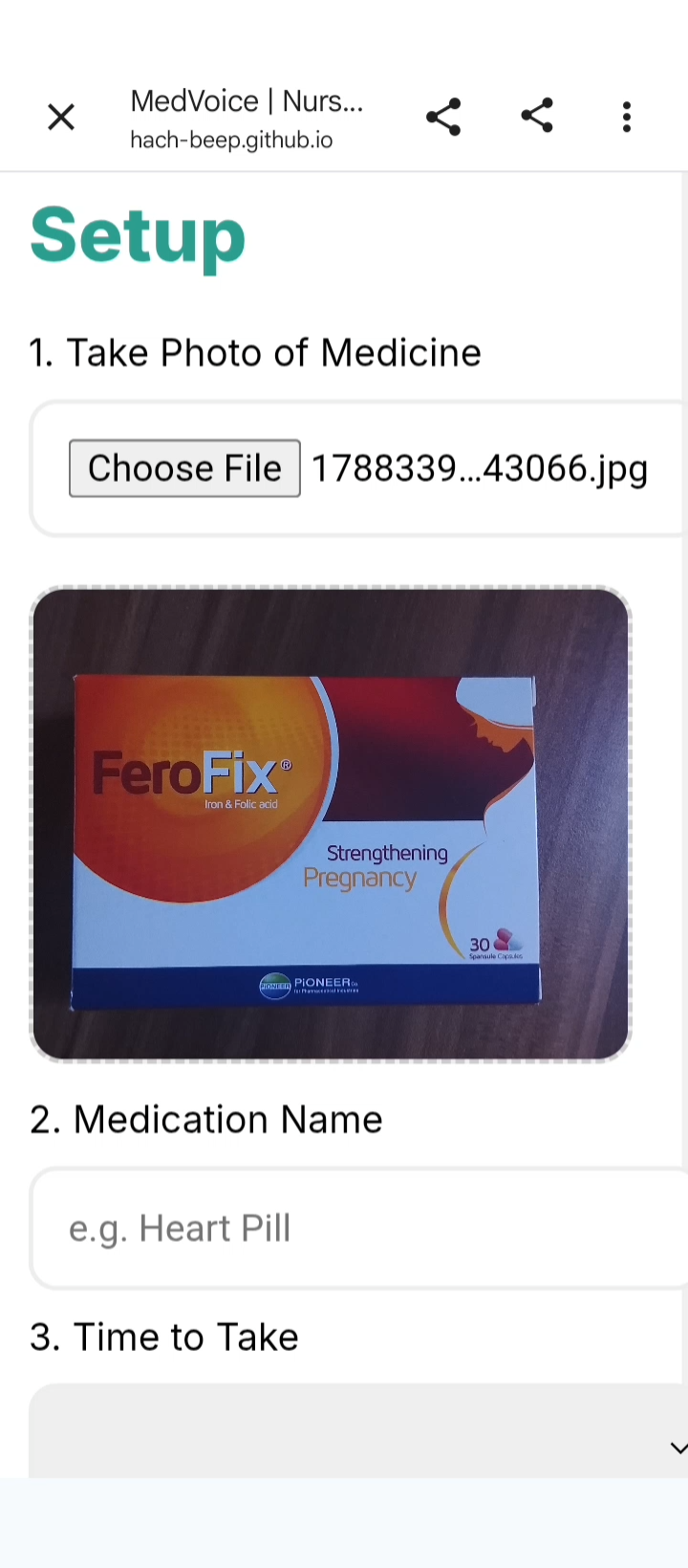
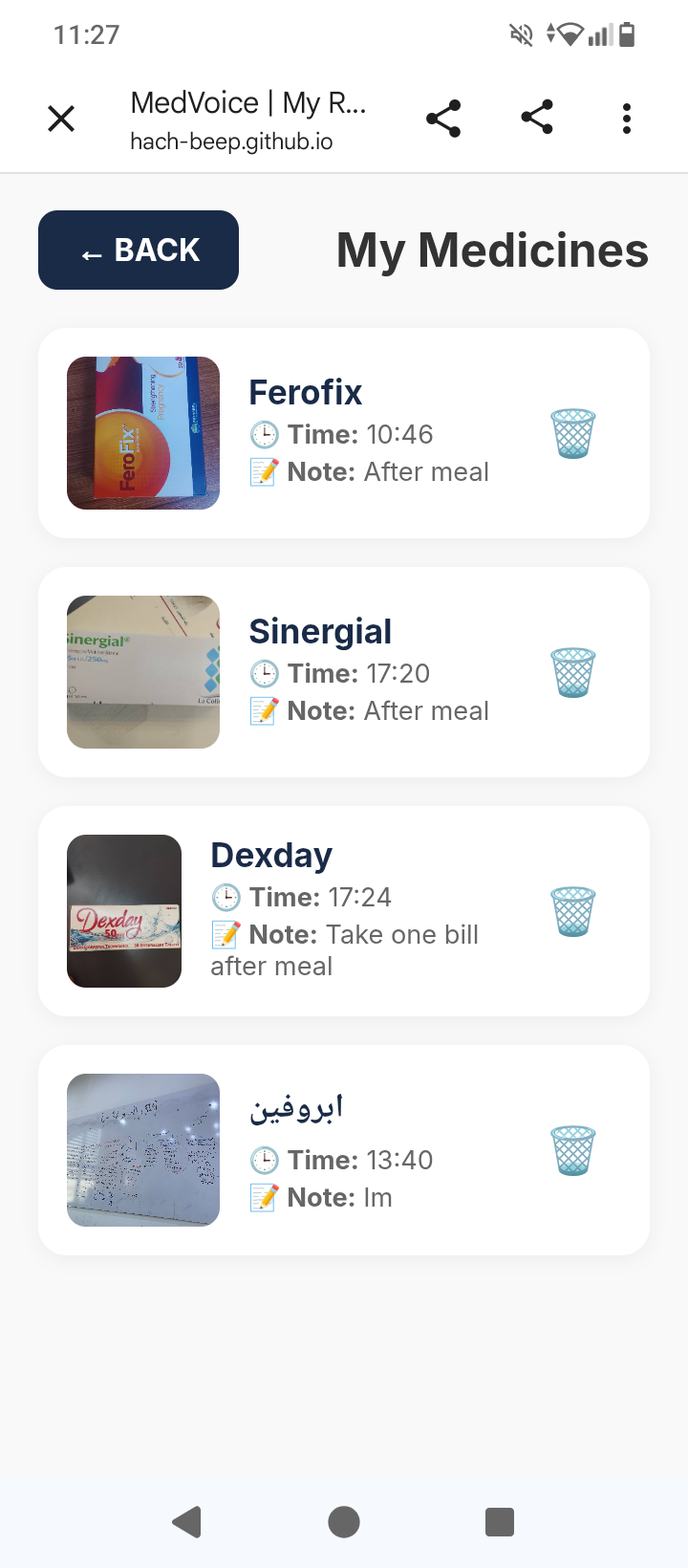
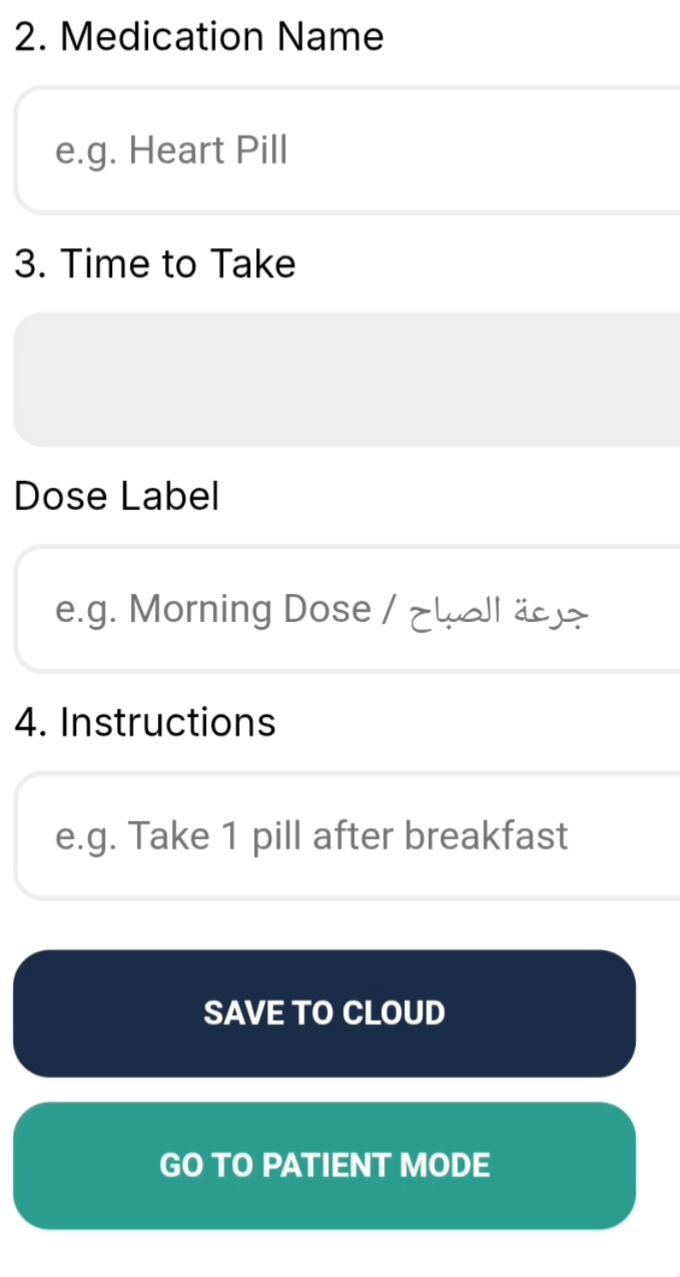
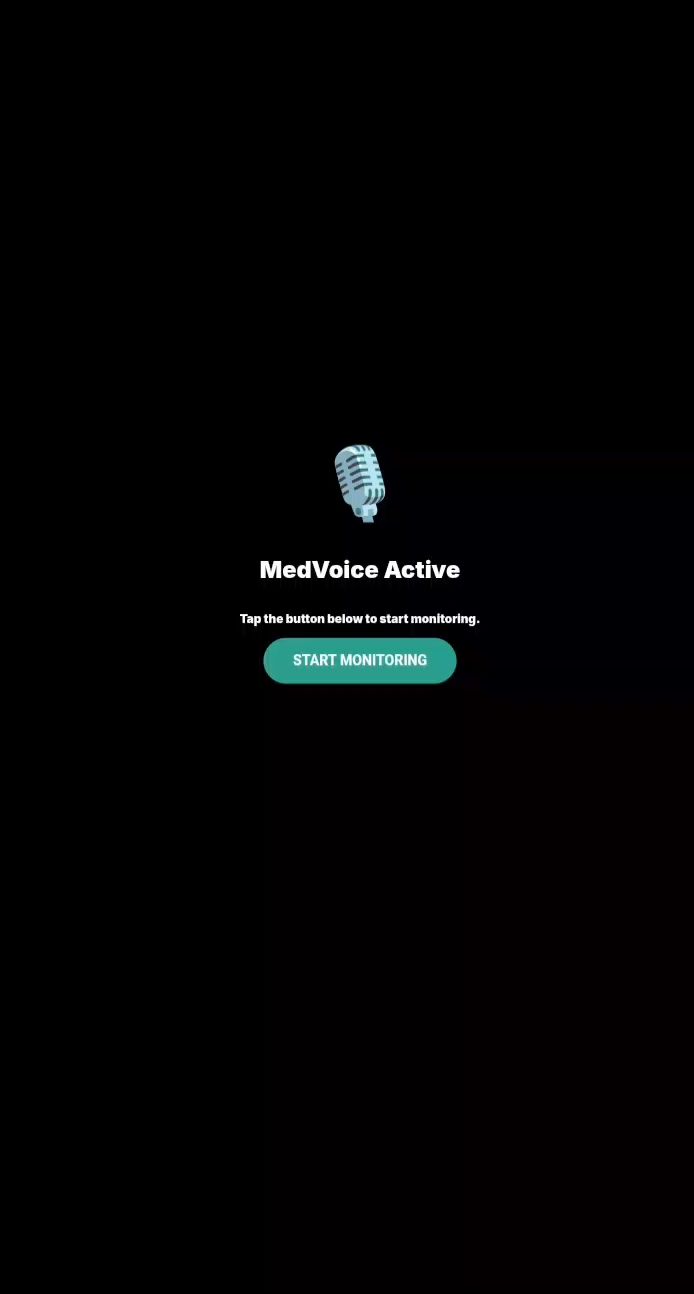
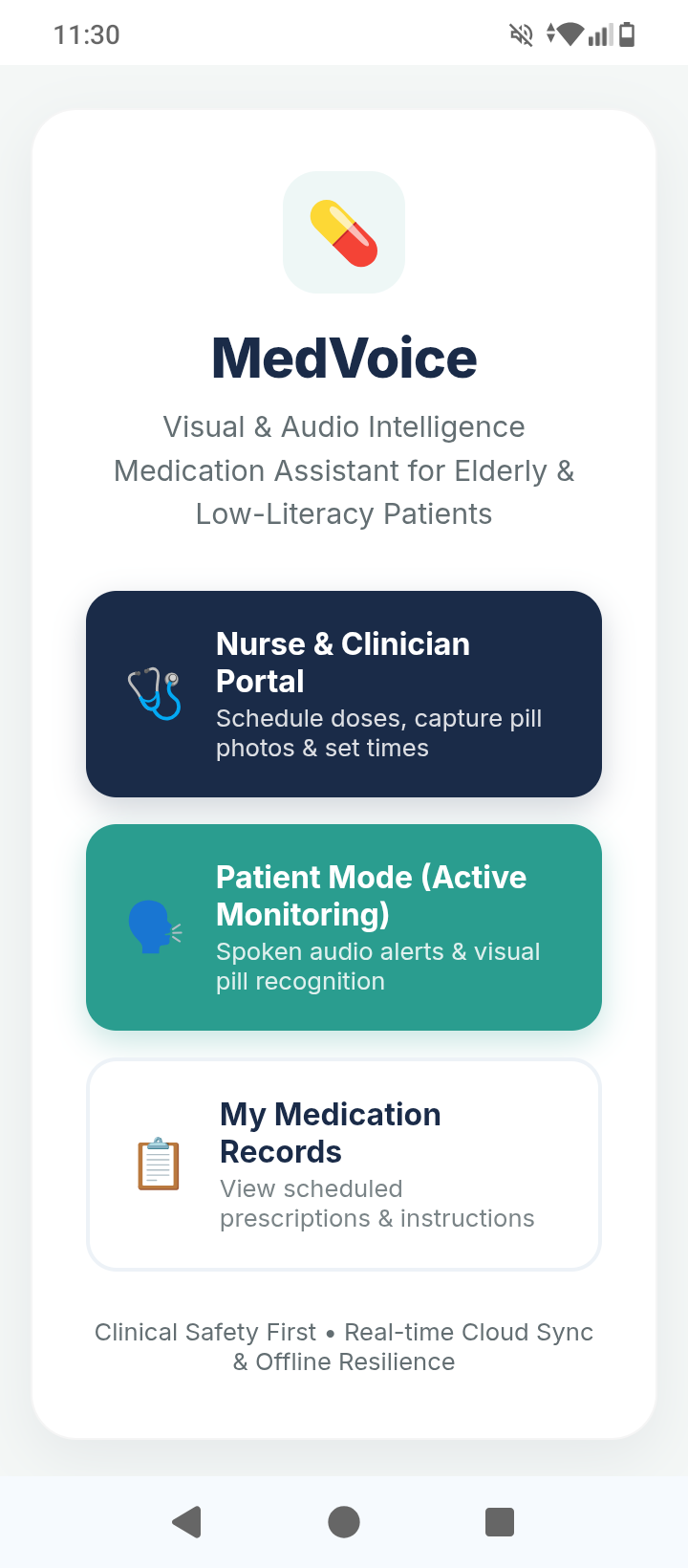
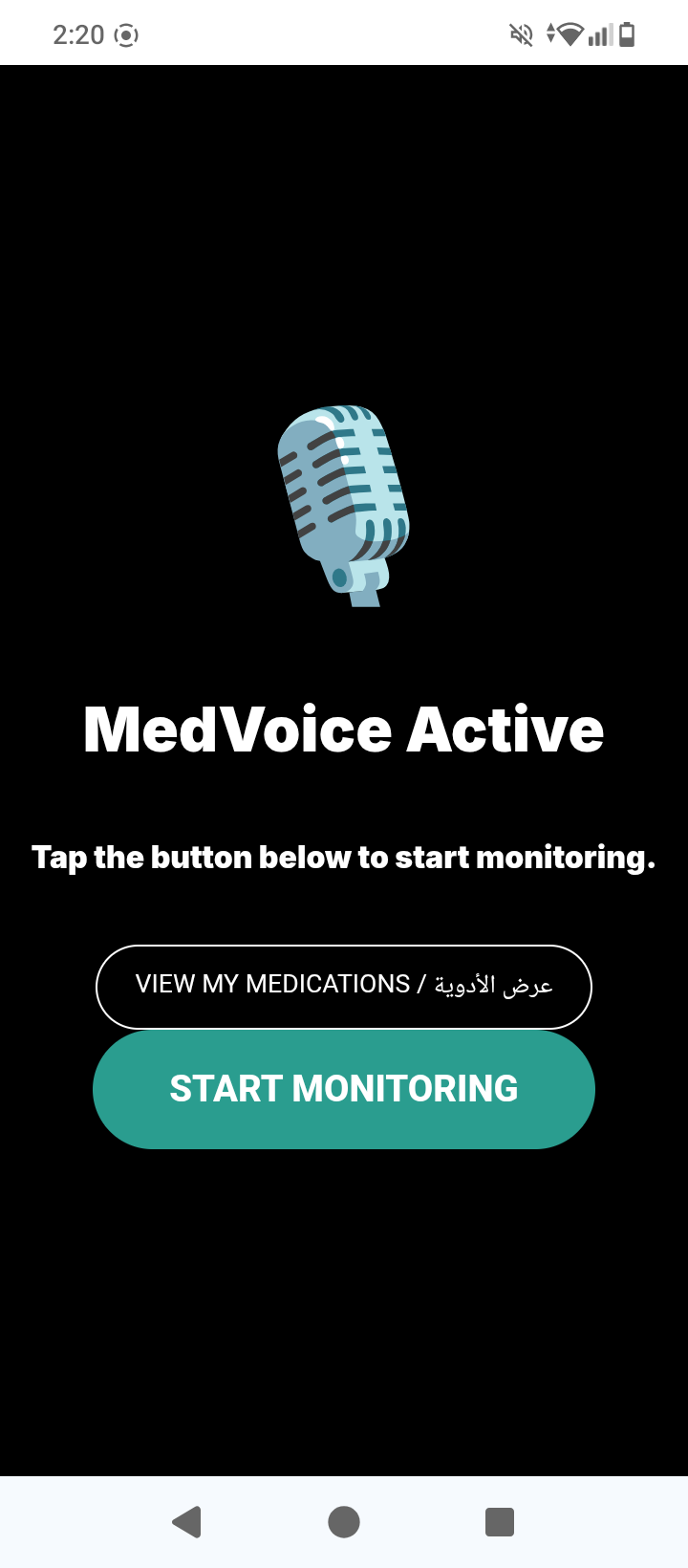
MedVoice is a voice-, visual medication assistant that bridges the gap between the clinic and the bedside: Nurse Portal: Clinicians take a photo of the actual pill and set a schedule (Daily/Weekly). Patient Monitor: A "No-Reading" interface that stays silent until the exact moment a dose is due. Visual & Audio Alerts: The app automatically shows the photo of the specific pill and speaks the instructions: "It is time for your heart medicine. Please take one pill after breakfast." Real-time Sync: Powered by Firebase, ensuring the patient's device is always updated by their healthcare provider.
How we built it
I built this entire platform on a smartphone. Development: I used mobile-based code editors and AI-assisted development to architect the logic. Frontend: HTML5, CSS3, and JavaScript . Backend: Firebase Firestore for real-time data synchronization. Intelligence: Web Speech API for the automated voice-over system. Logic: Applied computational thinking from Harvard’s CS50 and clinical standards from Johns Hopkins Health Informatics.
Challenges we ran into
The biggest challenge was the 24-hour pivot. My original project was disqualified on a technicality, but I refused to quit. I designed and coded MedVoice from scratch in two days. Additionally, coding a complex Firebase integration on a small phone screen required extreme precision and patience.
Accomplishments that we're proud of
I am incredibly proud of building a functional, cloud-synced medical tool using only a phone. Successfully implementing the "Voice Loop" that reminds the patient until they confirm they took the medicine was a huge technical milestone for me.
What we learned
learned that innovation isn't about the power of your computer or time ; it's about the power of your purpose. I deepened my skills in asynchronous JavaScript and real-time database architecture while learning how to design for accessibility.
What's next for Medvoice
My vision for MedVoice is to evolve it from a prototype into a comprehensive life-saving ecosystem, my roadmap includes: Comprehensive Patient Profiles: I am currently building a secure "Patient File" system within the app to store a complete history of all medications, dosages, and adherence logs. This will allow clinicians to review long-term patterns and adjust treatments based on real-world data. Background Reliability (PWA): I plan to transition MedVoice into a Progressive Web App (PWA). This will allow the app to run in the background and send high-priority push notifications, ensuring that alerts are never missed even if the app is closed. The MedVoice Wearable (The Bracelet): My ultimate goal is to bridge the gap between software and hardware. I want to develop a low-cost Smart Bracelet that syncs with the phone app. The bracelet will vibrate and display the medication image on the patient's wrist, ensuring they are alerted even if their phone is in another room. A simple physical button on the bracelet will allow the patient to confirm they have taken the dose, making safety truly portable and accessible for the elderly. Local Dialect Integration: To ensure true health equity, I will integrate AI voice models that support local Iraqi dialects, making the app usable for every grandmother and grandfather in my community, regardless of their education level.
Built With
- ai
- css3
- firebase
- html5
- javascript
- web-speech-api


Log in or sign up for Devpost to join the conversation.