Inspiration
The growing issue of counterfeit and diverted medicines — especially in unregulated online markets — motivated us to build MedTrust. During our research, we discovered that most existing verification systems rely on QR codes that can be easily copied and reused. We aimed to design a simple yet secure system — a tamper-proof authentication solution that combines cryptographic verification with blockchain transparency to safeguard patients and pharmacies.
What it does
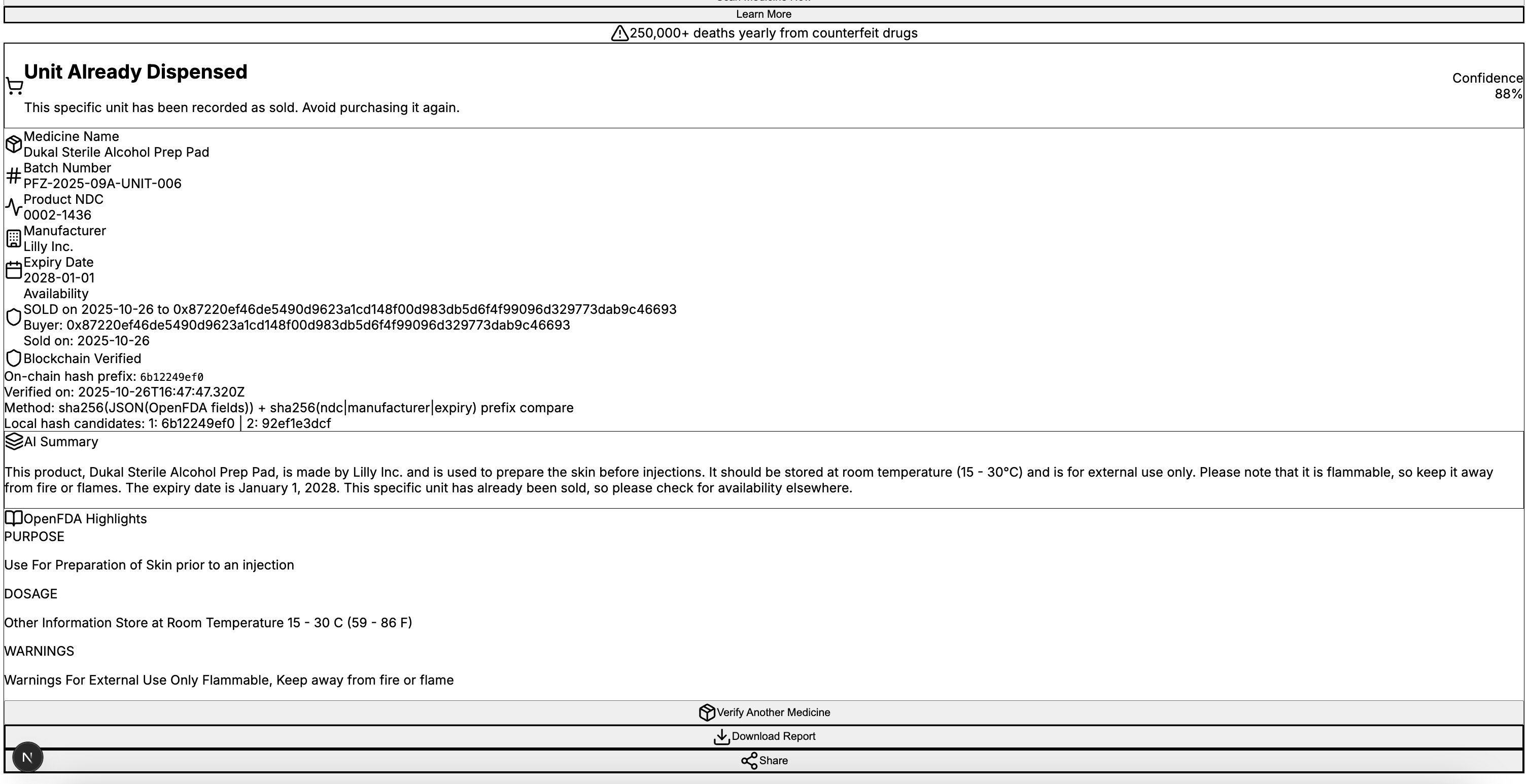
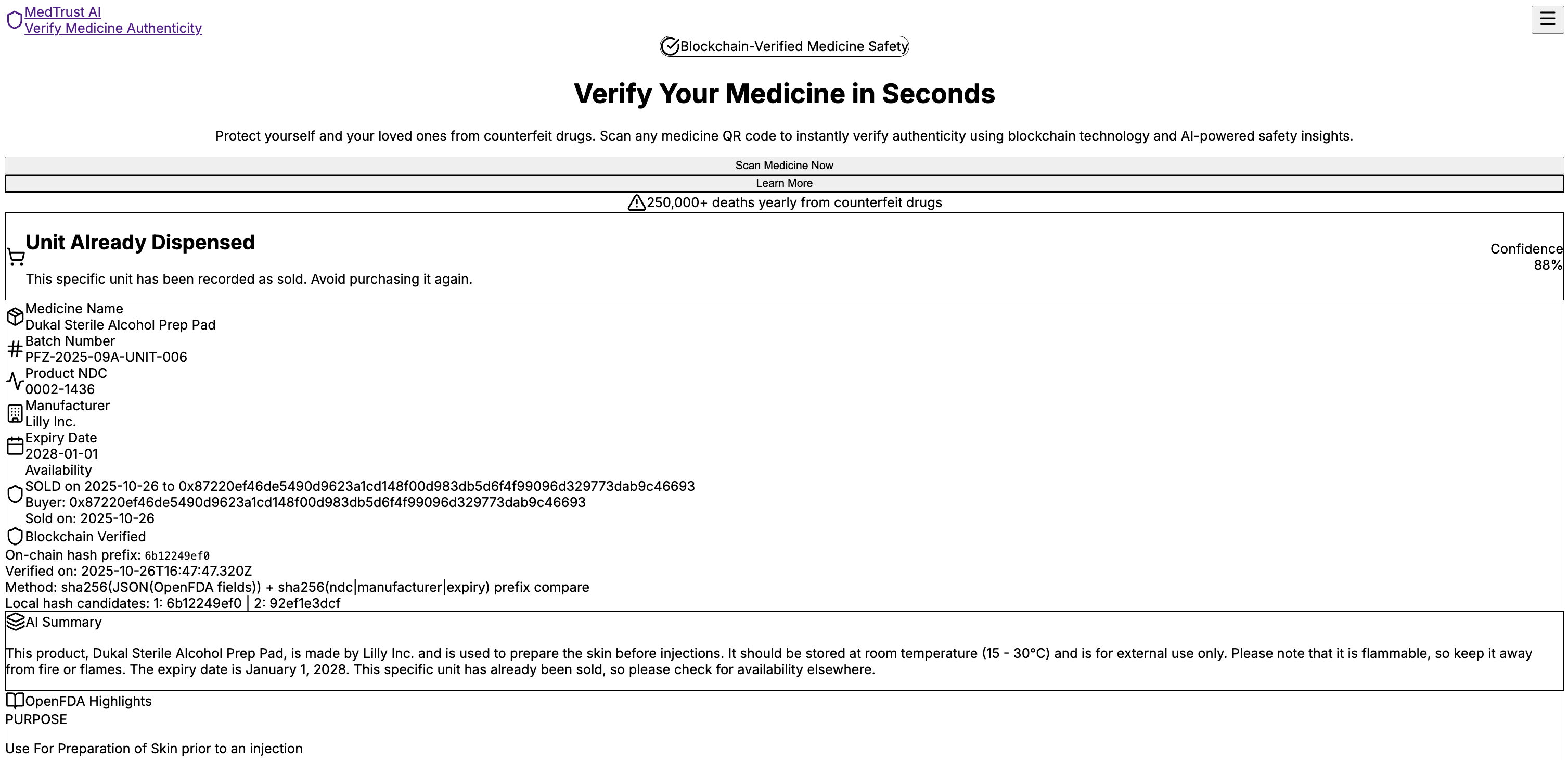
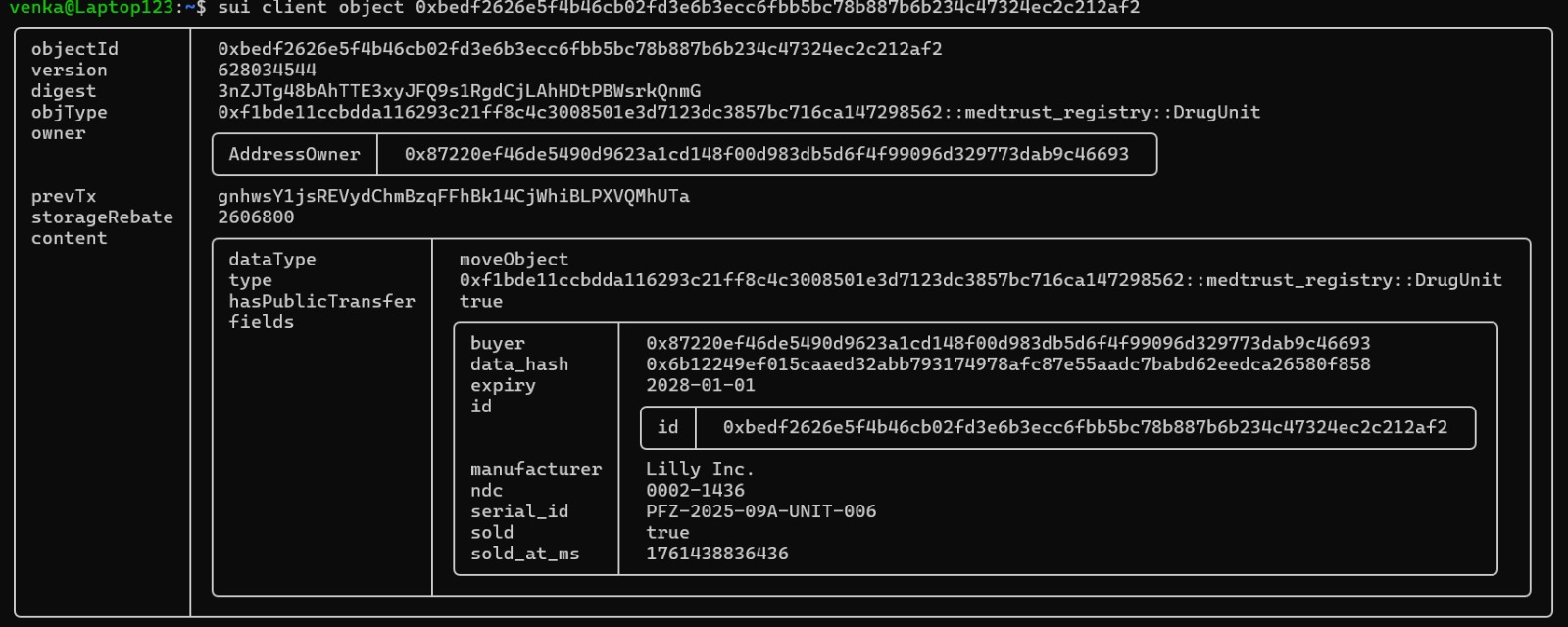
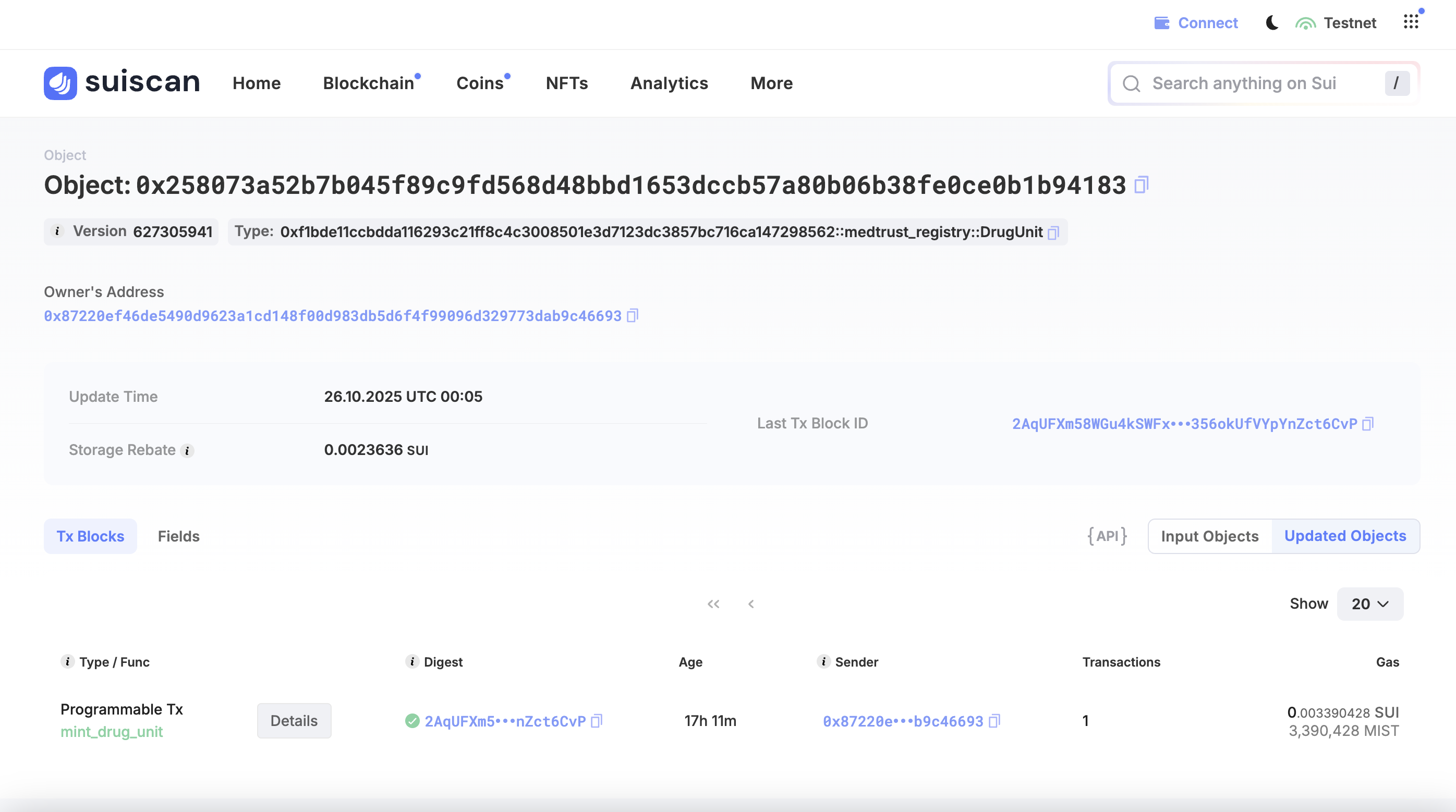
MedTrust enables anyone, manufacturers, pharmacists, or consumers, to instantly verify the authenticity and safety of any medicine. Each medicine unit receives a unique blockchain object ID when minted by the manufacturer, a digitally signed QR, or by reusing the item's barcode code, which is printed on the package, making it impossible to clone or reuse.
How we built it
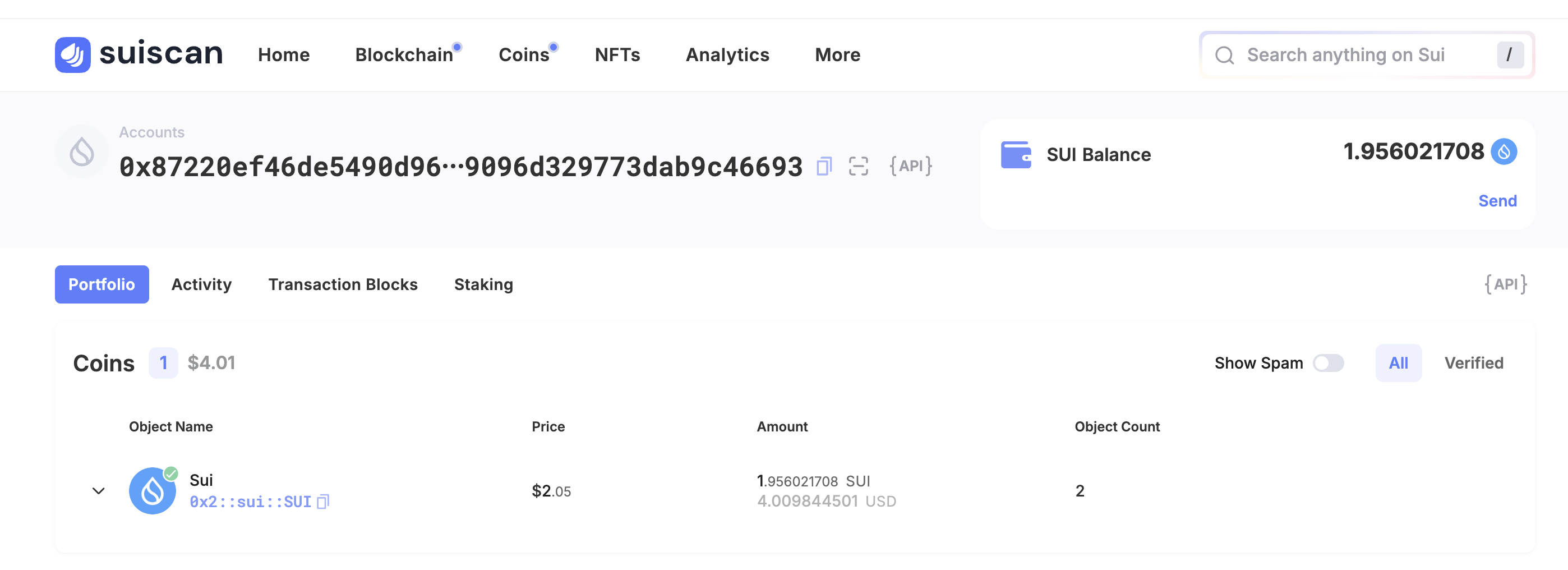
We developed MedTrust using Node.js and Express for the backend and SUI blockchain for secure on-chain verification. The frontend was built using Next.js and TailwindCSS to maintain a clean, medical aesthetic, while html5-qrcode powers the real-time camera scanning. We also integrated a Mastra AI agent that processes FDA data and produces concise, trustworthy summaries for users. Each QR code encodes both the blockchain object ID and a digital signature, allowing the backend to validate authenticity and detect any attempt at duplication. Pharmacies also have their own interface to mark units as sold and record the sale on-chain.
Challenges we ran into
Our biggest challenge was securing the QR system itself. Initially, the codes could be copied and reused, so we implemented a cryptographic signing process that binds each QR to its original object ID. We also faced challenges mapping real-world FDA and NDC identifiers to blockchain data and ensuring that the system remained fast and user-friendly. Finally, integrating live data verification, cryptography, and blockchain logic in a short timeframe required extensive testing and refinement.
Accomplishments that we're proud of
We are proud that MedTrust successfully delivers a working prototype that verifies medicines in real time using blockchain and AI. The addition of cryptographic signatures to prevent QR duplication was a major technical win. We also designed a clear, trustworthy interface that can be used by both pharmacists and patients with minimal guidance. Most importantly, we built a system that proves how digital technologies can protect human health and rebuild trust in medicine supply chains.
What we learned
Through MedTrust, we learned that solving counterfeit drug problems goes beyond storing data — it’s about ensuring the integrity of every link in the verification chain. We discovered the power of combining blockchain transparency, AI intelligence, and cryptographic security. This experience also taught us how to design for both technical precision and real-world usability, especially for non-technical users like pharmacists and consumers.
What's next for MedTrust
In the future, we plan to extend MedTrust by integrating NFC or laser-engraved signatures that make replication physically impossible. We also aim to build a regulatory dashboard for pharmacies and health agencies to monitor verification trends in real time. Our long-term goal is to expand MedTrust into a global verification standard that integrates directly with pharmaceutical supply chains — bringing traceability, accountability, and safety to every medicine sold.
Built With
- express.js
- html5-qrcode
- libsql
- mastra-ai
- next.js
- node.js
- openfda-api
- react
- sui-blockchain
- tailwindcss
- vercel


Log in or sign up for Devpost to join the conversation.