

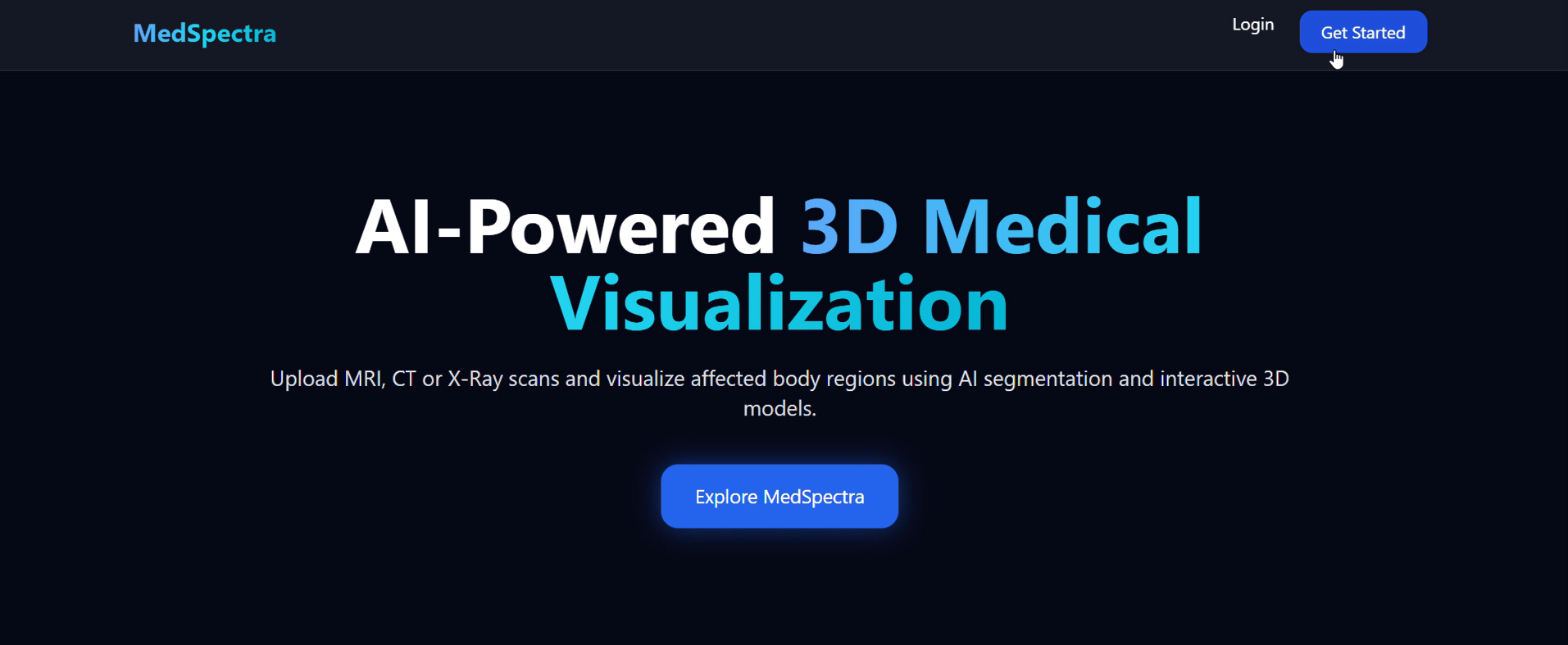
MedSpectra: AI-Powered 3D Medical Visualization
Inspiration
Medical imaging technologies such as MRI, CT, and X-ray scans generate vast amounts of critical diagnostic information. However, interpreting these scans often requires specialized expertise, and patients may struggle to understand their medical conditions from traditional 2D images. We were inspired to bridge this gap by creating a platform that transforms complex medical scans into interactive 3D visualizations powered by Artificial Intelligence.
Our goal was to make medical imaging more accessible, intuitive, and informative for doctors, students, researchers, and patients.
What We Learned
During the development of MedSpectra, we gained valuable experience in:
- Medical image processing and visualization
- Machine Learning and AI-based image analysis
- 3D rendering techniques for healthcare applications
- Backend API development and database integration
- Building user-friendly interfaces for complex data
- Handling large medical datasets efficiently
We also learned the importance of balancing technical accuracy with usability, especially in healthcare-related applications.
How We Built It
MedSpectra consists of multiple integrated components:
Frontend
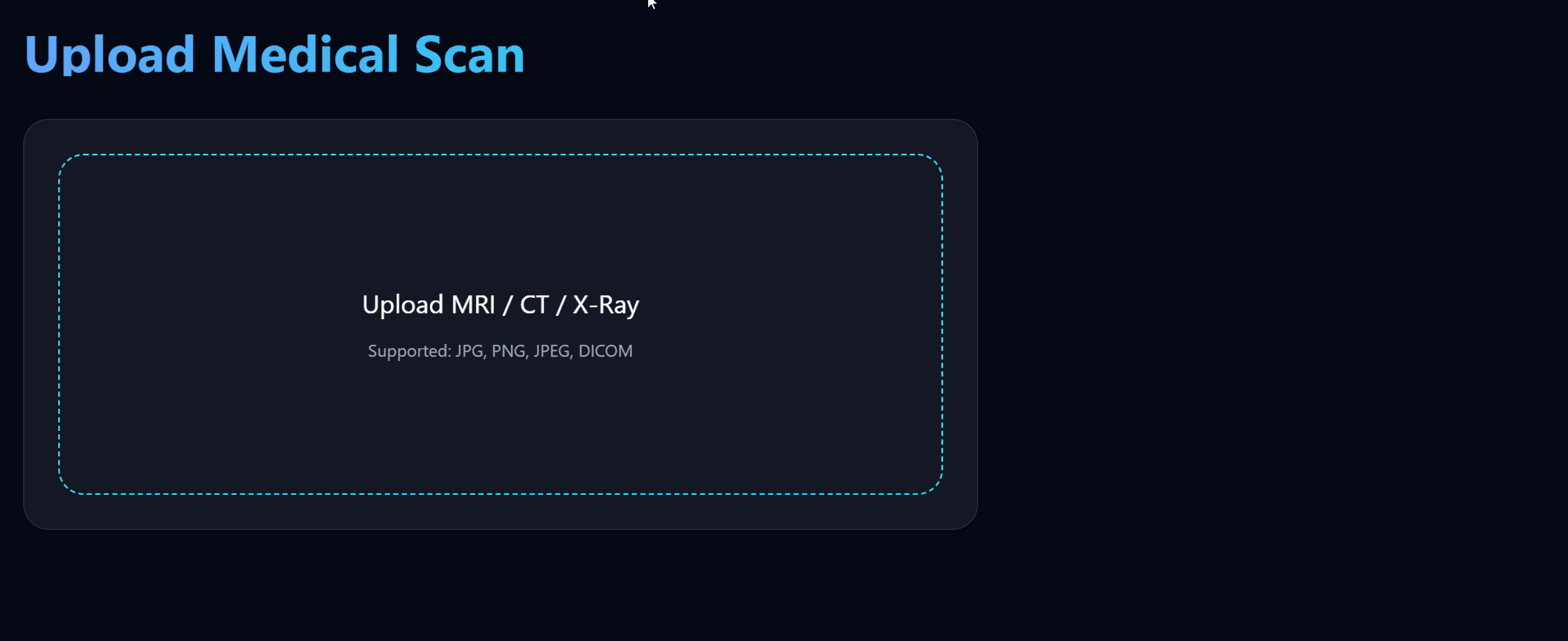
- Interactive web interface for uploading medical scans
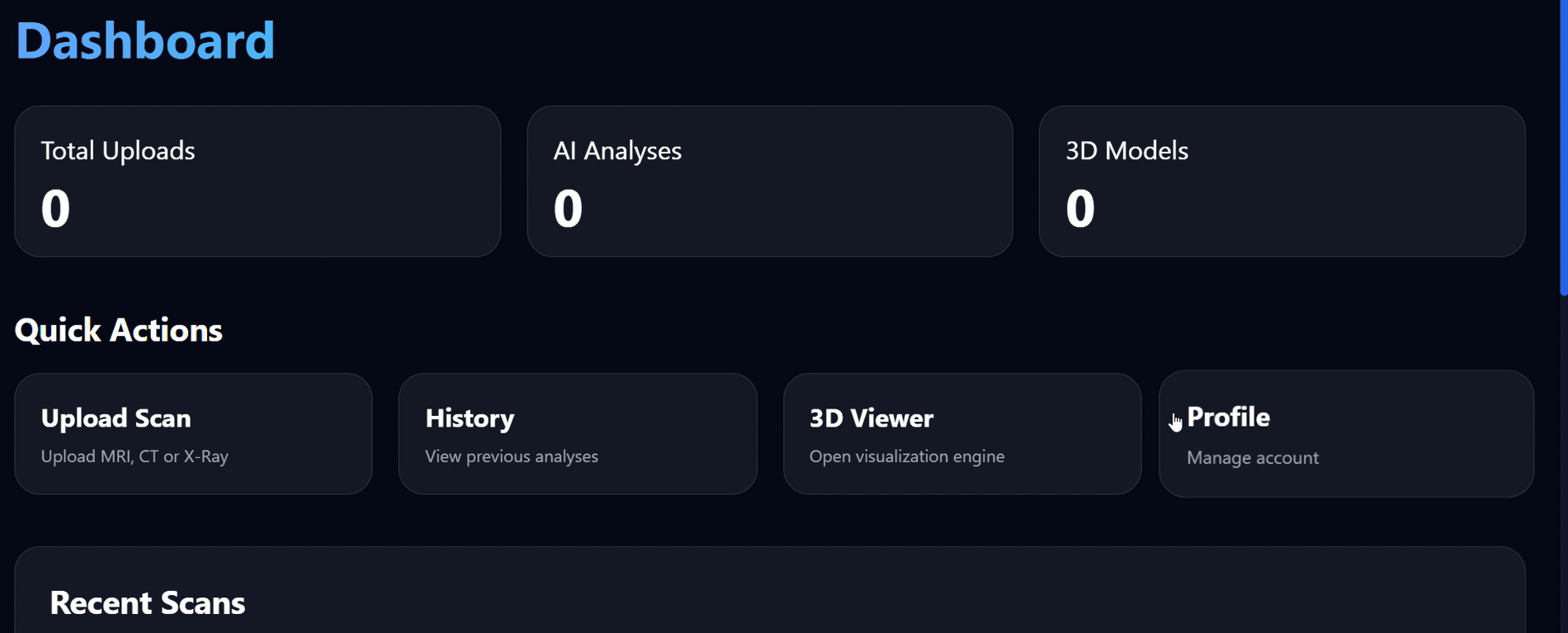
- Visualization dashboard for exploring results
- Responsive design for accessibility
Backend
- REST API built using modern web technologies
- Secure processing pipeline for medical images
- Database for storing scan metadata and results
AI Pipeline
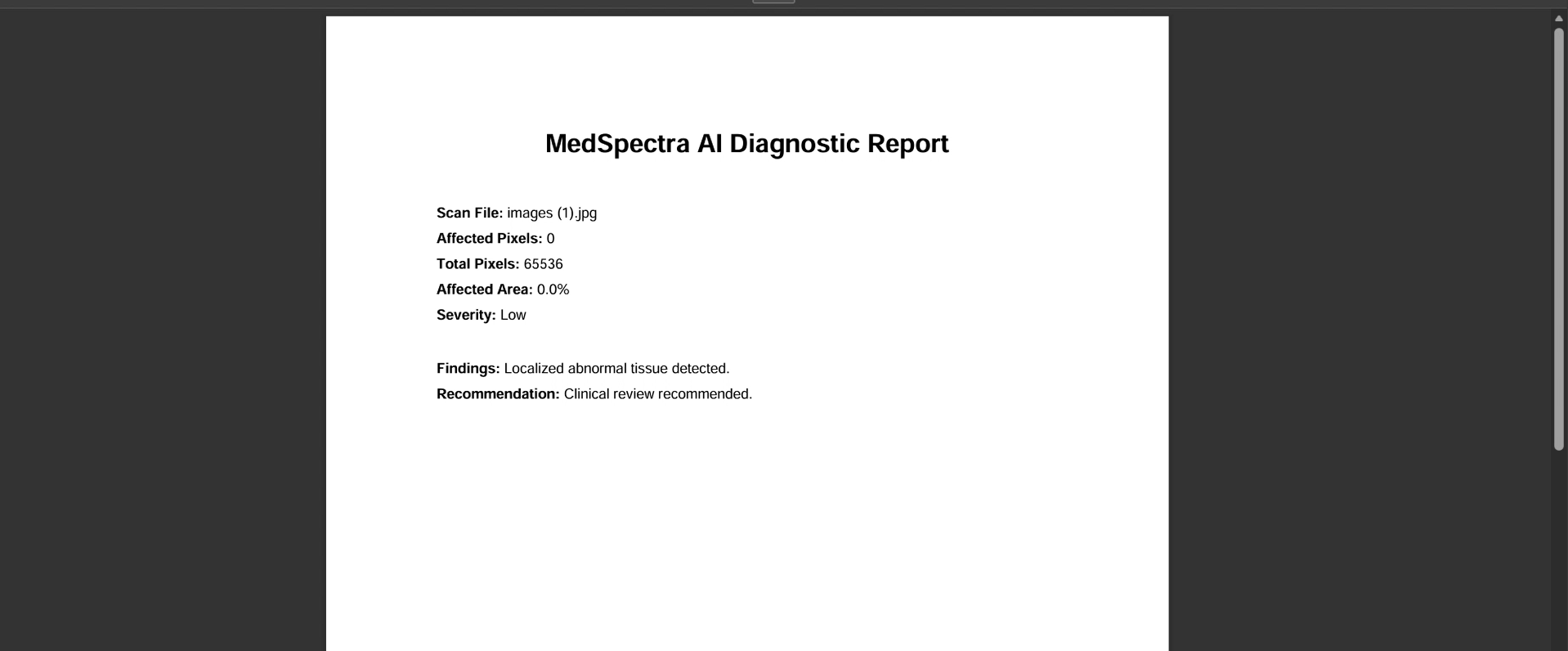
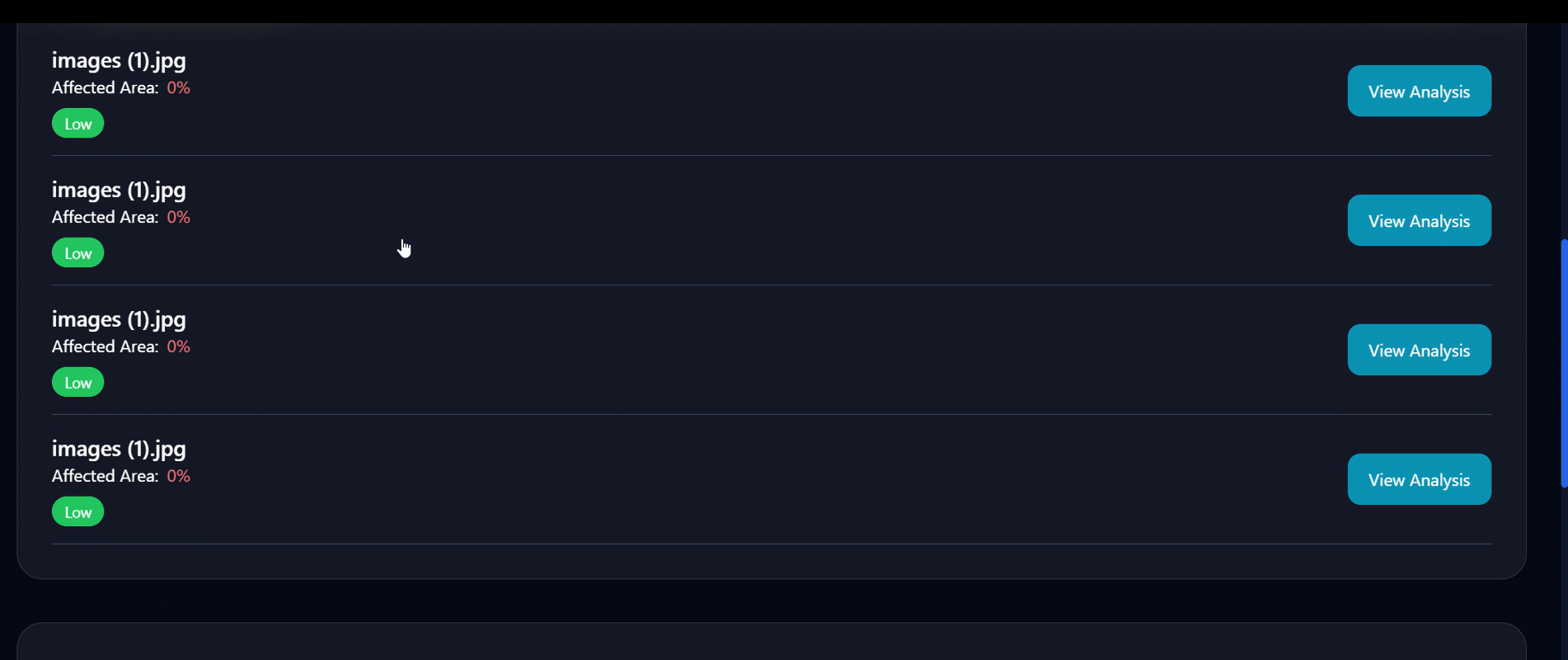
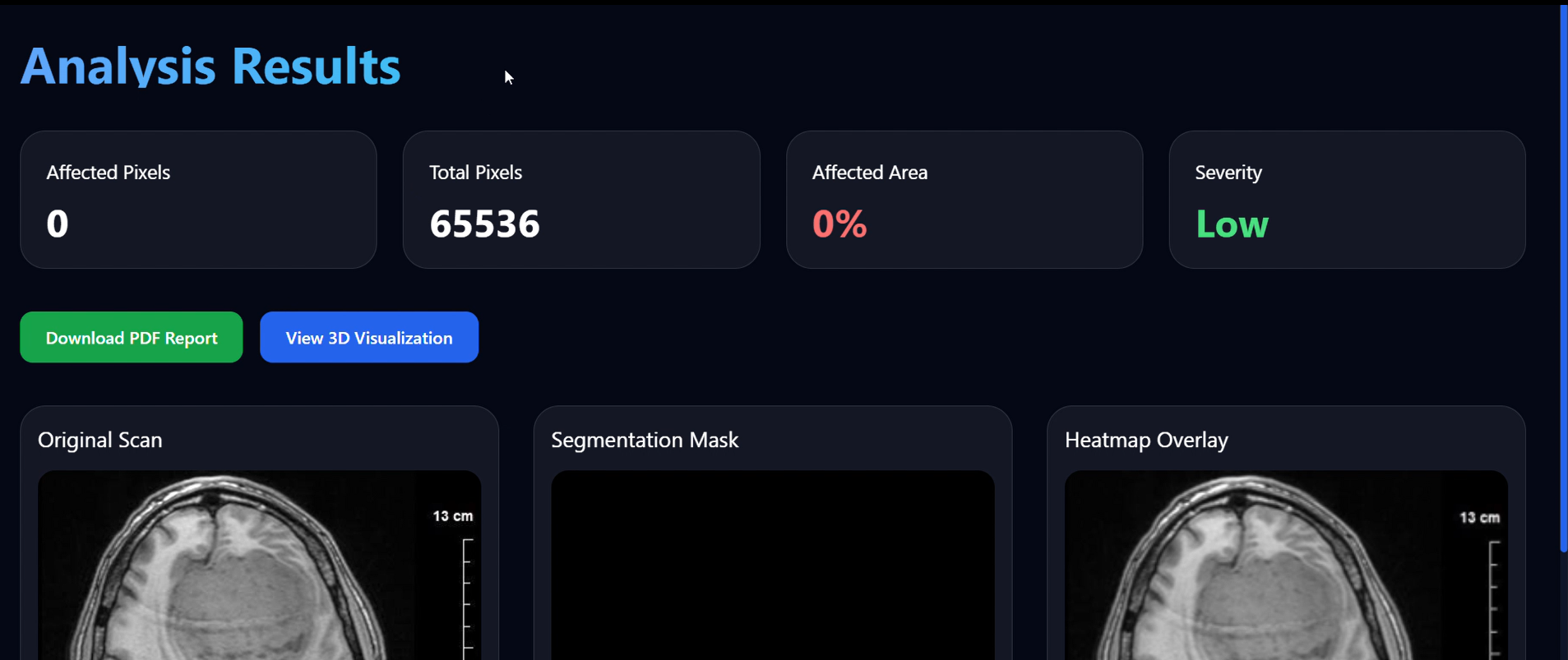
The system analyzes uploaded scans and identifies regions of interest using machine learning models.
The prediction process can be represented as:
$$ Prediction = AI(Model, Medical\ Scan) $$
The processed output is then transformed into an interactive 3D representation:
$$ 3D\ Model = Visualization(AI\ Output) $$
Visualization Engine
- Converts scan data into 3D structures
- Allows rotation, zooming, and exploration
- Highlights affected regions for better understanding
Challenges We Faced
1. Medical Data Complexity
Medical images come in different formats and qualities, making preprocessing and standardization challenging.
2. 3D Reconstruction
Generating meaningful 3D visualizations from 2D scan slices required careful optimization and experimentation.
3. Performance
Processing large medical images while maintaining a responsive user experience was a significant challenge.
4. AI Accuracy
Ensuring reliable detection and visualization of important medical features required extensive testing and model refinement.
5. User Experience
Designing a system that is useful for both healthcare professionals and non-technical users required multiple iterations.
Accomplishments We're Proud Of
- Successfully transformed medical scans into interactive 3D visualizations.
- Integrated AI-based analysis into a streamlined workflow.
- Built an accessible platform that improves understanding of medical conditions.
- Created a scalable foundation that can be extended to multiple medical imaging modalities.
What's Next for MedSpectra
Future improvements include:
- Support for additional imaging formats
- Real-time AI-assisted diagnosis suggestions
- Cloud-based collaborative analysis
- AR/VR integration for immersive medical visualization
- Enhanced explainable AI features for healthcare professionals
Conclusion
MedSpectra demonstrates how AI and 3D visualization can work together to simplify medical imaging, improve understanding, and support better healthcare decisions. By transforming static scans into interactive insights, we aim to make advanced medical visualization accessible to everyone.

Log in or sign up for Devpost to join the conversation.