-
-
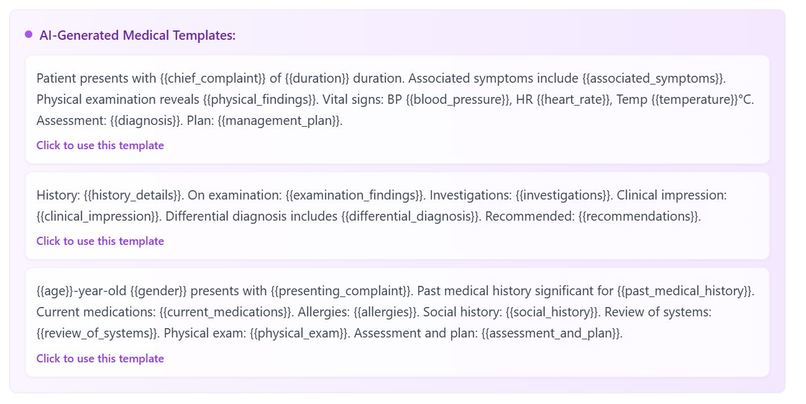
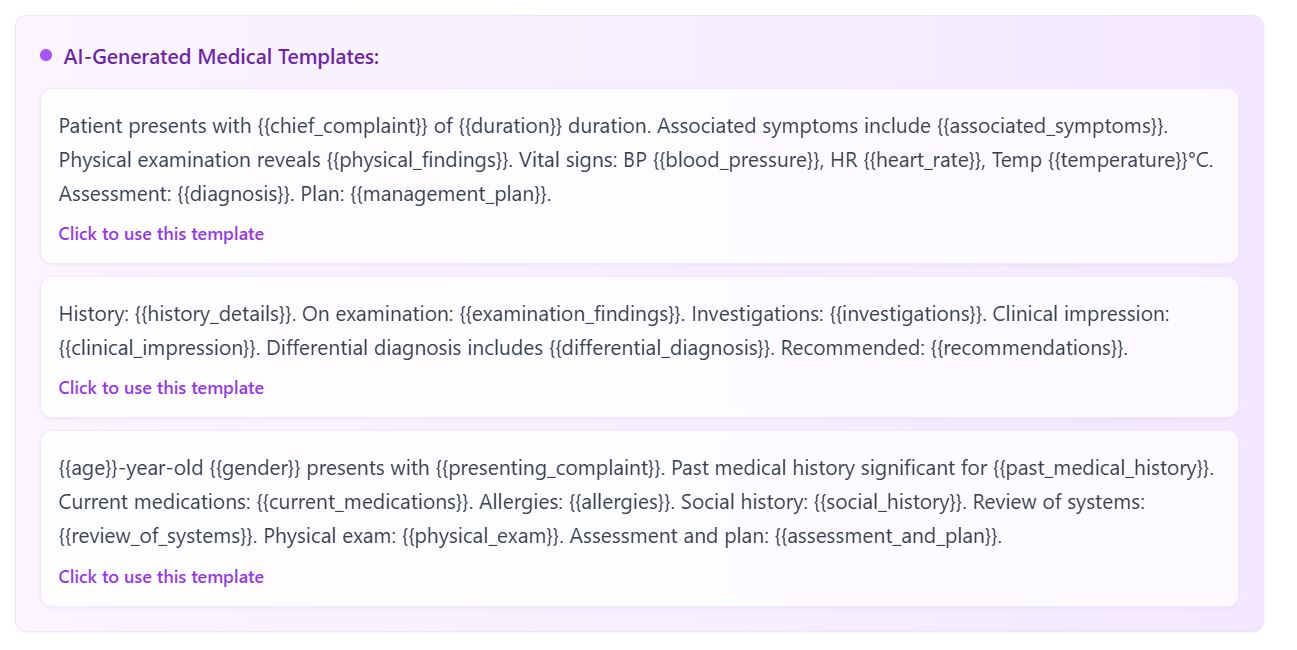
AI generated templates
-
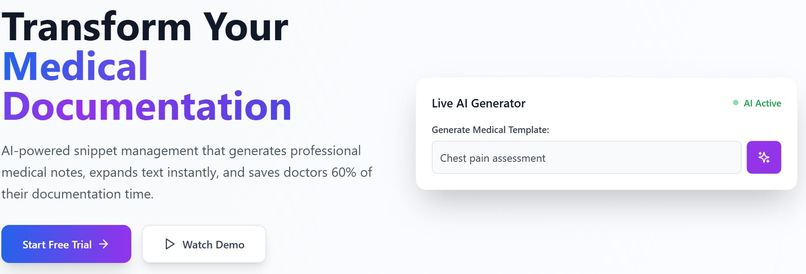
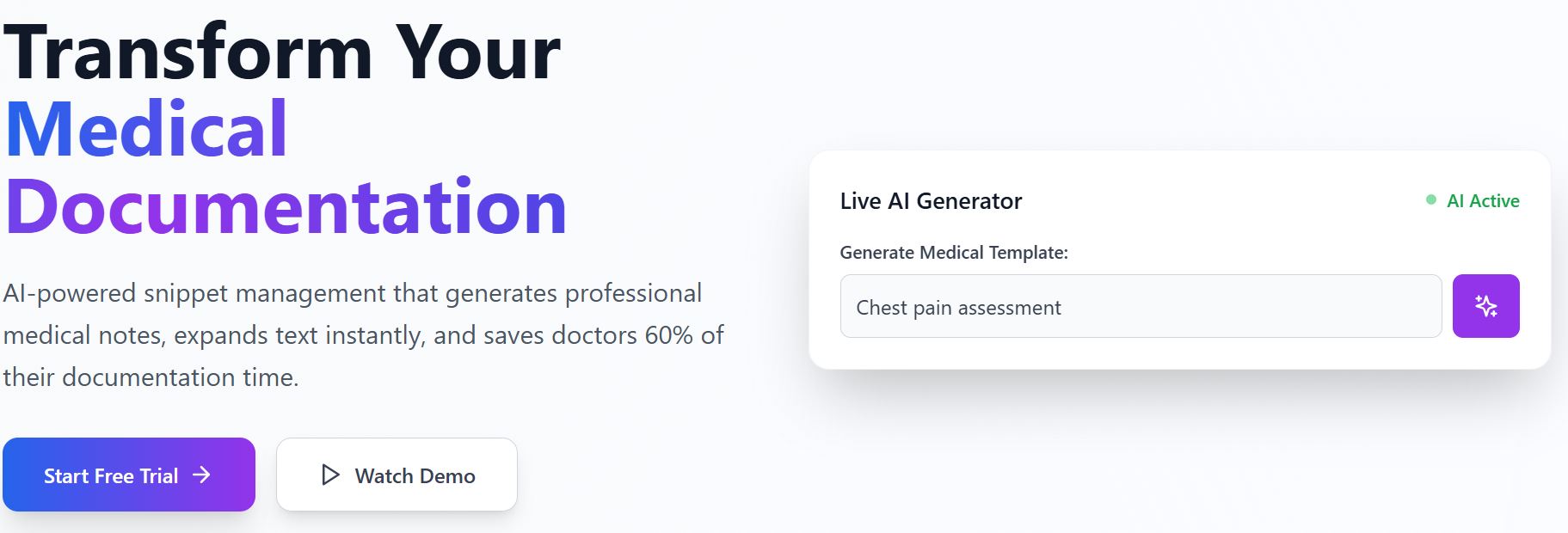
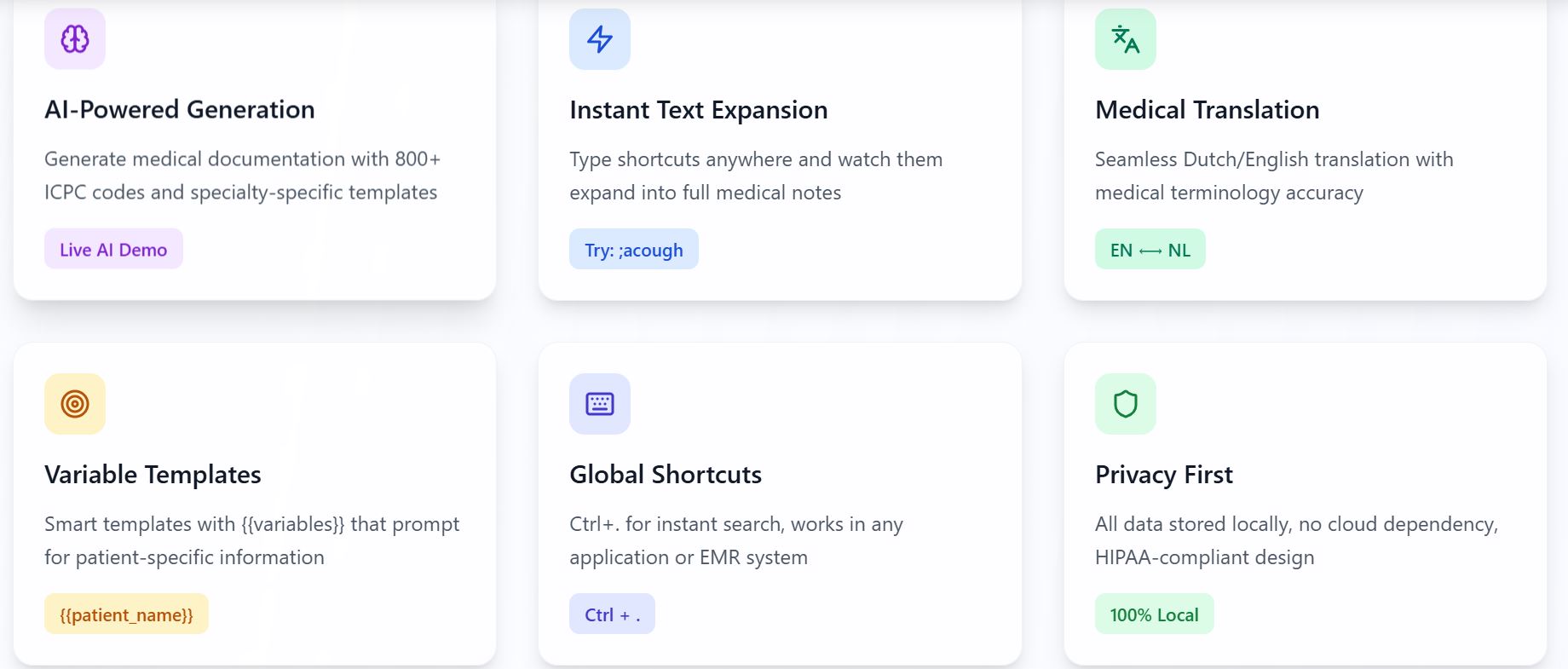
landing page
-
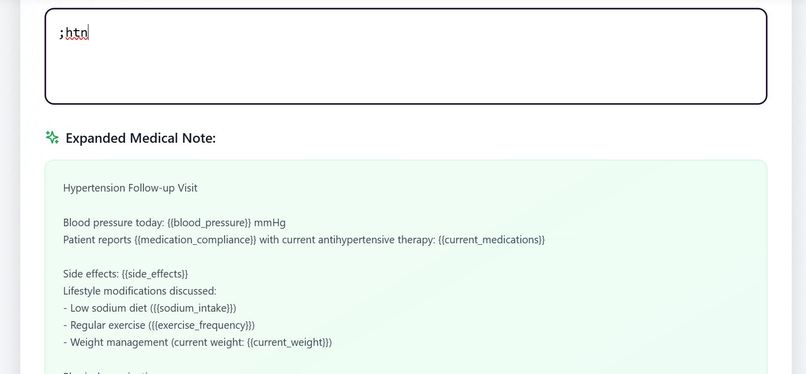
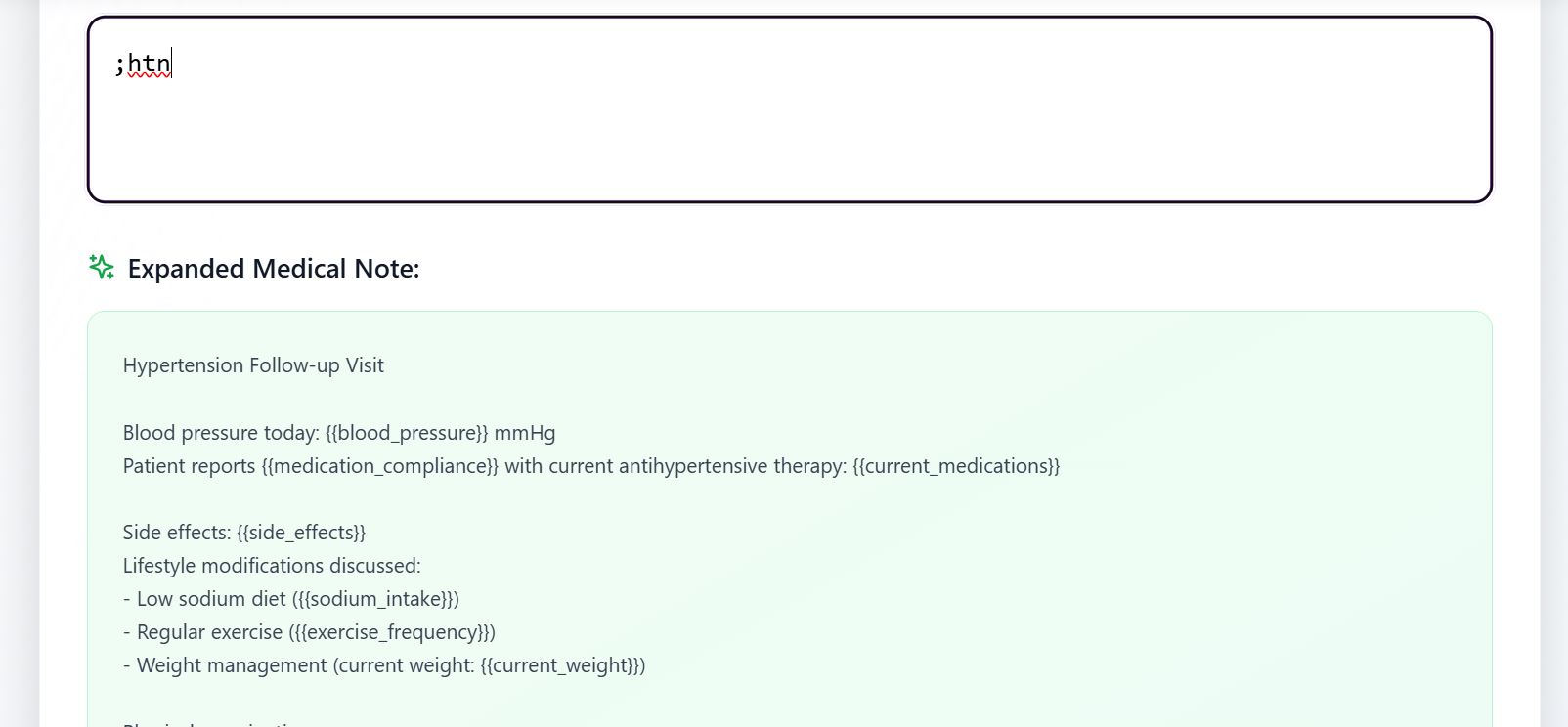
snippet auto generator
-
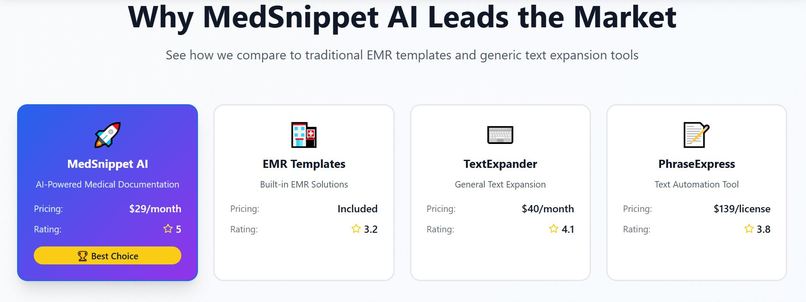
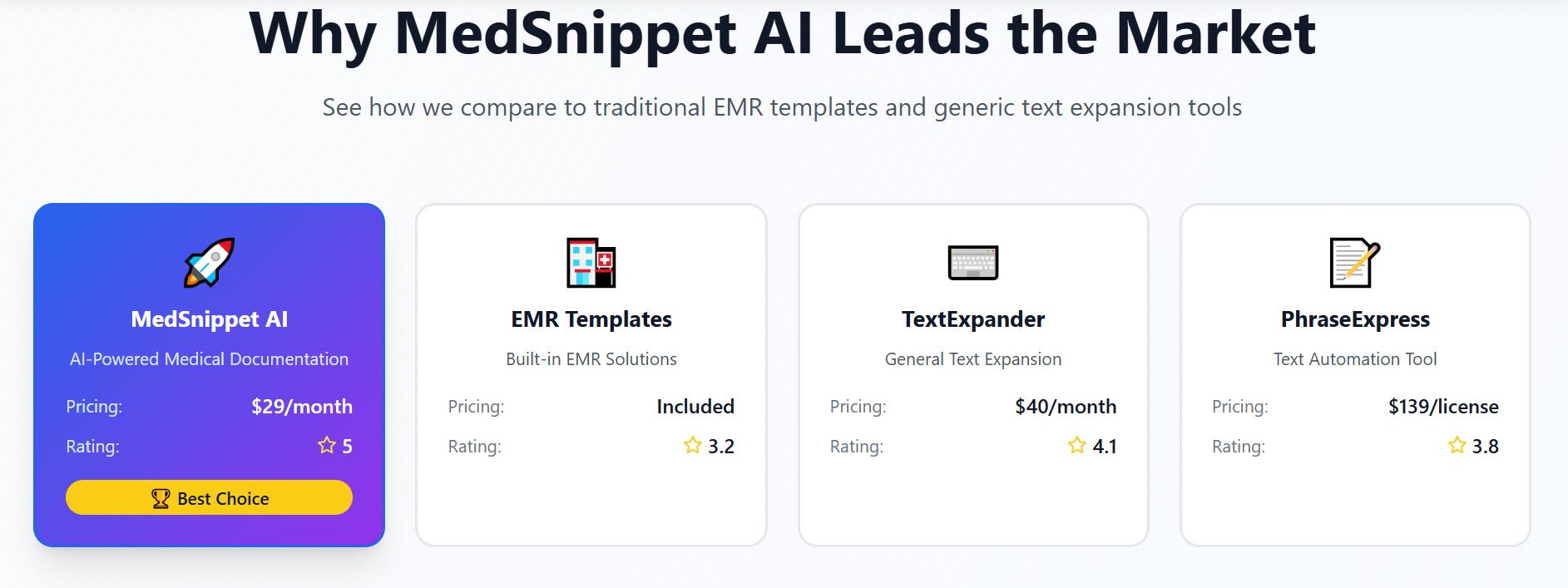
market positioning
-
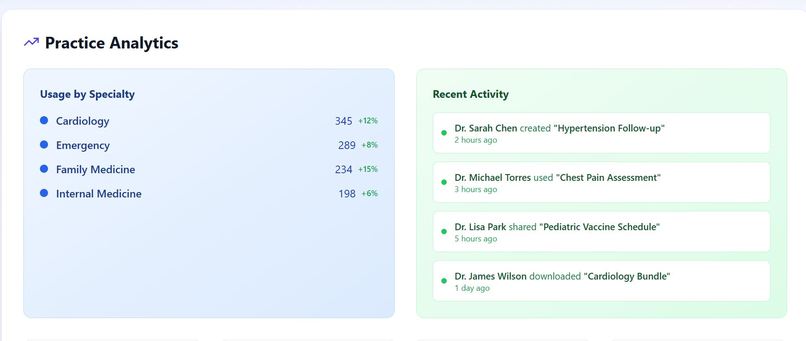
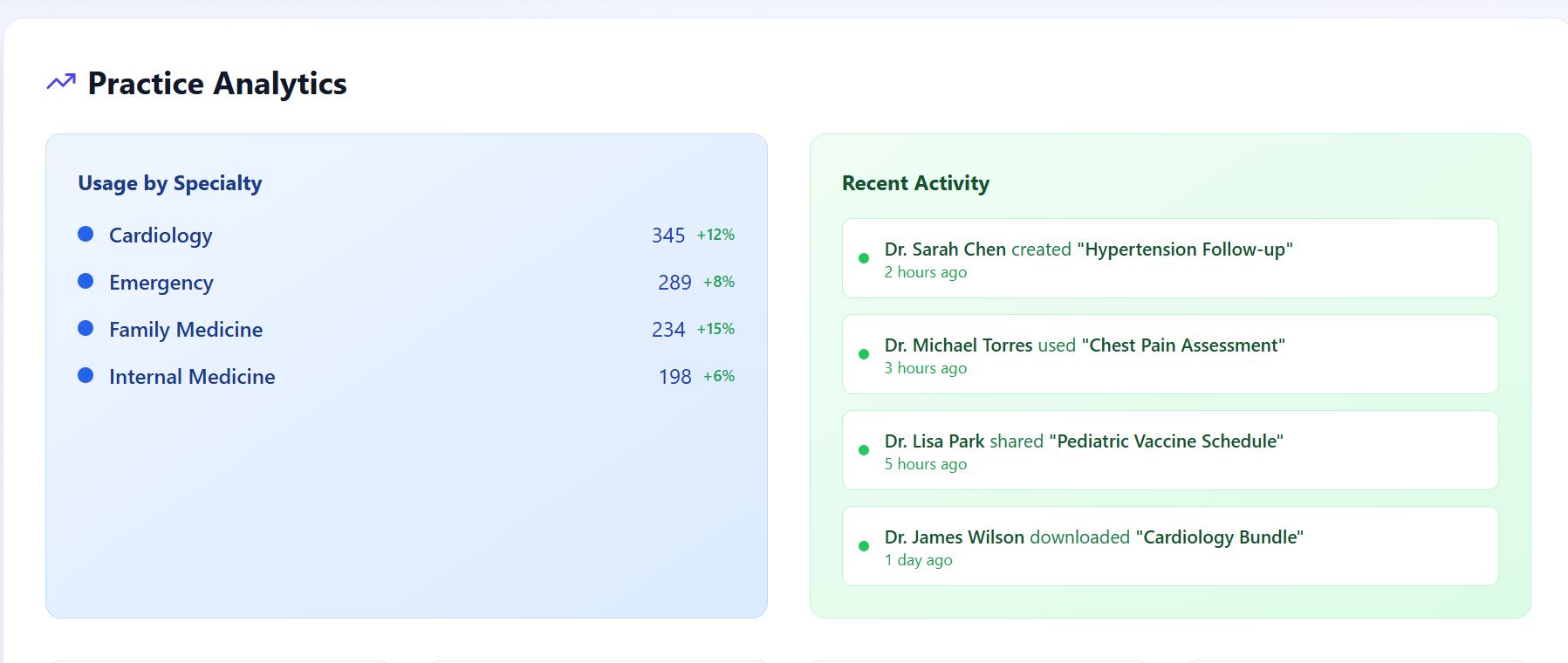
MedSnippet Marketplace
-
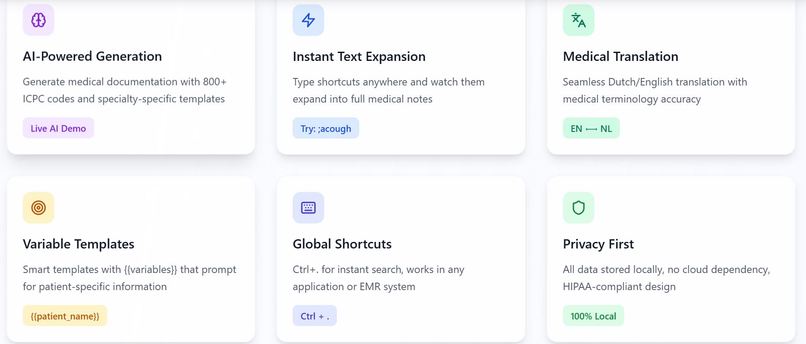
Categories snippets
-
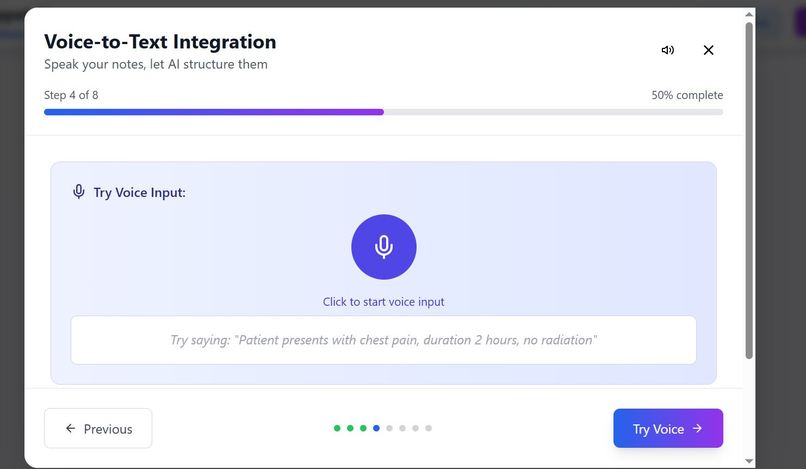
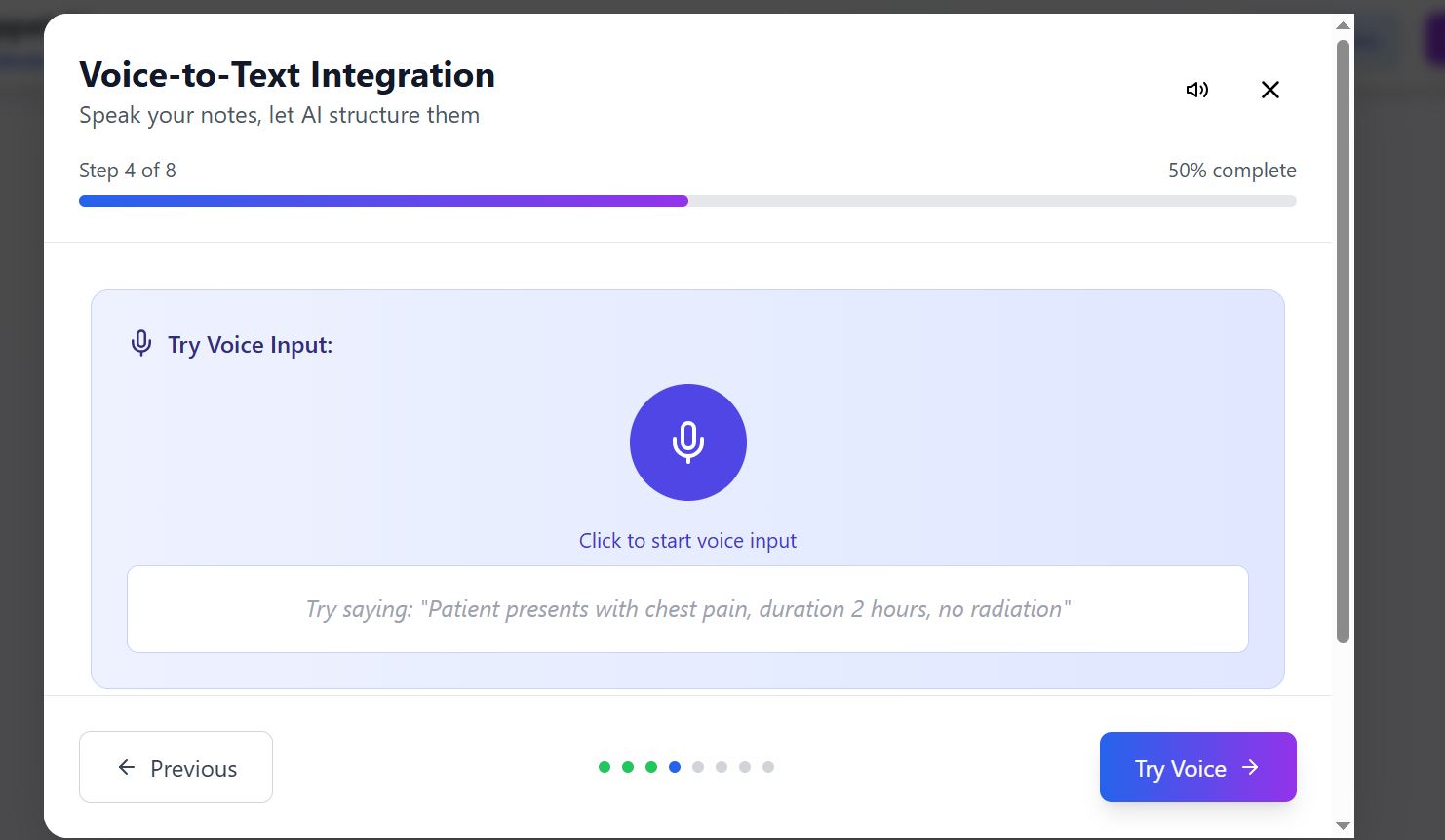
Voice input
-
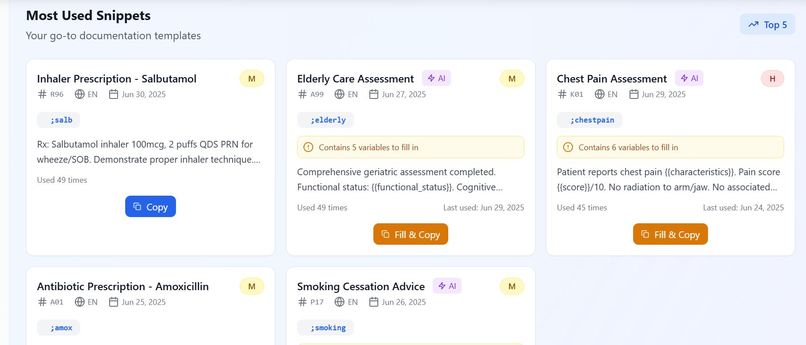
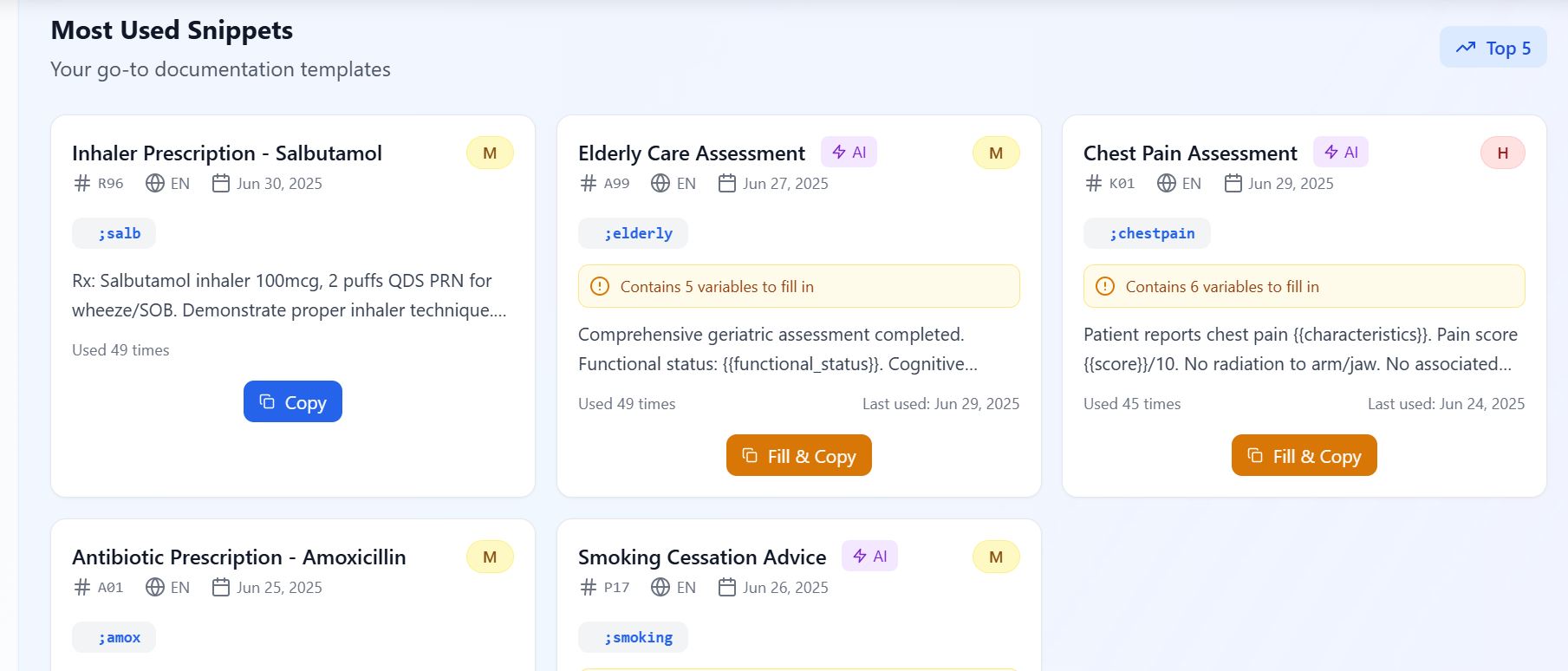
Most used snippets
🔥 What Inspired It
Ten years into my medical career, I burned out. Back in 2015, talking about it was difficult, and I stepped away from clinical work. But the change didn’t help — I was now writing endless reports in a non-clinical role. I recovered quickly and returned to medicine, but I realized documentation followed me everywhere.
As the years went on, the demands of clinical documentation grew. Patients became more vocal and empowered — which is a good thing — but it meant doctors had to document more clearly, more completely, and more carefully. I was used to that. But I watched colleagues struggle under the weight of poorly designed systems and increasing legal scrutiny.
Through my podcast about legal issues in healthcare, I kept seeing the same pattern: it wasn’t always medical mistakes that got doctors into trouble — it was poor documentation. “If it’s not written, it didn’t happen,” as judges often say. That’s when I knew: documentation isn’t just paperwork — it’s patient safety, legal protection, and professional credibility.
So, as the doctor leading a practice with over 3000 patients and a team of 10, I set out to create a solution that would:
- Prevent burnout
- Improve clarity
- Empower patients
- And reduce medical-legal risk
There are apps like TextExpander that let you turn shortcodes into full text, but they fall short. They're rigid, lack nuance, and don't scale well across different clinical scenarios. Worse, they don’t support the intelligent, patient-specific variation we actually need in healthcare.
And yes, I’ve seen what rushed documentation can do: one legal case involved a missed allergy due to incomplete notes — a mistake that led to serious harm during surgery. That’s not just inconvenient — that’s life-threatening.
🛠️ How I Built It
I built this project entirely solo, from scratch, using and a combination of GPT and my own curated medical snippet library. Bolt helped me rapidly prototype clean components like:
- The snippet demo system
- Smart search + expansion UX
- ICPC-based template generation
- Safety-netting and variable prompt logic
I leaned heavily on the AI design prompt system to iterate constantly and test new ideas. It’s not perfect, but what it can already do is mind-blowing, I’m watching something I’ve visualized for years finally come to life.
🧠 What I Learned
This was my first time using Bolt, but I’ve worked with AI tools for over 2.5 years in my clinical practice. AI has saved me hours per week and now I’m scaling that up for teams.
In our practice, we handle:
- ~500 incoming messages/week
- 100+ e-consultations
- 2000+ phone calls
- 100 medical referrals
- 5 team meetings on patient care
That’s a mountain of documentation. With 10 professionals (GPs, nurses, psychologists), we need smart, clear, secure notes because patients see their files, and out-of-hours doctors depend on them too. Clear documentation saves lives.
🚧 Challenges
Time was my biggest obstacle. Running a full clinical practice while building and testing a new app was a massive stretch, but worth it. I iterated designs daily, challenged Bolt's AI, and shaped the user experience to fit the high-stakes world of healthcare.
This project isn’t just a tool it’s a turning point. And the joy of finally seeing it live? Mind-blowing.
✨ New Marketplace Power With the marketplace, MedSnippet becomes more than a tool it’s a platform for doctors to share, learn, and grow together through a living library of medical expertise. It empowers clinicians to crowdsource better care, exchange time-saving templates, and scale best practices across their teams and disciplines.
Built With
- bolt.new
- framer
- gpt
- lucide-react
- motion
- openai
- react
- reacthooks
- tailwindcss
- typescript
- vite


Log in or sign up for Devpost to join the conversation.