-
-
MedScan Logo
-
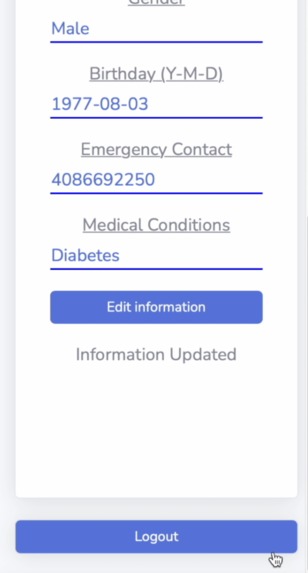
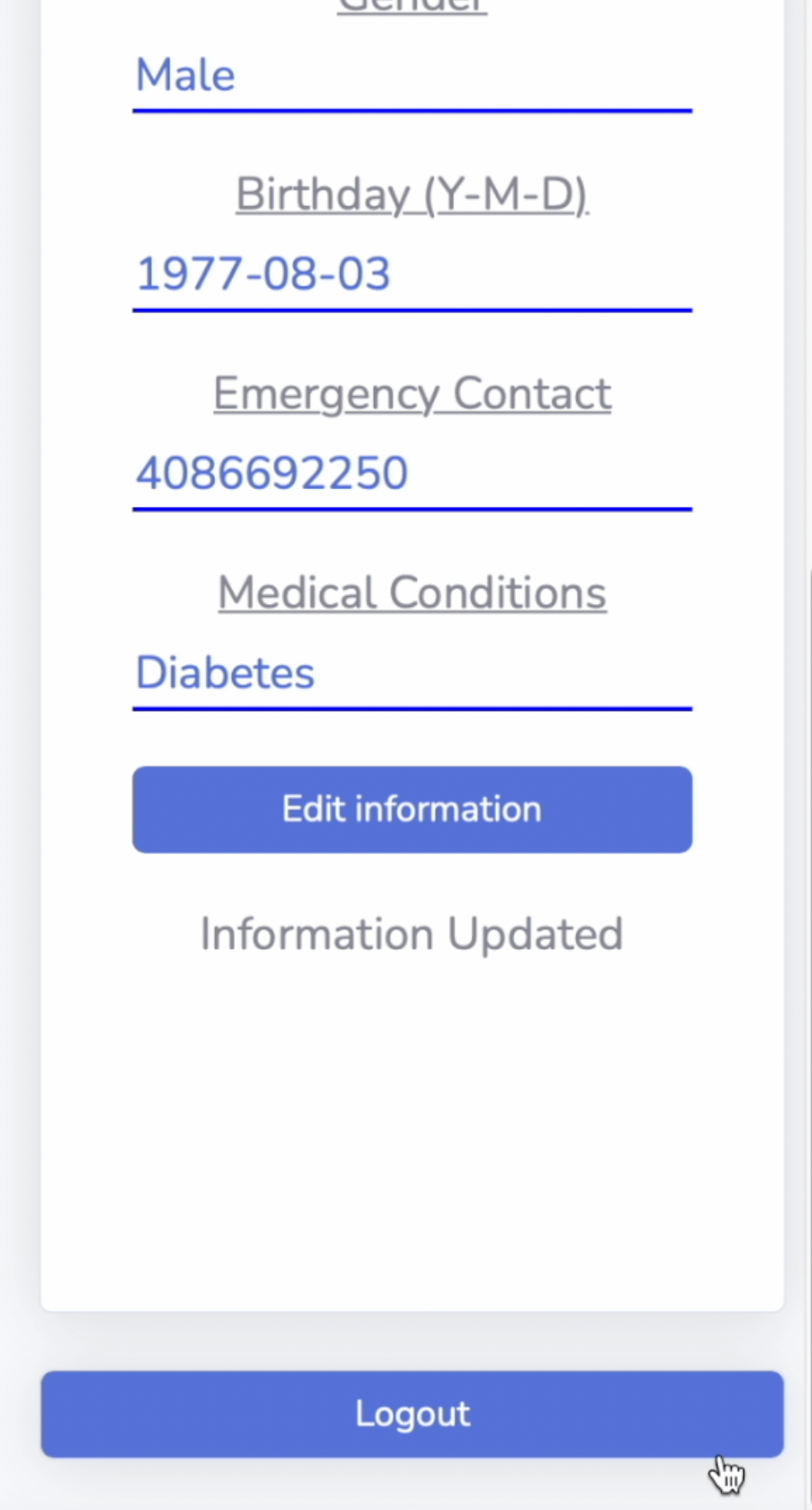
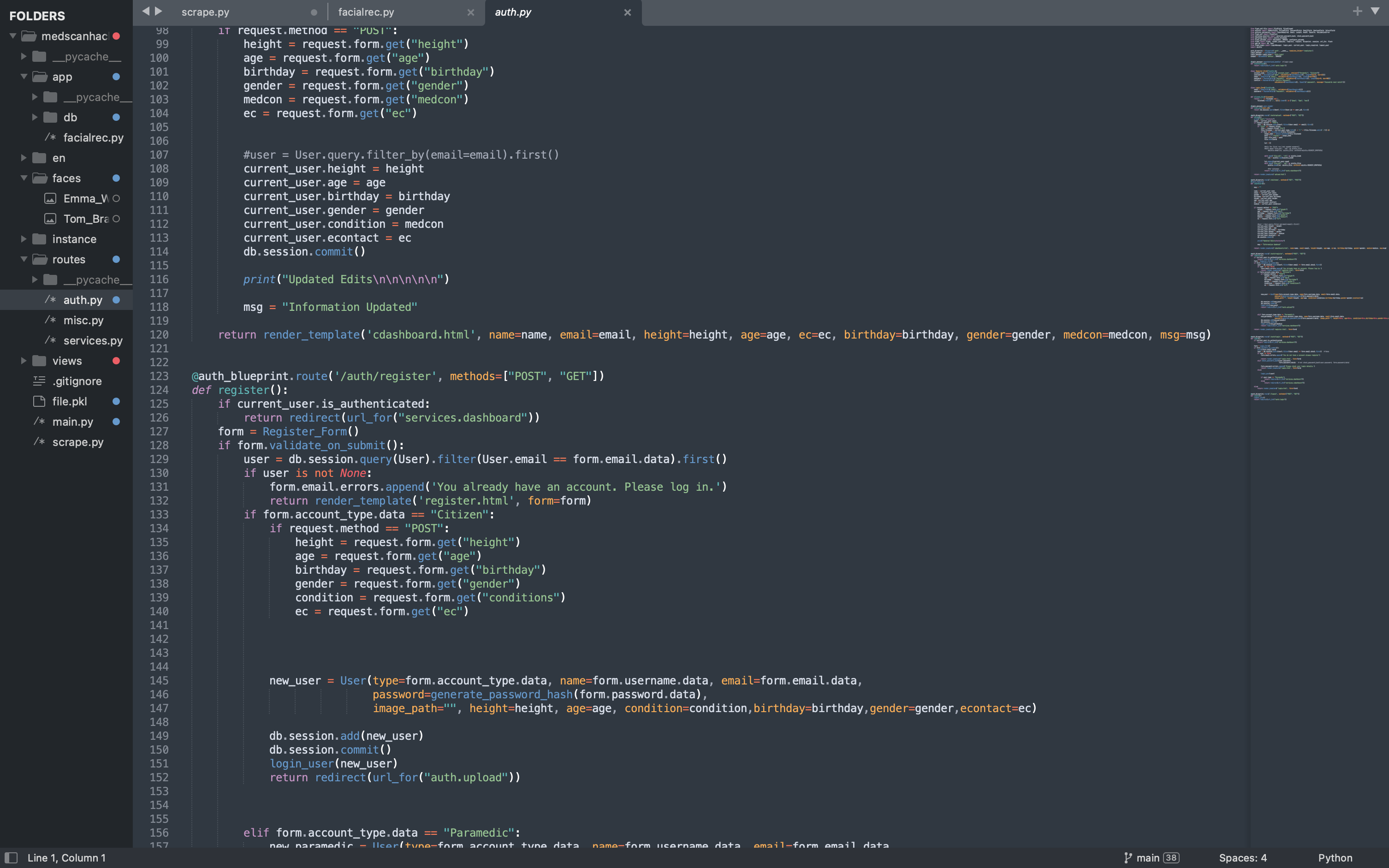
Page snippet from our app (Data Editing Page)
-
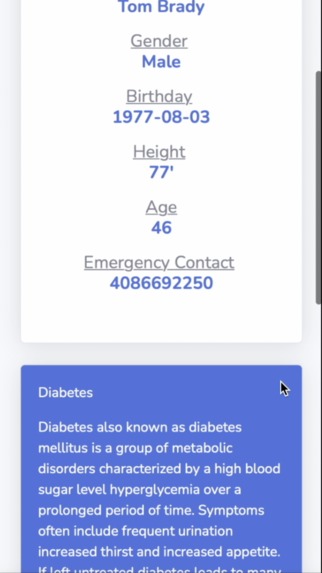
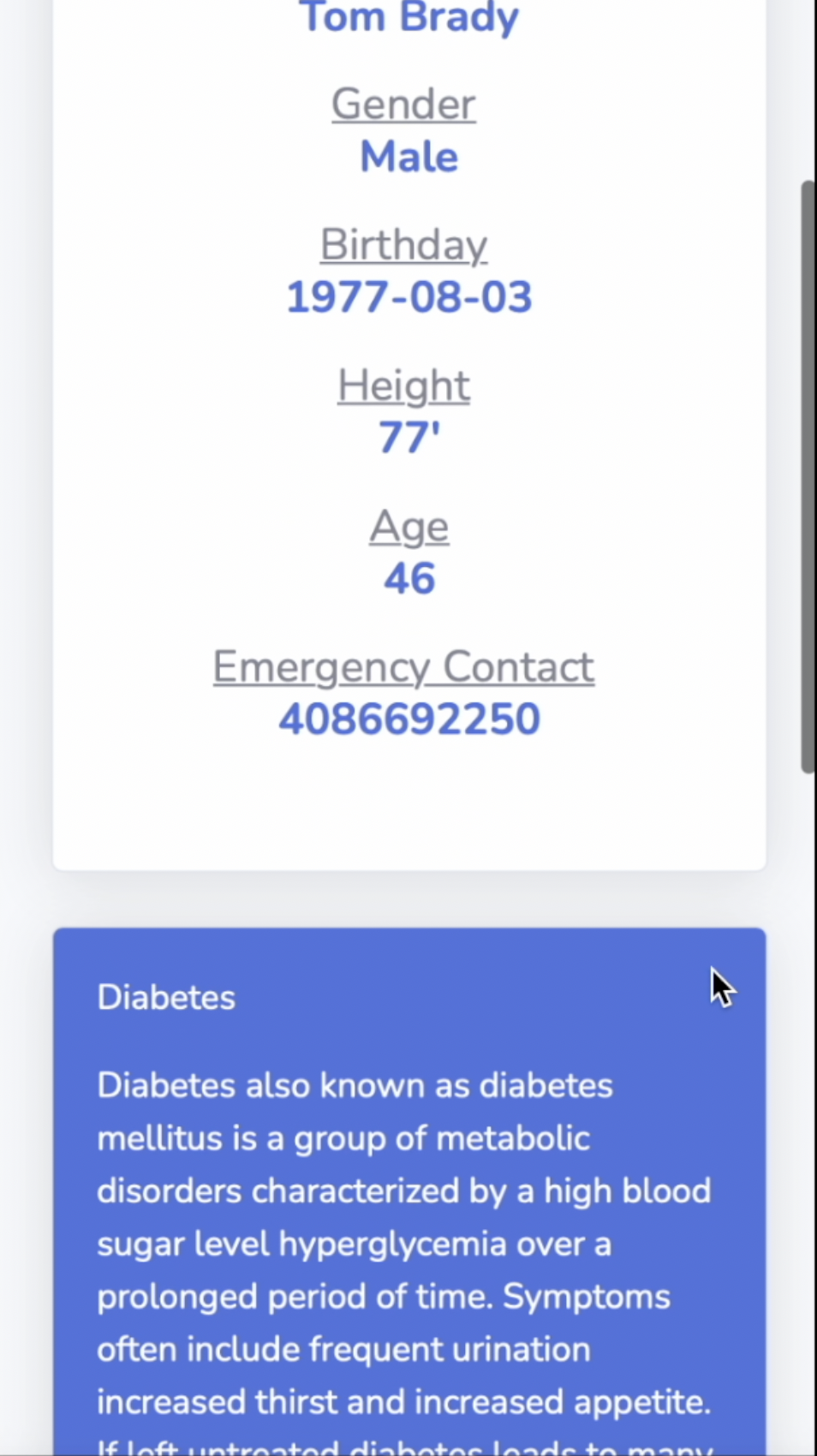
Page snippet from our app (Loaded Data Page)
-
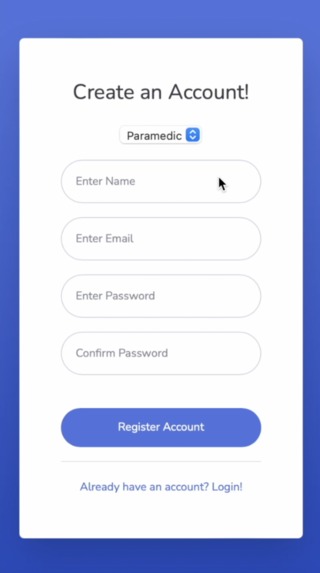
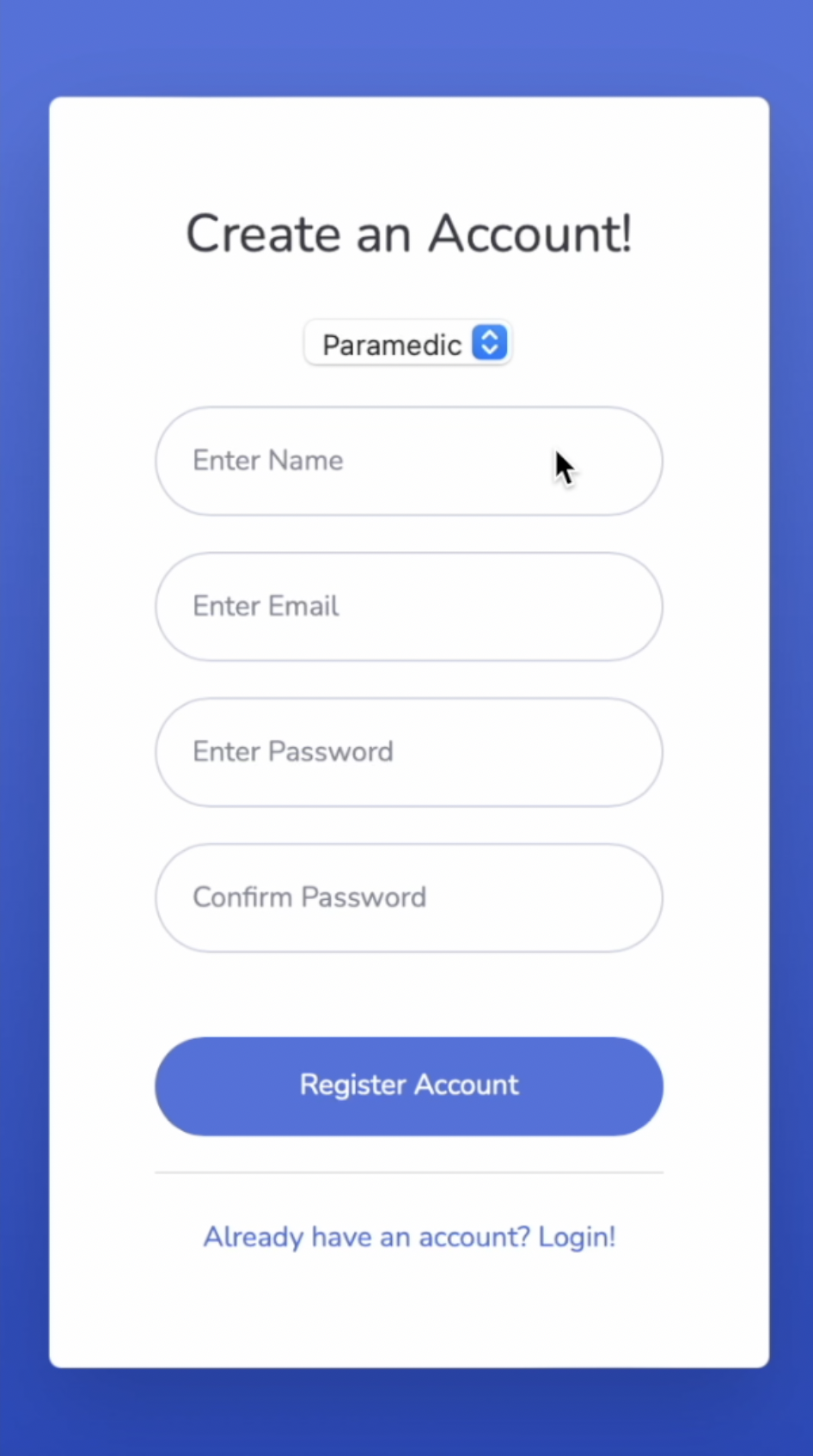
Page snippet from our app (Paramedic Registration)
-
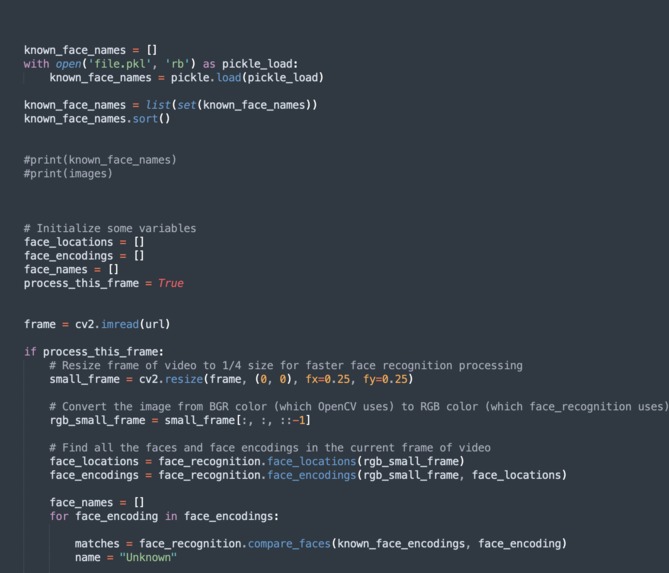
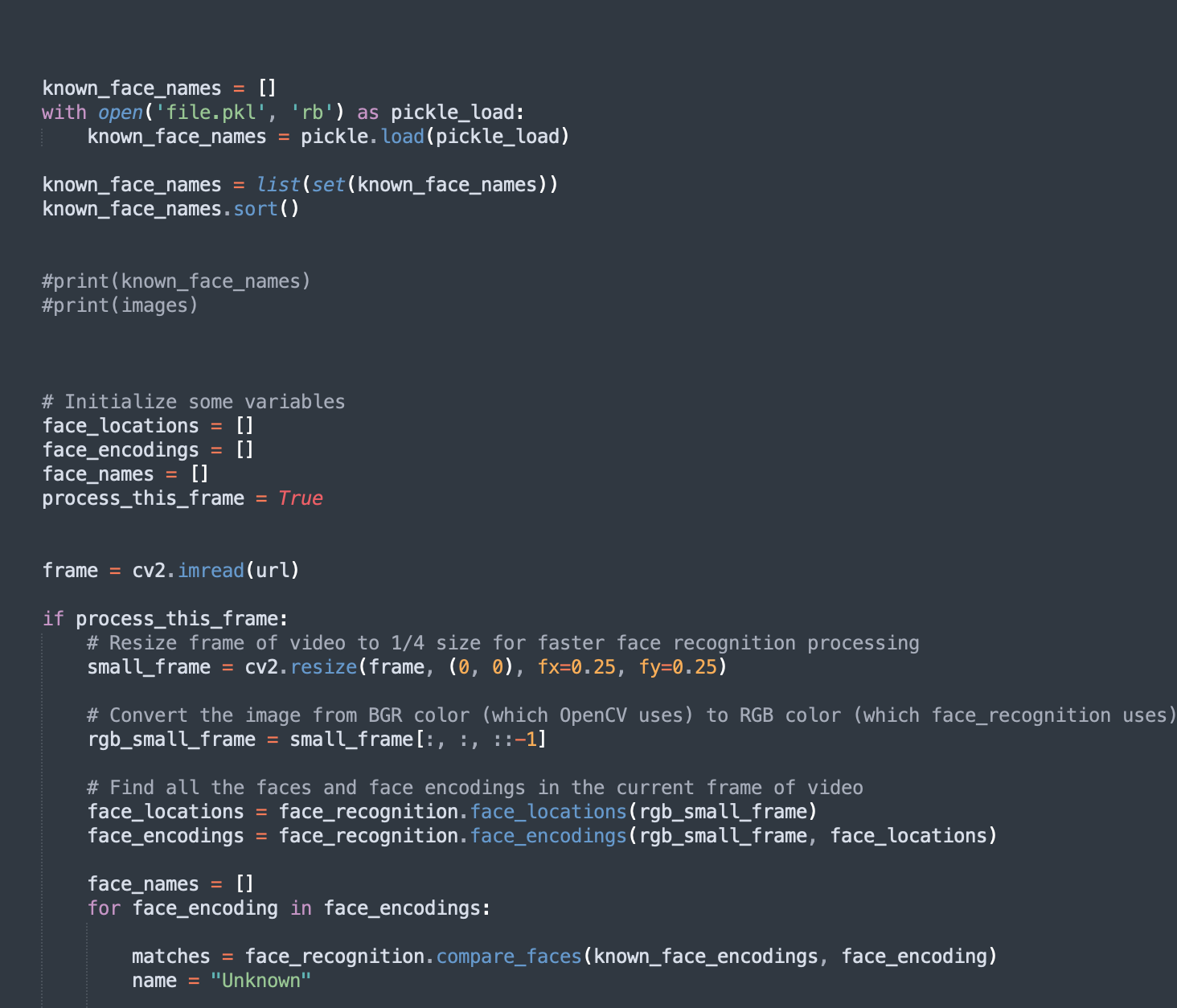
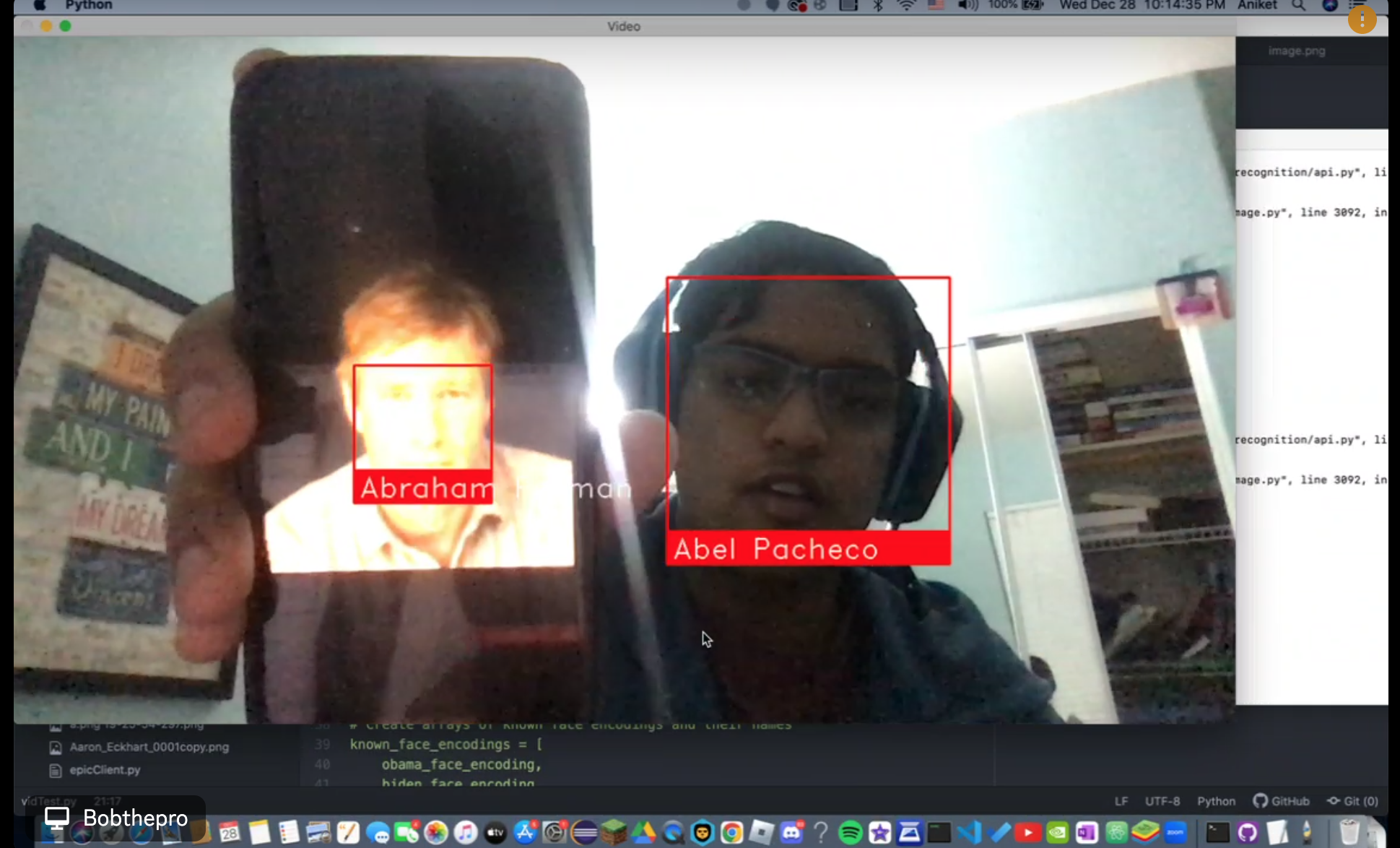
Process of making the facial recognition script.
-
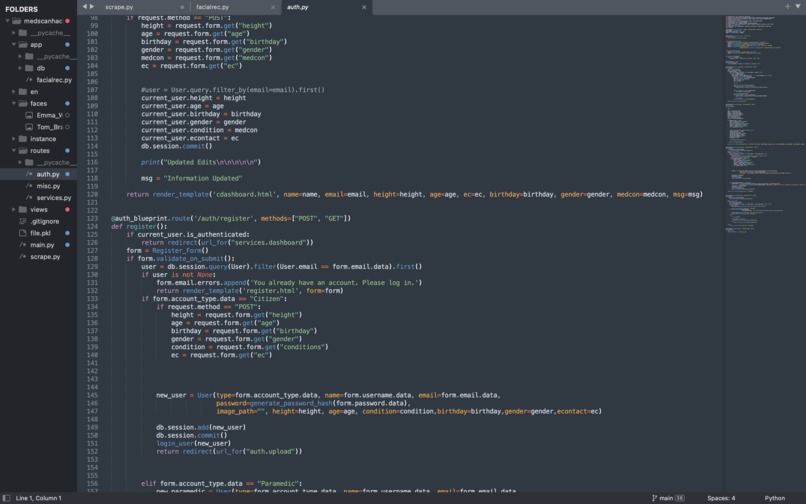
Random point in making the project.
-
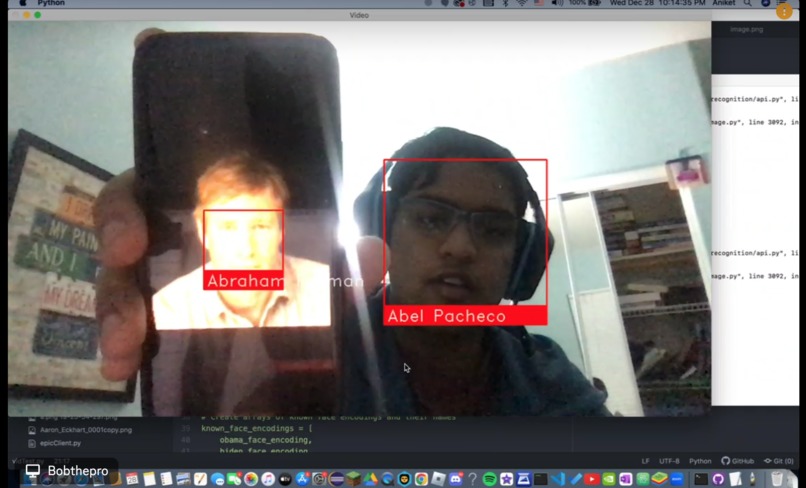
Problems we encountered and overcame.
Inspiration
When paramedics arrive on the scene to rescue a wounded individual, they often don't have their medical records on file. In these crucial moments on the way to the hospital, every second matters to treat the patient. Paramedics can only do so much without knowing the patient's medical information, and more times than not, the patient can be alone and unable to communicate. With MedScan, paramedics can simply scan a patient's face to bring up their necessary information such as age, emergency contacts, diagnosed diseases, and more.
What it does
Signing up for this should be voluntary by people. When a user registers, they upload a clear image of their face, email, password, and their medical information that could help save their life in the future. The user can later sign in again to change any information if necessary. Only registered and verified paramedics and other medical professionals will have access to all the patient's medical records. Paramedics can scan the person's face, and our solution will instantly display their medical records on file. If no medical records are found, then no information will be displayed.
How we built it
Like every project, we started by defining our app's purpose and goals. We wanted to be clear on our idea that would connect to “Medical Innovation”, and how it would benefit its users. We then spent some time researching information about the duties of a paramedic, common occurrences, and popular private organizations in the medical industry. Once we were clear on our goals, we started to outline our app's user interface and functionality through flowcharts and pseudo prototypes. We then started to write code and build the app, with each person being in-charge of working on a certain portion of the project; although everyone contributed to all parts of development. Majority of our time went by in development, after which we began testing and debugging our project on a range of web browsers to identify any issues that needed to be addressed. We even generated over 5000 test patients to check the accuracy of our recognition model. We mainly used codeshare, discord, and Github to share our code and stay updated on everyone's progress. Some modules we used included flask and javascript for database, route, API management, and OpenCV-python, SQL, and pickle modules for the facial recognition portion. On the front end, we utilized JQuery and Bootstrap5 to create our user interfaces.
Challenges we ran into
One challenge we ran into was the facial recognition algorithm. When we were testing with sample data from 20 people, it was not able to recognize the input face and was recognizing a random person each time. We realized when our program was reading in the images, it was doing so in random order. We then changed it so the images would be sorted instead of random, before reading into the algorithm, which fixed things. To make it more accurate, we also lowered the tolerance from 0.6 to 0.5 to make the predictions more strict. We also passed in a defined set of face locations to our encoding function, so that the results would be more consistent and added error-handling scripts to make sure the app does not crash.
Accomplishments that we're proud of
We are proud that we were able to make our idea come to life by creating a fully functioning application. Despite several setbacks, we were able to overcome our shortcomings and create a creative solution to a long-lasting problem in our society. Along the way, we learned new skills, and collaborated effectively as a team, despite being under pressure. Finally, we were glad that when demonstrating our solution to friends and family, some of whom are in the healthcare industry, we received favorable feedback and recommendations.
What we learned
One of the important lessons we learned was the significance of careful planning and organization. We did this by creating a flowchart that outlined our design and development process, as well as set deadlines for certain aspects of the project. Developing an app requires designing a user interface, writing code, and testing to ensure that the app is functional and performs well. We furthermore learned that it is crucial to assess compatibility with different devices and operating systems, in our case mobile browsers, as well as the requirements and anticipations of the target audiences.
What's next for Medscan
In California, 74% of the ambulance industry is owned by the private sector. To reach a broad target audience, we will partner with these private providers, as well as local EMC agencies to get their paramedics to use our app and convince patients and their families to sign up. Another method would be to use existing hospital data to mass create and manage accounts, with consent of the patients of course, so that the patients won't even have to register themselves. We will also seek out more opportunities to pitch our solution, focusing on rural areas, where people are more likely to be living alone or in a secluded abode, not near other people or homes. Finally, we will release our solution to the public to gather additional feedback to expand our database and improve our solution. Another addition we look forward to making in our app is for patients to be able to add more information, and even leave custom notes.
Built With
- bootstrap5
- canva
- css
- flask
- github
- javascript
- jquery
- opencv
- python
- sqlalchemy


Log in or sign up for Devpost to join the conversation.