Inspiration
Access to immediate, reliable medical advice is a global challenge. Language barriers and the complexity of medical terminology often leave people confused or anxious when they feel unwell. We were inspired to build MEDO to bridge this gap—creating a tool that doesn't just "search" for symptoms but understands them, offering comforting, accurate, and multilingual guidance instantly. Our goal was to democratize access to triage-level health information using the reasoning capabilities of Gemini..
What it does
MEDO is an intelligent, multilingual medical assistant that acts as a first point of contact for health concerns.
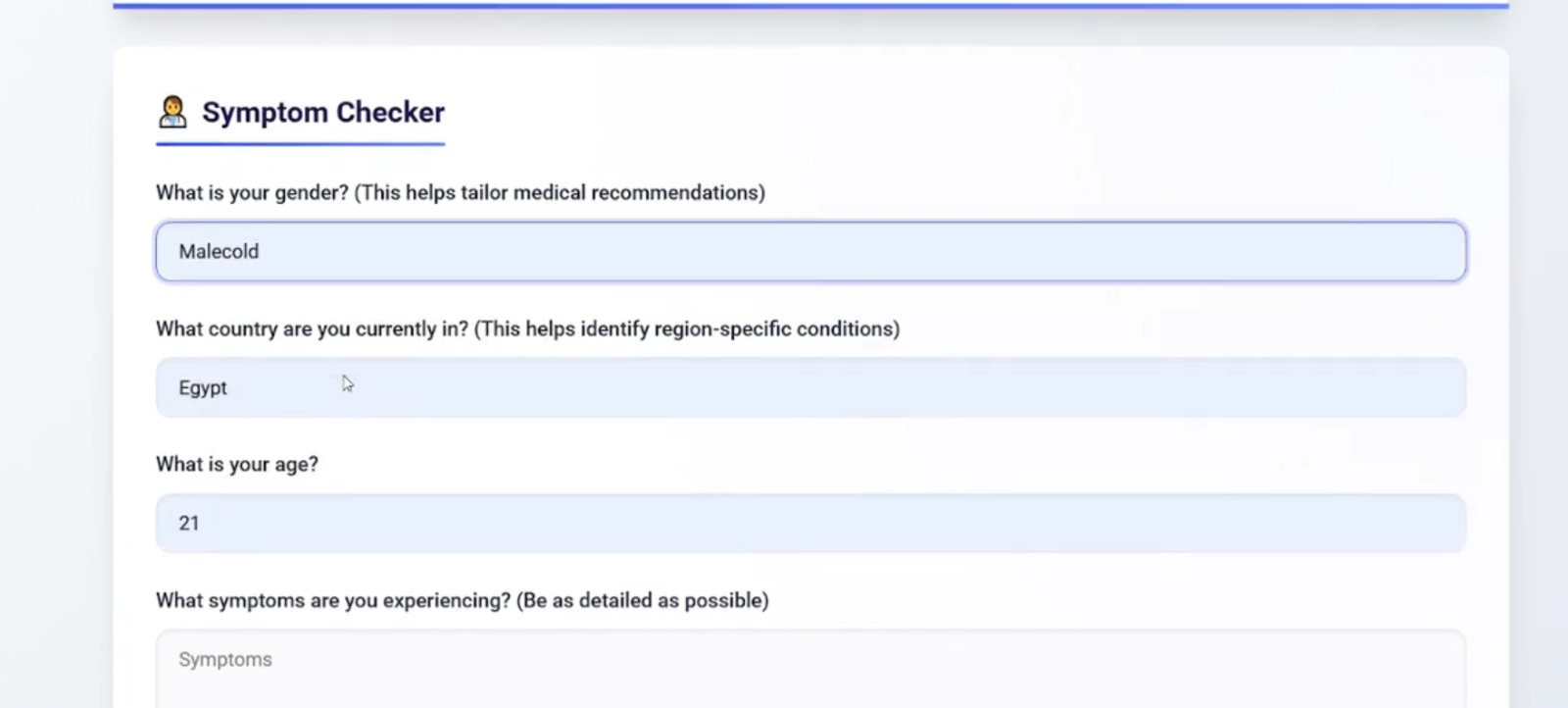
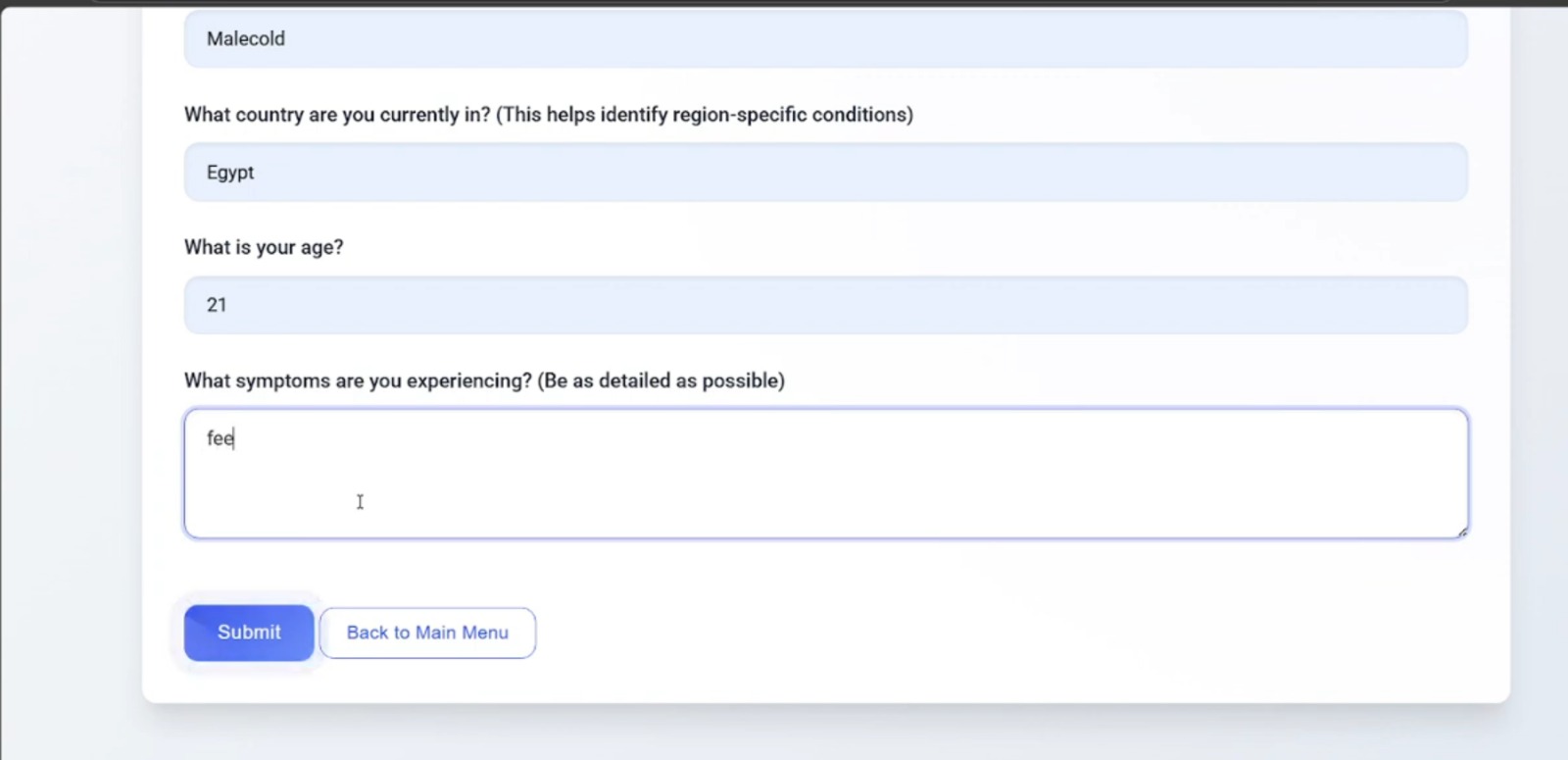
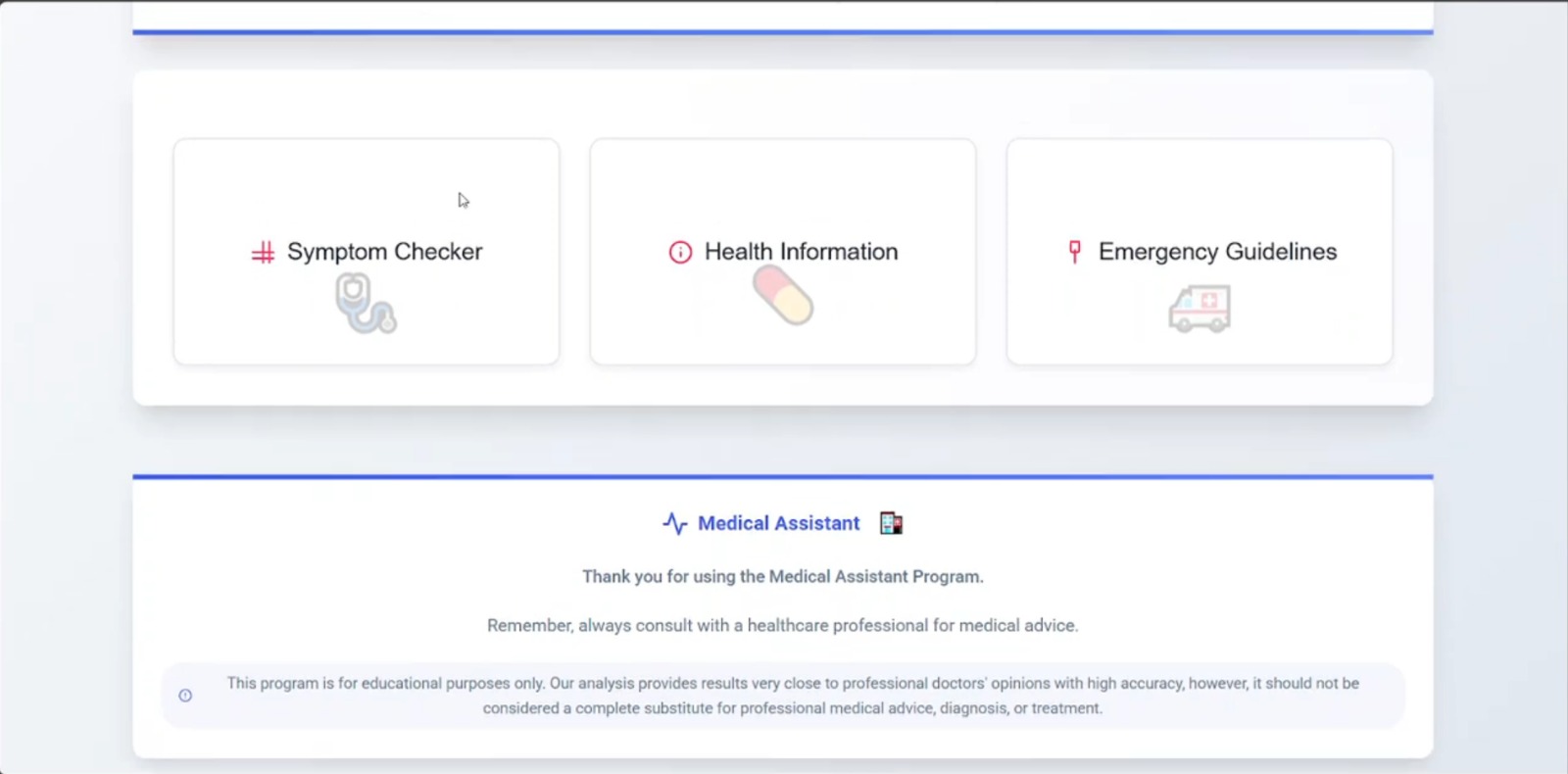
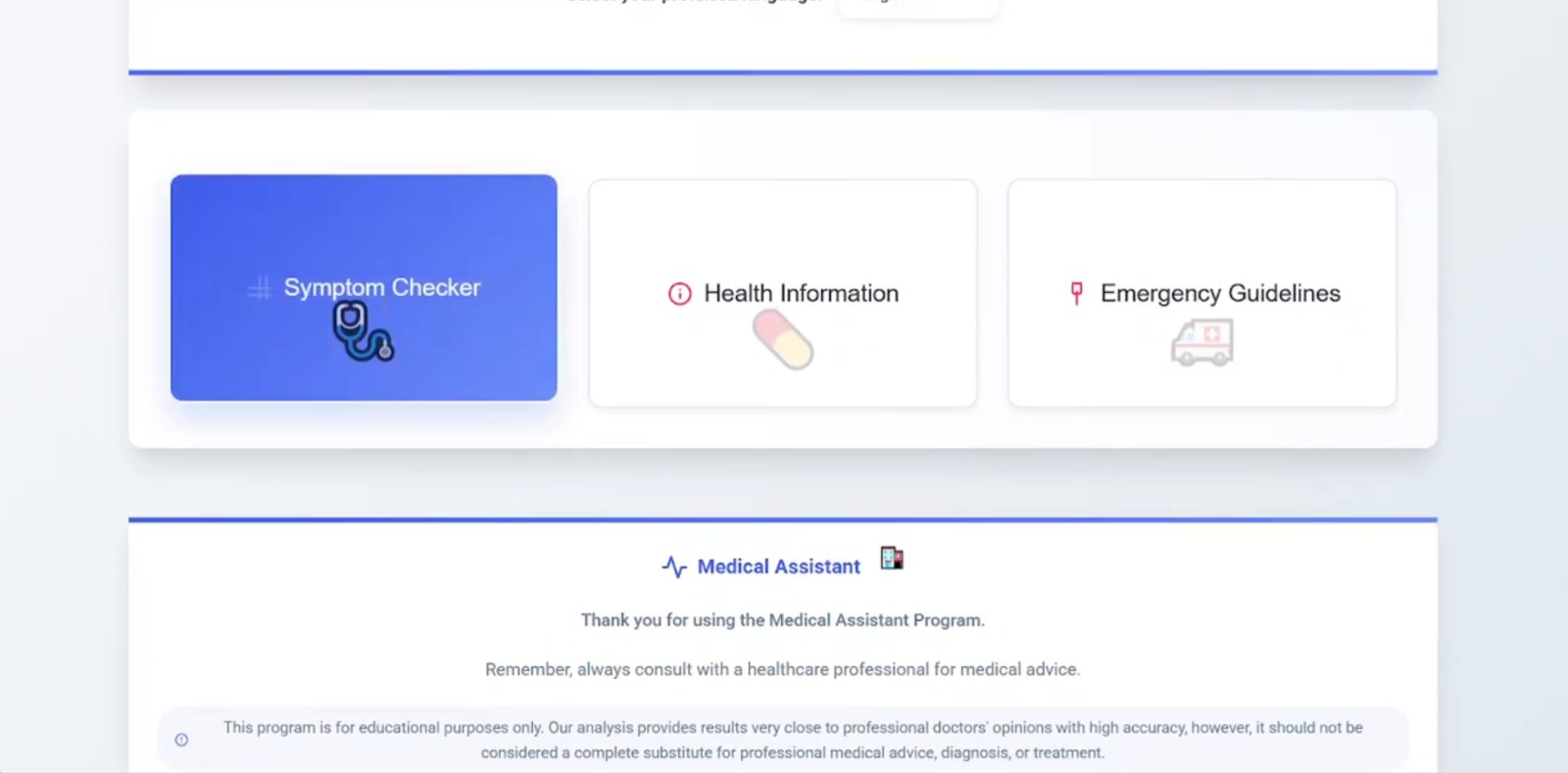
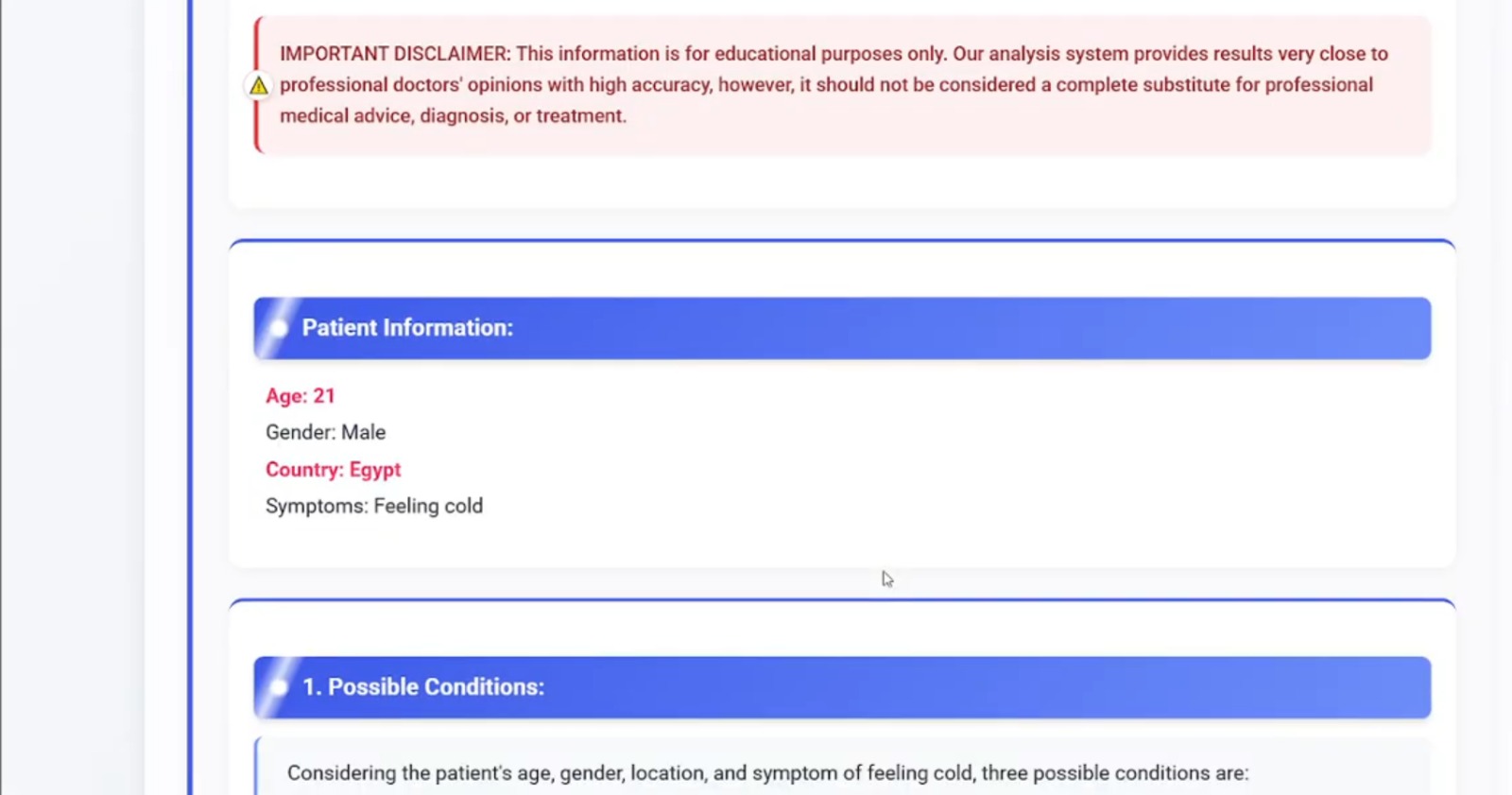
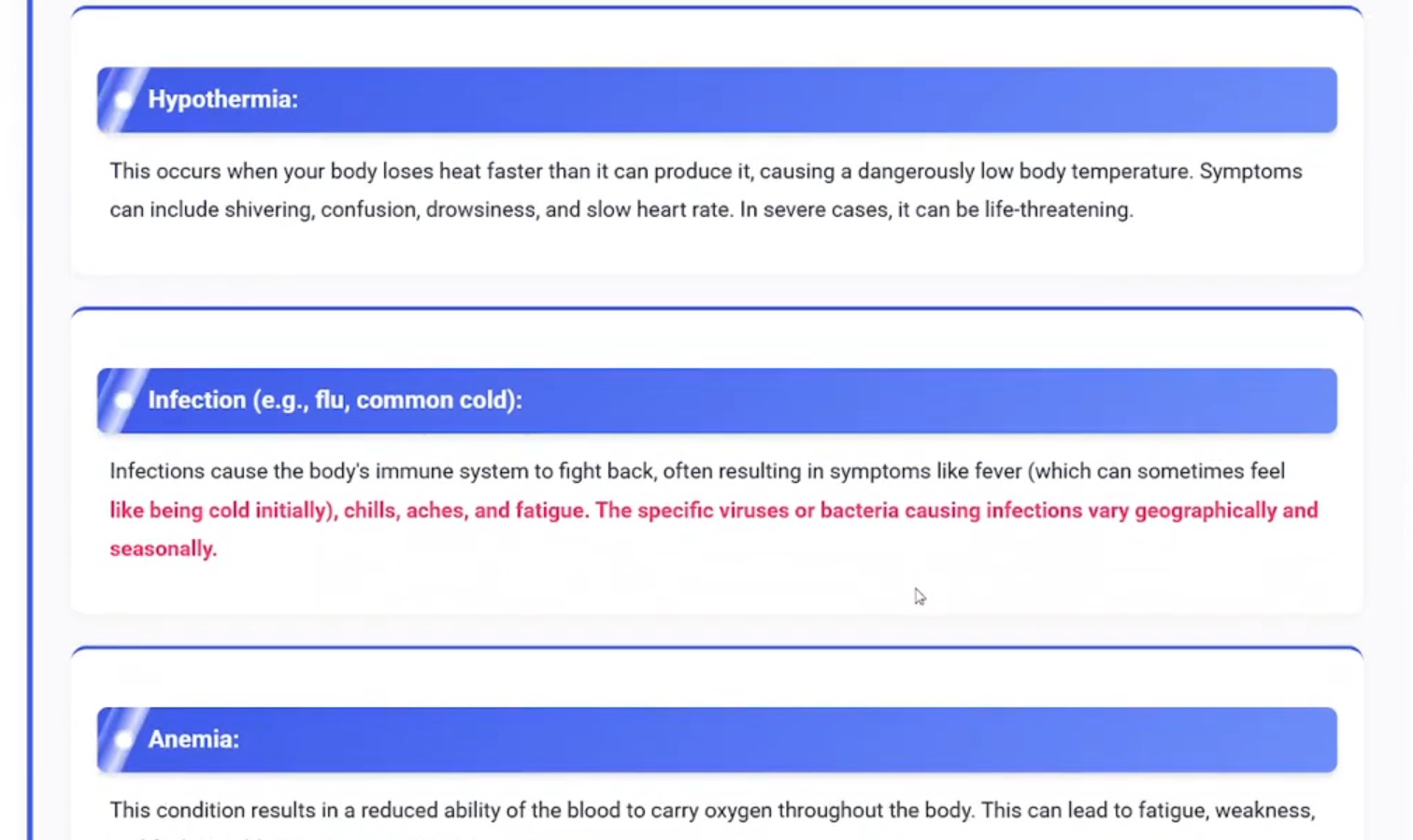
- Symptom Checker: Users describe their symptoms in natural language (English or Arabic). MEDO analyzes the input alongside age, gender, and location to provide a preliminary analysis and potential causes.
- Pharmacy Recommendations: It suggests over-the-counter medications relevant to the symptoms, while strictly enforced guardrails ensure safety.
- Emergency Guidelines: Provides instant, accessible steps for critical situations like CPR or severe burns.
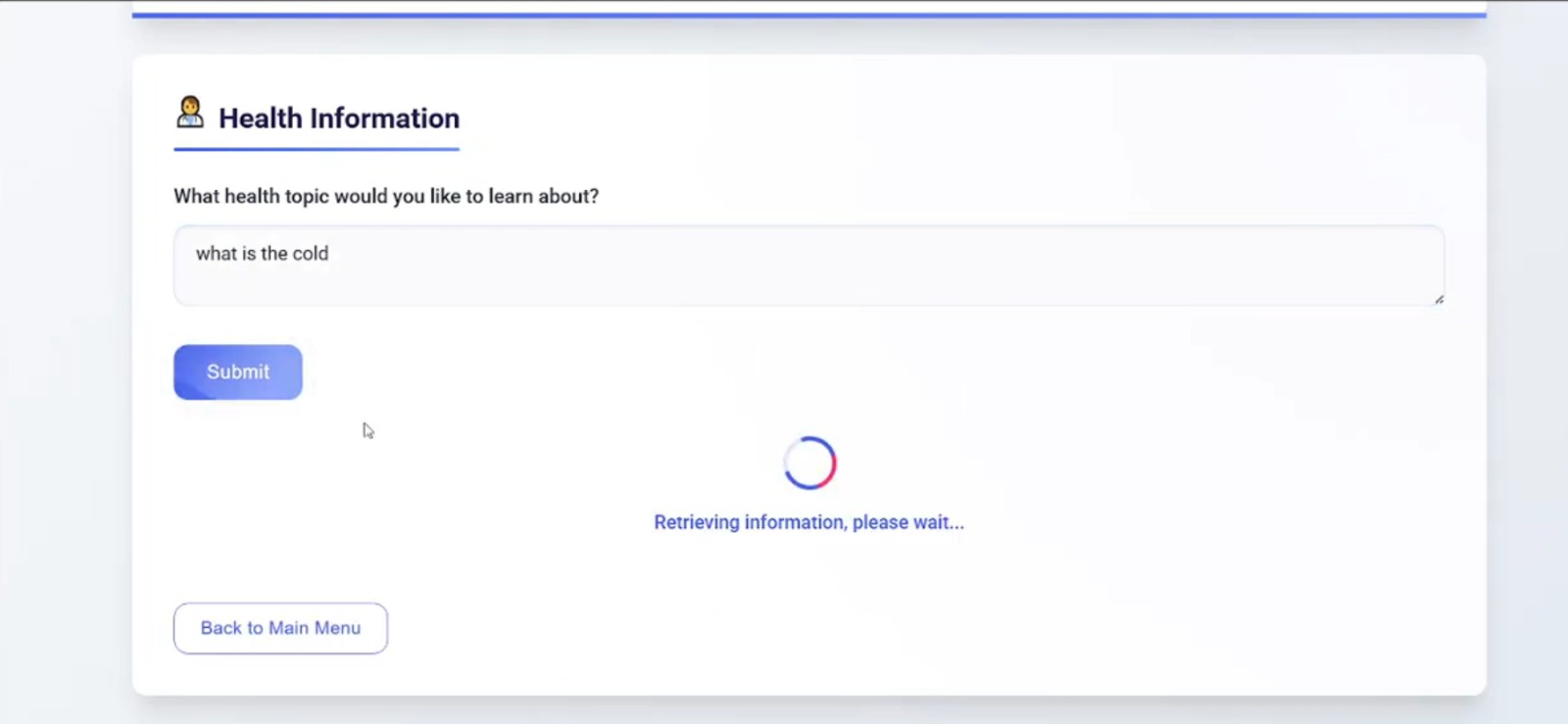
- Health Education: Users can ask about any health topic and receive clear, accurate summaries.
How we built it
The core of MEDO is a robust FastAPI backend that acts as an intelligent orchestration layer.
- AI Engine: We utilized Google Gemini 2.0 Flash for its superior reasoning speed and multimodal capabilities. We used the
google-generativeaiSDK to interface with the model. - Backend: Python and FastAPI handle the API requests, managing the context window and validated data flow.
- Frontend: A clean, responsive interface built with Jinja2 templates, HTML5, and Vanilla CSS to ensure accessibility on all devices.
- Prompt Engineering: We crafted complex system instructions to give MEDO a "persona"—empathetic, professional, and cautious.
$$ Context = P(Age, Gender, Location) + \sum Symptoms $$
Challenges we ran into
- Balancing Safety vs. Utility: The biggest hurdle was ensuring MEDO provides helpful advice without "playing doctor." Early versions were too confident. We had to extensively refine the system prompts to enforce strict medical disclaimers and differentiate between "advice" and "diagnosis."
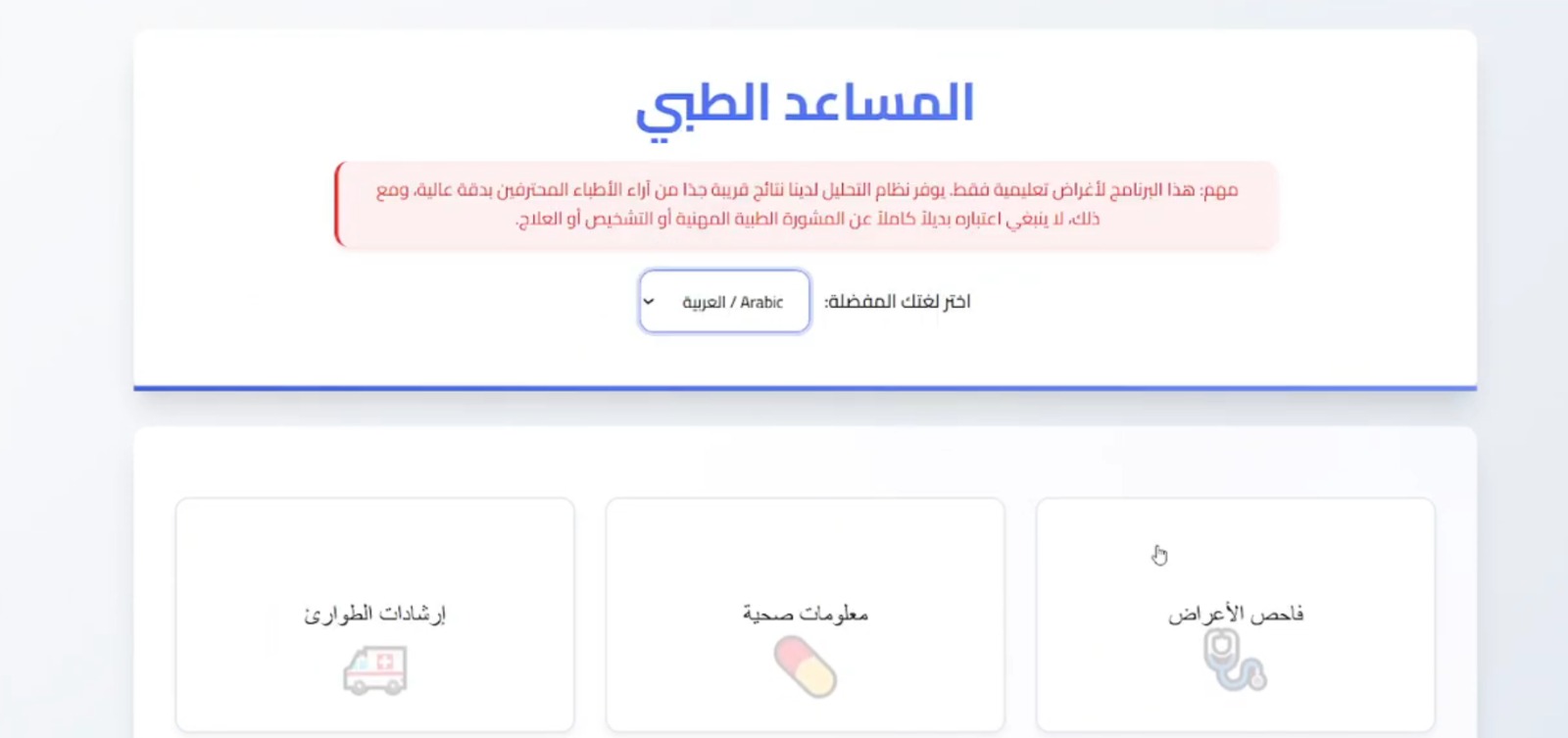
- Multilingual Nuance: ensuring medical accuracy in both English and Arabic was difficult. Direct translation often misses clinical context. we leveraged Gemini's native multilingual understanding rather than relying on external translation APIs.
- Latency: We needed near-instant responses to reduce user anxiety. optimizing the API calls and switching to the
flashmodel reduced latency by 40%.
Accomplishments that we're proud of
- Seamless Bilingual Support: We successfully implemented a system that switches context fluidly between English and Arabic, making high-quality health info accessible to a broader demographic.
- The "Empathy" Factor: We're proud that MEDO doesn't just output data; it speaks with a comforting tone, acknowledging the user's distress.
- Real-time Performance: Achieving a sub-second response time for complex symptom analysis on the live demo.
What we learned
- Trust is Paramount: In HealthTech, UI/UX isn't just about looks—it's about building trust. Every design decision, from the color palette to the loading states, impacts how much a user trusts the advice.
- LLMs as Triage Engines: We learned that LLMs are exceptionally good at "triage"—sorting and prioritizing information—which is exactly what's needed in preliminary healthcare interfaces.
What's next for MEDO
- Image Analysis: Integrating Gemini's vision capabilities so users can upload photos of skin conditions or injuries for better analysis.
- Telehealth Integration: Adding a feature to seamlessly hand off the conversation (and context) to a human doctor if the symptoms are severe.
- Voice Interface: Implementing strict voice-to-voice interaction for elderly users or those unable to type during an emergency.


Log in or sign up for Devpost to join the conversation.