-
-
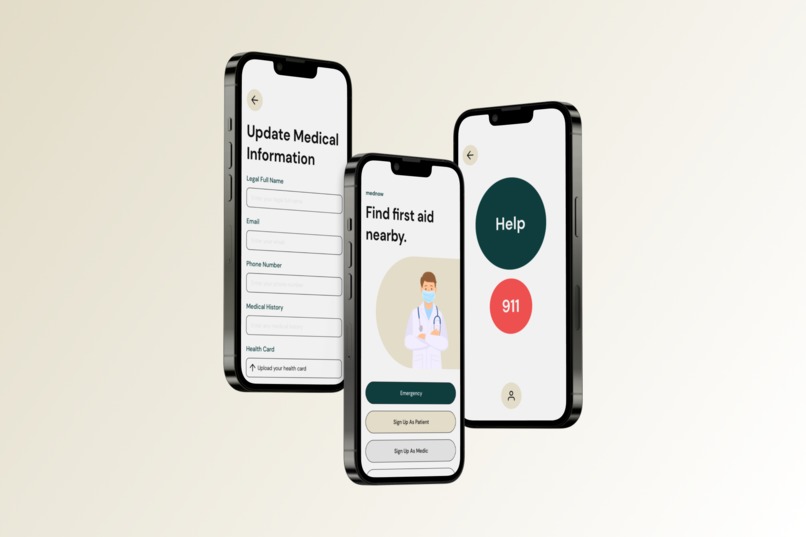
UI/UX
-
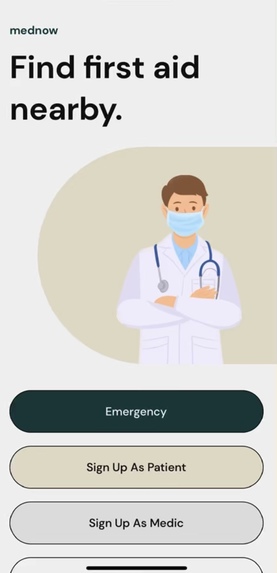
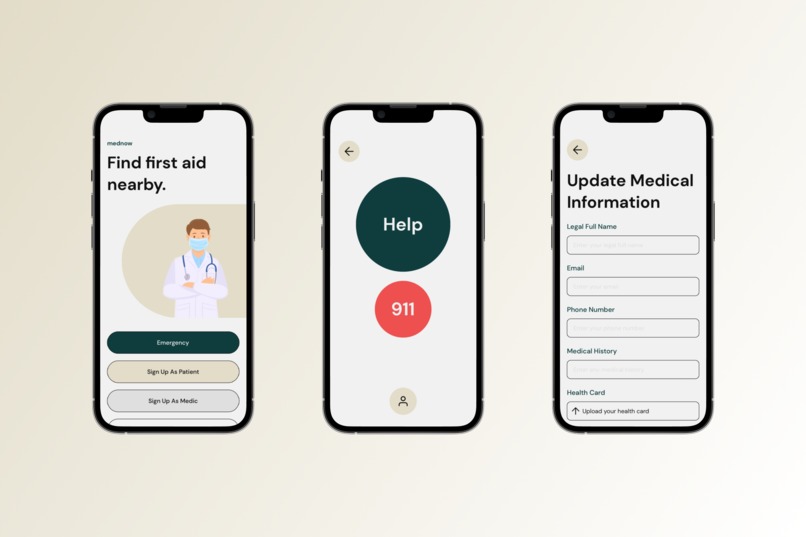
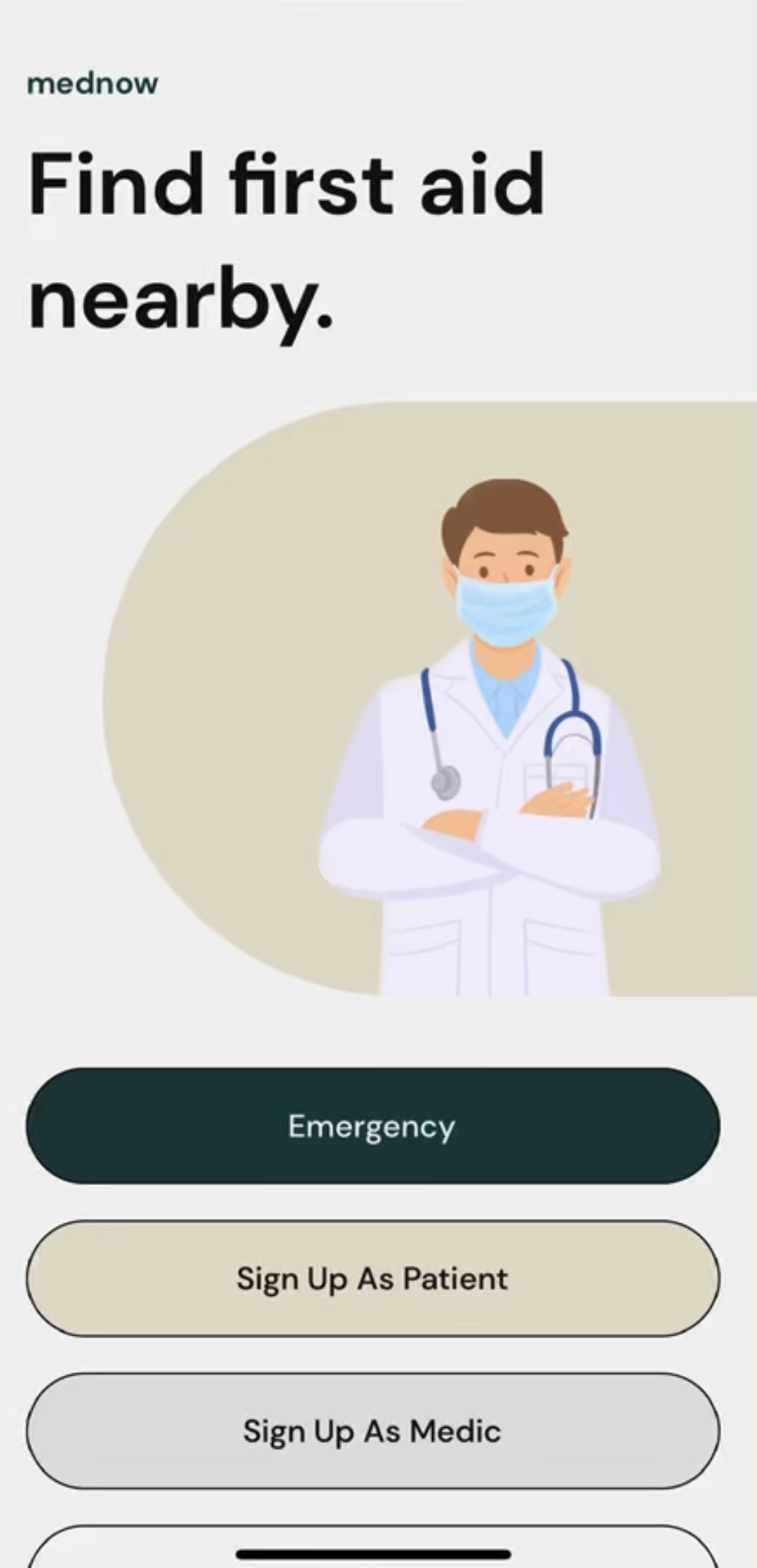
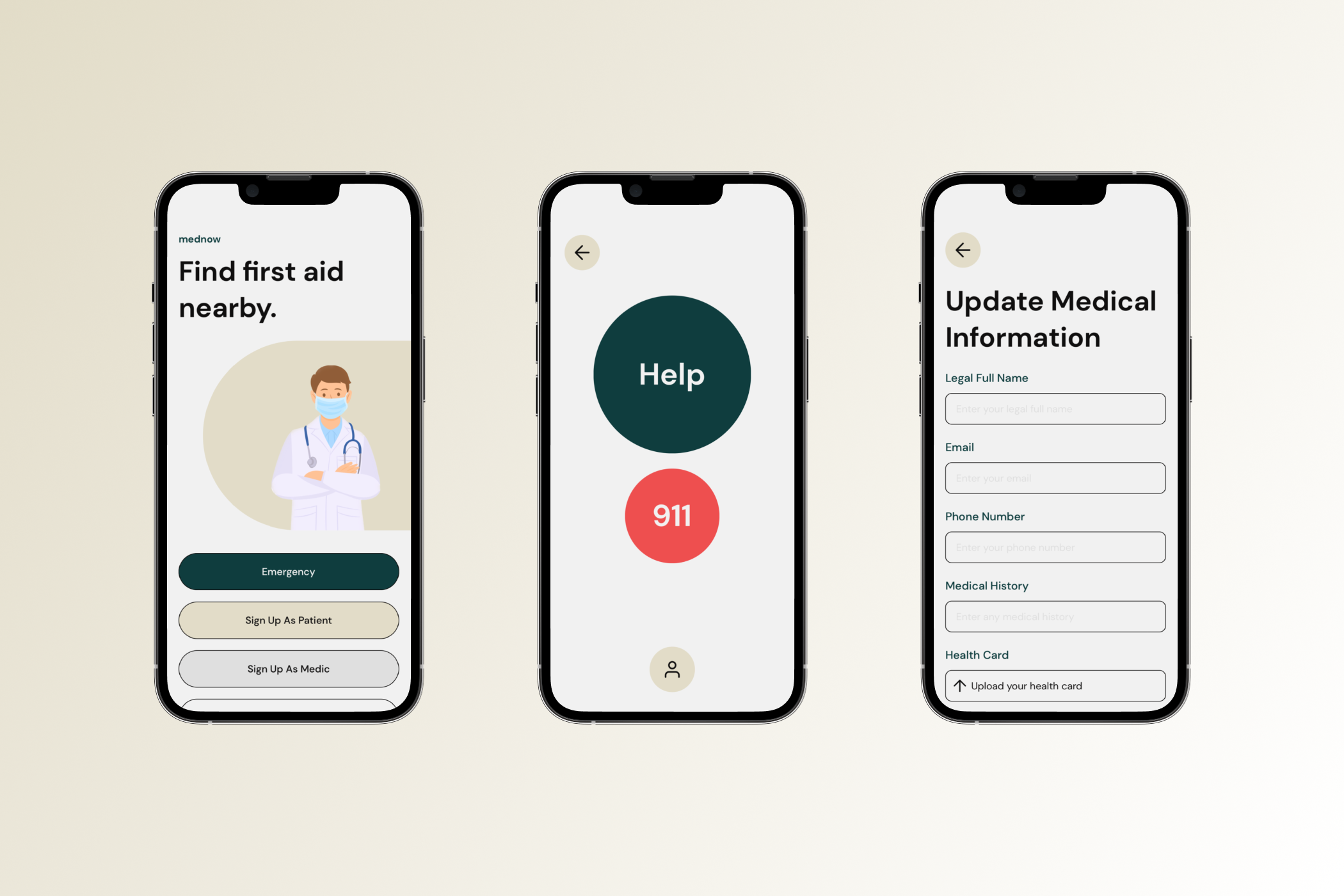
Landing
-
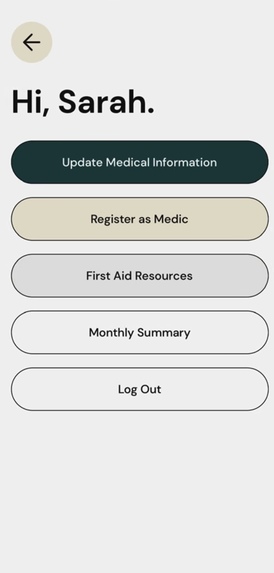
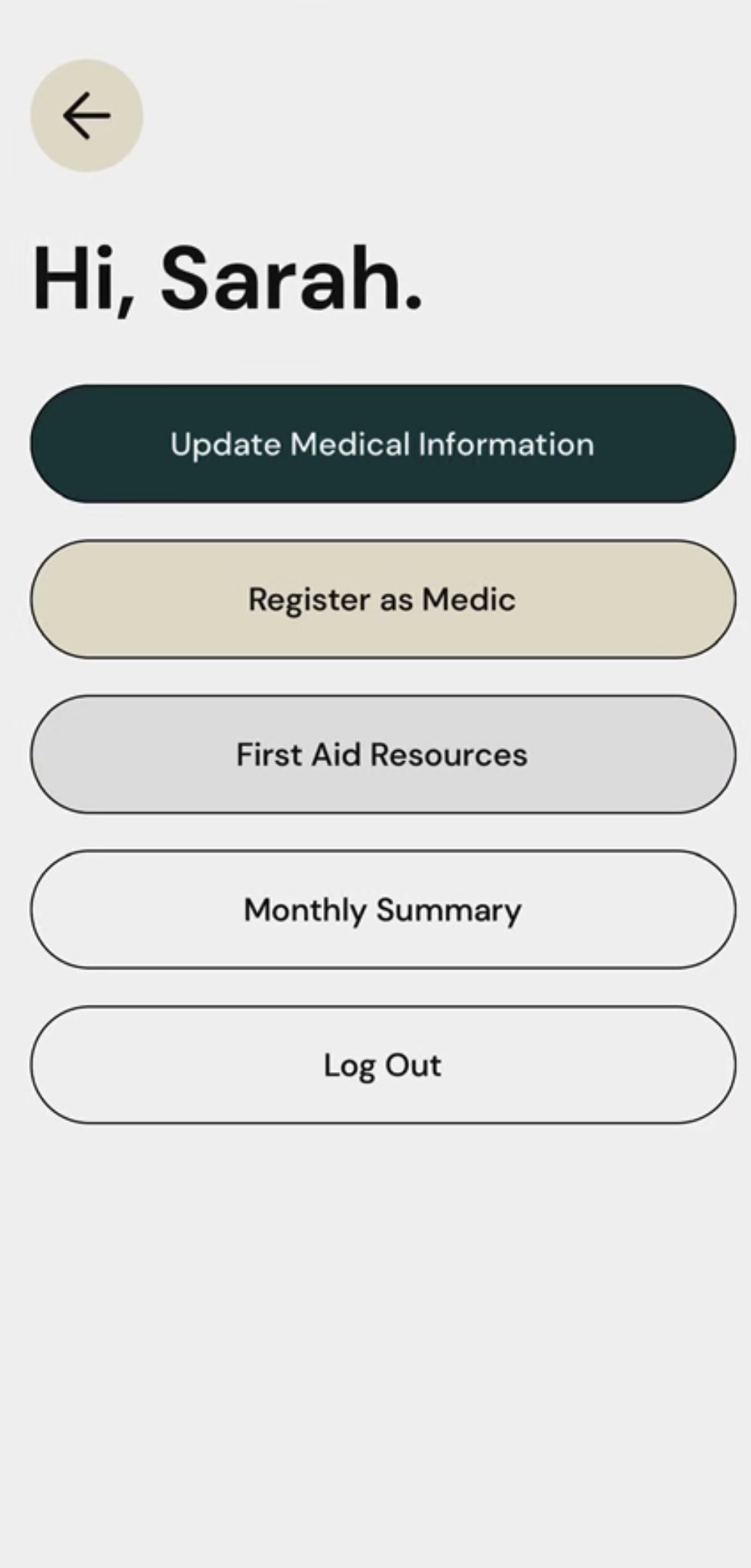
Homepage
-
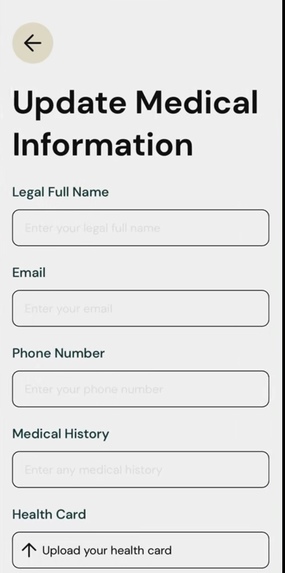
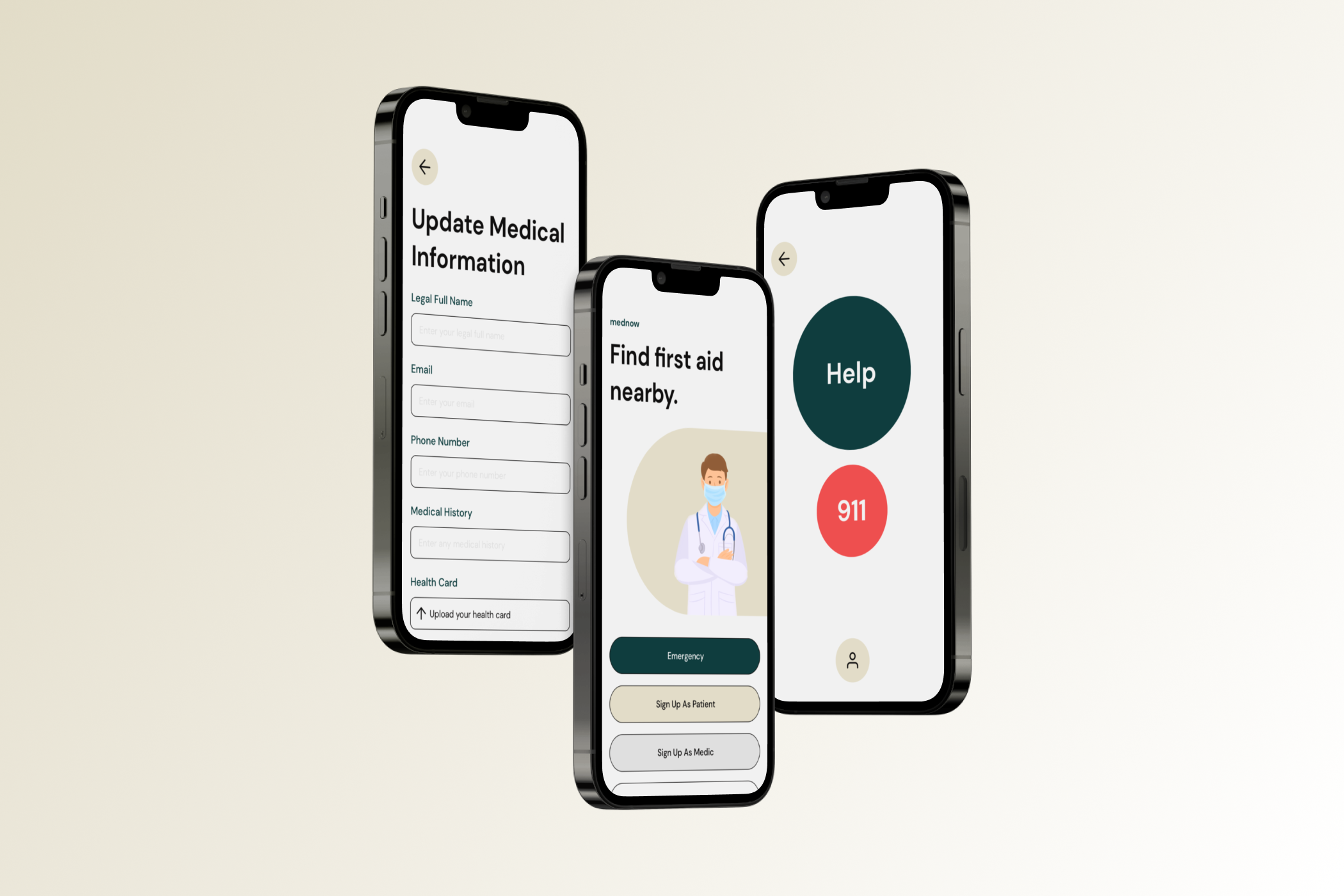
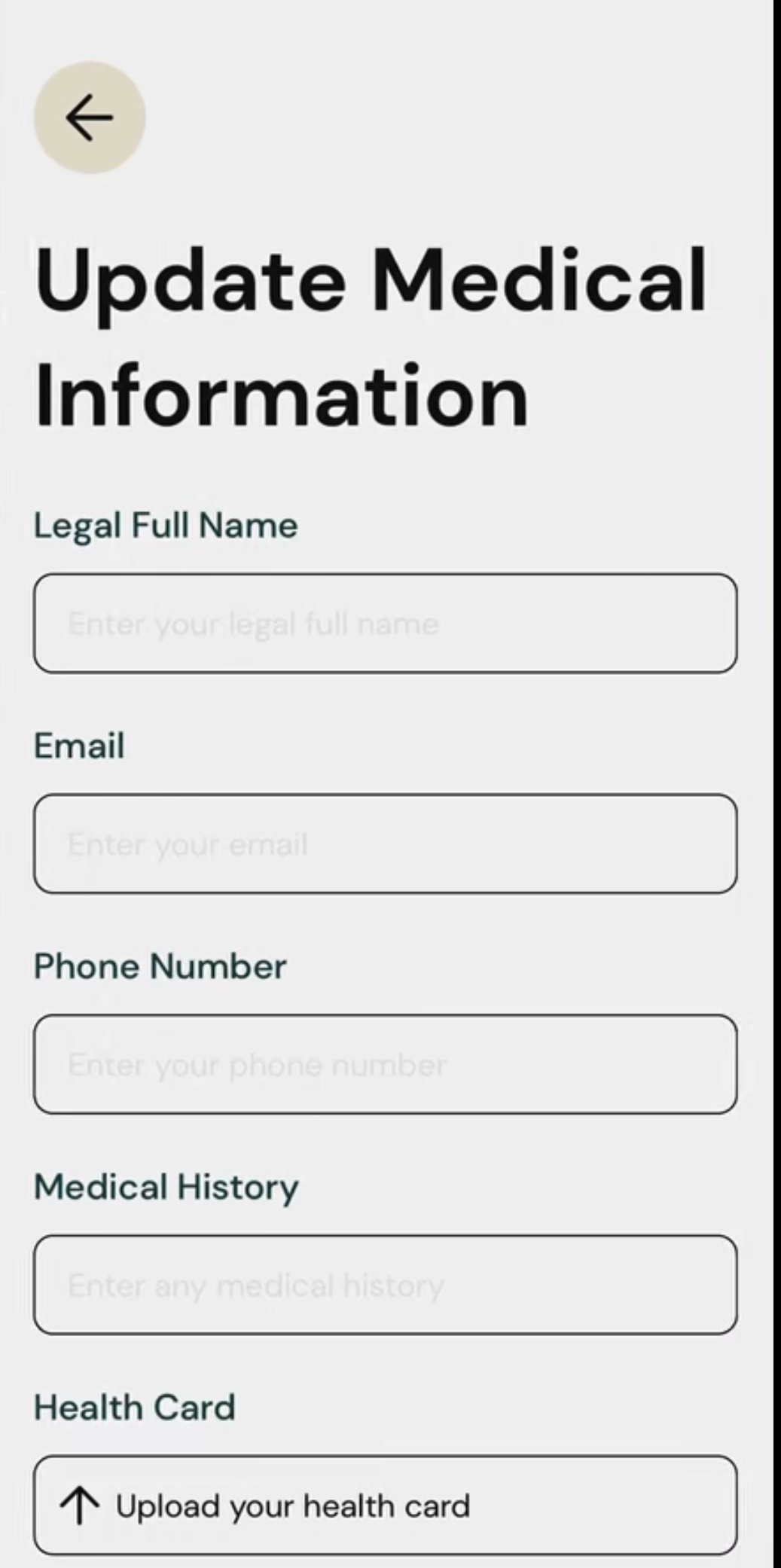
Update Medical Information
-
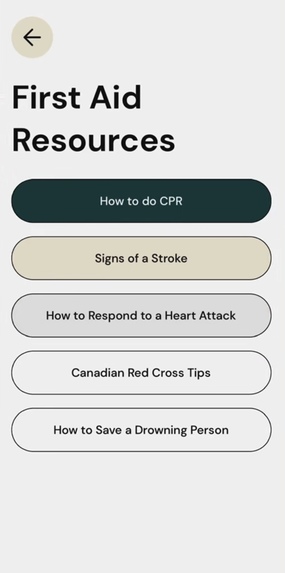
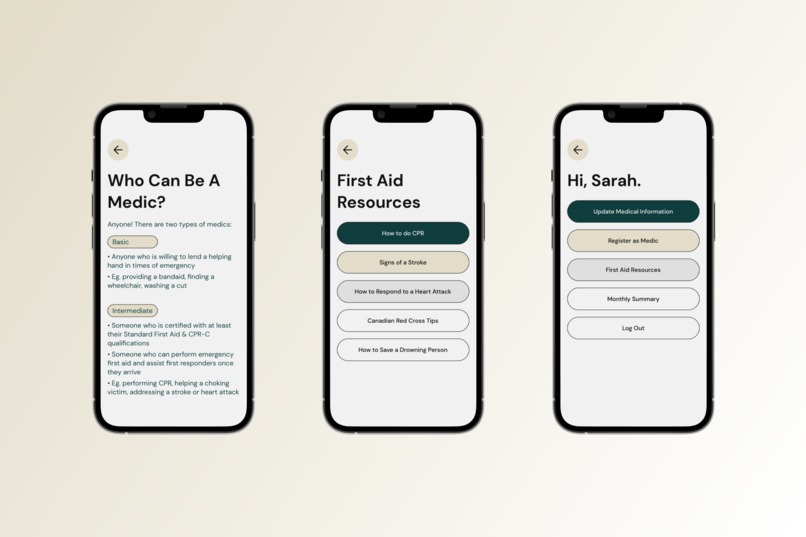
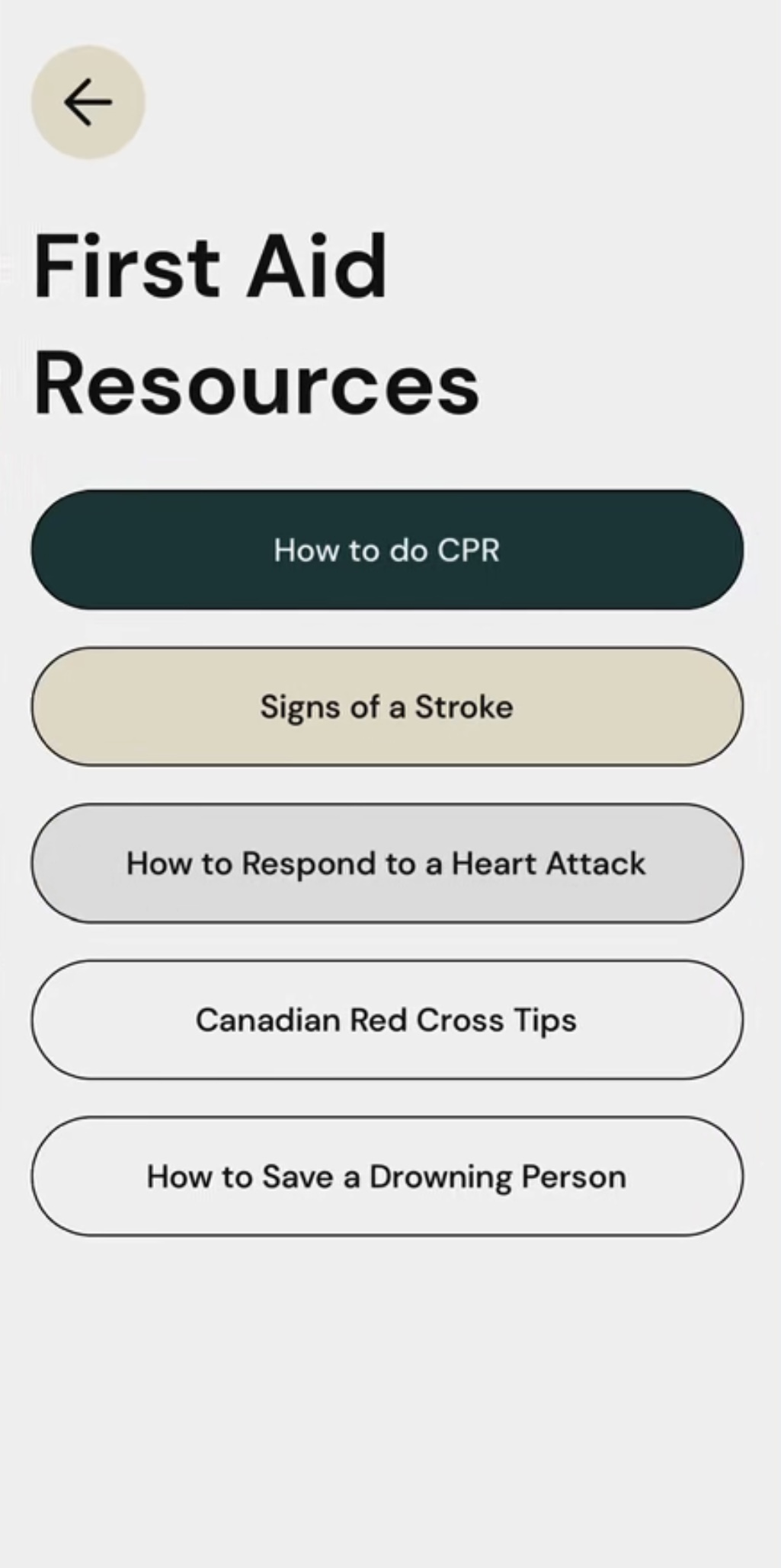
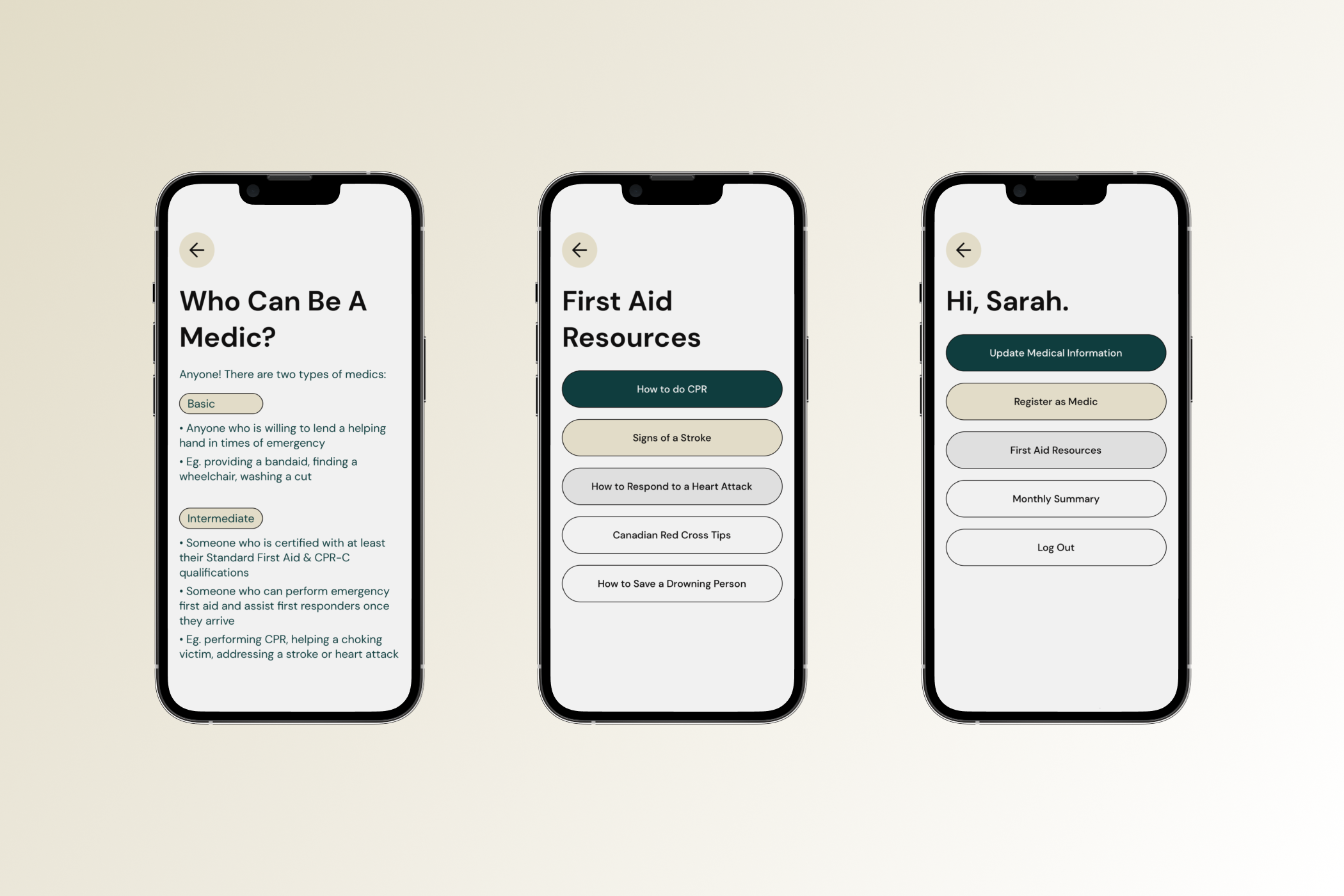
First Aid Resources
-
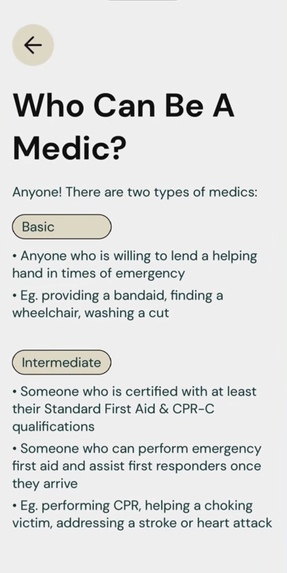
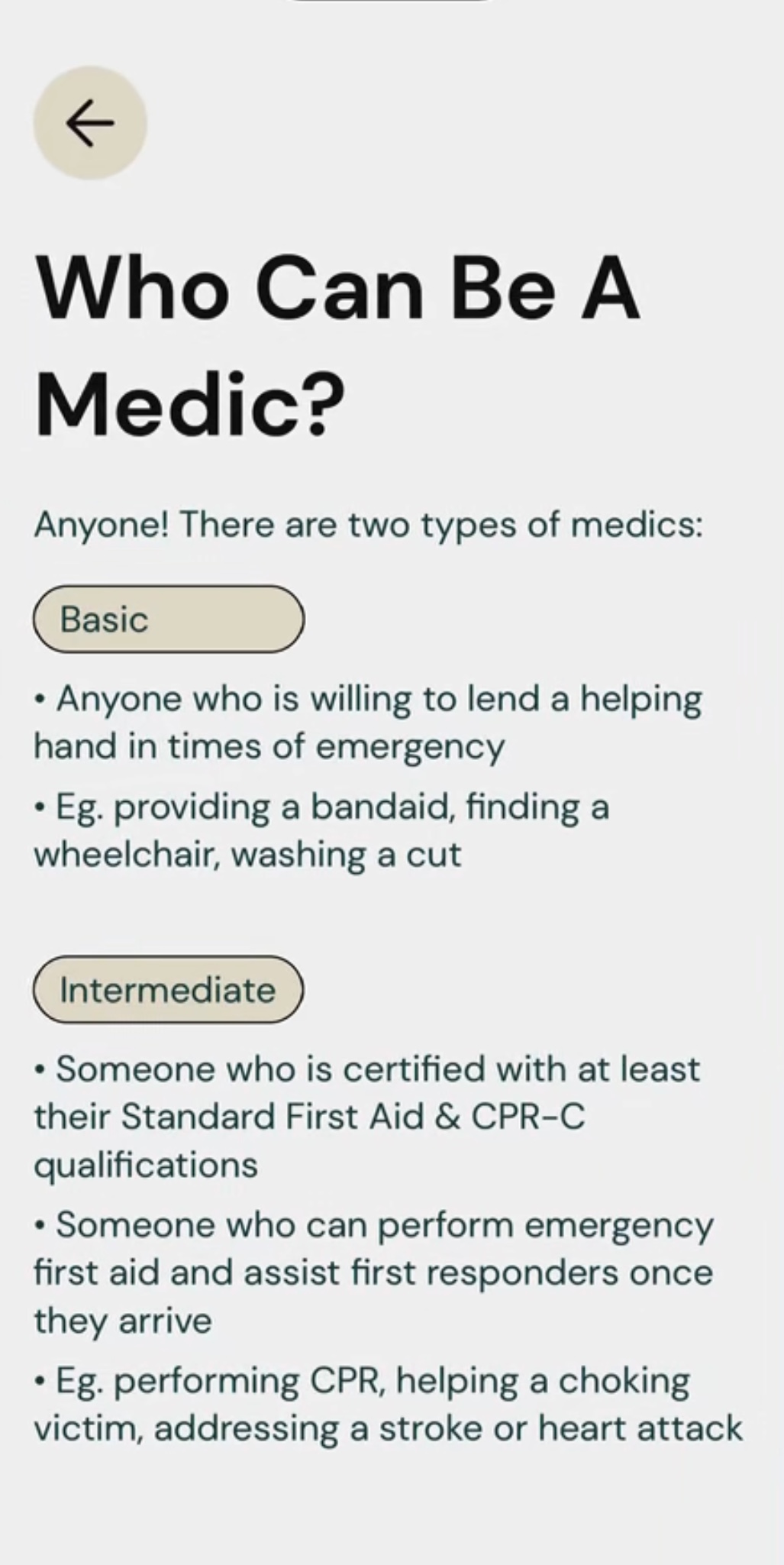
Who Can Be a Medic?
-
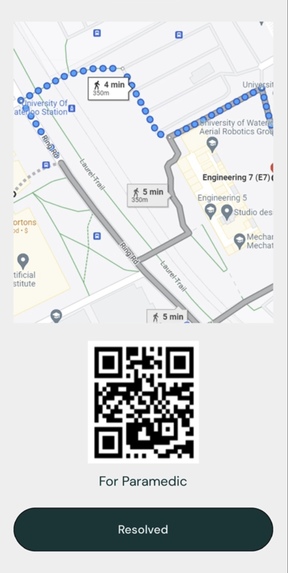
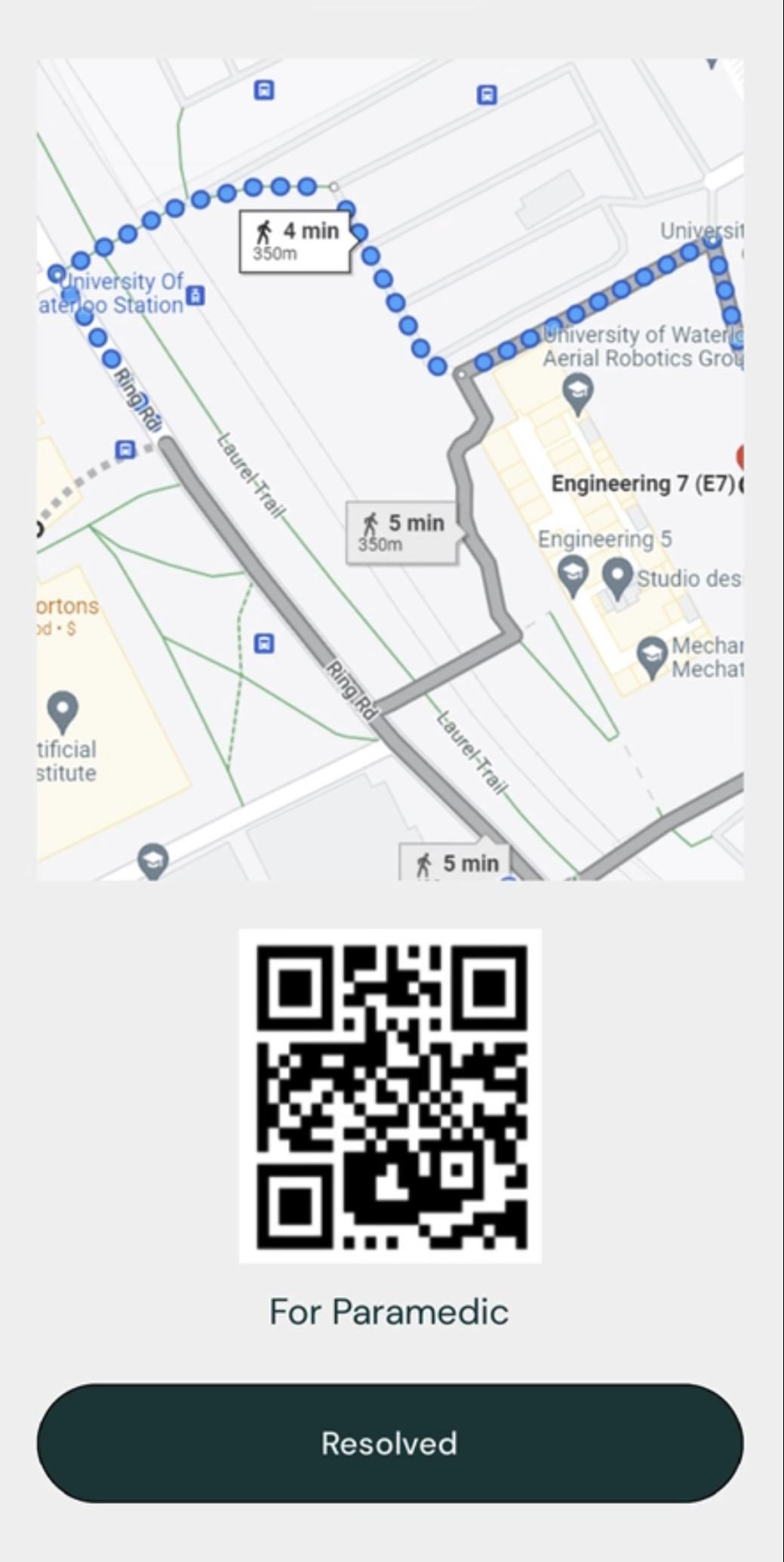
Map & QR Code
-
-
Inspiration
We noticed that UW has been providing menstrual products in bathrooms across campus. However, off-campus, emergencies still arise. Along with the healthcare system being overwhelmed and ambulance times being delayed, MedNow weaponizes location data to help deal with emergencies. Whether you need a menstrual product, bandaid, EpiPen, or even CPR, someone nearby may just be able to buy you a little time before the ambulance arrives or the issue resolves itself.
What it does
MedNow is a mobile app that takes voluntary “medics” and sends them notifications when someone needs help. When a patient clicks “Help,” their information such as medical history, emergency, and location data are sent to either basic medics or intermediate medics, basic being those who could deal with something like a bandaid and intermediate being those who are first aid trained and could deal with larger issues. If and when the paramedics arrive, they will have special authentication to scan a QR code to receive the patient’s health card info and more detailed personal data than what was provided to the medic. MedNow also includes an educational page of basic first aid demos and a monthly summary logging how many people you’ve helped.
If you’re uncomfortable with sharing your personal information, you can still click “Help” as a guest and your location will be sent to nearby medics. If the situation allows, you can fill out what the emergency is as the medics find their way to you and nearby medics will have the opportunity to accept or decline your emergency. If accepted, they will be directed to Google Maps to find the patient; if declined, other medics will still have the opportunity to accept similar to Uber finding another nearby driver although they may be further away.
How we built it
We built MedNow using the Expo platform to develop a React Native app, taking advantage of its cross-platform development capabilities. Thus, MedNow runs on both iOS and Android devices. Additionally, our UI/UX was designed using Figma, where we created mockups depicting the app’s visual design and well as user flow. Finally, throughout development, we collaborated using Github.
Challenges we ran into
Our mobile app doesn’t have a solid back-end as everything was hard coded into our front-end. Our team started off with four members but ended with two due to busy schedules, and it was difficult to stand out against our competitors when there are many apps that connect you virtually with a doctor. But by making MedNow IRL and encouraging the kindness of good civilians, we can lessen the burden on the healthcare system and connect more people in both our digital and actual world.
We also wondered how this app could gain popularity if there isn’t an incentive for medics to earn something of monetary value. Those who are medically trained may shy away from being on call outside working hours and privacy issues could arise. But with how popular Pokemon Go and Uber have been by using location data and personal information, we thought a similar idea could apply to something more practical like a medical issue or emergency. With how isolated everyone has been due to the pandemic, many people are willing to lend a helping hand and get to meet more people.
Accomplishments that we're proud of
Completing it within the time limit! We found the timing difficult as we have little hackathon experience and our team cut down to half, but MedNow managed to push through and we hope it makes a difference in the world.
We’re also proud of how we came up with our ideas. The QR code was inspired by the HTN badges and MedNow as a whole was inspired by seeing menstrual products in the E7 bathrooms. We adapted to this new environment quickly and certainly learned a lot over this weekend.
What we learned
Speaking of learning, I (Sarah) had no UI/UX experience or even coding experience in general but learned how to use Figma this weekend to complete the design. Andrew quickly learned how to use React Native and Javascript and develop a mobile app. Most of all, we learned how to balance going to activities, networking, sleeping, and hacking all in 36 hours which isn’t something you learn every day (or, I guess, in 36 hours).
What's next for MedNow
We hope to implement a speech-to-text feature in MedNow for accessibility purposes, especially during an emergency. We also hope to make the location API more precise to the exact floor and room number of a building. Because one’s more likely to find themselves needing help in an unfamiliar area, we want to design the “Call 911” button so that it matches the area code of whatever country or region you’re in.


Log in or sign up for Devpost to join the conversation.