Inspiration
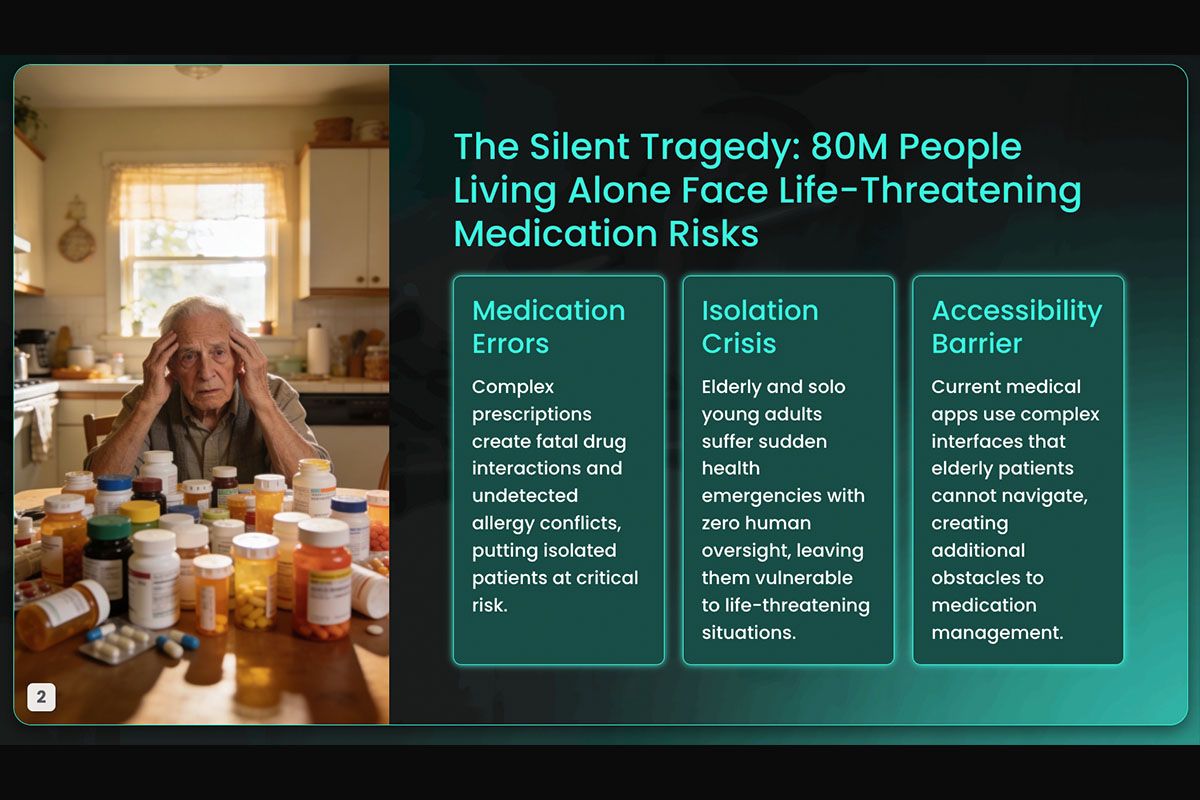
There is a silent tragedy unfolding around us: 80 million people live alone globally, facing daily, life-threatening medication risks. Through personal observation and research, we realized that isolated individuals—especially the elderly—face three critical dangers:
- Medication Errors: Complex prescriptions leading to fatal drug interactions.
- The Isolation Crisis: Health emergencies occurring with zero human oversight.
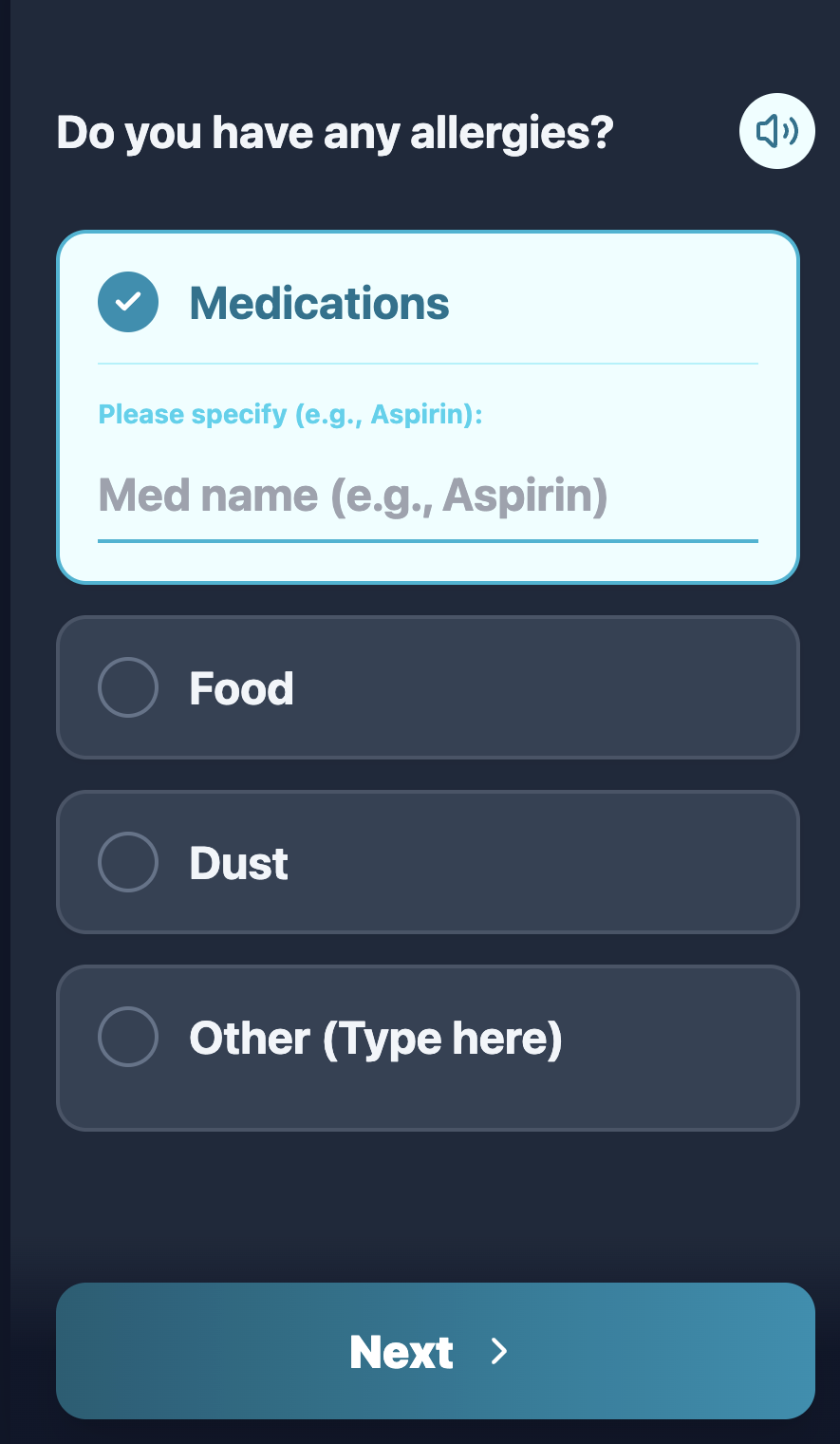
- The Accessibility Barrier: Current medical apps are too complex for elderly patients to navigate.
We realized that current solutions are just "passive reminders." We wanted to build an active, life-saving intervention. This led to the birth of MedLens AI, driven by a single core belief: Because living alone shouldn't mean dying alone.
What it does
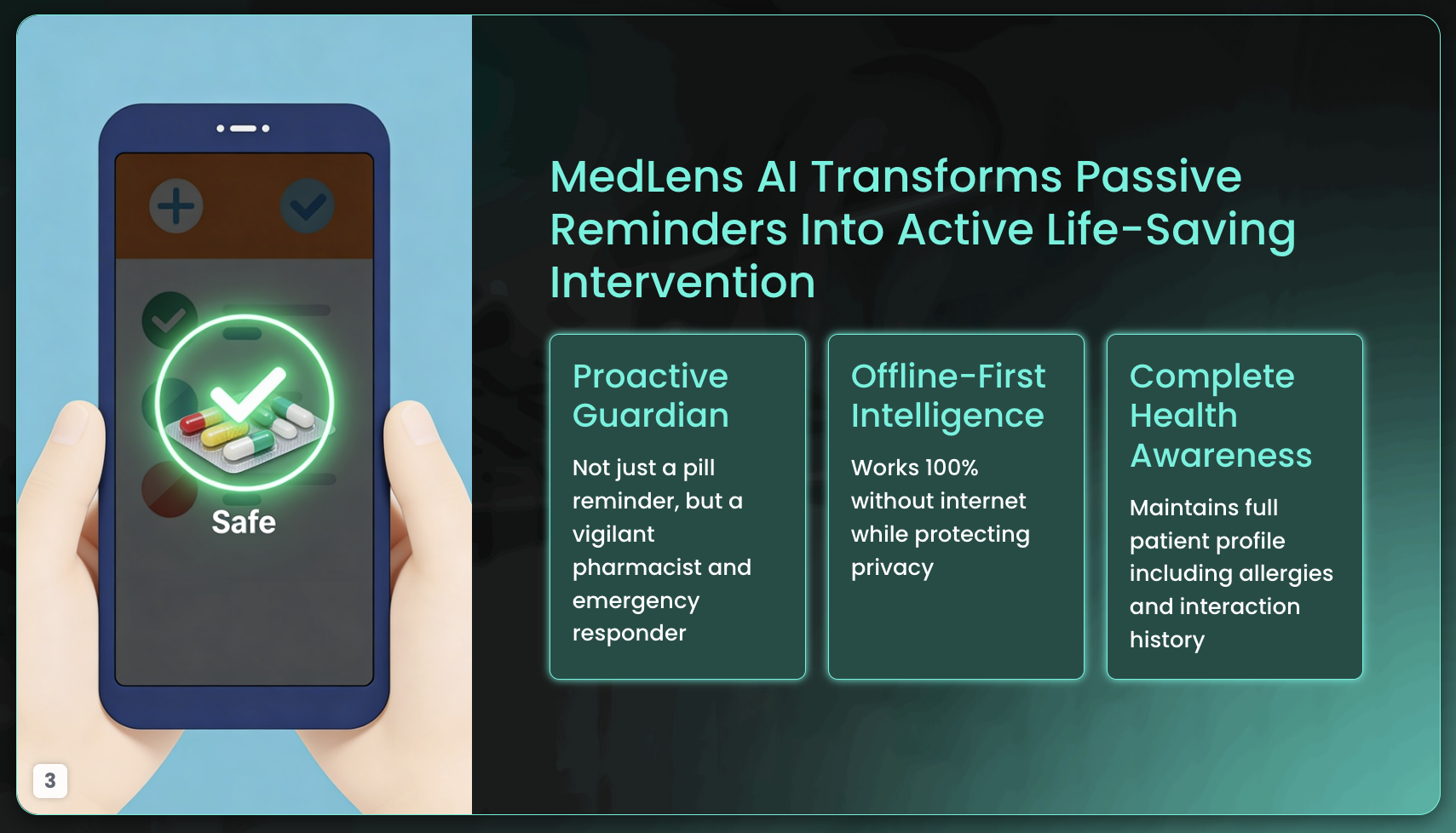
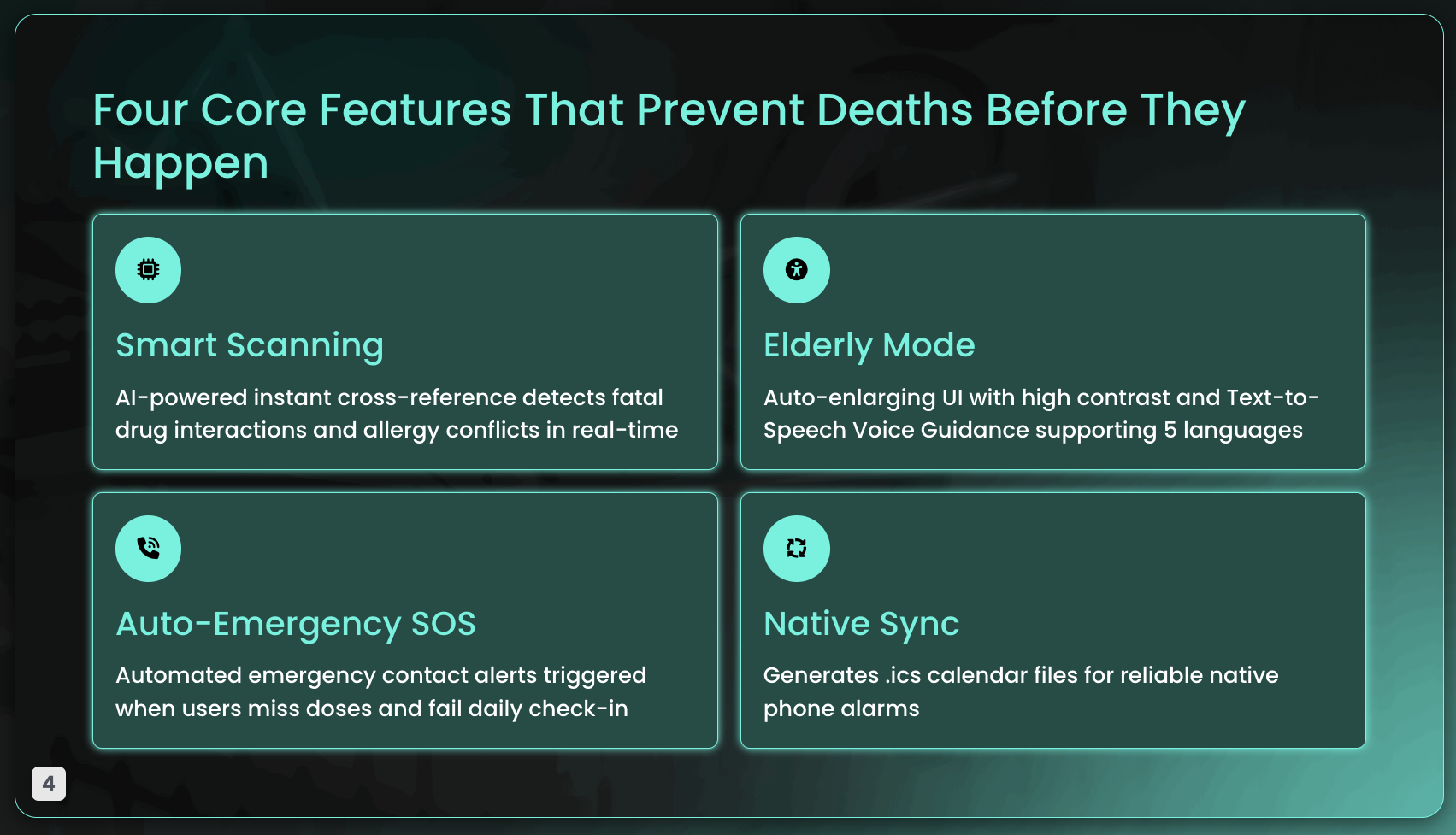
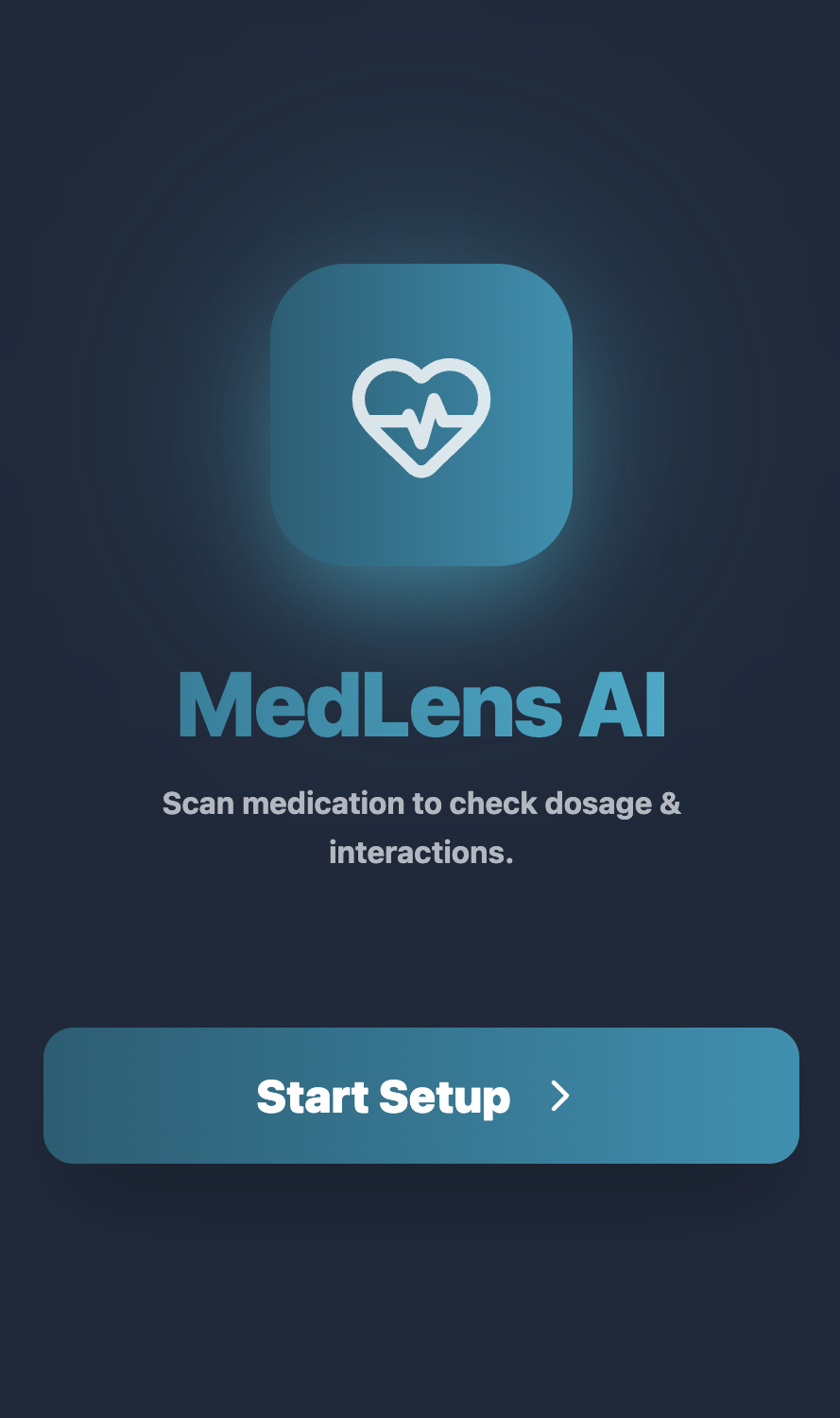
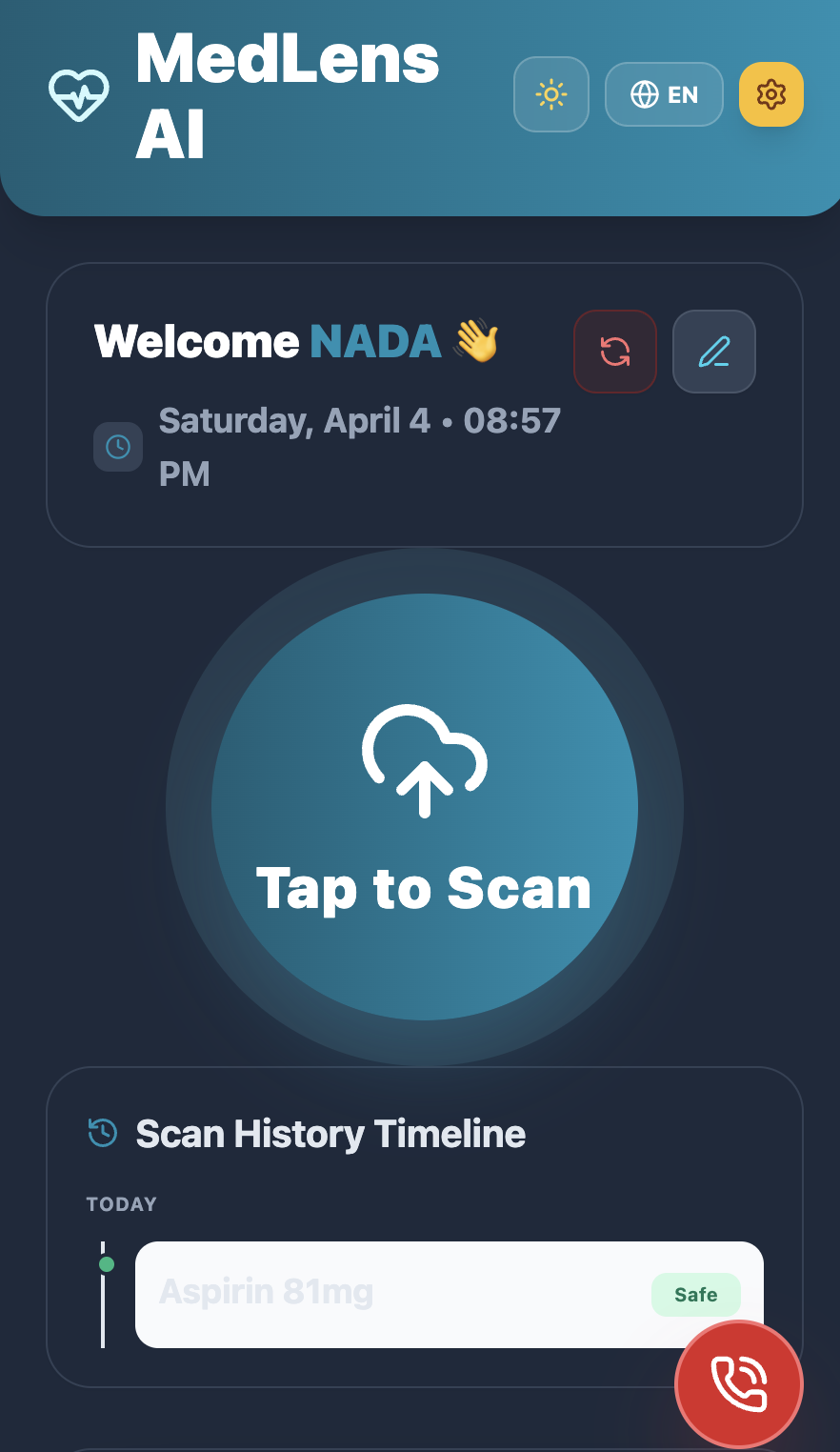
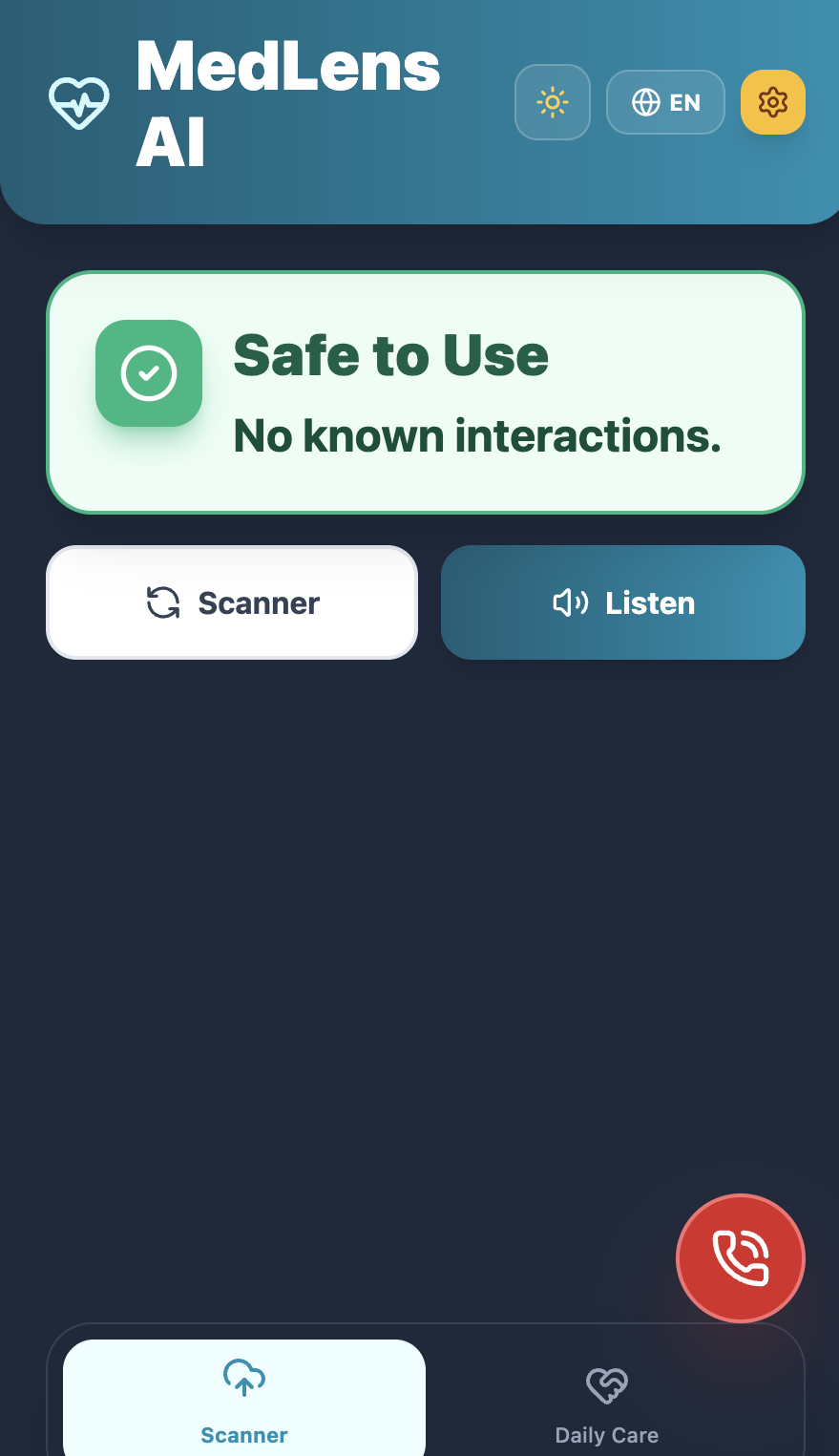
MedLens AI is an offline-first, smart care companion acting as a vigilant pharmacist and emergency responder. Our 4 core features prevent deaths before they happen:
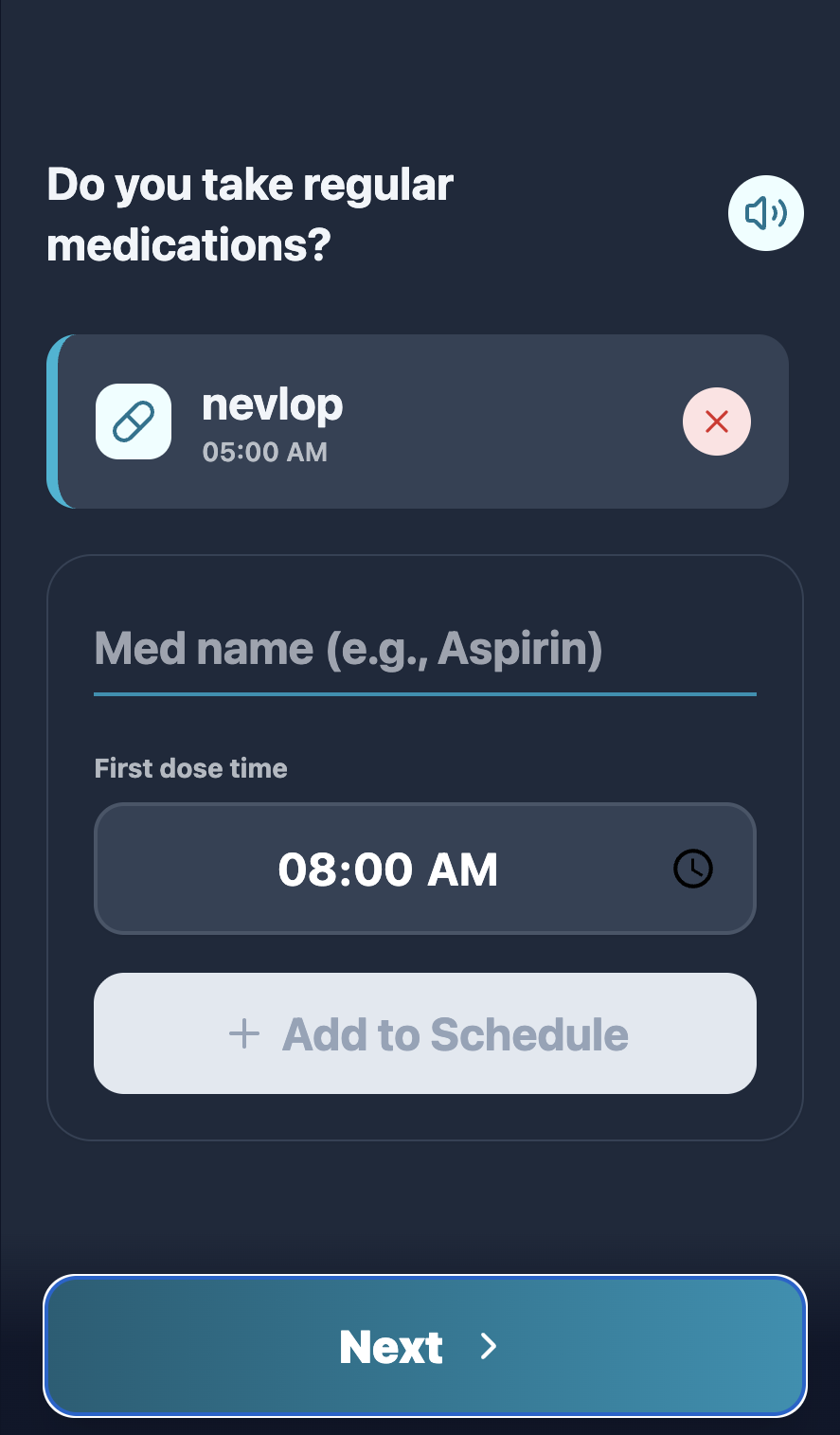
- Smart Scanning: AI-powered instant cross-referencing detects fatal drug interactions and allergy conflicts in real-time.
- Elderly Mode: A dedicated UI that auto-enlarges, increases contrast, and uses Text-to-Speech (TTS) Voice Guidance in 5 languages.
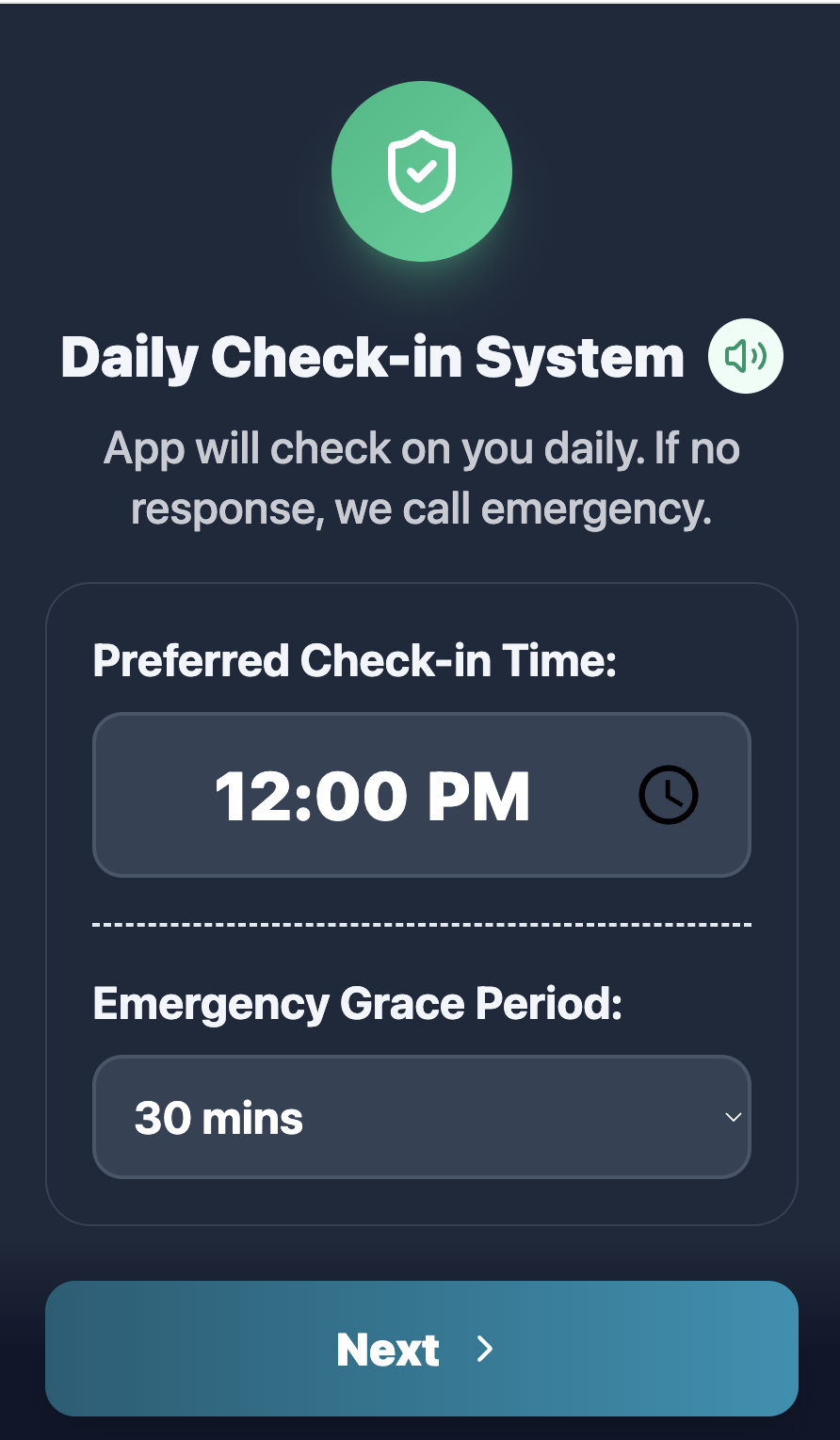
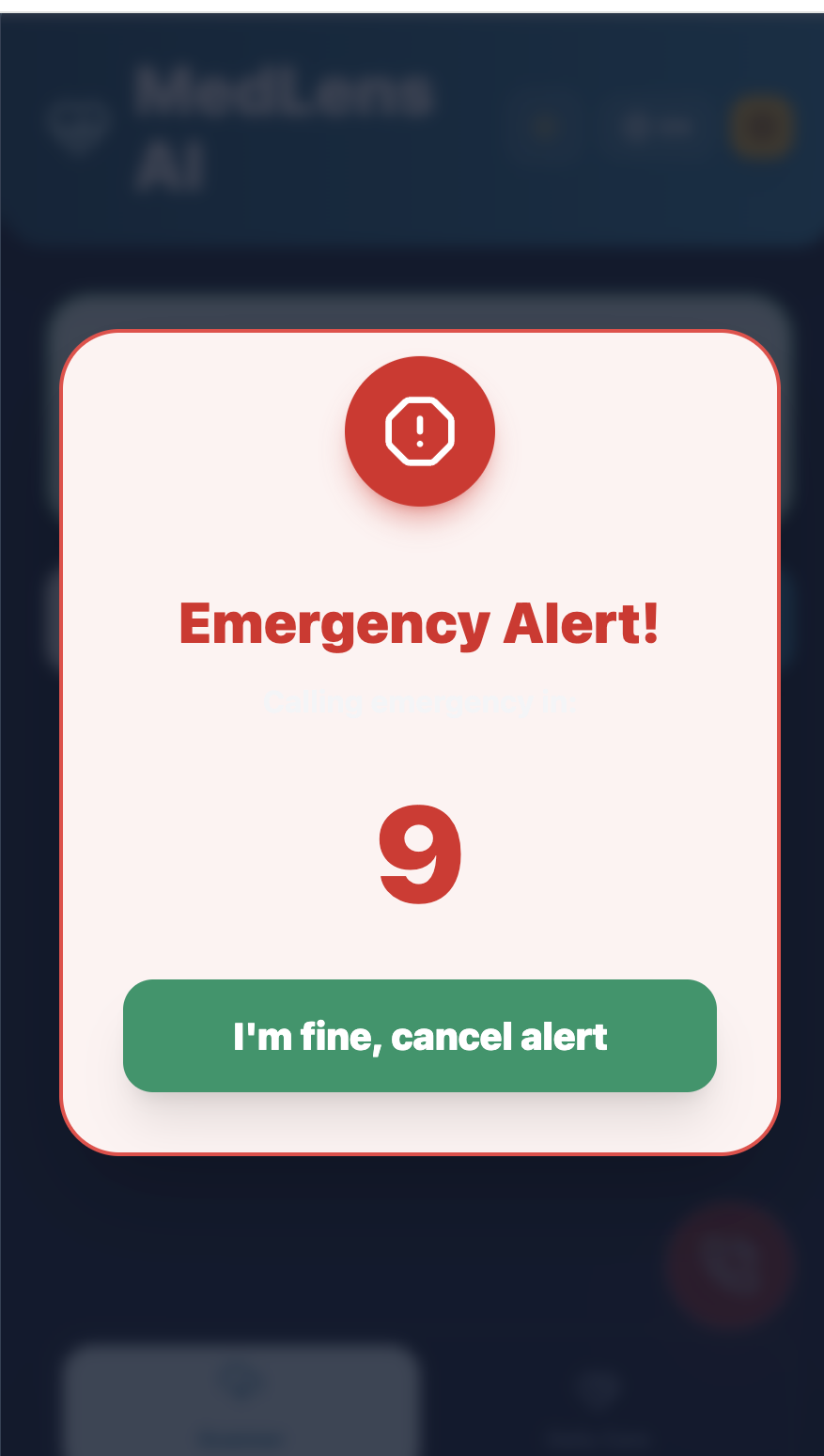
- Auto-Emergency SOS: A proactive system that triggers automated emergency contact alerts if a user misses critical doses and fails their daily safety check-in.
- Native Sync: Generates
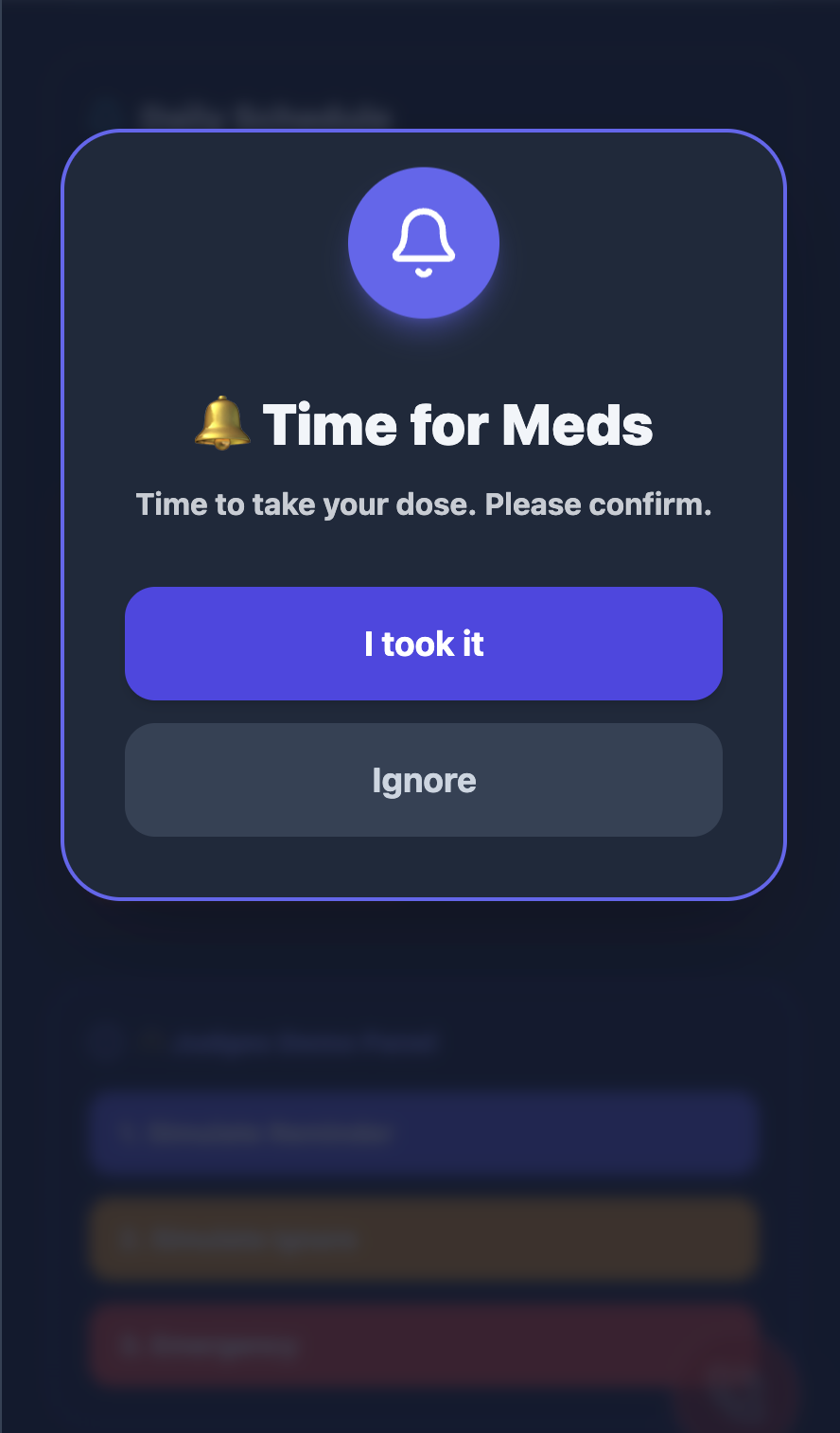
.icscalendar files to rely on the device's native alarm system, ensuring reminders work even if the app is closed.
How we built it
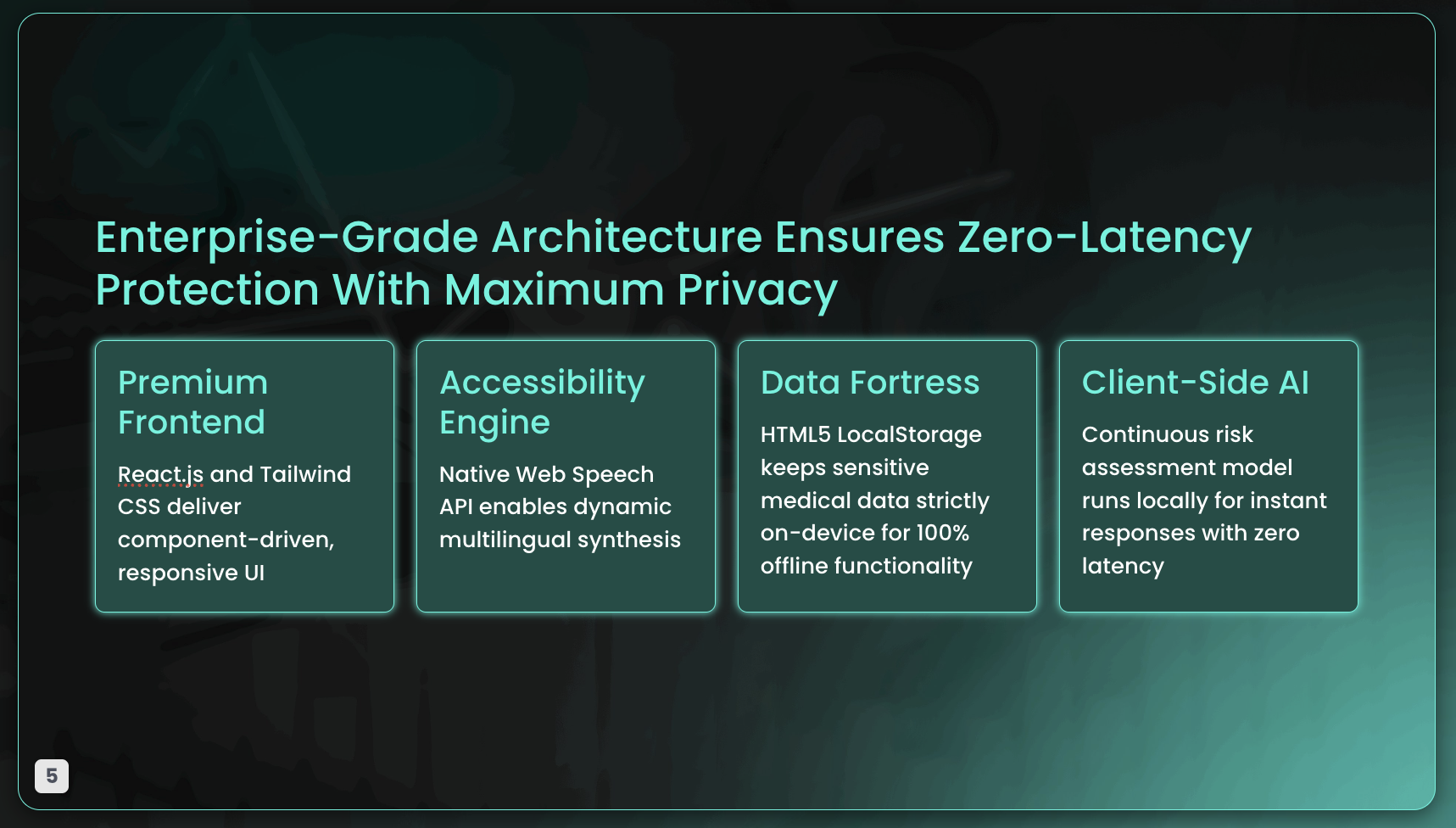
We engineered a Zero-Latency, Enterprise-Grade Architecture focused completely on privacy and offline capability.
- Frontend: We used
React.jsandTailwind CSSto build a highly responsive, component-driven UI that seamlessly transitions between standard and "Elderly Mode". - Accessibility Engine: We integrated the native
Web Speech APIto enable dynamic, multilingual synthesis without needing external cloud calls. - Data Fortress (Storage): We utilized
HTML5 LocalStorageto keep sensitive medical profiles (allergies, schedules) strictly on-device. - Client-Side AI & Logic: The continuous risk assessment model runs locally. We engineered a real-time risk evaluation algorithm that calculates the danger level of a scanned medication based on historical data. Conceptually, the risk factor is calculated as: $$Risk_Level = \sum (Interaction_Severity \times Patient_Vulnerability) + Time_Since_Last_Dose$$ If $Risk_Level$ exceeds the safe threshold, the UI immediately flags the scan with a high-priority red alert.
Challenges we ran into
- The "Offline-First" Mandate: Relying entirely on client-side processing without calling external databases for drug interactions was difficult. We had to structure our local data effectively to ensure instant cross-referencing without lagging the browser.
- Designing for the Elderly: It's surprisingly challenging to build a UI that is large and accessible without making it look "childish" or poorly designed. Balancing Tailwind utility classes to dynamically scale everything (padding, fonts, icons) via a single
elderlyModestate required meticulous styling. - Simulating Emergencies Safely: Testing an SOS system without actually spamming emergency contacts was tricky. We built a custom "Judges Demo Panel" to safely simulate missed check-ins and emergency countdowns during the pitch.
Accomplishments that we're proud of
- Successfully creating a 100% offline Data Fortress that respects patient privacy while still providing AI-level insights.
- Implementing a flawless Elderly Mode that completely transforms the UX with a single tap, accompanied by reliable voice guidance.
- Building a system that doesn't just wait for the user to act, but actively takes action (Auto-SOS) if the user is incapacitated.
What we learned
- Accessibility (a11y) is not an afterthought: Building for visual and motor impairments fundamentally changed how we approach UI/UX design. We learned the deep value of high-contrast ratios and large tap targets.
- The Power of Local Computing: We discovered how capable modern browsers are at running complex logic and text-to-speech engines entirely on the client side, eliminating server latency.
What's next for MedLens AI
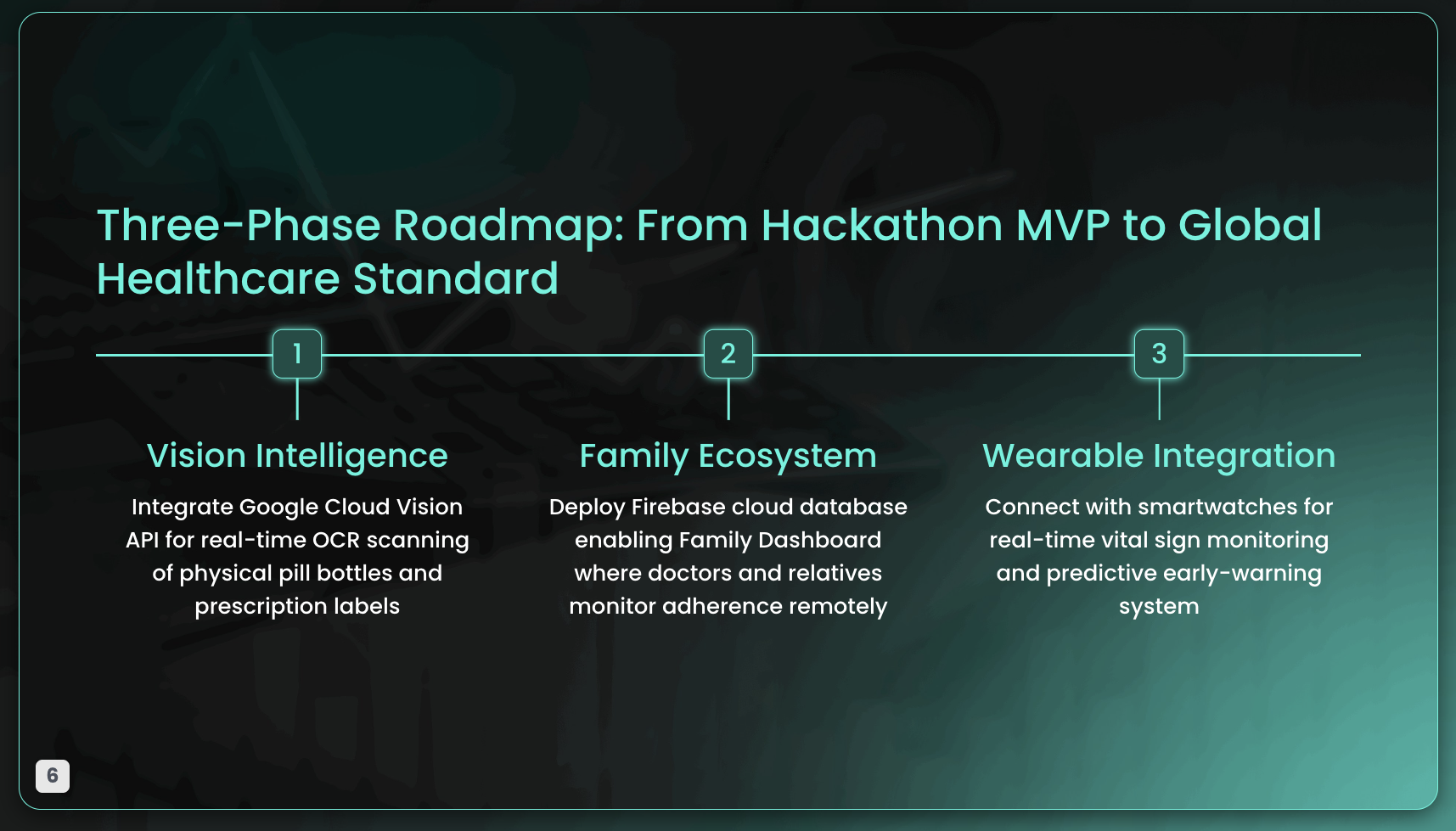
Our Hackathon MVP is just Phase 1. Our roadmap to becoming a global healthcare standard includes:
- Vision Intelligence: Integrating Google Cloud Vision API for real-time OCR scanning of physical pill bottles and difficult-to-read prescription labels.
- Family Ecosystem: Deploying a Firebase cloud database to enable a secure "Family Dashboard," where doctors and relatives can remotely monitor medication adherence.
- Wearable Integration: Connecting with smartwatches to monitor real-time vital signs, creating a predictive early-warning system before a crisis even hits. Inspiration
Built With
- html5
- javascript
- localstorage
- react.js
- tailwind-css
- web-speech-api


Log in or sign up for Devpost to join the conversation.