Inspiration
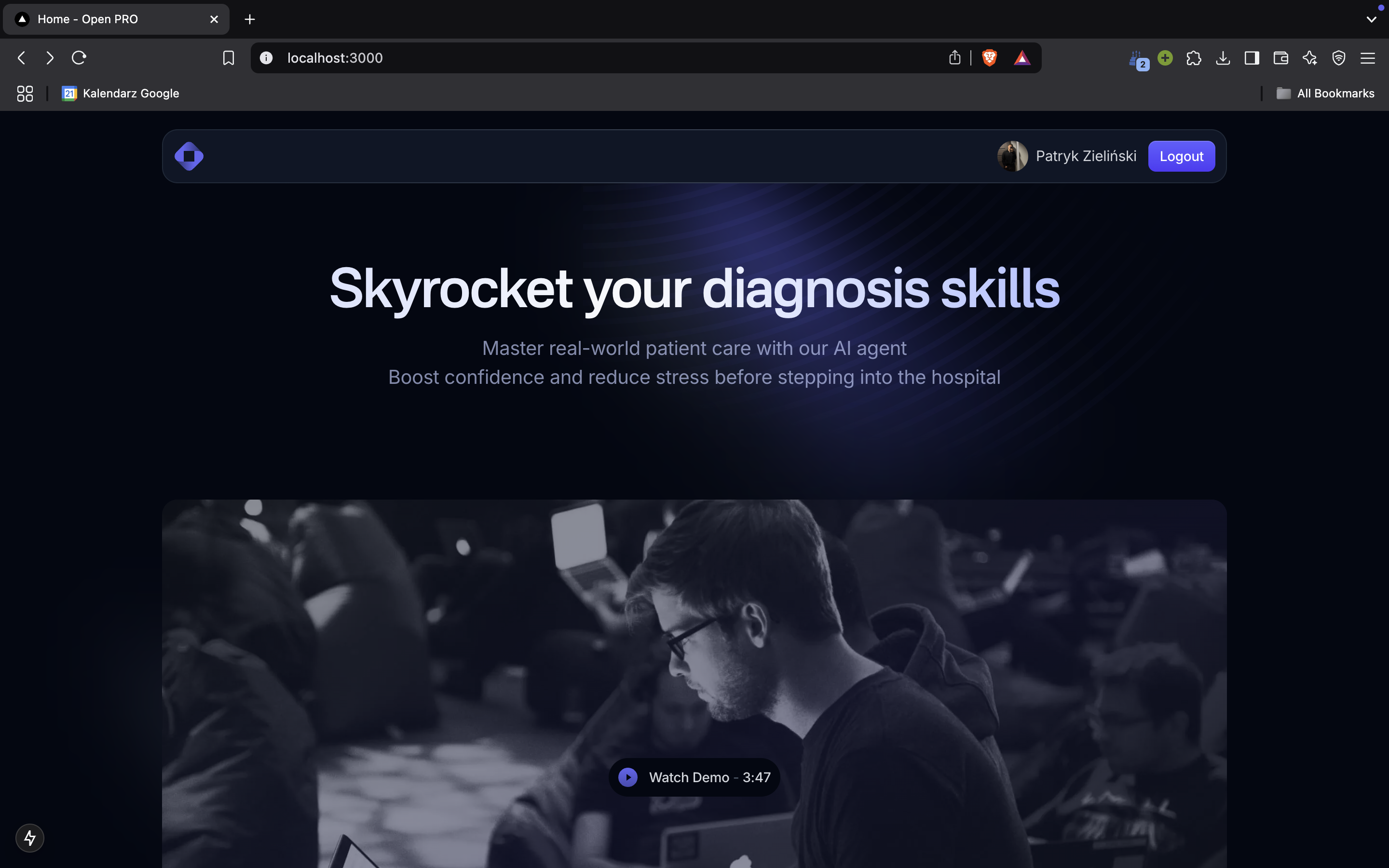
Medical residency can be overwhelming. Despite years of theoretical study, students often feel unprepared for real-world scenarios. This gap inspired Medju, providing a risk-free, immersive environment for students to practice diagnosing and communicating with virtual patients.
What it does
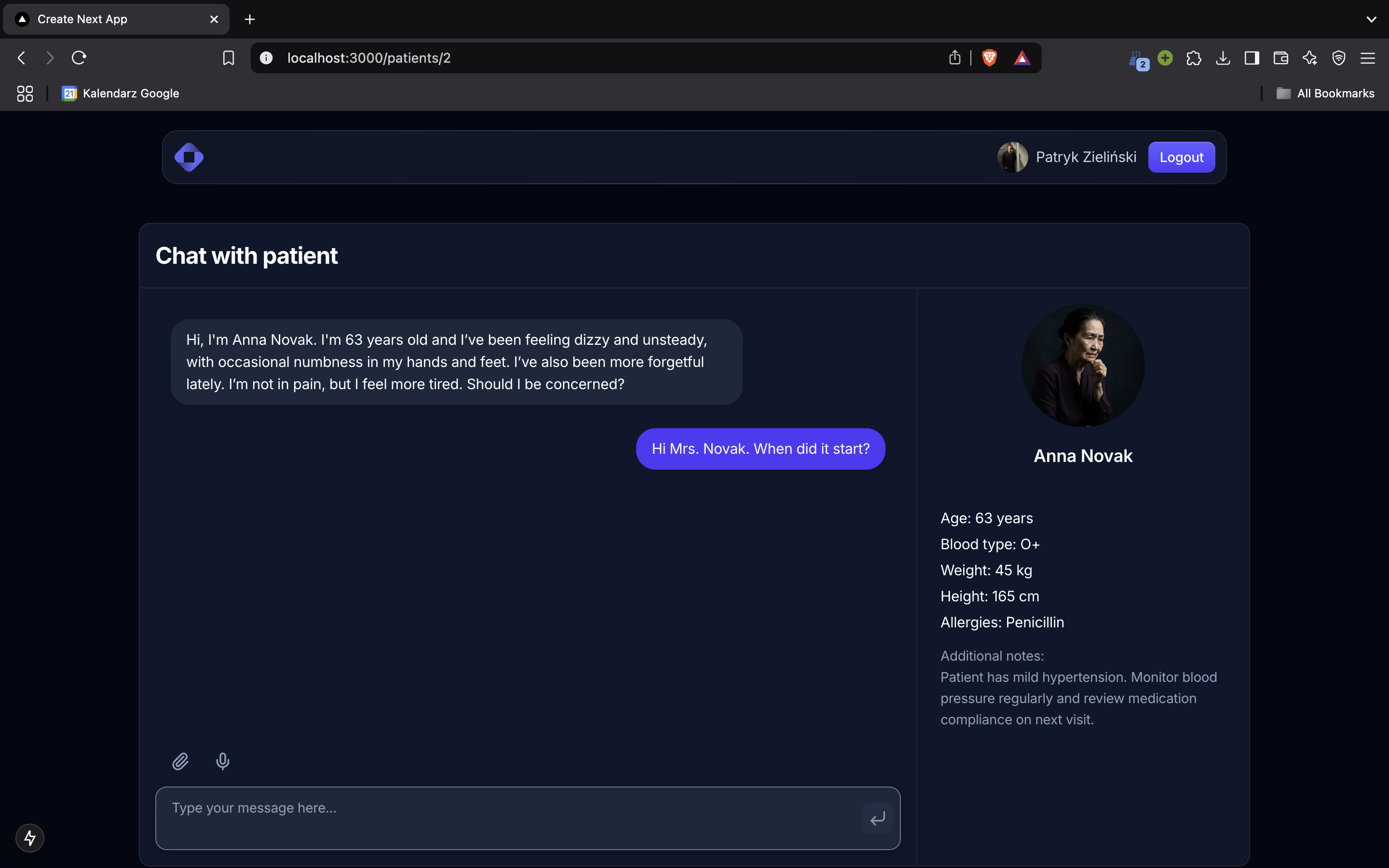
Medju enhances medical training through realistic interactions:
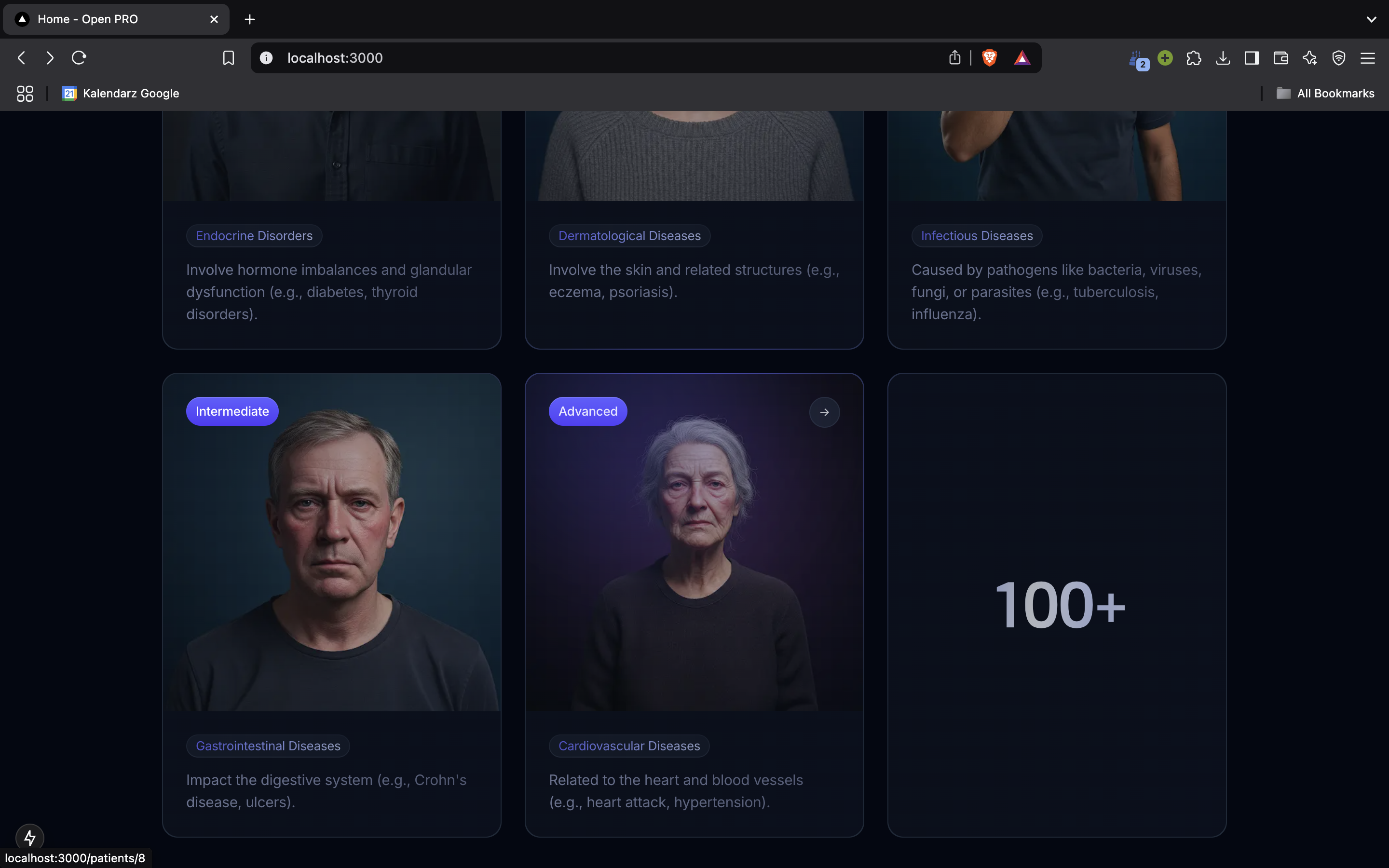
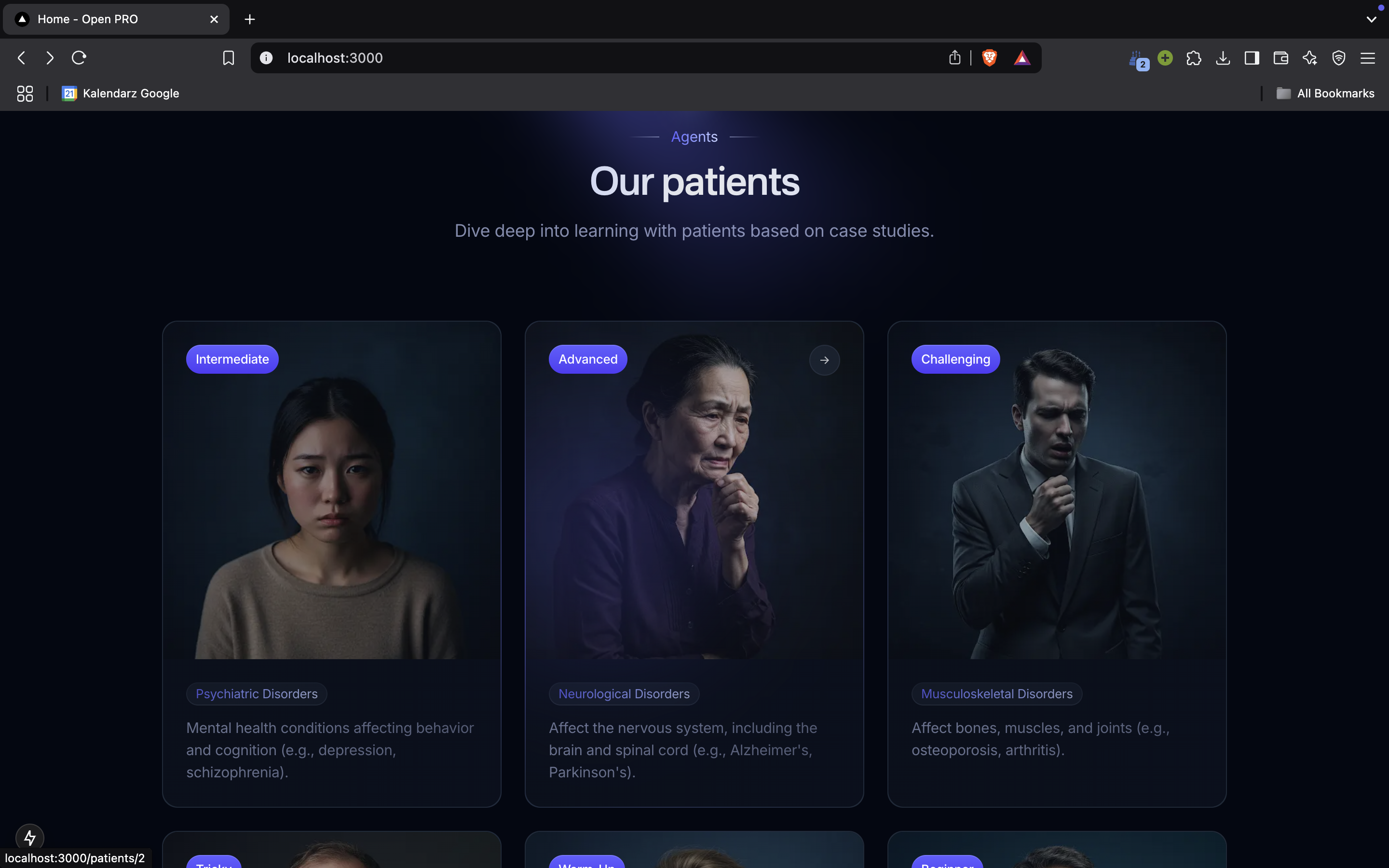
- Multiple Virtual Patients: Choose from diverse patients with unique medical cases.
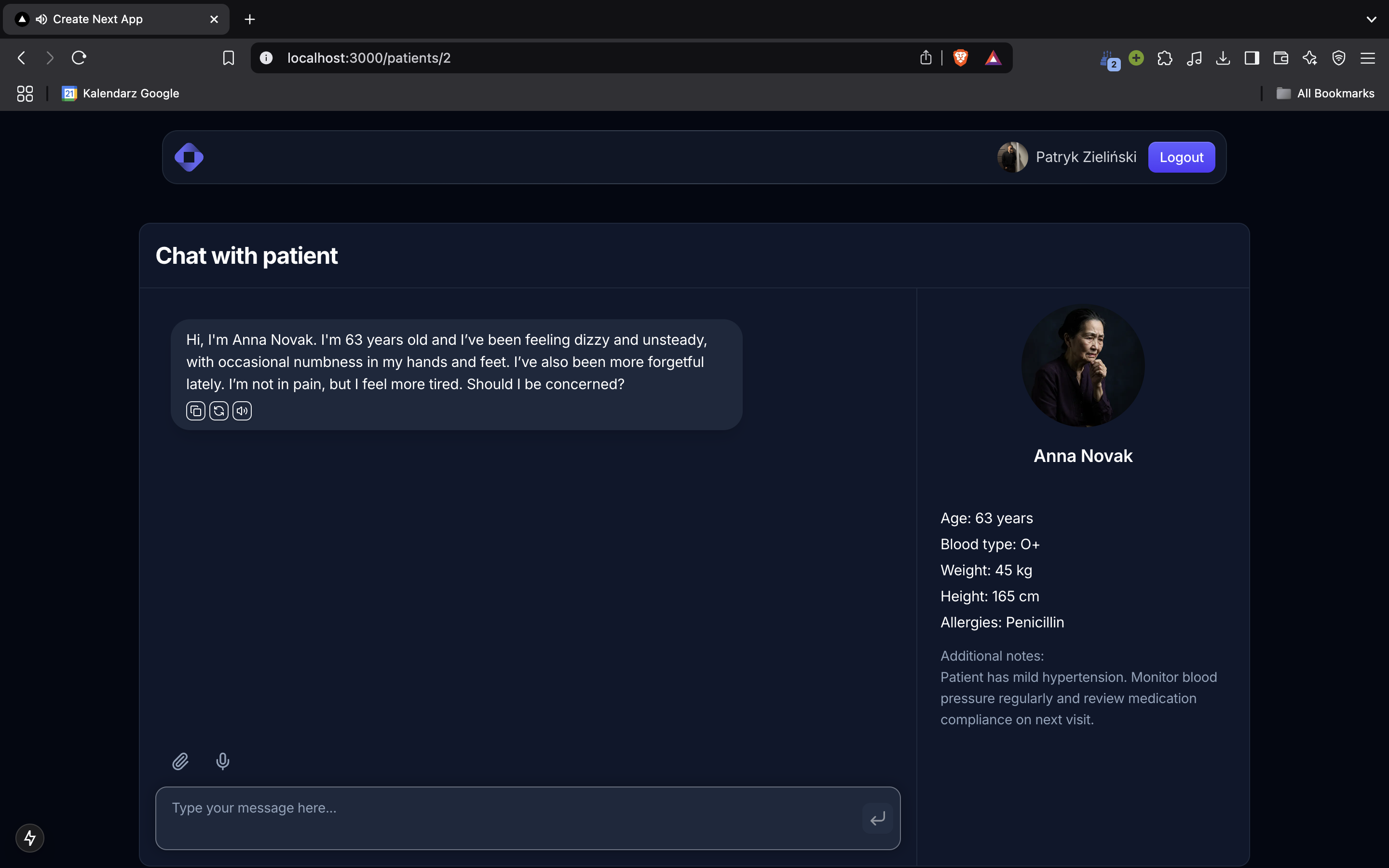
- Interactive Scenarios: Engage in real-time conversations with AI-powered patients.
- Data-Driven Feedback: Receive insights on medical accuracy and soft skills.
- Seamless Integration: Easily fits into university curricula, enhancing training.
How we built it
Developed using:
- Python for backend and JavaScript for frontend.
- A user-friendly interface for easy navigation.
Challenges we ran into
Key challenges included:
- Realistic Interactions: Ensuring human-like responses from virtual patients.
- Usability vs. Complexity: Balancing a powerful platform with user-friendliness.
What we learned
Key lessons include:
- User-Centered Design: Early user engagement improved intuitiveness.
- Collaboration: Effective teamwork was crucial for overcoming challenges.
What's next for Medju
Future plans include:
- Expanding Patient Scenarios: Growing our library based on feedback.
- Advanced AI Features: Implementing context-aware conversations.
- Broader Adoption: Outreach to medical schools for integration.
- Continuous Improvement: Refining the tool based on user data.
Medju aims to transform medical education and lead the future of healthcare training!
Built With
- 11labs
- css
- docker
- fastapi
- javascript
- lucide-react
- n8n
- nextjs
- node.js
- npm
- openai
- pnpm
- python
- react
- tailwind
- typescript
- uvicorn
- whisper


Log in or sign up for Devpost to join the conversation.