-
-
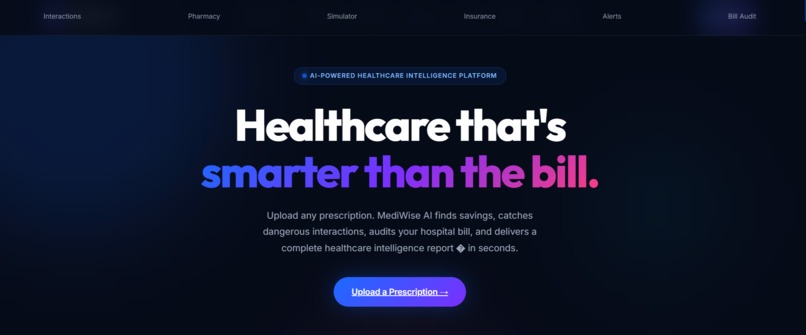
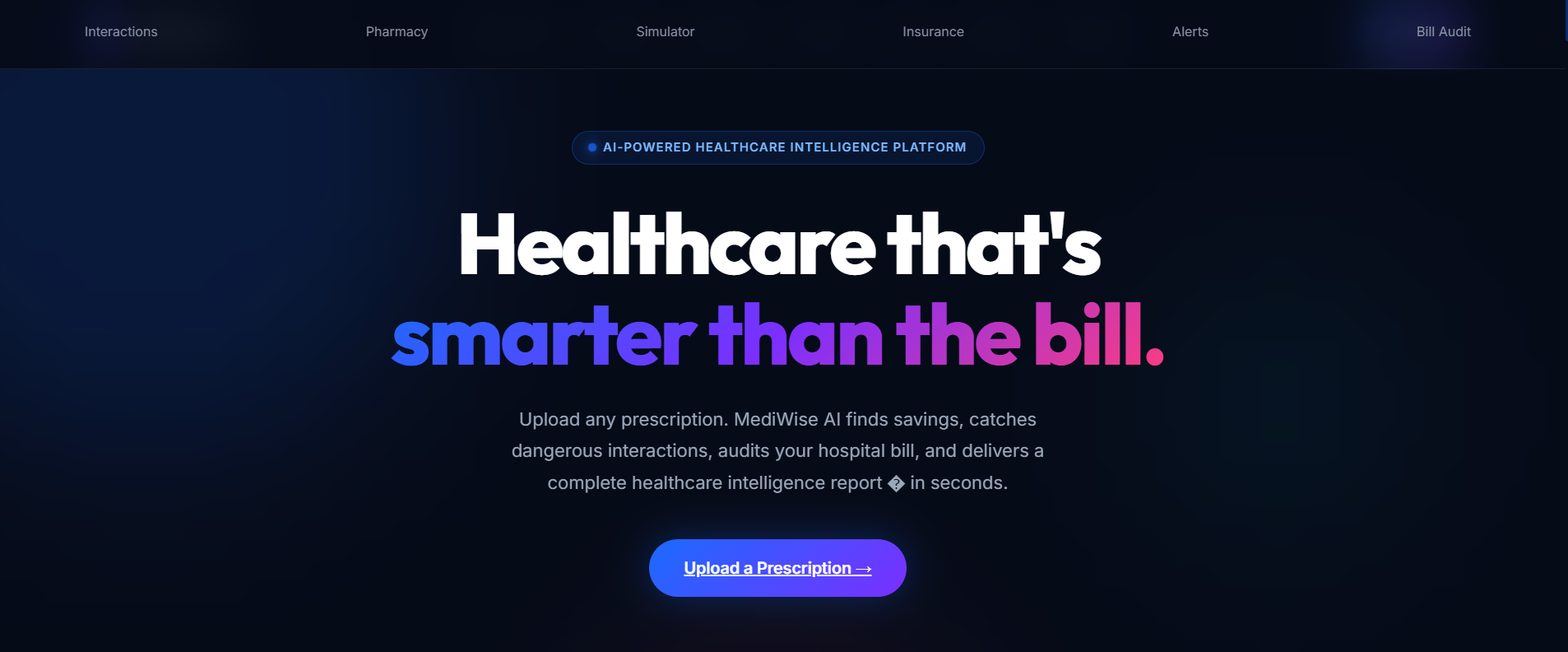
Landing page of MediWiseAI
-
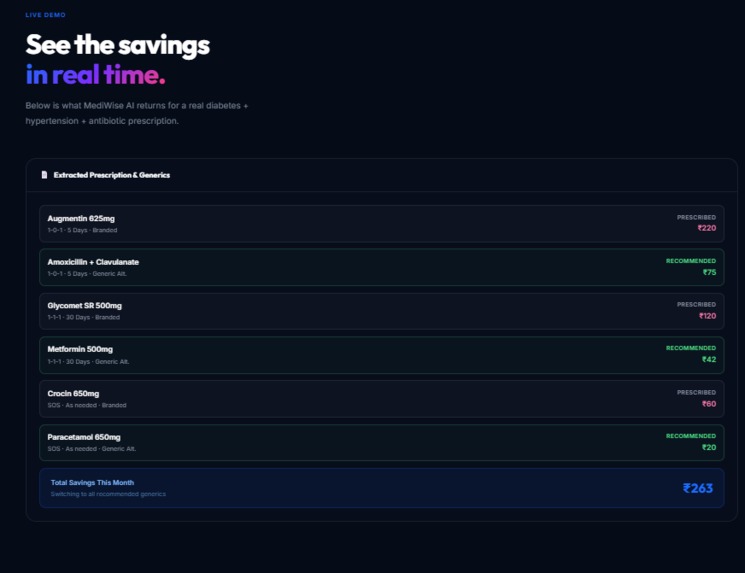
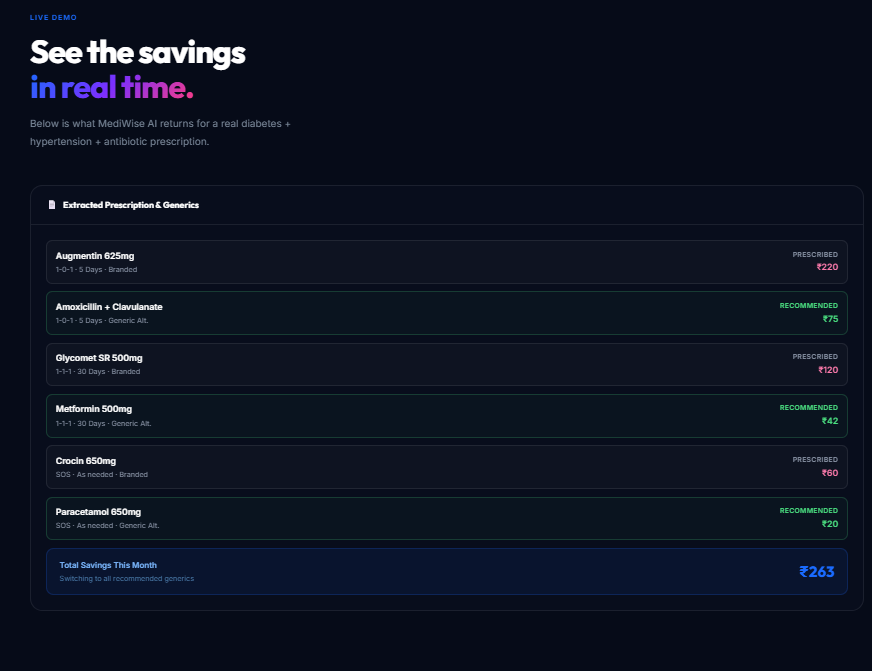
Best prices of the generic medicine for the prescribed medicine
-
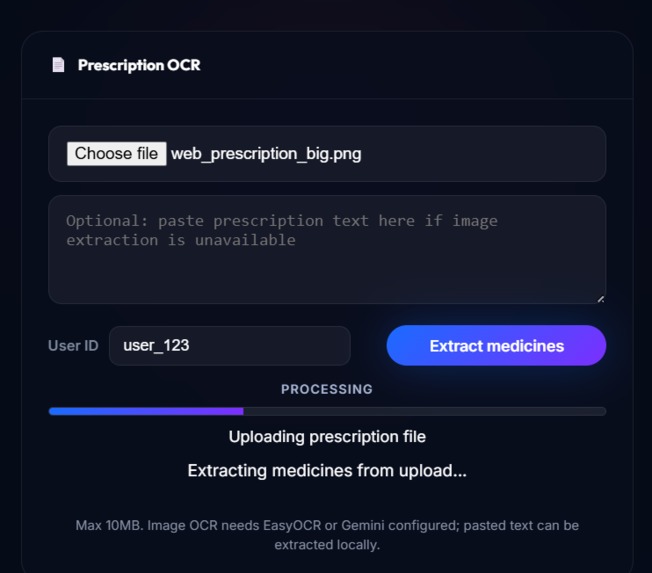
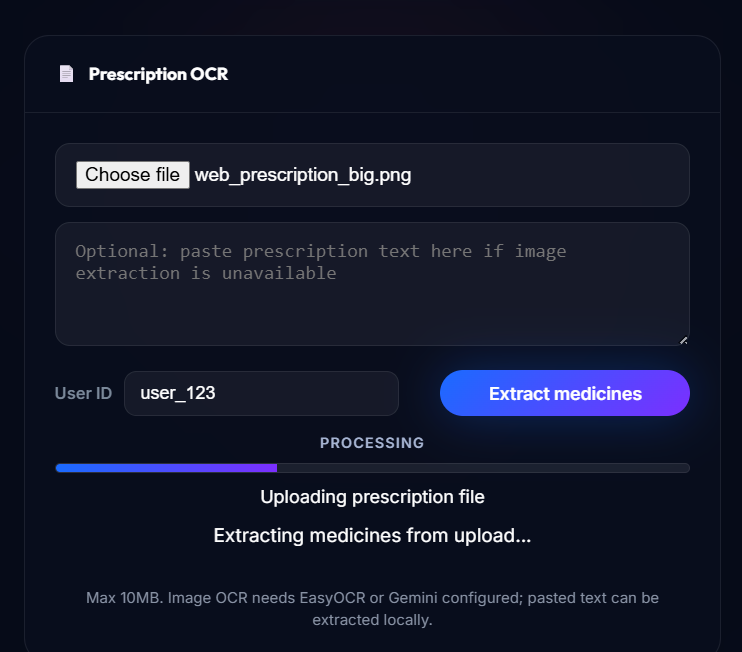
Prescription OCR: where you upload the image of your prescription and the medicines are extracted
-
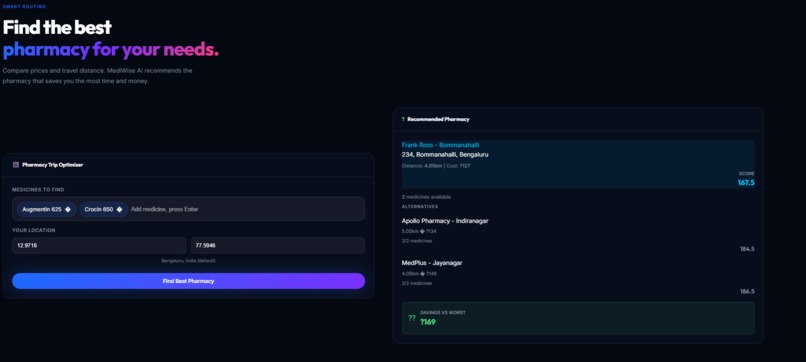
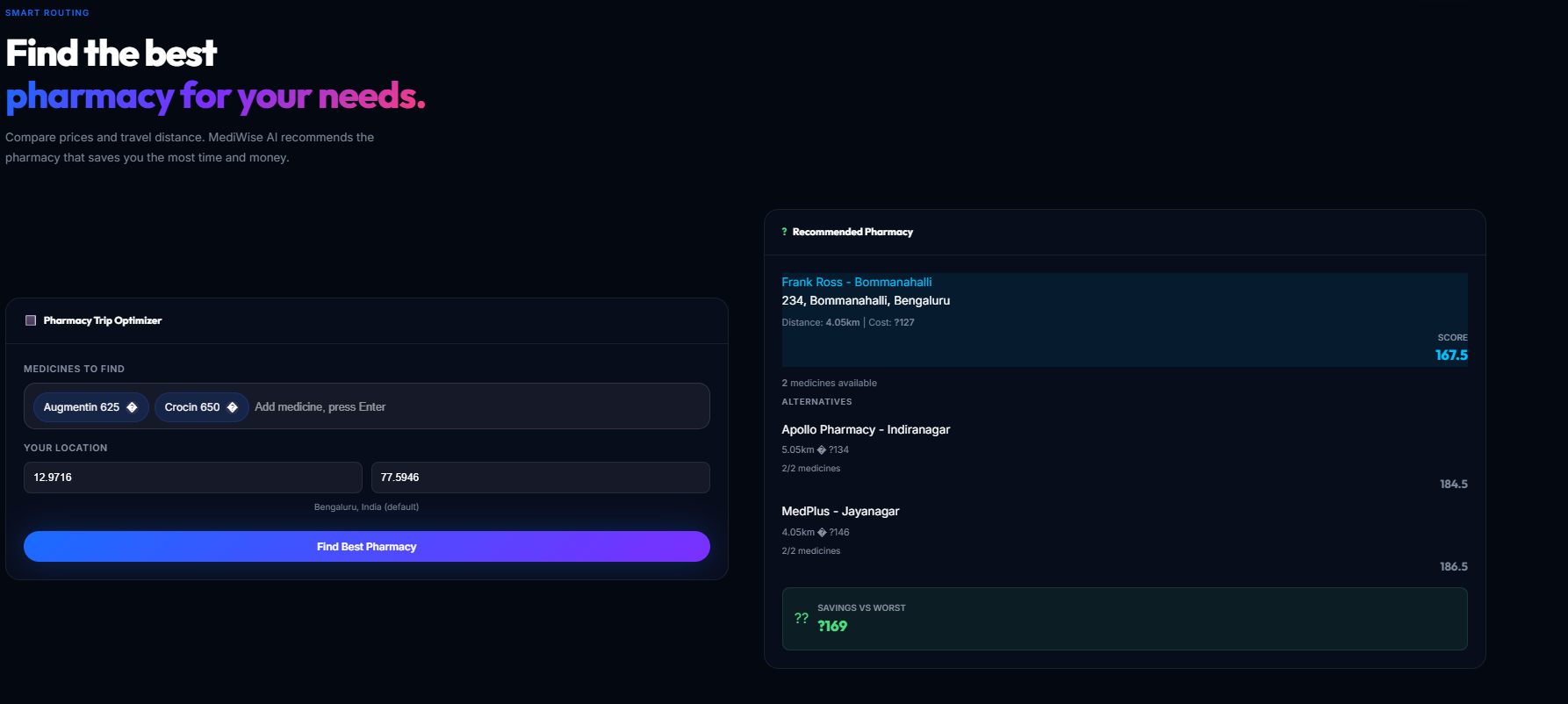
Nearest medical with best price for the prescribed medicine
-
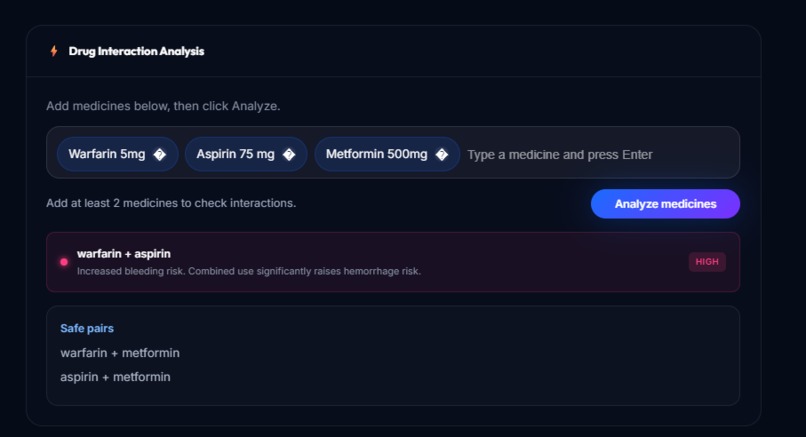
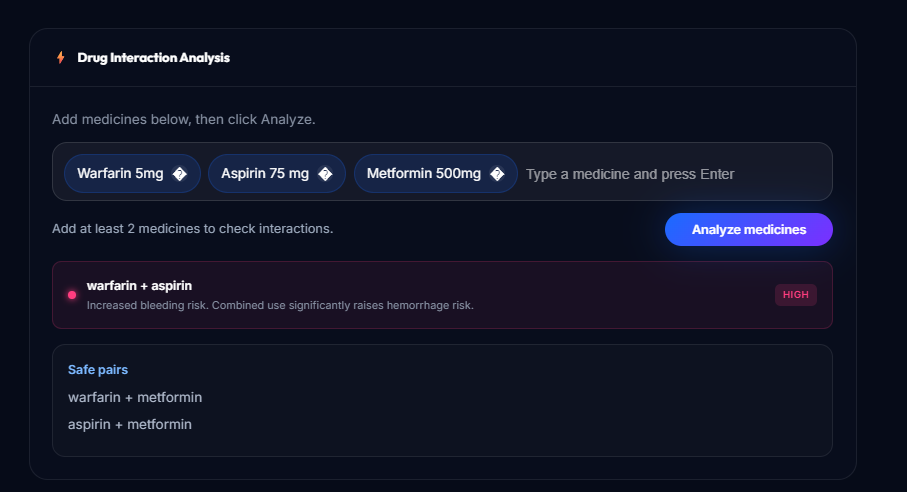
Drug Interaction analysis: Where in patient is able to verify whether two or more drugs are safer to consume at the same time
-
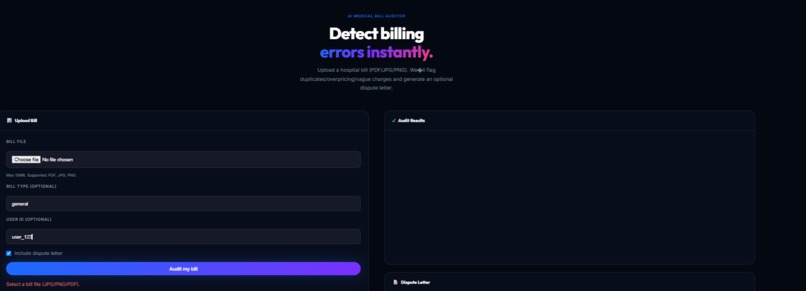
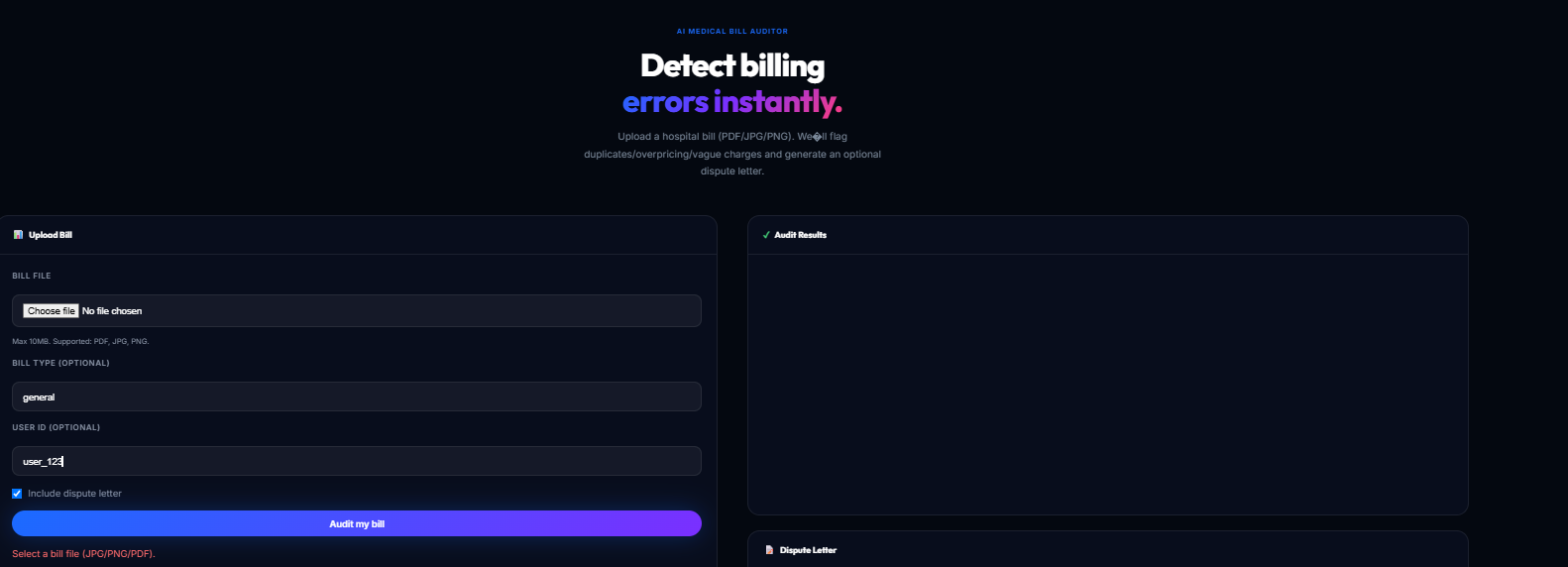
Bill Audit: Patient will be able to audit the medical bill and cross-verify the righteousness of all the expenditure occured in the hospital
-
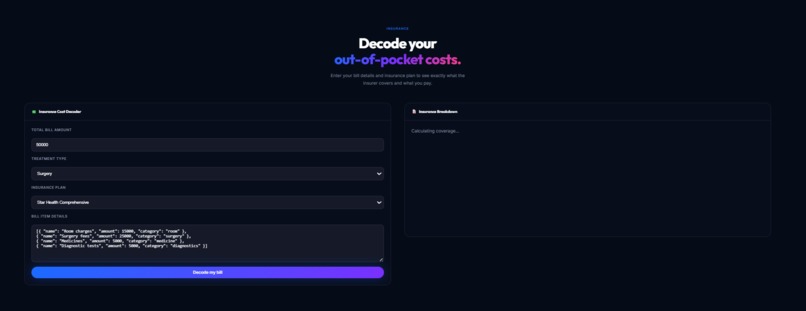
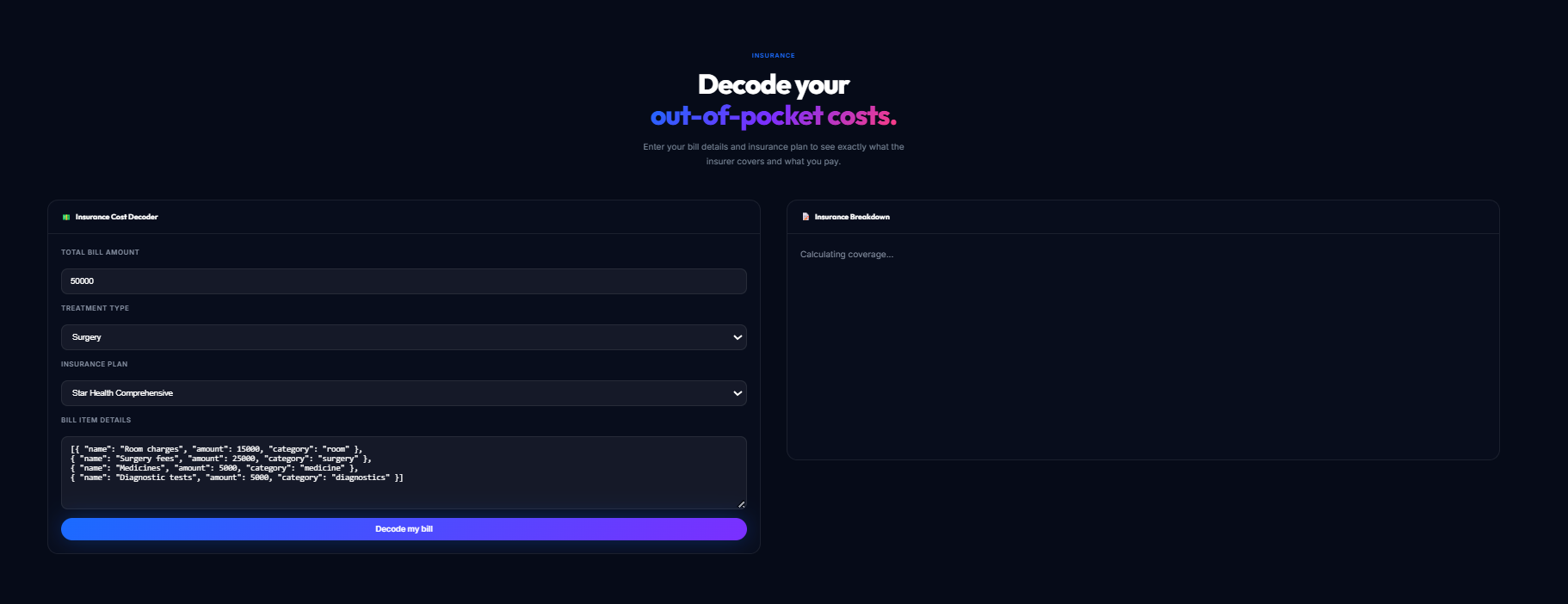
Insurance Cost Decoder: Patient can check what benefits does insurance provide
-
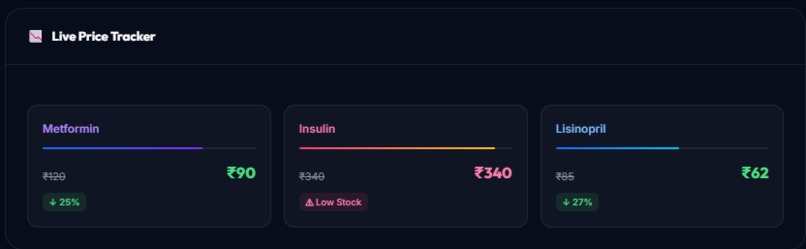
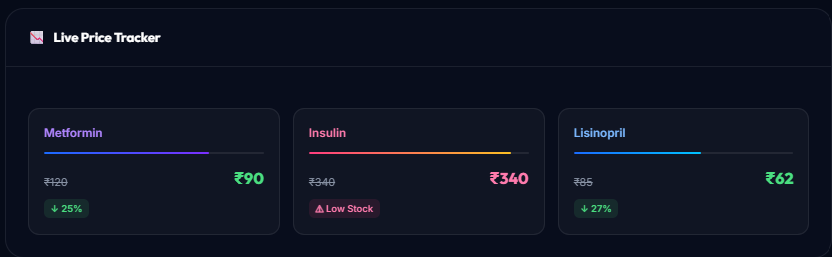
Live Price Tracker
-
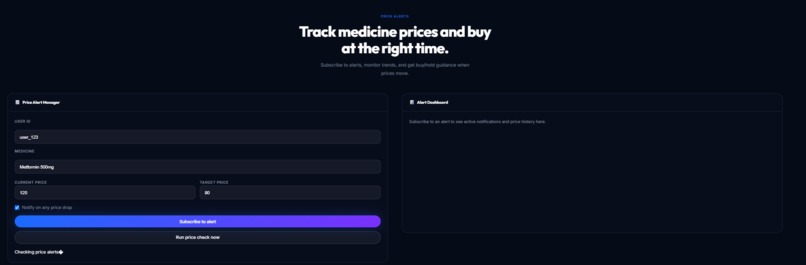
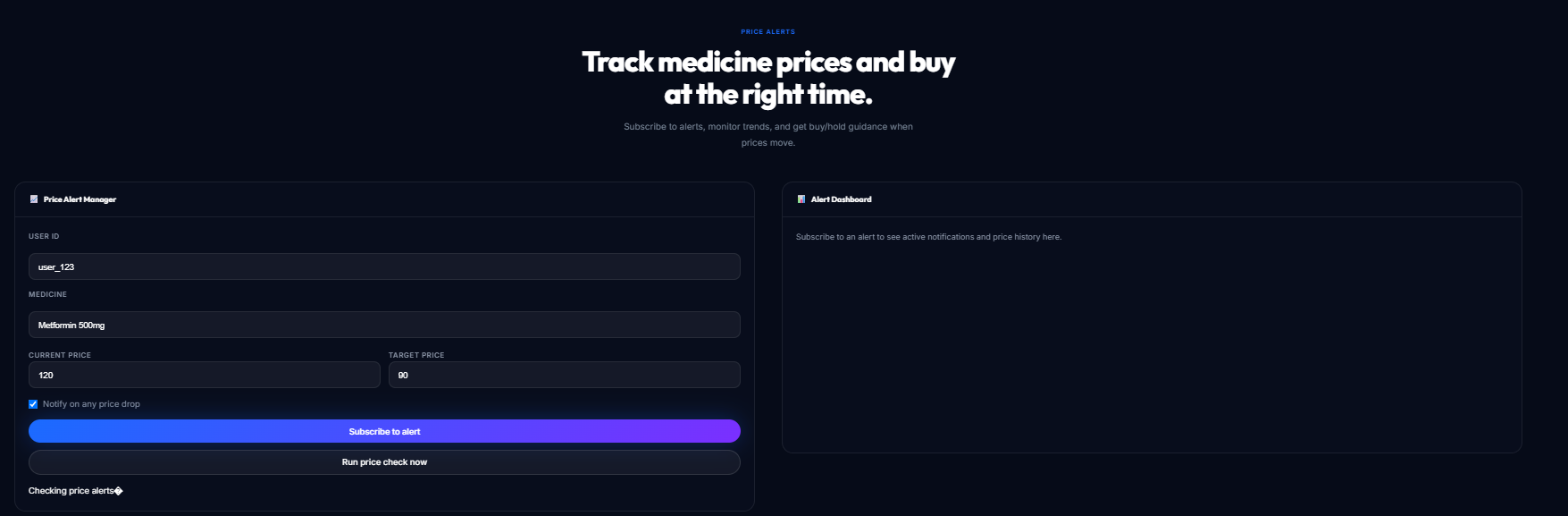
Price alert manager: which alerts if your medicine is available in the lowest
-
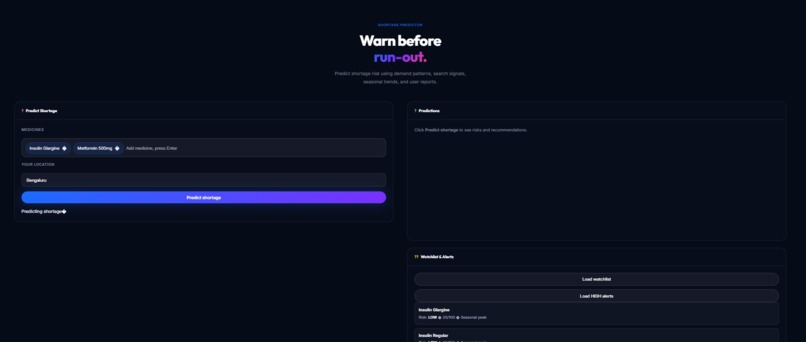
Manage your medicine and get reminded before it runs out
-
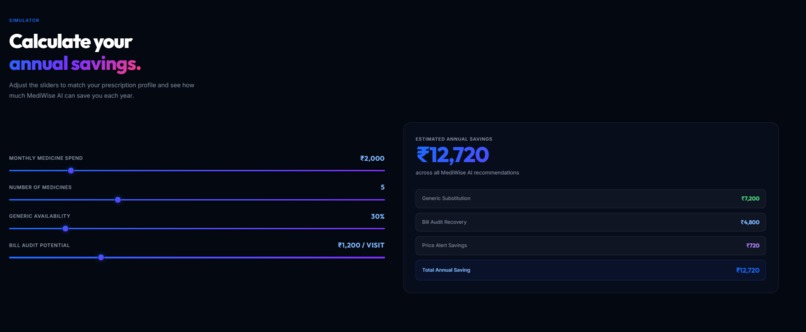
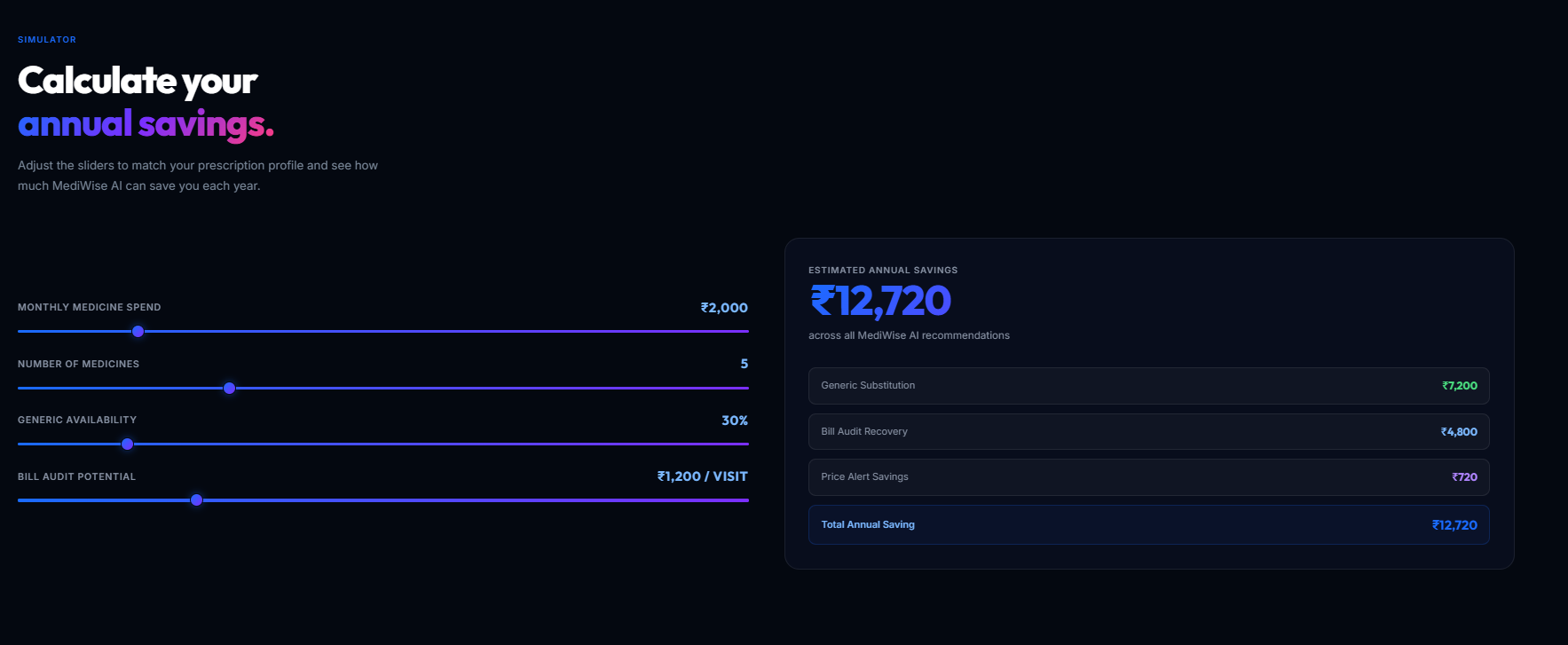
Overall savings tracker
Inspiration
Patients often receive prescriptions and hospital bills that are hard to interpret—while drug safety risks and cost variation are scattered across multiple sources. MediWise AI was built to consolidate these into one workflow: extract medicines, validate safety, and translate data into practical next steps.
What it does
- Prescription OCR: Upload a prescription image/PDF (or paste text) to extract a structured medicine list.
- Drug interaction analysis: Detect unsafe or high-risk combinations between medicines.
- Generic savings recommendations: Suggest equivalent generics and estimate potential savings.
- Live price tracking & alerts: Monitor medicine price movements and notify users on targets.
- Pharmacy routing optimizer: Recommend the pharmacy that maximizes availability while minimizing travel and total cost.
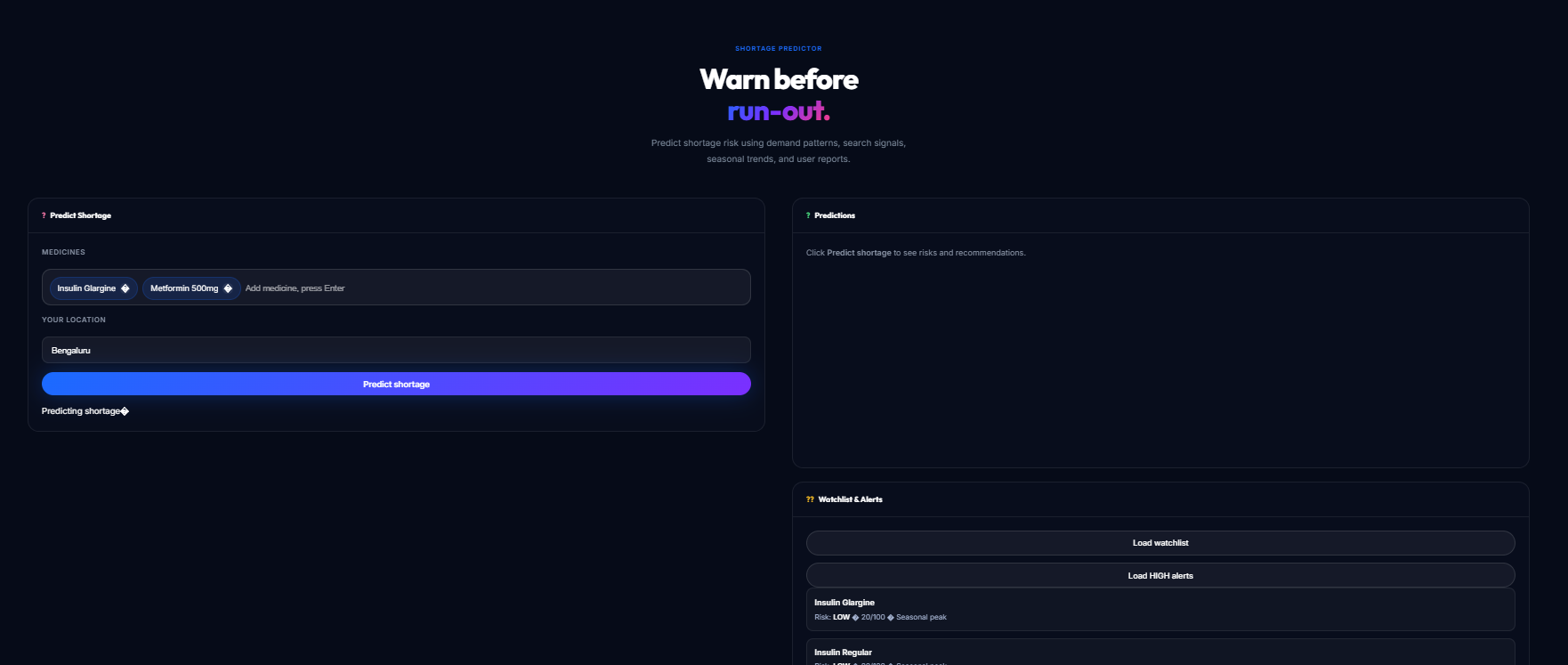
- Shortage prediction: Forecast shortage risk by medicine and location and provide alternatives/watchlists.
- Insurance cost decoding: Estimate what portion of a bill is covered and what the patient should pay.
- AI medical bill audit: Flag potential billing issues (e.g., overpricing/duplicate-like charges) and generate a dispute letter when needed.
How we built it
- A Python backend orchestrates data flows for OCR, interactions, pricing, insurance, pharmacy scoring, shortages, and bill auditing.
- The frontend is a single-page UI that calls backend endpoints to render results quickly and consistently.
- The system uses curated medical/reference datasets and combines them with rule-based scoring and model logic where applicable.
Challenges we ran into
- OCR accuracy: Handwritten or low-quality prescriptions require robust parsing and fallbacks to pasted text.
- Medicine name normalization: Brands vs generics and spelling variations complicate matching—handled via normalization/mapping layers.
- Safety output clarity: Interaction results must include clear severity levels and understandable explanations.
- Data integration: Price tracking, inventory, and insurance logic require careful normalization so outputs remain consistent.
Accomplishments that we're proud of
- End-to-end flow from raw prescription/bill → structured insights.
- Multi-module intelligence (safety + cost + availability) delivered in one interface.
- Action-oriented recommendations: generics, pharmacies, alerts, alternatives, and dispute guidance.
What we learned
- Healthcare intelligence only becomes useful when results are traceable, readable, and grounded in reference data.
- Normalization and validation often determine quality more than the “AI” label itself.
- Users need severity + next action, not just scores or flags.
What’s next for MediWise AI
- Improve OCR robustness for handwriting/layout variation.
- Expand drug coverage, pricing sources, and pharmacy availability signals.
- Add personalization to make alerts and savings recommendations smarter over time.
- Strengthen bill-audit evidence links to improve trust and dispute outcomes.
Built With
- css
- fastapi
- html
- javascript
- python

Log in or sign up for Devpost to join the conversation.