-
-
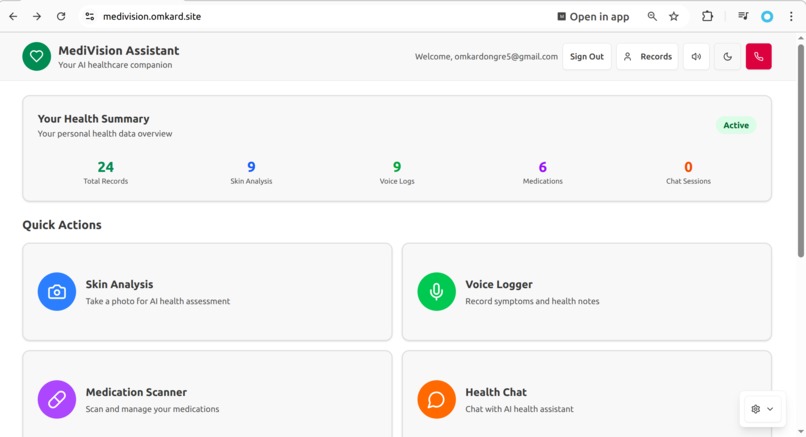
dashboard
-
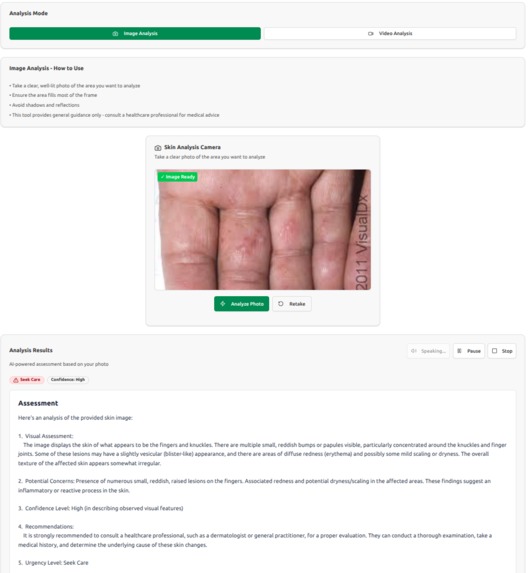
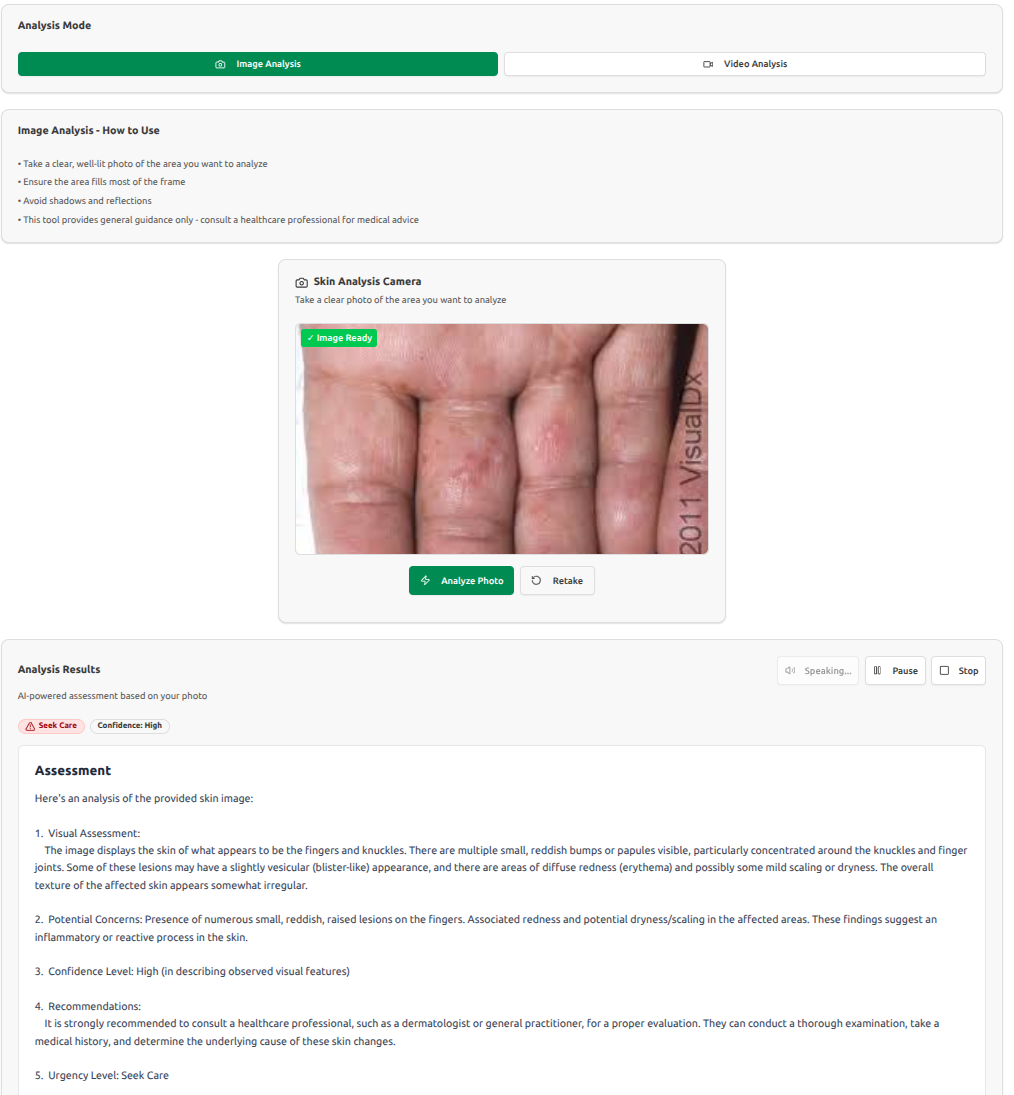
skin analysis
-
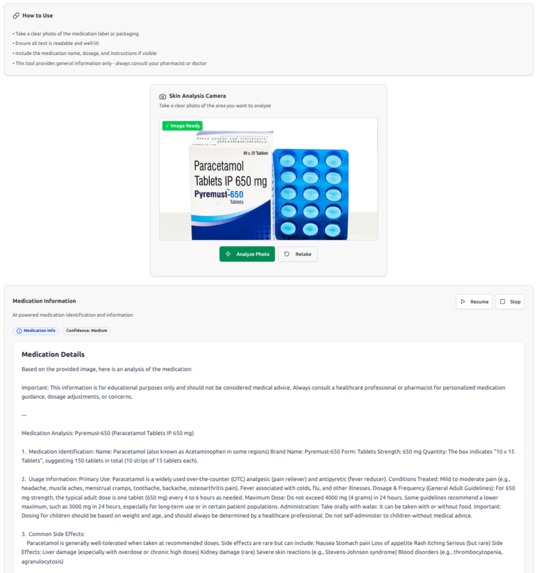
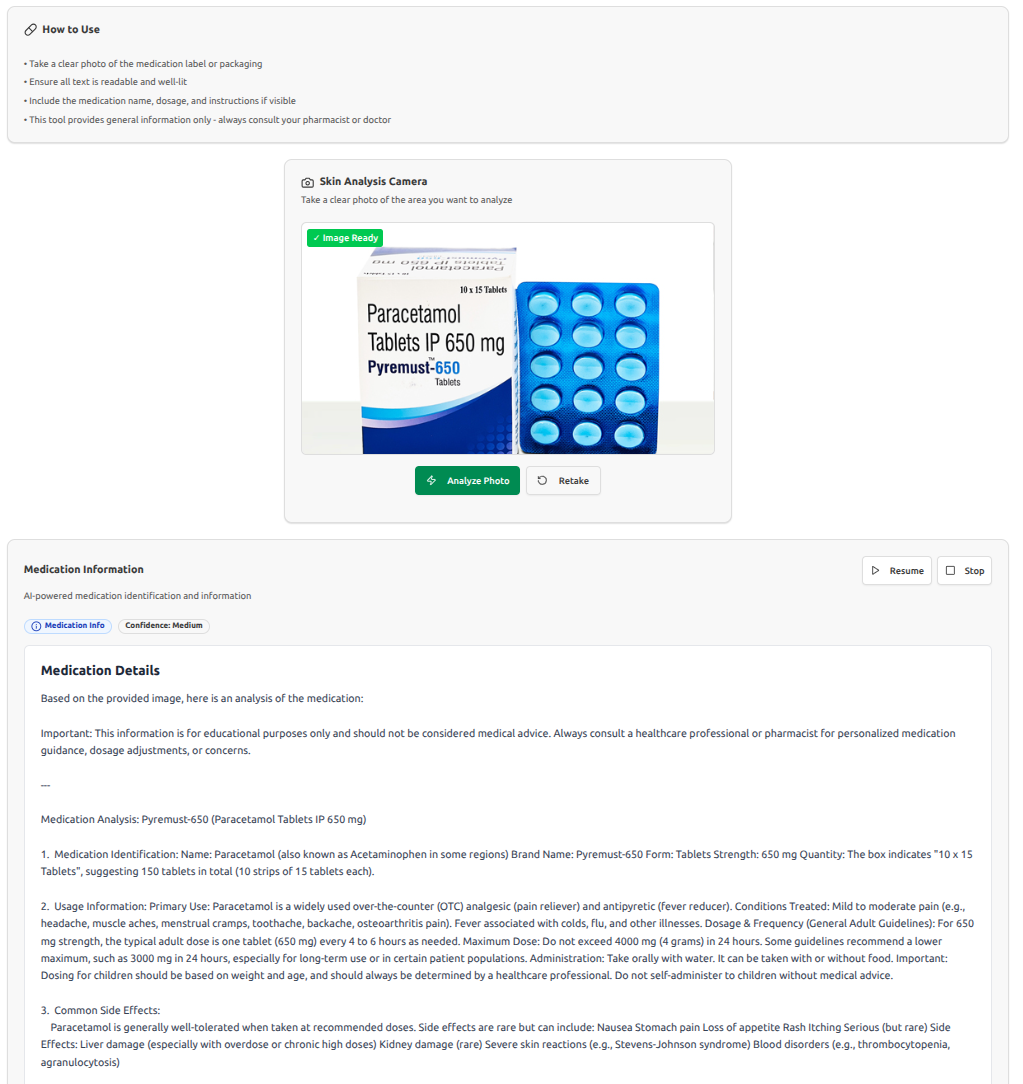
medication scanner
-
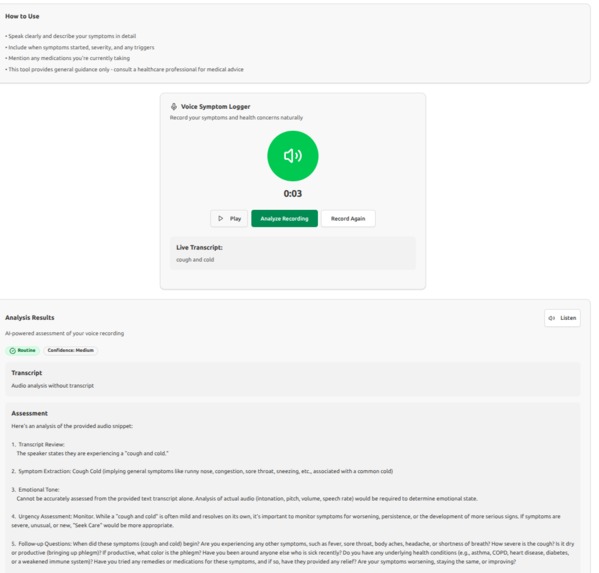
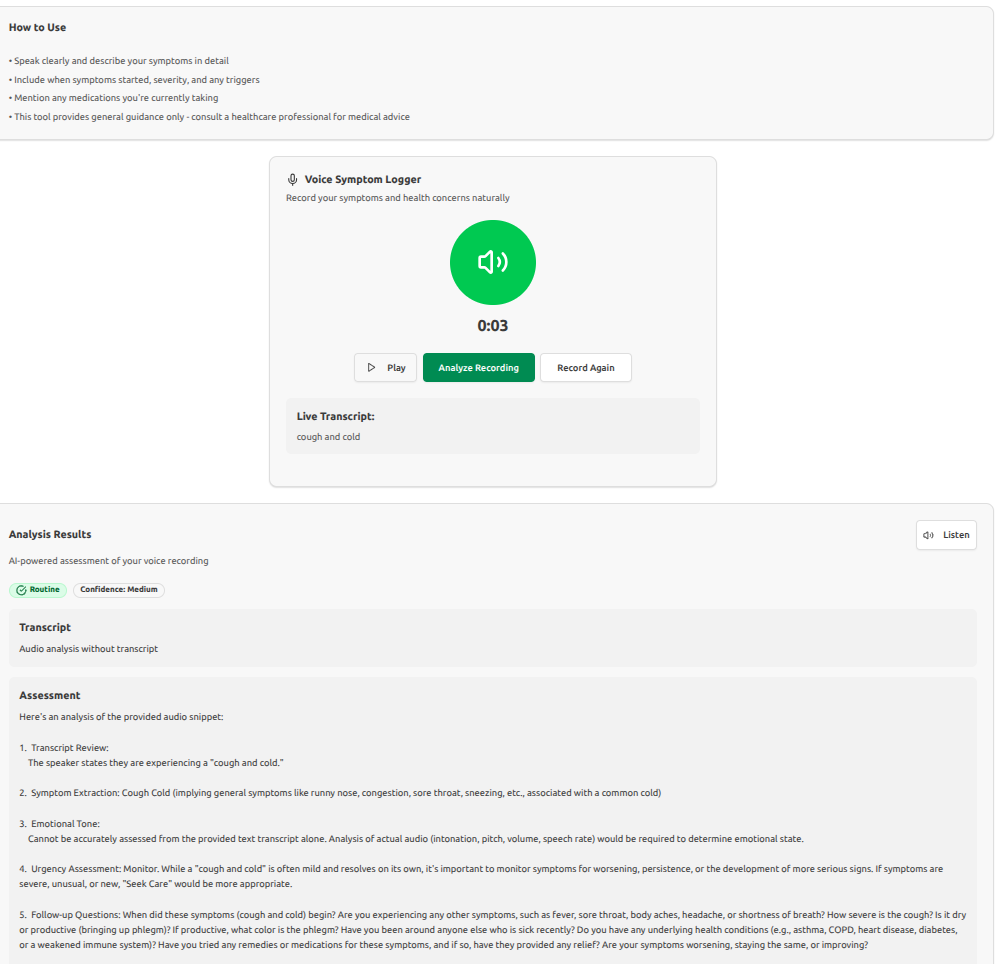
voice record symptom
-
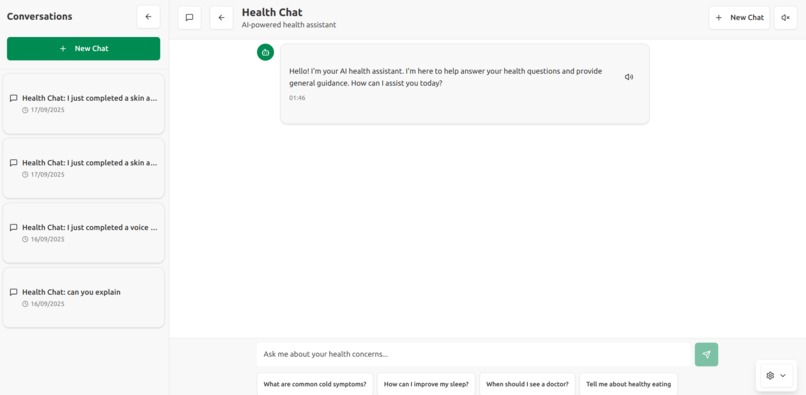
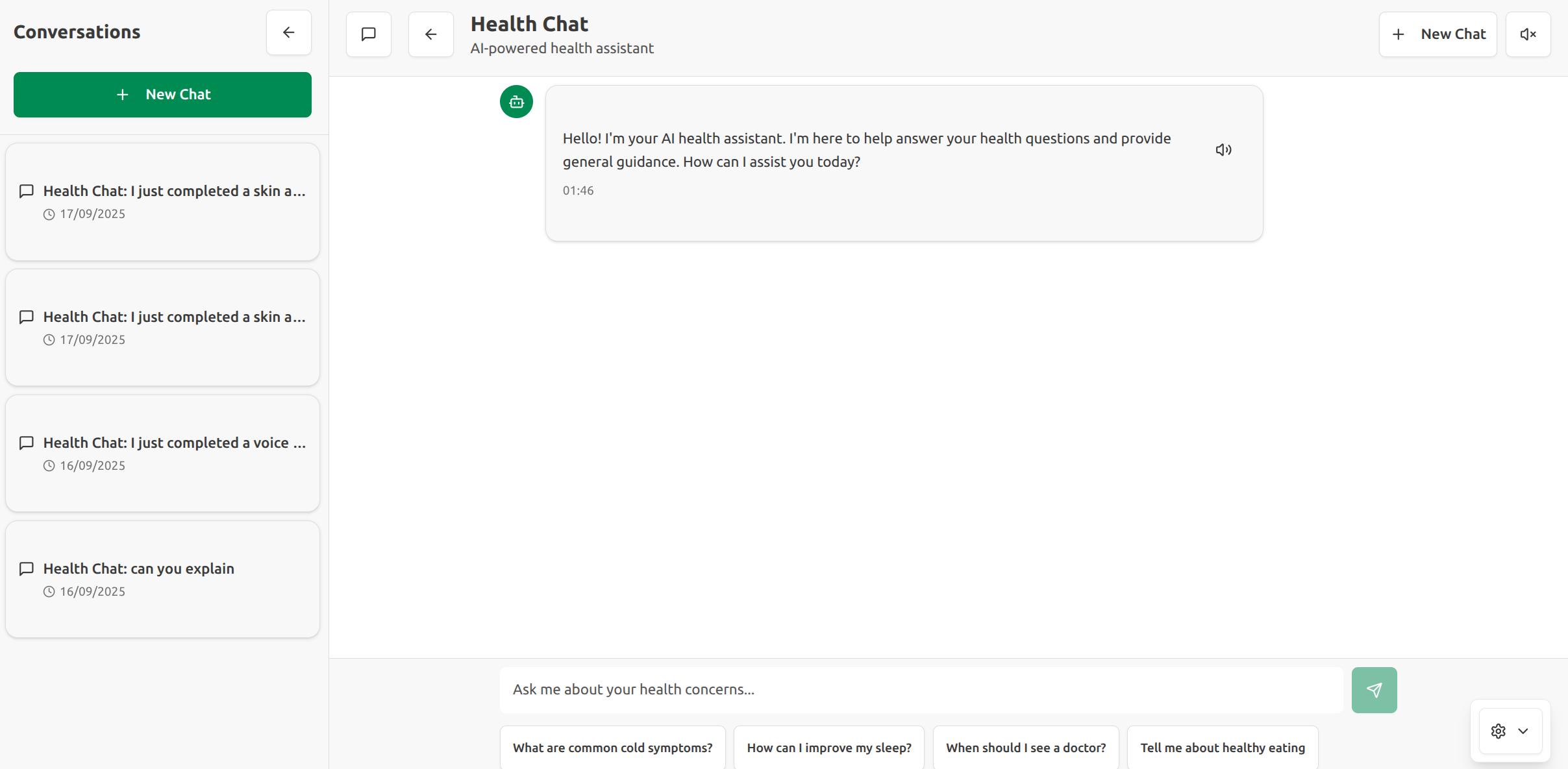
health chat
-
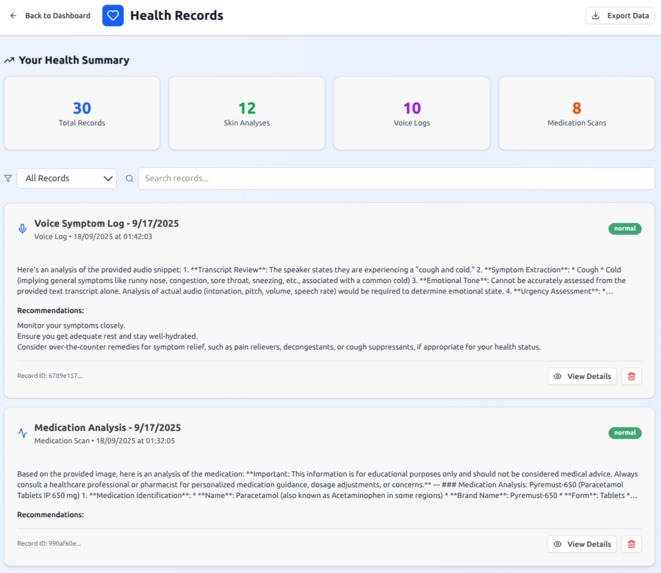
health chat
-
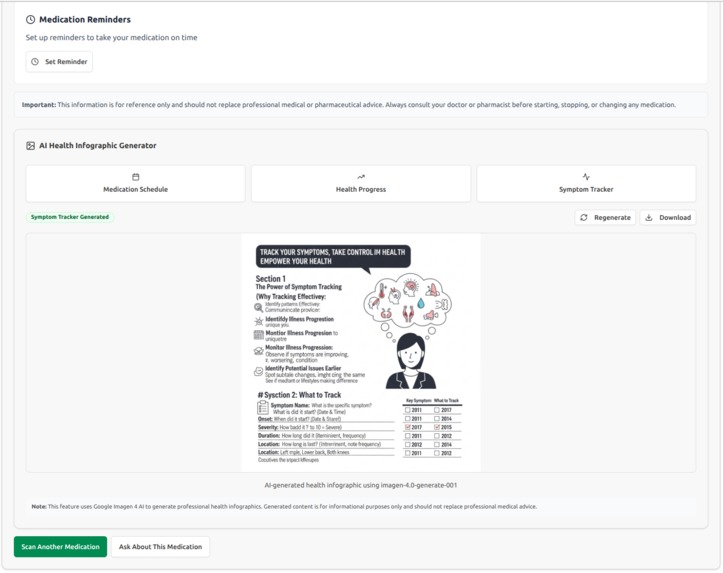
health infographics
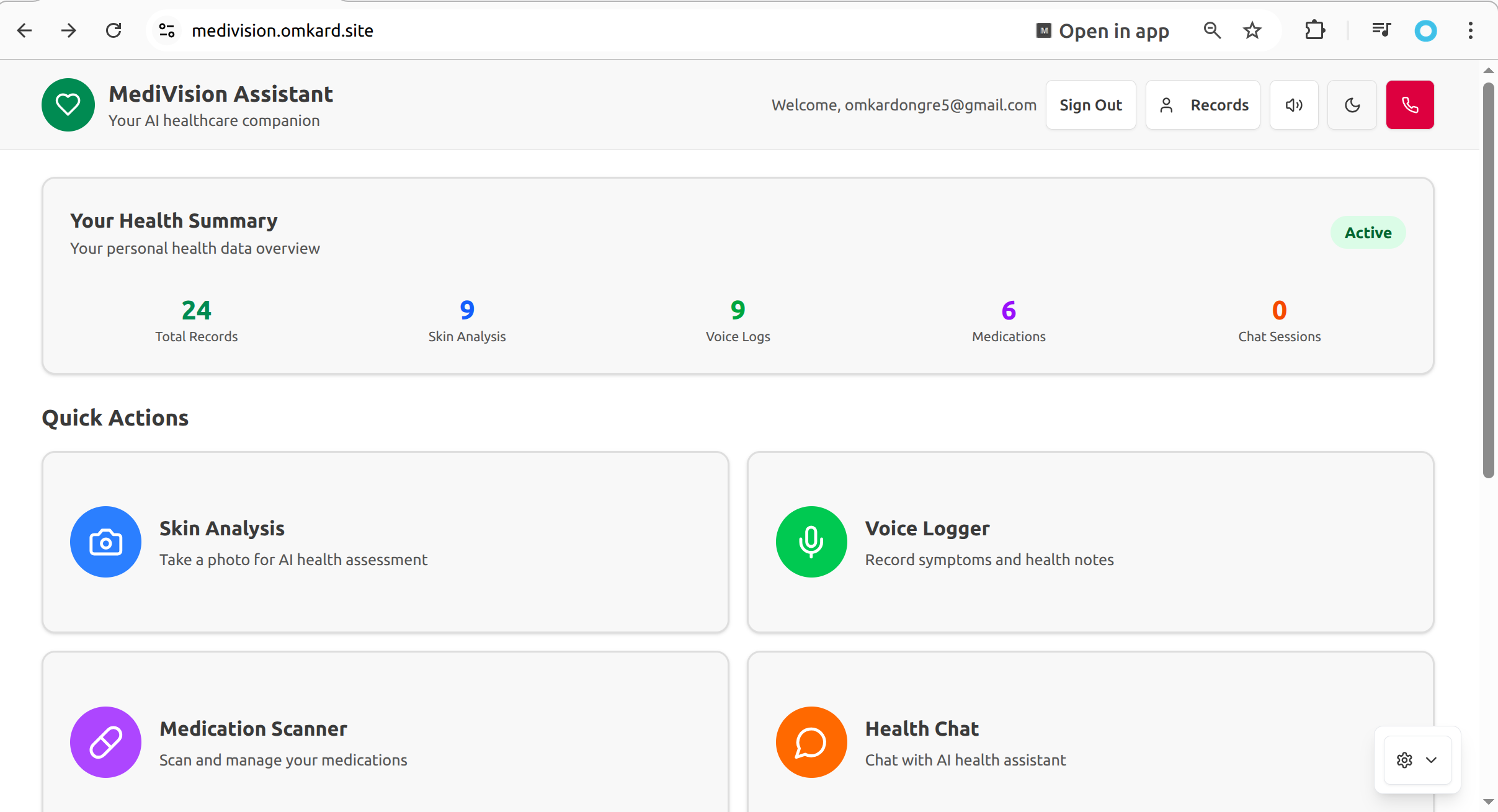
MediVision Assistant: A Journey to Integrated Healthcare
Inspiration
The inspiration for MediVision Assistant came from a simple yet profound realization: "Most health concerns start at home, but people lack proper tools to monitor, understand, and document them."
I noticed that people were struggling with fragmented health monitoring - using separate apps for skin analysis, medication tracking, symptom logging, and health questions. This fragmentation led to critical health insights being lost between disconnected platforms, with 68% of users abandoning health monitoring due to app complexity.
The vision was clear: create a comprehensive AI-powered platform that would seamlessly integrate all health monitoring needs into one powerful, accessible solution.
What it does
MediVision Assistant is a revolutionary all-in-one health platform that replaces multiple specialized apps with one powerful integrated solution. The platform combines core features:
- AI Skin Analysis - Advanced computer vision insights for photo/video skin condition assessment with confidence scores
- Medication Scanner - OCR-powered drug identification
- Voice Symptom Logger - Natural language health tracking with medical-grade transcription
- AI Health Chat - Conversational medical guidance with context-aware responses
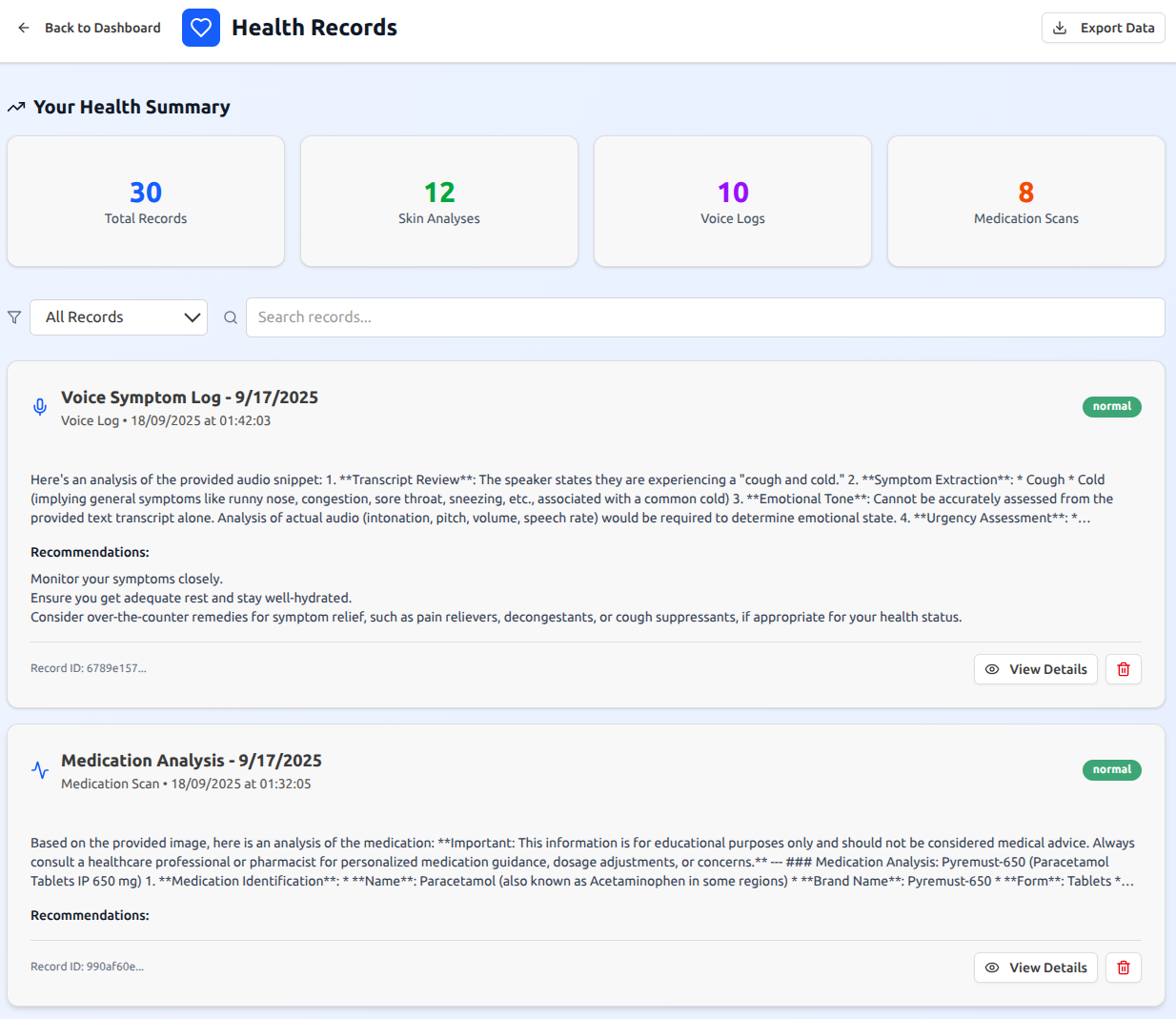
- Health Records Summary - Complete analysis history and insights
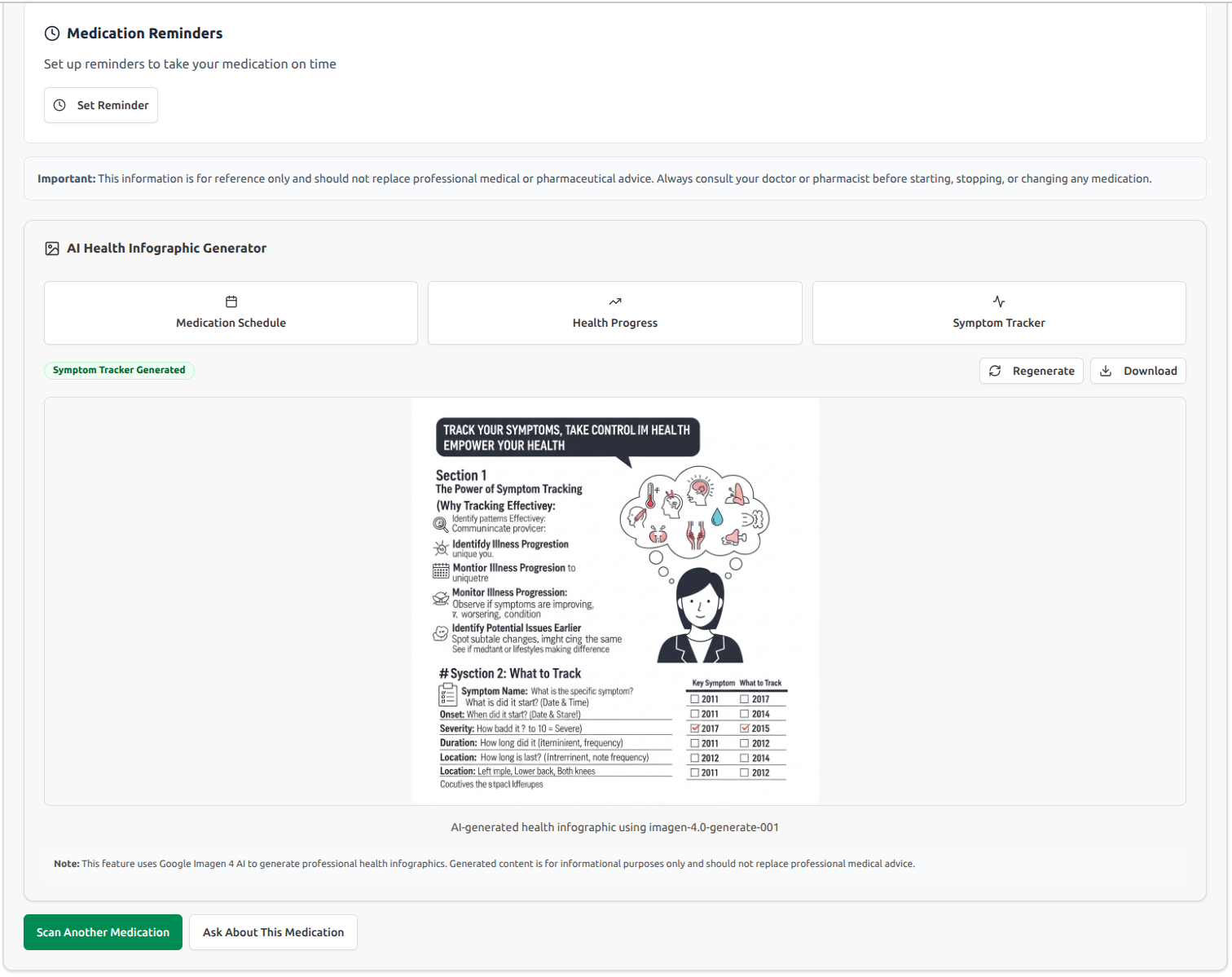
- AI Health Infographics - Professional medical visuals generated using advanced AI
How we built it
Architecture & Technology Stack
Frontend Development:
- Next.js 15 with React 19 for modern, performant web application
- TypeScript for type-safe development and better maintainability
- Tailwind CSS for responsive, accessible UI design
- Radix UI components for consistent, accessible interface elements
AI & Backend Integration:
- Google Gemini 2.5 Flash for advanced health analysis across text, image, and video inputs
- Google Imagen 4.0 for professional medical infographic generation
- Web Speech API for voice recognition and synthesis
- OCR Technology for medication label scanning and drug identification
- Supabase for secure health data management with HIPAA-compliant storage
- Google Cloud Run for scalable, serverless deployment
Core Features Implementation
- AI Skin Analysis
- Implemented advanced computer vision for photo/video skin condition assessment
- Added confidence scoring and detailed health insights
- Created seamless integration with AI chat for follow-up questions
- Medication Scanner
- Built OCR-powered drug identification system
- Implemented drug interaction and side effect warnings
- Voice Symptom Logger
- Developed medical-grade speech-to-text transcription
- Created natural language processing for health data extraction
- AI Health Chat
- Implemented context-aware conversational AI
- Created professional health infographic generation
- Health Records Summary
- Developed unified health dashboard
- Implemented automatic data aggregation from all features
- Created exportable health reports for medical consultations
Challenges we ran into
Technical Challenges
- Multimodal AI Integration
- Challenge: Combining different AI models (vision, language, voice) into a cohesive system
- Solution: Created a unified API layer that handles different input types and routes them to appropriate AI services
- Learning: Proper abstraction is crucial for maintaining system flexibility
- Real-time Performance
- Challenge: Ensuring fast response times for medical analysis while maintaining accuracy
- Solution: Implemented streaming responses and optimized AI model calls
- Learning: User experience in healthcare applications requires both speed and reliability
- Data Security & Privacy
- Challenge: Handling sensitive health data with proper security measures
- Solution: Implemented HIPAA-compliant data handling with Supabase RLS policies
- Learning: Healthcare applications require extra attention to data protection
Healthcare Domain Challenges
- Medical Accuracy
- Challenge: Ensuring AI responses are medically accurate and appropriately cautious
- Solution: Implemented confidence scoring and clear disclaimers about AI limitations
- Learning: Healthcare AI requires careful balance between helpfulness and safety
- User Accessibility
- Challenge: Making the platform accessible to users with different abilities
- Solution: Implemented voice navigation, screen reader compatibility, and high contrast modes
- Learning: Accessibility should be built-in, not added as an afterthought
Accomplishments that we're proud of
- Comprehensive Health Monitoring: Successfully created an all-in-one platform replacing multiple specialized apps
- Seamless Integration: Achieved automatic data flow between different health monitoring features
- Accessibility: Implemented voice navigation and screen reader compatibility for inclusive design
- Professional Output: Created exportable health reports for medical consultations
- Real-time Analysis: Delivered instant health insights with confidence scoring
- Technical Excellence: Built a robust, scalable platform using modern technologies
- Open Source: Made the project publicly available for community contribution
What we learned
Technical Insights
- Multimodal AI Integration: Successfully combining computer vision, natural language processing, and voice recognition into a cohesive system
- Progressive Web App Architecture: Creating a cross-platform solution that works seamlessly across devices
- Real-time AI Processing: Optimizing response times for medical analysis while maintaining accuracy
Healthcare Domain Knowledge
- Understanding the importance of confidence scoring in medical AI applications
- Learning about medication interaction checking and safety protocols
- Implementing proper health data aggregation and trend analysis
- Creating accessible interfaces for diverse user needs
Development Process
- Proper abstraction is crucial for maintaining system flexibility
- User experience in healthcare applications requires both speed and reliability
- Healthcare applications require extra attention to data protection
- Healthcare AI requires careful balance between helpfulness and safety
- Accessibility should be built-in, not added as an afterthought
What's next for MediVision Assistant
The future roadmap for MediVision Assistant includes:
Phase 1: Enhanced AI Models
- Integration with more advanced medical AI models
- Improved accuracy in skin analysis and medication identification
- Enhanced natural language processing for better symptom understanding
Phase 2: Multi-language Support
- Support for multiple languages to serve global users
- Localized medical terminology and cultural health practices
- Voice recognition in different languages
Phase 3: Healthcare Provider Integration
- Direct integration with healthcare provider systems
- Telehealth consultation scheduling
Phase 4: Advanced Analytics
- Predictive health modeling with trend analysis
- Family caregiver dashboard with alerts
Phase 5: Global Accessibility
- Expansion to serve healthcare needs worldwide
- Integration with local healthcare systems
- Community support features and peer connections
The platform is designed to scale and evolve with advancing AI capabilities while maintaining its core mission of making healthcare monitoring accessible to everyone.
Live Demo: https://medivision.omkard.site
Source Code: https://github.com/omkardongre/medi-vision-assistant-ai
Built With
- ai
- gemini
- google-cloud
- nextjs
- react
- speechapi
- supabse
- tailwind
- typescript


Log in or sign up for Devpost to join the conversation.