Inspiration
The medical industry still relies heavily on legacy systems that often slow down processes for both patients and doctors. We saw an opportunity to modernize patient intake by reducing repetitive tasks and freeing up doctors’ time. Our idea began with figuring out how we could save time for doctors. We realized one of the ways we can do this is by automating the collection of preliminary patient information such as personal details, symptoms, and the reason for their visit.
What it does
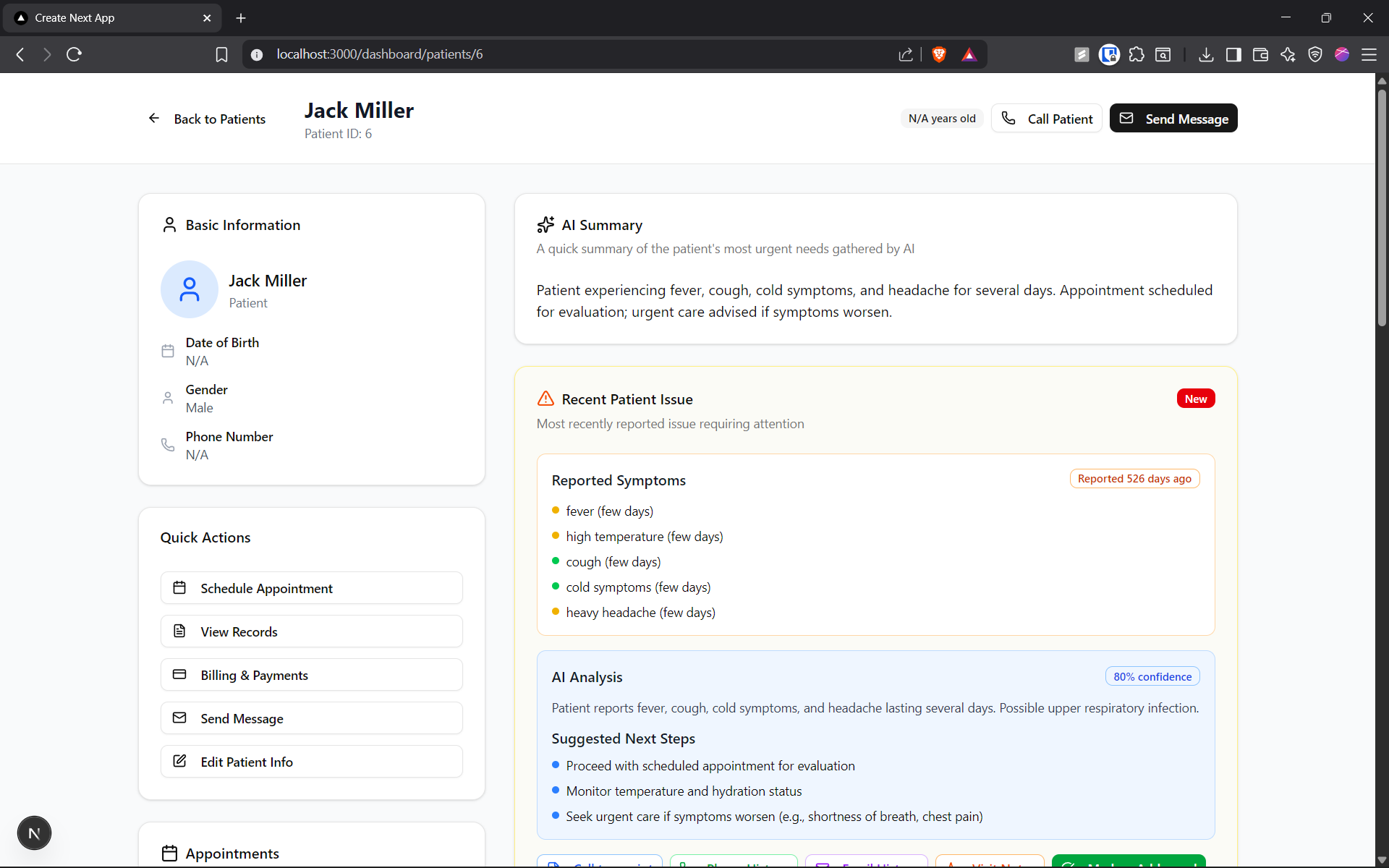
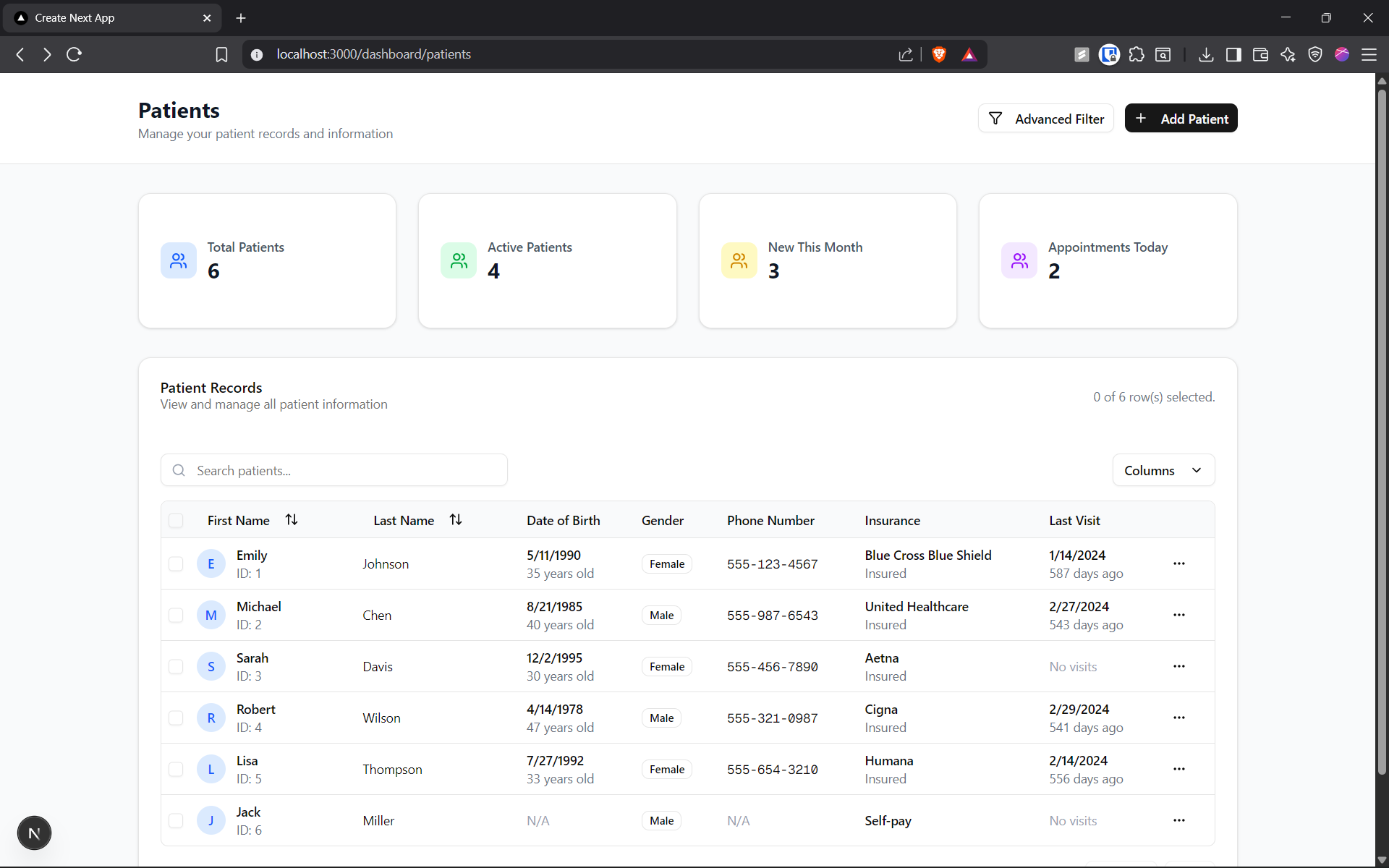
Medivice allows patients to call an AI assistant that will gather important patient intake information and record the data. Then the application provides a dashboard for doctors to utilize and view updates from patients about their most urgent issues, symptoms, and conditions, and how they could be addressed.
How we built it
We used OpenAI, Vapi, Phenoml, Deepgram, and FastAPI for the backend, and NextJS for the frontend patient information dashboard.
Challenges we ran into
- Integrating with Vapi and other APIs
- Debugging null errors and handling edge cases with AI
- Balancing speed of development with system reliability
Accomplishments that we're proud of
- Building a working prototype in just a few hours
- Creating a functional pipeline from patient call → AI intake → doctor dashboard
- Demonstrating how AI can meaningfully save doctors time
What we learned
AI has enormous potential in healthcare and is very cool, but humans are still necessary. There's a lot that AI can do and it's pretty cool. Building Medivice made us realize that the future lies in continued collaboration between AI and humans.
What's next for Medivice
- Enhancing patient intake with more structured and customizable forms
- Expanding voice-based intake for smoother patient experiences
- Adding data export options for integration with other EHR systems
Built With
- deepgram
- fastapi
- nextjs
- openai
- phenoml
- python
- typescript
- vapi


Log in or sign up for Devpost to join the conversation.