-
-
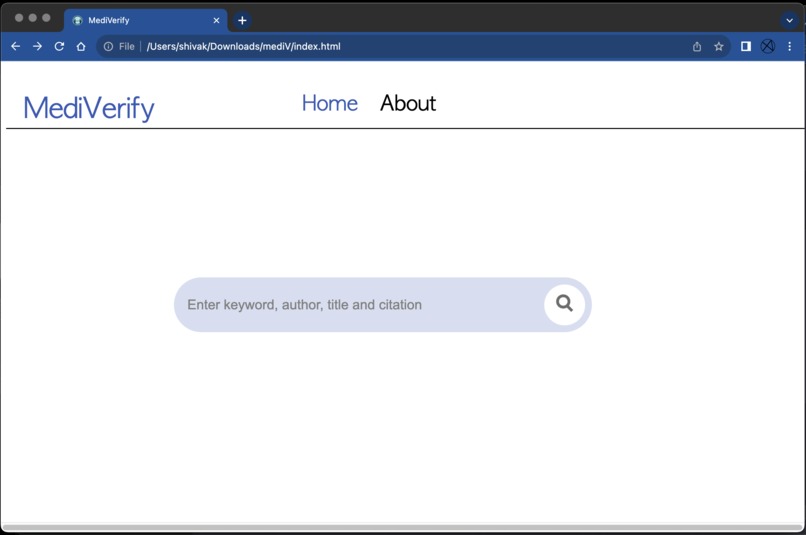
startpage
-
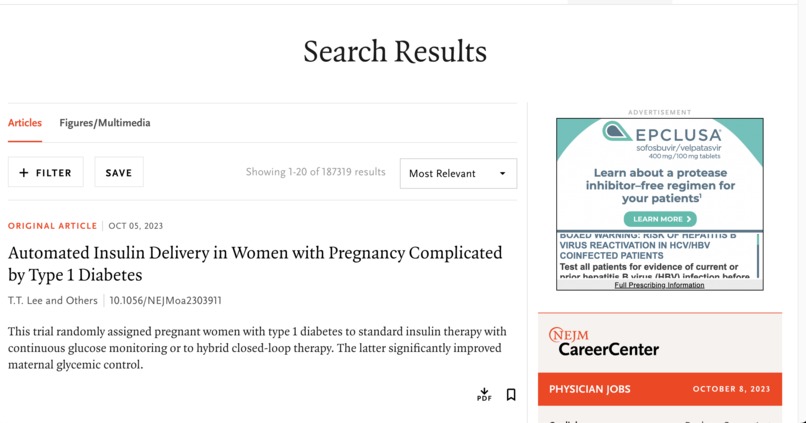
search results
-
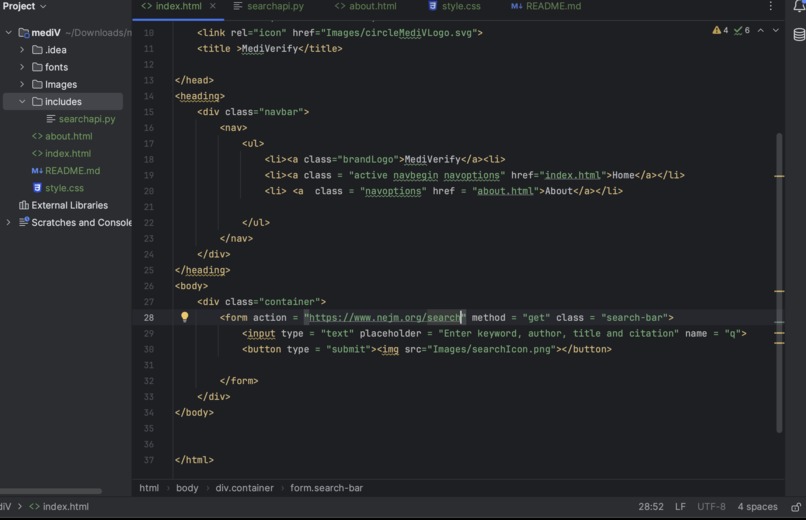
code
-

slide 1
-
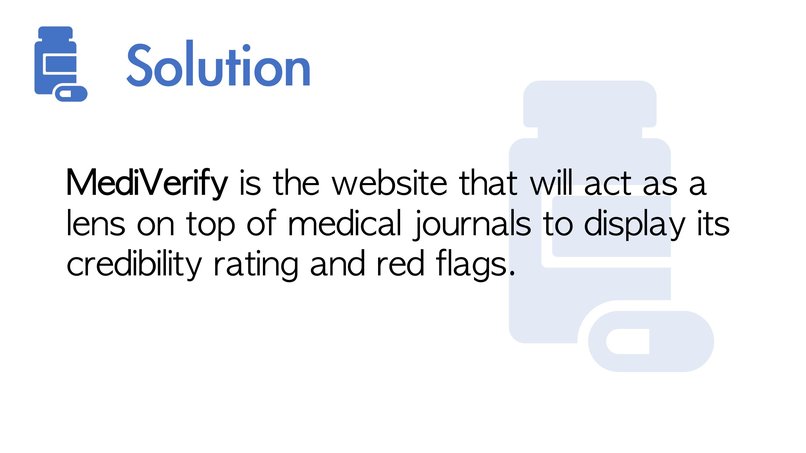
s4
-
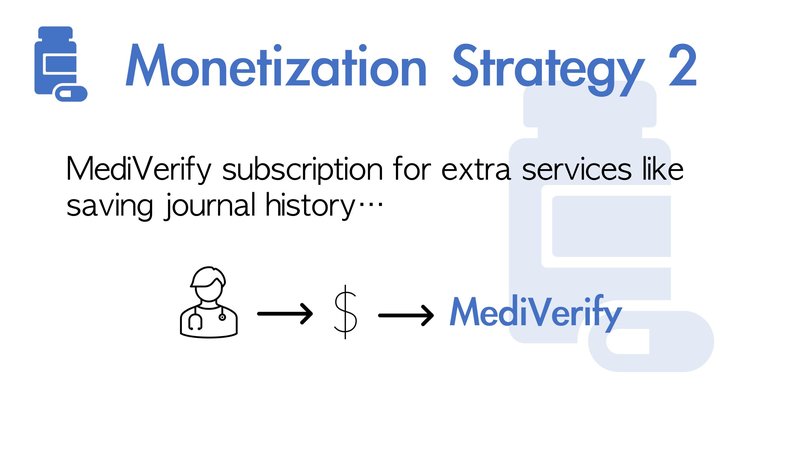
s10
-
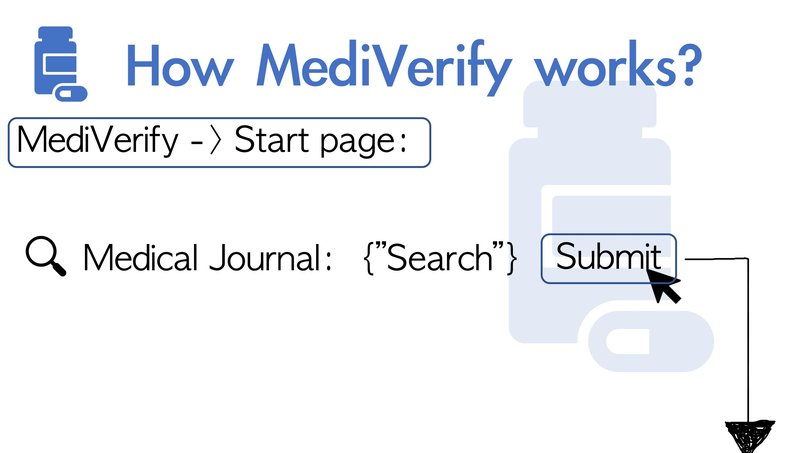
s5
-
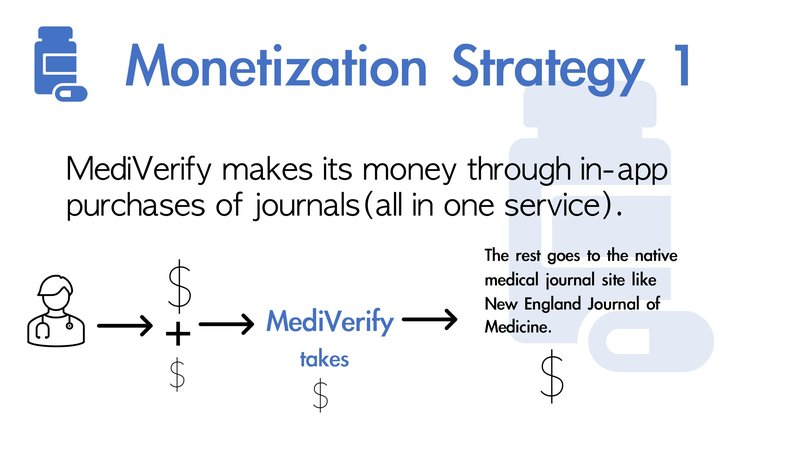
s9
-
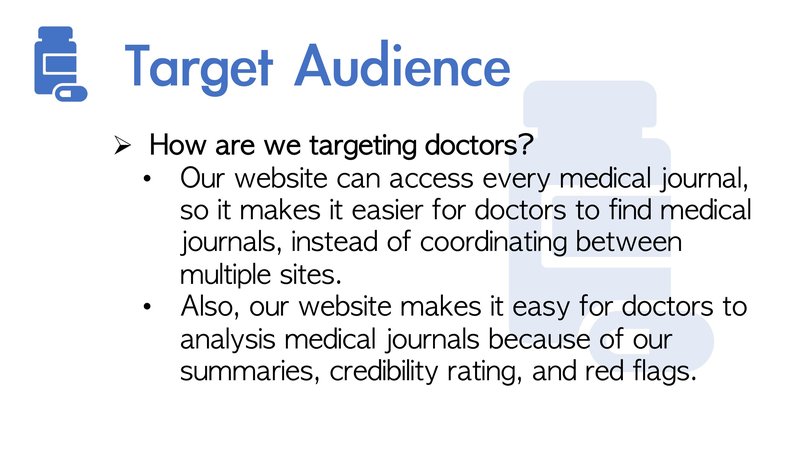
s8
-
s11
-
s6
-
s7
-

s12
-
s13
-
s14
-
slide 2
-
slide 3
-
s15





Inspiration
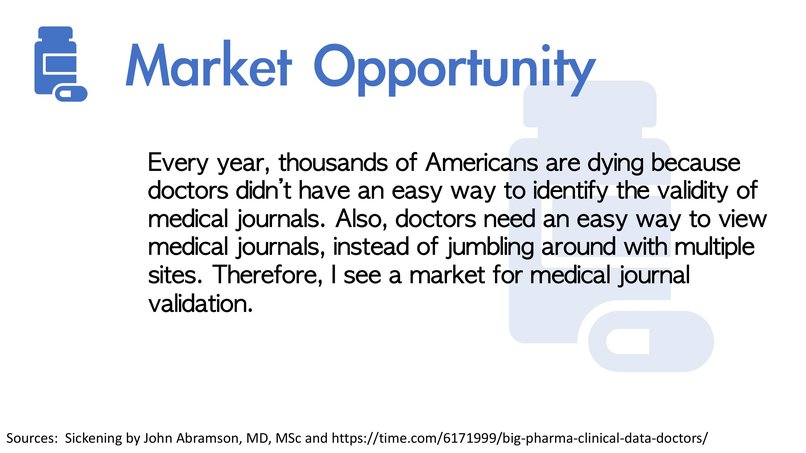
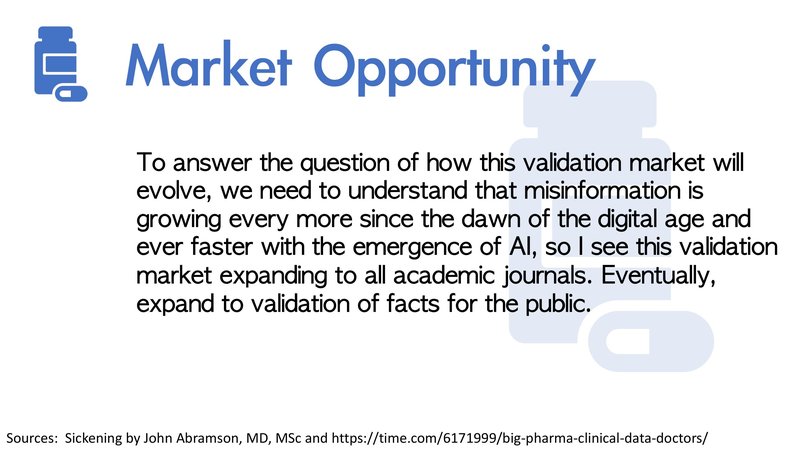
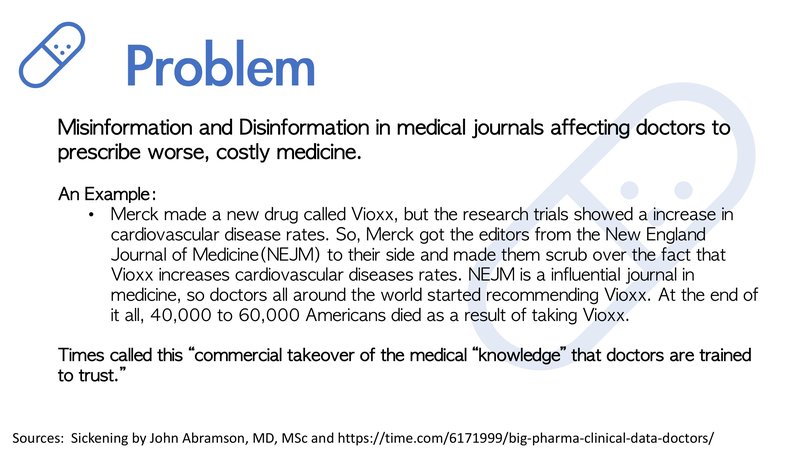
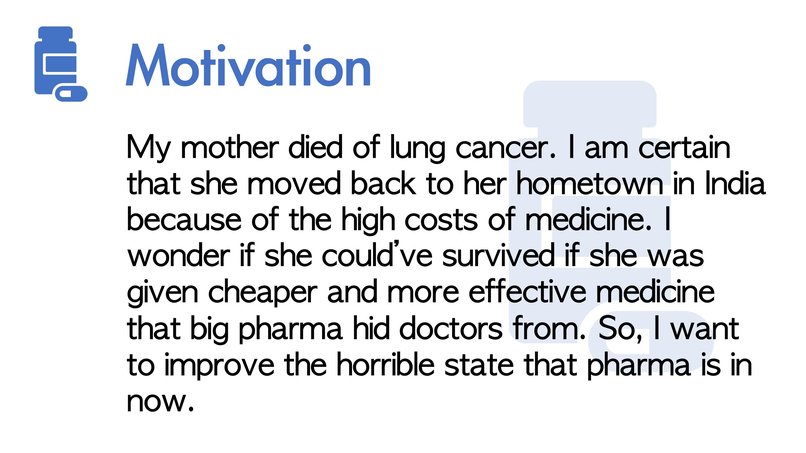
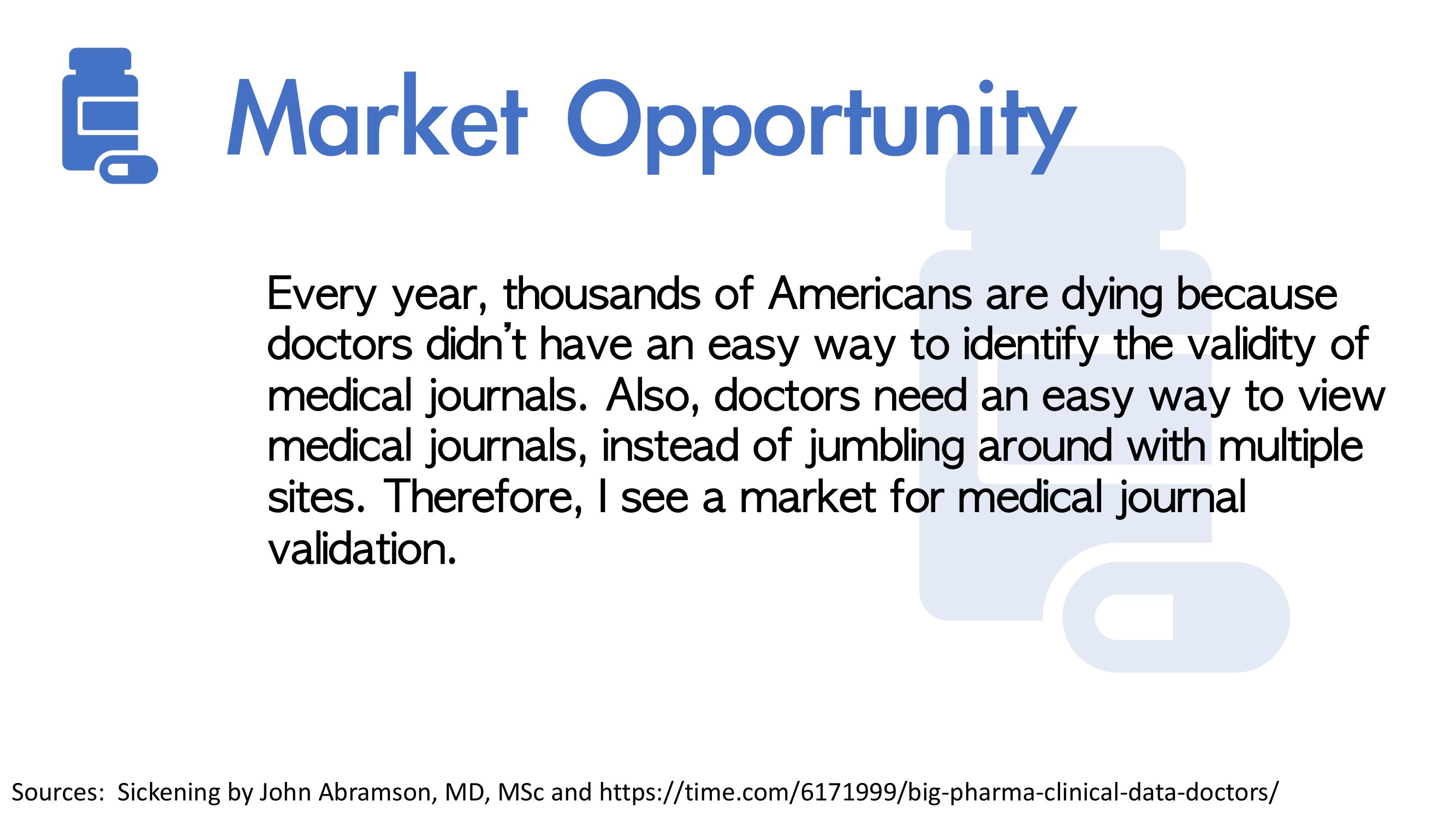
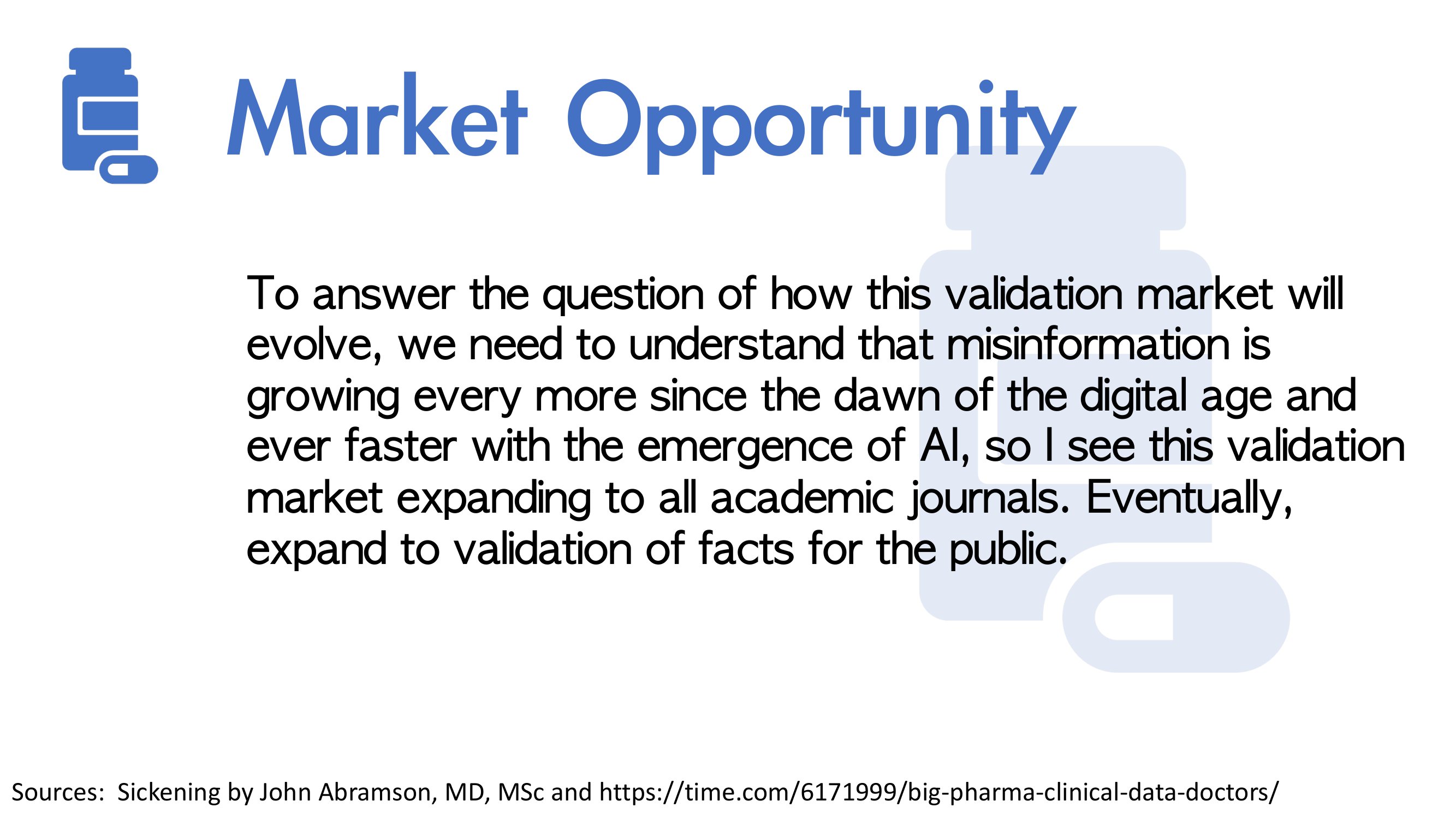
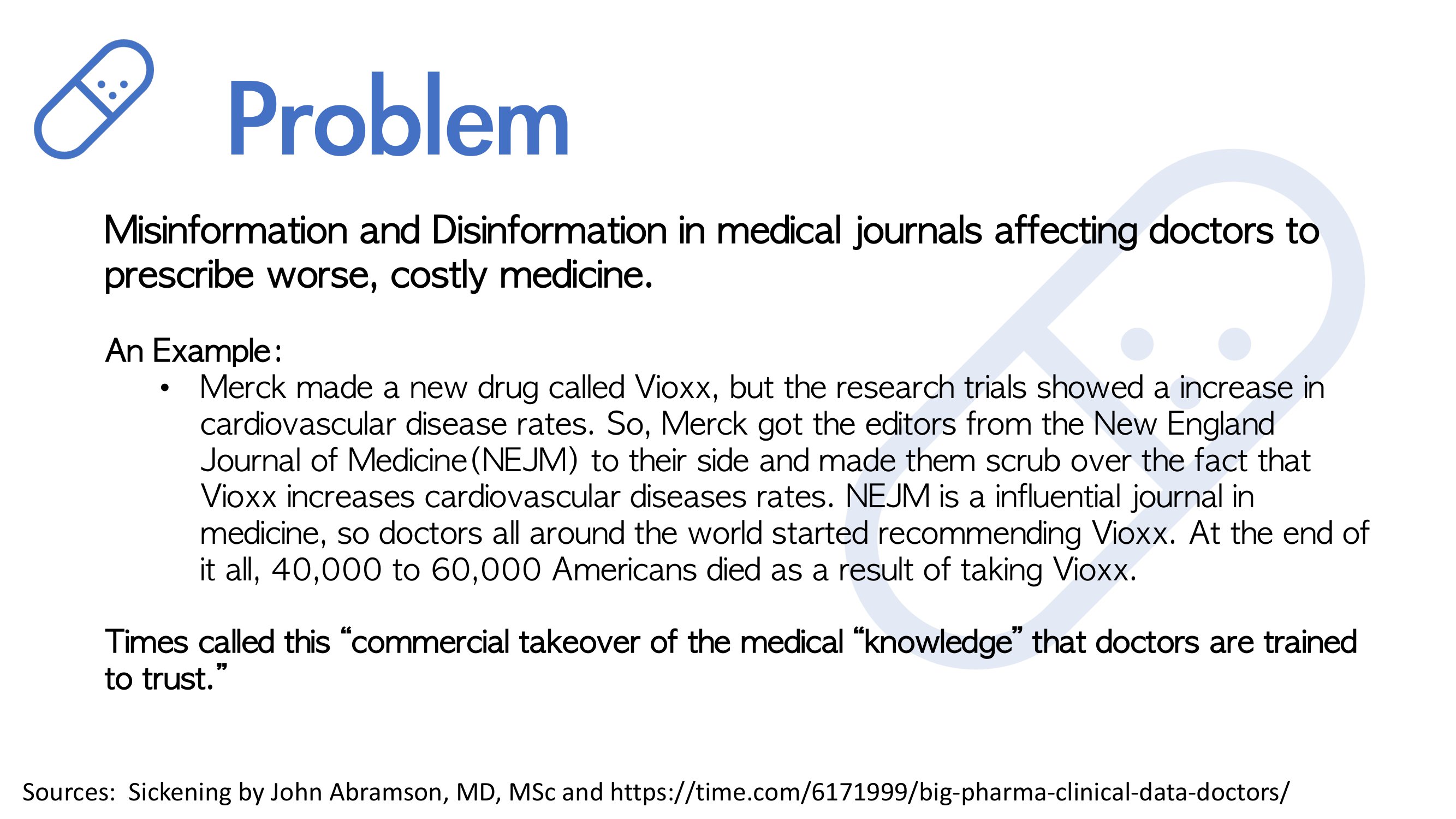
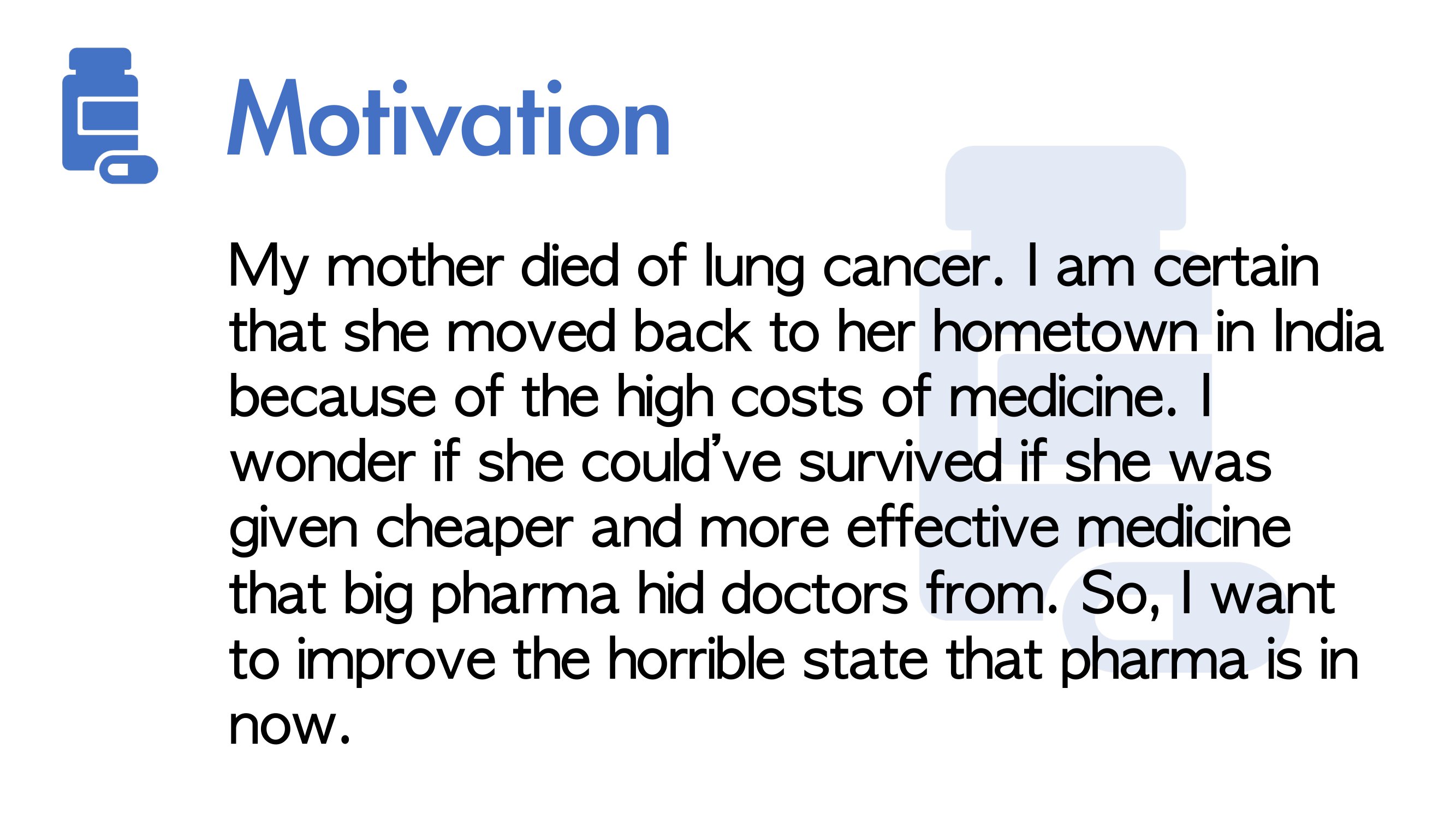
Inspired by the eye-opening insights from "Sickening: How Big Pharma Broke American Health Care and How We Can Repair It" by John Abrasion, MD, MSc, I recognized the alarming reality of false information infiltrating medical journals, manipulated by pharmaceutical giants to sway doctors toward costly and sometimes less effective drugs. In response, the concept of MediVerify took shape—an antidote to this systemic issue. Understanding the critical need for transparency, I envisioned a platform dedicated to scrutinizing and verifying medical journals, offering doctors and patients alike a shield against misinformation. MediVerify stands as a commitment to truth in healthcare, ensuring that individuals can make informed decisions based on reliable, unbiased medical knowledge
What it does
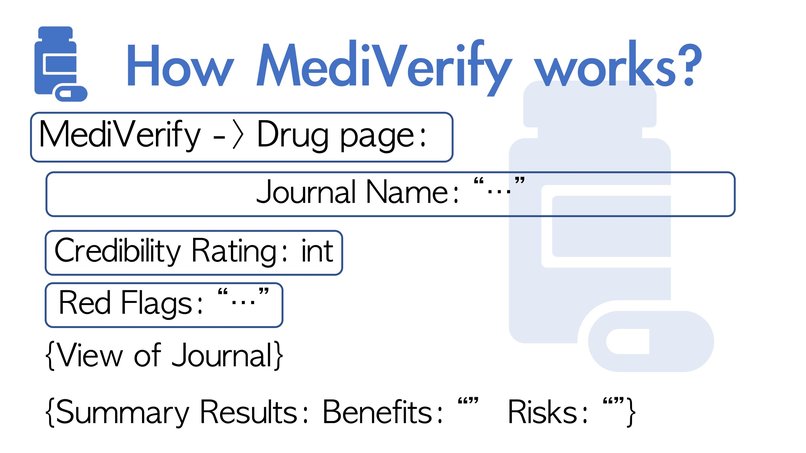
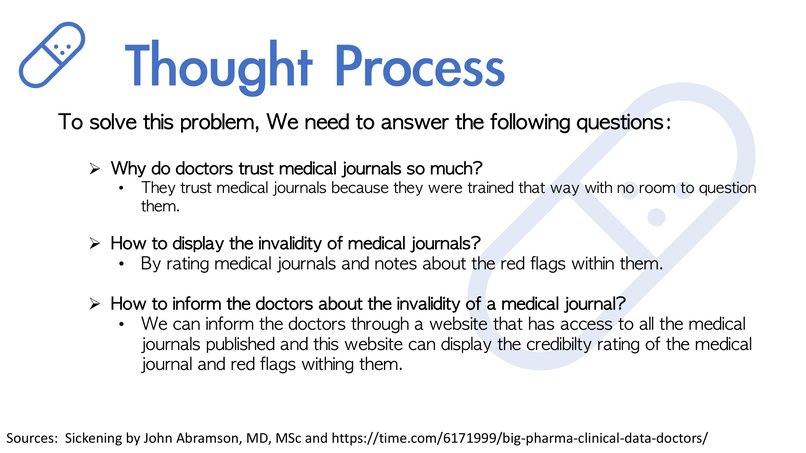
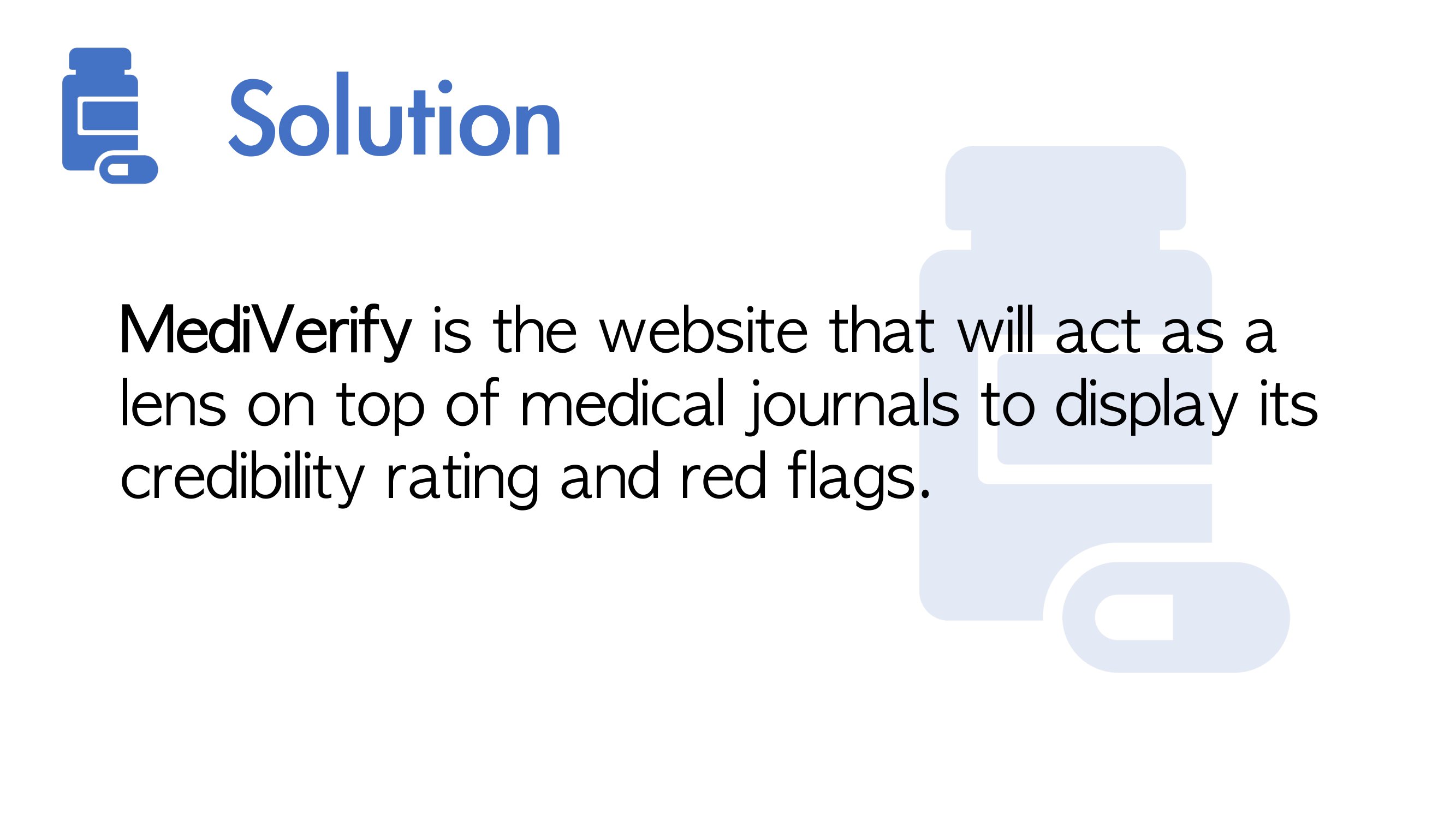
MediVerify serves as a critical tool for doctors by acting as a transparent lens over medical journals. Doctors traditionally trust these journals due to ingrained training, leaving little room for questioning. To address potential invalidity, MediVerify employs a systematic rating system alongside detailed notes on red flags within the journals.
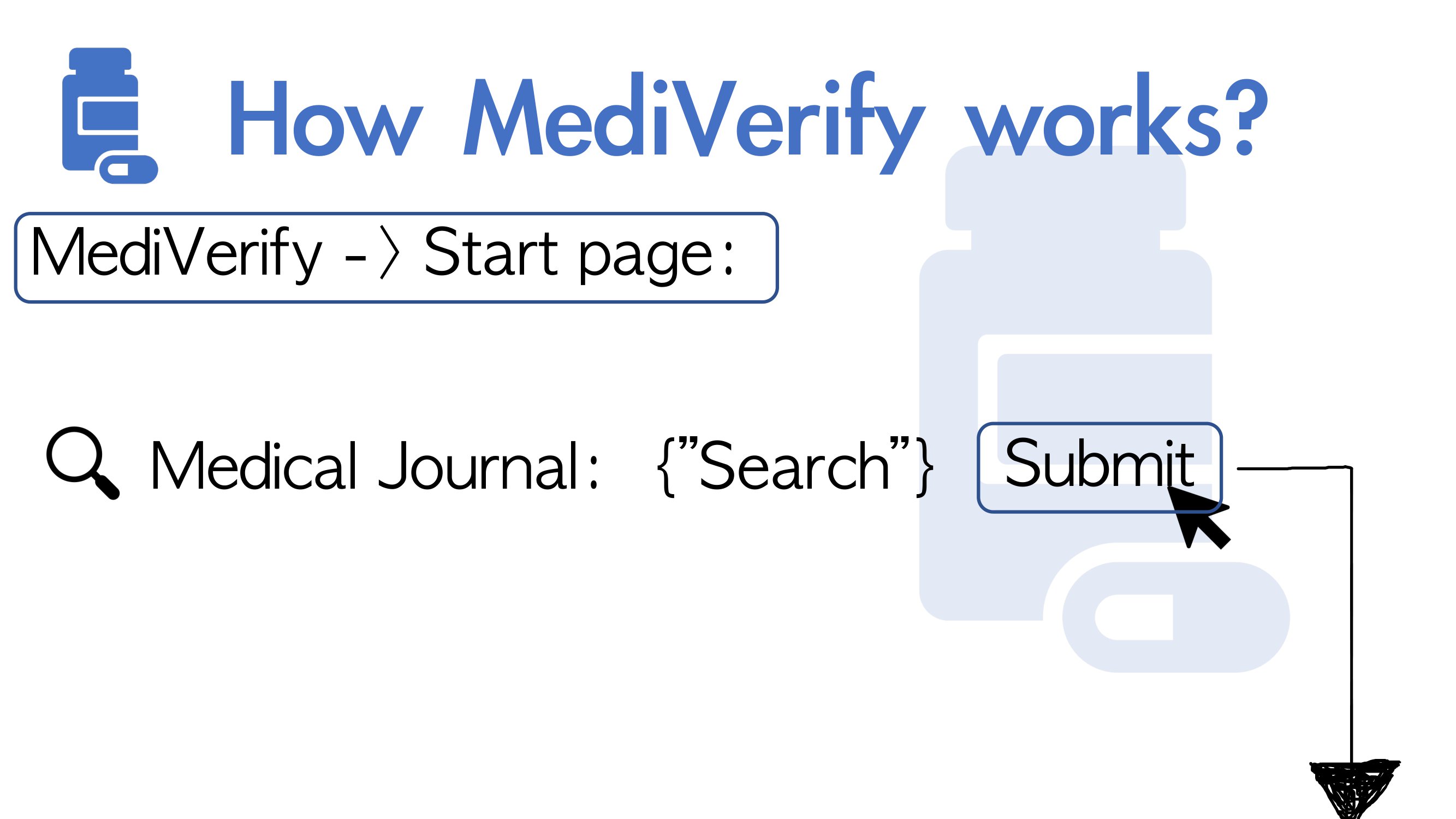
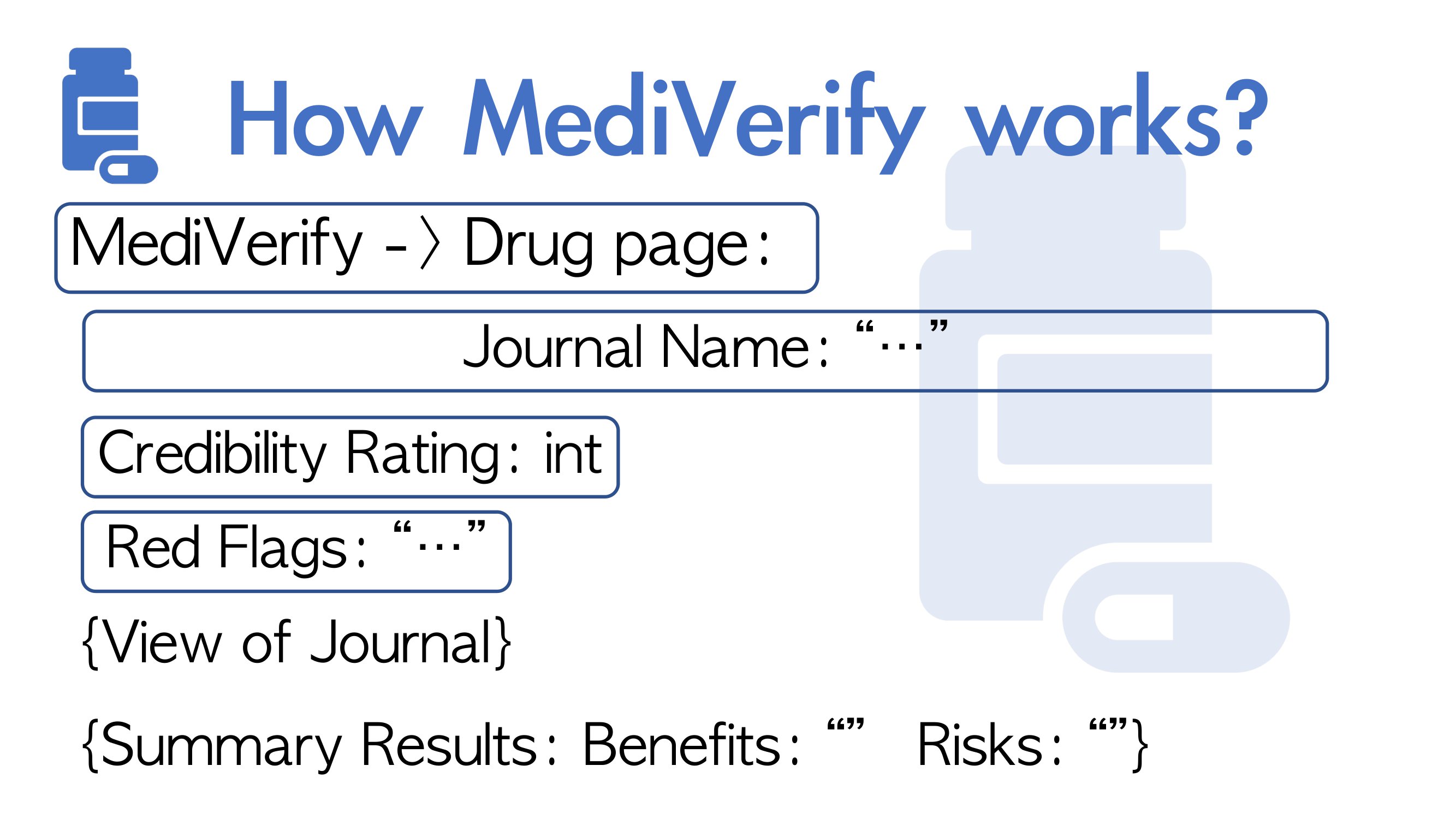
To inform doctors about the reliability of medical journals, our website provides a centralized platform with access to a comprehensive collection of publications. Through this, doctors can effortlessly navigate the vast landscape of medical literature, eliminating the need to coordinate between multiple sites. Additionally, our platform simplifies the analysis process by offering concise summaries, credibility ratings, and clear indications of red flags. In essence, MediVerify is designed to streamline and enhance the doctor's experience in accessing, evaluating, and making informed decisions based on medical journals.
How we built it
User Interface with HTML/CSS:
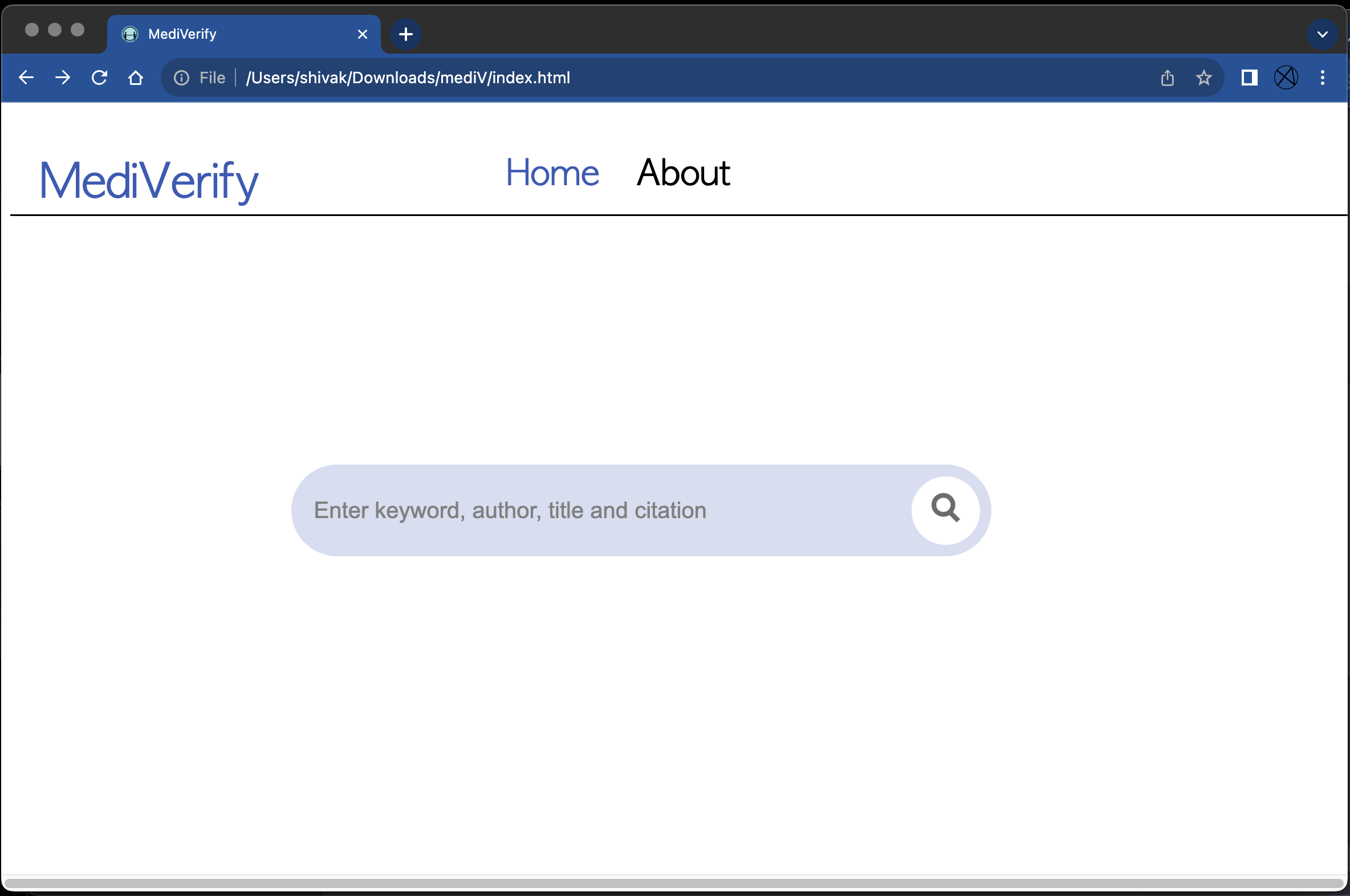
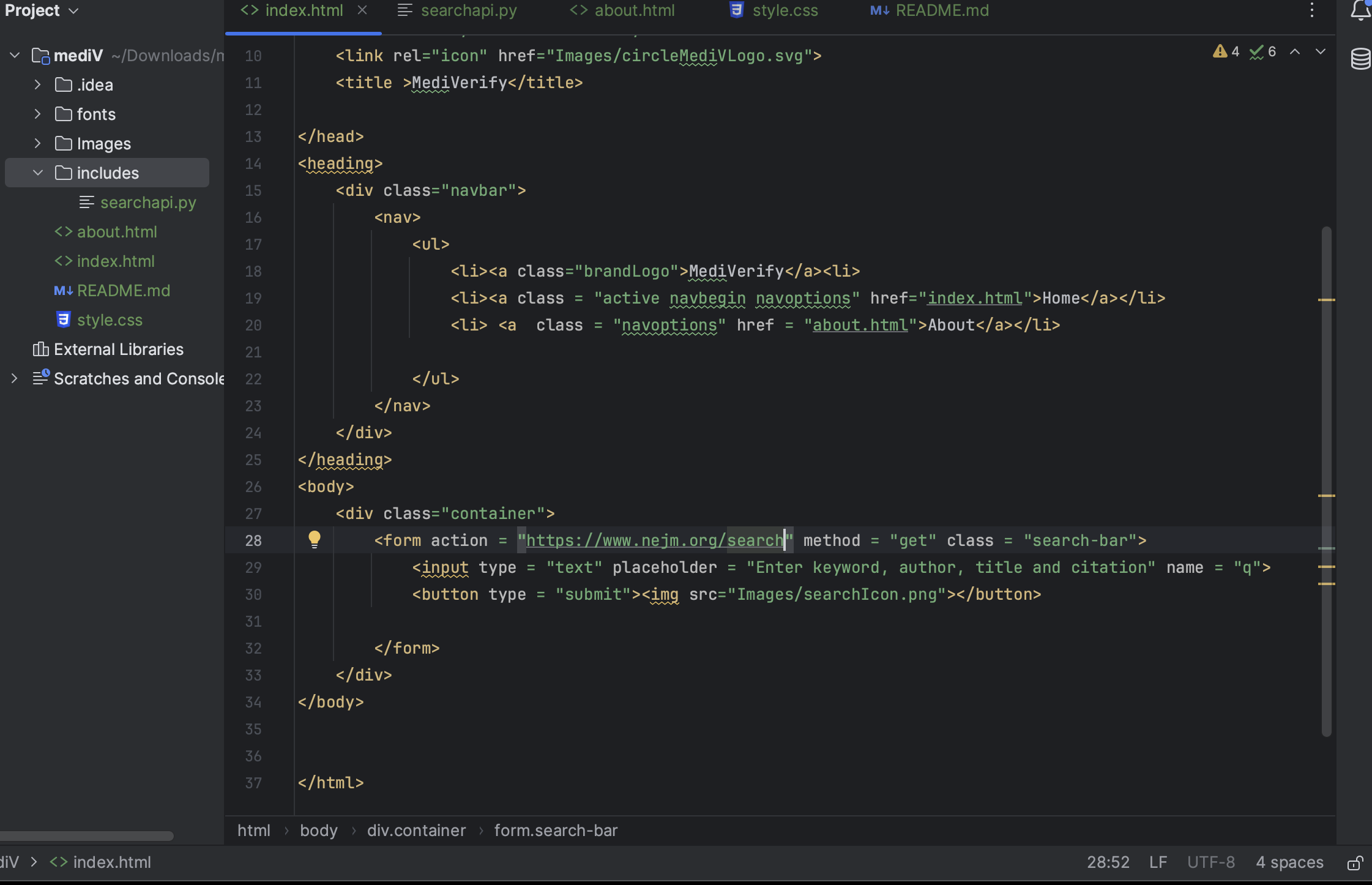
The HTML front page provides an intuitive and user-friendly interface. CSS styling enhances the aesthetics and user experience.
Database Integration with Python and SQL:
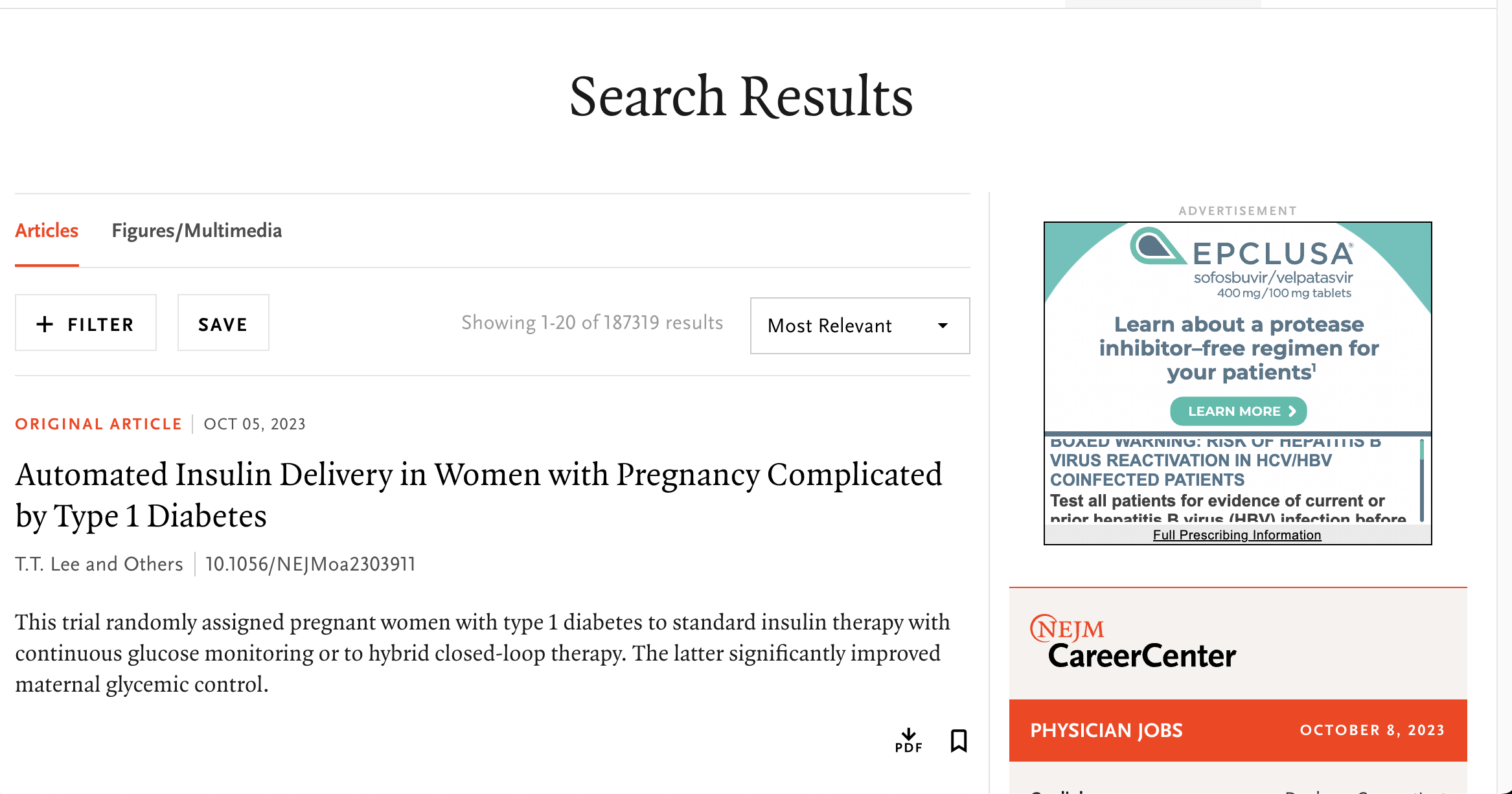
The Python and SQL integration allows seamless interaction with a medical journal database, facilitating efficient searches.
Verify AI for Red Flags:
The Verify AI's ability to analyze patterns of misinformation and disinformation is crucial in identifying potential issues within medical journals. The highlighting of red flags, along with added explanatory thoughts, enhances transparency and aids doctors in critical evaluation. Summarization AI:
The summarization AI streamlines the research review process for doctors, providing concise overviews of complex medical journals.
Credibility Rating System:
The credibility rating compiled by Verify AI, based on the frequency and severity of red flags, adds a quantitative dimension to the evaluation process. Consideration of factors like funding sources further refines the credibility assessment, ensuring a nuanced understanding for doctors.
Challenges we ran into
"In the development of MediVerify, challenges were encountered and overcome with determination. Securing a suitable research journal database proved to be a significant hurdle, requiring extensive online searches. Despite being a newcomer to HTML, CSS, Python, and AI, I tackled the learning curve by watching instructional videos, spurred on by the excitement of creating a meaningful service. Though the project remains unfinished within the hackathon's timeline, the experience has kindled a passion to deepen my understanding of these technologies and realize the potential of MediVerify.
The anxiety surrounding the implementation of AI components was met with eagerness to learn and innovate. The journey may have been challenging, but it has provided the impetus to expand my skills and turn the vision of MediVerify into a reality. Despite the setbacks, the experience has been invaluable, and I am committed to further honing my skills in HTML, CSS, Python, and AI to deliver a service that will genuinely benefit the medical community."
Accomplishments that we're proud of
We take pride in overcoming challenges during the development of MediVerify. The successful discovery of a suitable research journal database, after persistent online searches, marked a significant accomplishment. Despite being a newcomer to HTML, CSS, Python, and AI, I navigated the learning curve with determination, leveraging instructional videos to create a foundational service.
The journey, though incomplete within the hackathon's timeframe, sparked a passion for further exploration and development. Overcoming the anxiety associated with AI implementation, we embraced the opportunity to learn and innovate. This experience has become a source of inspiration, propelling us to deepen our skills in HTML, CSS, Python, and AI. We are committed to refining MediVerify into a comprehensive service that genuinely benefits the medical community.
What we learned
Developing MediVerify provided invaluable lessons as we navigated challenges in finding a suitable research journal database, underscoring the importance of persistence. As newcomers to HTML, CSS, Python, and AI, we learned through hands-on experience, leveraging instructional videos to build a foundational service and emphasizing the power of self-directed learning. The project also revealed the potential of AI in addressing complex issues, prompting us to embrace challenges associated with its implementation. Although our journey remains incomplete within the hackathon's timeframe, it has fueled a determination to deepen our skills and transform MediVerify into a valuable tool for the medical community.
What's next for MediVerify
Next for MediVerify involves refining the platform's user interface and expanding its database integration for broader access to medical journals. We aim to enhance the Verify AI's capabilities, ensuring even more robust identification and highlighting of potential issues within research articles. Additionally, we plan to continuously advance our summarization AI for more efficient and insightful research journal reviews, solidifying MediVerify as an indispensable tool for doctors navigating the vast landscape of medical literature.

Log in or sign up for Devpost to join the conversation.