-
-
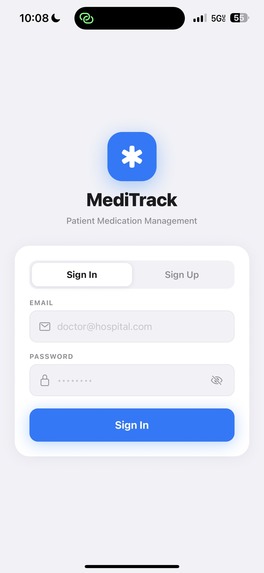
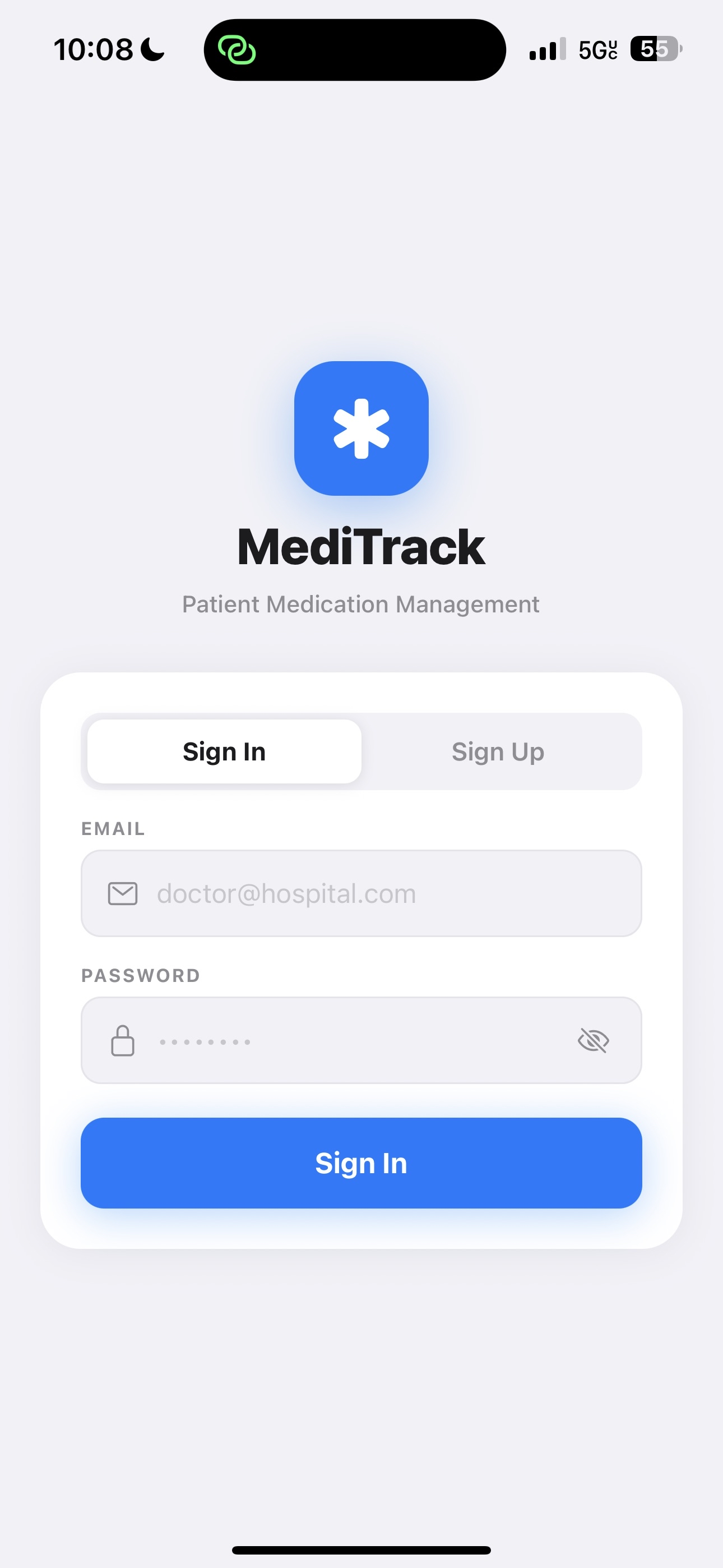
Login Page
-
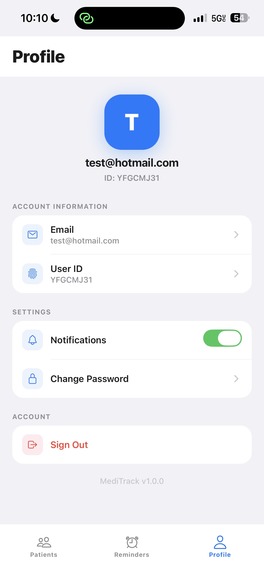
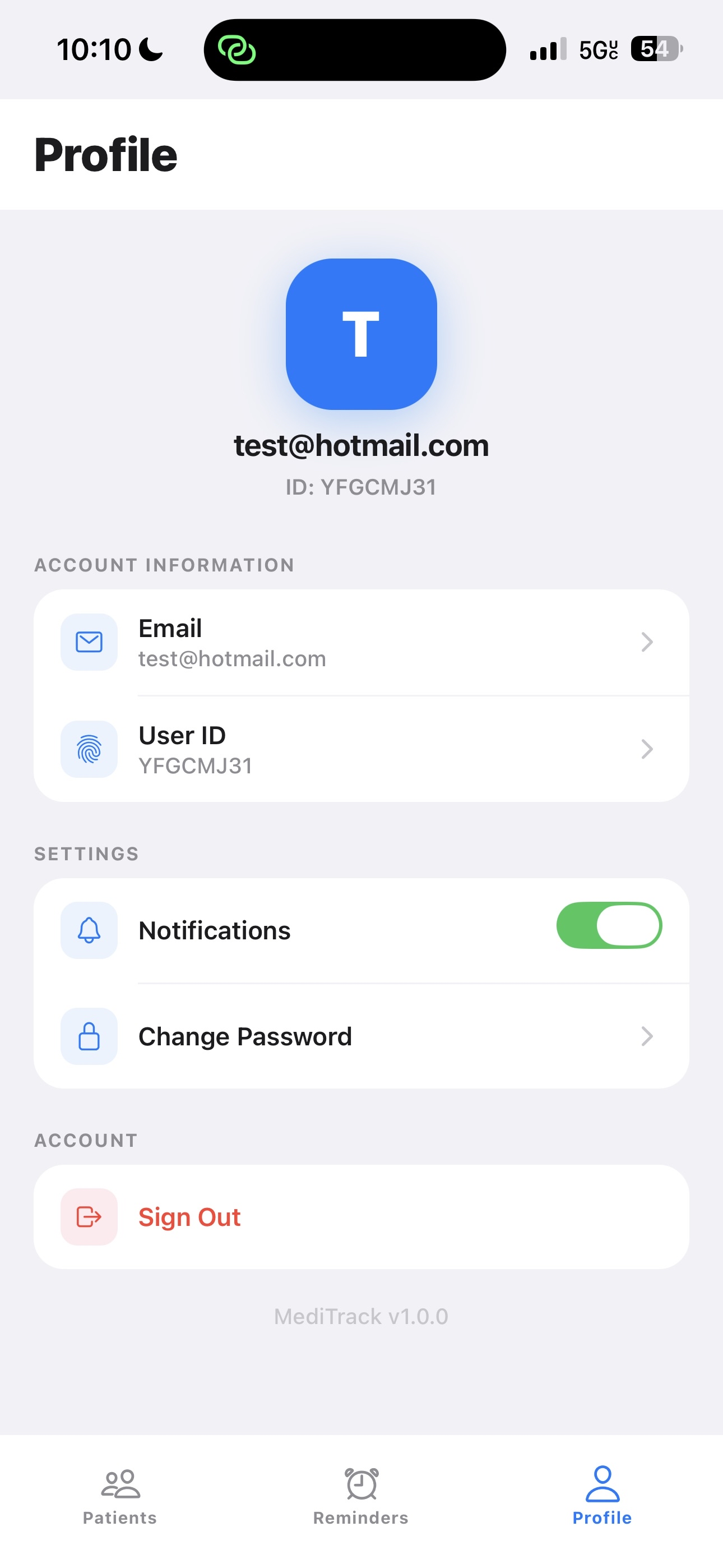
User rofile
-
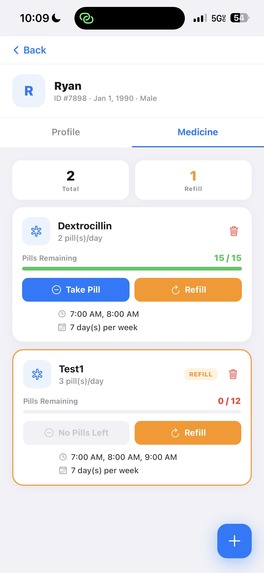
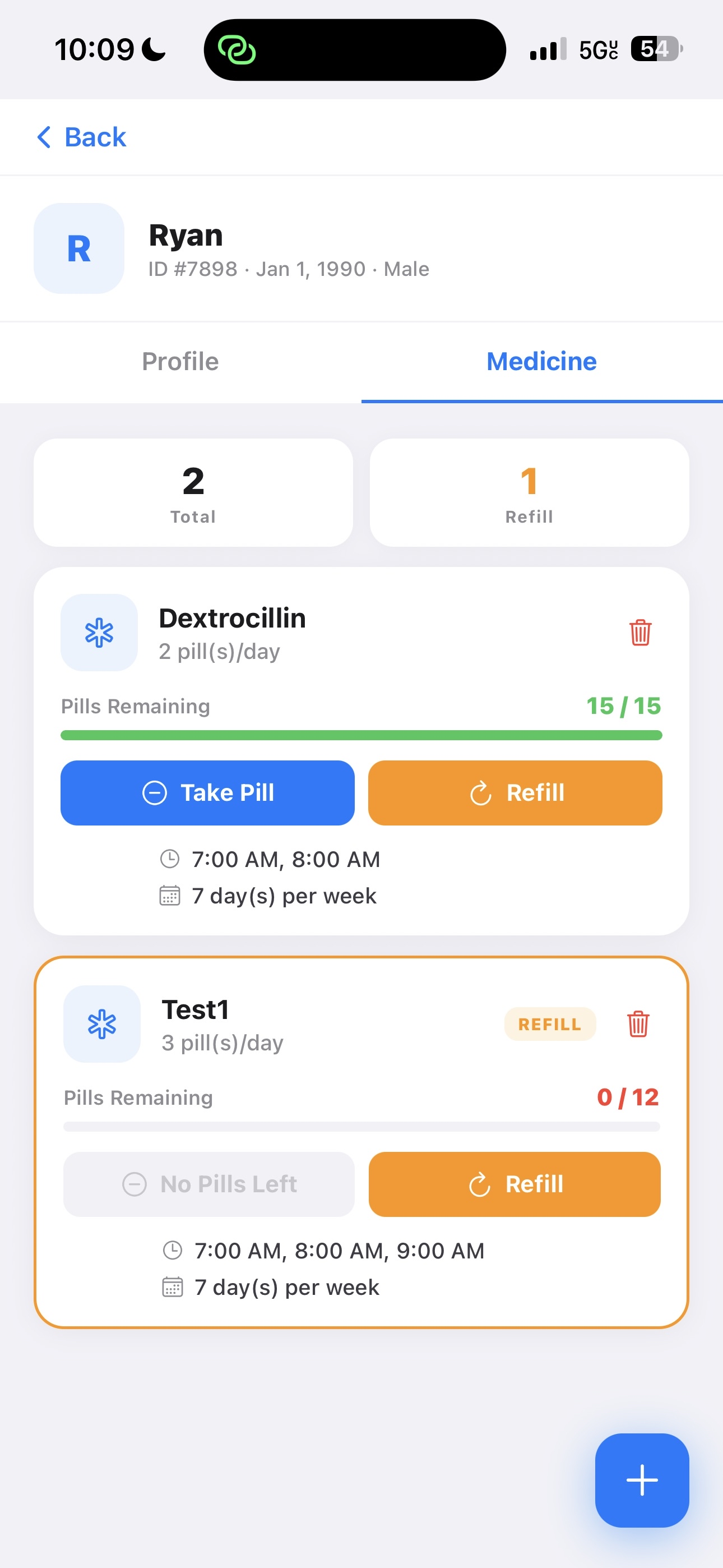
Medicine tracker powered by AI
-
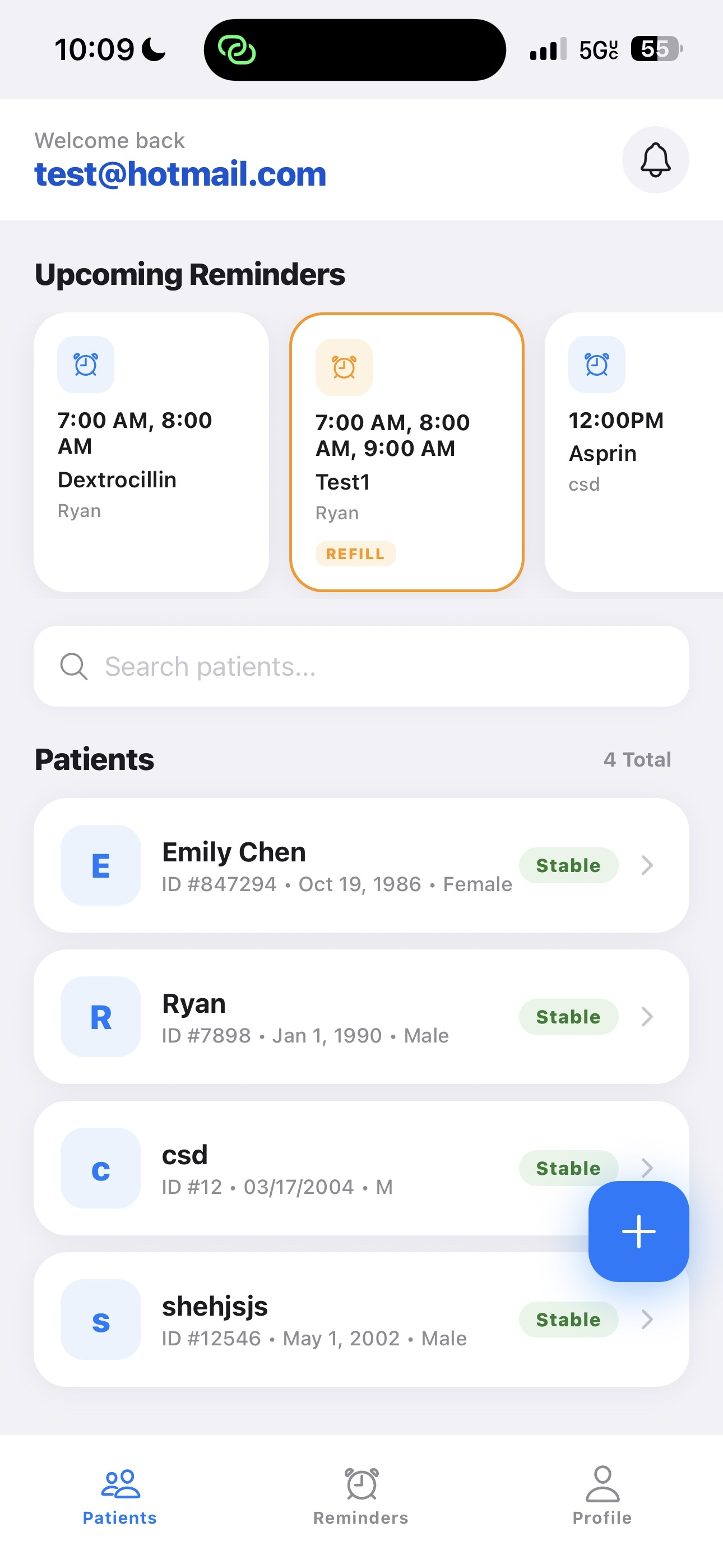
Patient list being managed
-
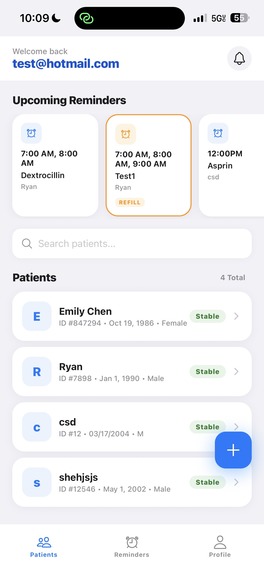
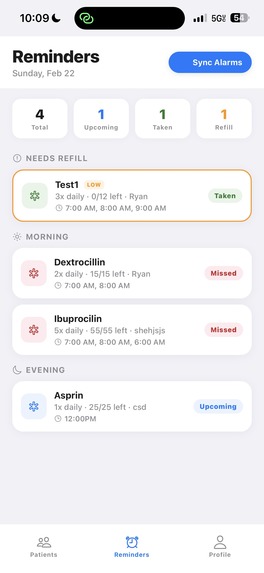
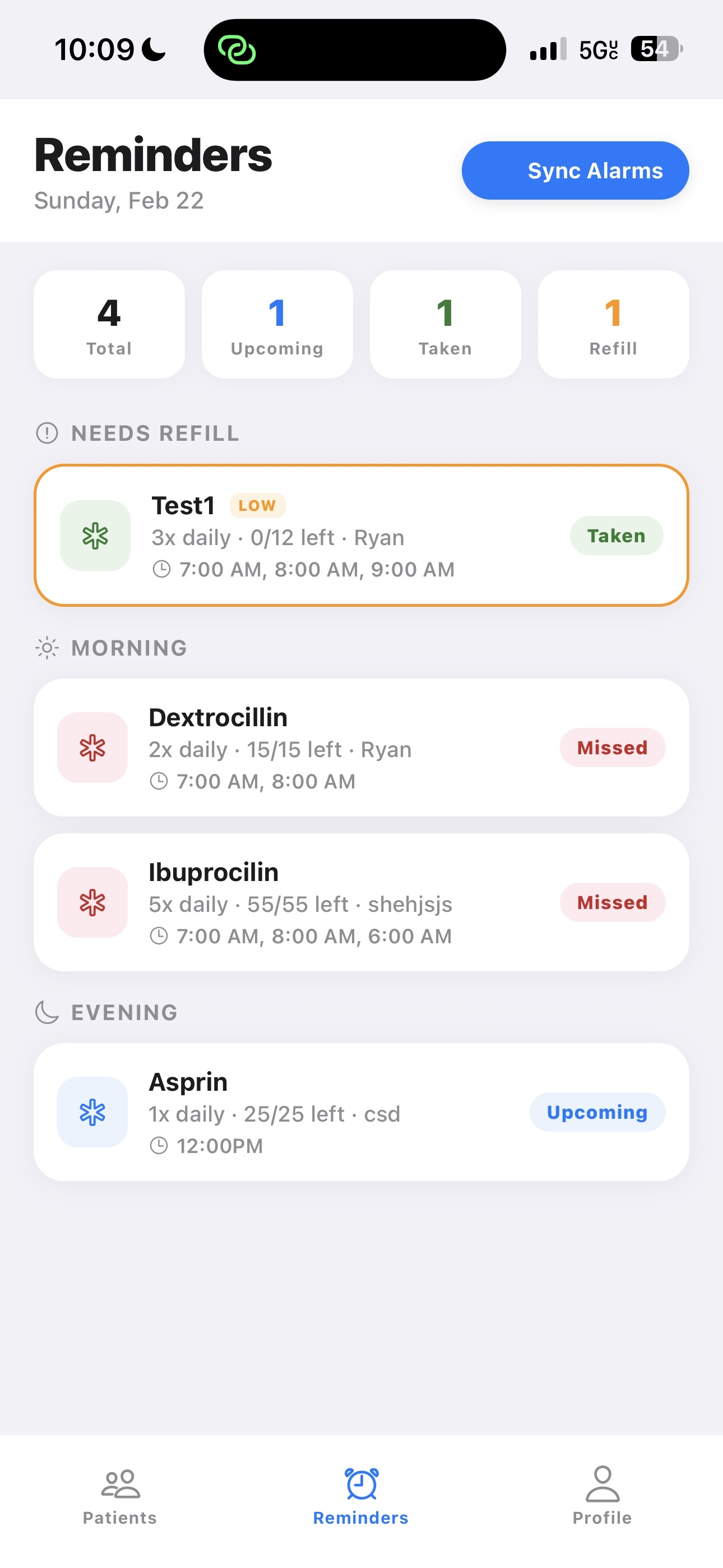
Reminder and Notifications by AI
-
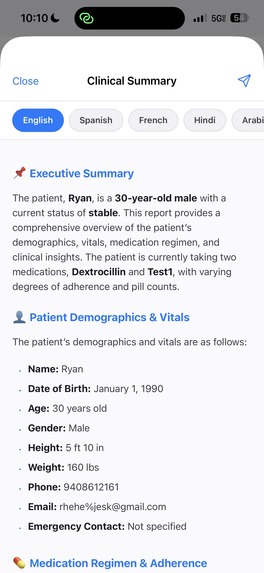
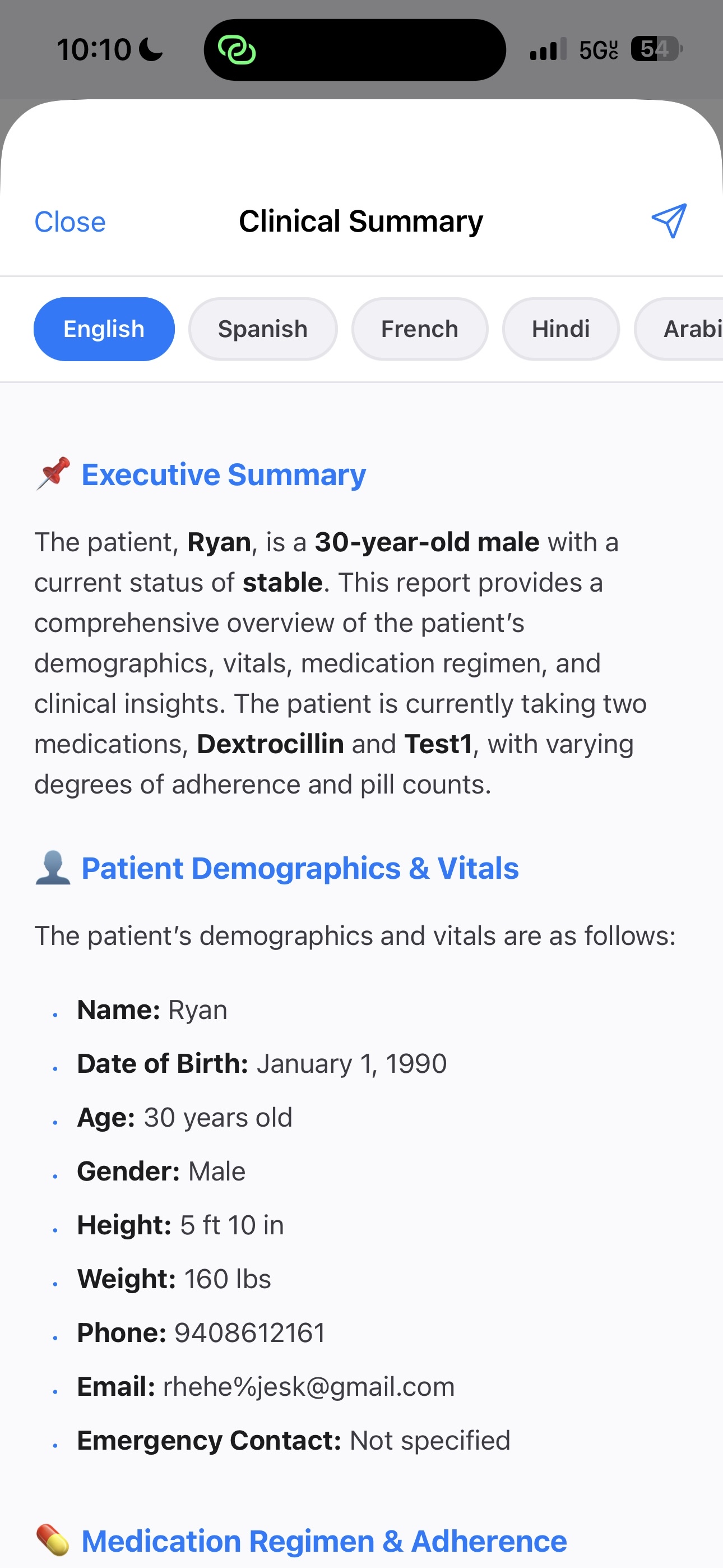
Summary report in multiple language by AI
Inspiration
In home healthcare and clinical care environments, nurses manage multiple patients, complex medication regimens, and strict timing requirements, often across different locations and time constraints. Missed doses, delayed documentation, low inventory, and expired medications can compromise patient outcomes and increase risk. We were inspired by the need to reduce administrative burden while improving medication safety and accuracy of care. MedTrack AI was designed to support nurses in delivering safer, more proactive care through intelligent automation and real-time alerts. Our goal is to enhance medication adherence, streamline documentation, and improve patient safety in modern healthcare workflows.
What it does
- Smart medication tracking & alerts
- AI-powered Consultation Processing
- Multilingual Clinical Summaries & Sharing
- Comprehensive patient profile
How we built it
This was such a fun HackaThon! We set out to build an elite "Pacient Care Powered By AI Diagnostics Assistance" that bridges the gap between messy clinical conversations and perfectly structured EMRs, entirely on a mobile app found on IOS and Android AND web .
The Frontend Foundation: We built the UI on React Native / Expo with TypeScript. This let us push out a sleek, cross-platform app incredibly fast. Because we were heavily focused on dynamic forms and state management (like the horizontal date picker and medication chips), Expo’s file-based routing kept the navigation super clean.
The "Brain" (Speech-to-Text & Data Extraction) : This was our favorite part! We hooked up expo-av to tap directly into the phone's microphone. But instead of sending it to a slow transcription service, we piped the raw audio stream straight into Groq's LPU inference engine. For Listening we used Groq's insanely fast endpoint running Whisper-large-v3 to perfectly transcribe doctor/patient conversations in real-time. For Parsing we got that raw transcript back, we feed it to Llama-3.3-70B-Versatile. We wrote a strict system prompt that forces Llama to extract vitals, names, and complex medication arrays, and effortlessly drop them right into our rigid JSON schema to update the front-end state instantly.
AI Clinical Summaries & Multilingual Processing: We didn't just want to parse data; we wanted to generate insights. We added an engine that fires the extracted JSON back to Llama 70B to write out a highly analytical, beautifully formatted Markdown report (rendered natively using react-native-markdown-display). The kicker? Instant Translations. With one tap, Llama 70B instantly rebuilds the entire medical report into Spanish, French, Hindi, or Arabic without losing medical accuracy!
The Backend & Distribution: We strapped on a Firebase backend (Firestore NoSQL) with Anonymous Auth so user data persists seamlessly. Finally, we tapped into Expo’s native SDKs (expo-mail-composer) so that the moment a multilingual report is generated, the app dynamically scrapes the patient's emergency contacts and opens a pre-drafted email natively on the phone, ready to send!
It's essentially a fully automated pipeline: Microphone → Whisper Transcript → Llama 70B JSON Parsing → UI Hydration → Markdown Report Generation → Language Translation → Native Email Dispatch. In a NutShell.
We honestly think the judges are going to love how clean the AI integration feels
Challenges we ran into
One of the major challenges we ran into is using OAuth 2.0 for the login, so we are just using the normal email/password. One of our Android emulators was not connecting to the internet because it was using a Google Play Store system image on Windows, which has network restrictions by default. This prevented Firebase and any API calls from functioning during testing. The fix was to bypass Android Studio and launch the emulator directly from the terminal with Google's DNS server (8.8.8.8) specified as a flag.
Accomplishments that we're proud of
One of our proudest achievements is our speech-to-text reporting system, which allows caregivers to record daily patient summaries quickly and effortlessly. These reports are automatically transcribed, translated into multiple languages, and can be shared directly with the patient's designated contacts, ensuring families stay informed no matter where they are or what language they speak. Reports are also securely stored and accessible to the full home care team, promoting seamless continuity of care across every shift.
What we learned
We learnt a lot of stuff. As this was our first hackathon, we had a lot of first experiences which were not very pleasant, but we managed to make it work. The main thing we learnt is the ability to work under high pressure of the deadline. This instinctively boosted our communication skills and teamwork capability.
What's next for MediTrack
We have a feature in mind that automatically restocks medicines that are about to run out. We would have to research more about patient data and how the home healthcare industry works to tailor our app in the right direction with a robust purpose.
Built With
- asynchronous-javascript
- expo-av-audio-processing-sdk
- expo-mail-composer
- expo-router
- expo-vector-icons
- expo.io
- fetch-api
- firebase-anonymous-authentication
- firebase-cloud-firestore-db
- git
- github
- groq
- groq-lpu-inference-engine
- javascript-(es6+)
- meta-llama-3.3-70b-versatile
- node.js
- nosql
- openai-whisper-large-v3
- react-hooks
- react-native
- react-native-markdown-display
- react-navigation
- restful-apis
- typescript

Log in or sign up for Devpost to join the conversation.