-
-
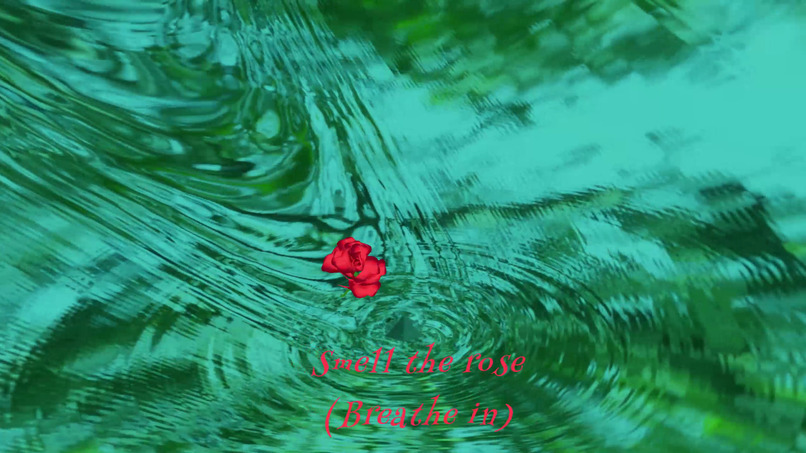
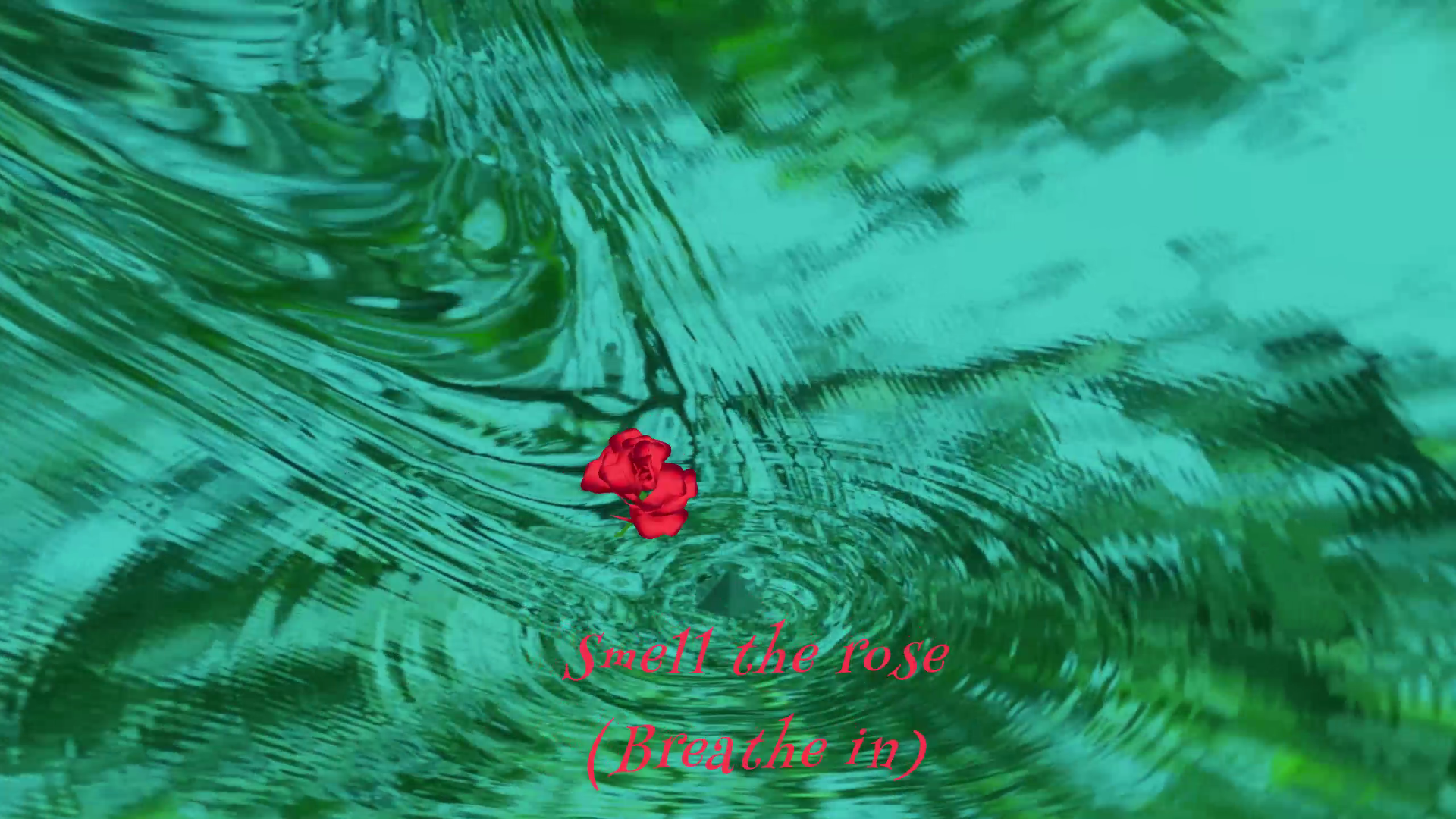
Smell the rose (Breathe in)
-
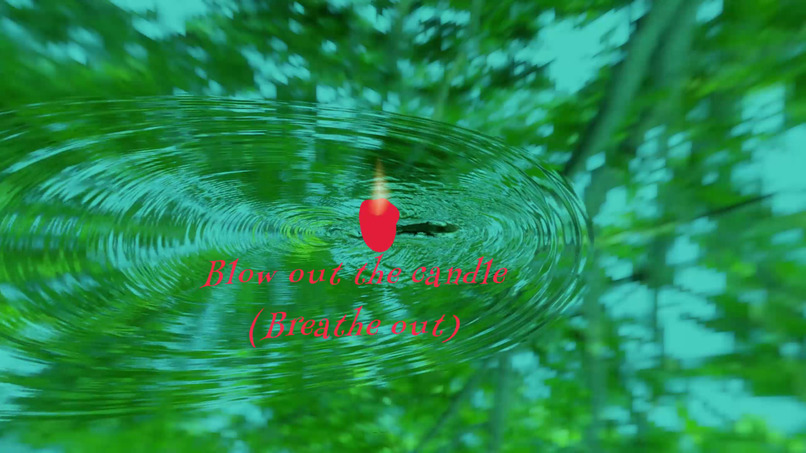
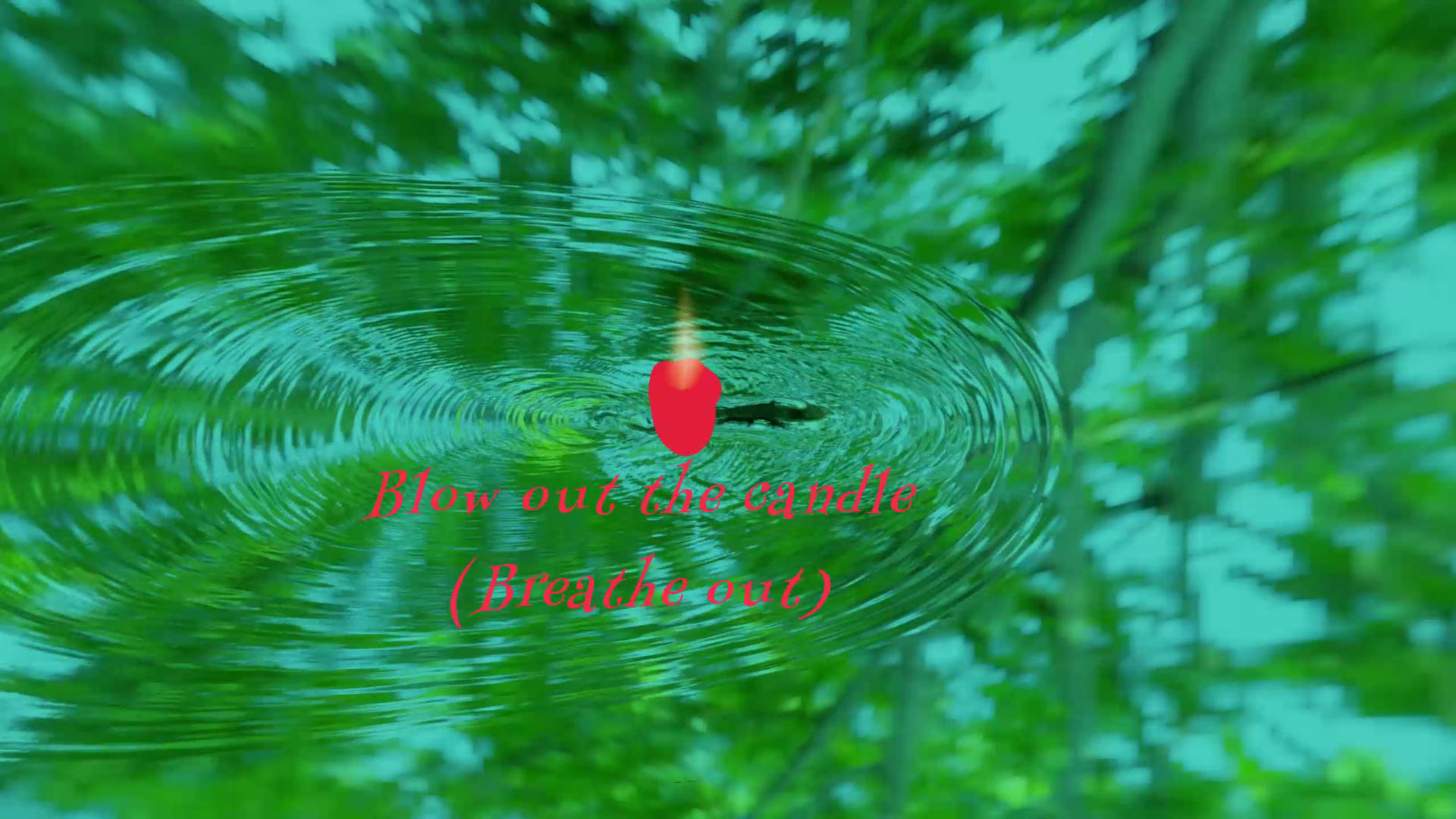
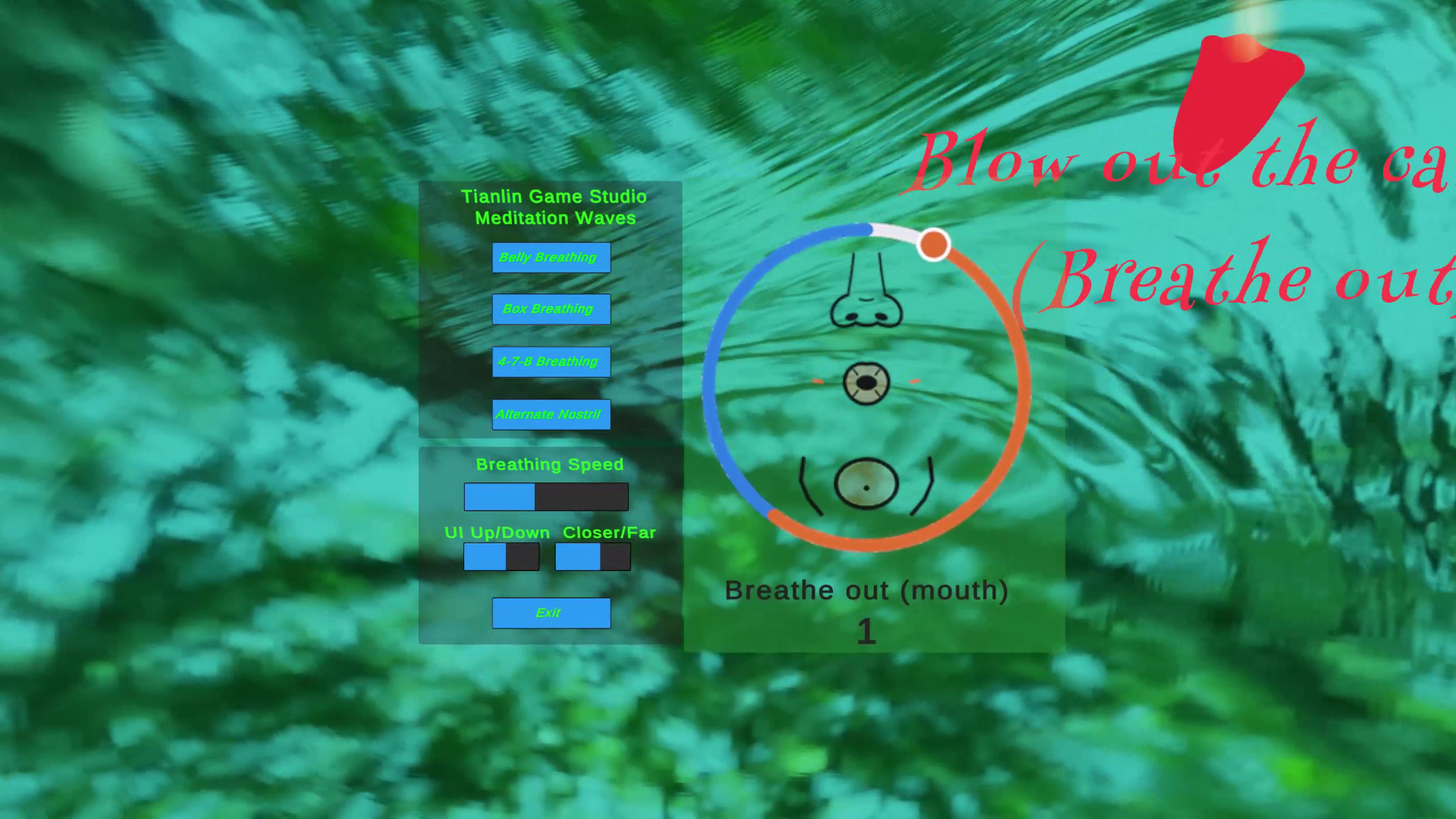
Blow out the candle (Breathe out)
-
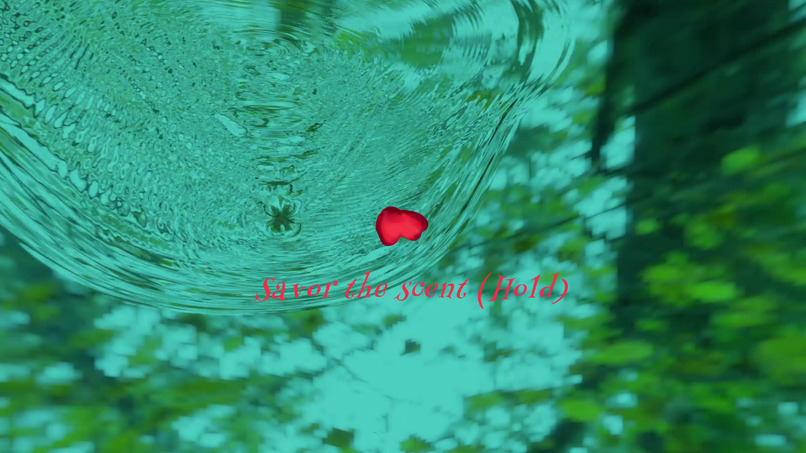
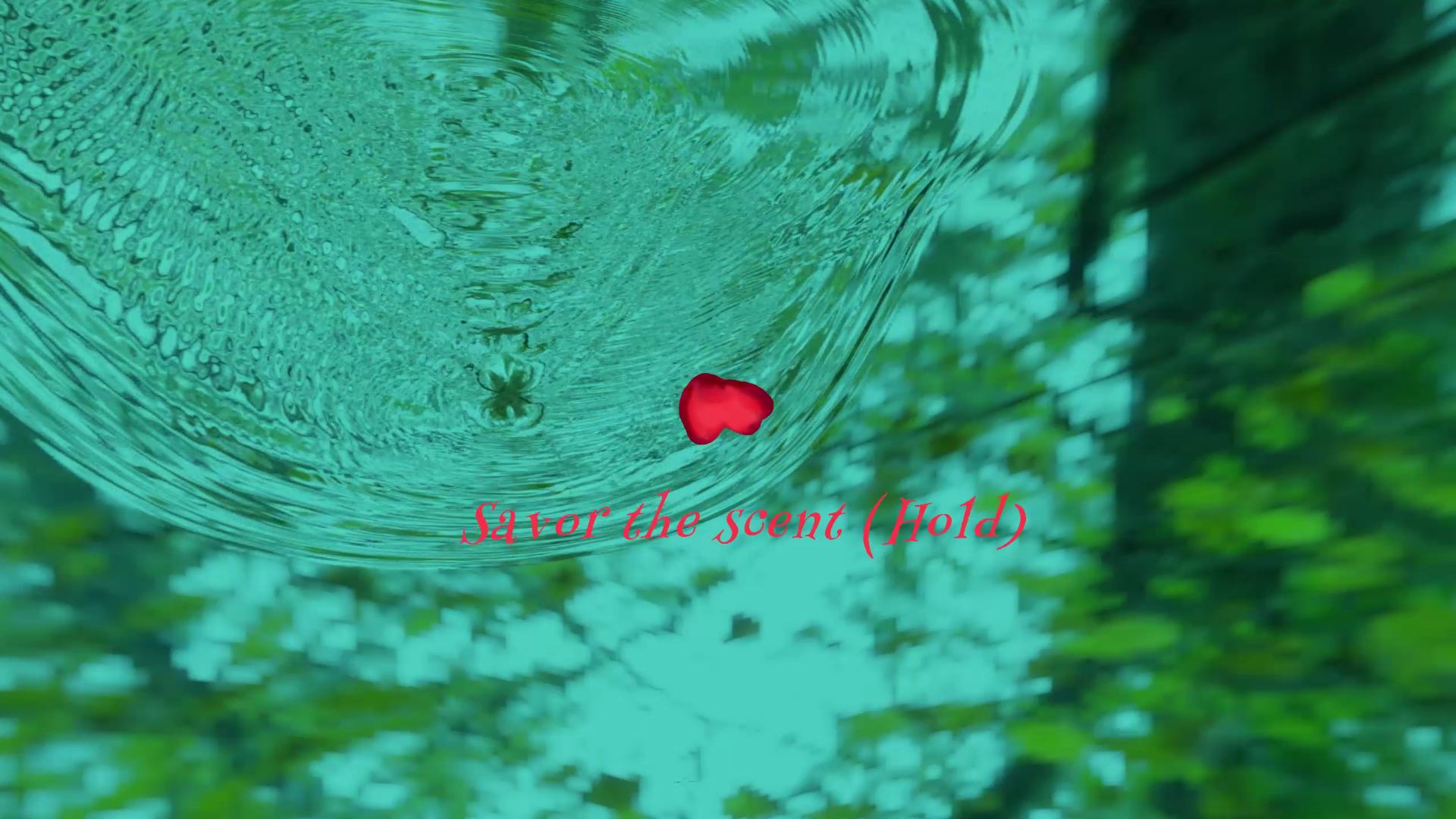
Savor the scent (Hold)
-
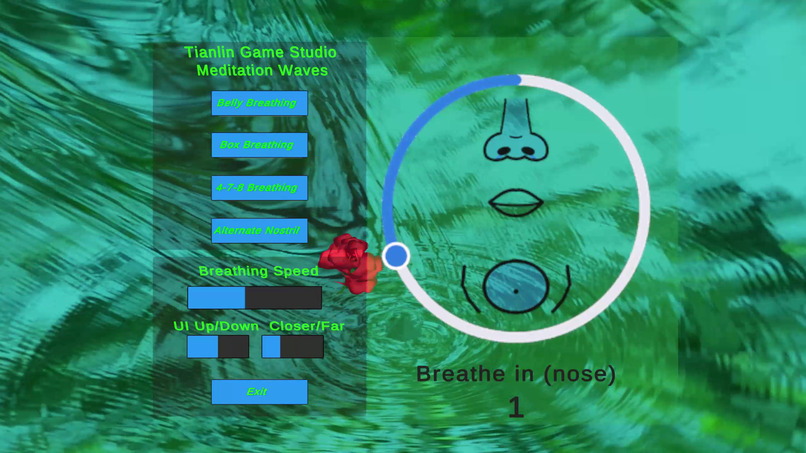
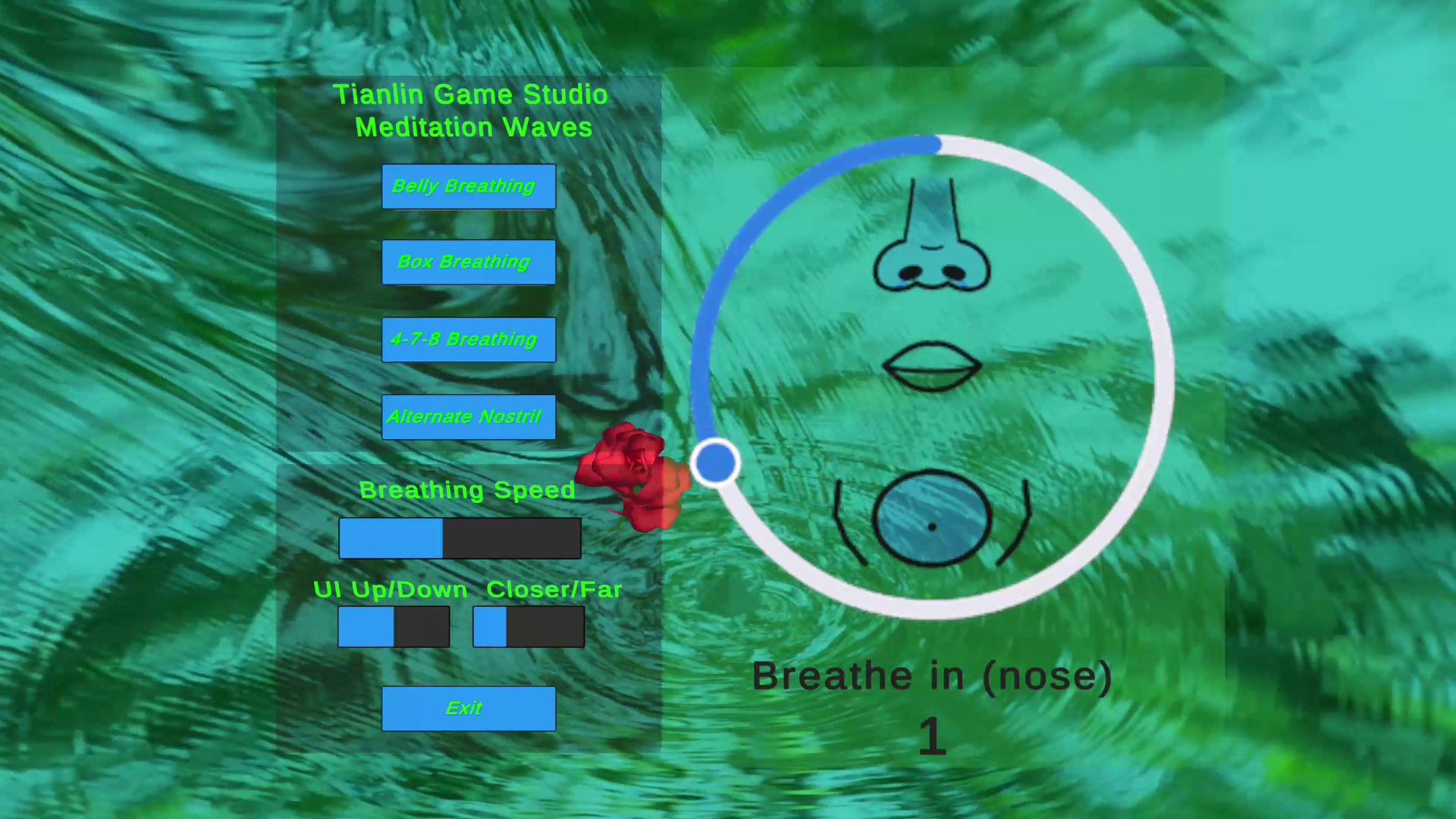
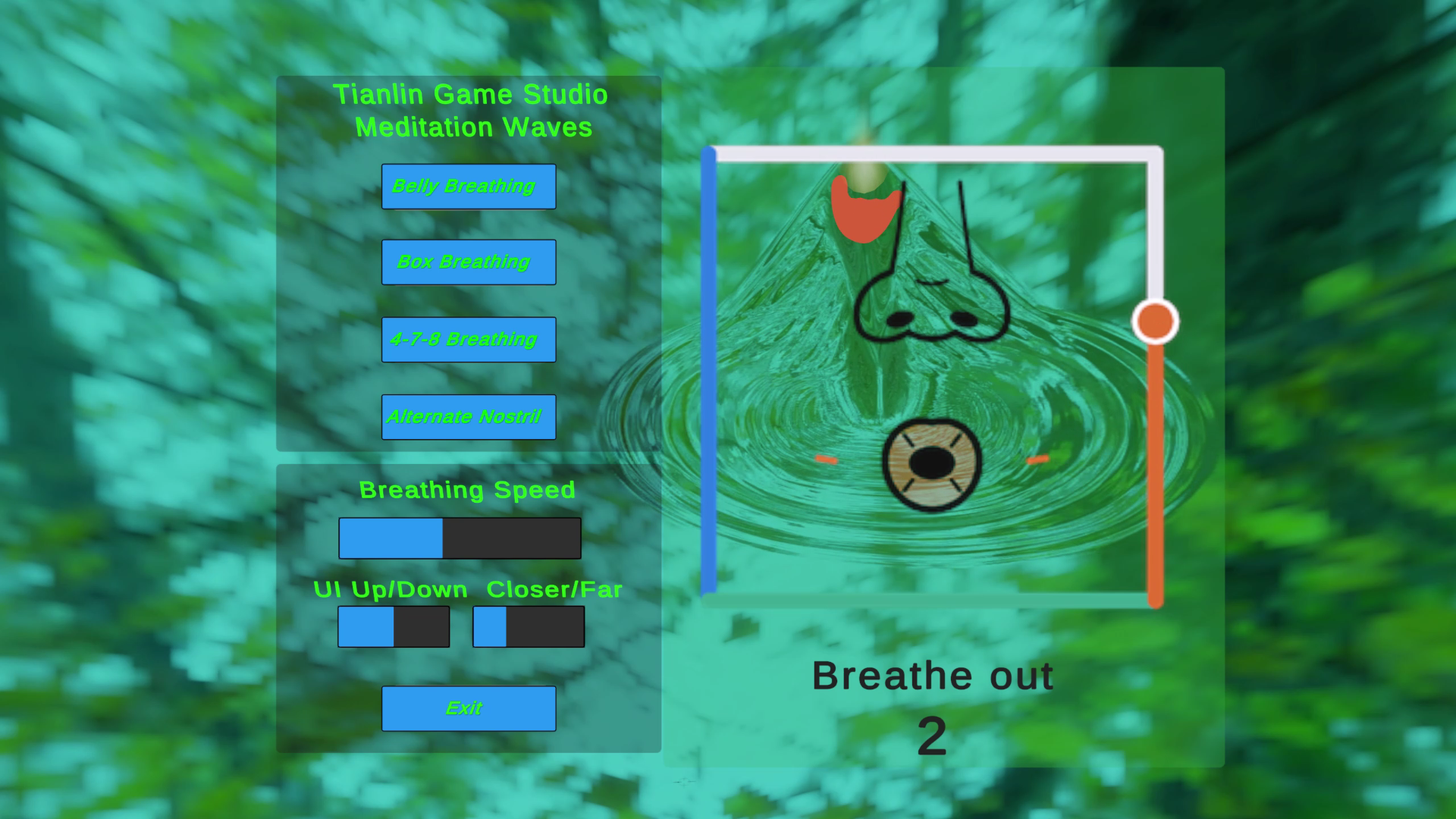
Belly Breathing with detailed animation and text instruction
-
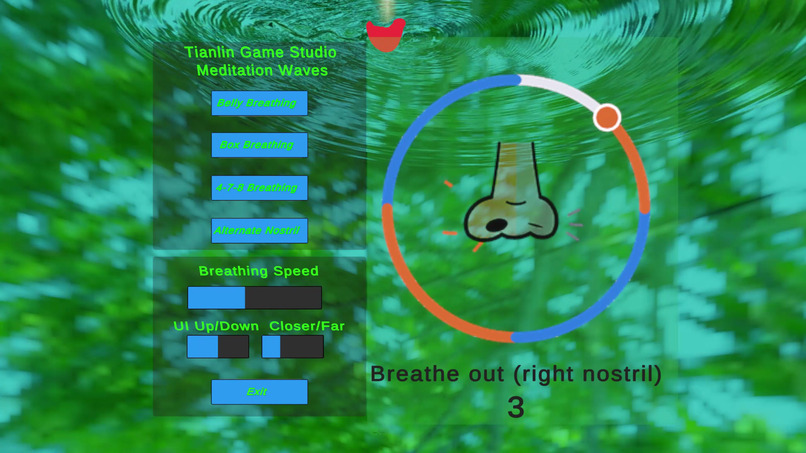
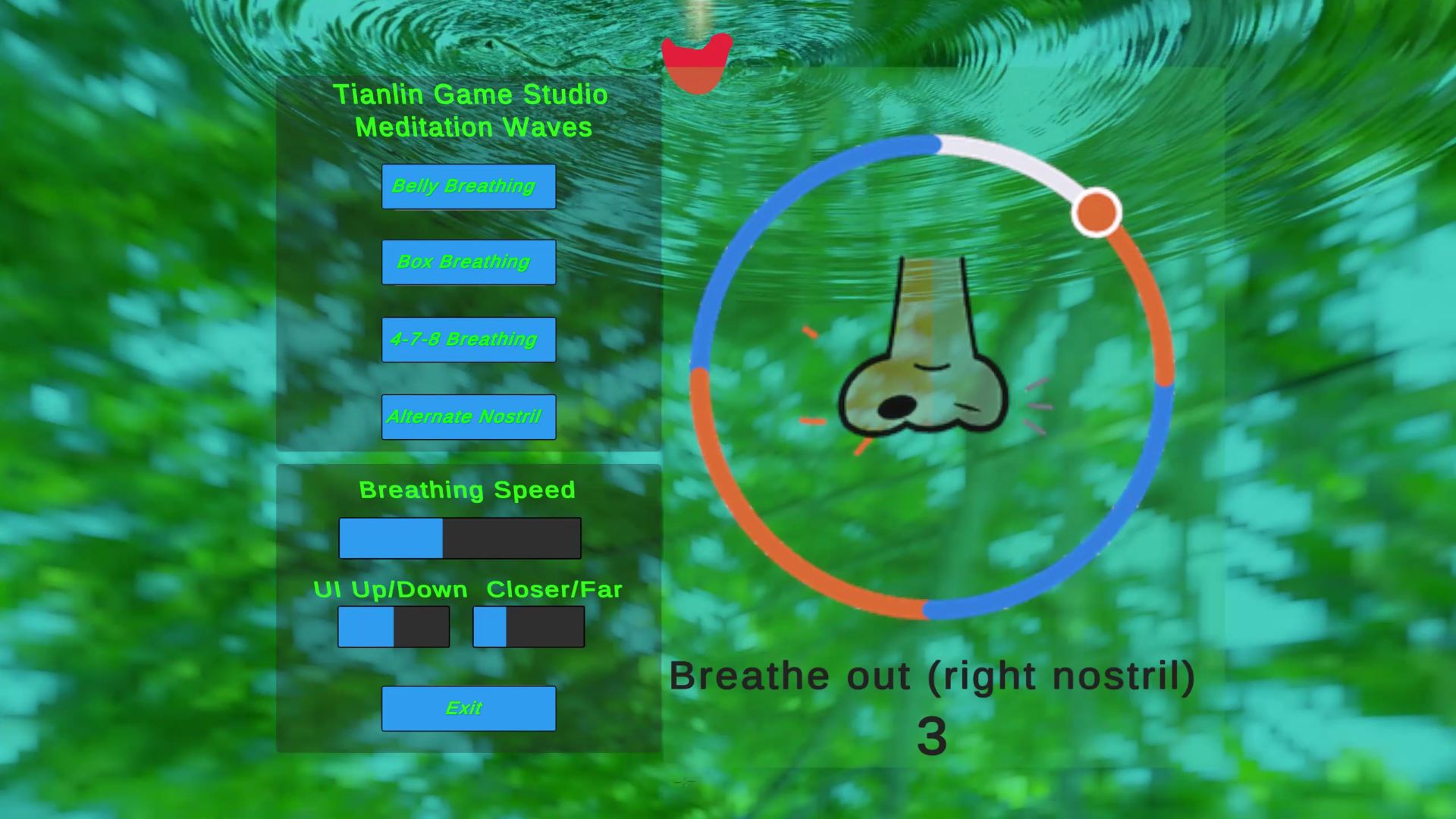
Alternate Nostril Breathing with detailed animation and text instruction
-
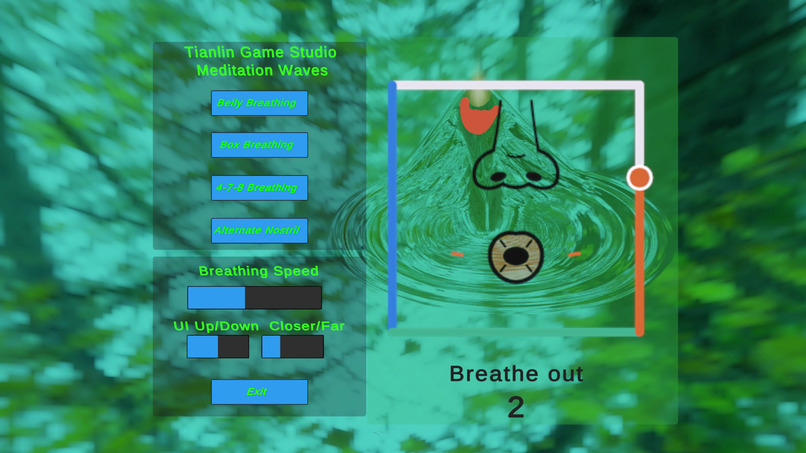
Box Breathing with detailed animation and text instruction
-
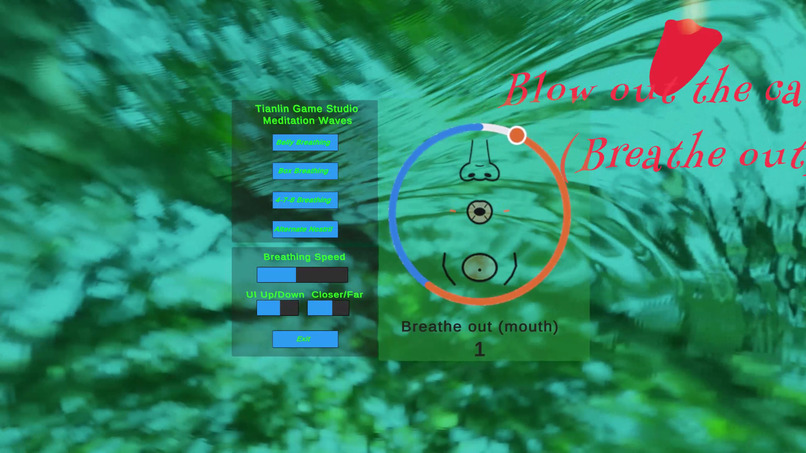
Player can control breathing speed and UI up / down / closer / far
Inspiration
The inspiration for this project stems from observing the overlooked "micro-moments" of stillness in our daily routines—the daily commute on a crowded bus or train, or the brief, idle pauses in an office chair between tasks. While these moments are often dismissed as empty time or filled with aimless scrolling, they represent a massive, untapped opportunity for mental restoration. By leveraging Meta VR glasses, this app transforms these passive pockets of downtime into intentional spaces for cognitive recovery. Instead of just sitting, users can step into an immersive, distraction-free environment to master and practice the world's most popular meditation breathing techniques, turning everyday transit and workplace friction into a powerful vehicle for sustained daily productivity.
What it does
Designed for the Meta VR platform, Meditation Waves transforms these passive pockets of downtime into fully immersive spaces for cognitive recovery: in the absolute stillness of a starry sky, breathe in synchronization with the cosmic tides and discover the quiet law waiting within. By utilizing the gentle, rhythmic cadence of calm water waves to visually simulate the physical act of inhaling and exhaling, the app offers an intuitive, multi-sensory environment where users can easily learn and master the world's most effective stress-regulation techniques: Belly Breathing, Box Breathing, the 4-7-8 method, and Alternate Nostril Breathing. Through this immersive visualization, everyday transit and workplace friction are transformed into a powerful vehicle for sustained daily focus.
How we built it
Built using Unity 6, OpenXR Plugin and XR Interaction Toolkit: Configured OpenXR Plugin with the Meta Quest Support Feature Group enabled. This ensures cross-device compatibility and standardizes inputs across Meta hardware. Using hand rays and direct collider-based touch interactions for UI buttons and sliders. Using Meta XR simulator to test the project on VR glasses.
Challenges we ran into
• Orchestrating Multi-Asset Synchronous State Design with Dynamic Time-Scaling: Our core experience requires perfect synchronization across highly diverse asset types: water simulations, flower and candle animations, vector graphic based visual instructions, and dynamic text renderers. Because the user can dynamically adjust their breathing speed via a slider at any moment, all of these animations must instantly recalculate and smoothly blend their time-scales without stuttering, clipping, or breaking the user’s immersive rhythm.
• Implementing Dual-Mode Hand Interaction (Direct Touch & Distance Rays): To meet the strict controller-free requirement while optimizing for a comfortable, seated environment, we had to allow users to interact with buttons and sliders both via direct physical touch (close proximity) and hand-tracking laser rays (at a distance).
Accomplishments that we're proud of
• A Multi-Sensory State-Synchronized Engine: We successfully engineered a highly sophisticated, unified synchronization system that manages water physics, flower and candle animations, vector graphic animation, and dynamic text simultaneously. When a user interacts with the breathing slider, the entire ecosystem immediately updates its temporal state without screen hitch, or immersion-breaking artifact. This ensures that the technical architecture perfectly mirrors the app's calming, fluid intent.
What we learned
• The Primacy of "Affordances" Over Tactile Feedback in Bare-Hand UX Moving away from physical controllers taught us that when you remove haptic buttons, you must drastically over-communicate with the user's other senses. We learned how to build rich visual feedback loops to replace physical clicks. Designing for both direct touch and distant hand rays forced us to understand tracking thresholds deeply.
• Math-Driven Layout Flexibility Beats Rigid UI Design Initially, we treated the user interface as a fixed workspace. However, allowing users to dynamically reposition their layout taught us that a rigid canvas does not work in an accessibility-first, seated VR environment. This taught us how to decouple user interaction logic from hardcoded world coordinates, ultimately making our codebase more modular, scalable, and adaptable for future spatial computing form factors (like the upcoming Meta VR Glasses).
• Architectural Discipline in Multi-Timeline Synchronization Managing a codebase where water animations, vector artwork animations, and localized text renderers must all alter their playback speed on the fly was a massive lesson in software architecture. We quickly learned that traditional, decentralized update loops inside Unity lead to "state desynchronization" and frame stuttering when scaled. This project forced us to master centralized state design, teaching us how to cleanly drive multiple disparate systems using unified, normalized float values.
What's next for Meditation Waves
• Expanding the Breathing Library with Advanced Techniques: We plan to introduce a robust library of clinically backed breathing methodologies. The Time-Scale Sync Manager will expand into a multi-phase state machine where animations hold flat, flow dynamically, or gently dissolve to match inhalation, retention, and exhalation phases.
• Lightweight Form Factor Optimization: We will refine our render pipeline to target upcoming lightweight head-worn hardware, like Meta's future VR Glasses. Since our codebase relies strictly on standard OpenXR hand skeletons, it is naturally positioned for glasses-first computing.
• Mixed Reality (MR) Integration: We will leverage the Meta Passthrough API, Scene Mesh, and Spatial Anchors to let the animated water calm and flow right across the user's physical floor, grounding mindfulness into their actual living room.
• Bio-Feedback Automation: We intend to integrate smartwatch and headset biometric sensors (like heart rate variability) to automatically scale the pace of the animations based on real-time stress levels.
Built With
- openxr
- unity

