-
-
MediSplain
-
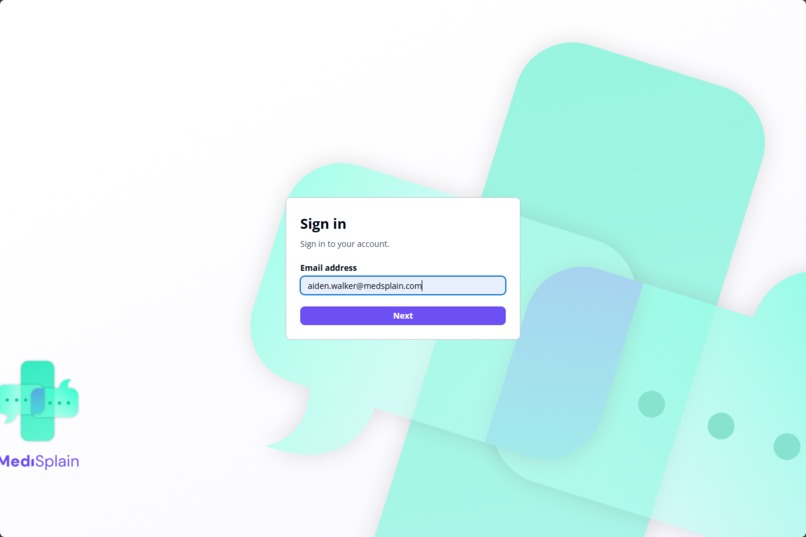
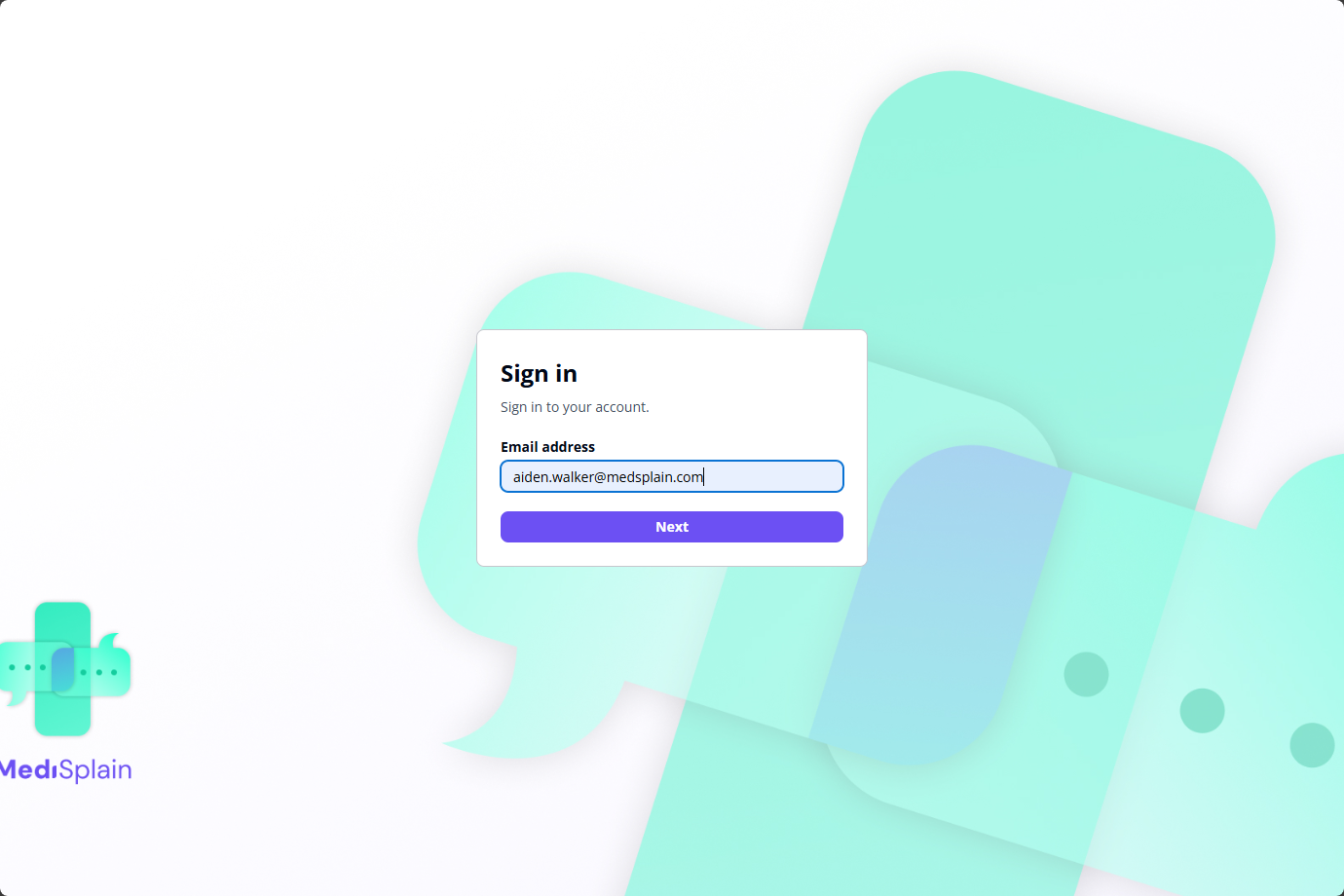
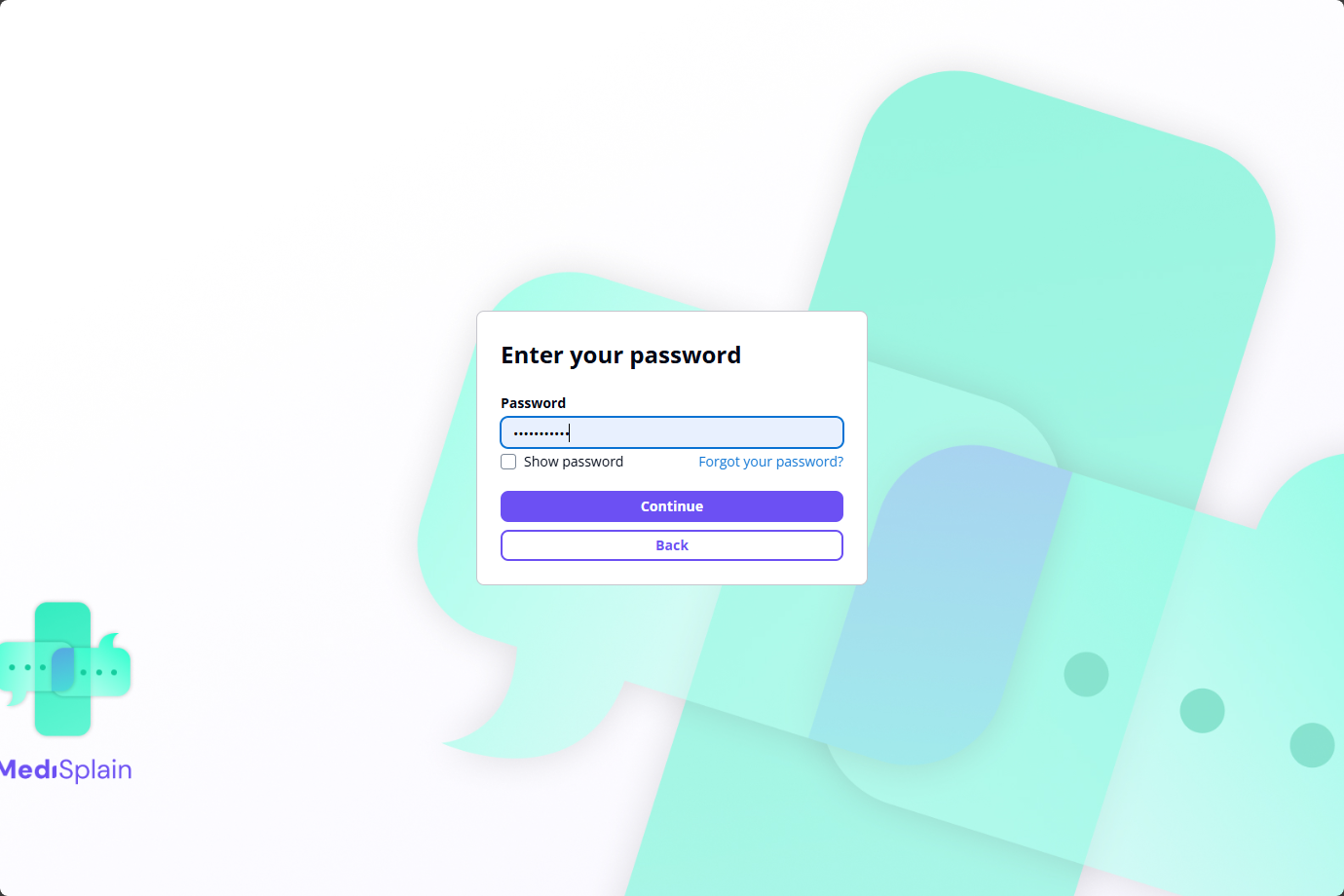
Login with email & password
-
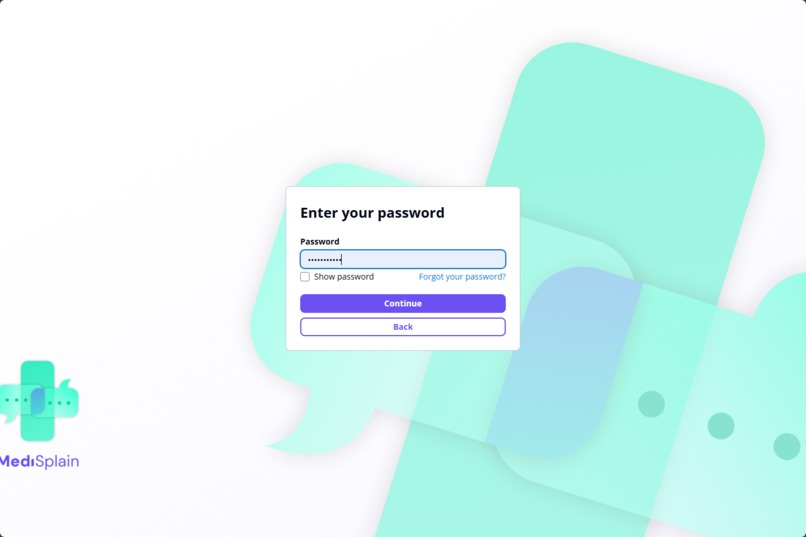
Login with email & password
-
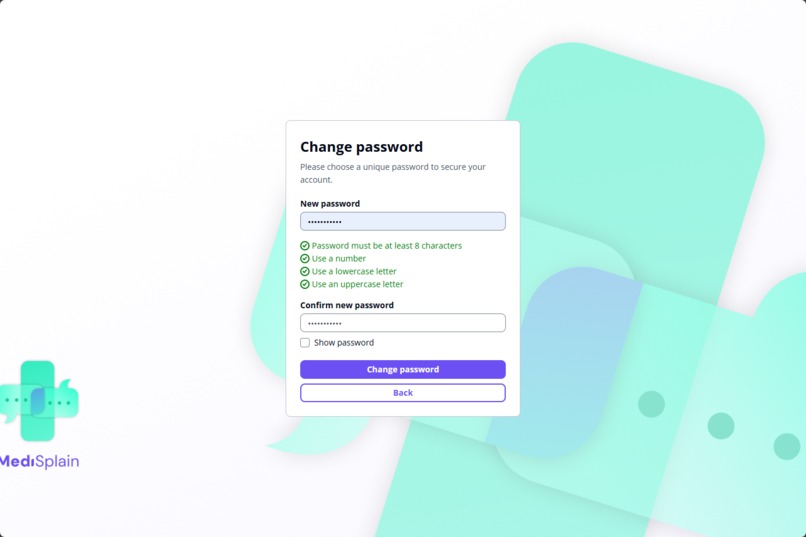
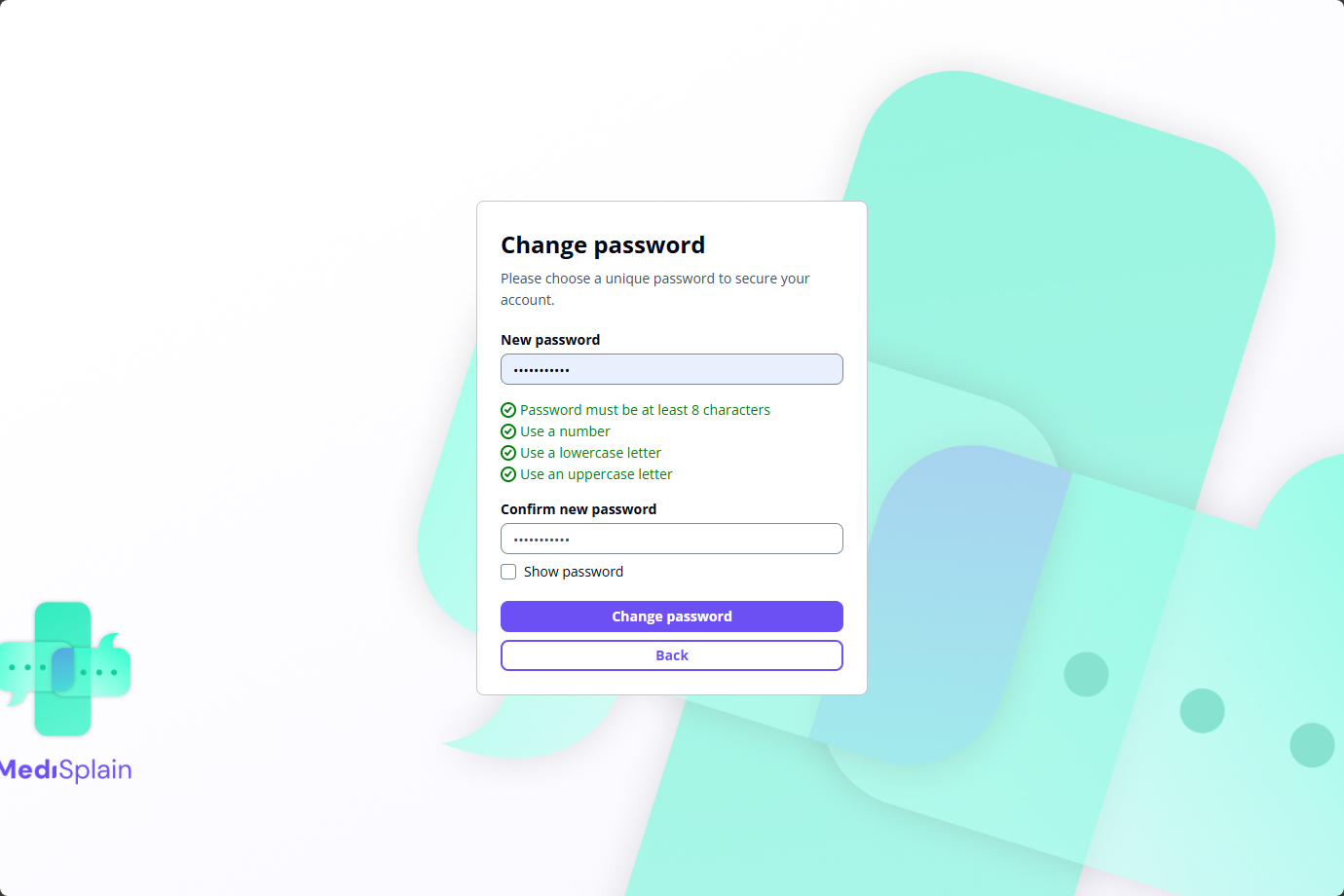
Change password
-
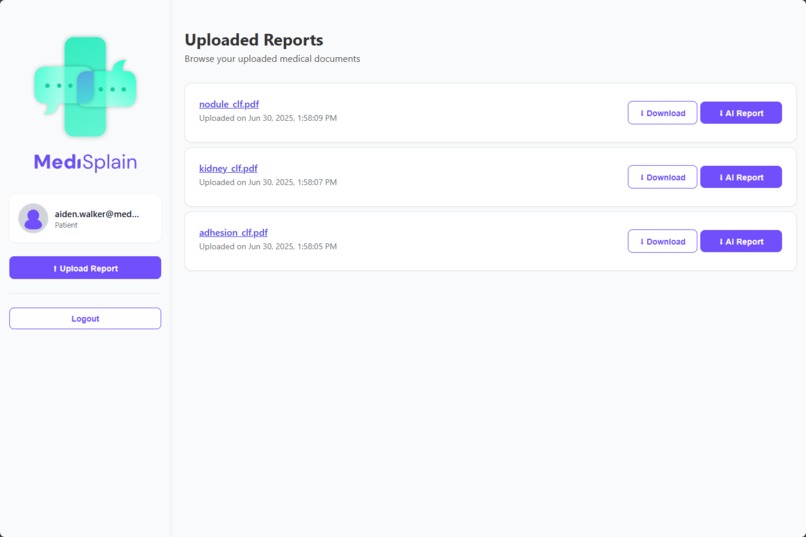
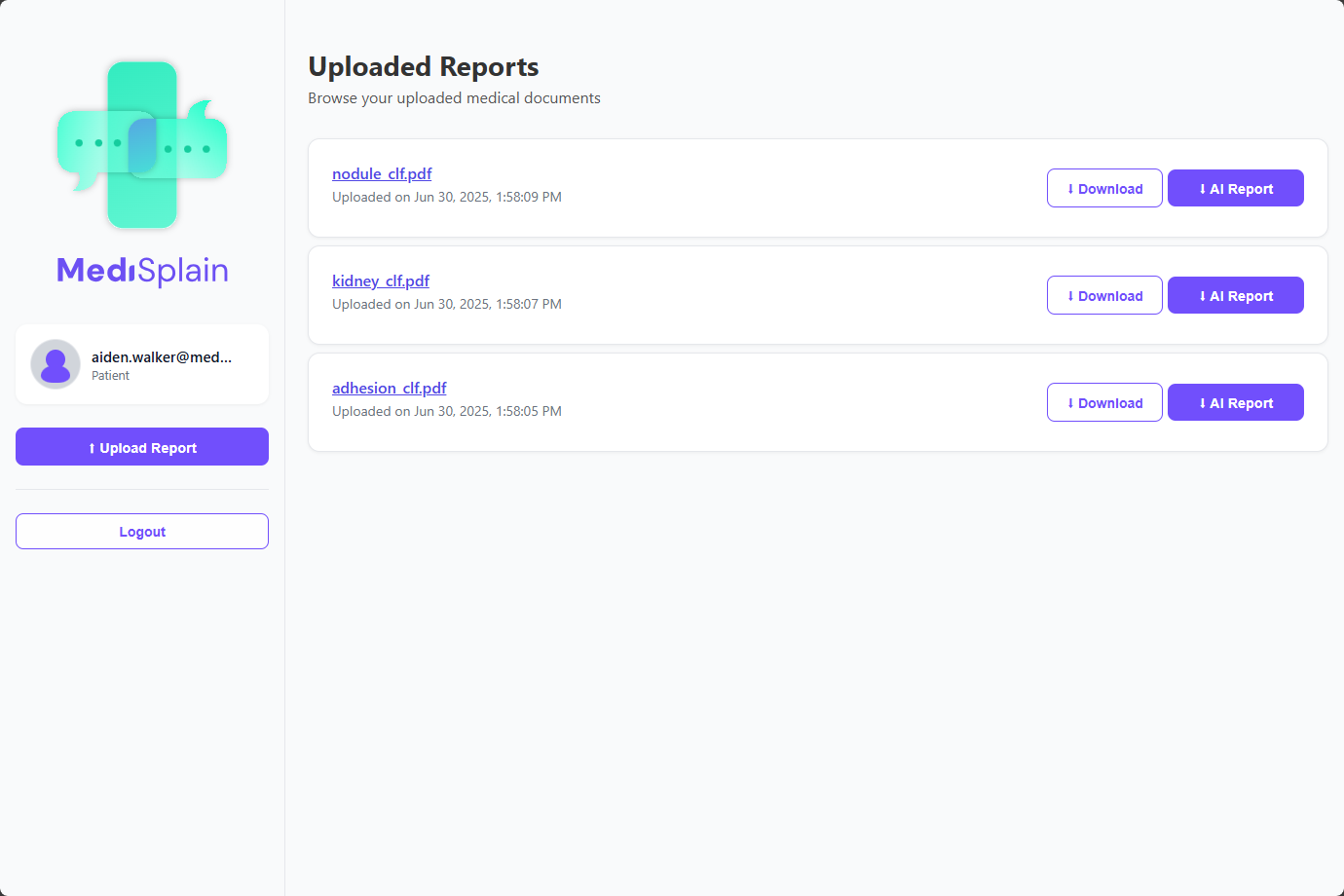
Report list
-
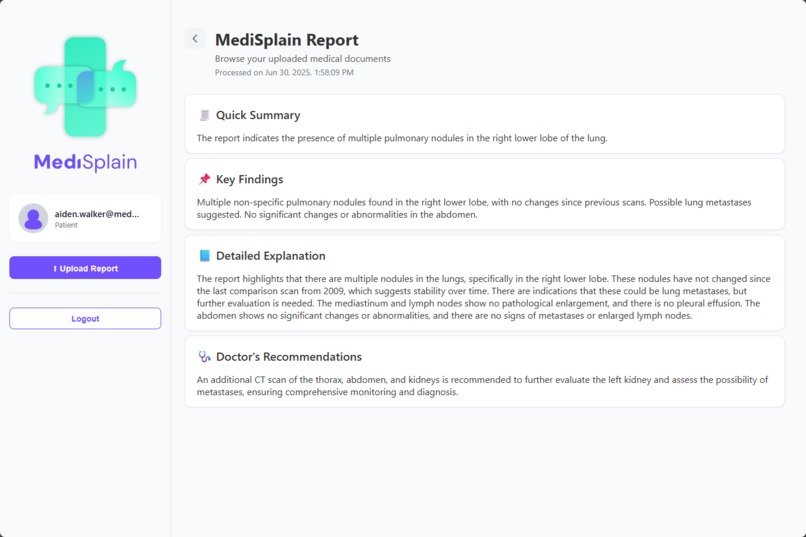
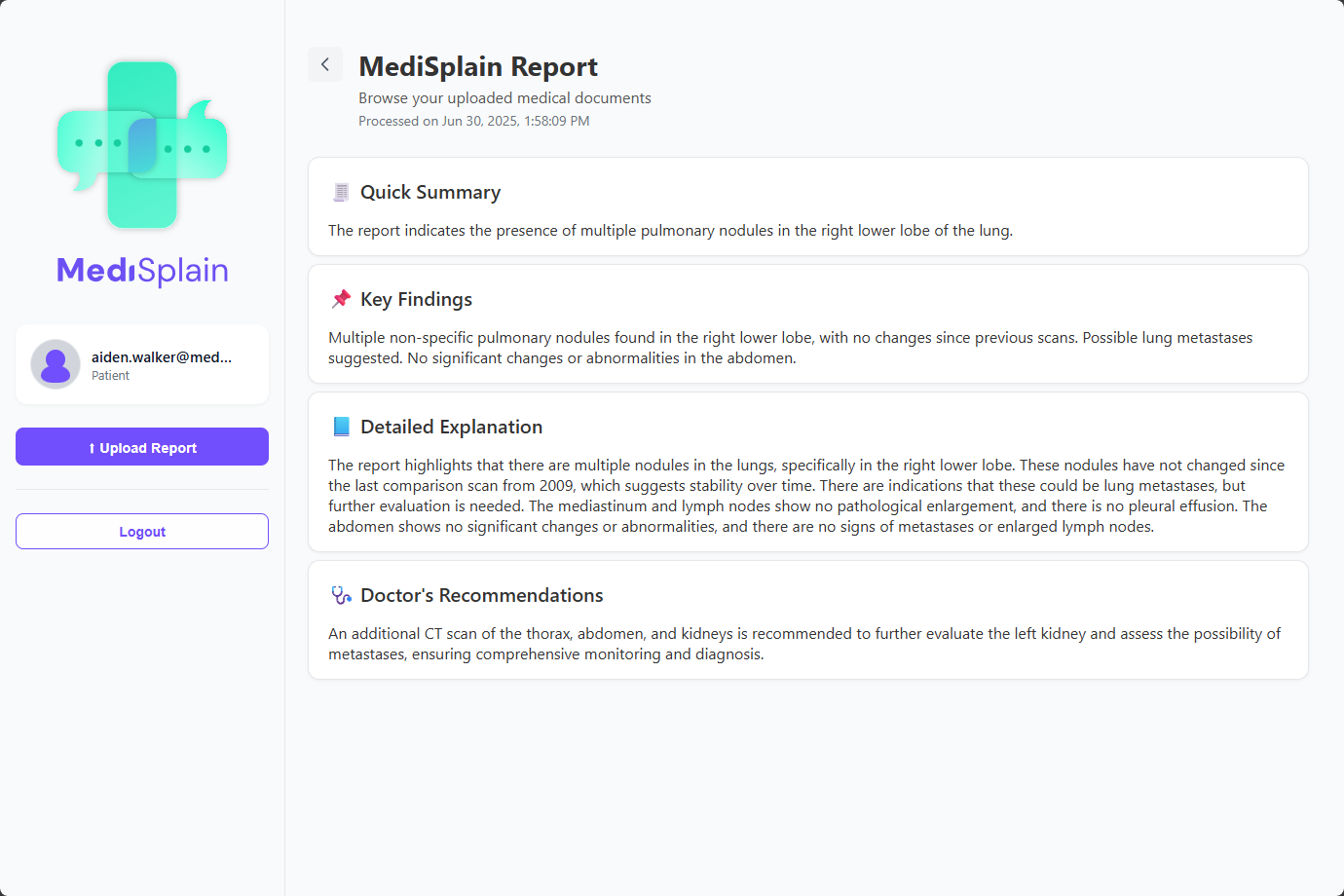
Extracted and processed report details
-
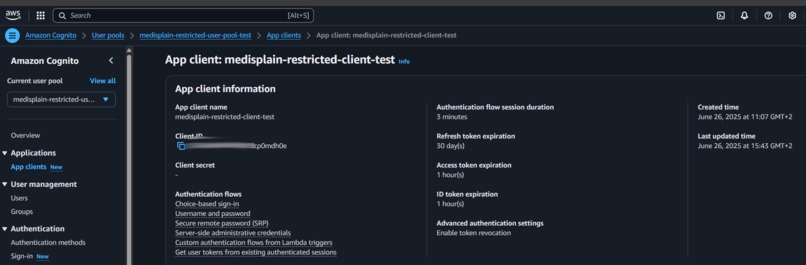
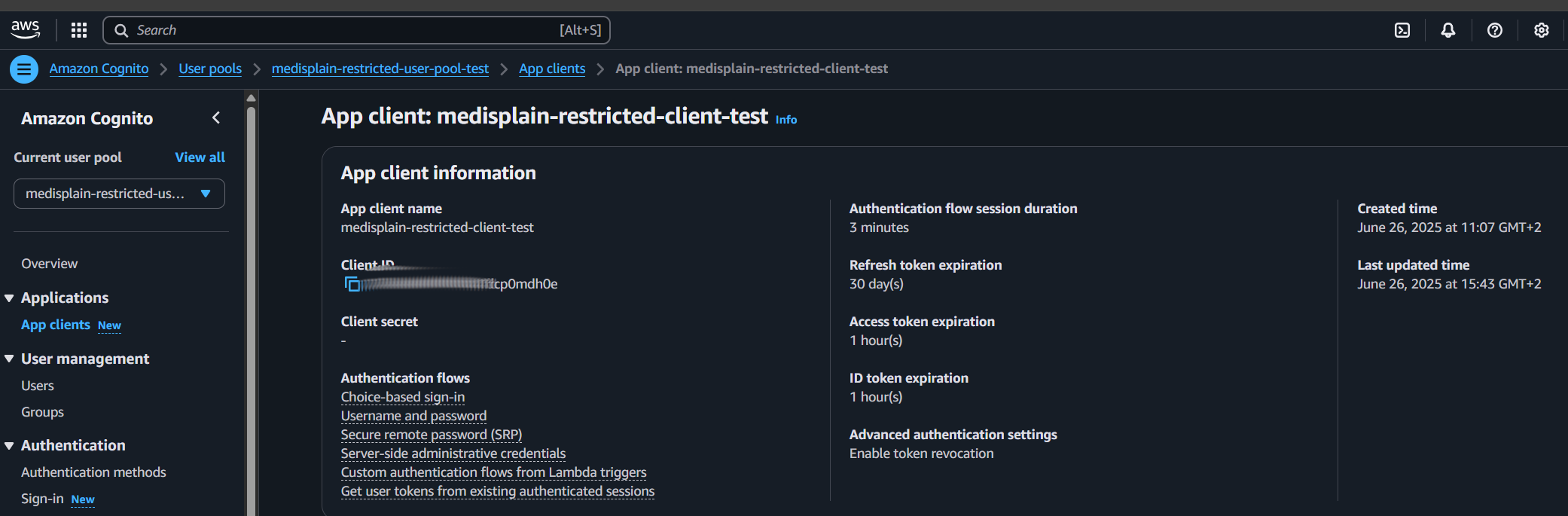
Amazon Cognito
-
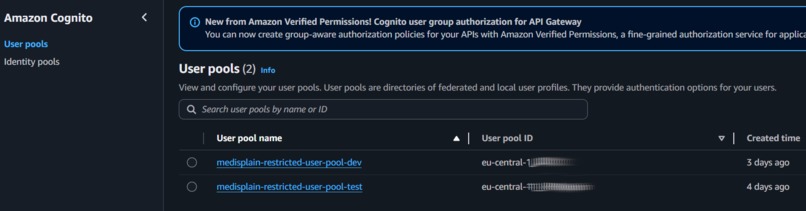
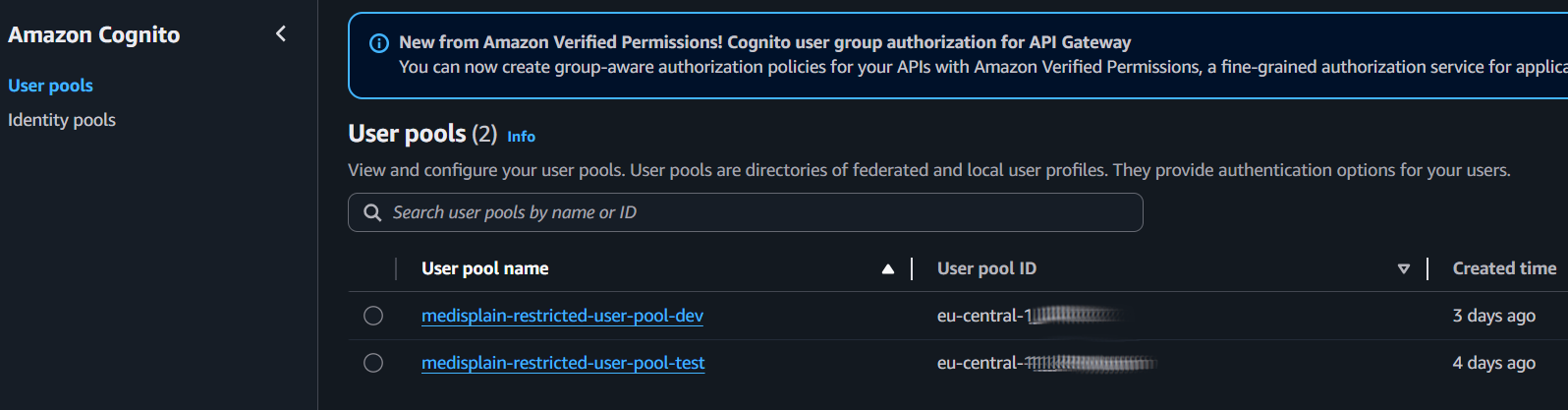
Amazon Cognito
-

Amazon CloudFront
-
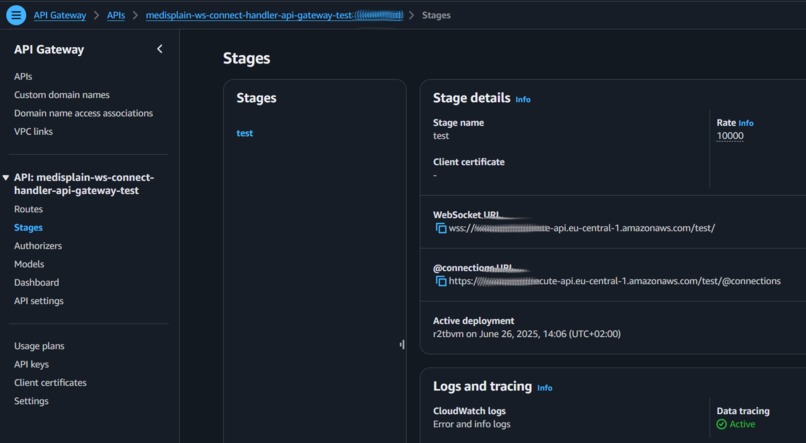
Amazon API Gateway
-
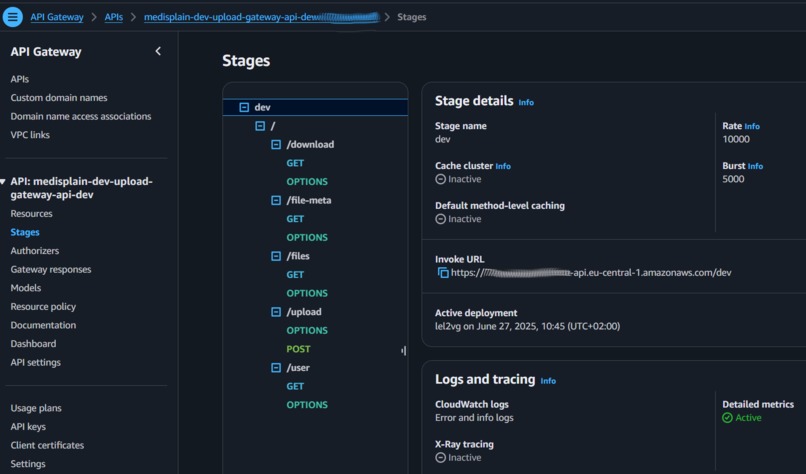
Amazon API Gateway
-
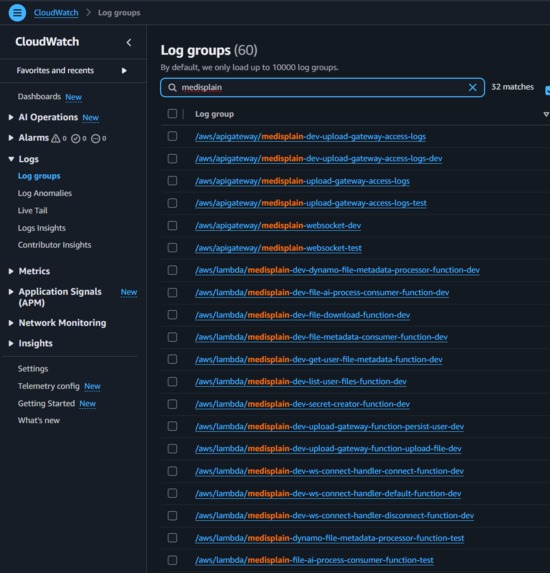
Amazon CloudWatch
-
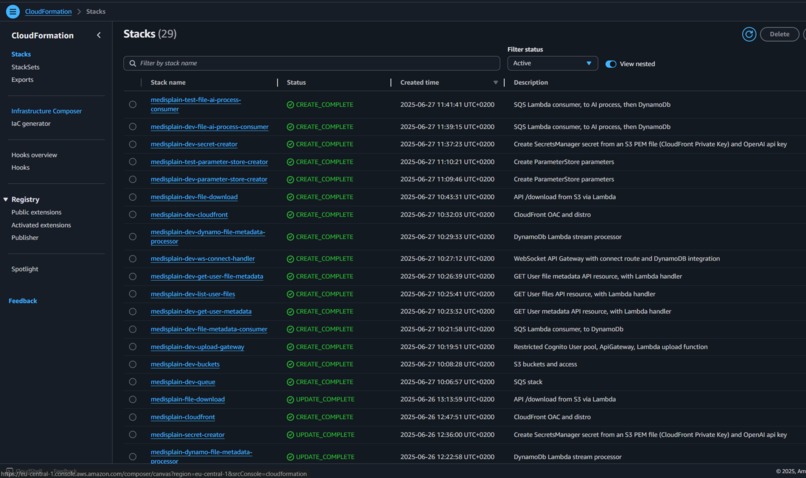
AWS CloudFormation
-
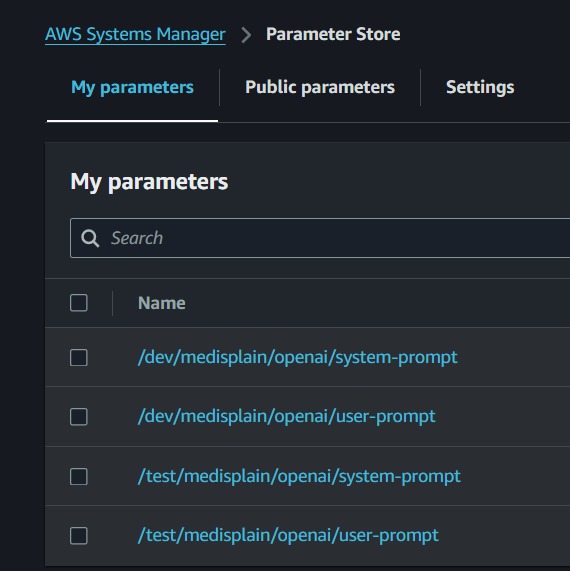
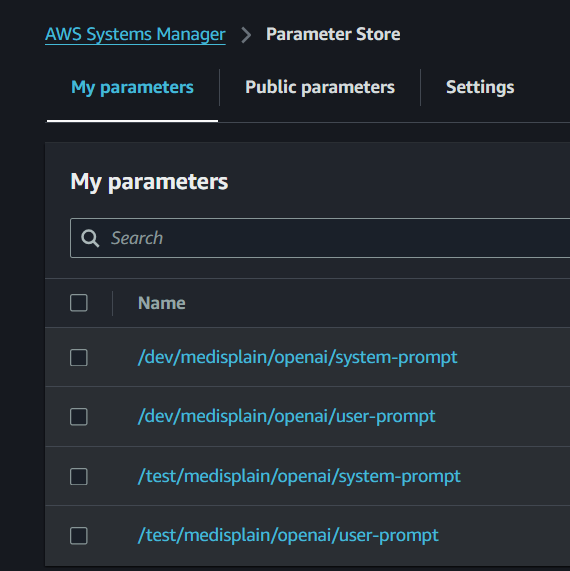
AWS Systems Manager Parameter Store
-
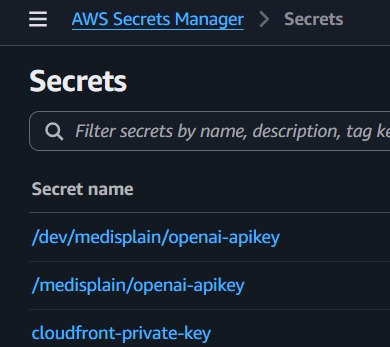
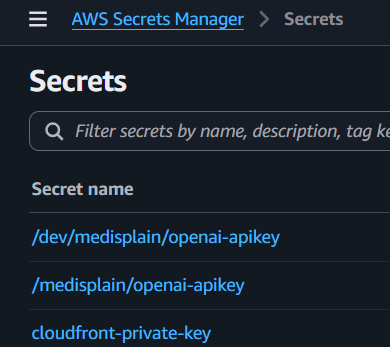
AWS Secrets Manager
-
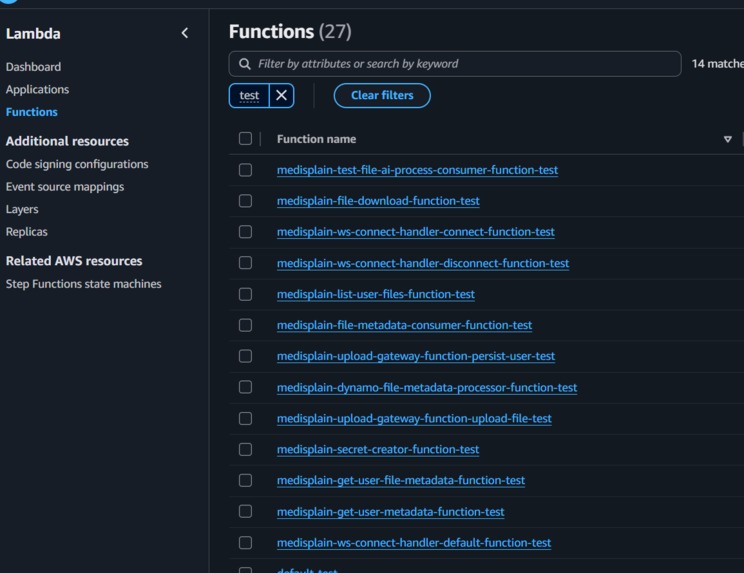
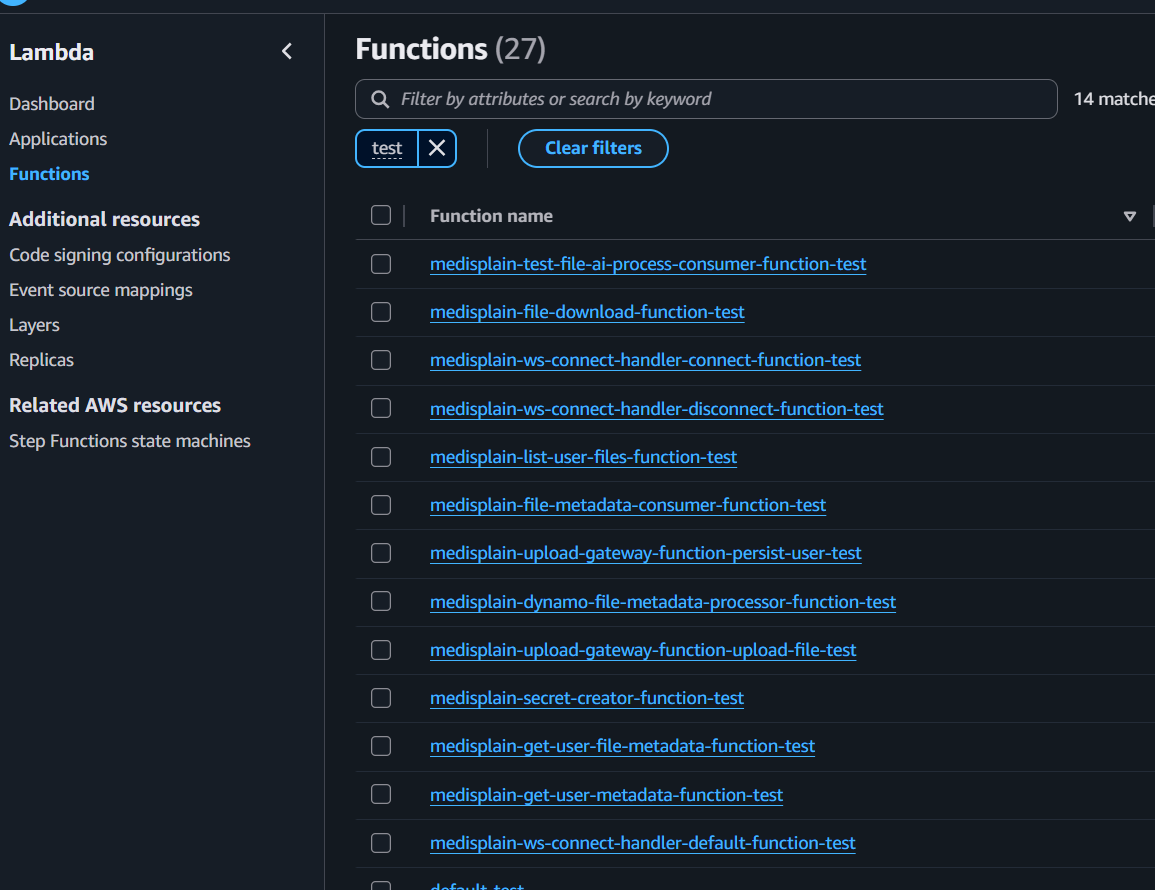
AWS Lambda
-
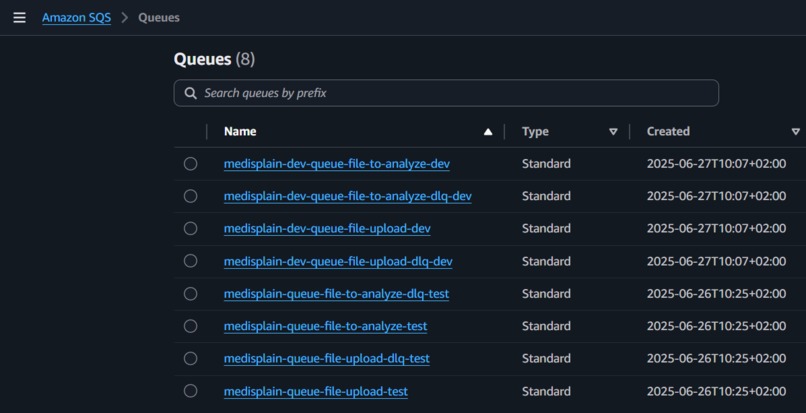
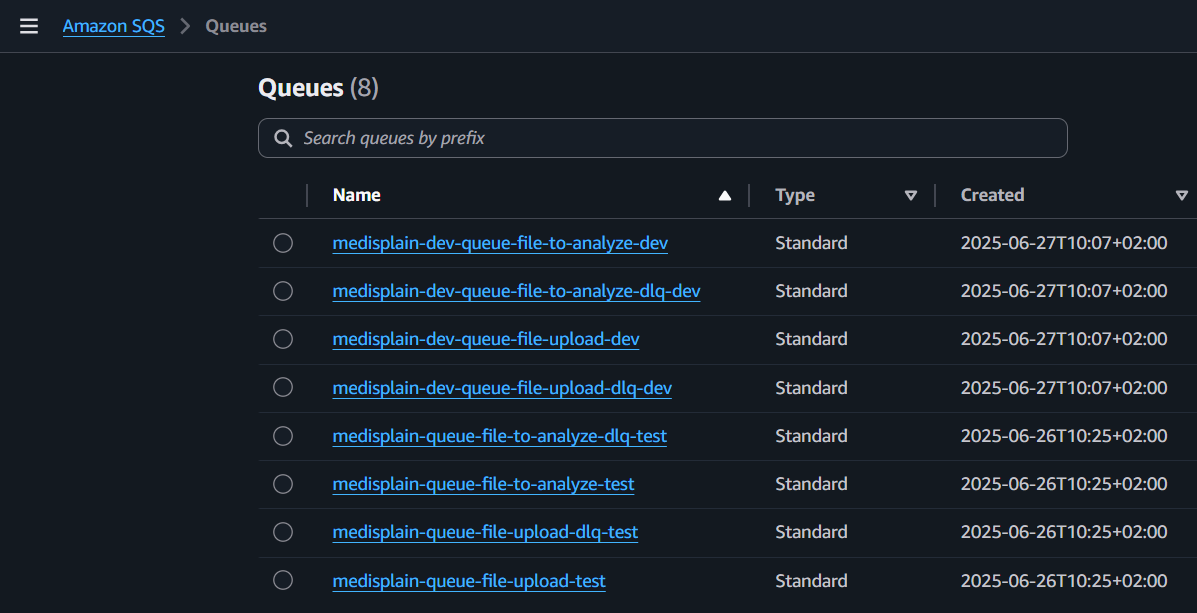
Amazon SQS
-
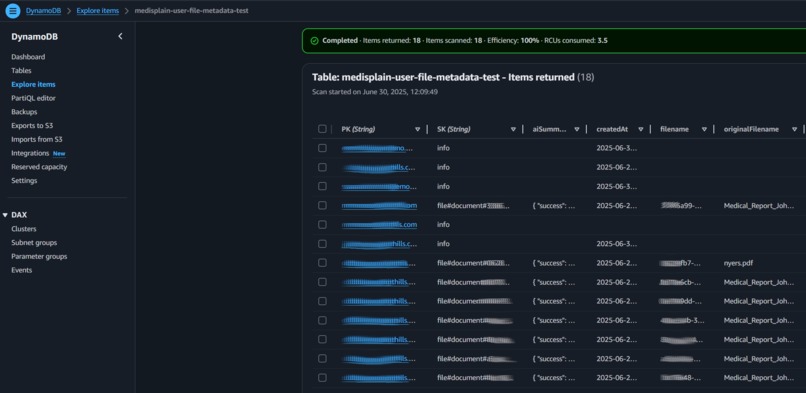
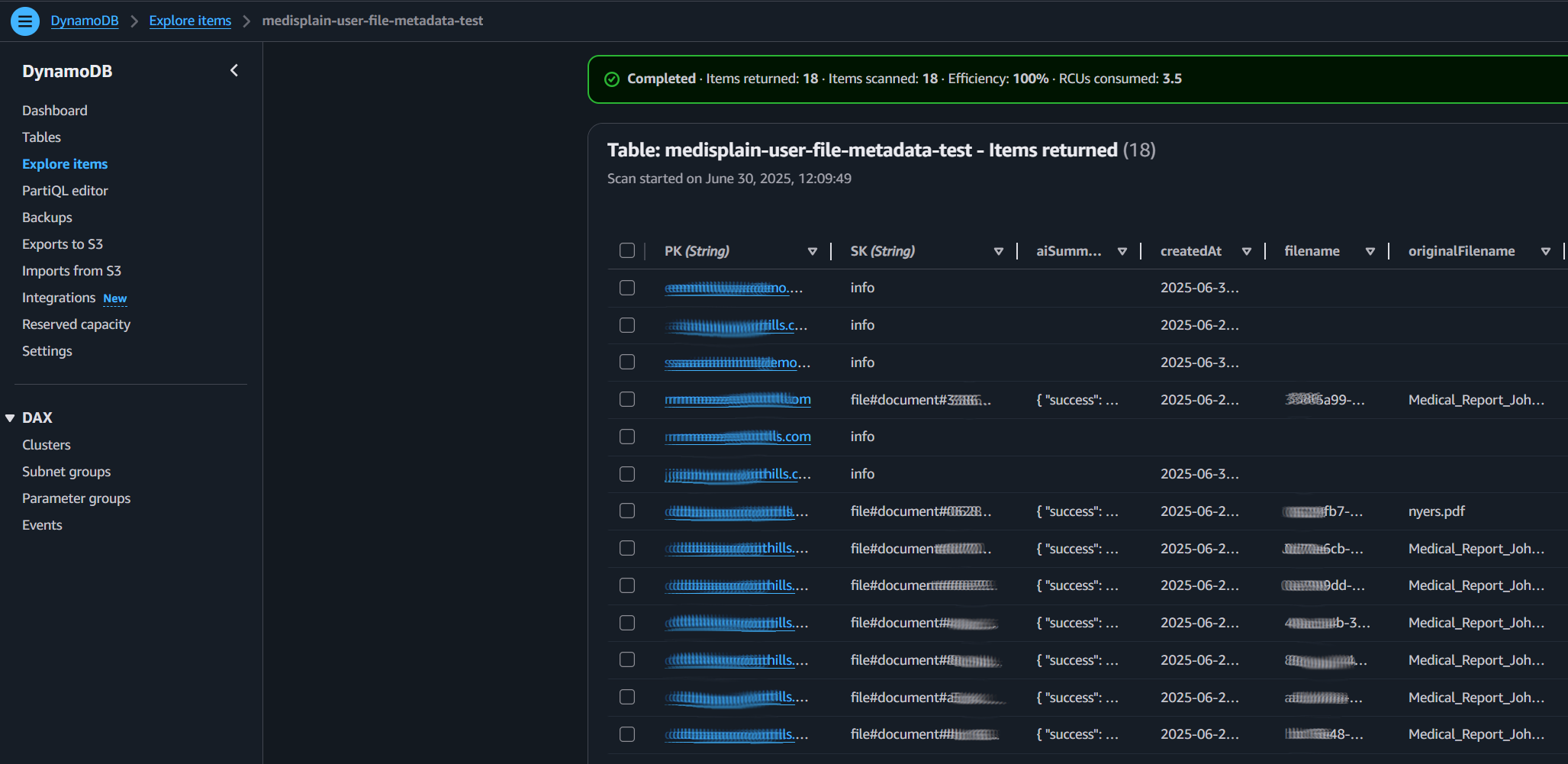
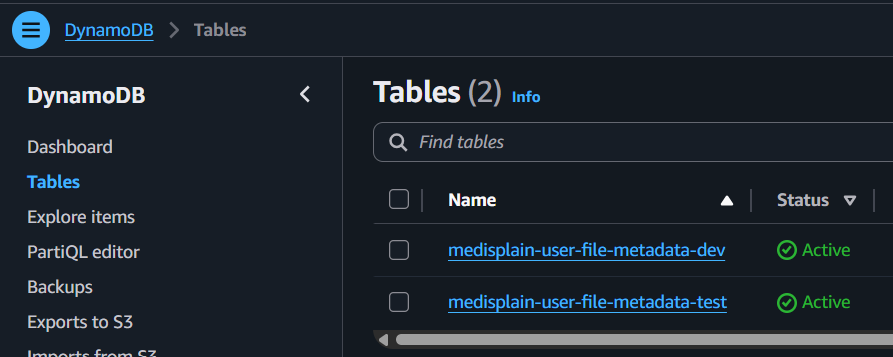
Amazon DynamoDB
-
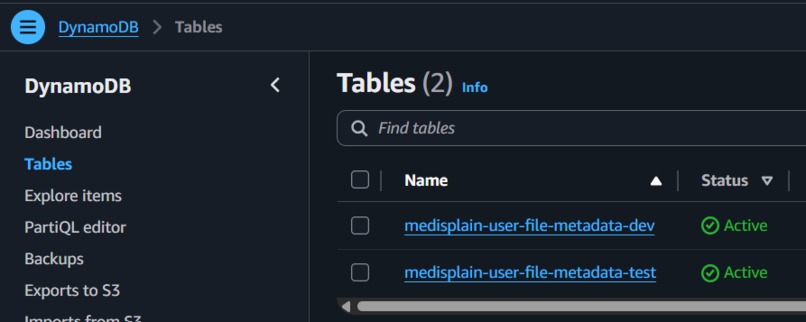
Amazon DynamoDB
-
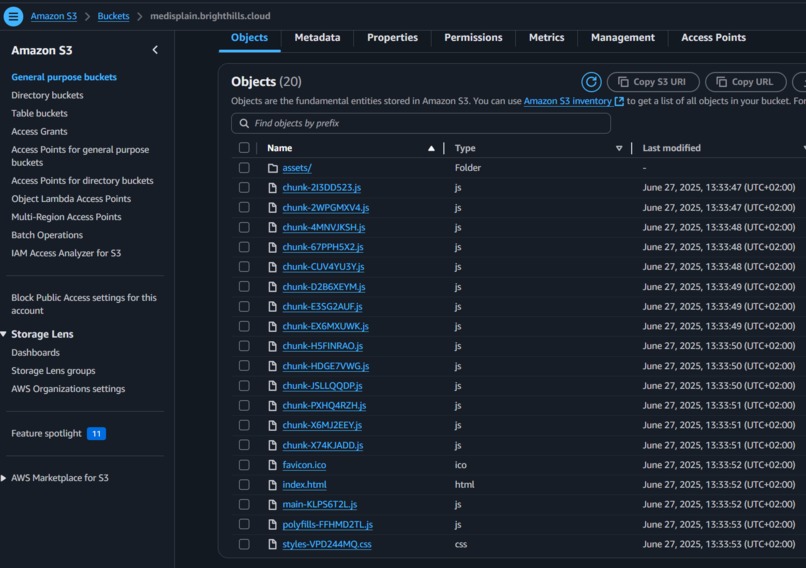
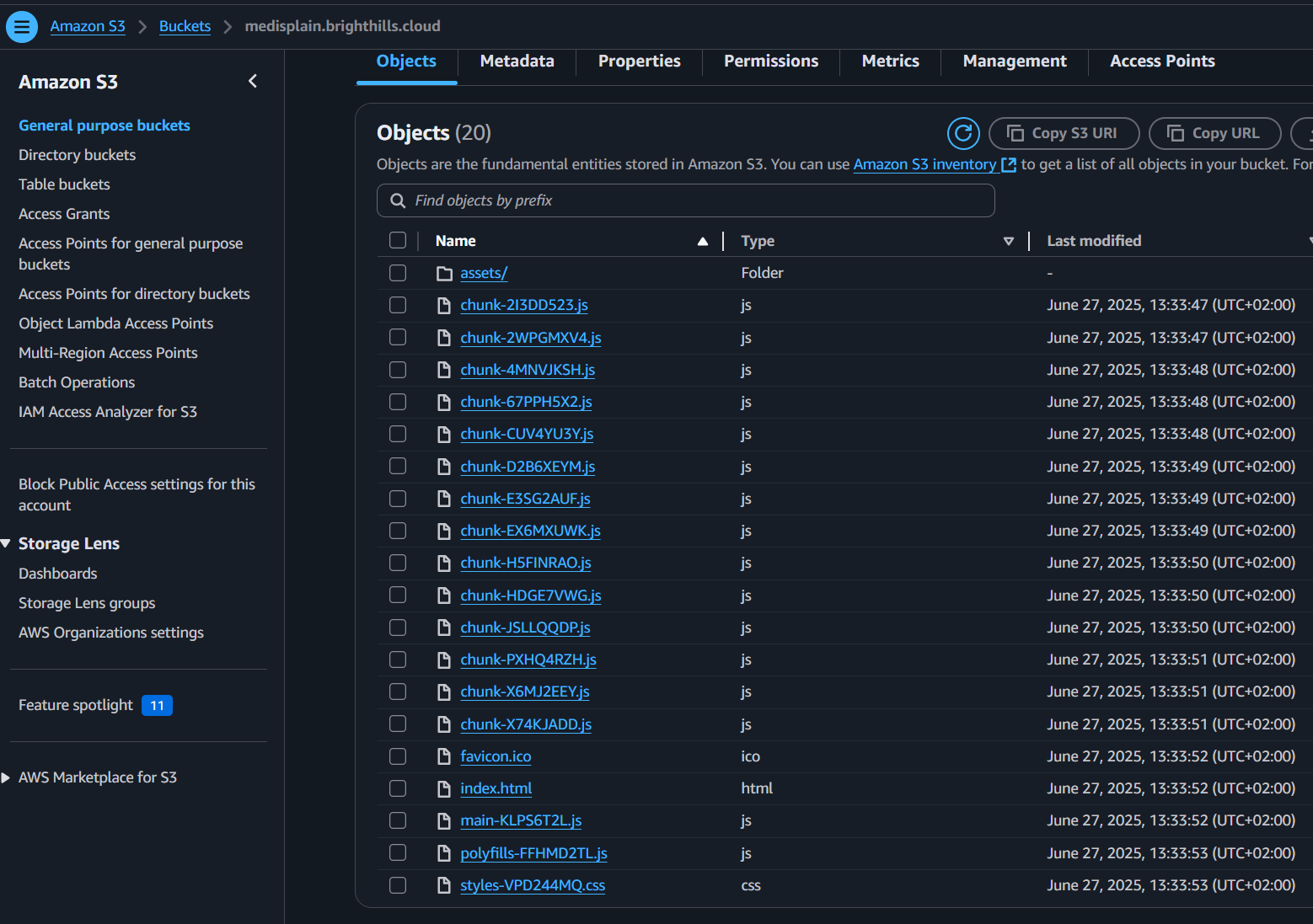
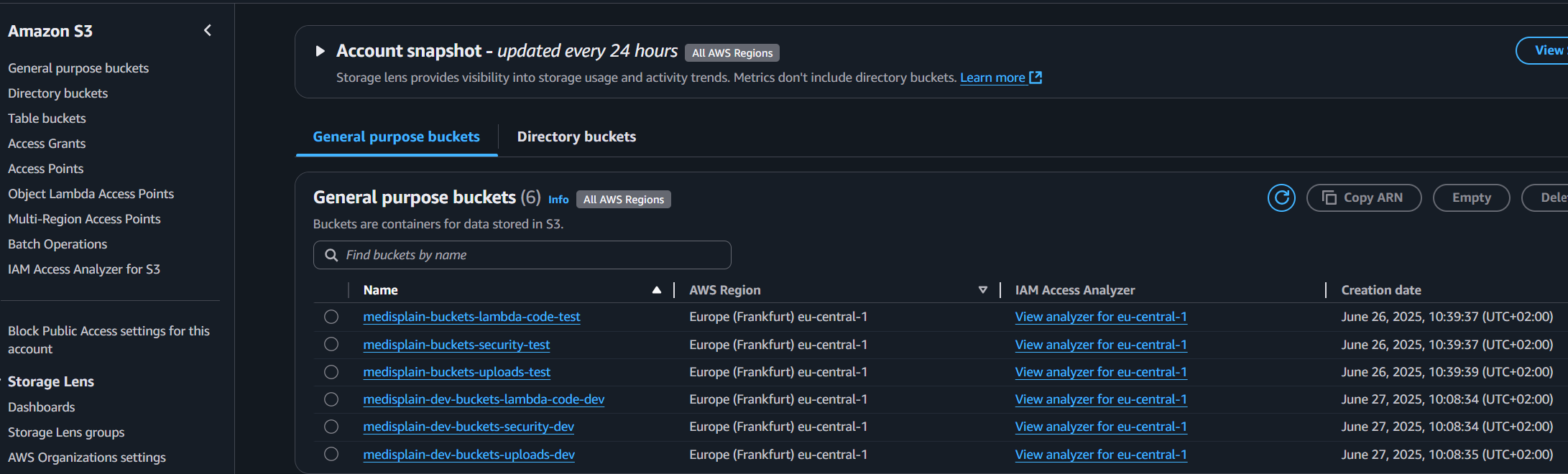
Amazon S3
-
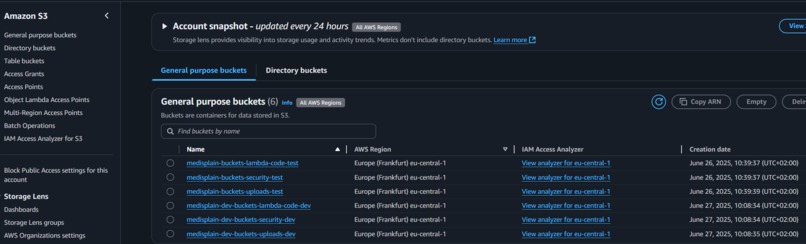
Amazon S3

Inspiration
The main inspiration was the AWS Lambda Hackathon itself. Instead of starting with a business problem, we began with architecture — we wanted to design a scalable, serverless solution first, and then find a real-world problem to match it. Since our company focuses on healthcare software development, we looked for an everyday healthcare challenge we could solve simply and quickly on AWS, in line with our values and services.
What it does
MediSplain helps patients understand complex medical reports in clear, simple language. Users can upload a PDF report (OCR PDFs only are allowed for now), which is processed by our AI-based backend, and receive an easy-to-read, jargon-free summary. While the final results are anonymized, the original documents are not fully anonymous yet — but we are working towards making the entire process as privacy-focused as possible.
MediSplain requires a user login. We do not provide an option for subscribing to a new account, but we prepared some sample accounts for trial. Please visit our GitHub repository for the details. Pick a user, login, and try MediSplain out. [link]https://github.com/brighthills/medisplain
How we built it
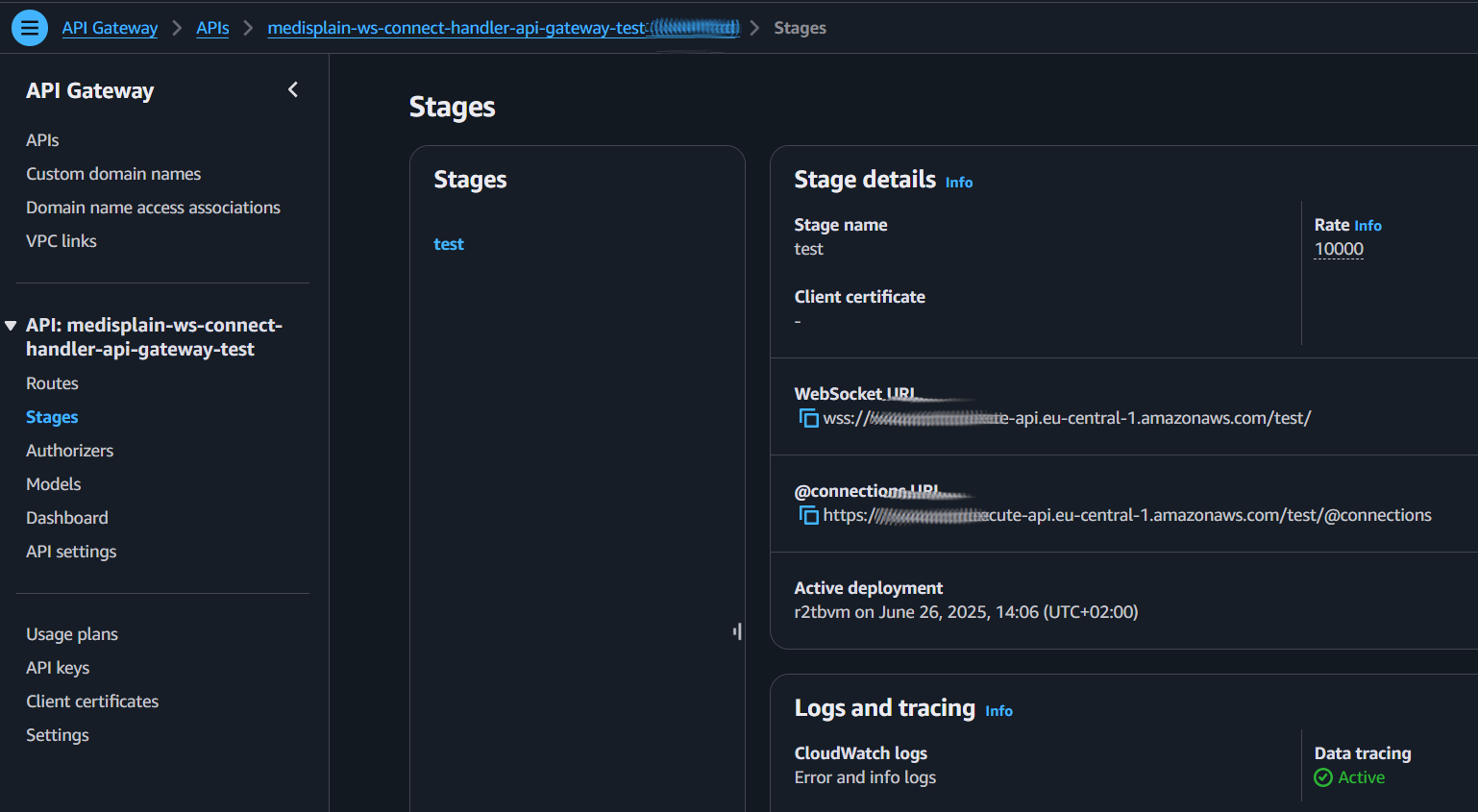
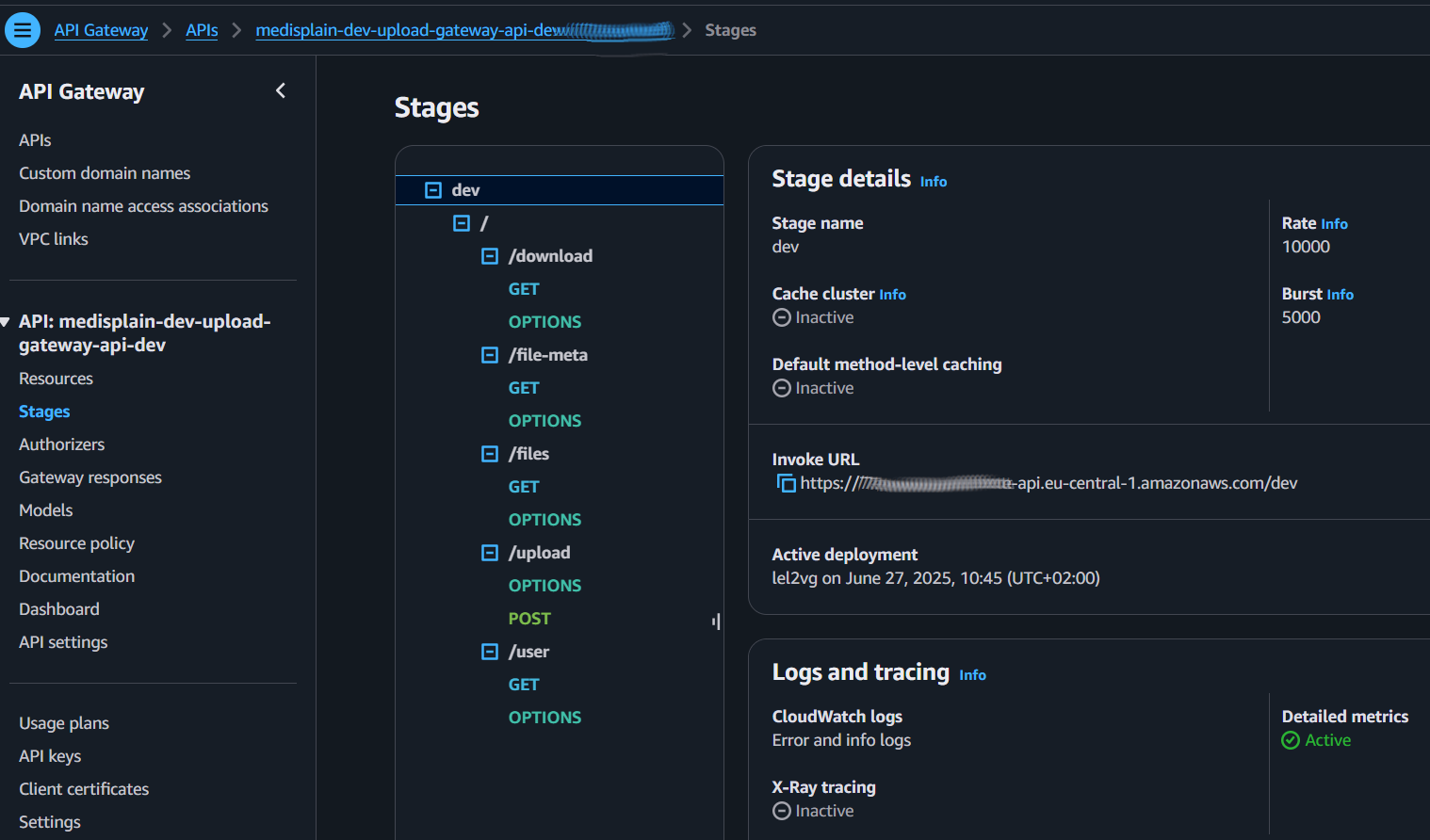
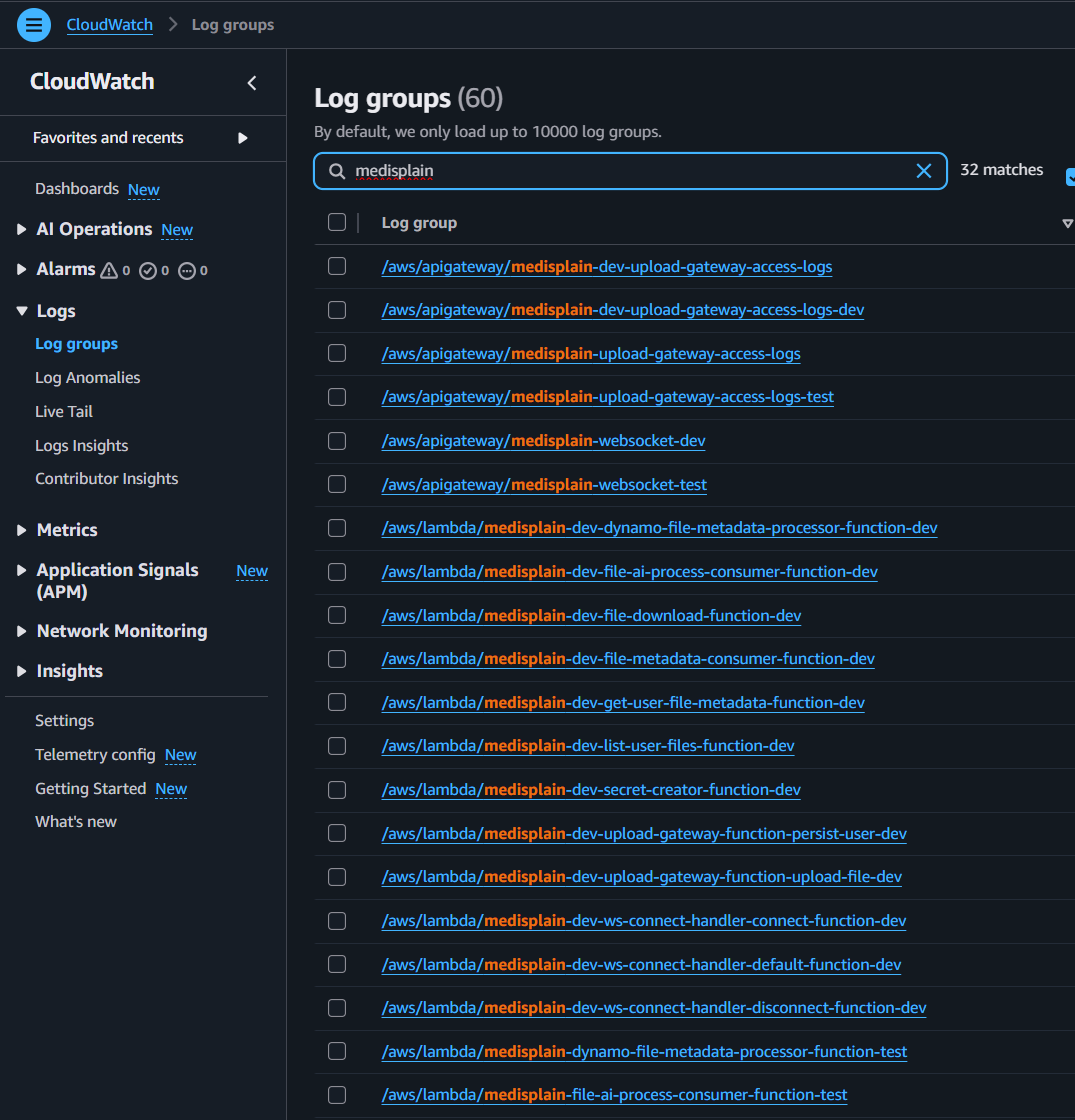
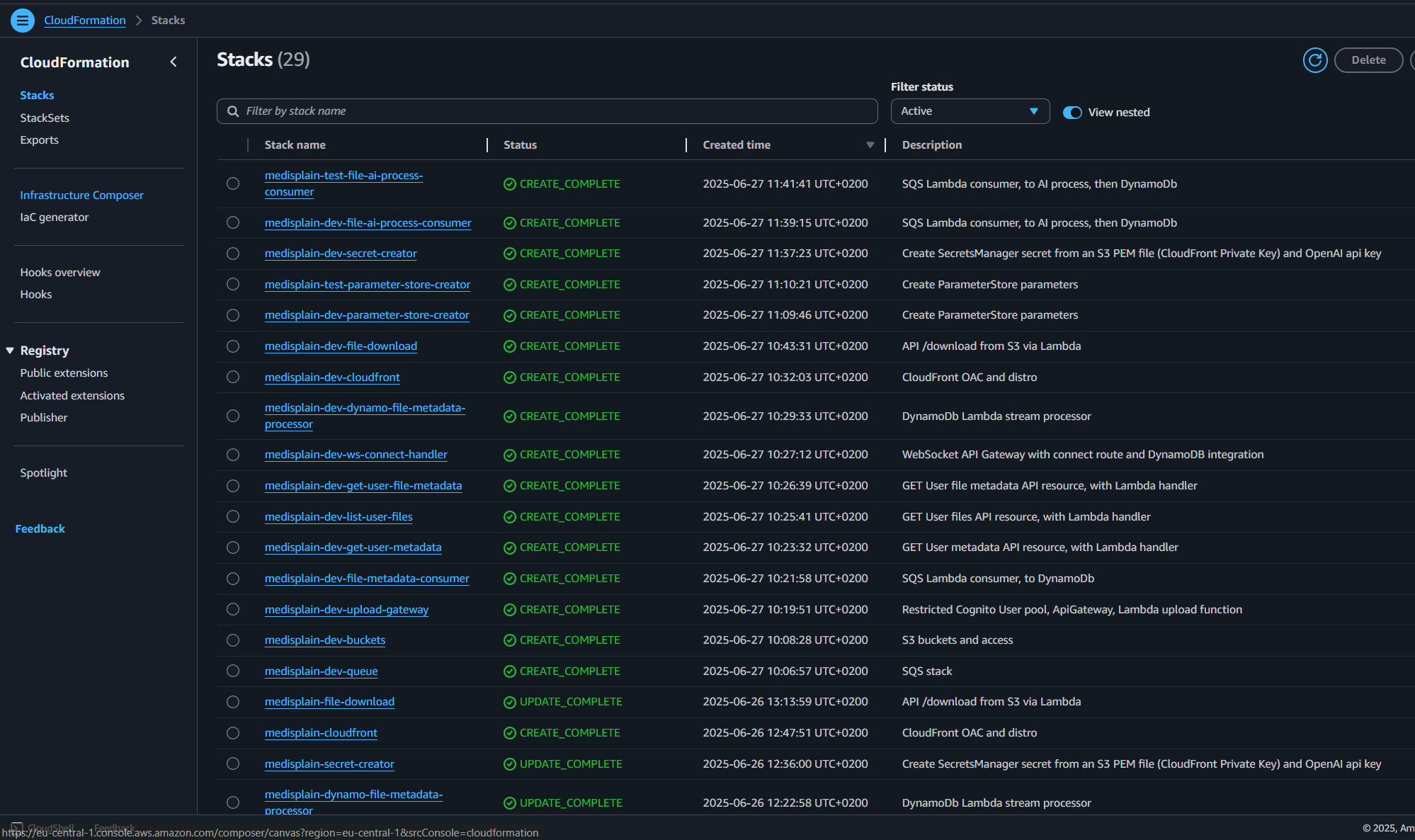
We designed a fully serverless, scalable (though not yet fully robust) architecture following the AWS Well-Architected Framework. We used AWS Lambda for processing, S3 for storing reports, DynamoDB for structured data, API Gateway and SQS for orchestration, and integrated the OpenAI API via secure Lambda functions. Secrets Manager and Parameter Store are used for key and prompt management. The frontend is a simple Angular single-page app, with real-time notifications via WebSocket and SNS. We also used GitHub Actions for CI/CD and CloudFormation for infrastructure as code.
Challenges we ran into
Our original project idea was different, and this specific team had never worked together in this form before. Although each member had AWS experience, finding a shared problem and aligning our technical direction quickly was challenging. We also learned about the hackathon quite late, so the short timeline added extra pressure. Despite this, we came together fast and turned these constraints into a strength.
Accomplishments that we're proud of
We’re proud that we were able to deliver a complete, working solution in such a short time, while staying true to both our technical goals and our mission to help patients. We successfully connected a new team, proved that we can design and deliver a scalable healthcare solution on AWS, and created something that already feels impactful beyond the hackathon.
What we learned
We learned the importance of rapid team alignment under time pressure, how to balance user simplicity with strict security and privacy requirements, and how to quickly build a robust, serverless architecture that integrates AI effectively.
What's next for MediSplain
Besides supporting as many input formats as we can, in the future, we plan to add features like full patient history, predictive analytics, and even interactive conversations with your medical data. We believe this project can grow into a real-world healthcare tool that empowers patients and transforms how they understand their health.
Built With
- amazon-api-gateway
- amazon-cloudwatch
- amazon-cognito
- amazon-cognito-hosted-ui
- amazon-dynamodb
- amazon-lambda
- amazon-route-53
- amazon-secret-manager
- amazon-sqs
- amazon-web-services
- angular.js
- cloudformation
- github
- openai
- python
- typescript


Log in or sign up for Devpost to join the conversation.