-
-
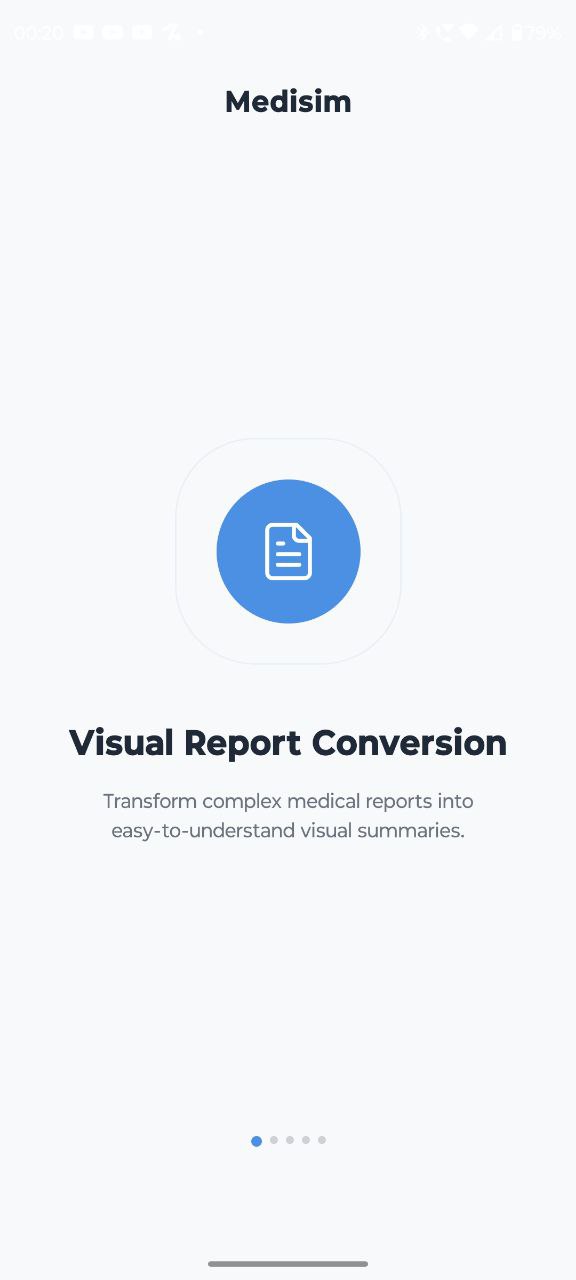
greeting page
-
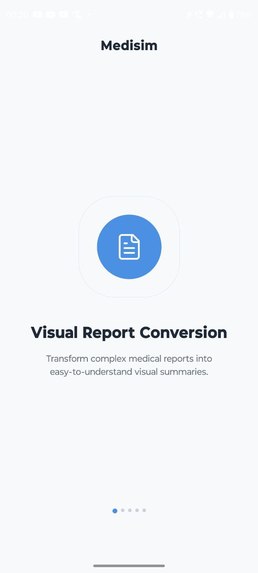
feature list
-
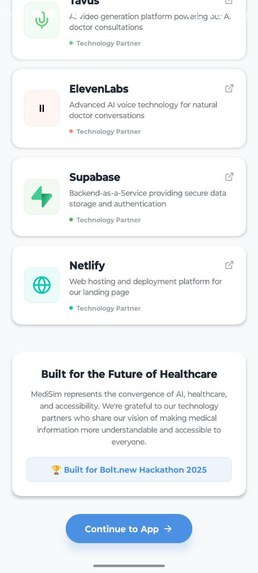
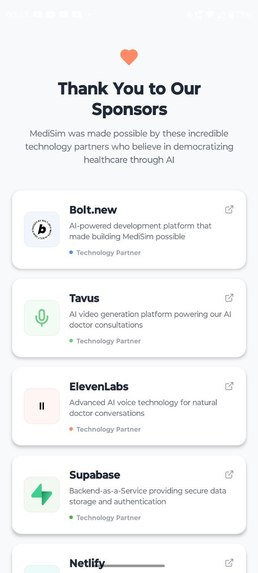
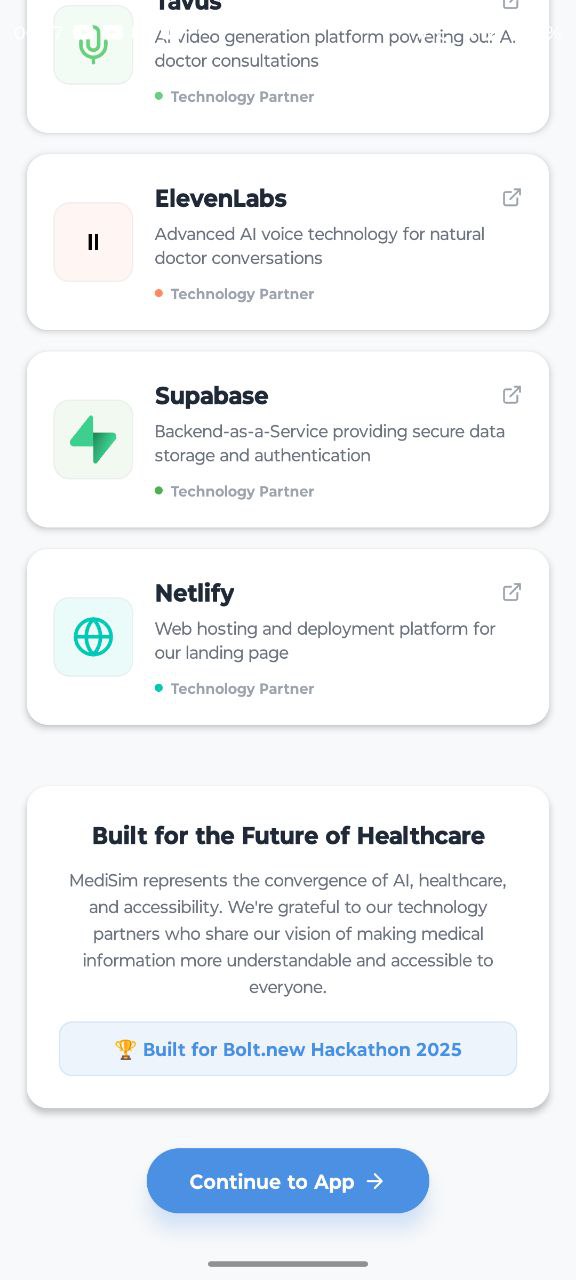
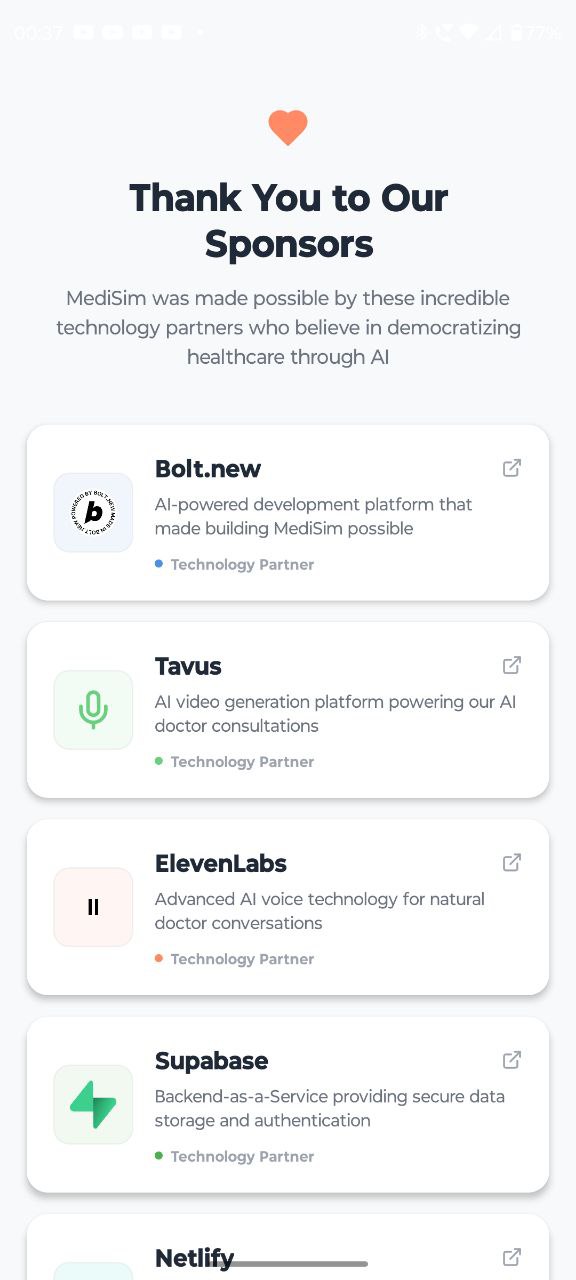
sponsor thanks
-
-
-
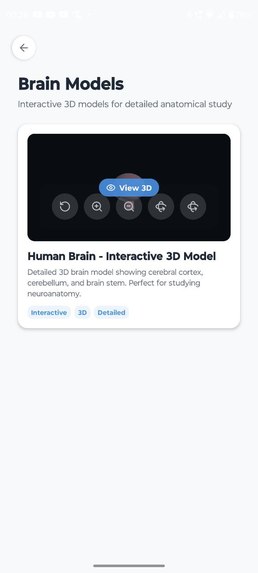
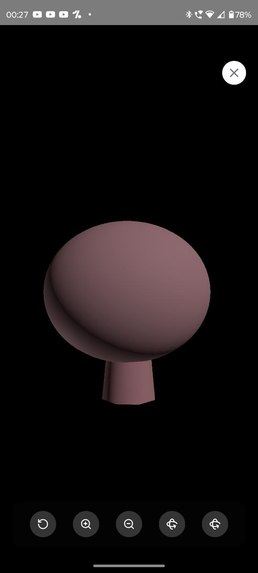
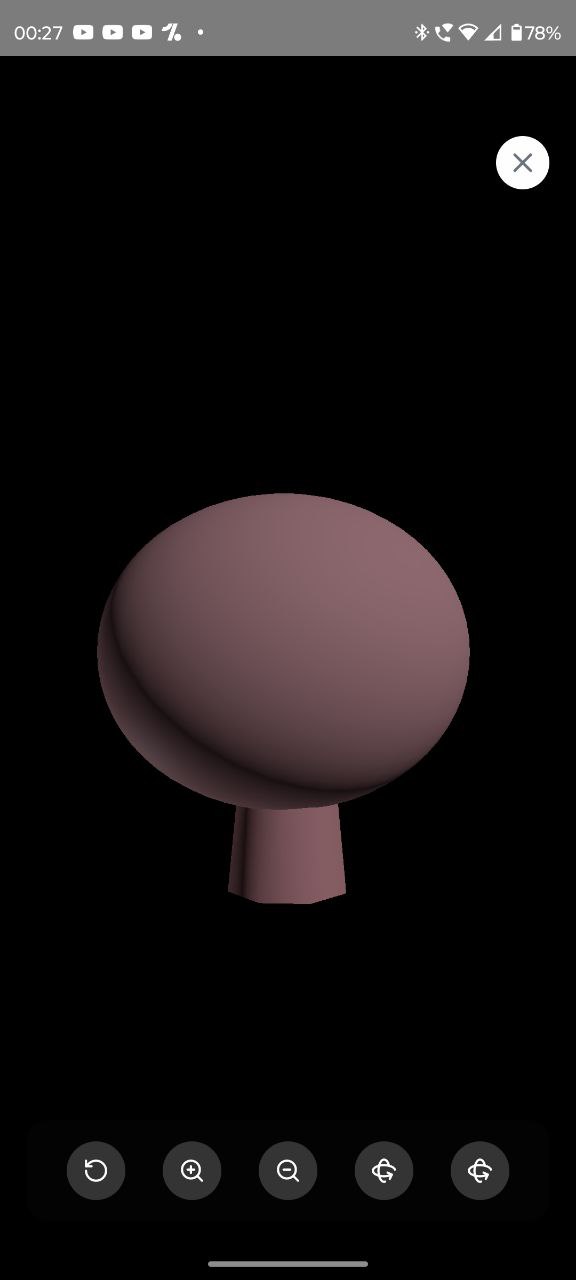
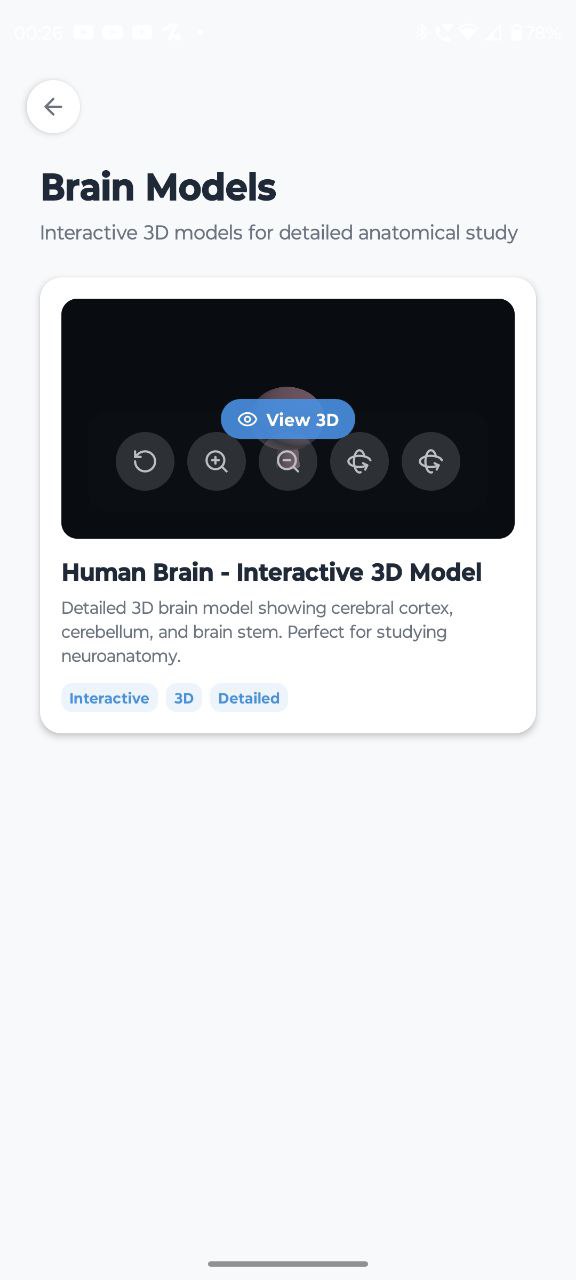
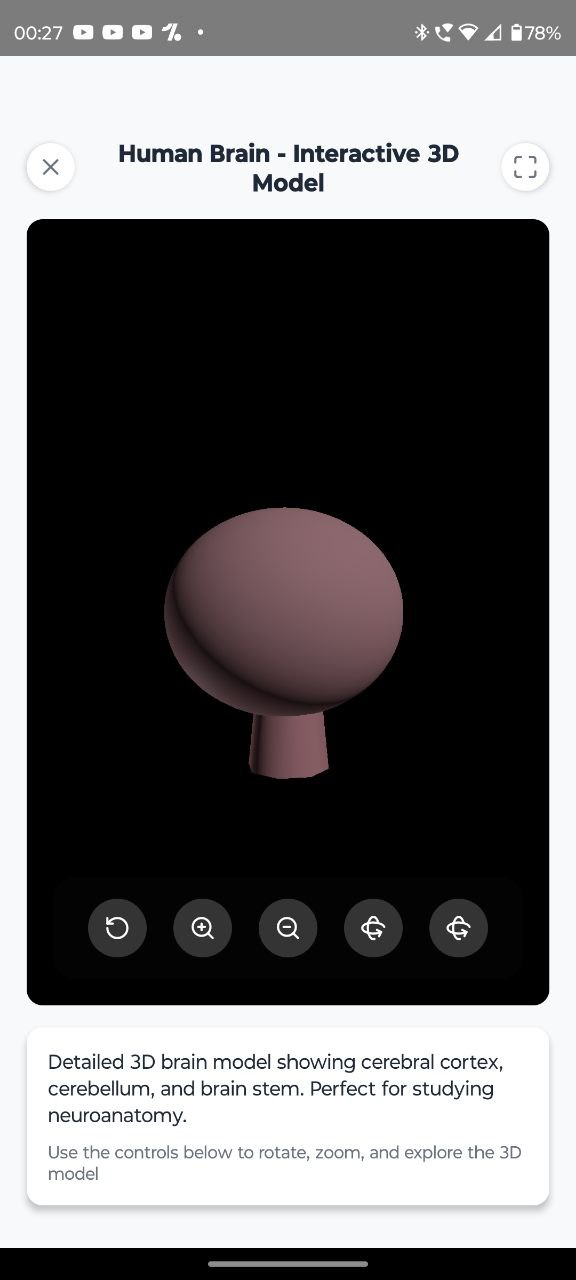
3d models
-
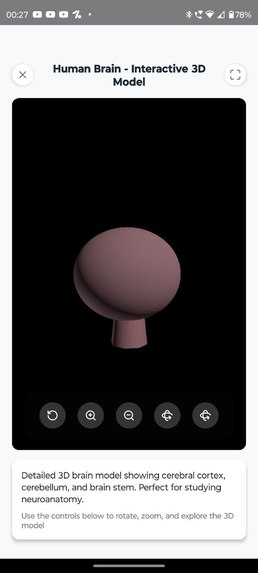
3d sample model
-
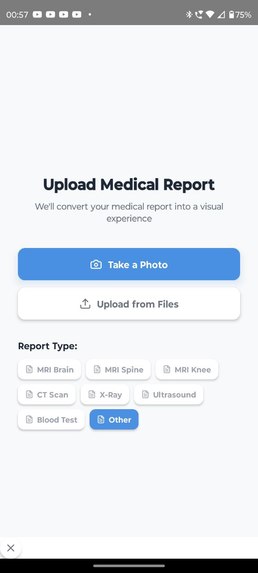
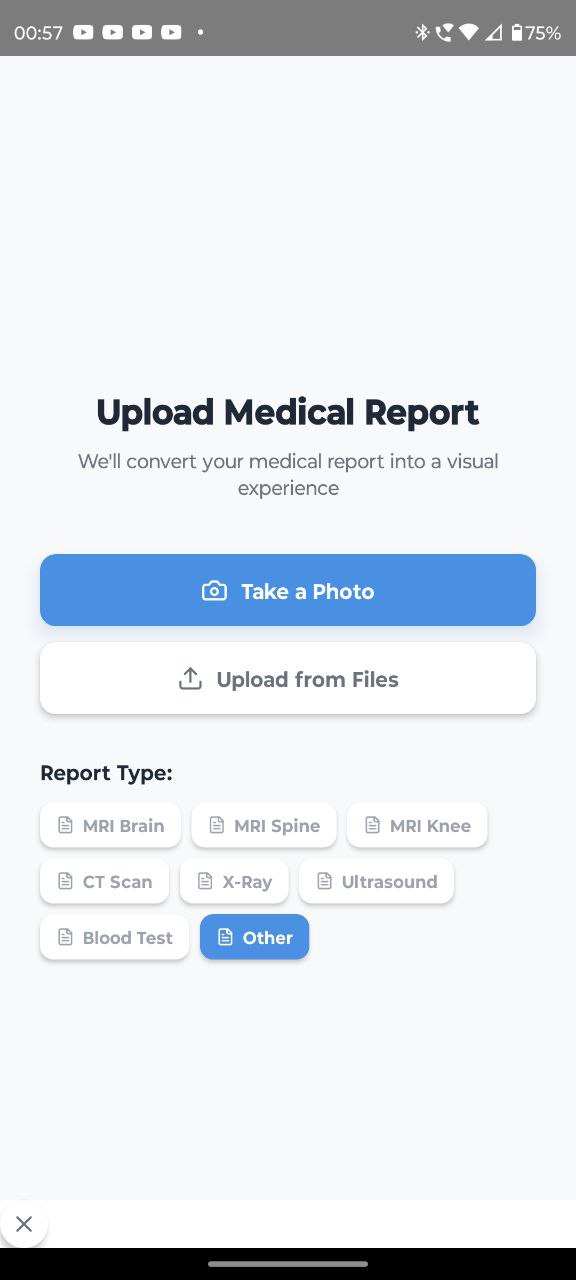
core feature
-
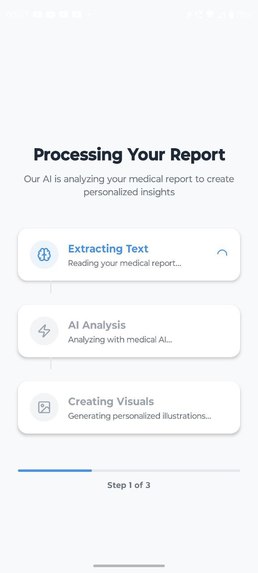
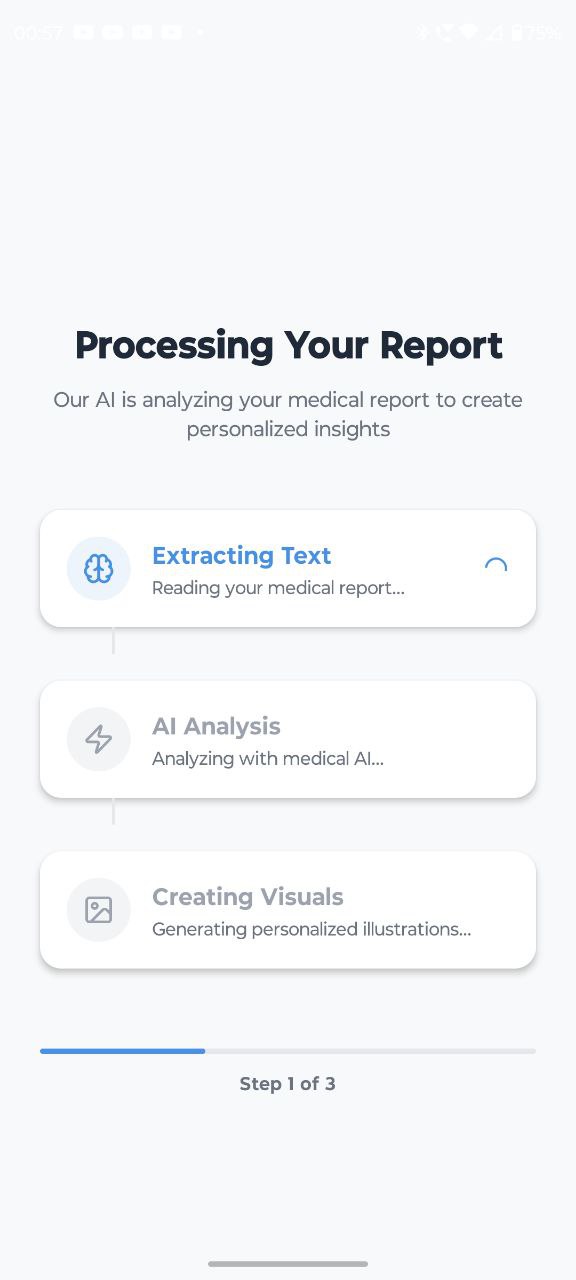
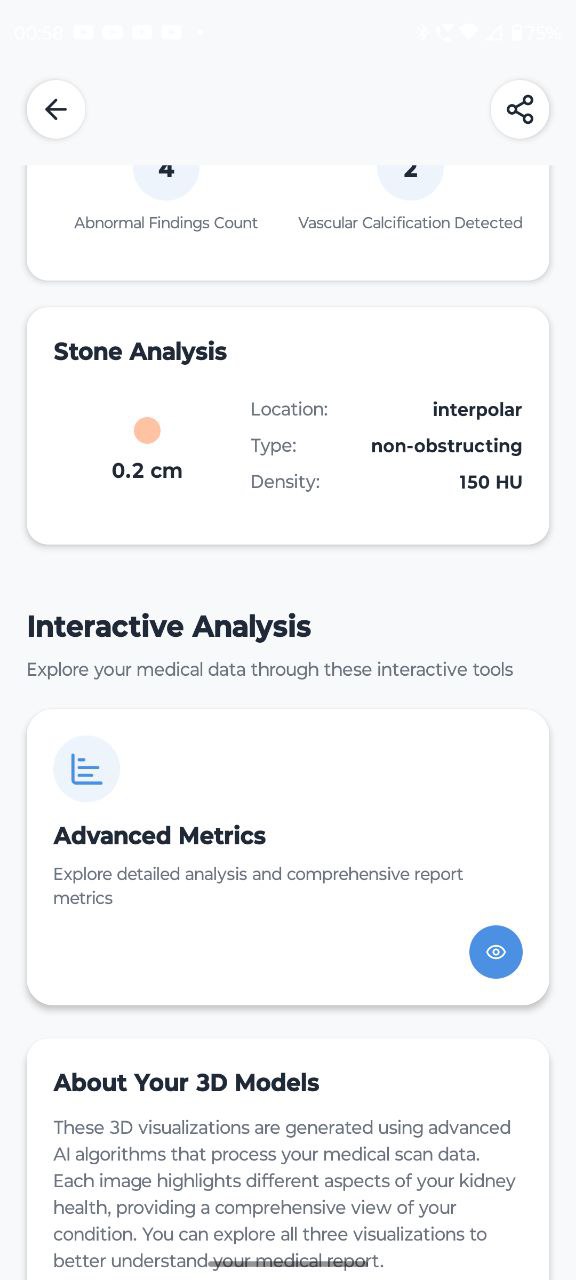
analysis
-
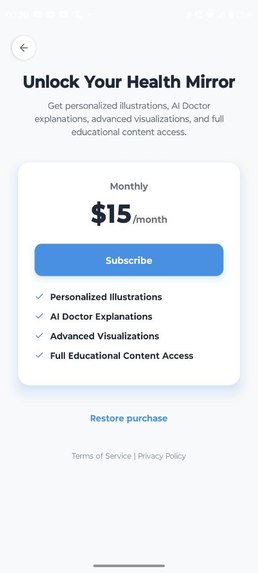
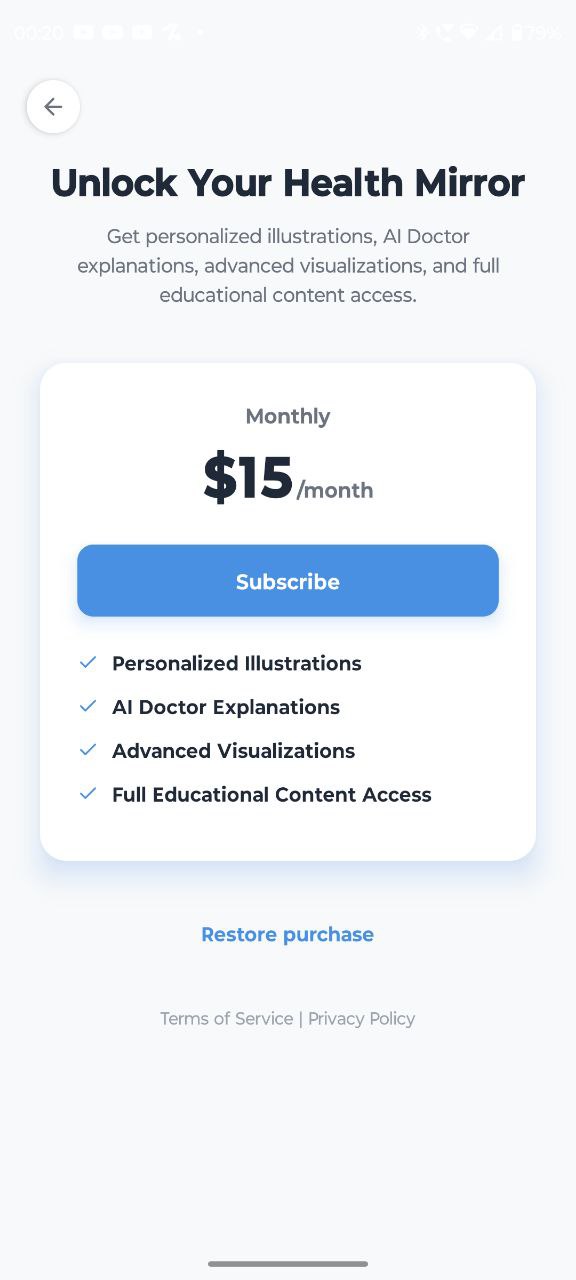
pricing page
-
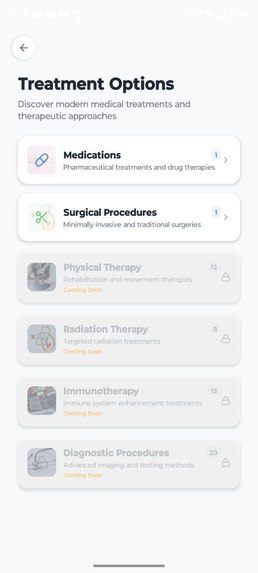
explore section
-
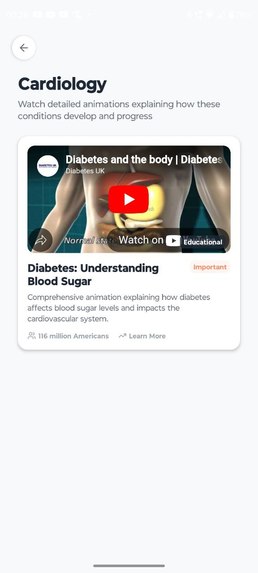
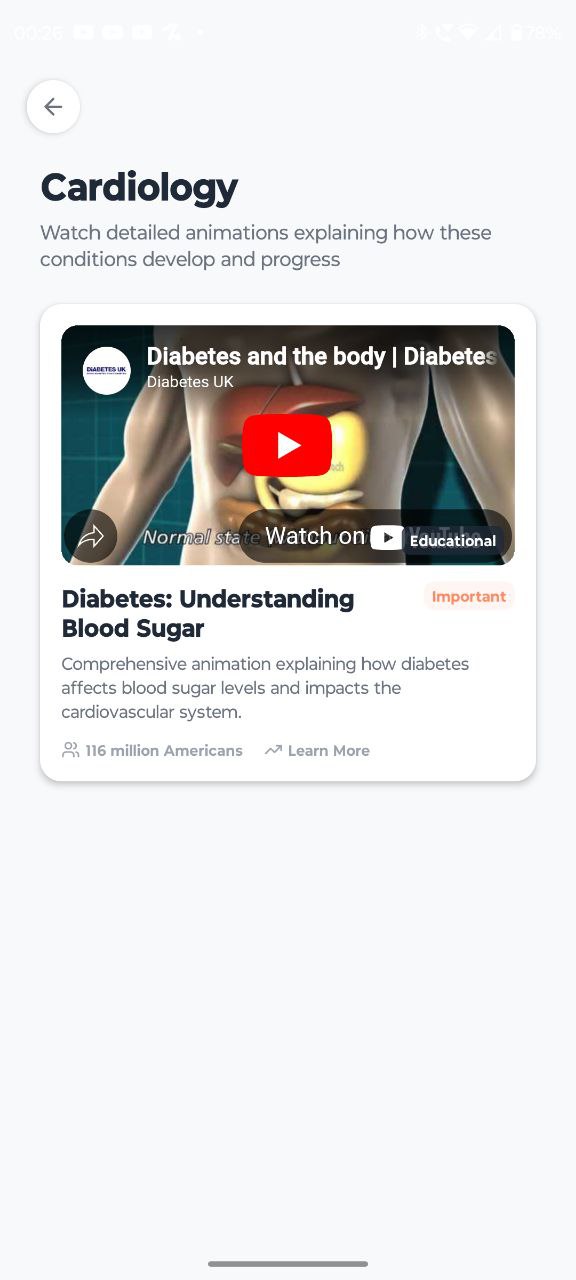
diseases
-
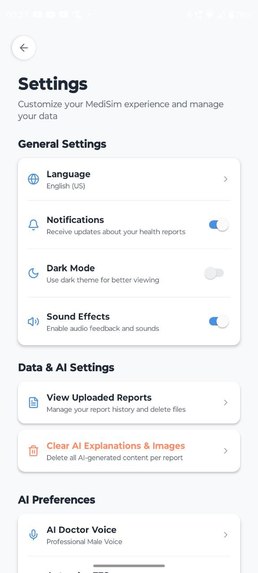
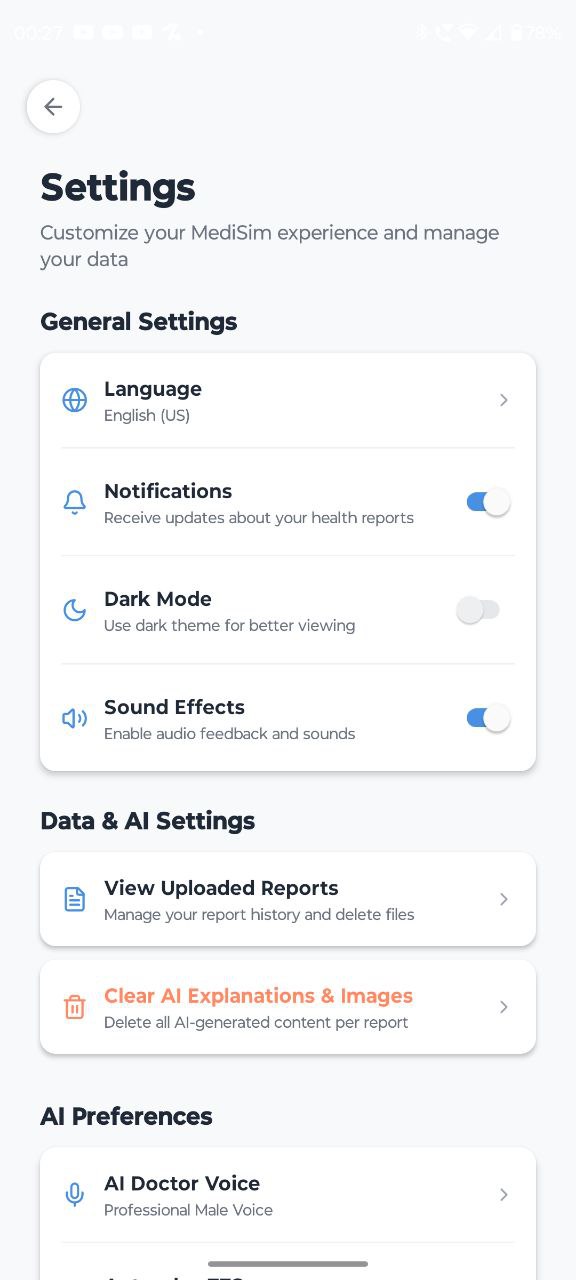
setting
-
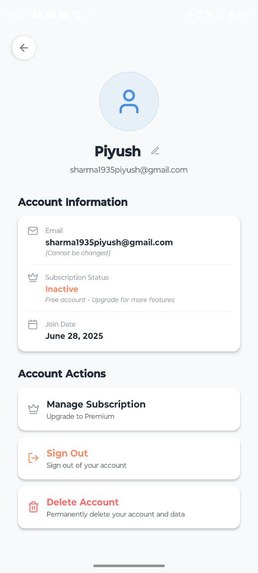
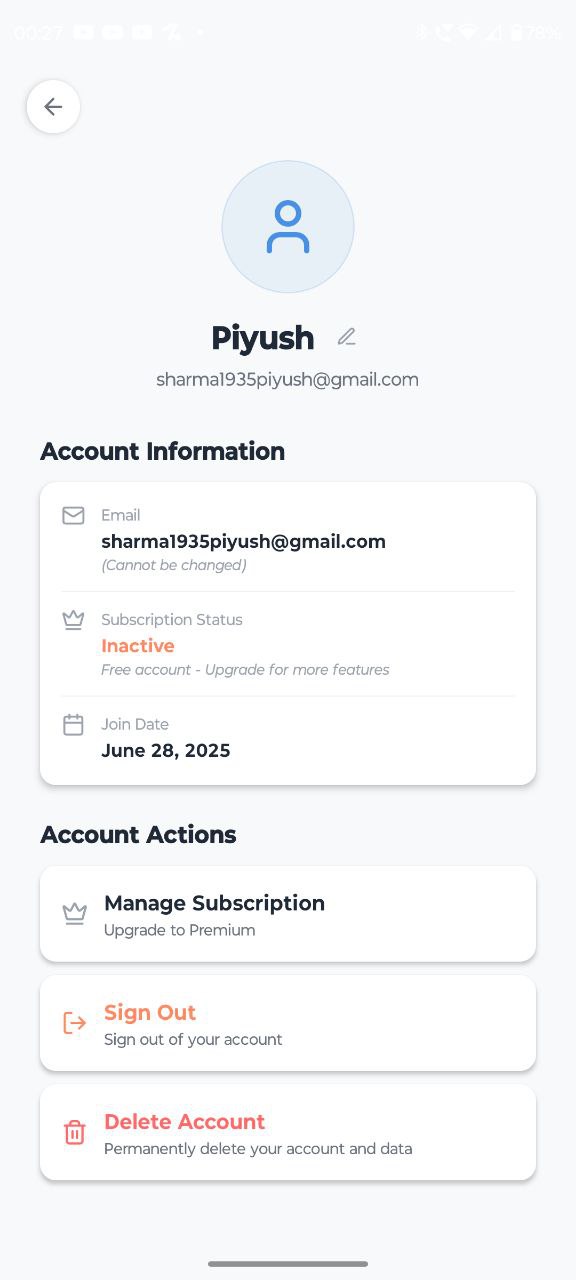
profile
-
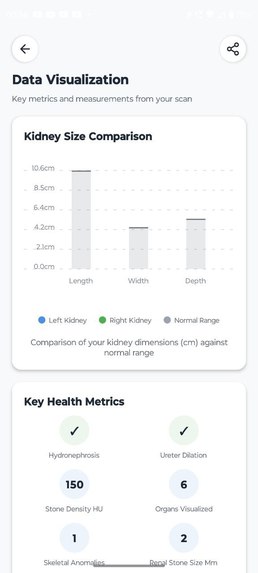
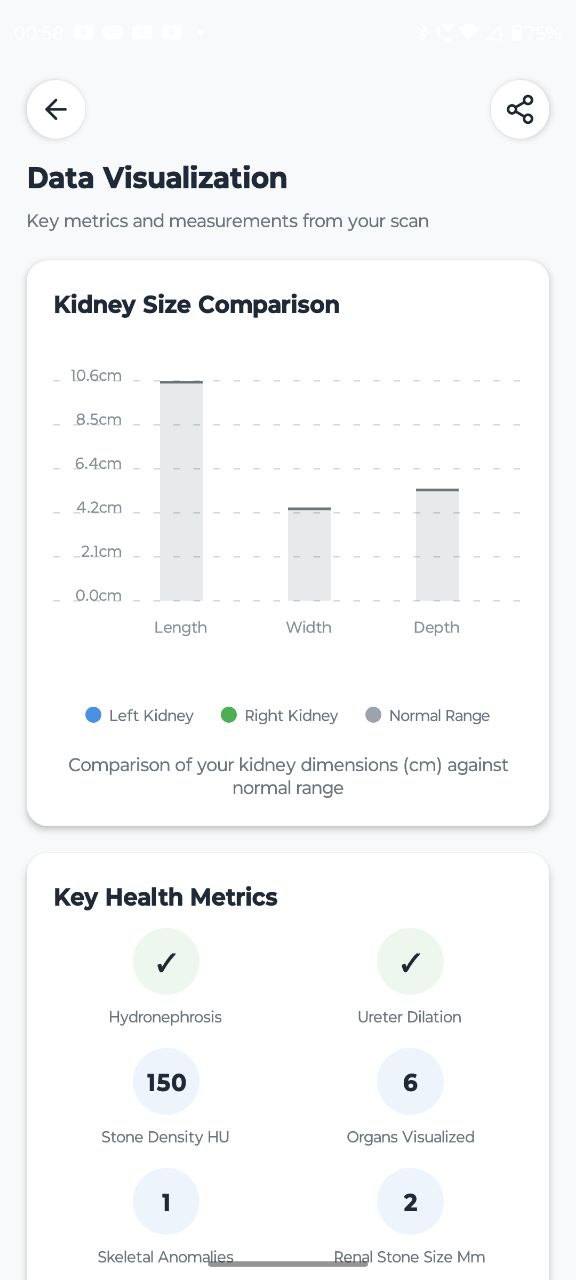
analytics
-
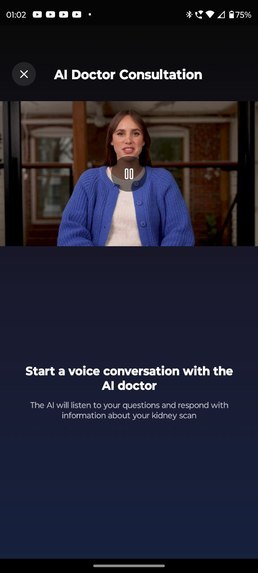
video for report summarization
-
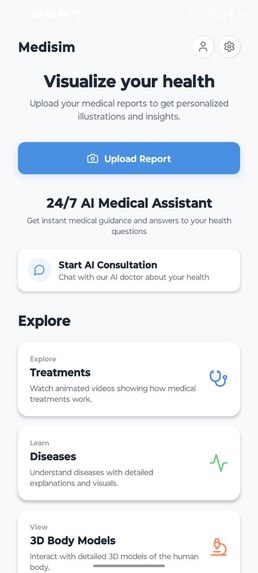
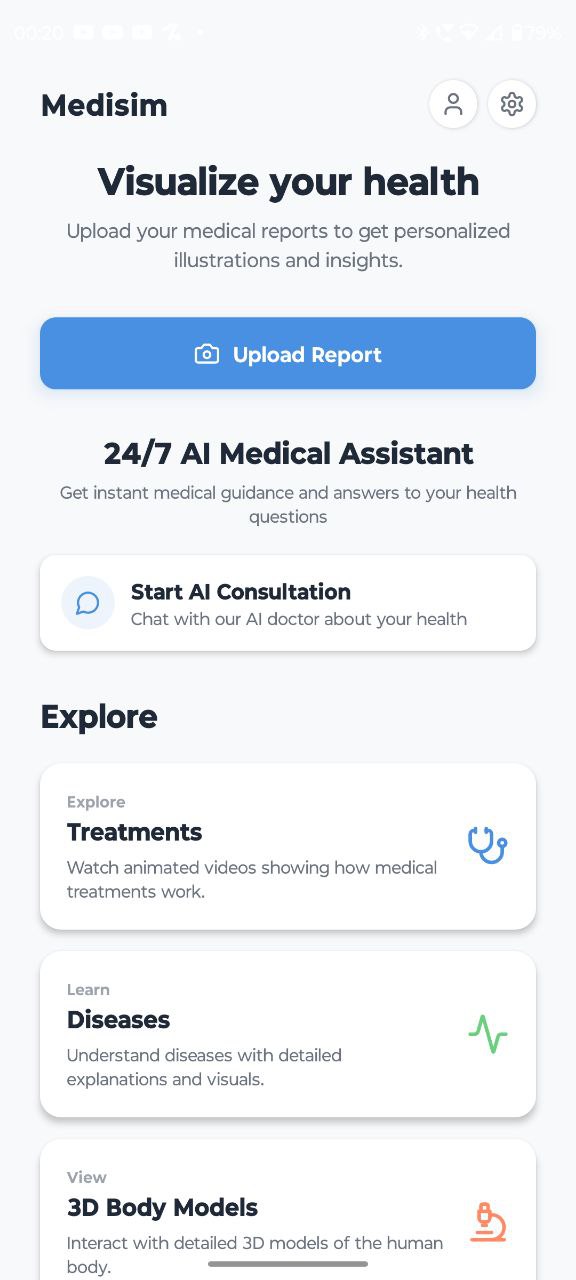
home page
-
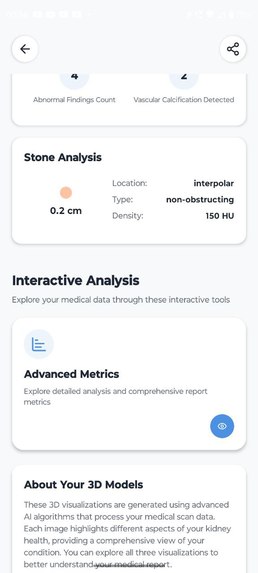
-
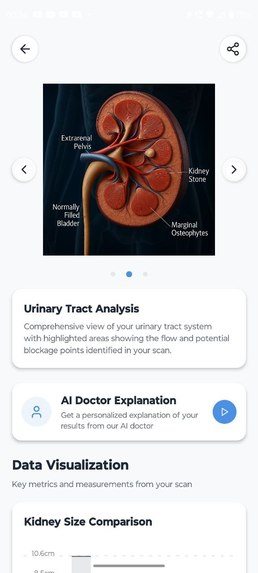
-
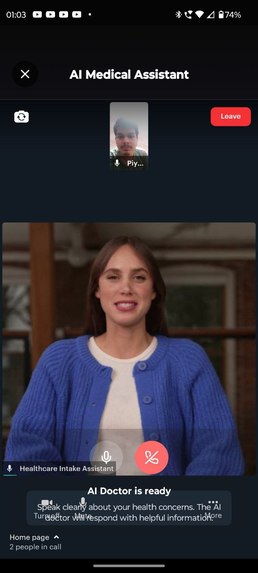
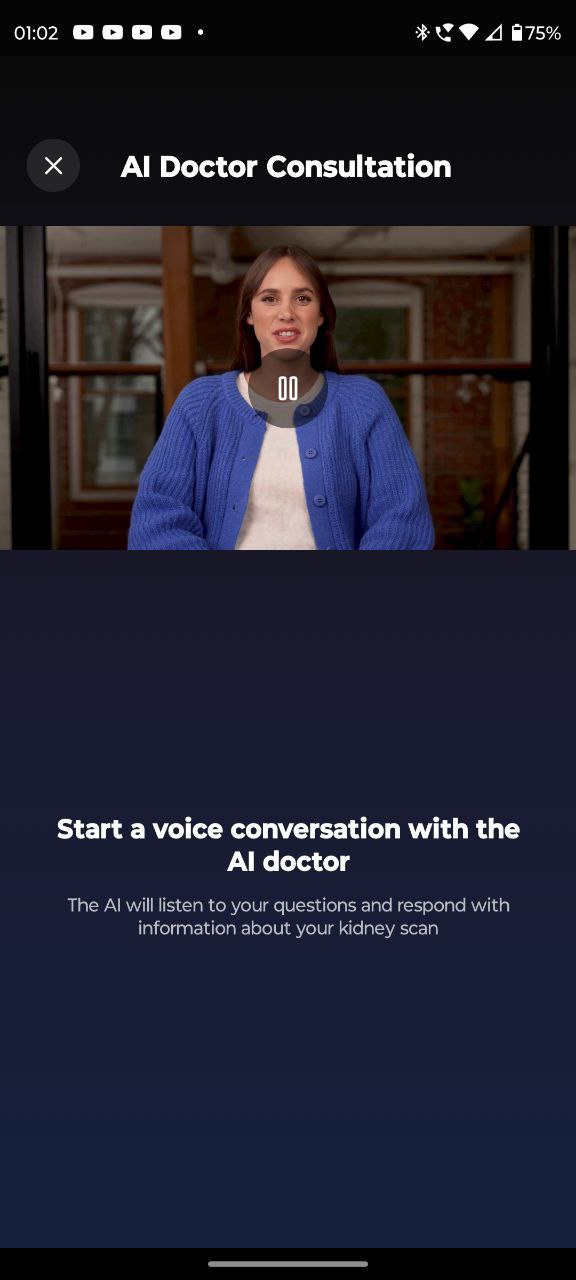
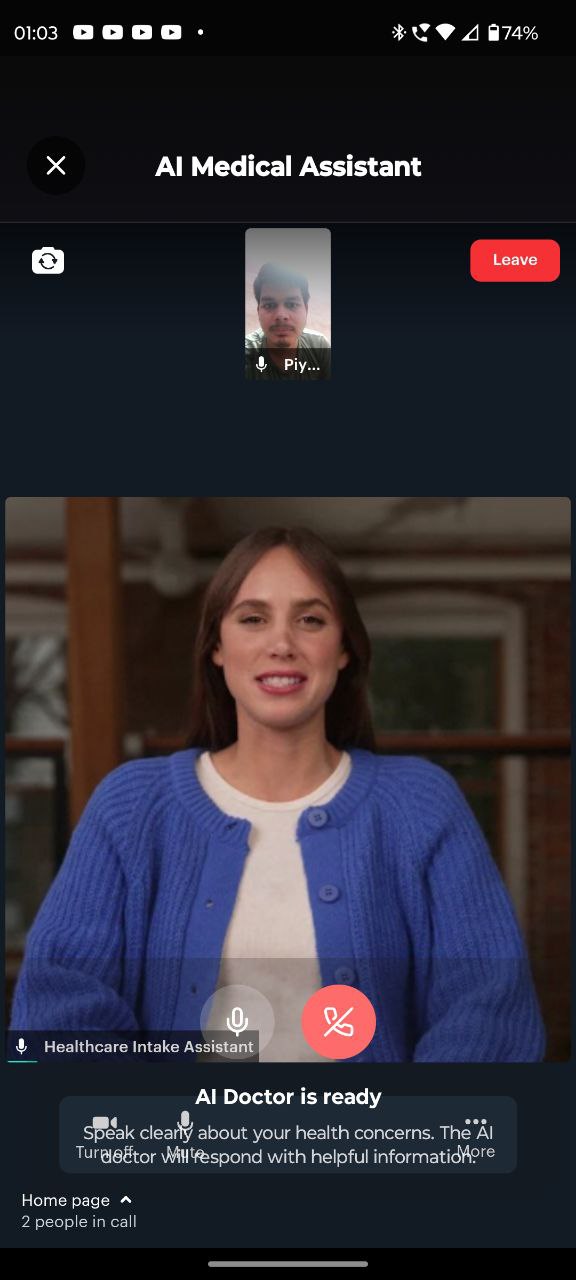
live ai doctor conversation
-
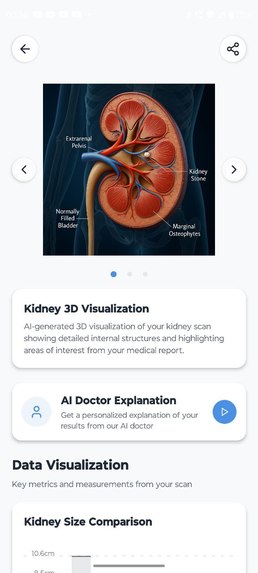
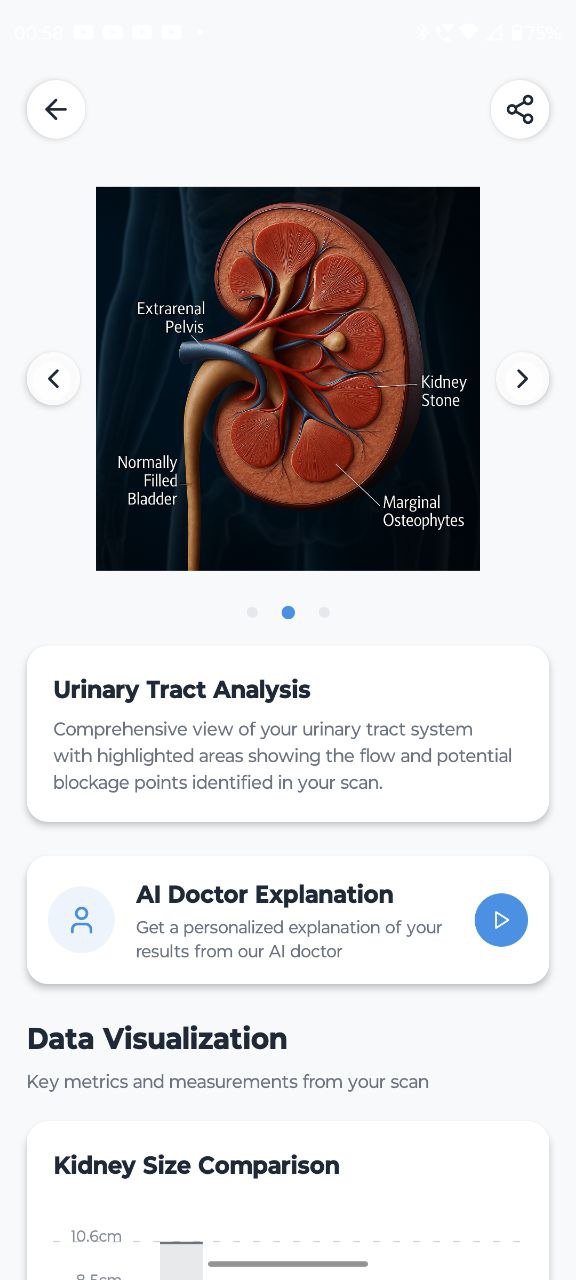
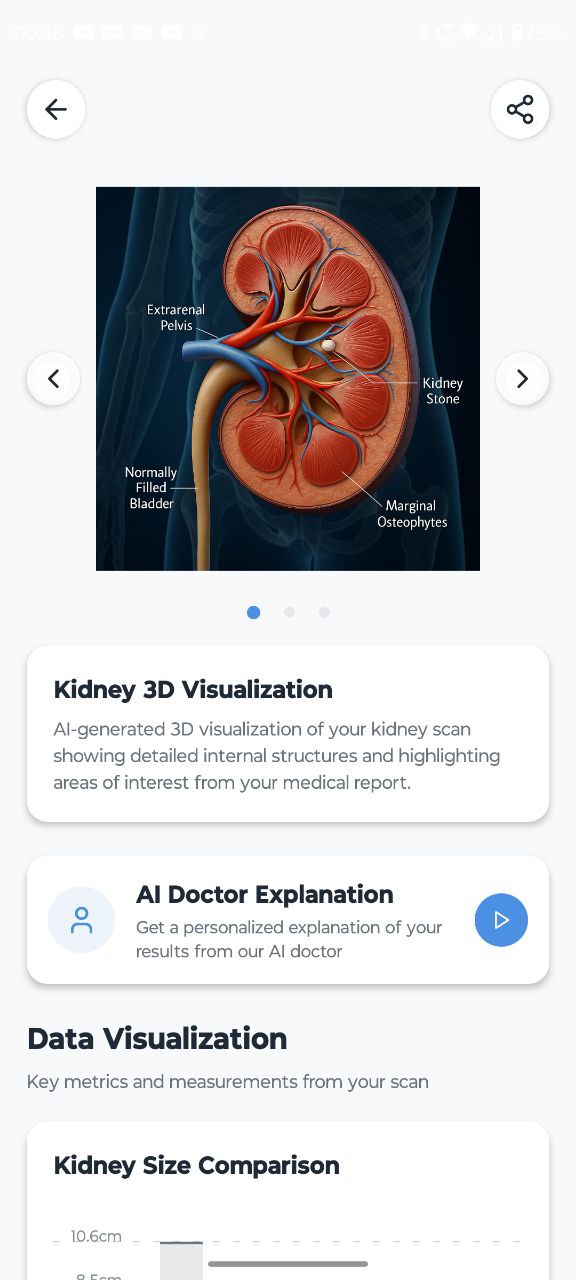
results with 3d images
-
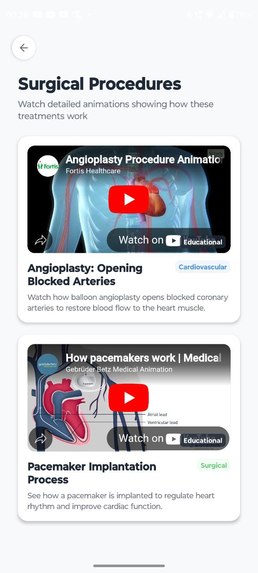
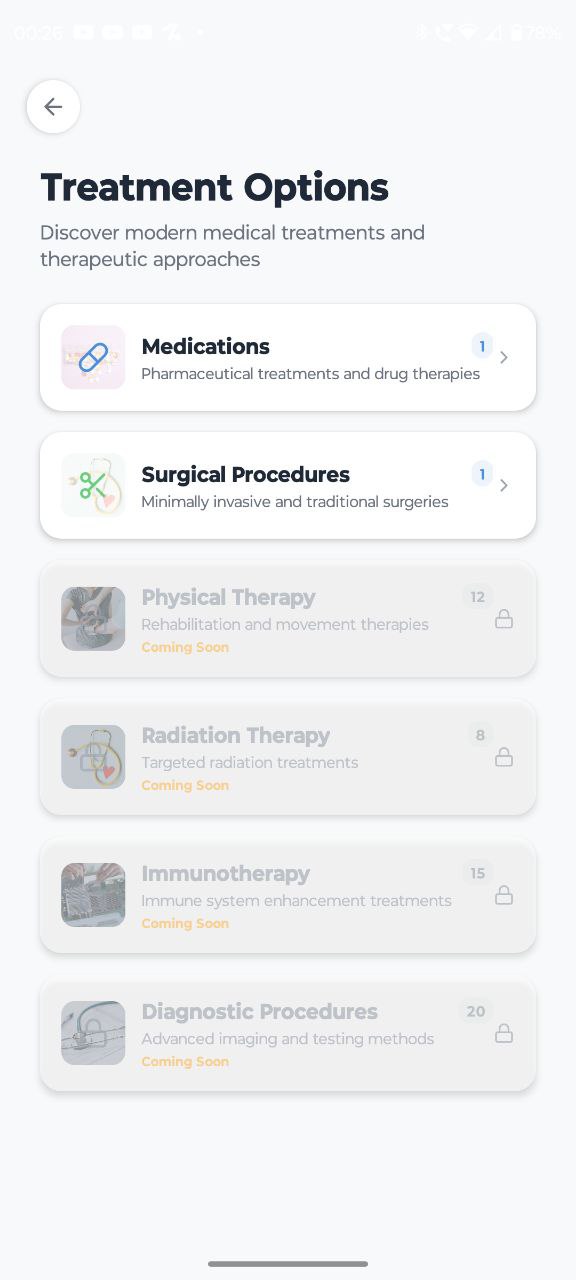
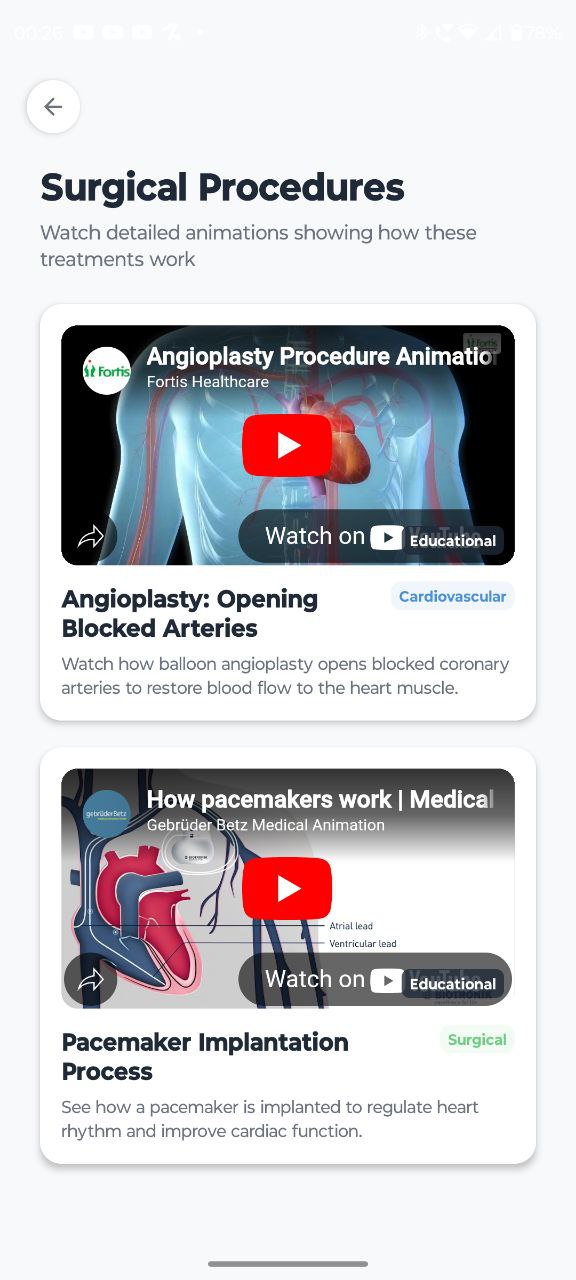
treatments
-
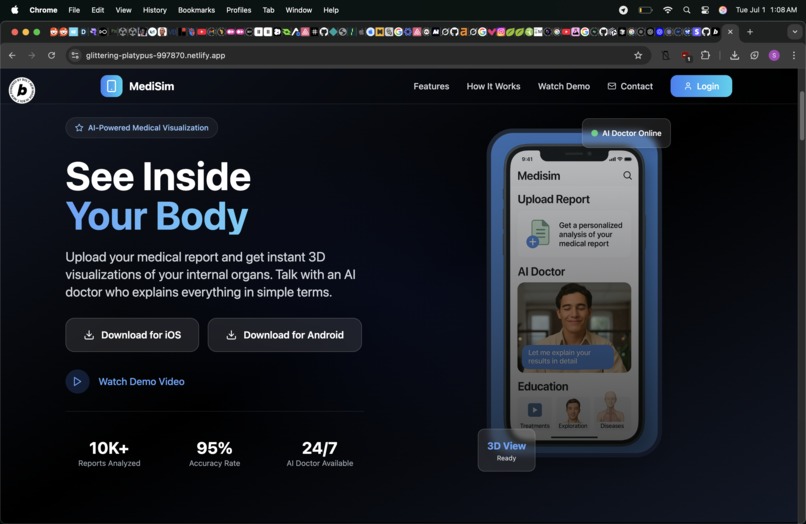
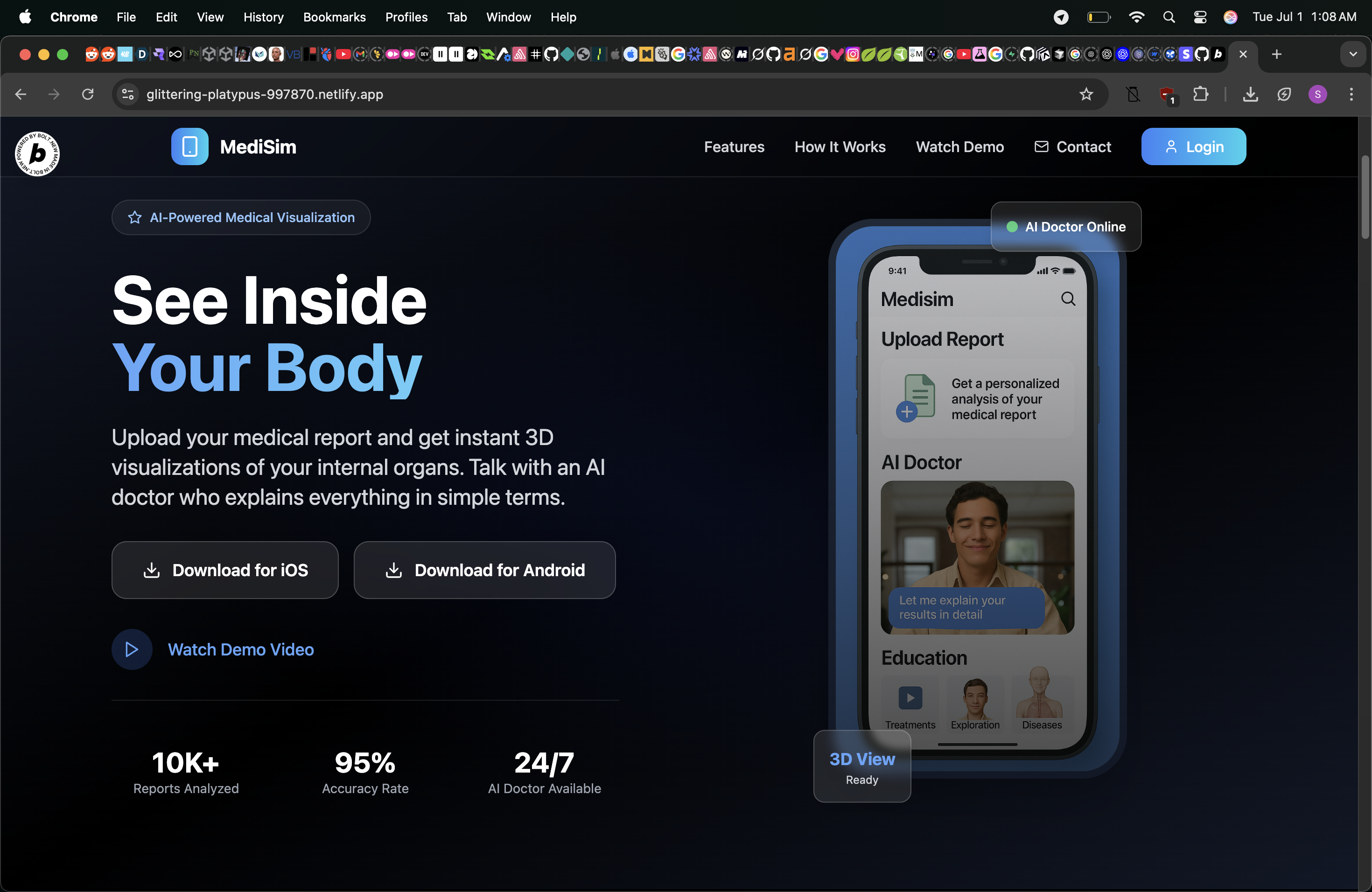
landng page
MediSim – Your Personal Health Mirror
Inspiration
Understanding a medical report shouldn’t require a medical degree. Most people receive their lab reports or imaging scans and are left confused, anxious, or completely lost. That gap between diagnosis and understanding inspired MediSim — an AI-first mobile app that acts like a mirror of your own body. We wanted to transform cold, static medical documents into personalized, understandable, and interactive health experiences that empower patients rather than overwhelm them.
What We Built
MediSim is a React Native mobile app built using Bolt.new, designed to help users understand their health reports in the most visual, interactive, and accessible way possible. The app brings together cutting-edge AI tools, intuitive design, and seamless mobile tech to deliver:
Core Features
- ** Upload & Analyze Reports:** Users upload their medical reports, which are analyzed to extract relevant insights.
- ** AI-Generated Personalized 3D Illustration:** We use advanced image generation (Runway/OpenAI) to create custom organ images based on the report.
- ** AI Doctor (Conversational + Video):** Powered by Tavus and ElevenLabs, users interact with a personalized AI doctor that explains findings in voice and video.
- ** Data Visualizations:** Modal-based charts and simplified summaries show users how their values compare to normal ranges.
- ** Educational Section:** Inspired by HioDigital, users can explore 3D models of diseases, treatments, and anatomy. Each section includes:
- Interactive GLB models
- Curated YouTube videos
- Informative images and short texts
- ** Paywall with Subscriptions:** Monetized via RevenueCat, offering a $15/month plan to unlock full features.
- ** Landing Page:** Hosted on Netlify, it highlights the core value prop with high-converting visuals and animations.
- ** Backend:** Built with Supabase, used for auth, storage (reports, images), and scalable Postgres DB for user-linked data.
- ** Analytics & Error Tracking:** Sentry ensures reliable debugging and logs for future scaling.
How We Built It
- Frontend: Built entirely on Bolt.new using React Native, with Figma design and Google Stitch for generating responsive UI.
- Backend & Storage: Supabase (auth, RLS, buckets, DB), simple and scalable.
- AI Services:
- Runway/OpenAI DALL·E for image generation
- ElevenLabs for voice
- Tavus for AI video doctor
- Subscriptions & Paywall: Using RevenueCat SDK and Paywall Builder.
- 3D Models: Rendered
.glbmodels inside the app using 3D viewers. - Landing Page: Generated UI with AI and deployed using Netlify with custom domain from Entri.
What We Learned
- The real-world limitations of multimodal AI — while AI generation is fast, accuracy in medical representation is critical, and we had to add disclaimers and checks to ensure responsible use.
- Bolt.new's power in rapidly building native apps with AI was impressive — we learned how to break down our features into modular prompts for optimal results.
- Integrating multiple third-party tools (Tavus, ElevenLabs, Supabase, RevenueCat) was both challenging and enlightening in terms of orchestration and planning.
Challenges We Faced
- Model Limitations: We wanted to generate full 3D anatomical models from reports, but AI isn’t there yet. We pivoted to generating representative 2D images for now.
- AI-Human Alignment: Teaching AI to generate medically accurate explanations required prompt iteration and safety design.
- Time Constraints: Building such a feature-rich app within 5 days meant we had to be extremely strategic with tech and scope.
- Mobile Integration of AI Tools: Some tools weren’t natively mobile-friendly — Tavus and ElevenLabs integration required thoughtful API workflows.
Why We're Eligible for These Challenges
Startup Challenge (Supabase)
We used Supabase for:
- User auth
- Postgres database (with RLS)
- Storage (bucket-based file uploads of reports and generated images)
This sets us up for scale with production-grade backend and security.
Voice AI Challenge (ElevenLabs)
We used ElevenLabs to:
- Convert AI-generated health summaries into natural, empathetic speech
- Make our AI doctor feel real and conversational
It powers the voice interaction in the post-analysis screen.
Conversational AI Video Challenge (Tavus)
We used Tavus to:
- Deliver a real-time, personalized AI video doctor
- Explain medical reports visually and emotionally
This provides trust and human-like comfort in a medical setting.
Deploy Challenge (Netlify)
We deployed our landing page using Netlify:
- Fully responsive and fast-loading
- Uses animations and AI-generated visuals
- Integrated with a custom domain from Entri
What’s Next?
- Add a chatbot using DeepSeek Chat for medical Q&A inside the education section
- Partner with healthcare professionals to fine-tune explanations and expand into more medical categories
- Work on real 3D anatomical personalization (in future) using real-time modeling
- Launch on App Store/Play Store and start collecting feedback
Final Thoughts
MediSim is not just a project — it’s a vision of what healthcare tech should be: transparent, empathetic, and empowering. With the help of AI and tools provided in this hackathon, we were able to go from idea to a real, usable product that we hope will make medical information more accessible to everyone.
"Every person deserves to see and understand their own health – not just read about it."


Log in or sign up for Devpost to join the conversation.