
Inspiration
Every second matters in a medical emergency. But patients are often stuck figuring out where to go, what's available, and how to get there. This prototype removes that friction using AI + smart hospital matching — prioritizing lives over logistics." We wanted to fix that.
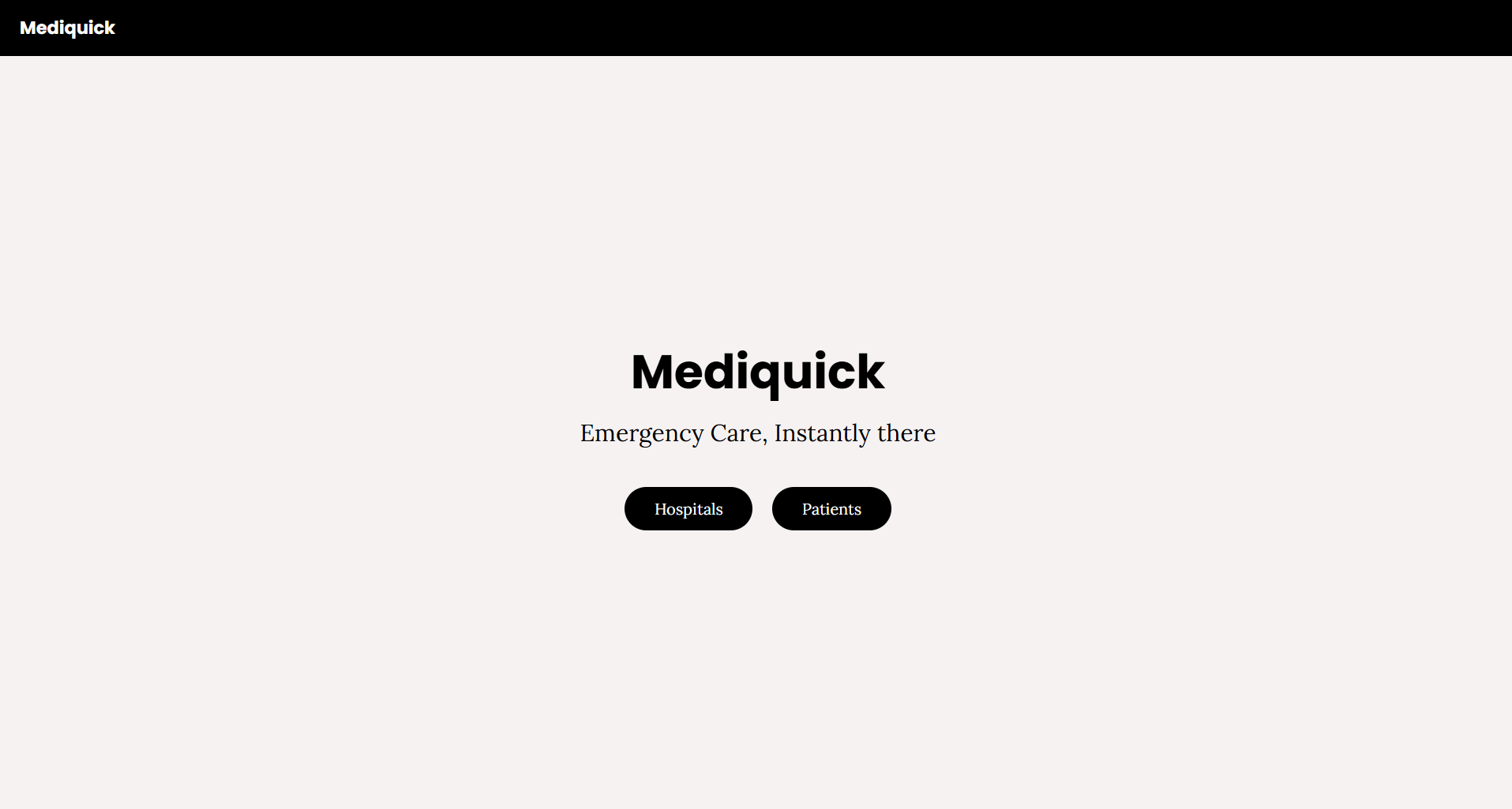
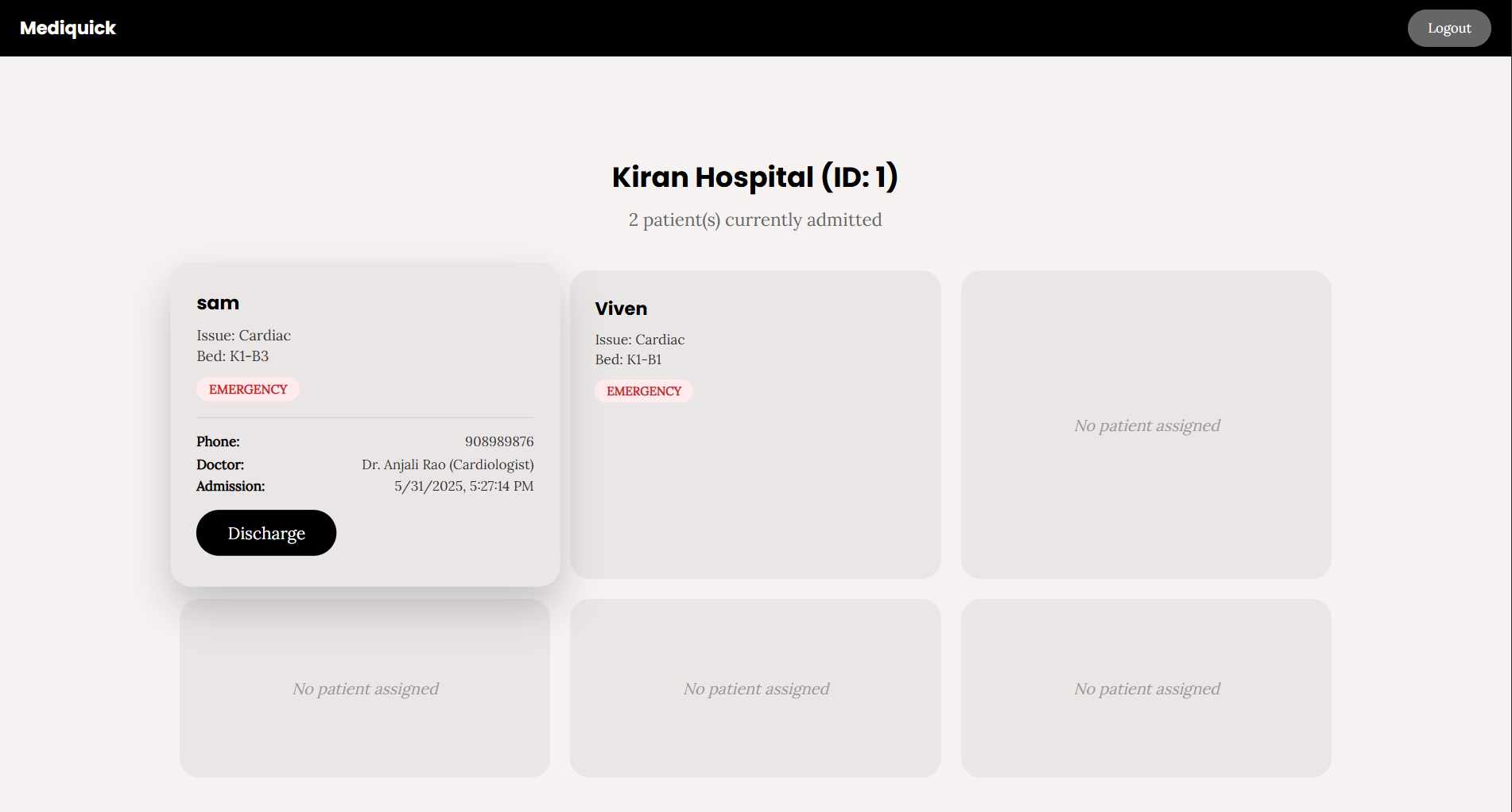
So I built MediQuick — an AI-powered emergency triage and bed booking system that shows real-time bed availability and helps people get admitted faster and smarter for better health and well-being of users.
What It Does
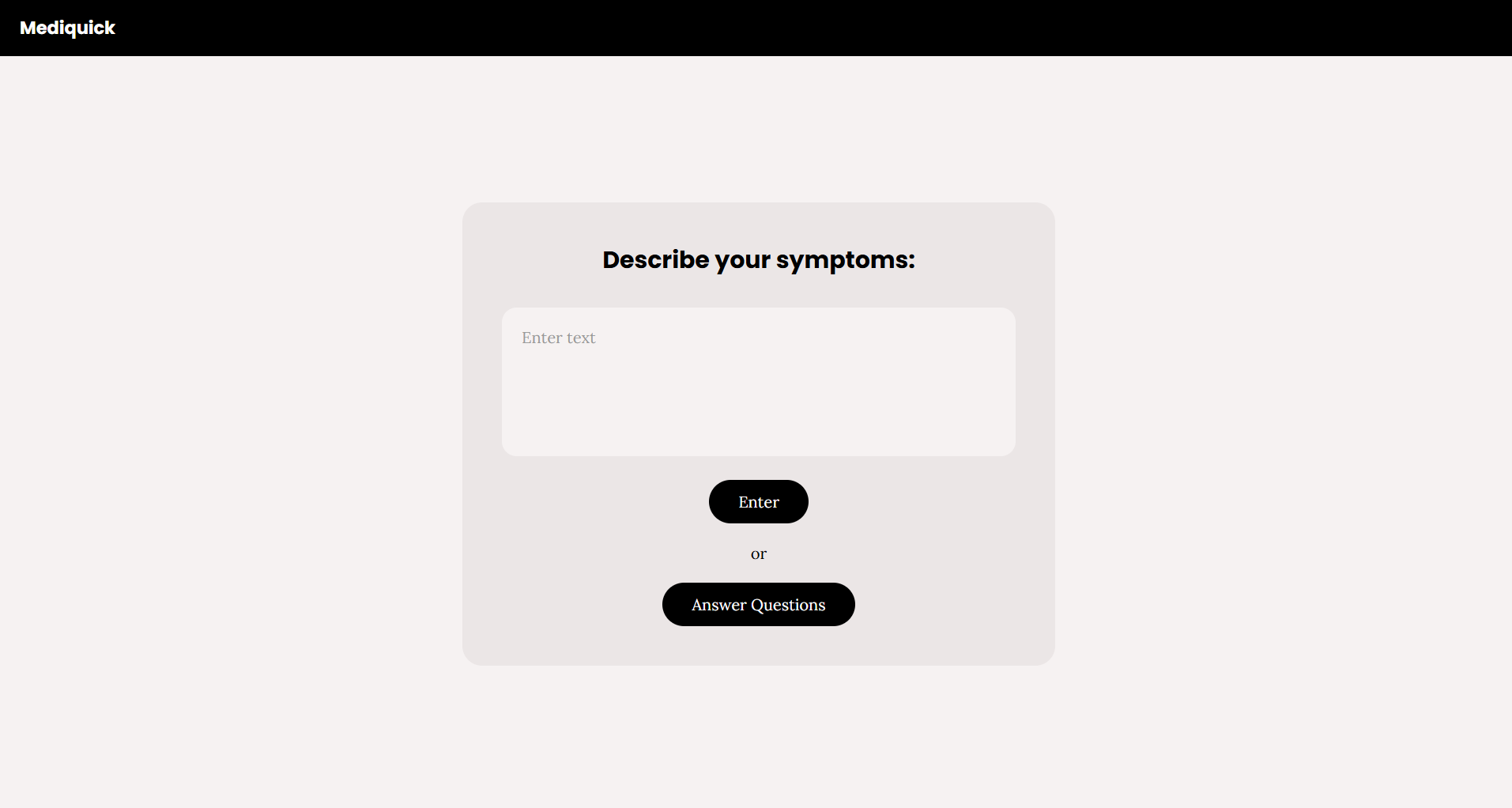
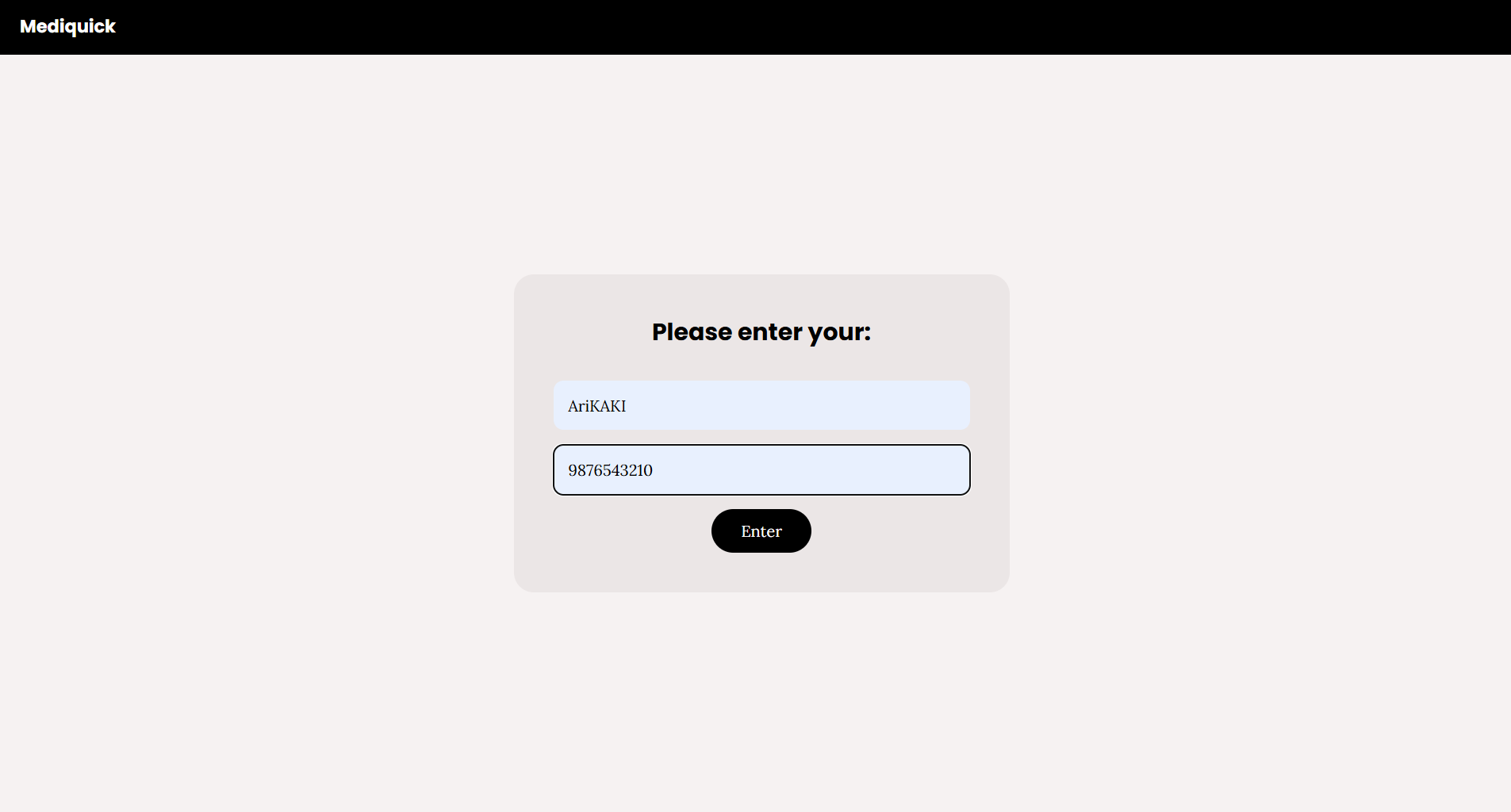
- User enters symptoms into a form.
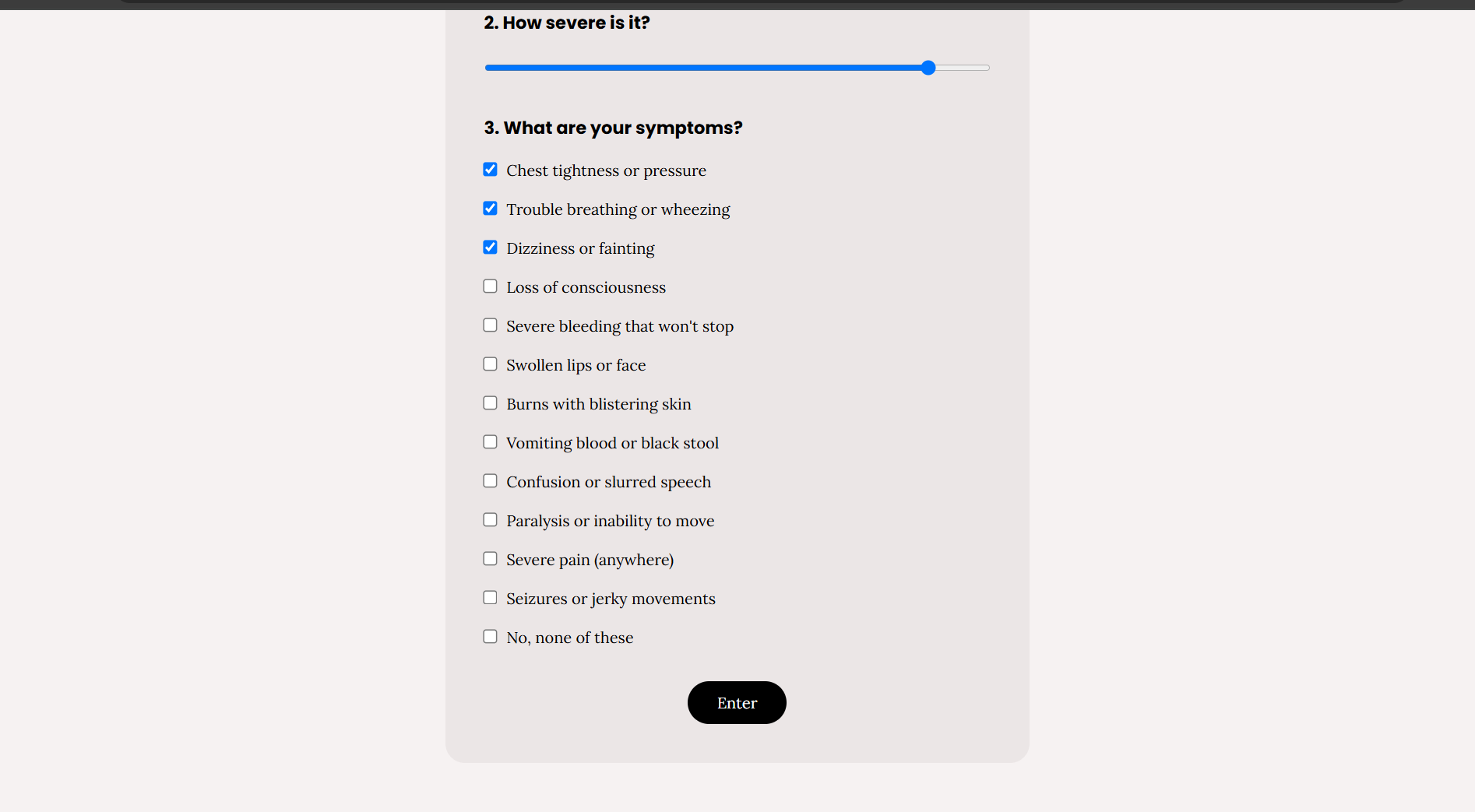
- AI logic checks if it's an emergency based on the symptoms.
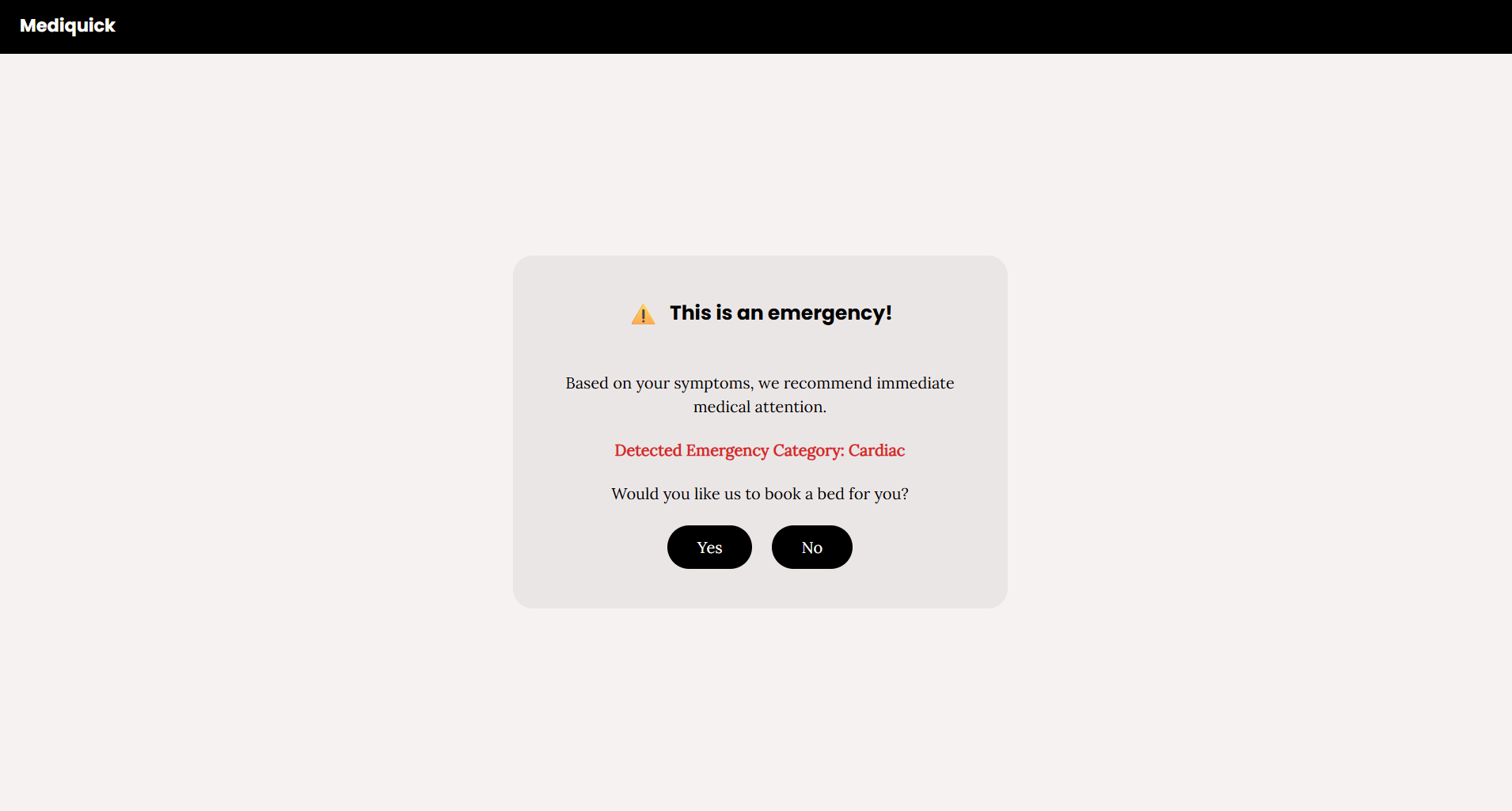
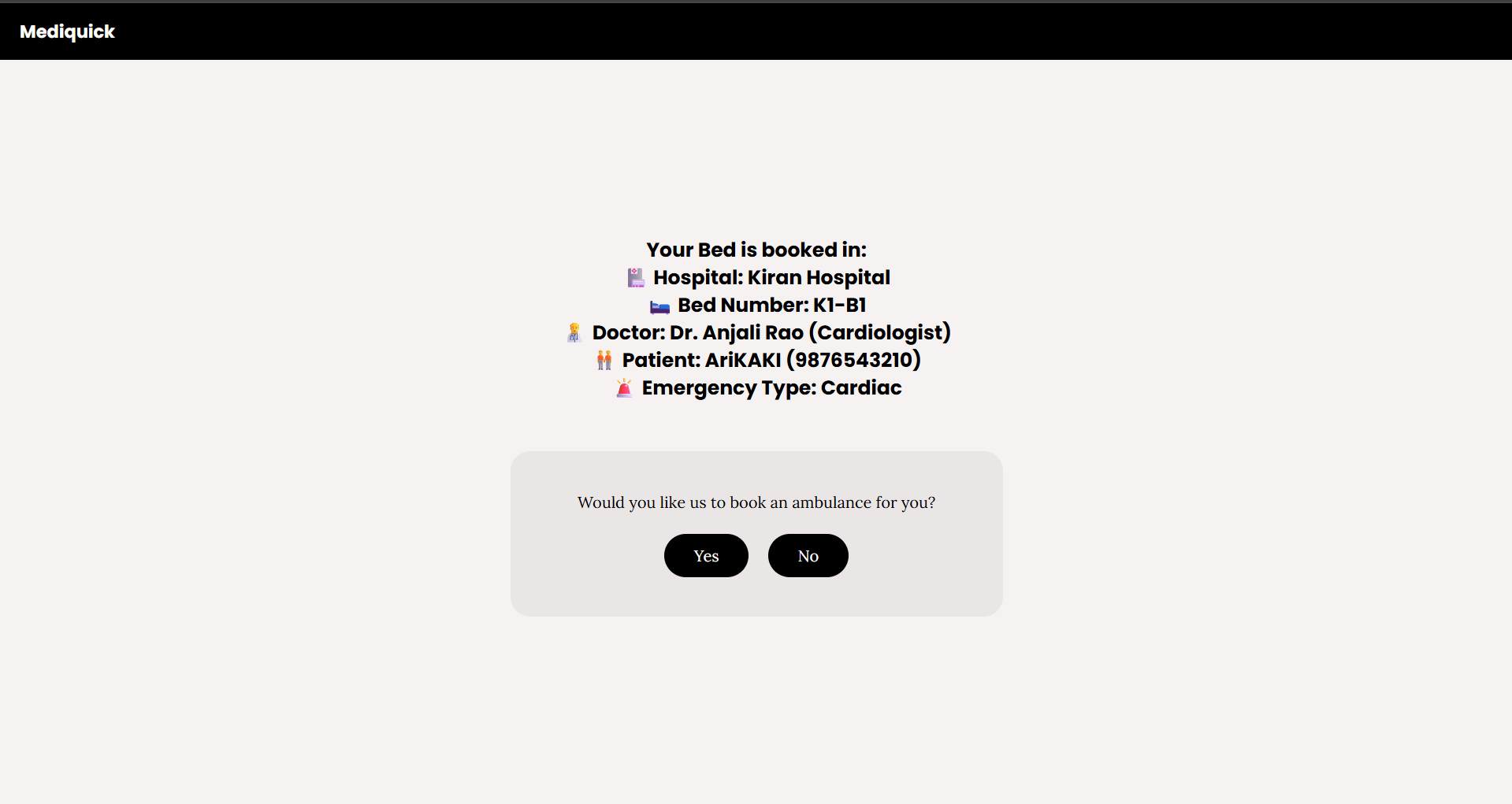
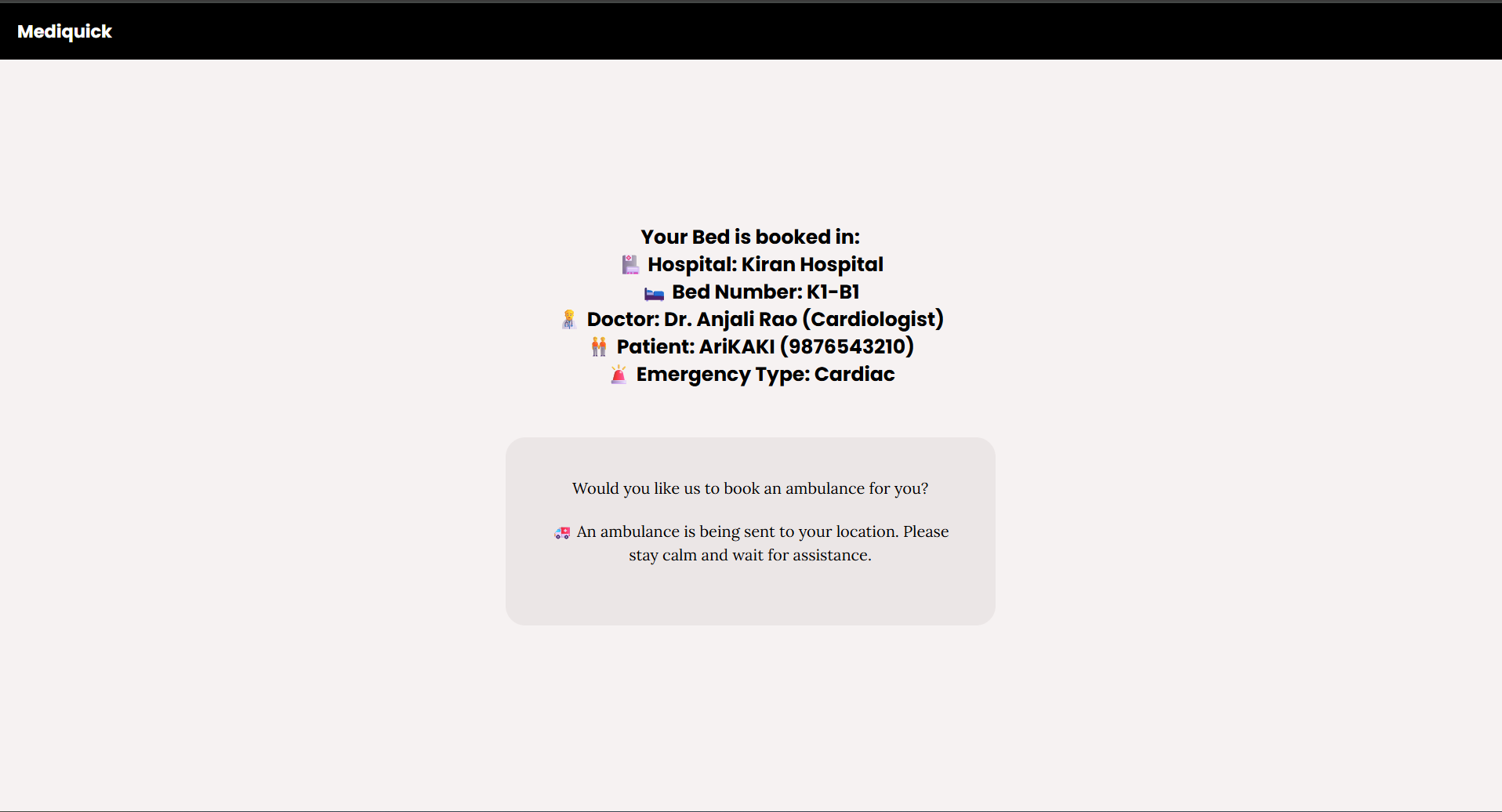
- If urgent, the system automatically books a bed at the nearest hospital with availability.
- Displays confirmation so the user can directly head to the hospital.
- All done without requiring upfront payment — because saving lives shouldn’t depend on your wallet.
🛠️ How I Built It
- Frontend: HTML, CSS, JavaScript — designed to be minimal and fast.
- Backend: Flask (Python) — with routes for symptom checking, hospital search, and booking logic.
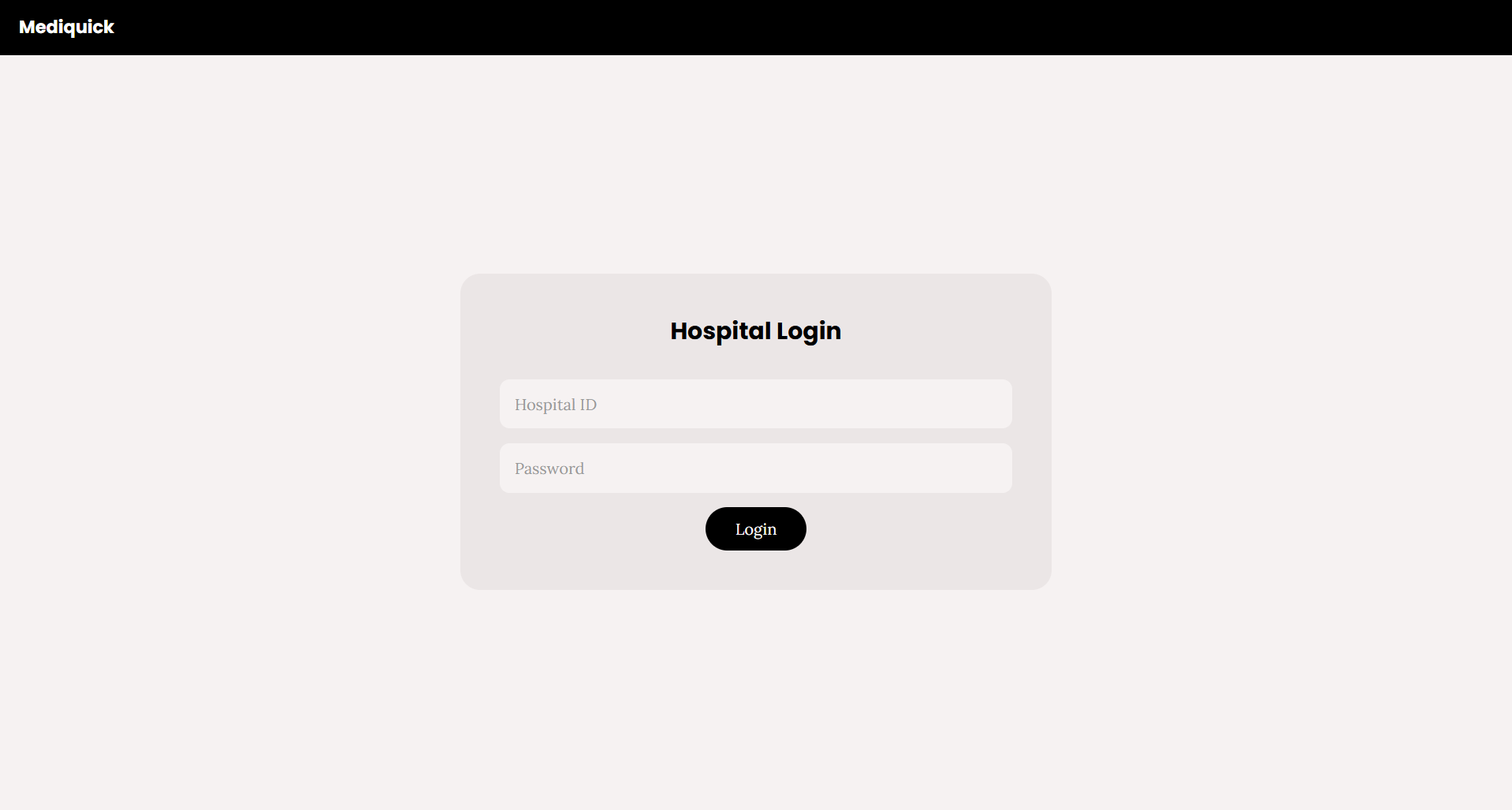
- Database: MySQL — stores hospitals, bed availability, and booking data.
- AI Logic: Logistic Regression for finding the emergency, Random Forest for finding the category of emergency
- Booking Logic: Automatically assigns the nearest available hospital bed based on location and need.
Note: IoT integration and routing APIs are planned for future versions but not included in this prototype.
🧗♀️ Challenges I Ran Into
- Handling realistic bed booking scenarios while keeping it simple.
- Designing a working demo without real hospital APIs.
- Balancing automation (auto-booking) vs user control (manual hospital choice).
- Making emergency detection work reasonably well with basic symptom input.
Accomplishments That I am Proud Of
- Built a full working prototype from front to back 💪
- Simulated a real-world healthcare workflow with dummy data
- Made emergency care instant and accessible for everyone
- Got super clear on how real-world healthcare + tech can come together for good
What I Learned
- How to structure a full-stack AI-powered solution in healthcare.
- The complexity of triage and how tricky real-time bed tracking can be.
- That even a basic AI system can help automate life-saving decisions.
- How to stay focused and build what matters even with limited time.
What's Next for MediQuick
- Add IoT simulation using FSR sensors to track real-time bed occupancy.
- Integrate location APIs like OpenStreetMap or Google Maps for better hospital routing.
- Expand hospital database + add filtering for specialties/doctors.
- Train a smarter ML model for emergency detection (beyond keyword logic).
- Improve UI/UX for smoother mobile use.
- Deploy a real pilot in small clinics for feedback.
While MediQuick aims to revolutionize emergency care by instantly detecting emergencies and auto-booking hospital beds, I recognize that in real-world healthcare, things like hospital confirmation, insurance verification, and payment processes can complicate instant admissions. my vision is to build toward a future where life-saving care is prioritized over paperwork — but for now, I’ve simulated this streamlined experience to show what’s possible when technology puts patients first.


Log in or sign up for Devpost to join the conversation.