-
-
-
-
-
-
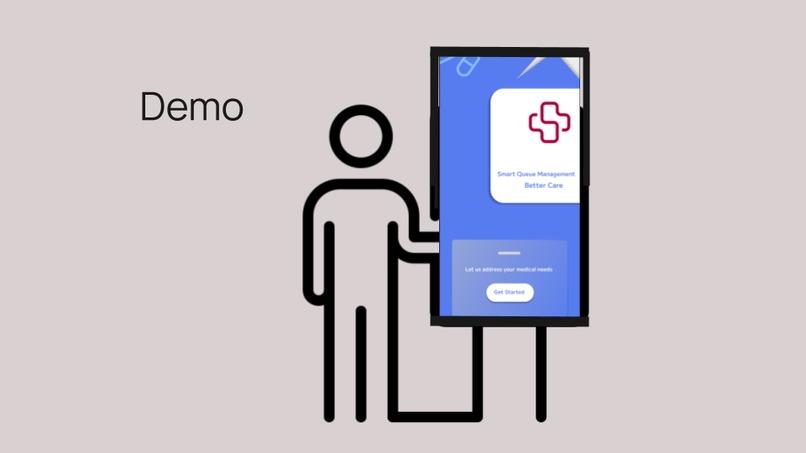
This is when we would show our demo
-
-

Inspiration
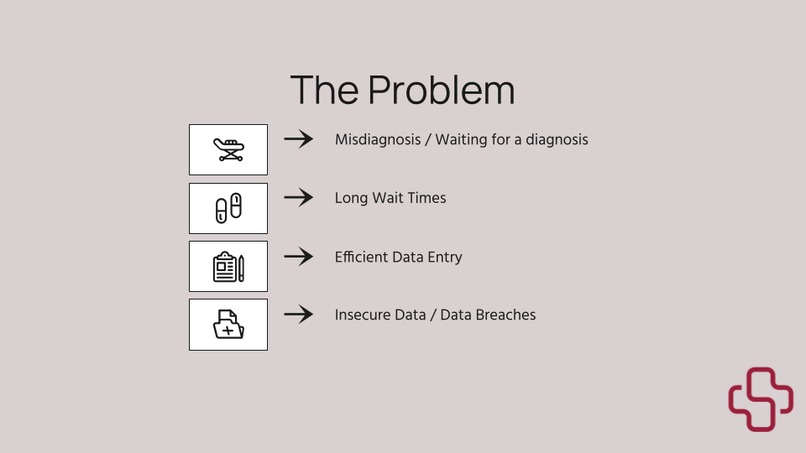
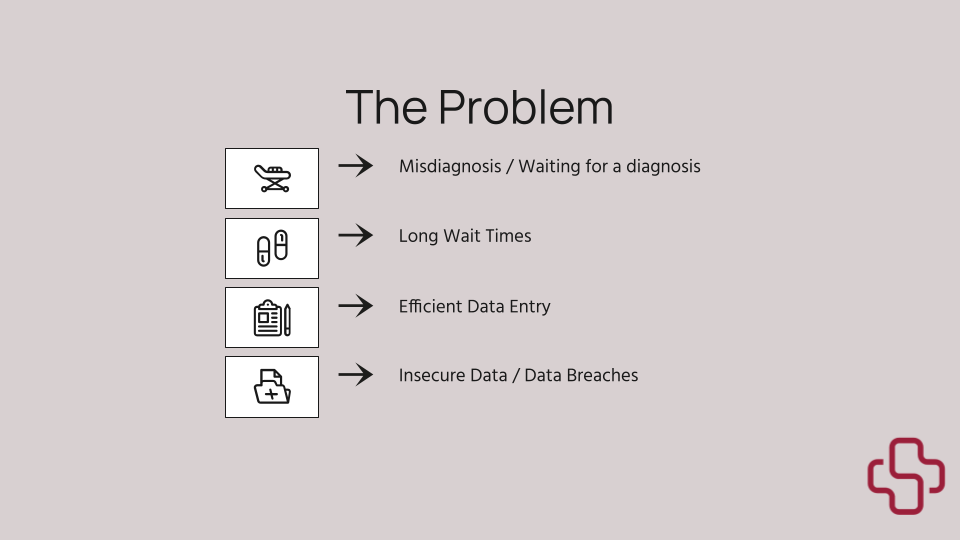
The inspiration behind creating MediQ, a medical kiosk aimed at reducing wait times in hospital emergency rooms, stems from a personal and traumatic experience, having been the victim of an inefficient healthcare system. One particular experience that influenced my decision to create MediQ was the frustrating wait times at the hospital after my father's chemotherapy sessions. Every time we went to the hospital, we would have to wait for hours on end just to have a doctor look at my father's symptoms and tell us if he was ok to discharge or whether he was experiencing a life-threatening side effect. During one particular visit, my father was experiencing severe nausea and vomiting, and I was concerned that he might have an infection. We arrived at the hospital early in the morning, but after several hours of waiting, we were still stuck in the waiting room with no information on when we would be seen. It wasn't until the afternoon that we were finally seen by a doctor, who quickly determined that my father was suffering from a minor side effect of the chemotherapy and that he could go home. The experience left me frustrated and disappointed with the healthcare system. It seemed unfair that my father had to suffer through the side effects of chemotherapy only to spend hours waiting for a doctor to tell us what we already knew. I knew there had to be a better way, and that's when the idea for MediQ was born. By streamlining the medical intake process, MediQ would help reduce wait times and improve the overall patient experience, making it easier for patients and their families to access the care they need when they need it.
What it does
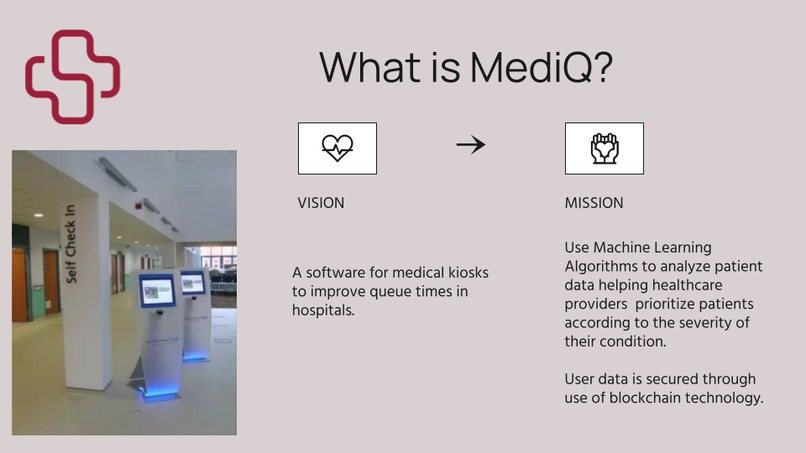
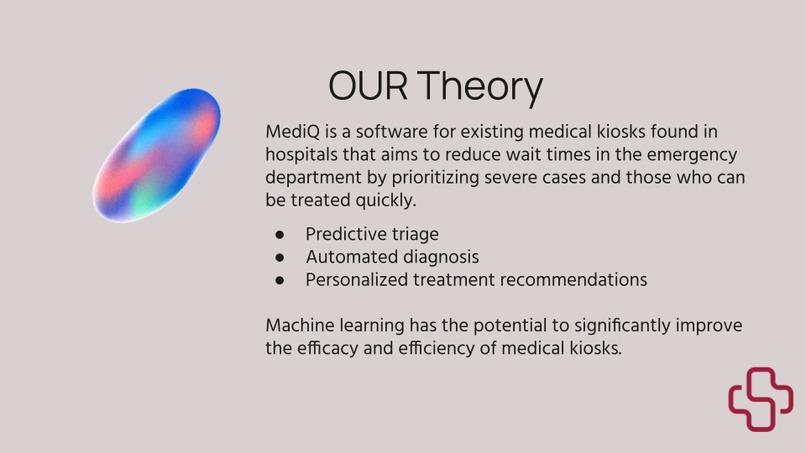
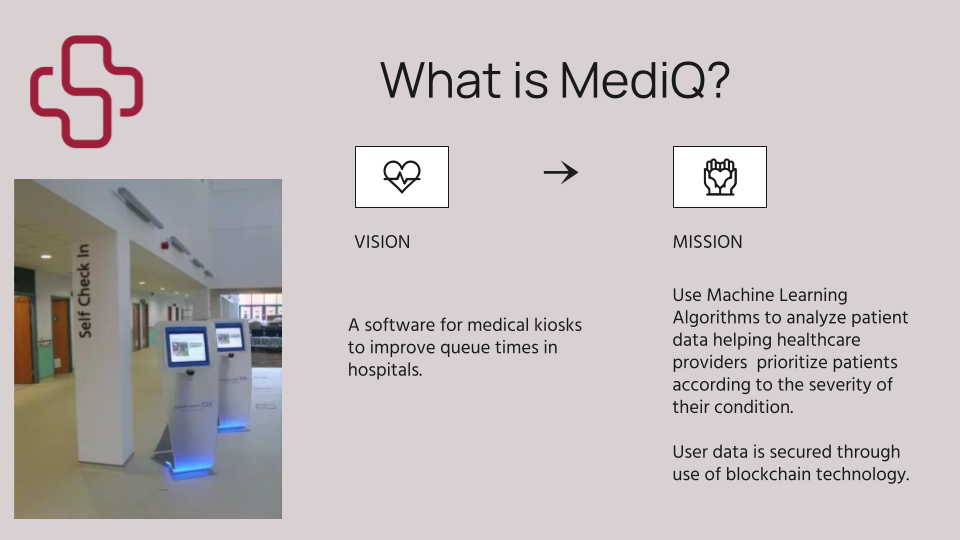
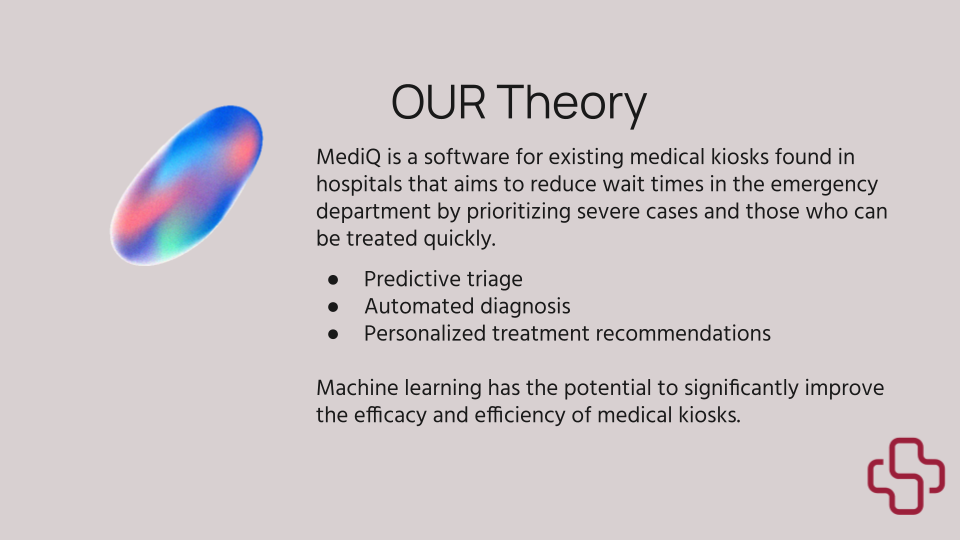
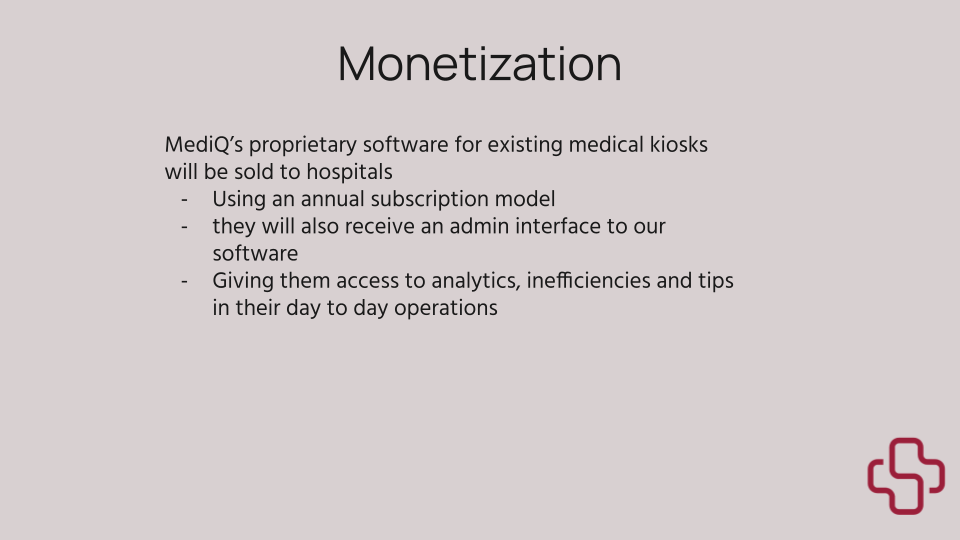
The development of a software for medical kiosks aimed at improving queue times in hospitals is a game-changing solution for the healthcare industry. The software, which incorporates machine learning algorithms, has the ability to analyze patient data and prioritize patients based on the severity of their condition. This will help healthcare providers streamline their processes and provide timely care to those in need. One of the key features of this software is its ability to secure user data through the use of blockchain technology. This ensures that patients' personal and medical information is protected from cyber threats and other malicious actors. By leveraging blockchain technology, the software offers a secure, decentralized database that allows patients to access their medical records from anywhere, while also giving healthcare providers access to real-time patient data. By utilizing machine learning algorithms, the software can process large amounts of data quickly and efficiently. This allows healthcare providers to identify patterns and make more informed decisions about patient care. For example, the software can help identify patients who are at a higher risk of developing complications, allowing healthcare providers to intervene early and prevent serious health issues from arising. Overall, the development of a software for medical kiosks that incorporates machine learning algorithms and blockchain technology represents a significant step forward for the healthcare industry. By improving queue times in hospitals and providing better care to patients, this technology has the potential to revolutionize the way healthcare is delivered and improve outcomes for patients around the world.
How we built it
The initial prototype of our medical kiosk was developed using Figma, a powerful design tool that allowed us to create a user-friendly interface quickly and efficiently. However, as we move towards bringing this product to life, we are exploring more robust technologies, such as Python and Ripple blockchain to power our software. Python is an ideal programming language for our software because of its strong machine learning capabilities. By utilizing Python, we can build machine learning models that will analyze patient data and prioritize patients based on the severity of their condition. This will help healthcare providers make more informed decisions about patient care, ultimately improving outcomes for patients. In addition, we plan to use Ripple blockchain technology to generate tokens and store user information securely. The use of blockchain technology ensures that users' personal and medical information is protected from cyber threats and other malicious actors. It also provides a decentralized database that allows users to access their medical records from anywhere, while also giving healthcare providers access to real-time patient data. Overall, the combination of Python and Ripple blockchain technology represents a powerful solution for our medical kiosk. By leveraging these technologies, we can create a secure, efficient system that streamlines patient care and improves outcomes for patients around the world.
Challenges we ran into
It can be challenging to find team members with the right skills and expertise, and to choose an idea that is both feasible and impactful.
Unfortunately, losing team members midway through the hackathon can be a major setback, especially when they have promised to deliver a complete working prototype. It's understandable that this would be a difficult and frustrating experience. However, we persevered and decided to create our own prototype using the limited knowledge we had and building it on Figma. While this may have been a challenging experience, it can also be a valuable learning opportunity. Creating a prototype on Figma can be an effective way to visualize and refine your idea, even if you have limited technical expertise. It can also be a collaborative process, allowing you to leverage each other's skills and expertise to create a cohesive and effective design. Overall, while our team faced some significant challenges during the hackathon, we were able to overcome them and create a prototype that we are proud of. This experience pushed us to contribute more individually and helped us grow as a team and develop the skills and expertise necessary to tackle even more complex challenges in the future.
Accomplishments that we're proud of
I am really proud of our team's ability to complete the prototype of our medical kiosk in such a short notice, despite losing a team member who was responsible for delivering it. It was a challenging experience, but we showed resilience and dedication, and we were able to adapt and overcome obstacles to achieve our goals. Completing the prototype is a significant accomplishment for me, as it allows us to showcase our idea and demonstrate its potential to potential investors, partners, and customers. It's also a valuable learning experience, as we can gather feedback and insights from others to refine and improve our idea. Furthermore, the experience of building the prototype on our own, despite having limited knowledge and resources, is a testament to our team's creativity and resourcefulness. We were able to think outside the box and come up with innovative solutions to challenges that arose during the development process. Overall, I am really proud of our team's ability to complete the prototype in such short notice, even after losing a team member. It demonstrates our team's resilience, dedication, and creativity, and it gives us confidence that we can overcome any challenge that comes our way.
What we learned
Our team's biggest takeaway from this experience was the importance of having a backup plan, even for the most vital components of a project. For us, this was the ability to prototype through the use of programming, which was a critical element of our project. Losing a team member who was responsible for delivering the prototype was a setback, but we quickly realized that dwelling on the past would not help us move forward. Instead, we focused on preserving and adapting to our conditions to come out victorious. By creating the prototype on our own using Figma, we learned that we are capable of finding innovative solutions to unexpected challenges. We also gained confidence in our abilities and learned to be more adaptable and resilient in the face of obstacles. Moving forward, we will always have a backup plan in place for all critical components of our projects, and we will approach unexpected challenges with the same perseverance and adaptability that we showed during this experience.
What's next for MediQ
The next step for MediQ is to find more solid team members with programming capabilities who are motivated to bring this project to life and get it ready for market. We understand that having a strong and dedicated team is critical to the success of any project, and we are committed to finding the right people to help us take this project to the next level. In addition to building our team, we will continue to refine and develop the technology behind MediQ. We believe that incorporating machine learning algorithms and blockchain technology will allow us to provide an even more powerful and secure solution for improving queue times in hospitals. We will also focus on conducting extensive testing and gathering feedback from healthcare providers and patients to ensure that our solution meets their needs and expectations. Ultimately, our goal is to bring MediQ to market and make a meaningful impact on the healthcare industry by reducing wait times and improving the overall patient experience. We are excited about the future of this project and are committed to seeing it through to its full potential.
Built With
- figma

Log in or sign up for Devpost to join the conversation.