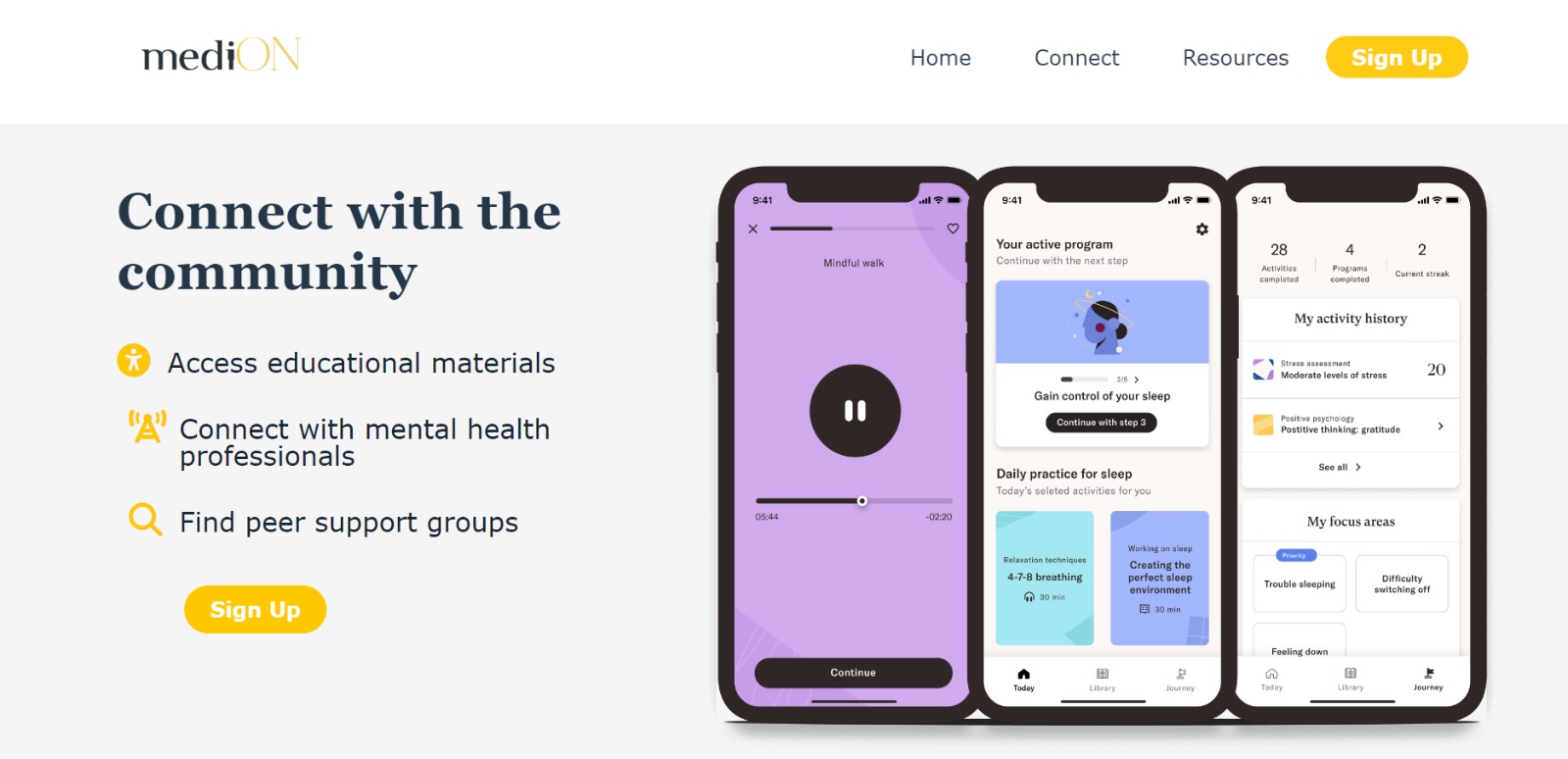
- Advanced search and filtering: Users can search for educational resources and sort various solutions according to their needs using various filters and can save them for future use.
- User profiles: Each user has a profile with their respective needs which can only be viewed by mental health professionals and their followers can view their activity on the platform.
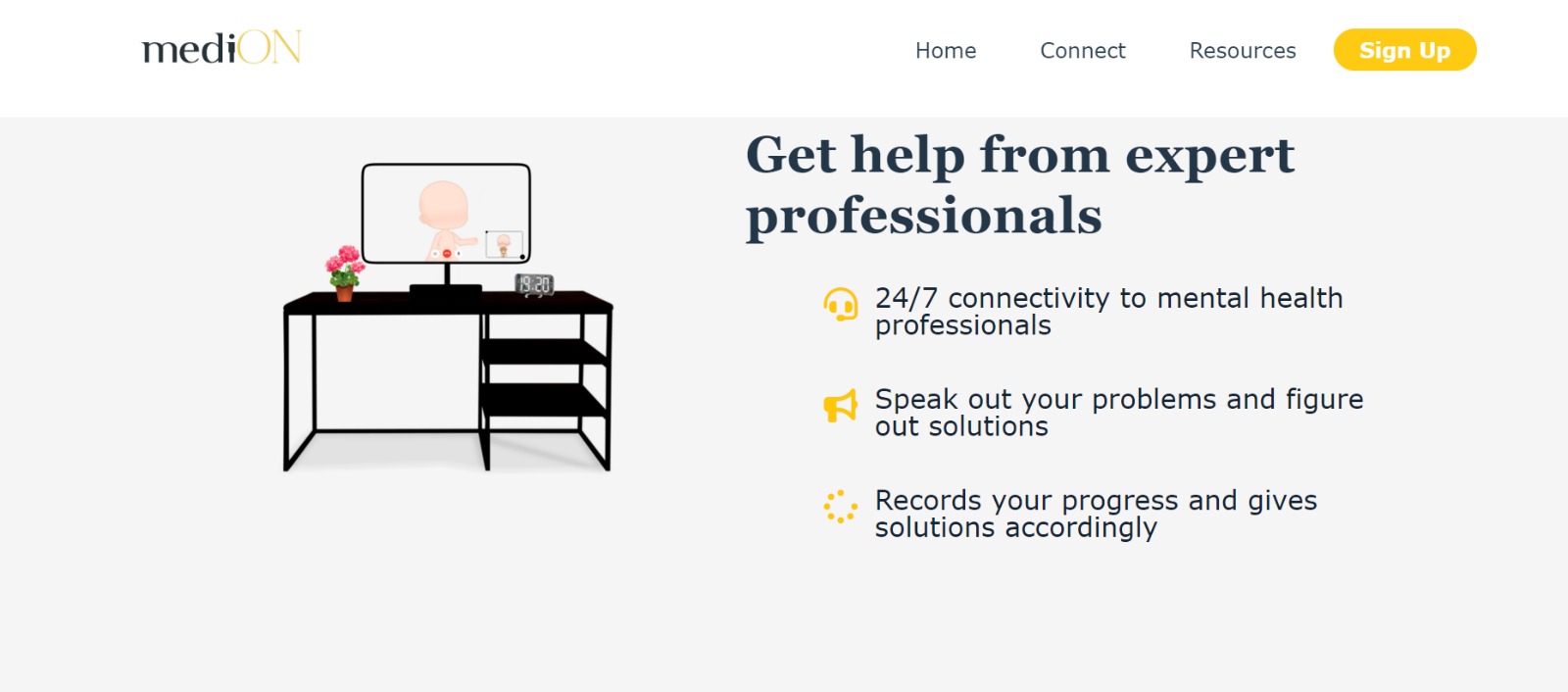
- Connect with expertise: Users can be guided by mental health professionals and can lead to better life under their guidance.
- Experience sharing: Users can upload and share their own experience to the path of stable mental state, including various solutions.
- Social features: Users can follow other users, connect with them and explore various correlated solutions. Methodology:
- Conduct mental health research: Research existing mental health platforms to
identify features that are successful and areas for improvement—also, survey
potential users to determ - Develop user personas: Create fictional characters that represent the different types of users who might use the platform, and use these personas to guide feature development.
- Design wireframes and mockups: Create visual designs of the platform's user interface, including each feature and how they will interact.
- Conduct extensive surveys and collect user data for further research purposes platform that includes only the essential features necessary to test and validate the concept.
- Test and iterate: Release the MVP to a small group of beta users, gather feedback, and make improvements. Continue to iterate and test until the platform meets user needs and expectations.
- Launch and scale: Once the platform is stable and user-friendly, launch it to a wider audience and continue to add new features and enhancements based on user feedback.
medION
This is a basic website for mental health patients to improve their mental stability using various resources present in the website
Updates

Leave feedback in the comments!
Log in or sign up for Devpost to join the conversation.