💡 Inspiration
When people feel unwell, they often turn to search engines—a habit that frequently leads to "cyberchondria" 😰: unnecessary anxiety caused by generic, worst-case-scenario results.
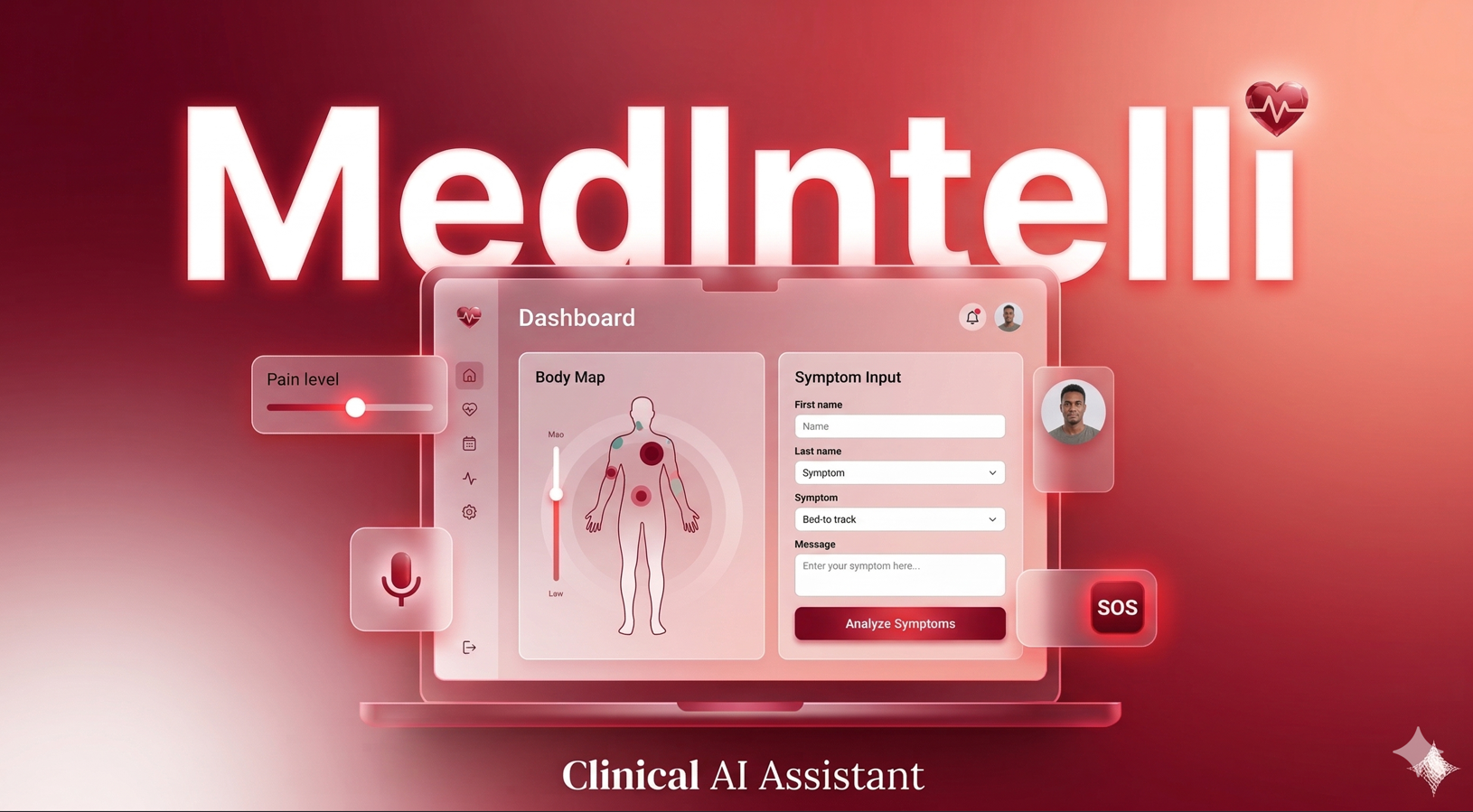
Not everyone has immediate access to a doctor for minor triage, and navigating emergency first-aid advice online can be dangerously slow. ⏳ We built MySymptoms to bridge the gap between initial discomfort and professional care. It is a safe, instant, and highly accessible Clinical AI Assistant designed to feel like a supportive conversation, not a clinical search result. 🩺
⚙️ What It Does
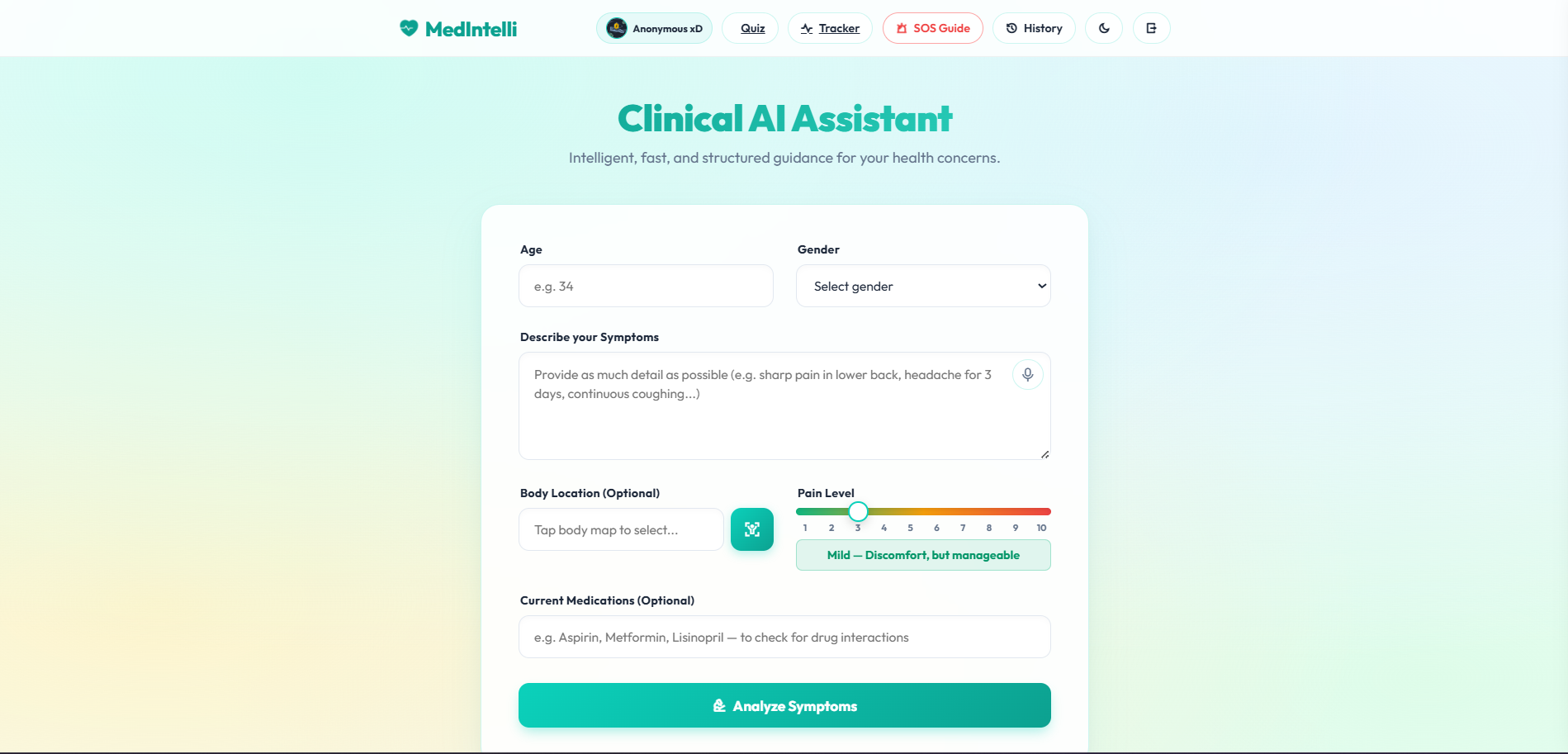
MySymptoms acts as an intelligent first point of contact for health concerns. To ensure safety, users input their age, gender, and current medications to check for critical drug interactions 💊.
To make the experience more intuitive, we moved beyond text input:
- 🎙️ Voice Input: Describe symptoms naturally using the Web Speech API.
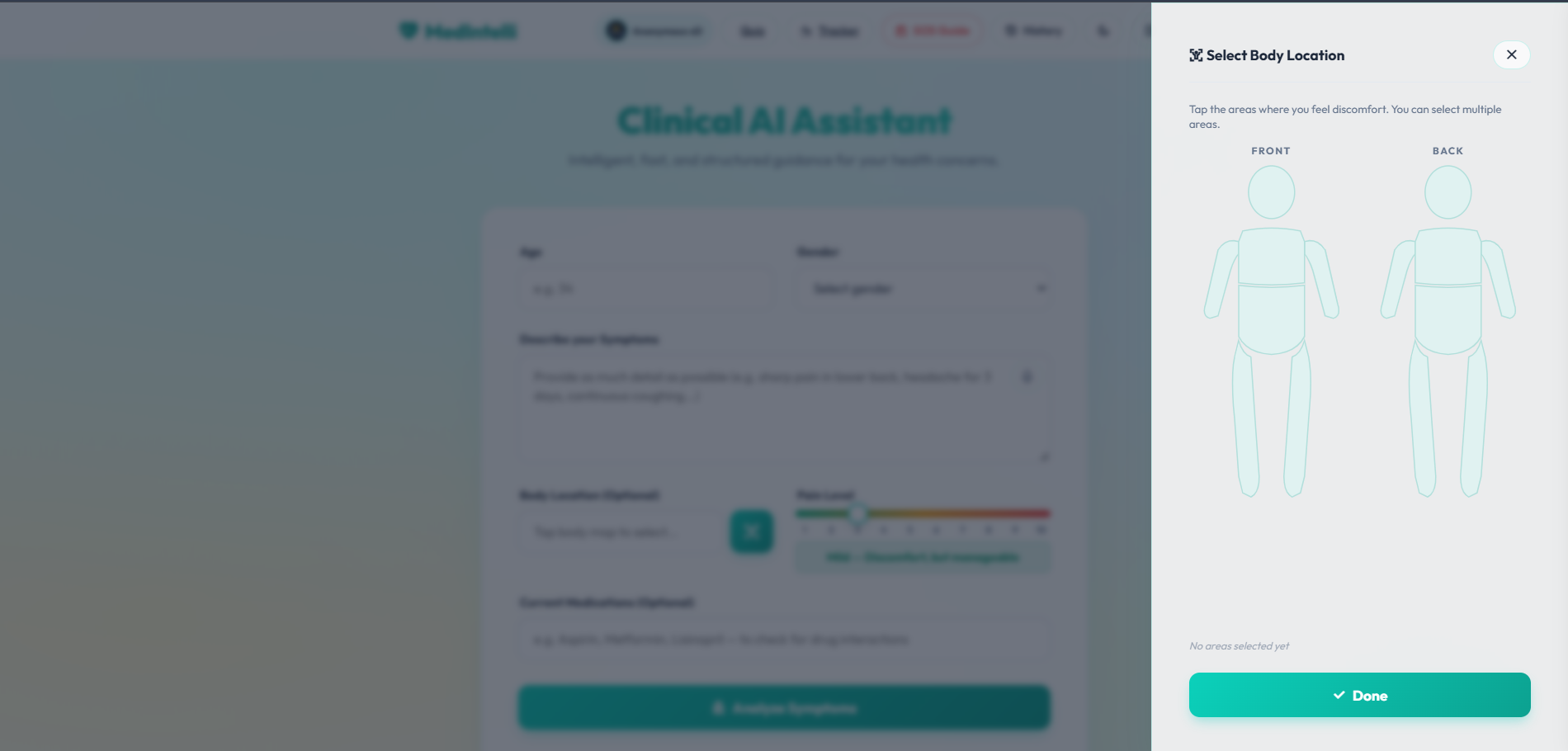
- 🫀 3D Body Map: Tap directly on an interactive SVG diagram to pinpoint pain.
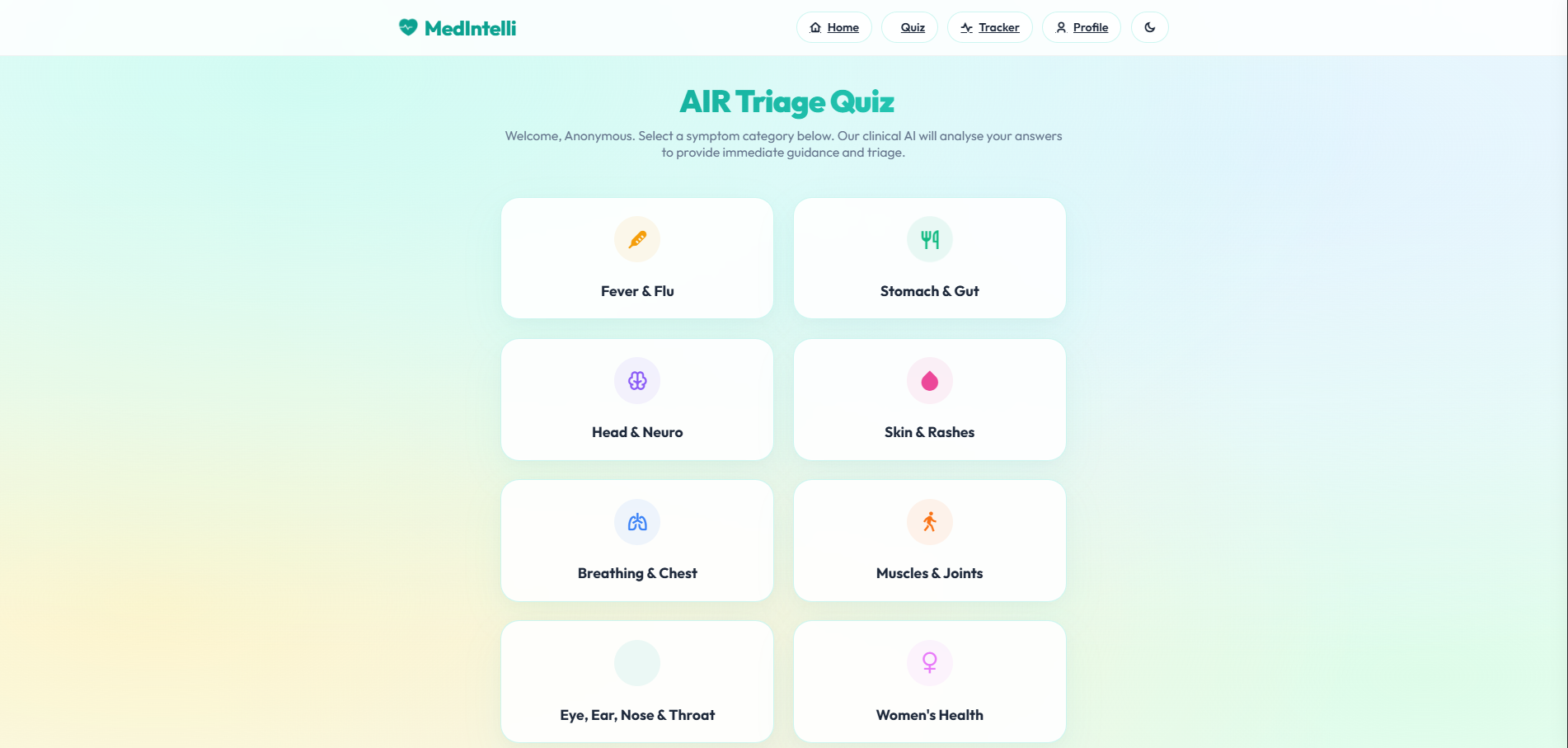
- 🧩 Diagnosis Quiz: An interactive flow to narrow down symptom severity.
- 📈 Symptom Tracker: A long-term log that users can share with their doctors.
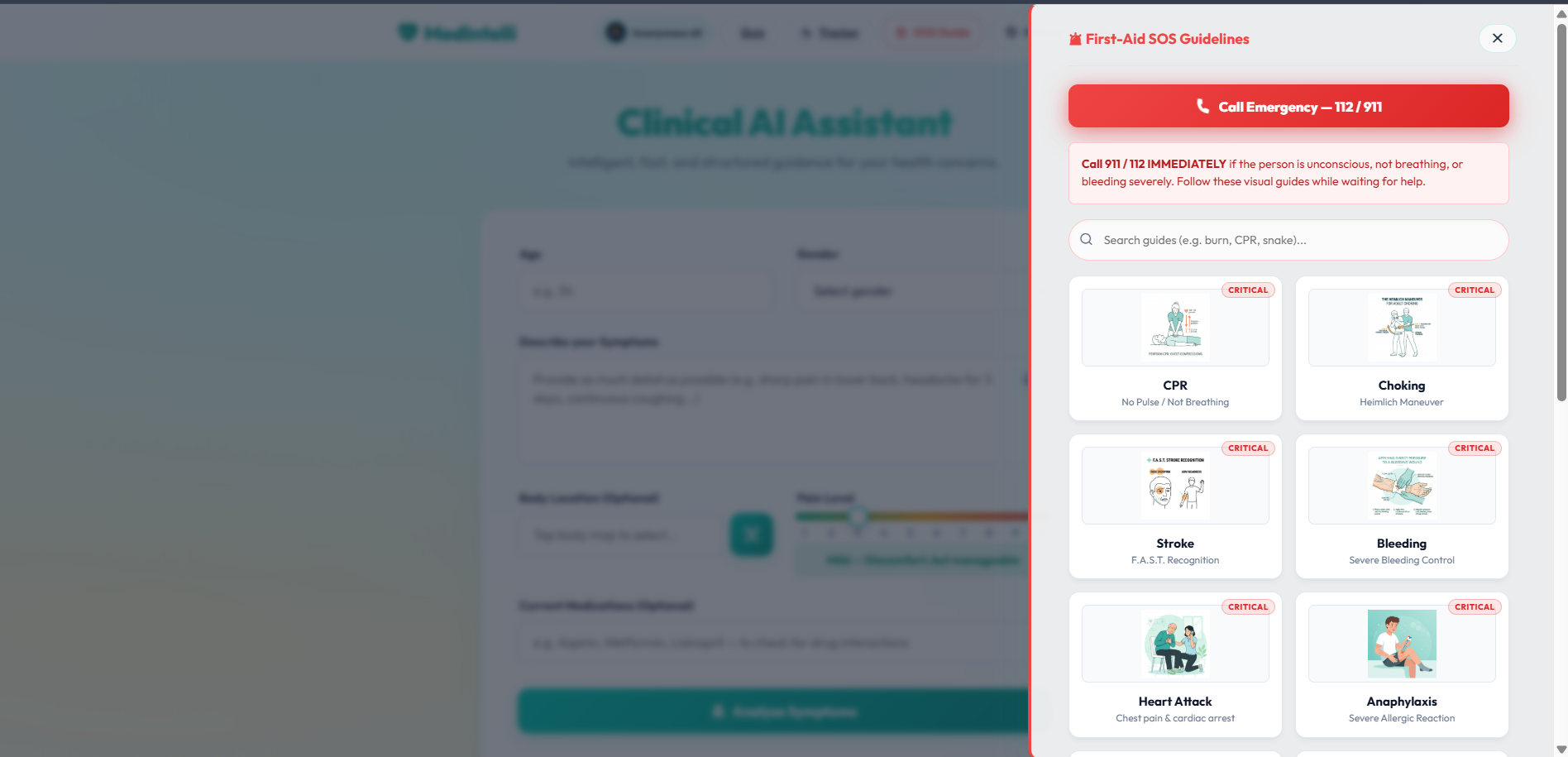
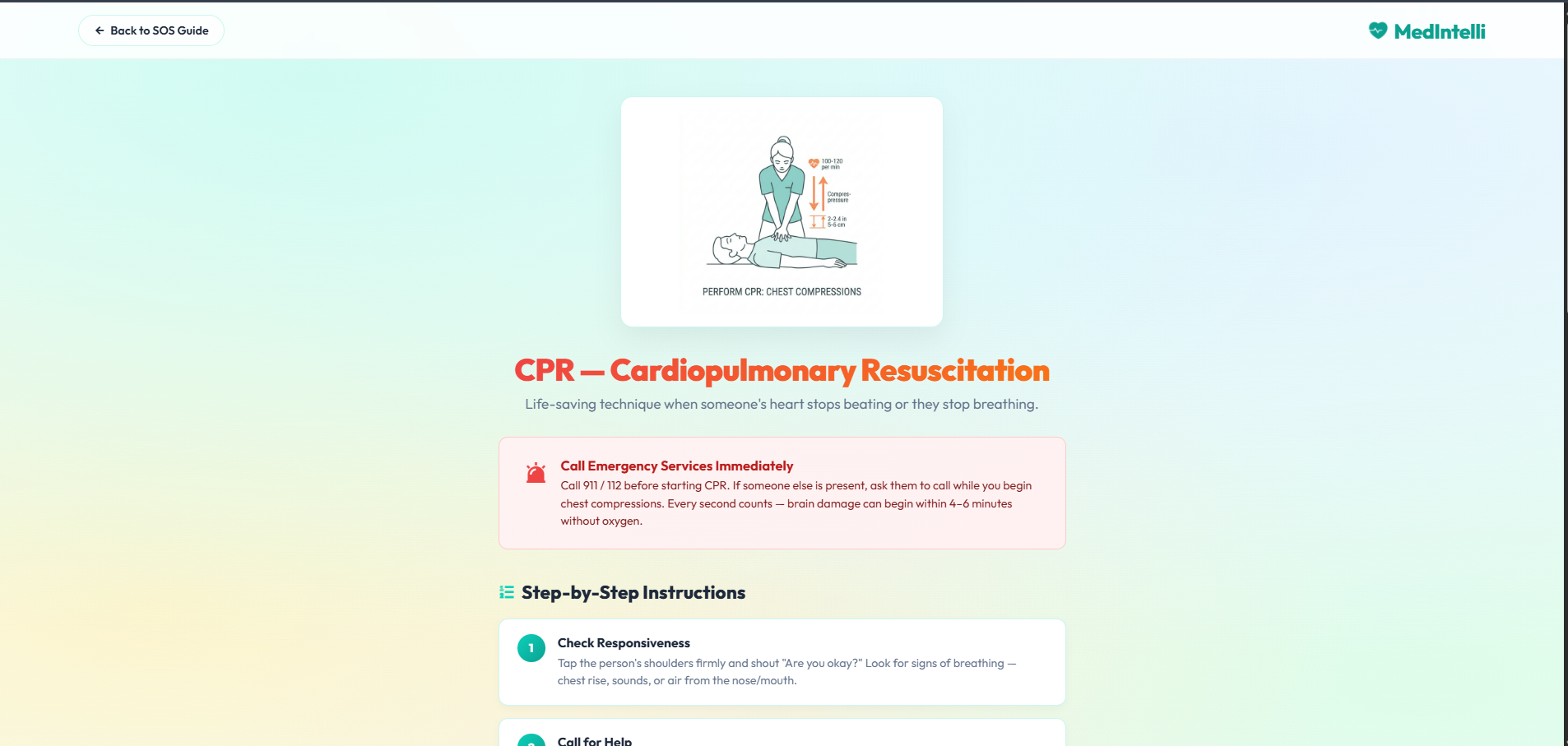
- 🚨 Emergency SOS Guide: Bypasses the AI to deliver instant, visual first-aid for strokes, CPR, and choking.
- 🌍 Multi-language Support: Breaking down barriers to healthcare knowledge.
🛠️ How We Built It
We focused on a high-performance, glassmorphism UI that is fully responsive across desktop and mobile.
- Frontend: Vanilla HTML5, CSS3, and JavaScript. We utilized an interactive SVG Body Map and dynamic severity sliders for a premium feel.
- Backend & Auth: Firebase (Authentication + Firestore) manages secure Medical ID profiles and persistent consultation history.
- Performance: Integrated Firebase Analytics and Performance Monitoring to ensure rapid load times—essential for users in high-stress situations.
🚧 Challenges We Faced
- Data Structuring: Pairing free-text symptoms with quantitative data (pain scales 1–10 and SVG coordinates) required precise prompt parsing for the AI.
- Async Logic: Preventing race conditions while fetching Medical IDs from Firestore required robust asynchronous auth listeners.
- Safety Guardrails: Ensuring the AI remains a triage tool rather than a diagnostic one. We engineered the prompts to prioritize conservative, responsible guidance.
🏆 Accomplishments We're Proud Of
- Premium UI/UX: Achieving a polished, professional aesthetic without heavy frameworks.
- Accessibility: Combining voice input with a visual body map makes the tool significantly easier for elderly users to navigate.
- The SOS Module: Recognizing that AI isn't for active emergencies, we built a dedicated, hard-coded module for one-click visual first-aid.
📚 What We Learned
- State Management: Building complex, stateful applications using vanilla JavaScript.
- Security: Implementing secure Firestore rules and real-time data persistence.
- Clinical Prompt Engineering: Learning how to calibrate AI behavior for high-stakes medical contexts.
🚀 What's Next
- 📸 Multimodal AI Vision: Upload photos of rashes or wounds for visual analysis.
- 👨⚕️ Doctor Portal: Generate encrypted links or PDFs of symptom logs for healthcare providers.
- 📱 Native Mobile App: Bringing the Emergency SOS guides fully offline for instant access anywhere.
[!IMPORTANT] Disclaimer: This web app is AI-assisted triage tool and does not replace professional medical advice. Always consult a qualified healthcare provider for diagnosis and treatment.*


Log in or sign up for Devpost to join the conversation.