-
-
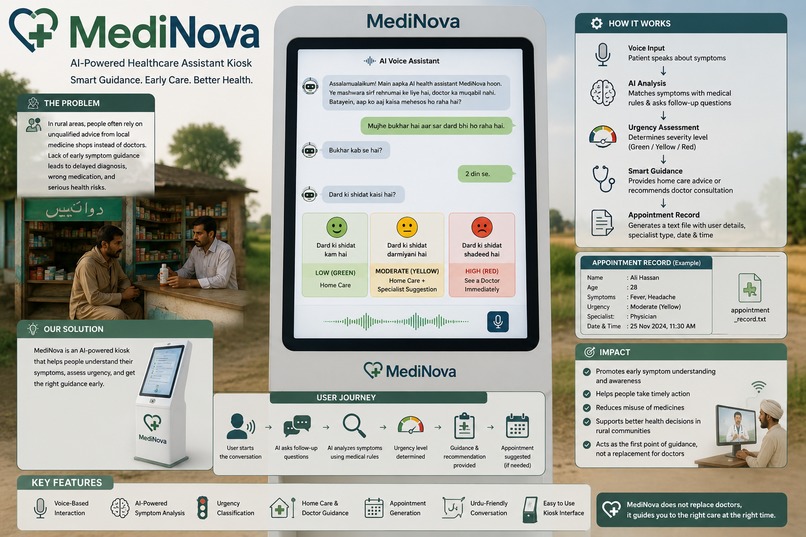
Cover
-
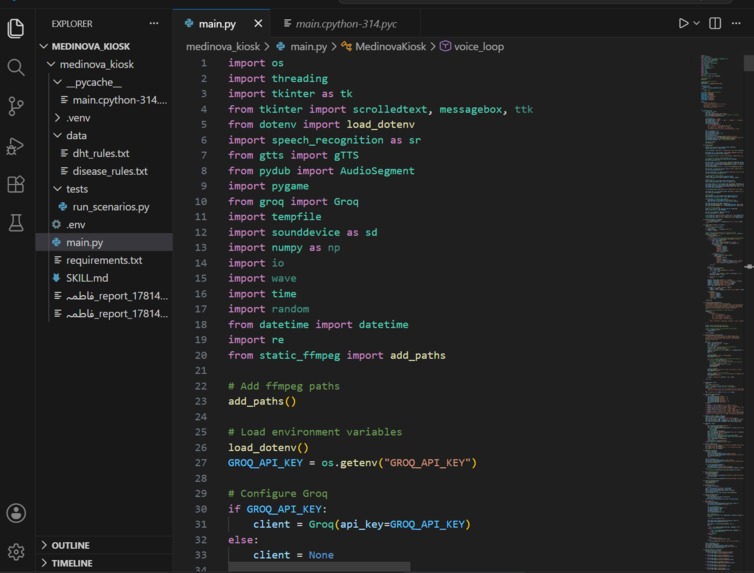
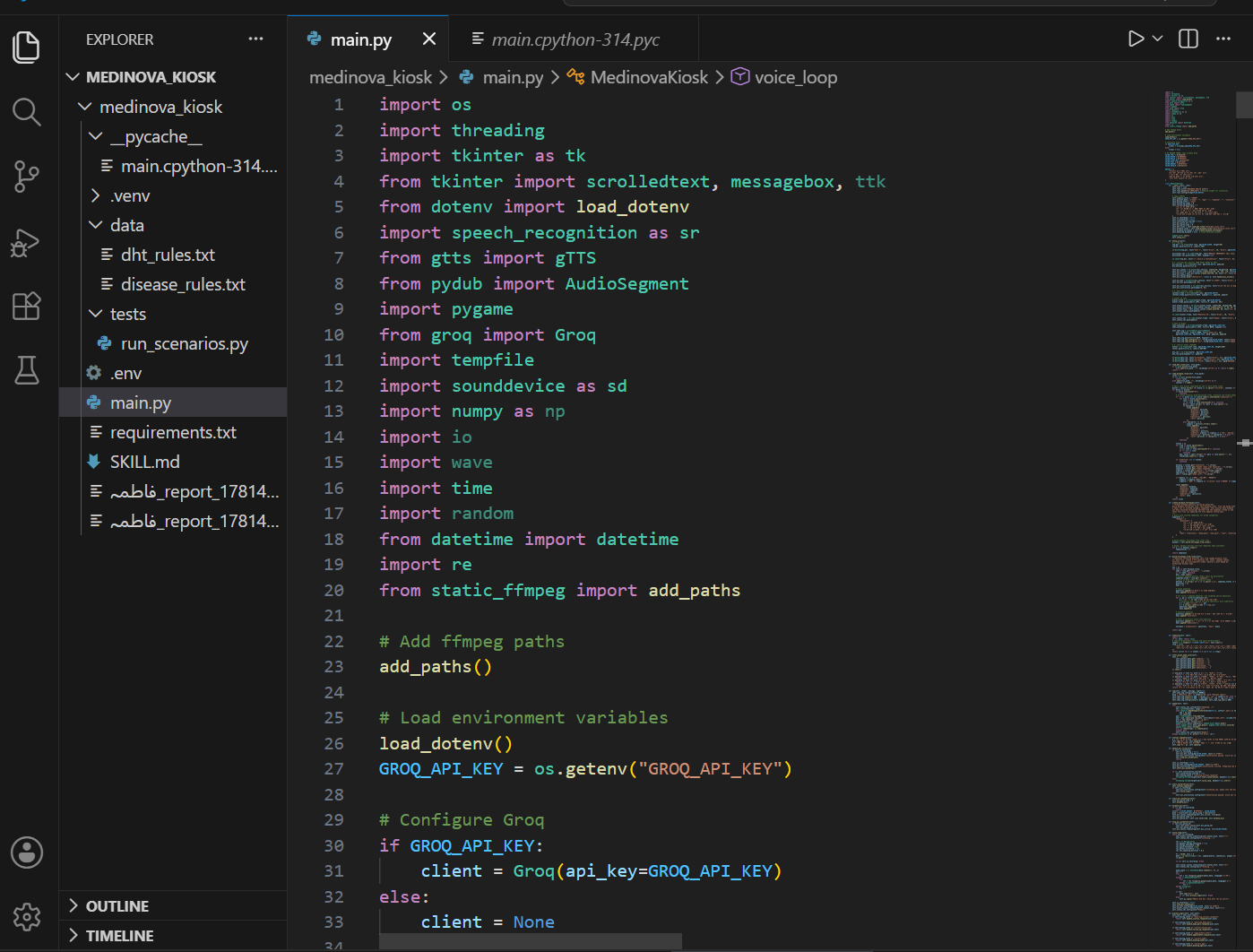
Main Code
-
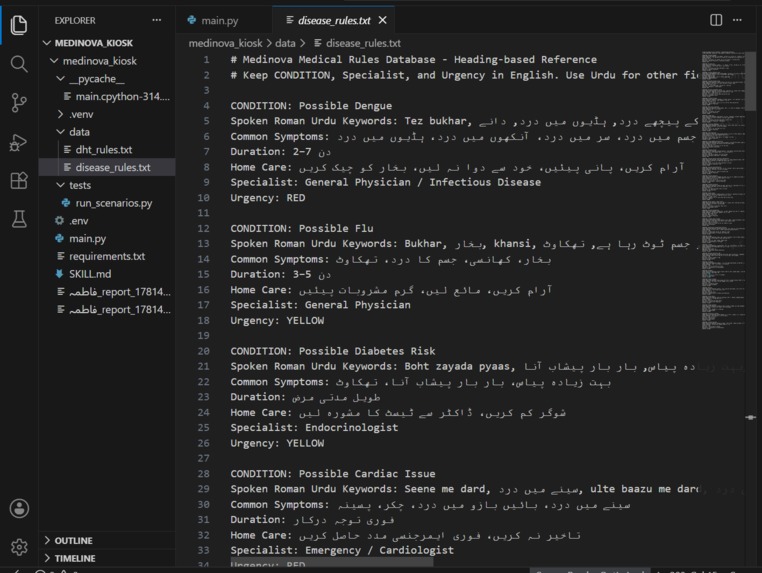
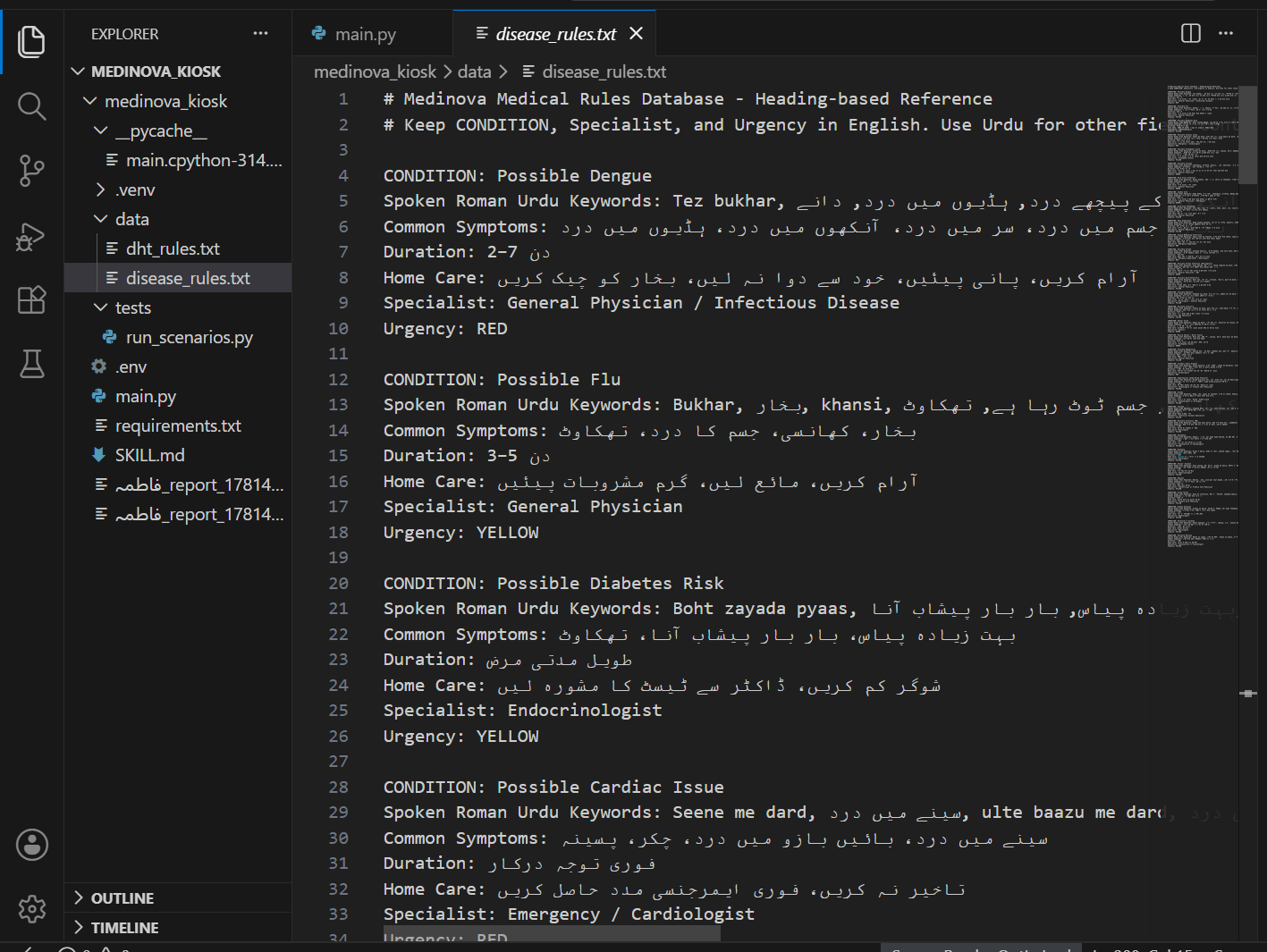
Diseases Text File
-
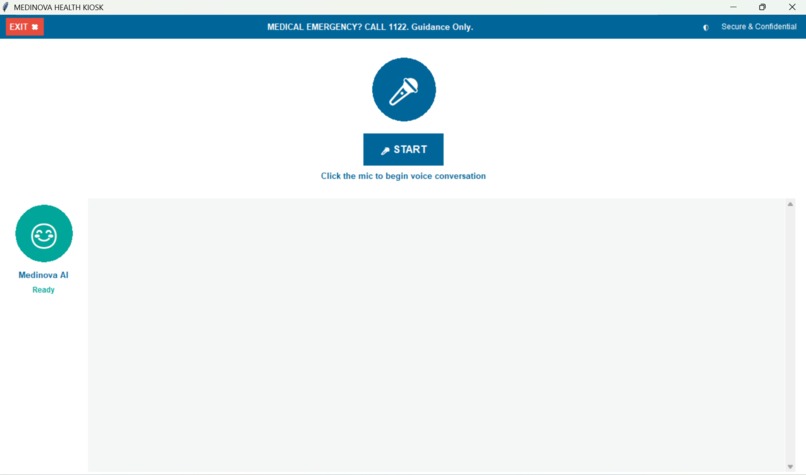
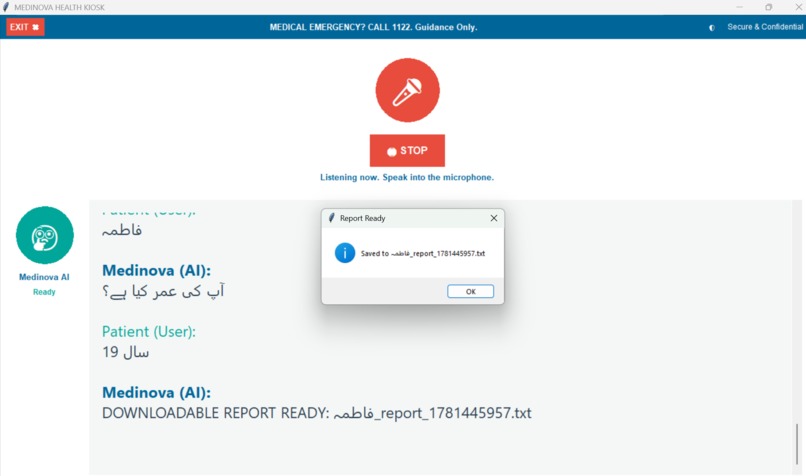
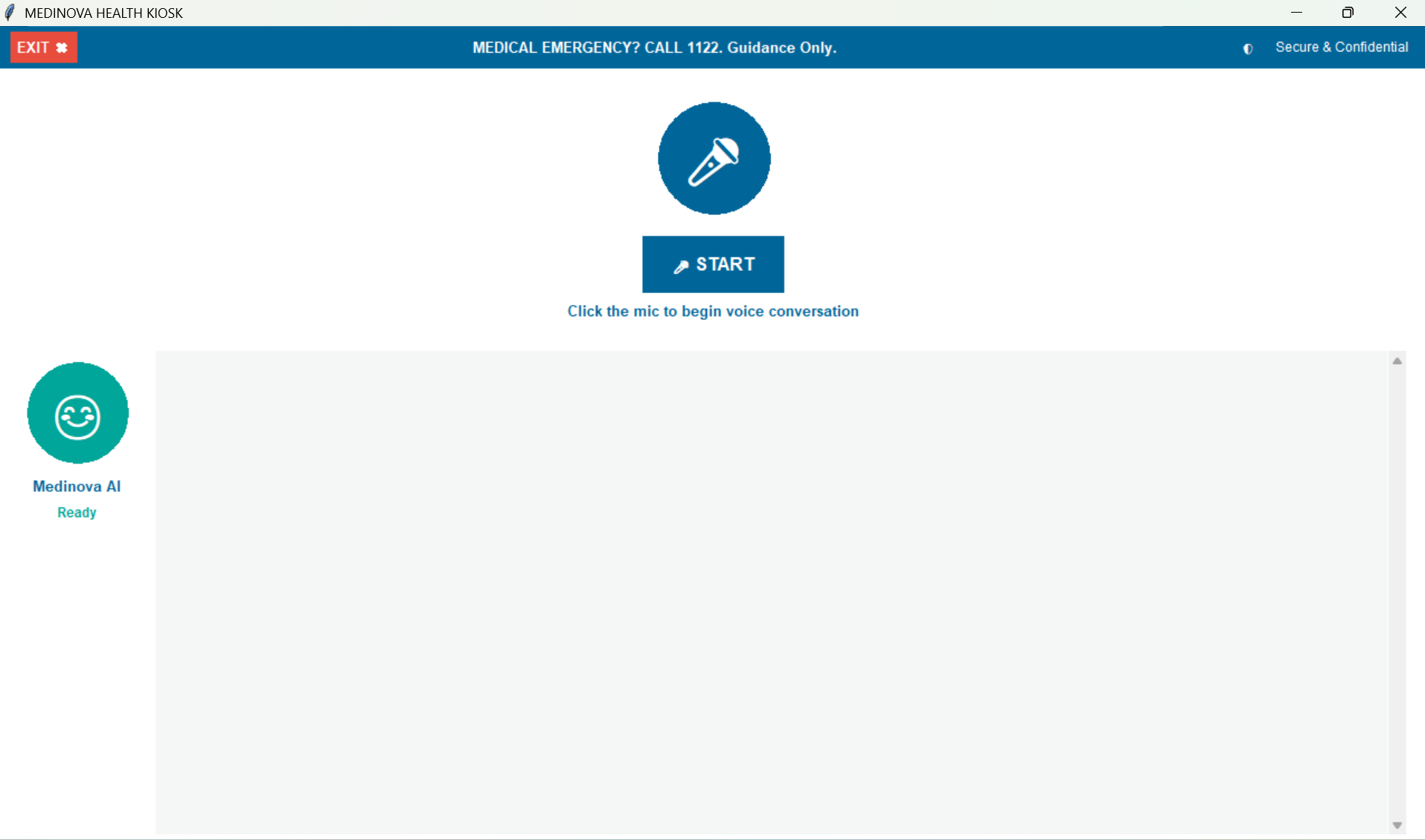
Screen
-
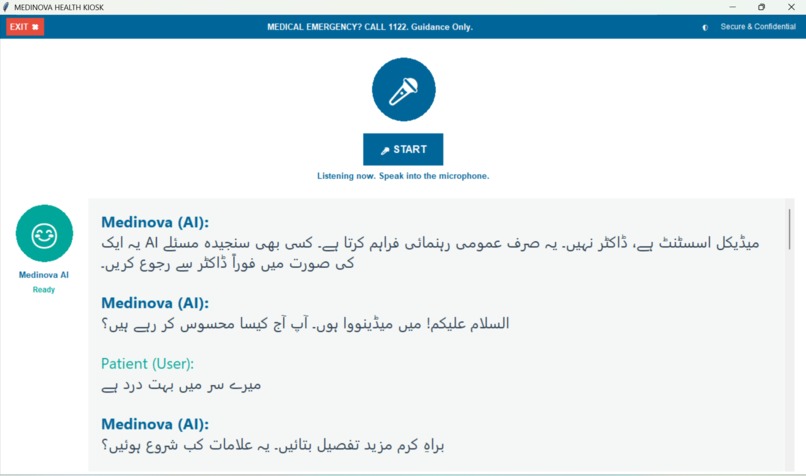
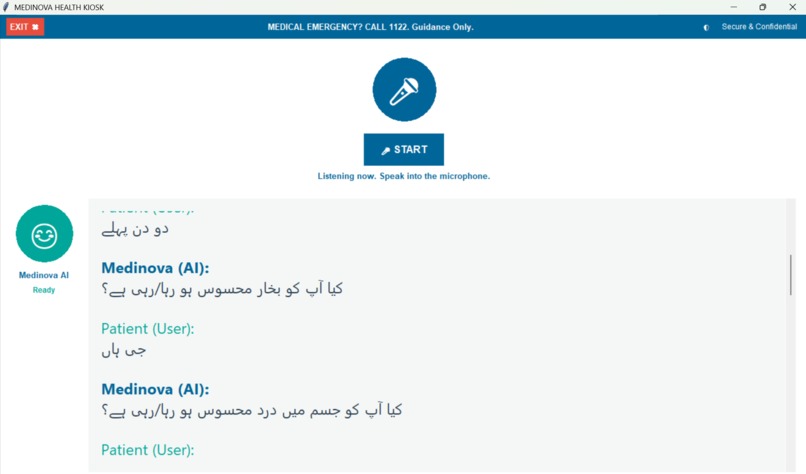
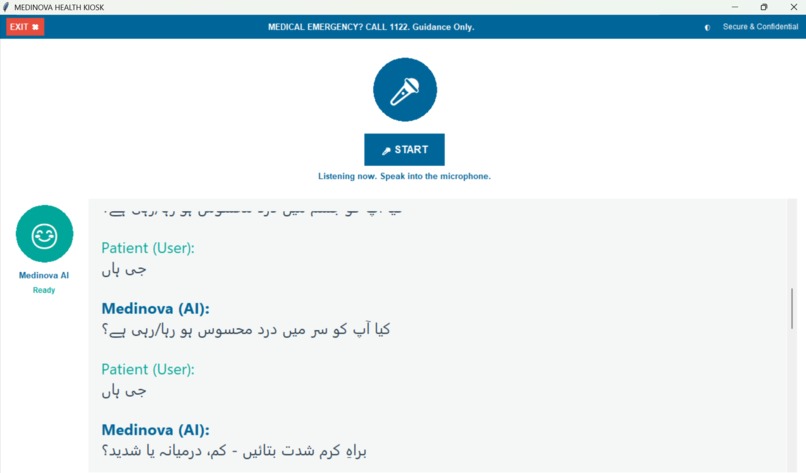
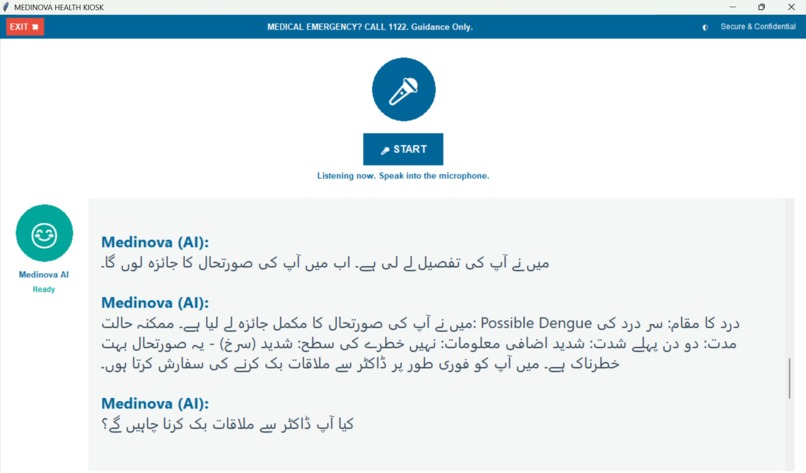
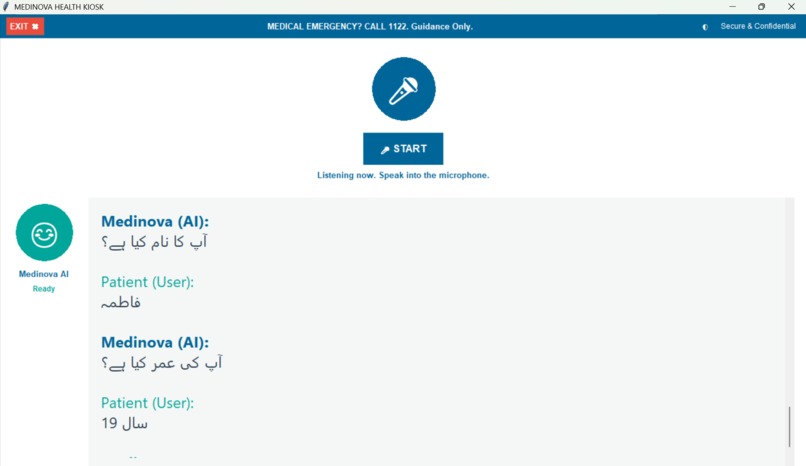
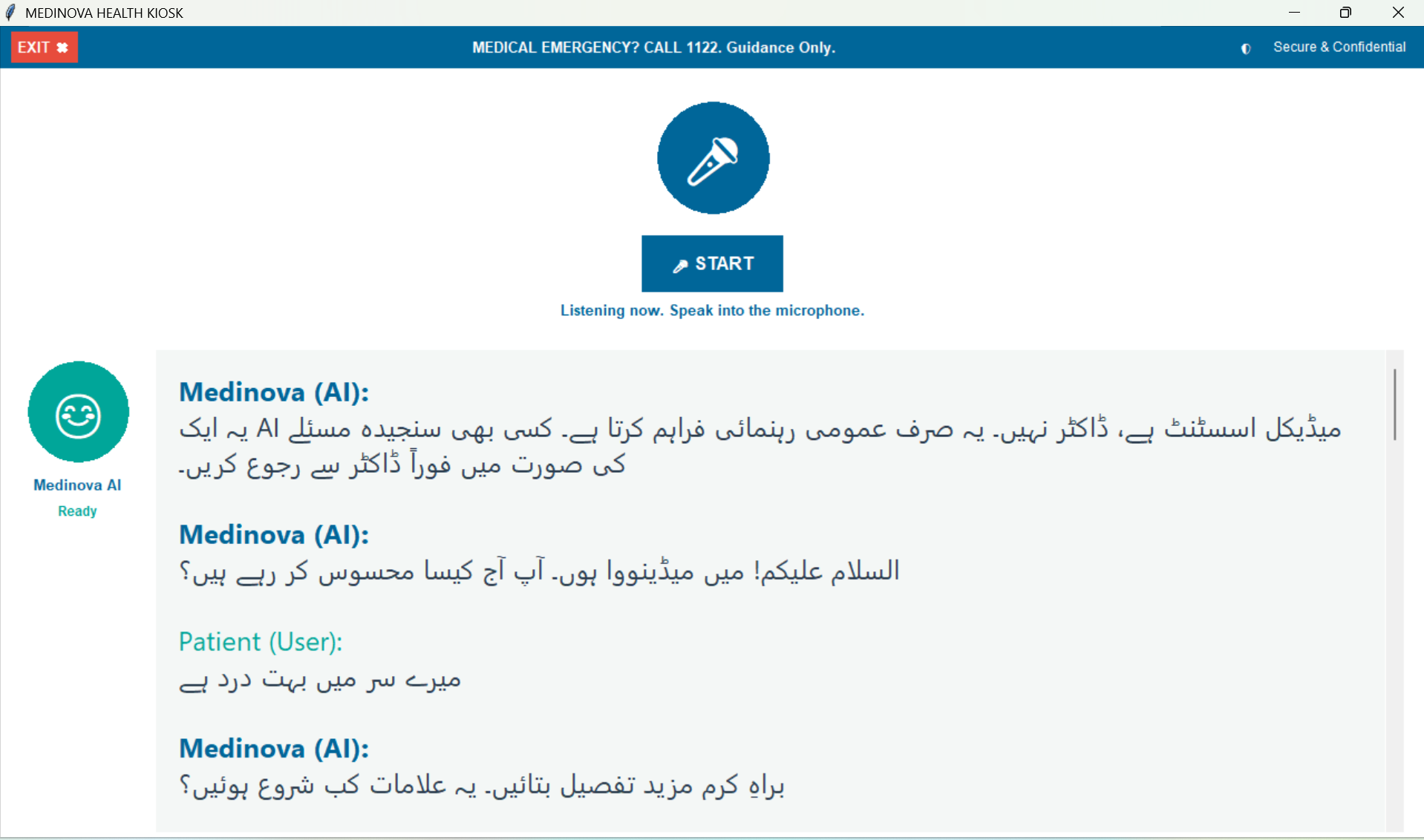
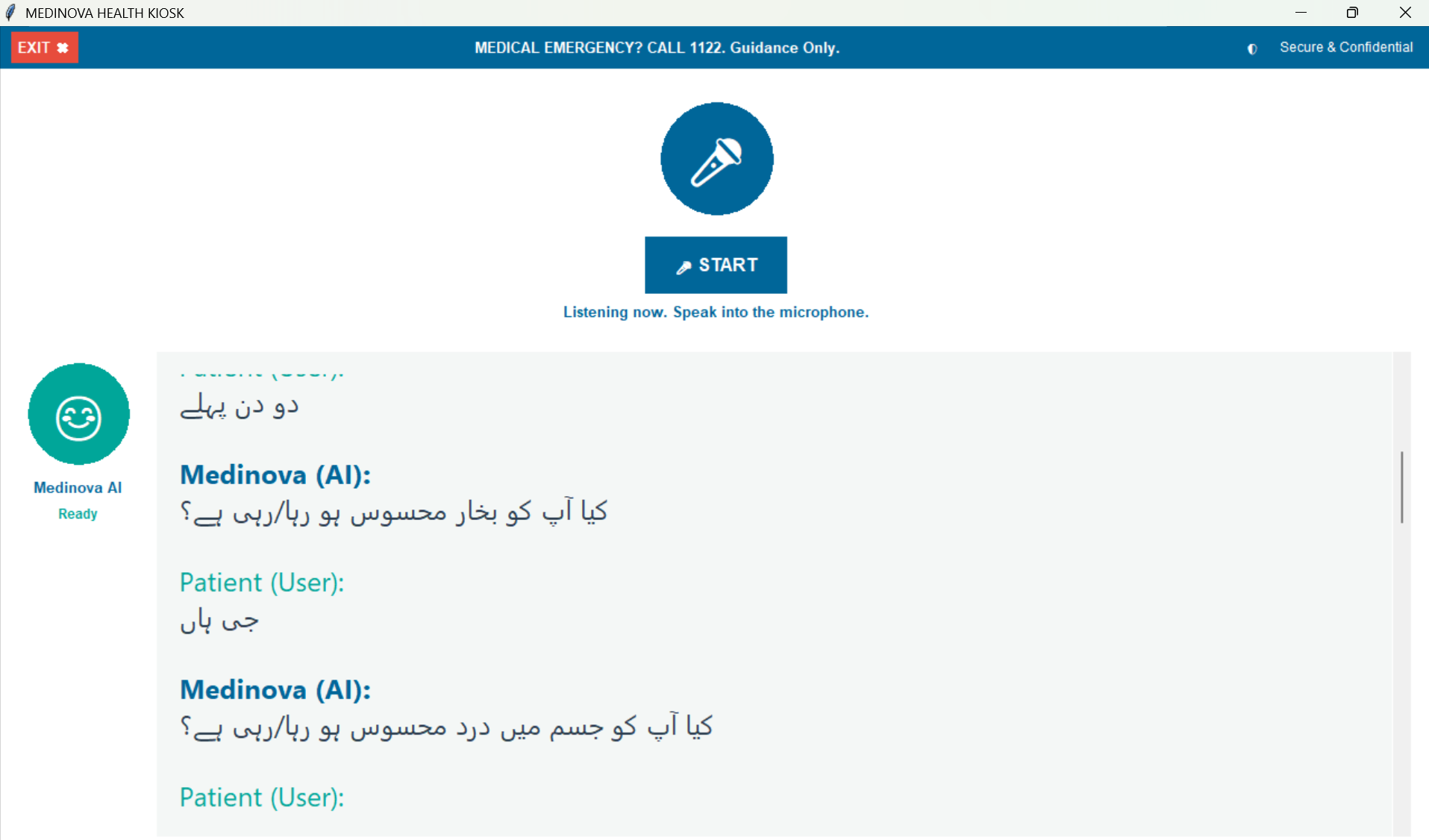
Display Screens
-
-
-
-
-
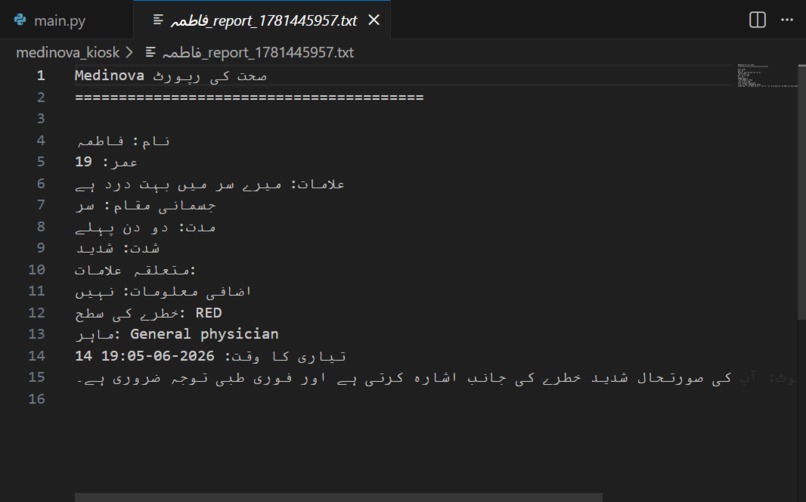
Report Text File
-
-
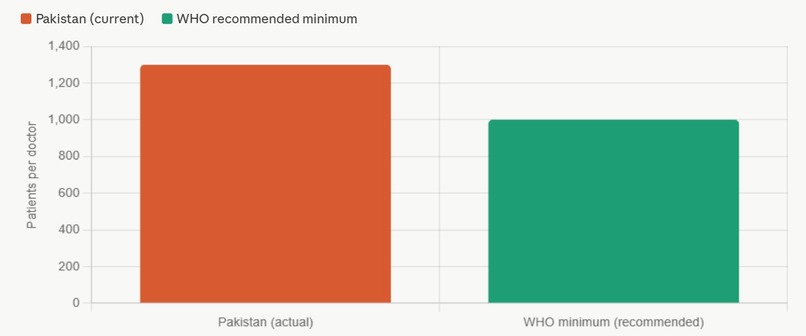
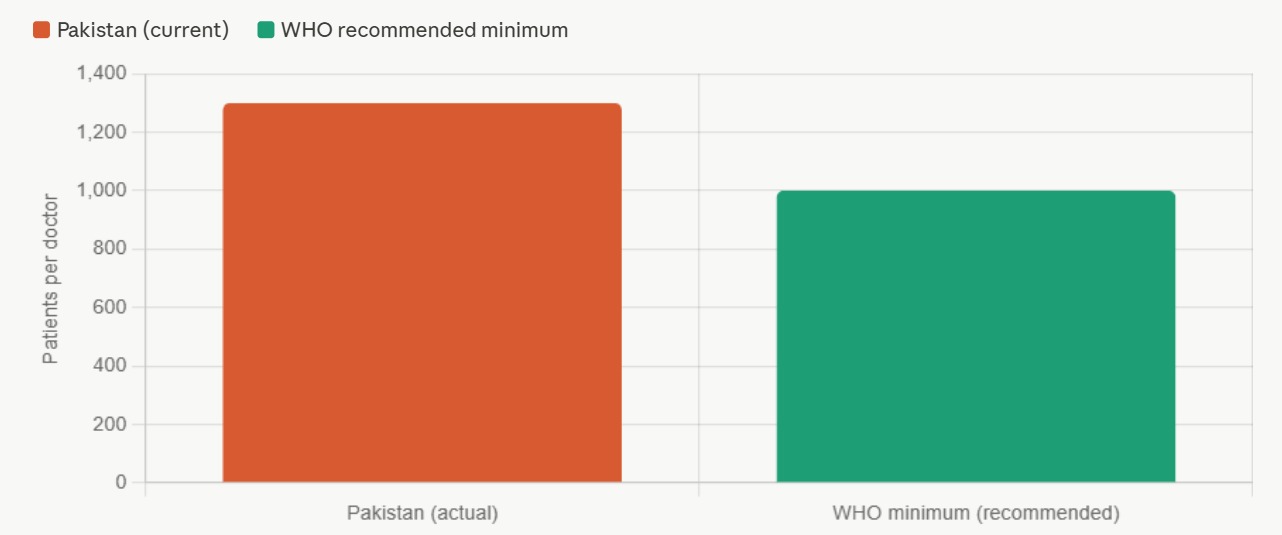
Pakistan's doctor-patient ratio (1:1,300) vs WHO's recommended minimum (1:1,000) for developing nations. Dawn, June 28, 2024.
-
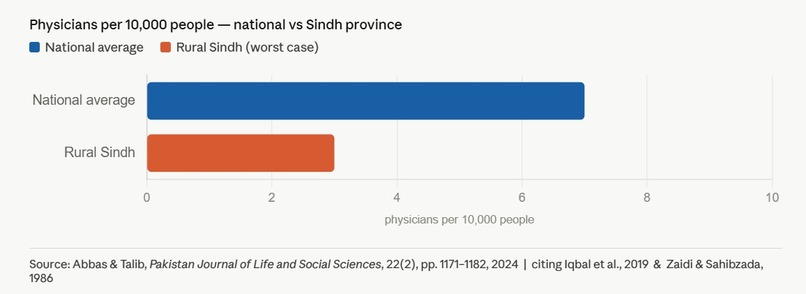
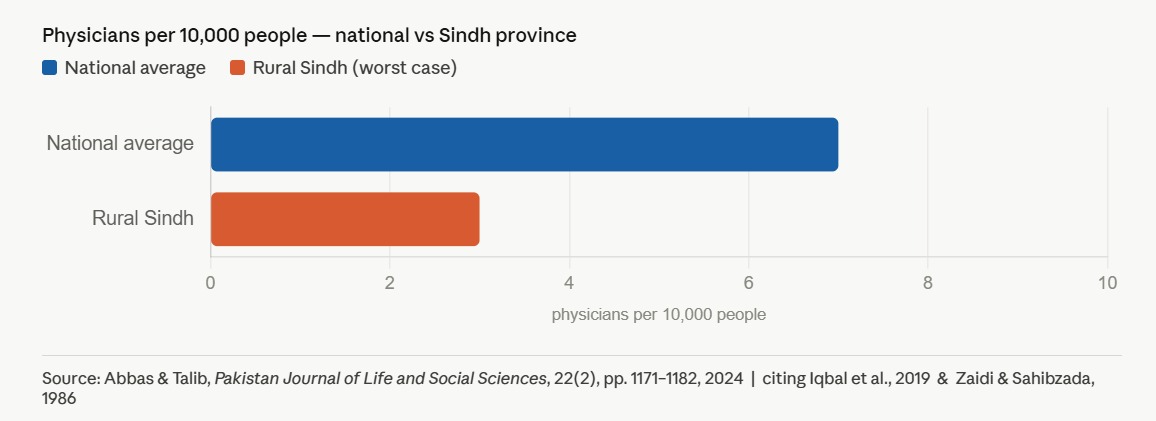
Rural Sindh has just 3 physicians per 10,000 people — less than half the national average of 7. (Abbas & Talib).
-
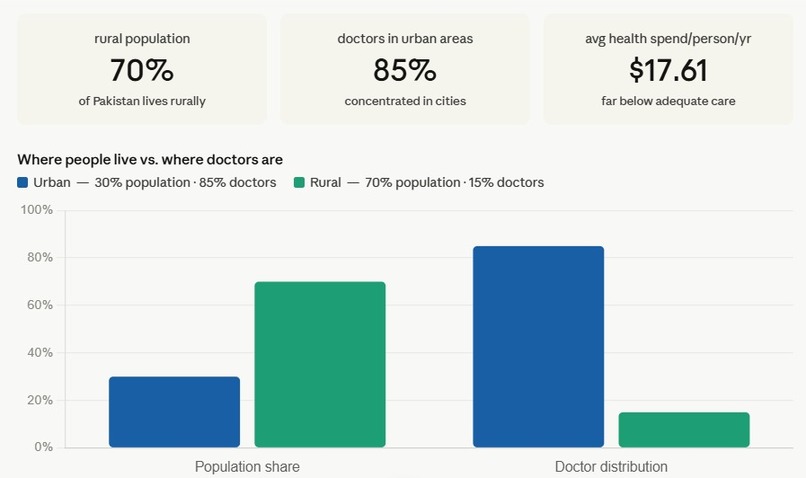
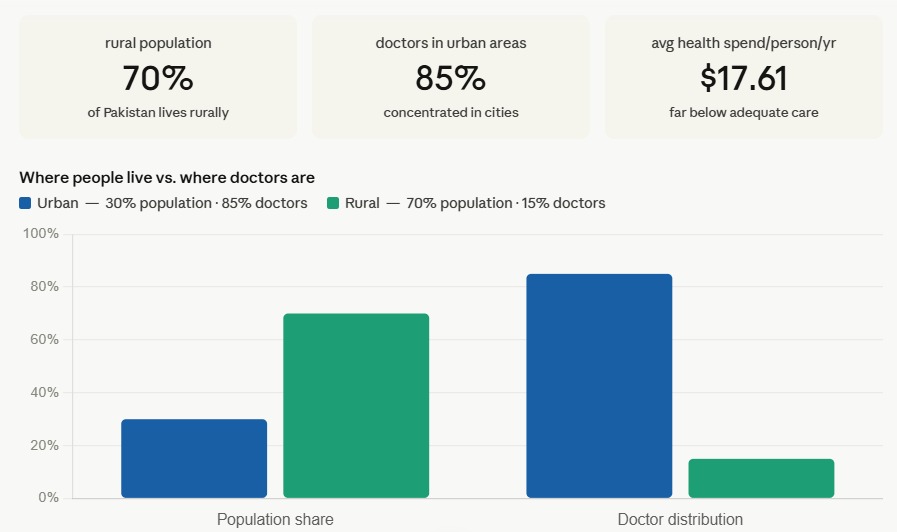
70% of Pakistanis live rurally, yet 85% of doctors serve urban areas. Urban-rural doctor distribution in Pakistan.Abbas & Talib, PJLSS 2024,
Inspiration
Fatima Tariq
My inspiration for this project came from a family experience. My mother's cousin, who lives in a rural area of Punjab, shared that people in her village often visit a man who runs a small corner shop whenever they are sick. He provides them with medicines, and they simply take them and return home. The shopkeeper is neither a qualified doctor nor a licensed pharmacist, yet people trust him and follow his advice.
When I heard this, I was shocked and curious. I asked my mother why they did not visit a proper doctor instead. She explained that this is how healthcare often works in many villages. I found this situation very concerning. How can people rely on someone without proper medical training for their health? When I joined this hackathon, I wanted to create something that could help people living in such underserved areas.
Esha Eman
As this was my first hackathon, I wanted to gain experience, learn new skills, and work on something meaningful that could positively impact our community. That is why I volunteered to be part of this project.
Samia Farheen
My motivation for building MediNova comes from personal experiences and observations within my family and community. In many rural areas, people often seek advice from local pharmacists or medicine sellers instead of qualified healthcare professionals. To provide quick relief, patients are sometimes given medications such as steroids or other drugs without understanding their long-term risks. While these medicines may temporarily reduce symptoms, they often fail to address the root cause of the illness. As a result, underlying health conditions can remain undiagnosed and worsen over time.
MediNova aims to address this issue by providing accessible, medically informed guidance that helps people better understand their symptoms, seek appropriate care, and make safer healthcare decisions.
Saadia Sohail
My inspiration came from observing how people in villages often visit small medicine shops run by individuals with little or no formal medical training. These shopkeepers usually stock a limited number of common medicines for conditions such as fever, flu, headaches, and body pain. When someone visits them, they provide medication solely based on the patient's verbal description of symptoms, without conducting any proper assessment or considering possible risks.
Many people in rural areas avoid visiting doctors because healthcare facilities are located far away or consultation fees are too expensive. This creates a situation where individuals rely on unqualified advice for important health decisions.
I was also excited to join this hackathon because it was my first one. I wanted to experience what it is like to take an idea inspired by a real-world problem and transform it into a working prototype under time pressure while collaborating with a team.
What It Does
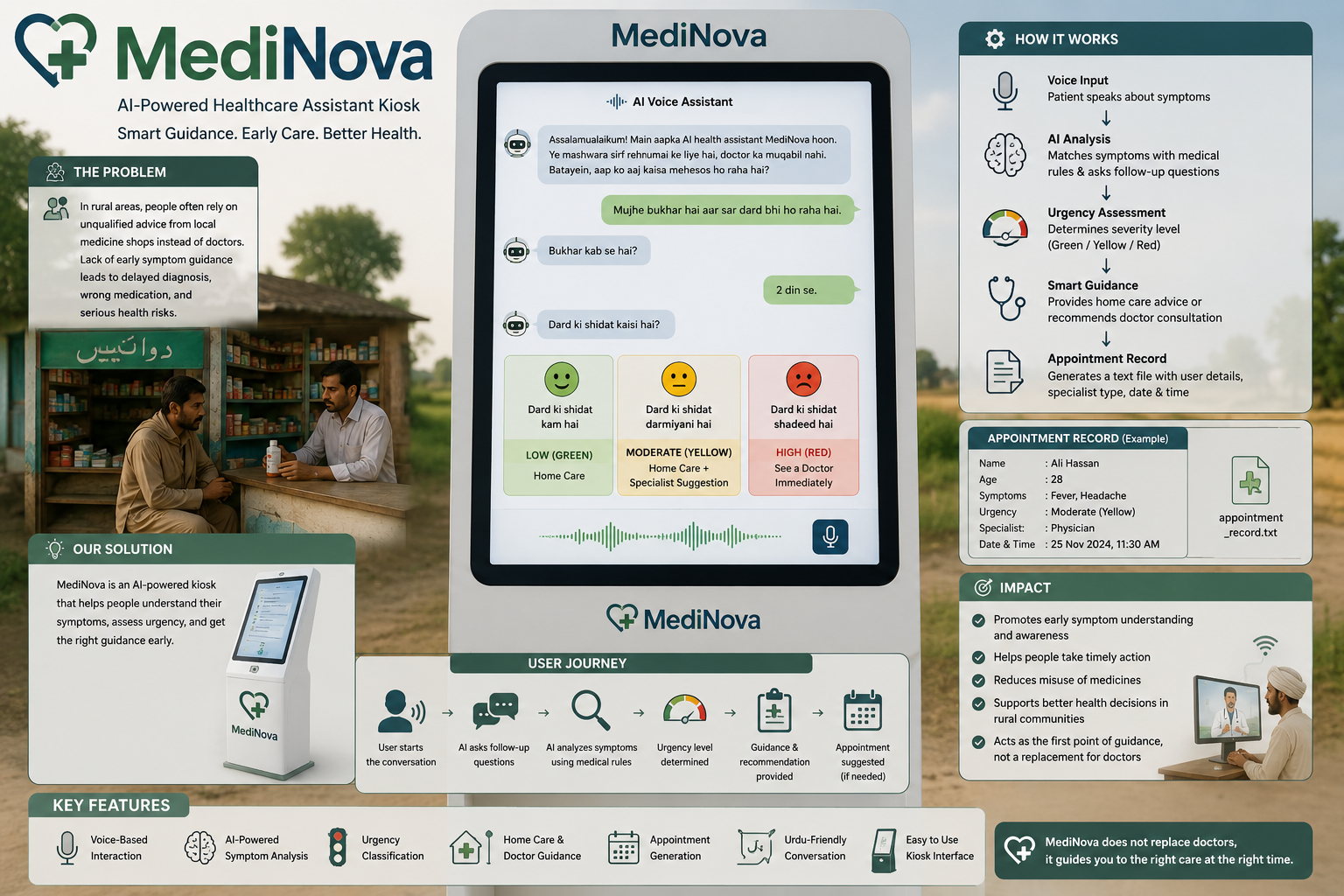
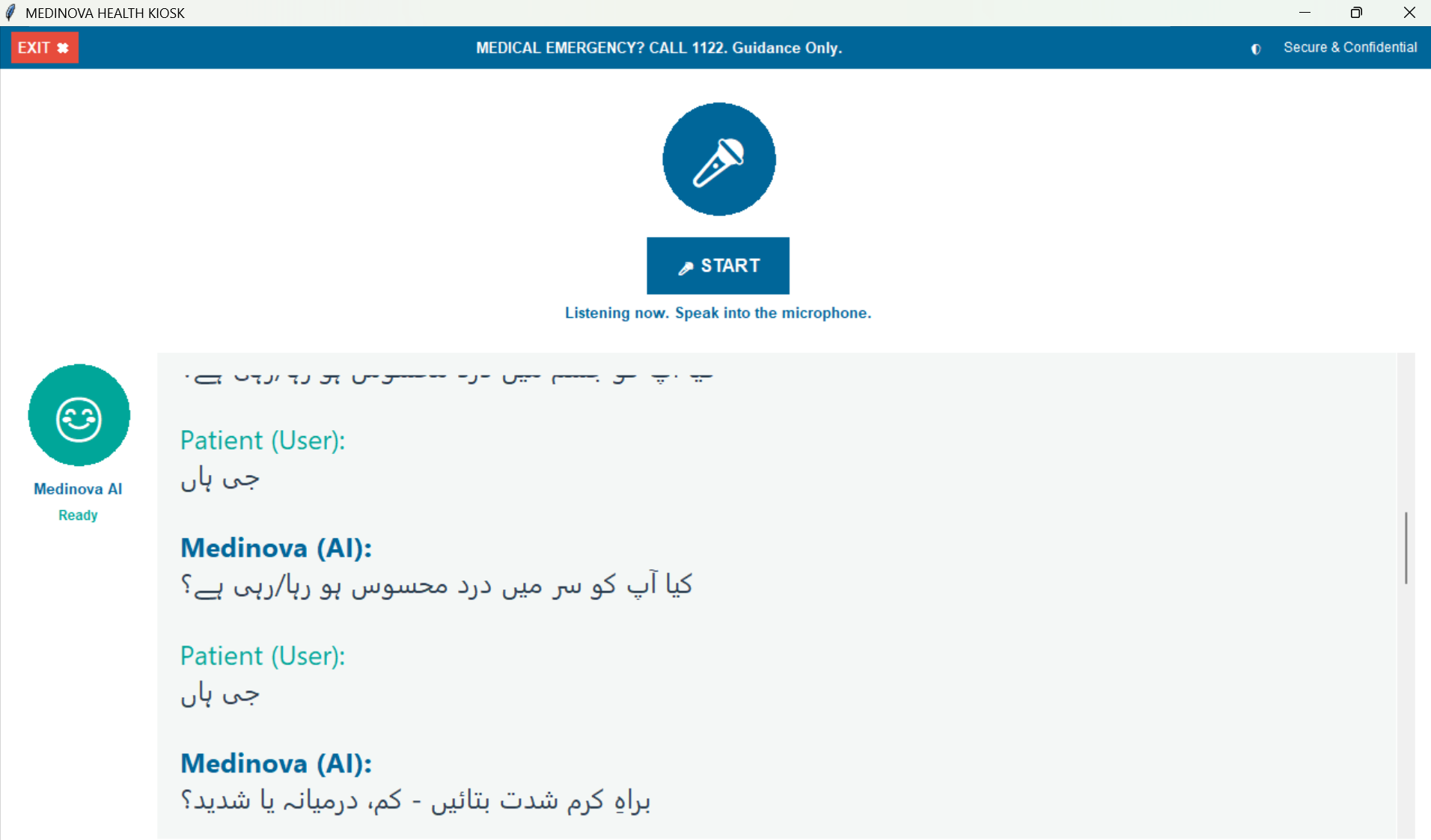
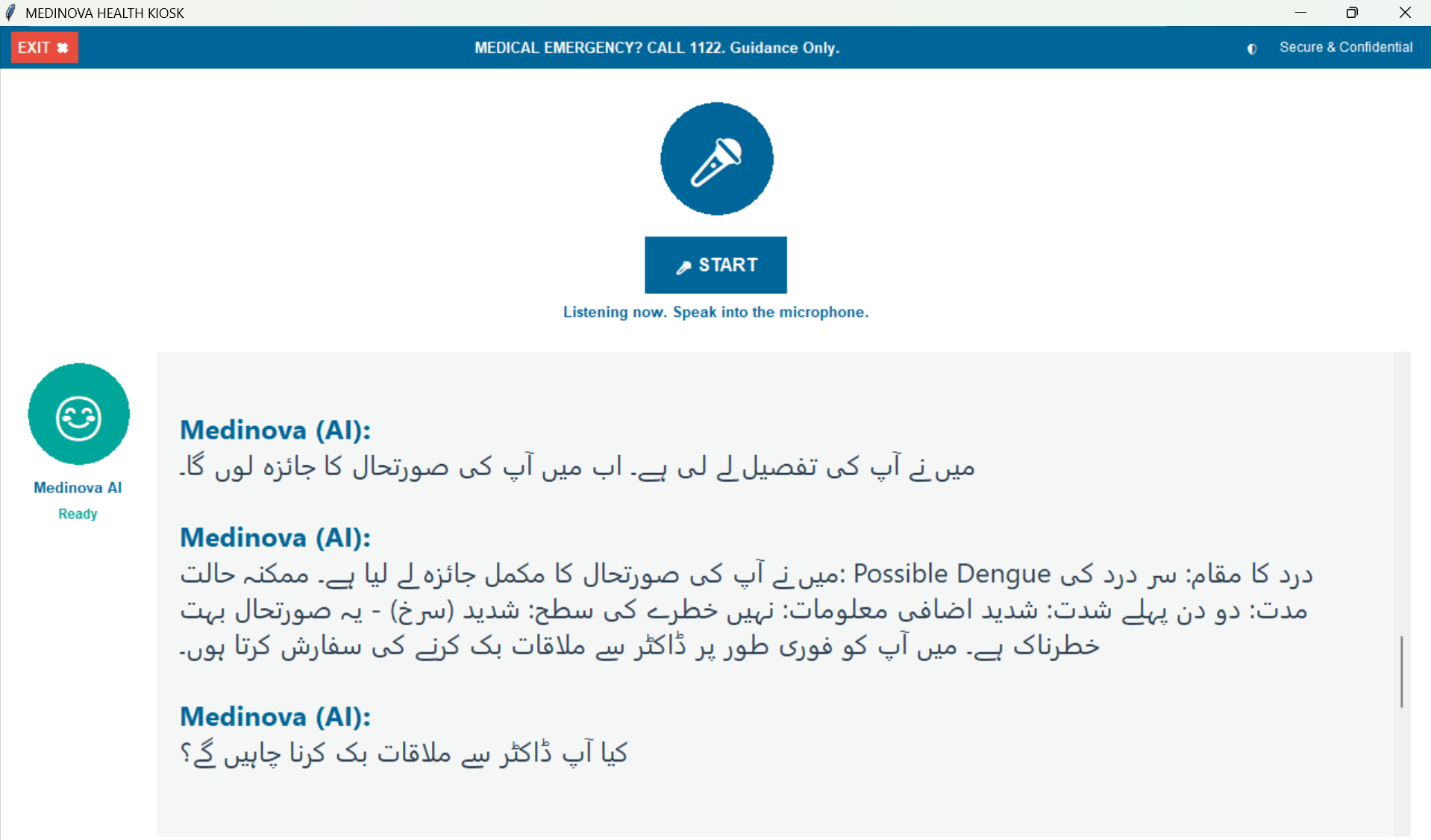
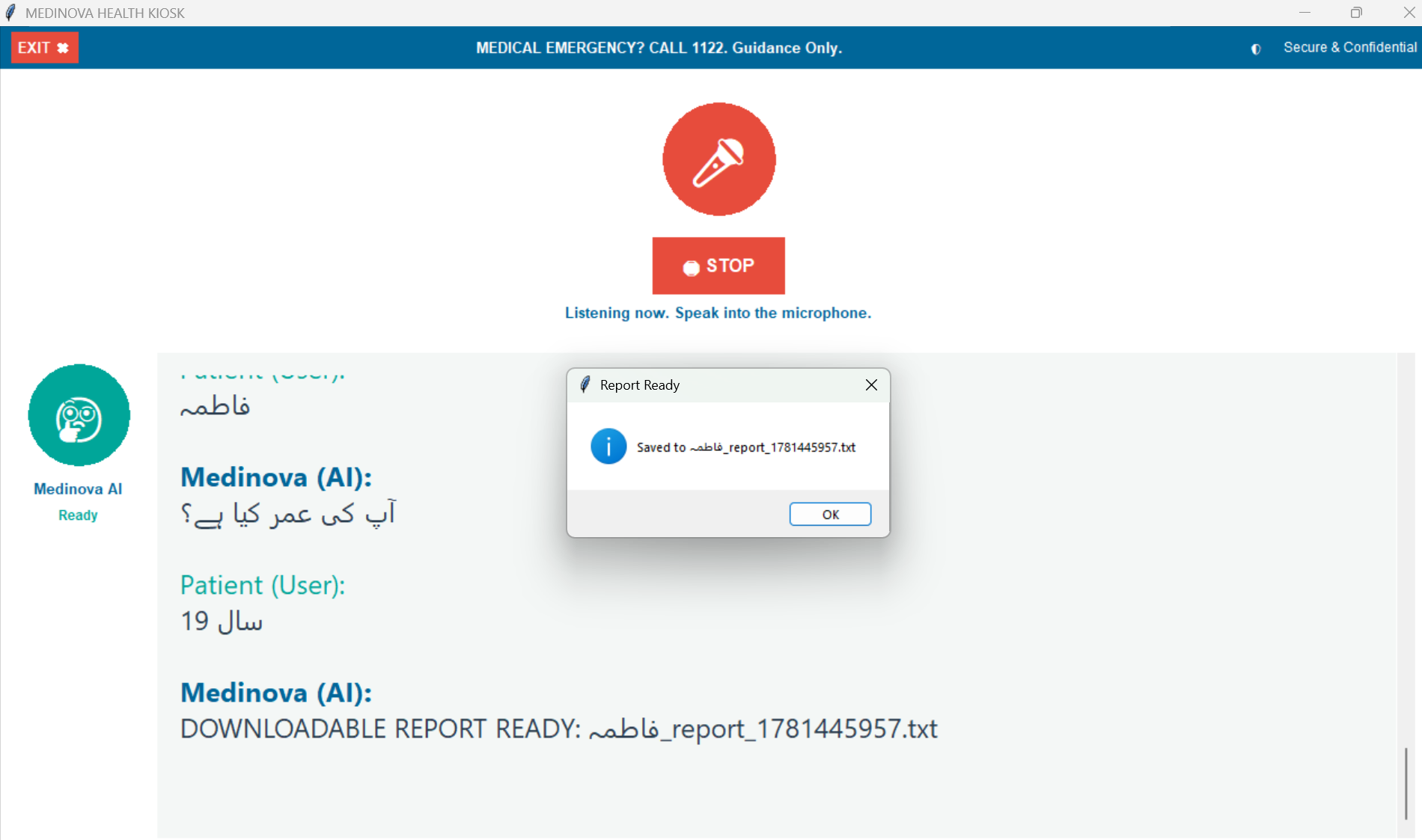
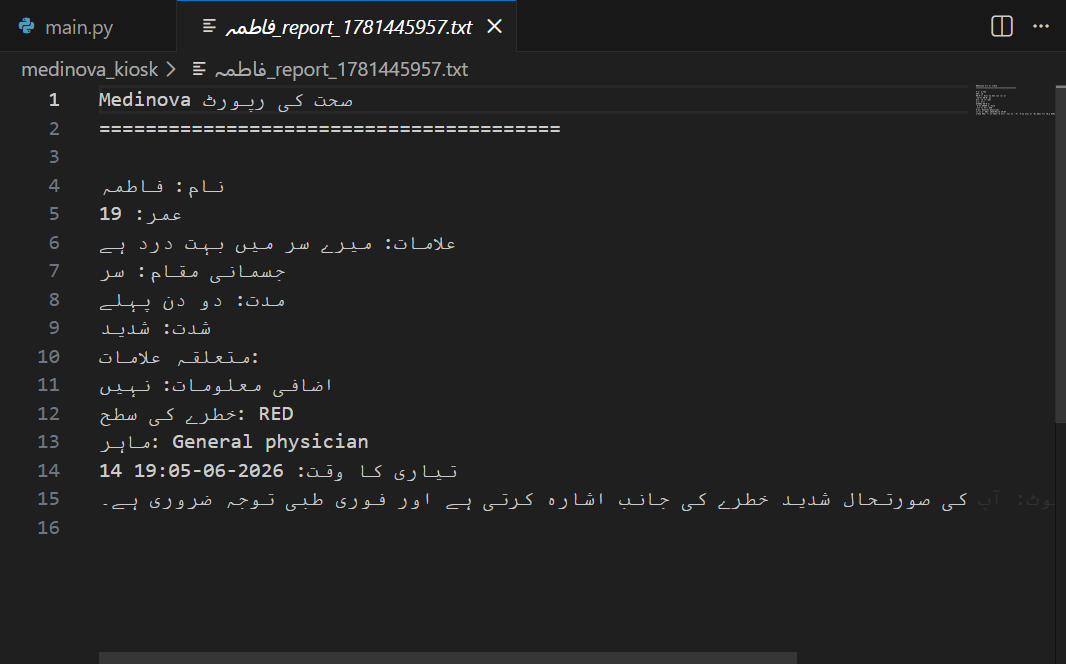
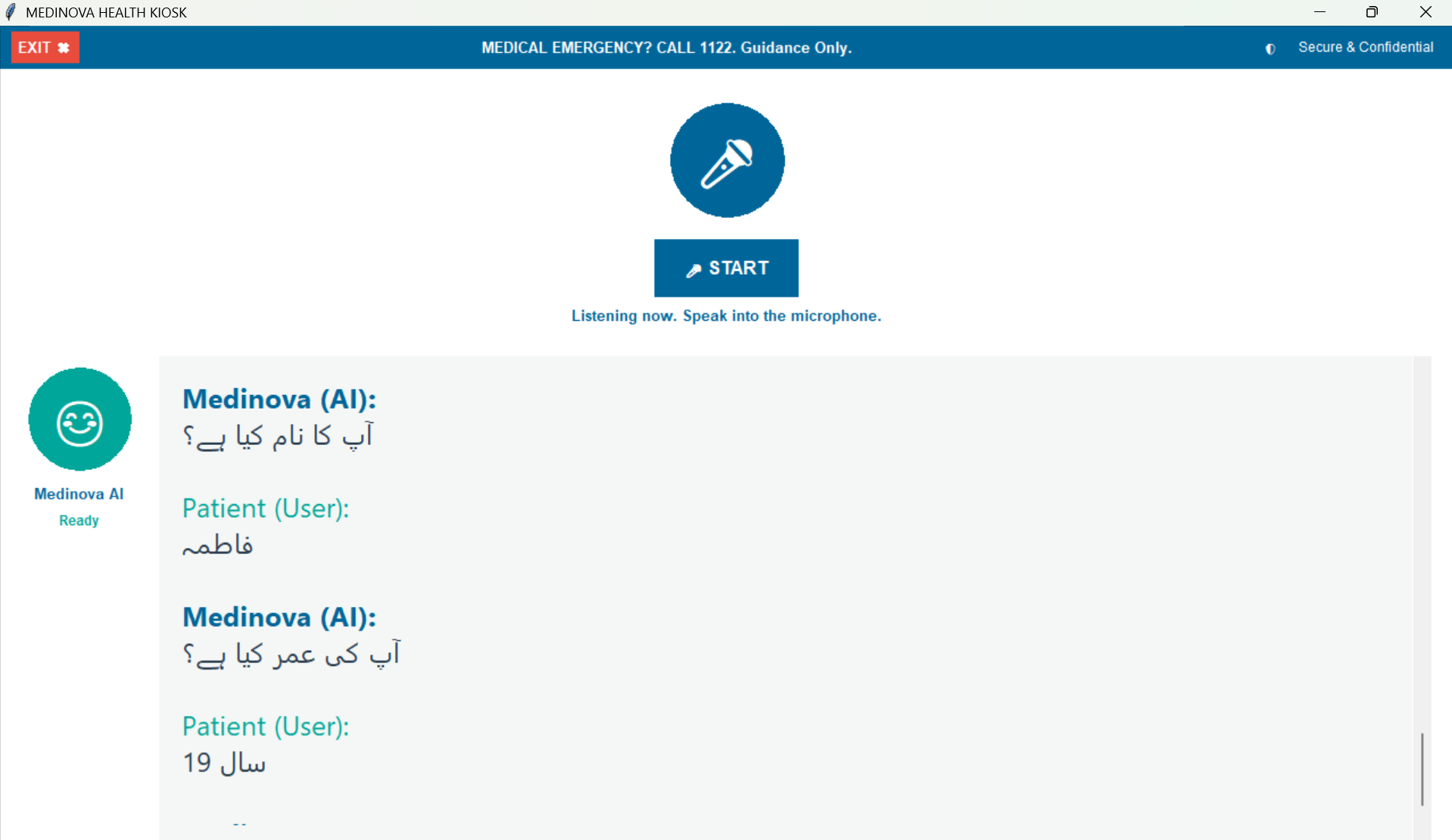
MediNova is a prototype AI-powered healthcare assistant system that simulates a smart medical kiosk. It allows users to describe their symptoms through voice input, which are then processed using speech recognition and AI-based logic. The system analyzes symptoms using a custom dataset and predefined medical rules. Based on this analysis, it provides basic health suggestions, estimates the urgency level of the condition, and generates a simple report that mimics a preliminary health assessment. The solution is intended to benefit rural populations. While the current version is a prototype, the concept has the potential to scale into a larger healthcare support system that can improve awareness, encourage timely medical consultations, and increase access to basic health guidance.
How We Built It
We developed MediNova in VS Code using Python.
Technologies Used
- Tkinter for the graphical user interface (GUI)
- SpeechRecognition and SoundDevice for voice input
- gTTS, Pydub, and Pygame for text-to-speech output
disease_rules.txtas the structured medical rule source
Workflow
The system loads medical rules from the dataset and uses speech recognition to convert voice input into text. It then applies AI-driven symptom analysis to identify potential conditions, generate relevant follow-up questions, assess urgency levels, and produce a preliminary health report.
Based on the assessed urgency level:
- Home-care guidance is provided for GREEN cases.
- Doctor consultation recommendations are provided for YELLOW and RED cases.
AI was particularly suitable for this problem because it enables users to communicate naturally using their voice while allowing the system to adapt its questions and recommendations based on individual responses. This creates a more interactive and accessible experience than a traditional static questionnaire, making healthcare guidance easier to access for users with limited medical knowledge. We also used Gemini CLI and GitHub Copilot to improve the user interface, refine the workflow, and accelerate development.
Challenges We Ran Into
API Limitations
One of the first challenges we faced was accessing suitable APIs. Many services we initially explored, including Claude API, OpenAI API, and ElevenLabs API, required paid credits or had usage restrictions. Since we were looking for free resources, we switched to alternatives such as:
- Groq API
- Google Speech Recognition API
- Tkinter
Text-to-Speech Issues
Our original implementation using the ElevenLabs API did not work as expected, so we replaced it with gTTS.
UI Design Challenges
We encountered difficulties with interface design and usability. To improve the overall user experience, we used Gemini CLI to enhance both the interface and workflow.
Urdu Accent Limitations
We faced challenges in producing natural Urdu voice output. Although we improved pronunciation quality compared to our initial version, we could not find a completely free solution that provided highly accurate Urdu speech synthesis.
Accomplishments That We're Proud Of
- Successfully improved the Urdu voice output compared to our initial version.
- Built an AI system capable of asking relevant follow-up questions.
- Implemented symptom analysis using structured medical rules.
- Generated basic health reports and appointment recommendations.
- Created a complete working prototype within the hackathon timeframe.
What We Learned
- How to integrate and work with APIs.
- How to use Gemini CLI to improve UI design and workflow.
- How GitHub Copilot can assist during software development.
- The importance of teamwork, rapid prototyping, and problem-solving under time constraints.
- How AI-powered systems can be applied to address real-world healthcare accessibility challenges.
What's Next for MediNova - AI-Based Kiosk
Our next goal is to deploy the software prototype on dedicated hardware and transform it into a functional kiosk system.
Future improvements include:
- Training the AI on larger and more comprehensive datasets.
- Maintaining patient records and history.
- Enabling real-time doctor appointment booking.
- Improving Urdu language understanding and speech output.
- Enhancing the overall user experience and interface.
- Expanding accessibility for underserved and rural communities.
As the project grows, we envision deploying MediNova as a scalable healthcare assistance platform that can be used in rural clinics, community centers, schools, and other underserved locations. By integrating larger medical datasets, multilingual support, telemedicine services, and real-time healthcare provider connections, MediNova could help extend access to reliable preliminary healthcare guidance to a much larger population.
Resources That we used:
- https://www.psychologytoday.com/za/blog/the-asymmetric-brain/202606/117-billion-people-worldwide-suffer-from-a-mental-disorder
- https://www.who.int/news-room/fact-sheets/detail/the-top-10-causes-of-death
- https://www.nhsinform.scot/illnesses-and-conditions/a-to-z/
- https://cdn.prod.website-files.com/675468095620869d222b947a/67b005d0a4f74d69c499e55d_pudimogiwaxijatabawiwopib.pdf
- https://my.clevelandclinic.org/health/diseases/17724-infectious-diseases
- https://pmc.ncbi.nlm.nih.gov/articles/PMC11974594/

Log in or sign up for Devpost to join the conversation.