MediMinder
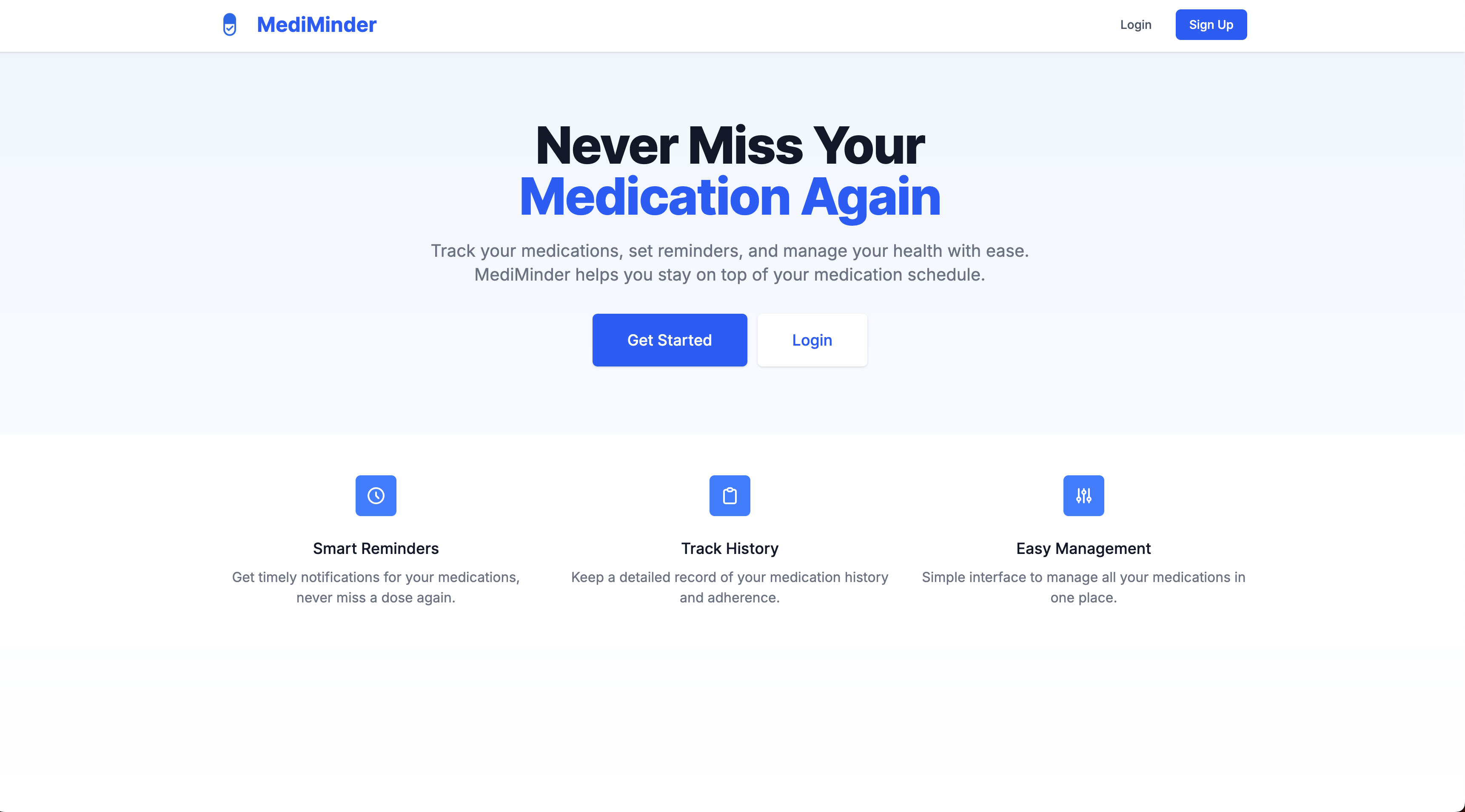
A consumer-driven medication tracking and safety application designed to reduce medication errors and improve patient outcomes.
Inspiration
Medical errors harm millions of U.S. patients annually, with medication errors being one of the leading causes. We wanted to create a solution that would empower patients to take control of their medication safety while providing valuable data to healthcare providers.
What We Learned
Throughout the development of MedHelper, we gained valuable insights into several areas:
Healthcare Technology: We learned about the unique challenges in developing healthcare applications, including privacy considerations, data security, and the importance of user-friendly interfaces for diverse user groups.
Voice Recognition Technology: Implementing the AI nurse feature required deep understanding of speech recognition, natural language processing, and audio processing techniques.
Full-Stack Development: The project allowed us to practice full-stack development, from frontend React components to backend API development with Node.js and Firebase integration.
User Experience Design: We learned how to design interfaces that are accessible to users of all ages and technical abilities, with a focus on those who might be managing complex medication regimens.
Firebase Integration: We gained experience with Firebase Authentication, Firestore database, and storage solutions for managing user data securely.
How We Built It
MedHelper was built using a modern tech stack:
Frontend: Next.js with React for the user interface, Tailwind CSS for styling, and various React hooks for state management.
Backend: Node.js with Express for the API server, handling voice processing and medication analysis.
Database: Firebase Firestore for storing user data, medications, and journal entries.
Authentication: Firebase Authentication for secure user login and registration.
Voice Processing: Web Speech API for voice recognition and text-to-speech capabilities.
The application features several key components:
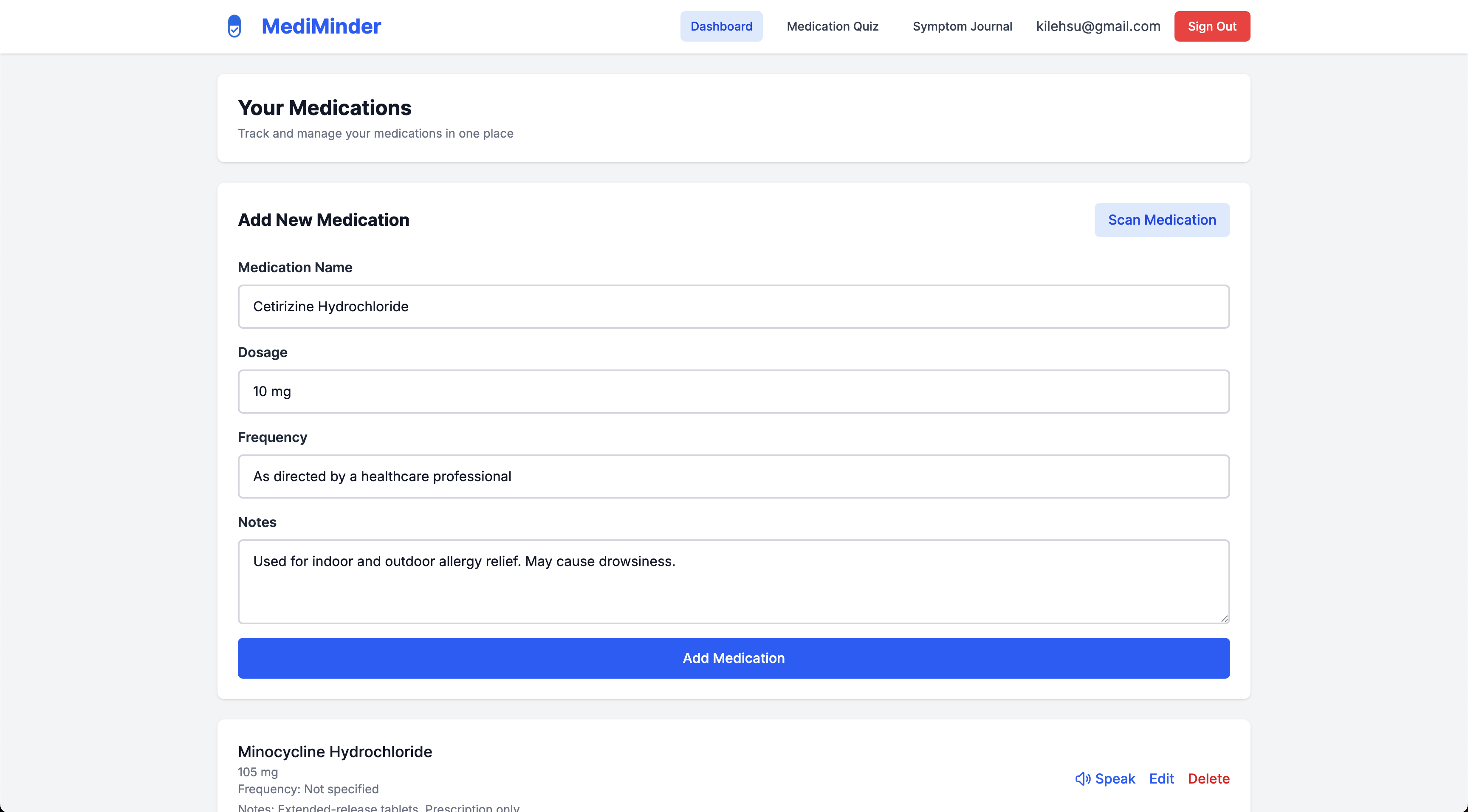
Medication Management: Users can add, edit, and track their medications with detailed information.
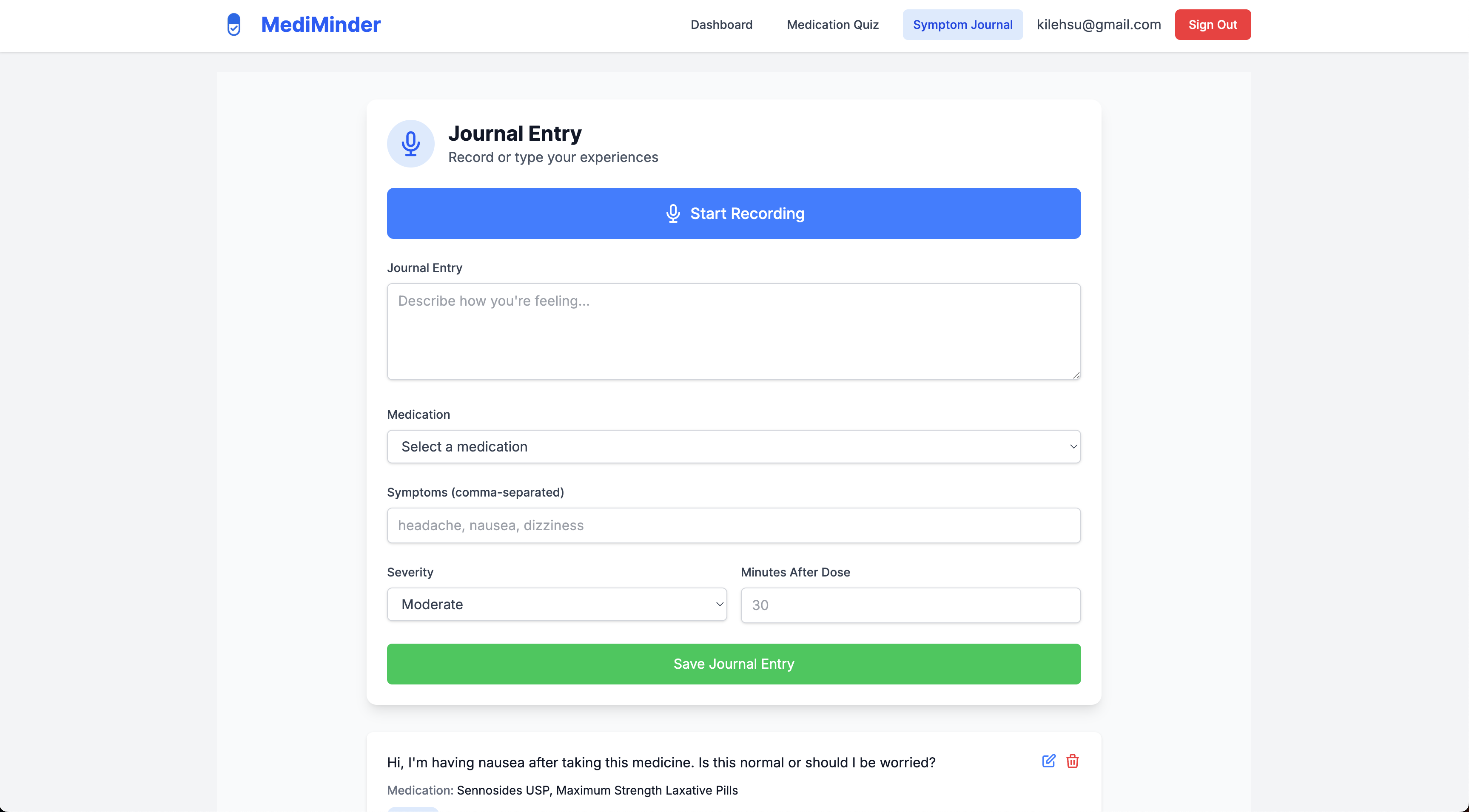
Journal Entries: A journaling system allows users to document their experiences with medications, including side effects and effectiveness.
AI Nurse Assistant: An intelligent assistant that analyzes journal entries and provides personalized feedback using voice responses.
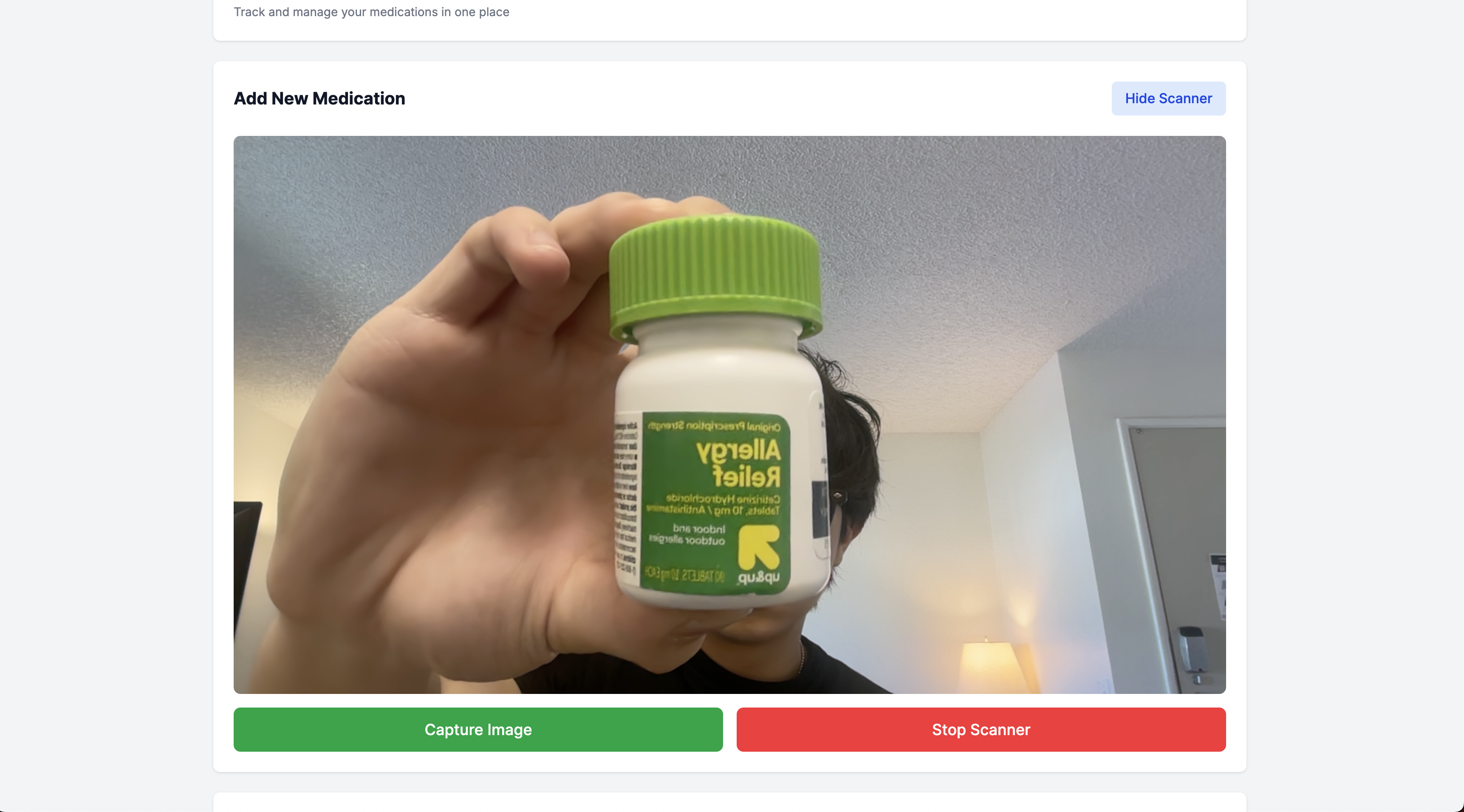
Medication Scanner: A feature that allows users to scan medication packaging for quick identification and information retrieval.
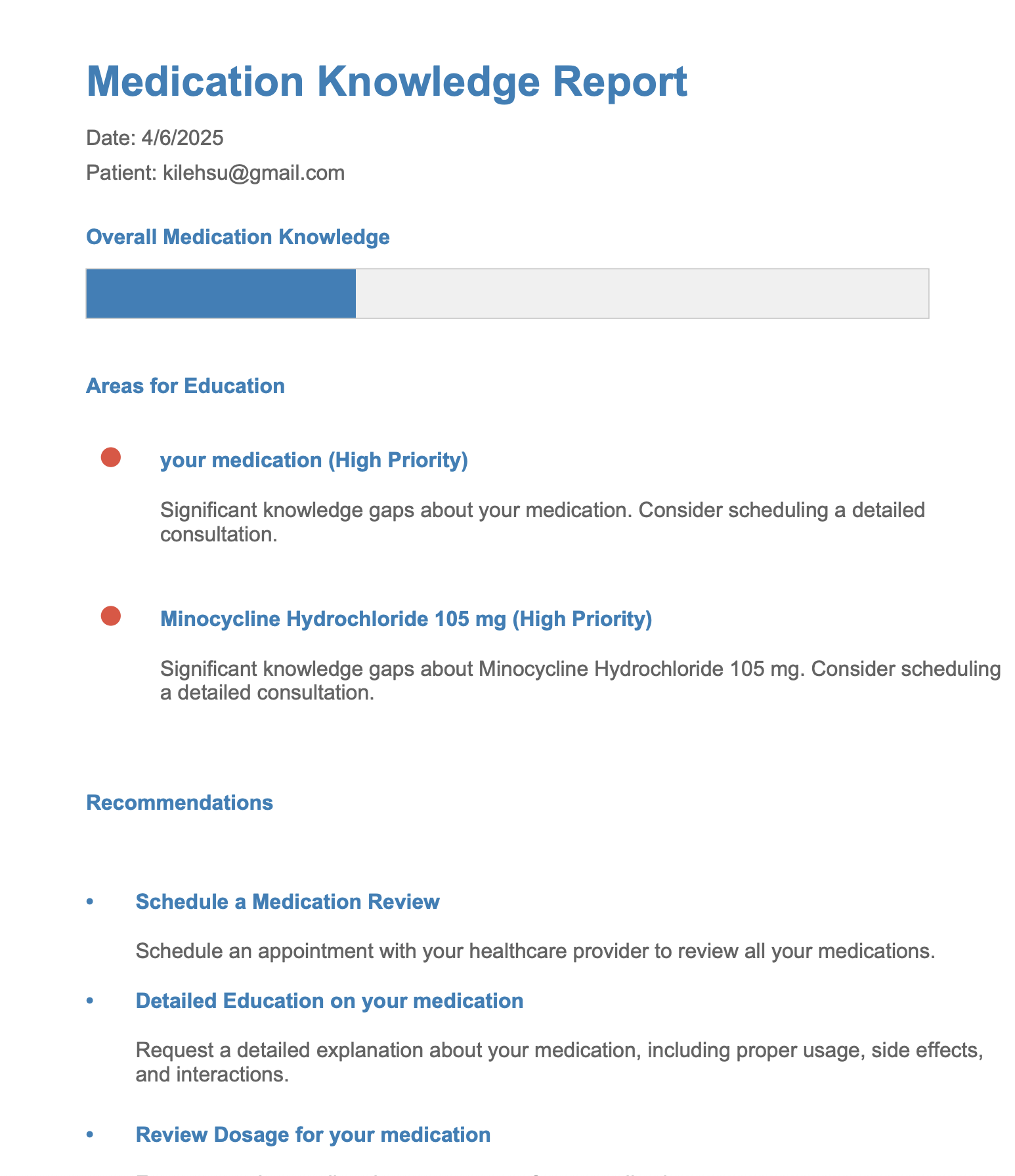
Medication Quiz: An educational component that tests users' knowledge about their medications to improve adherence and safety.
Challenges Faced
Developing MedHelper presented several significant challenges:
Backend Integration: Connecting the frontend with the backend services required careful API design and error handling, especially for the voice processing features.
Data Security: Ensuring that sensitive health information was properly secured and that the application complied with privacy considerations was a priority.
User Experience for Diverse Users: Creating an interface that works well for both tech-savvy users and those less comfortable with technology required multiple iterations of user testing and feedback.
Real-time Processing: Implementing features that required real-time processing, such as the AI nurse's voice responses, presented technical challenges in terms of performance and reliability.
Optical Character Recognition: While implementing OCR/computer vision into our project, we ran into some challenges during initial testing of scanning different medications.
Despite these challenges, each obstacle provided valuable learning opportunities and helped shape MedHelper into a more robust and user-friendly application. The project has been an incredible journey of learning and growth, and we’re excited to continue improving it to better serve patients and reduce medication errors.
Built With
- express.js
- firebase
- nextjs
- openai

Log in or sign up for Devpost to join the conversation.