-
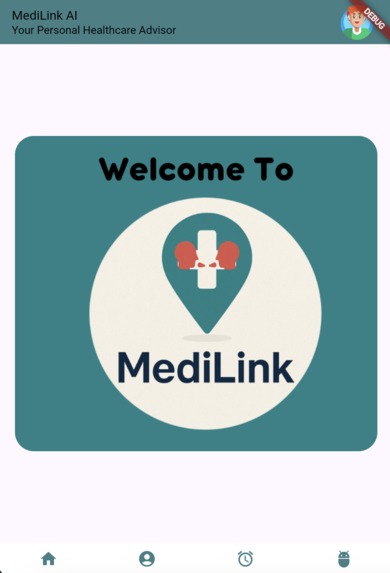
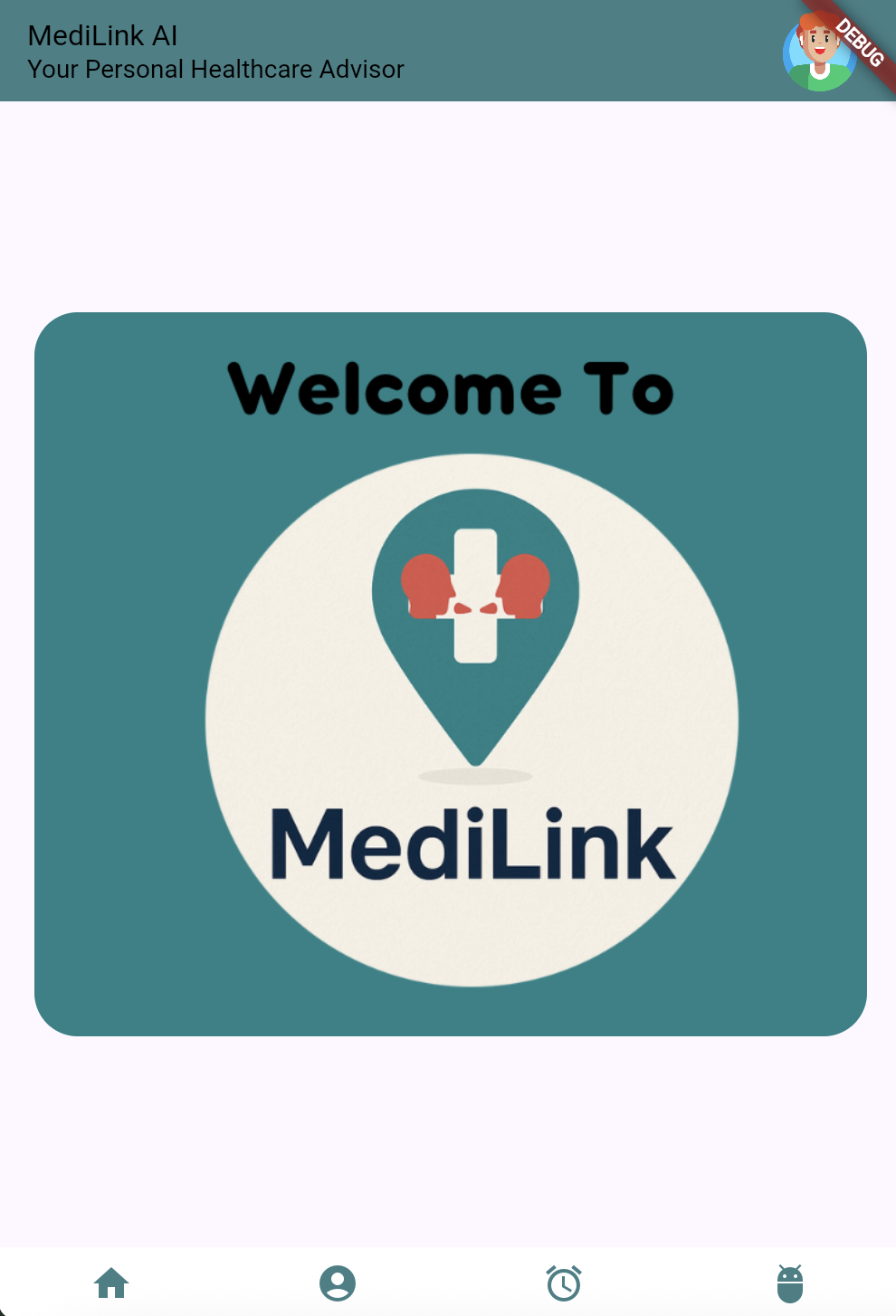
This is the homescreen for the prototype
-
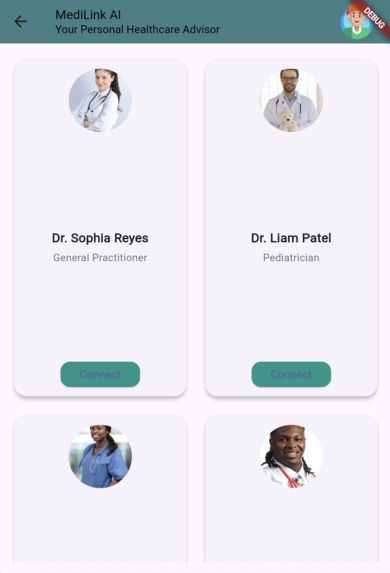
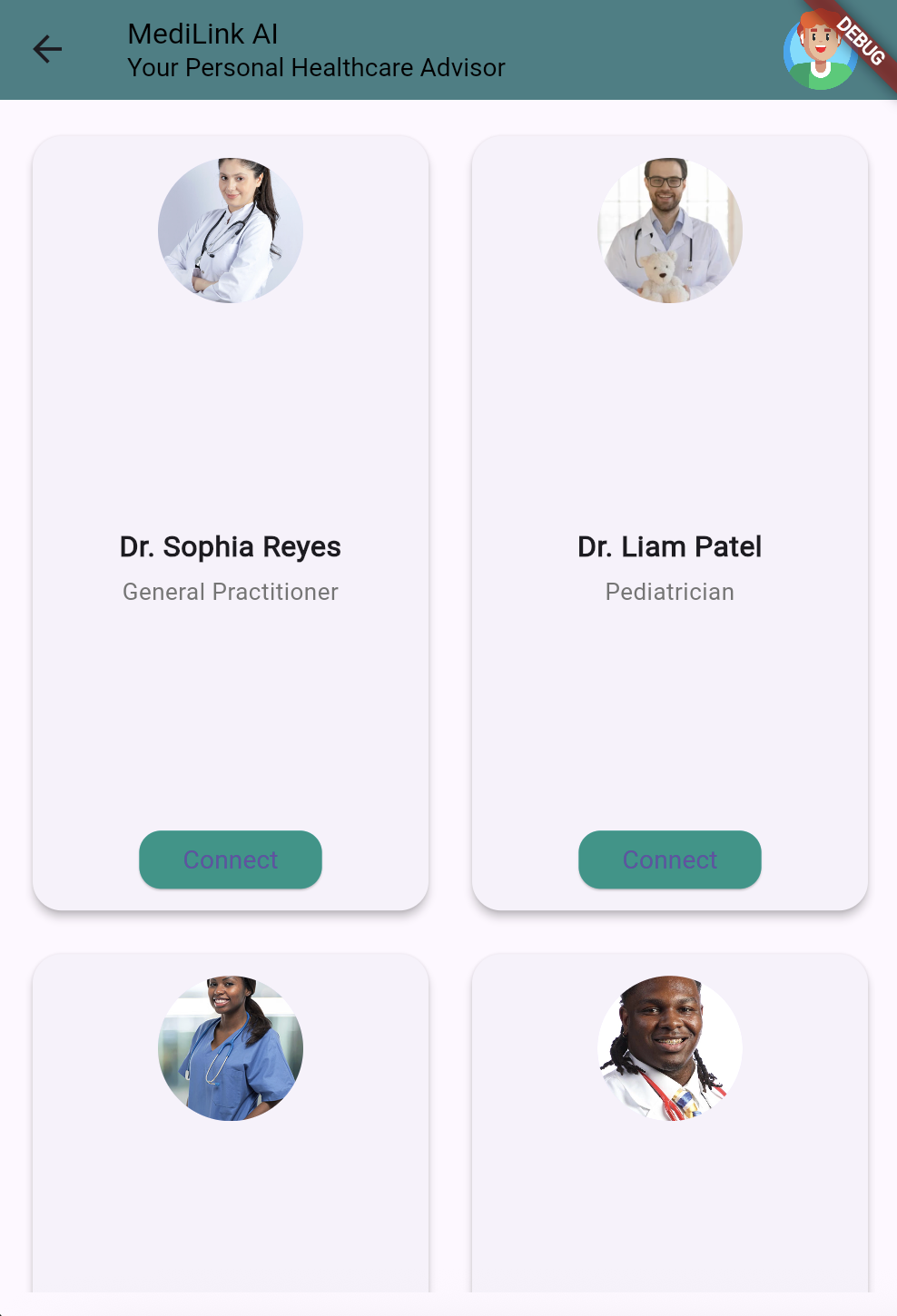
This is the Connections page
-
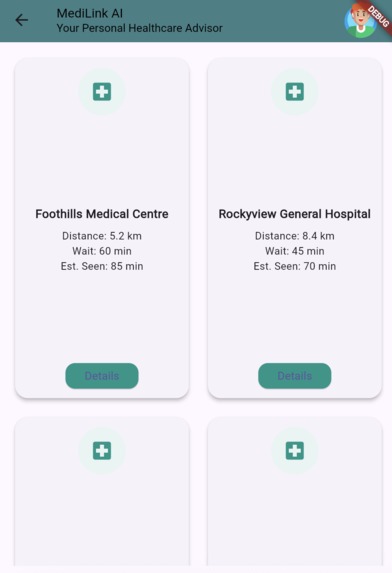
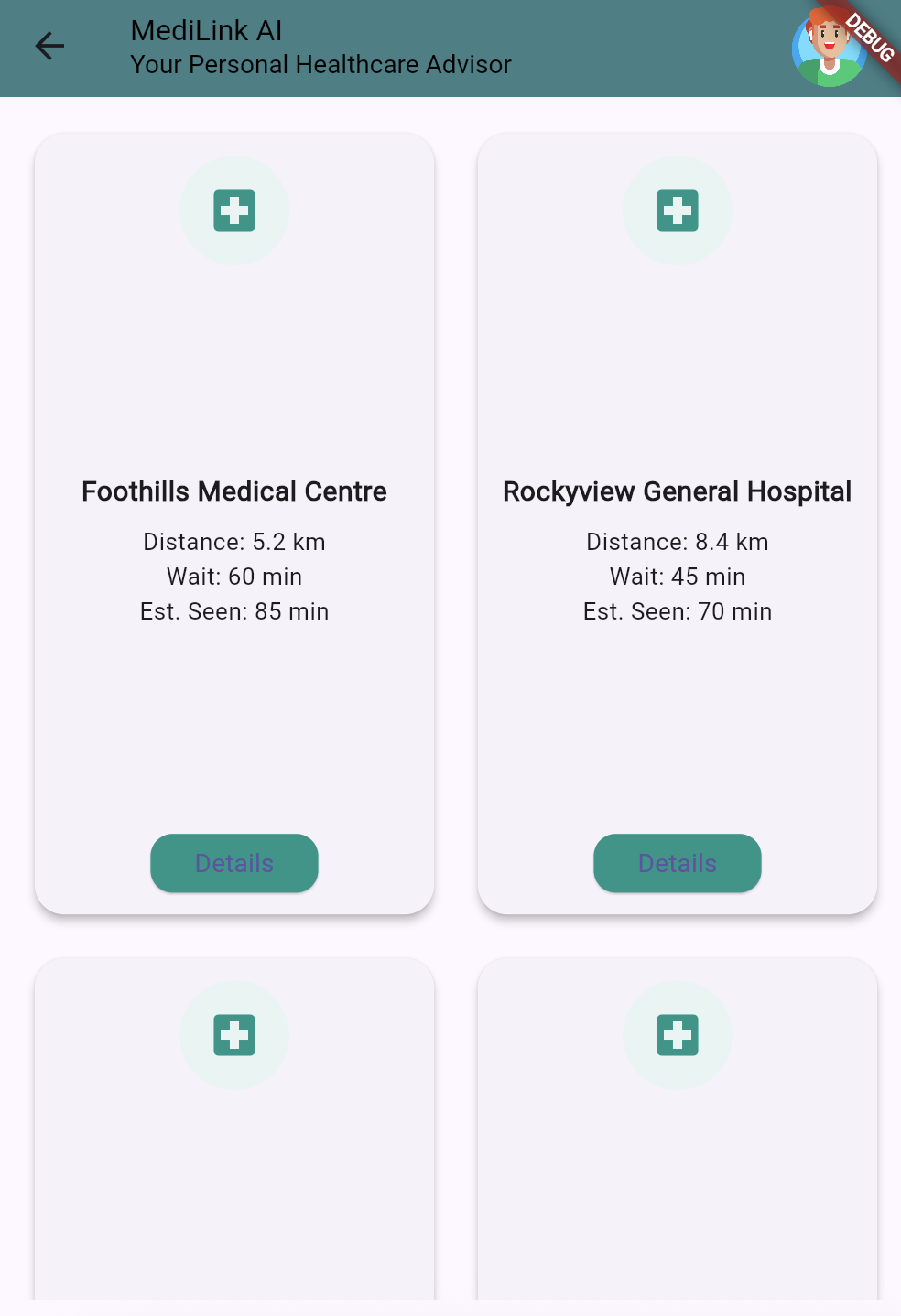
This is the Time Check Screen
-
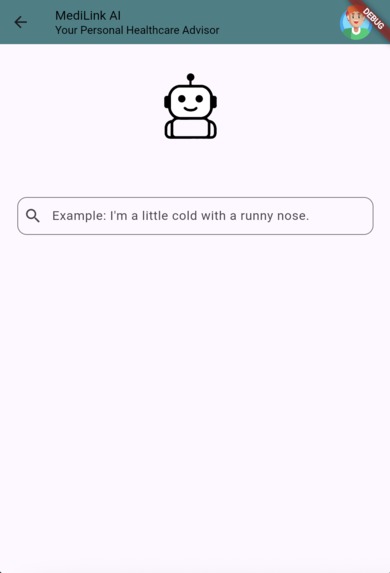
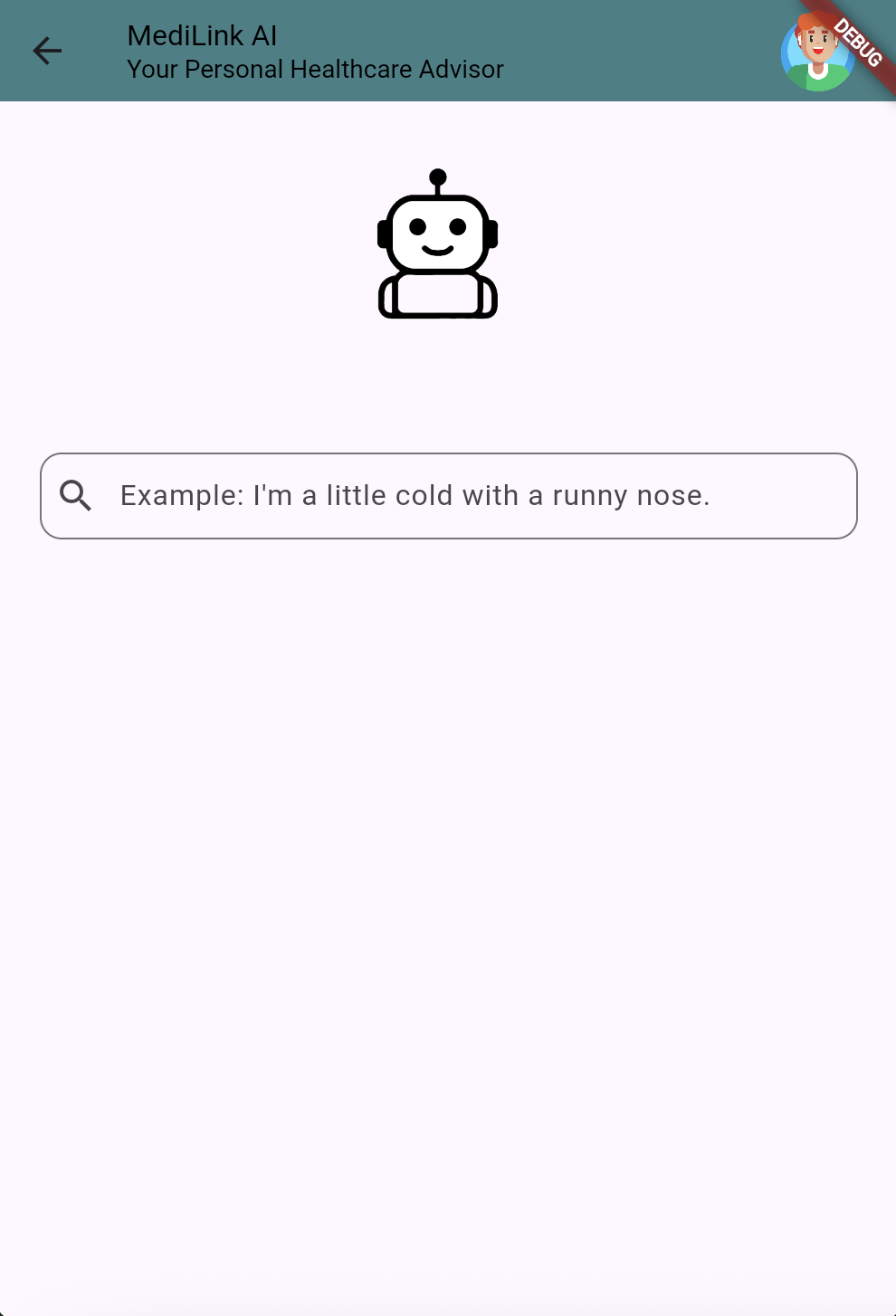
This is the Linken AI Chatbot
Inspiration
After breaking my leg and discovering a severe nut allergy, I often spent hours waiting in emergency rooms just to be seen. These experiences showed me how difficult it can be to access timely healthcare in Canada. I wanted to build a solution that could help people get care faster and feel supported during medical distress.
What it does
MediLink AI bridges the gap in healthcare accessibility through three key features: Connections, which links users to off-duty first responders; Time Check, which uses GPS and RTLS to locate hospitals with the shortest wait times; and Linken AI, a chatbot powered by Gemini and Groq that explains medical conditions and suggests small, helpful measures users can take.
How we built it
MediLink was built using Flutter and Dart for a fast, cross-platform experience. It integrates GPS and simulated hospital queue data to calculate estimated wait times using the formula: T_wait = (N_p x T_avg)/R_h where N_p is the number of patients, T_avg is the average service time, and R_h represents hospital efficiency. Linken AI was developed using Gemini’s database and Groq’s high-speed processing for intelligent, real-time responses.
Challenges we ran into
One of the main challenges I faced was my limited experience with Flutter and Dart. Learning how to properly structure widgets, manage layouts, and handle UI elements was a steep learning curve. Another major challenge was the design process itself, figuring out how to make the app visually represent its purpose while keeping it user-friendly. Since this version of MediLink AI is meant to act as a concept prototype rather than a full MVP, balancing realism and simplicity in the design was both tricky and rewarding.
Accomplishments that we're proud of
Within the first day of joining this hackathon, I had my idea of MediLink already formed. I spent another day running it through different people to see if there was anything that I should change or add, and my friend Tom said that adding an AI tool might be beneficial, as consumers are very interested in products that have AI integrated within them. I am also proud of being able to bring my idea to life despite my limited experience with Flutter and Dart. This project started as a simple concept, but I was able to design and structure a functional prototype that effectively demonstrates how the app could look and operate. Even though it isn’t a finished MVP, creating a clear and realistic vision of what MediLink AI could become is an accomplishment I’m truly proud of.
What we learned
Through this project, I learned some of the fundamentals of Flutter app development, such as how to actually structure widgets, colour theming, and make a semi-decent UI. I also gained a deeper understanding of the design process, how to plan, prototype, and build an interface that visually represents an idea, even without full functionality. However, probably the most important thing is that the ideathon helped me with stress and time management. Trying to juggle this alongside multiple tests from school, and a couple of other projects that I am also working on was not fun; however, I was able to overcome these obstacles and managed to finish everything at a fairly satisfying level.
What's next for MediLink AI
Next, I plan to continue improving my Flutter and Dart skills so I can turn MediLink AI from a visual concept into a working MVP. I want to implement real-time data and integrate Gemini and Groq APIs to power Linken AI’s functionality. In the future, my goal is to refine the design, make it interactive, and eventually develop a fully functional healthcare accessibility platform.
Built With
- android-studio
- dart

Log in or sign up for Devpost to join the conversation.