-
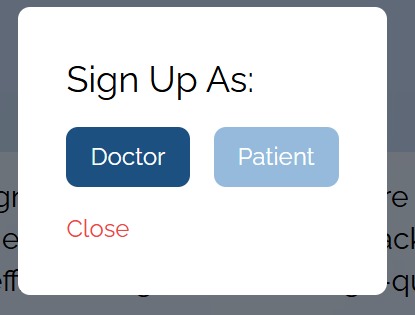
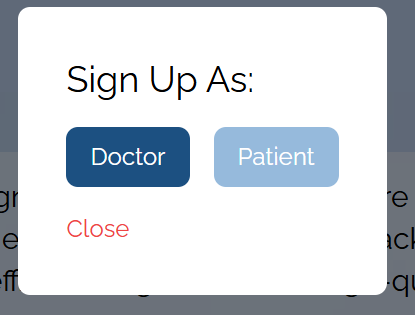
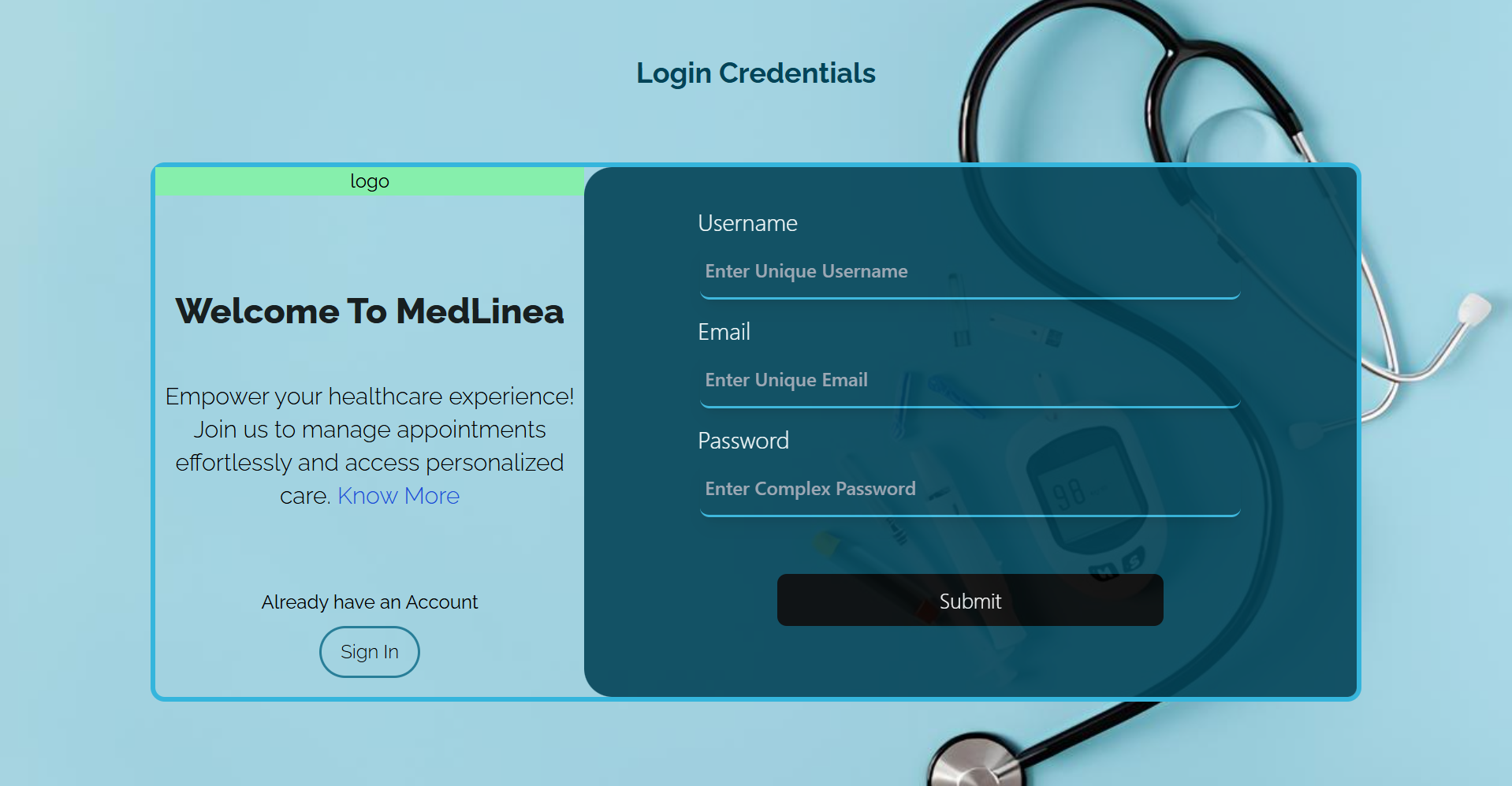
Ways of Sign Up
-
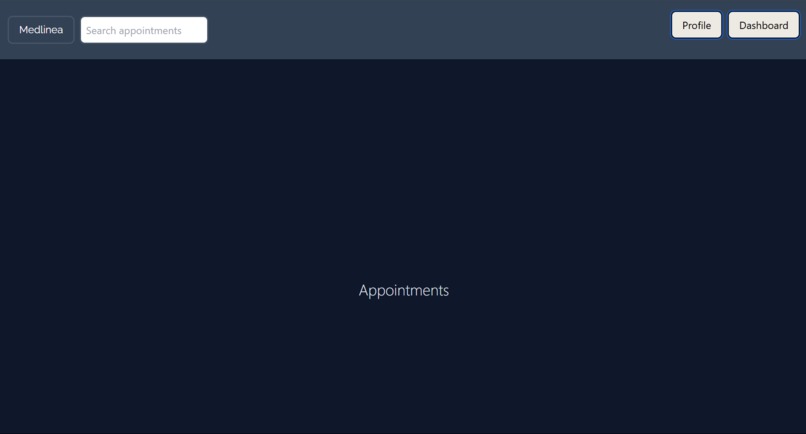
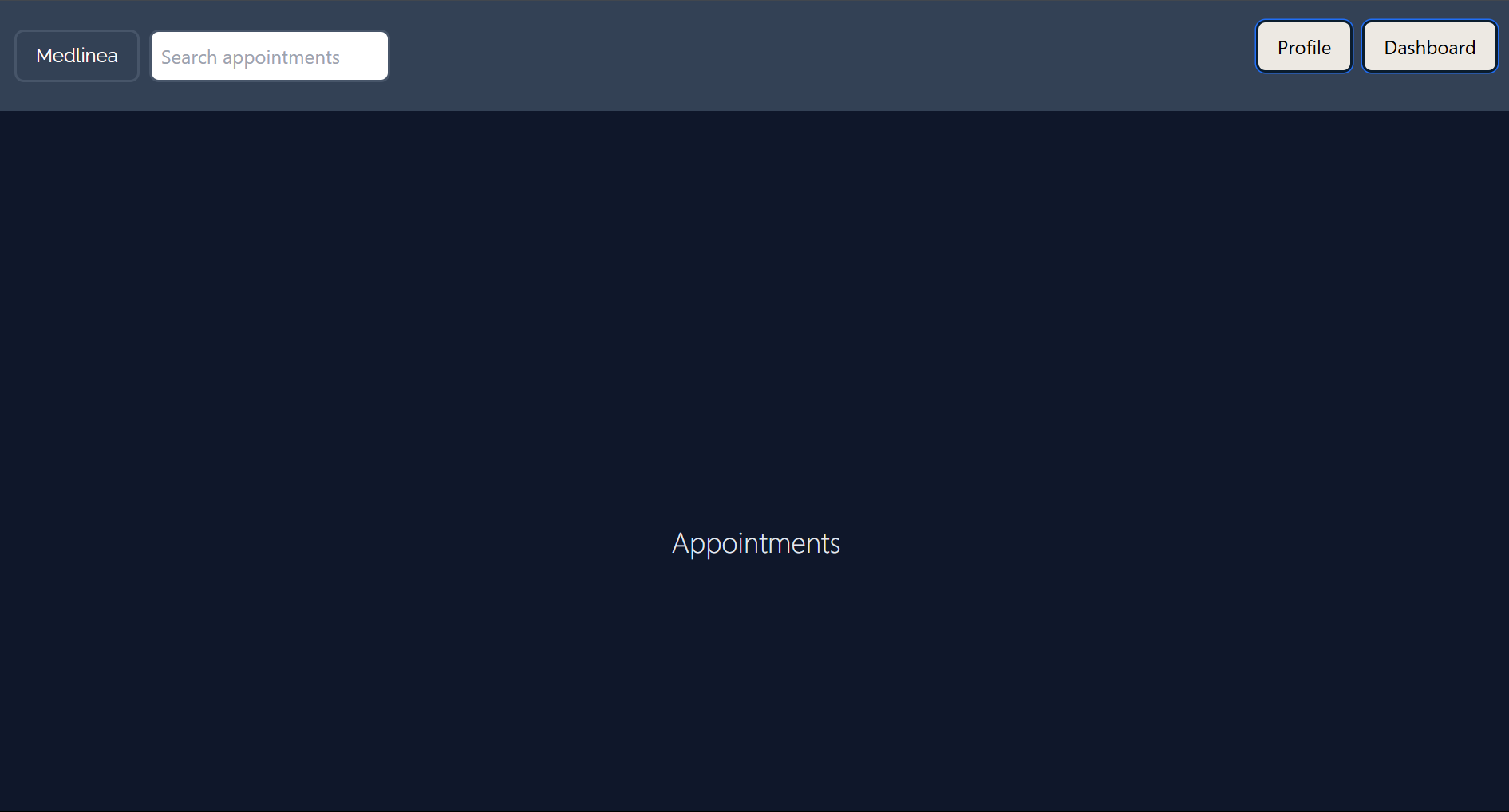
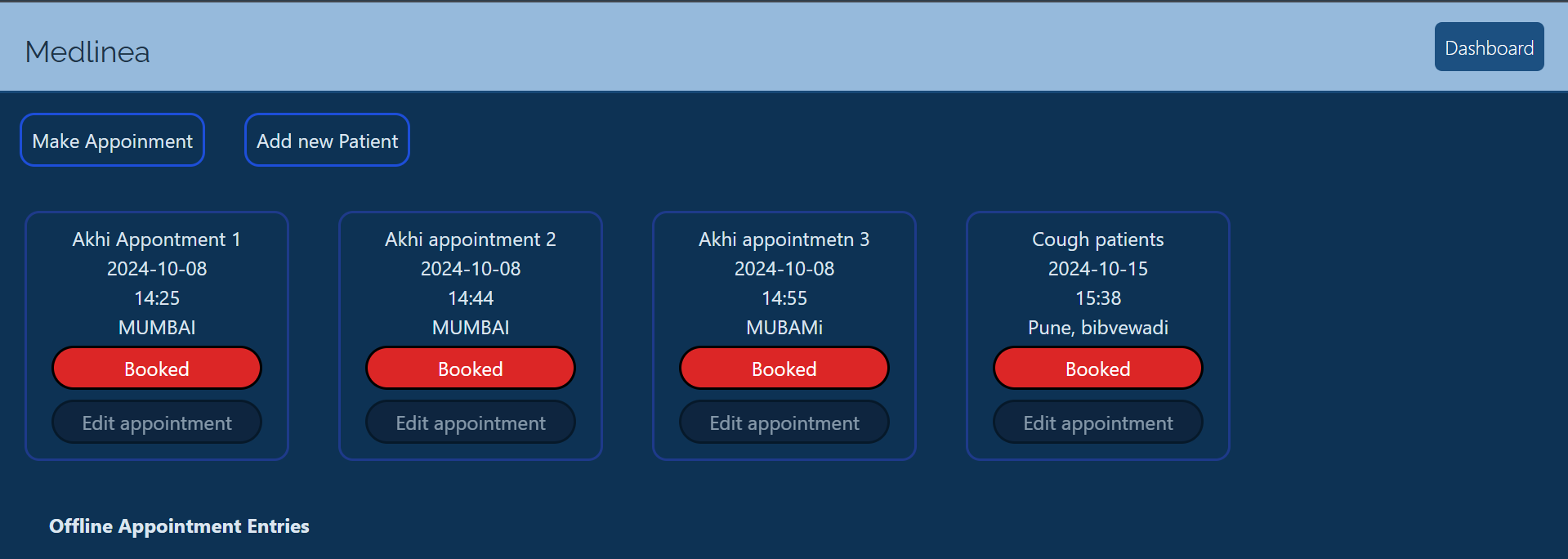
Live appointment display page
-
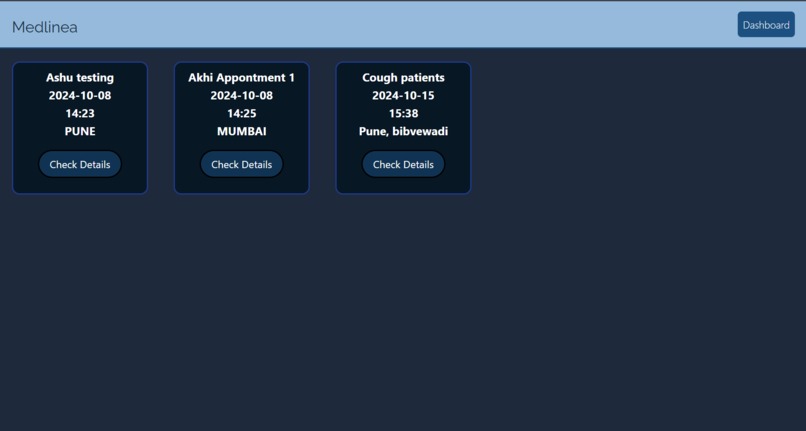
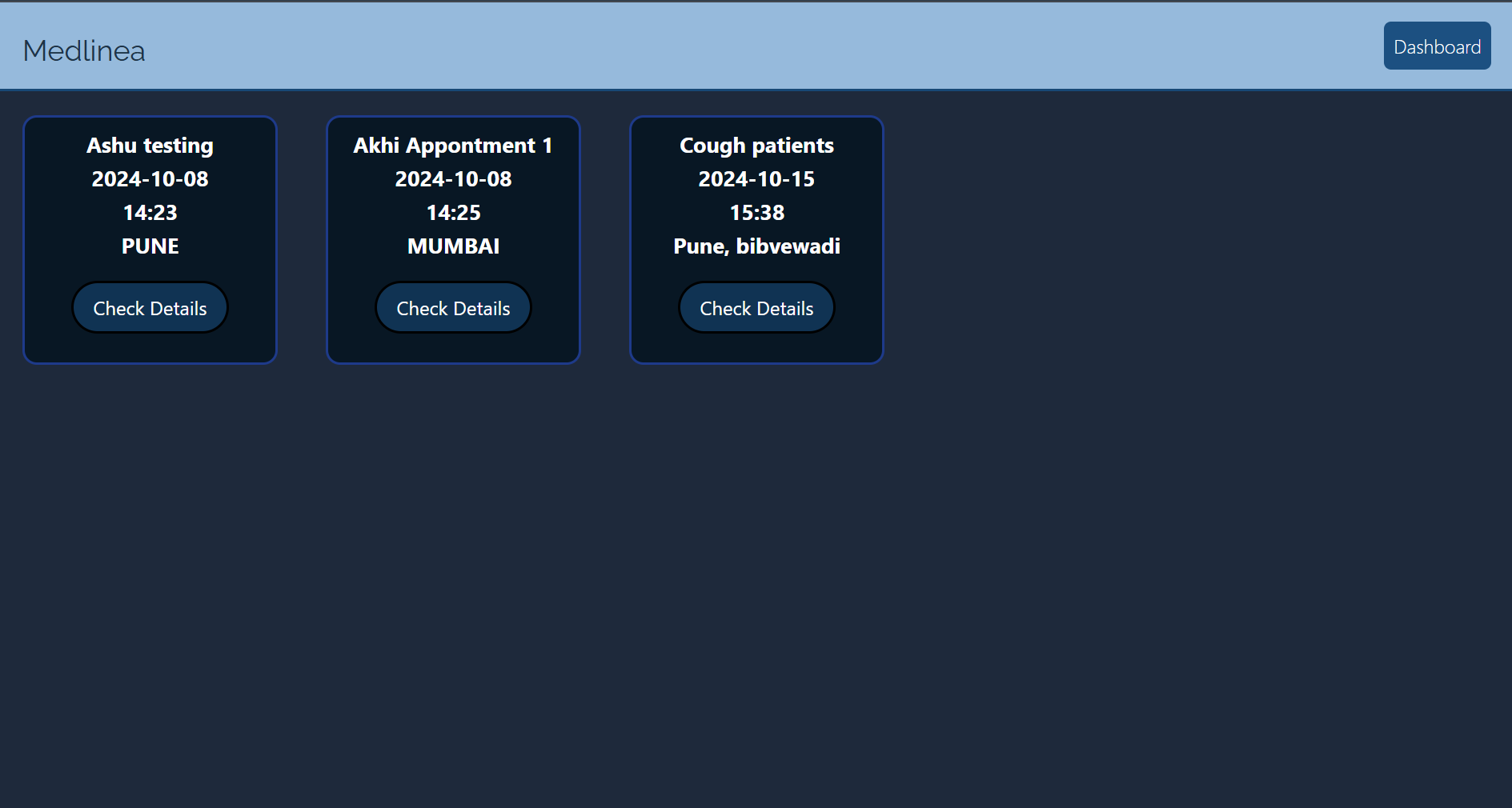
Patient's booked Appointment
-
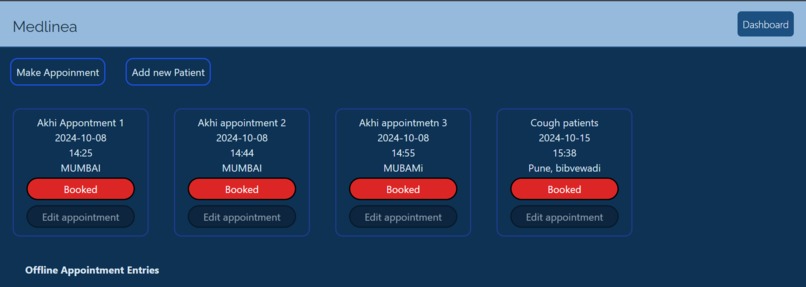
Appointment Management
-
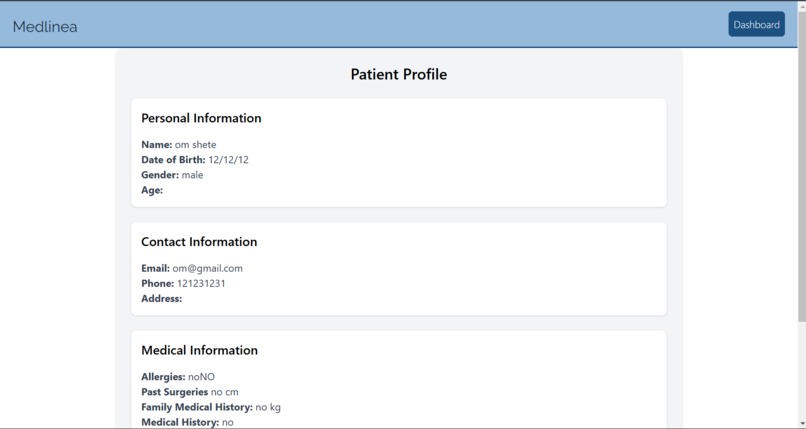
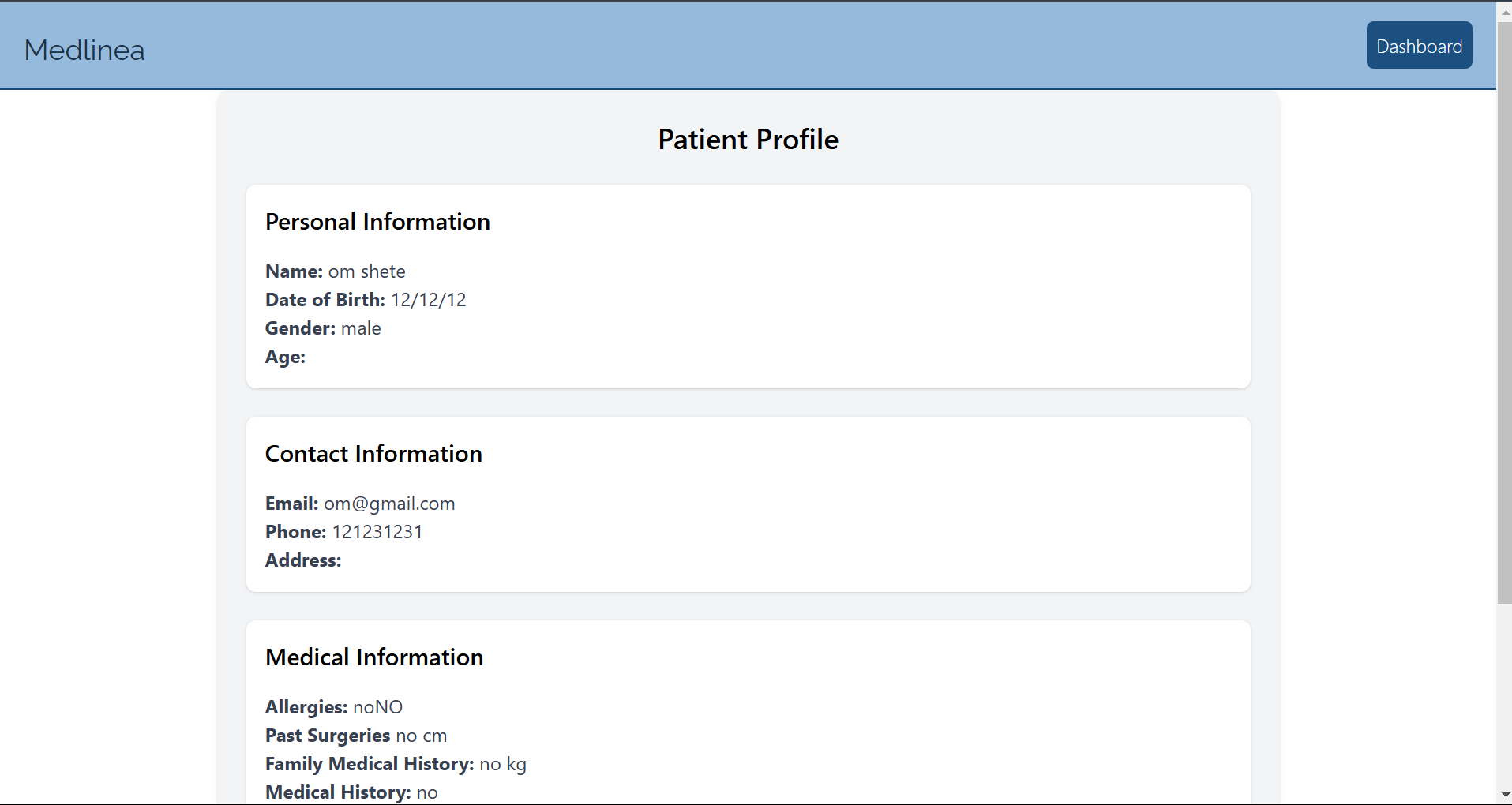
Patient Profile, doctor's profile included
-
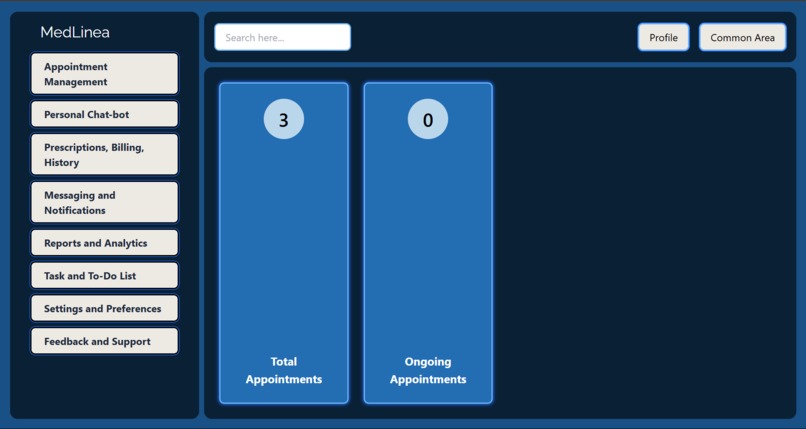
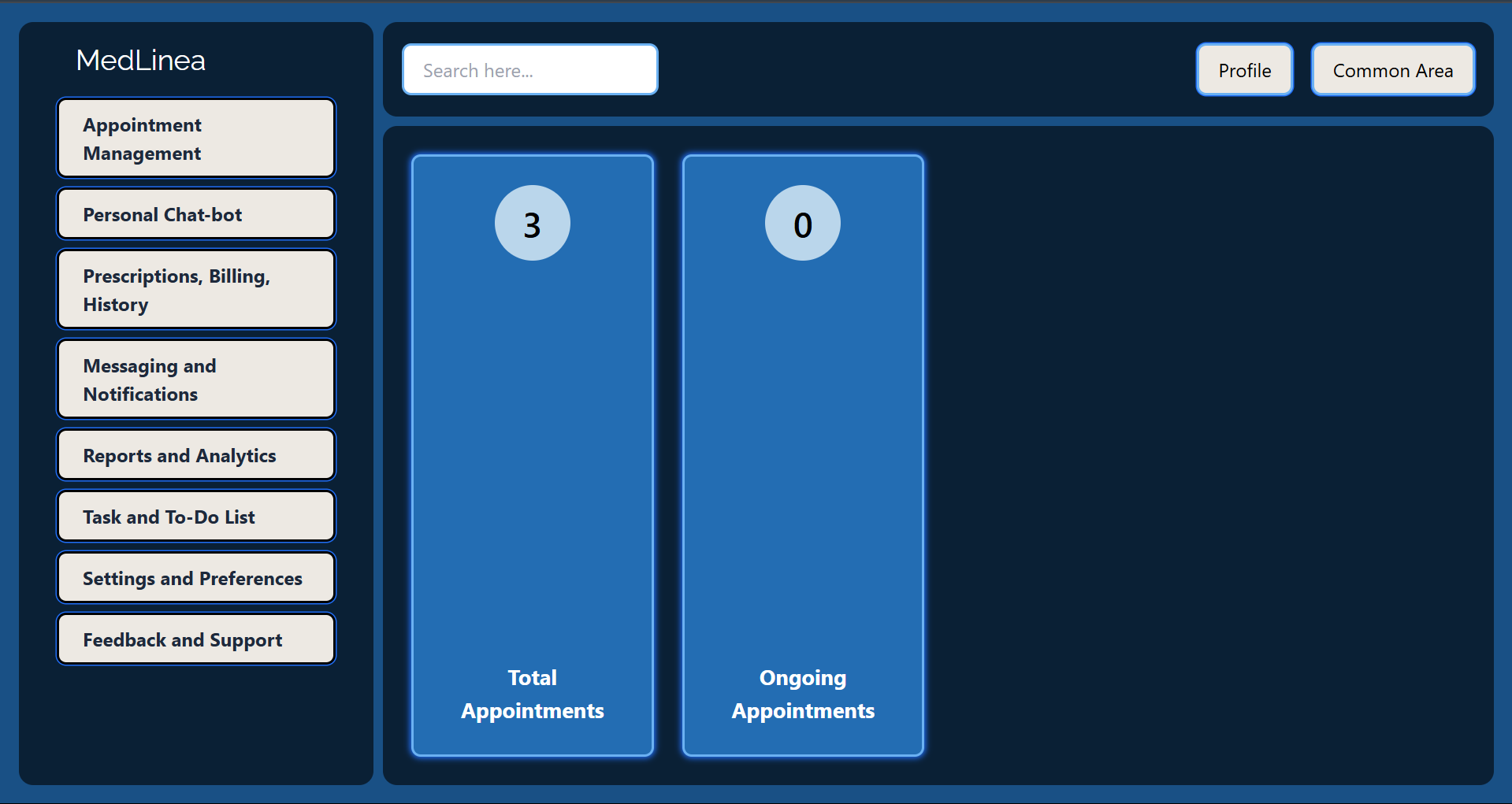
Patient's Dashboard
-
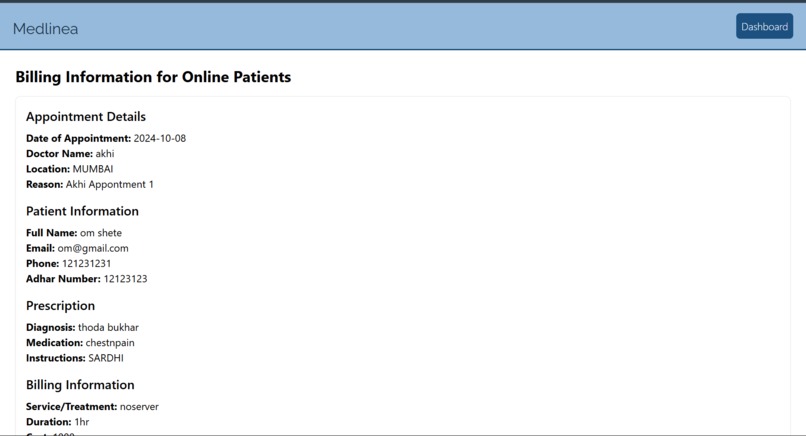
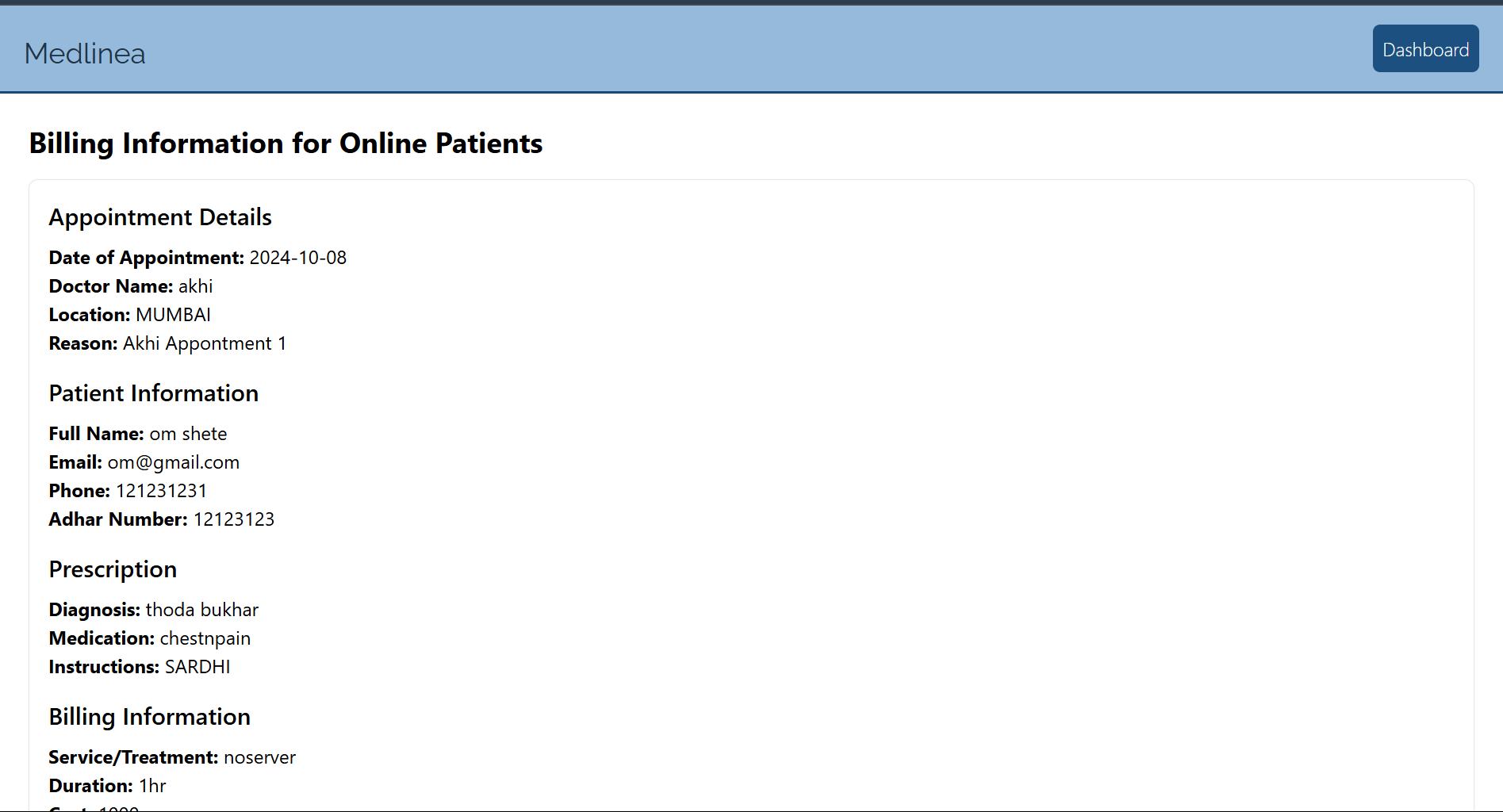
Billing and More
-
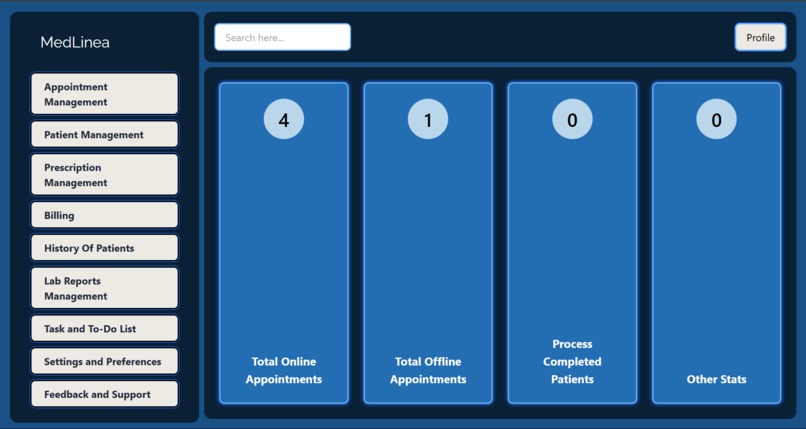
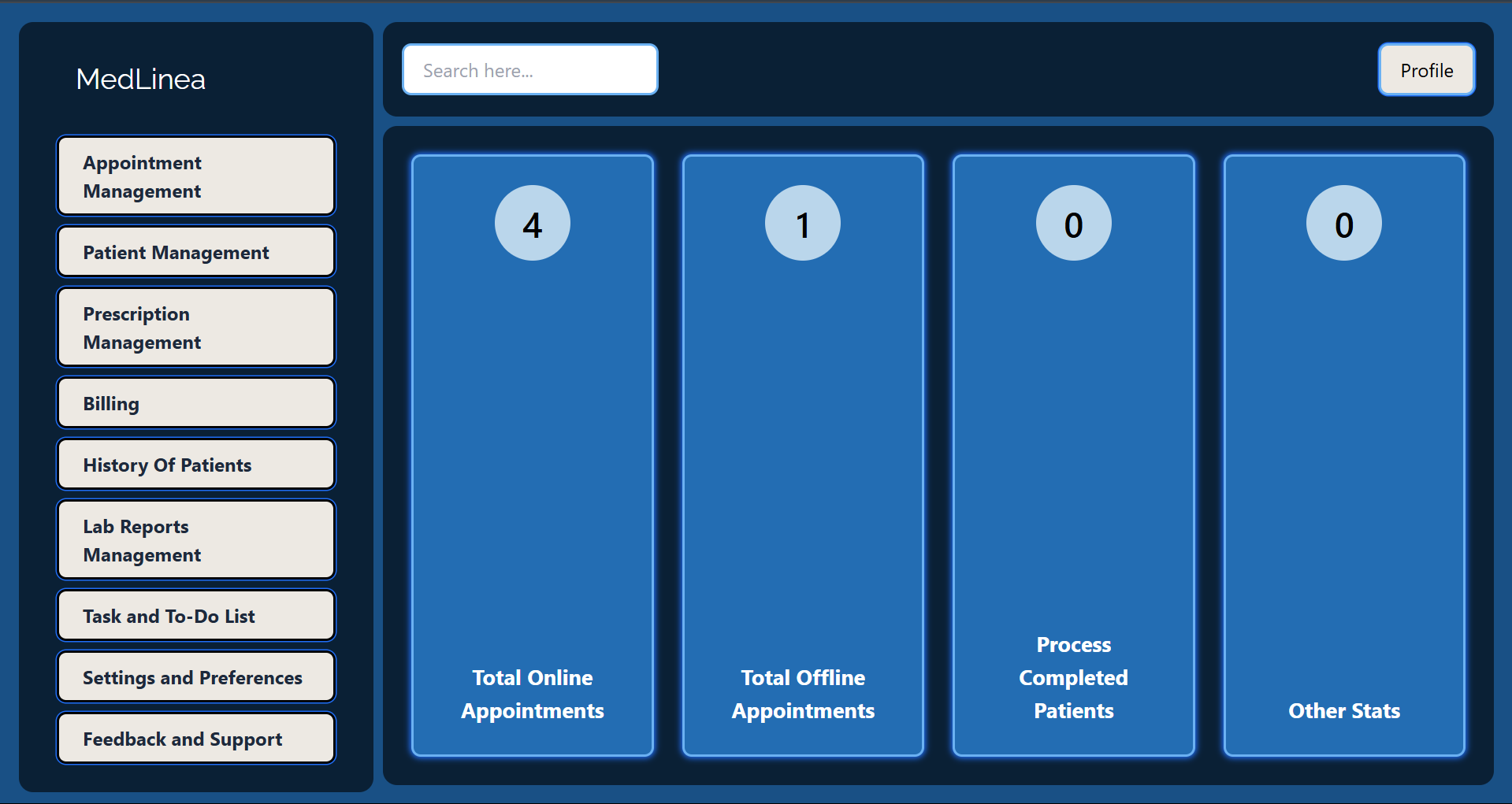
Doctor Dashboard
-
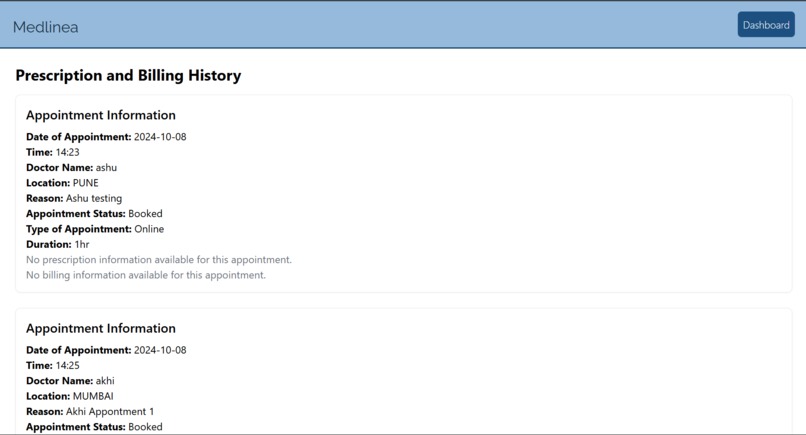
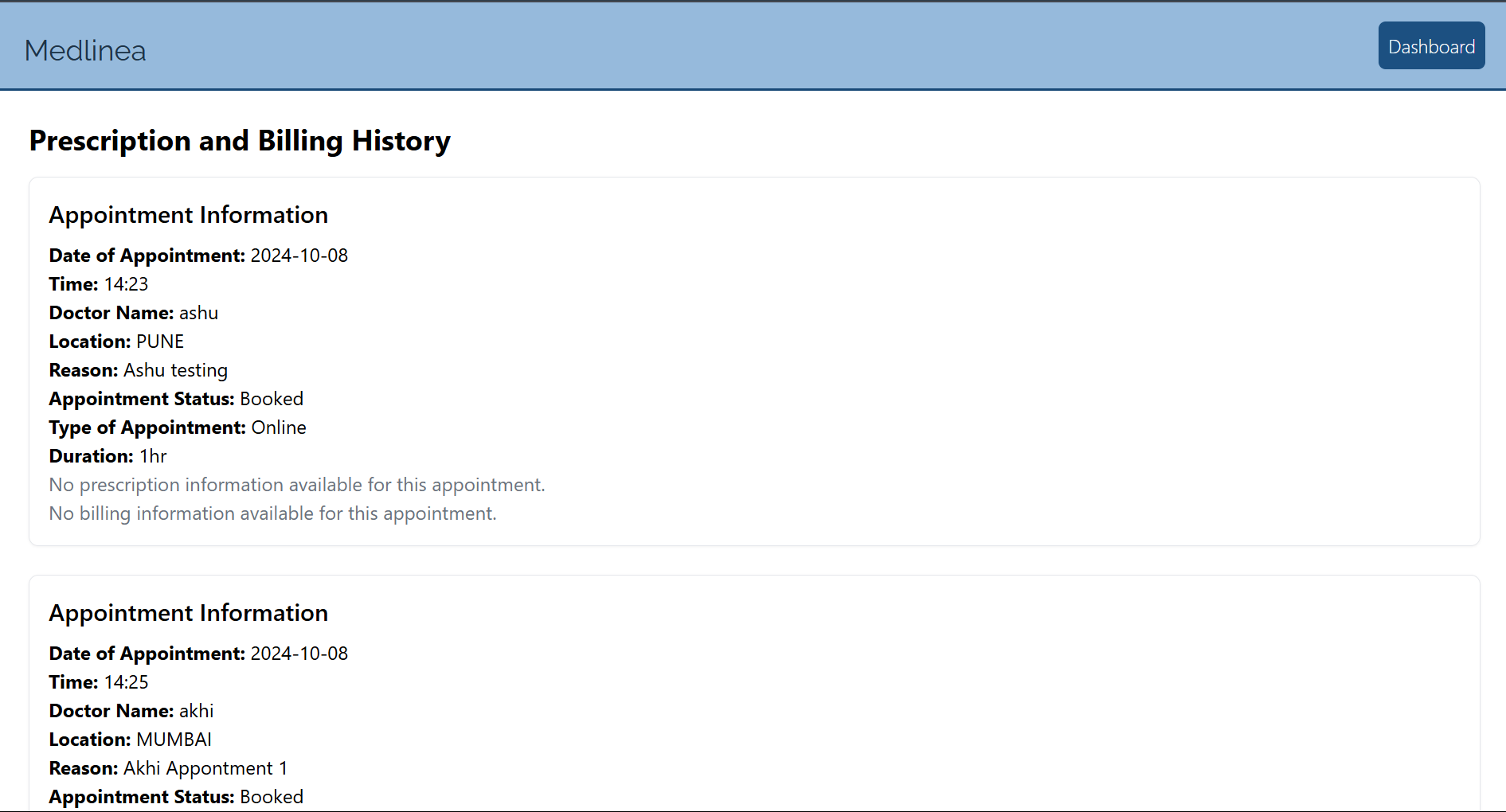
Billing and Prescription info
-
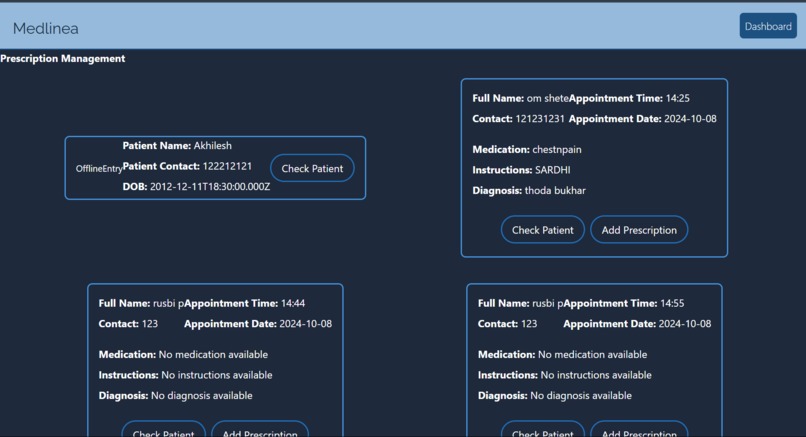
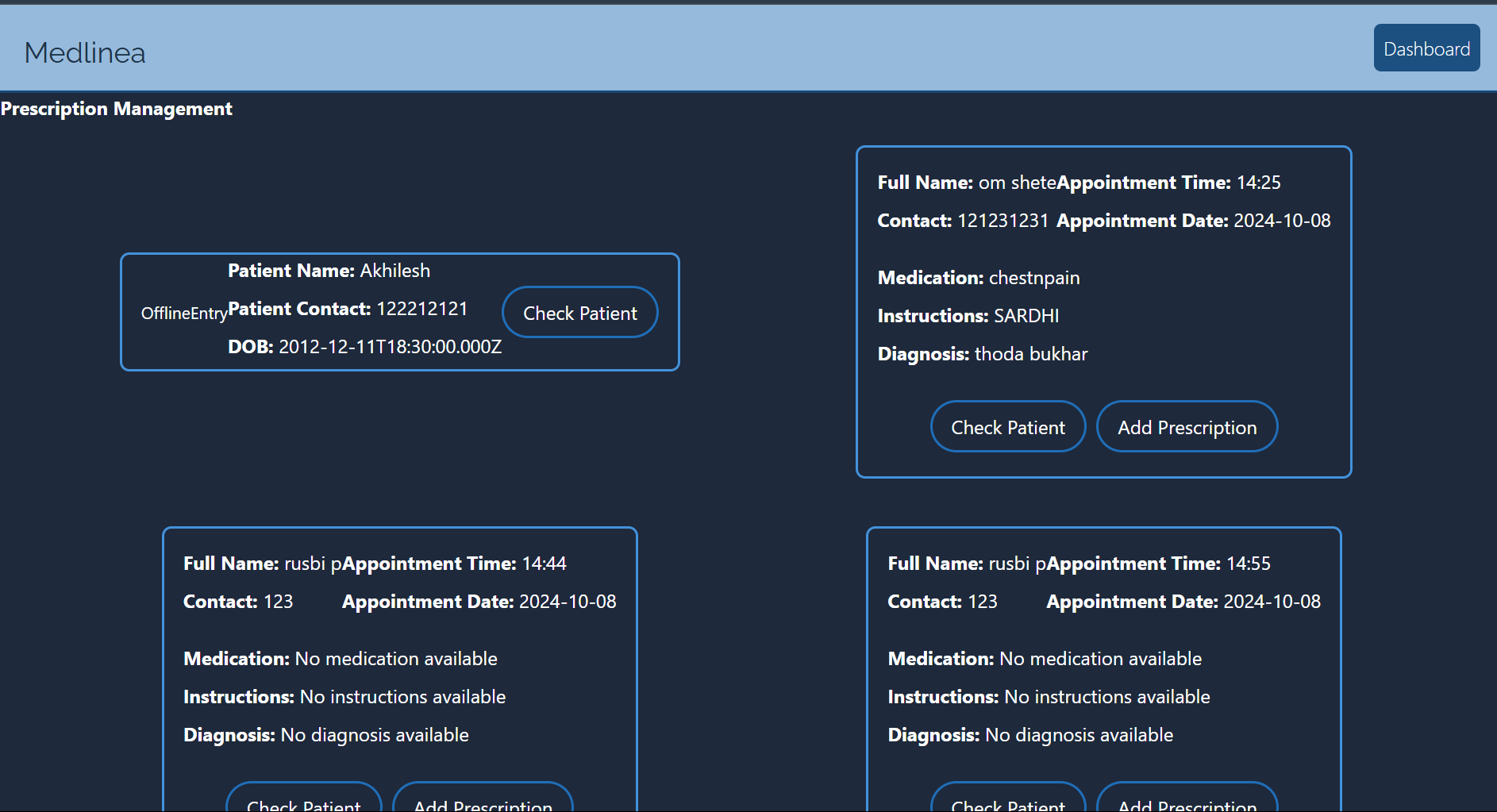
Prescription Management
-
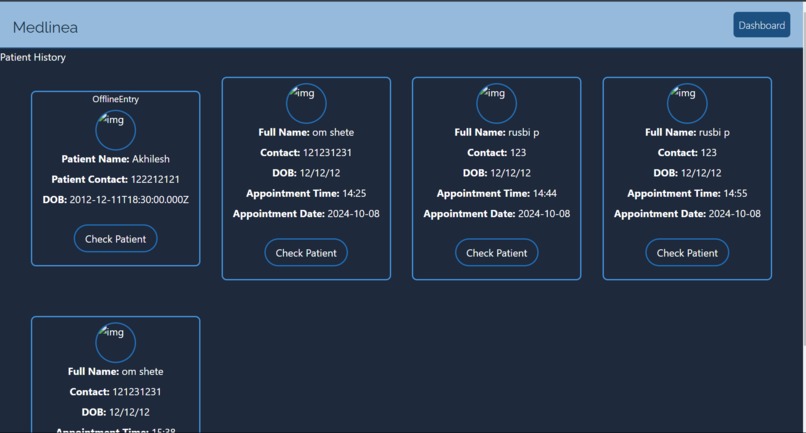
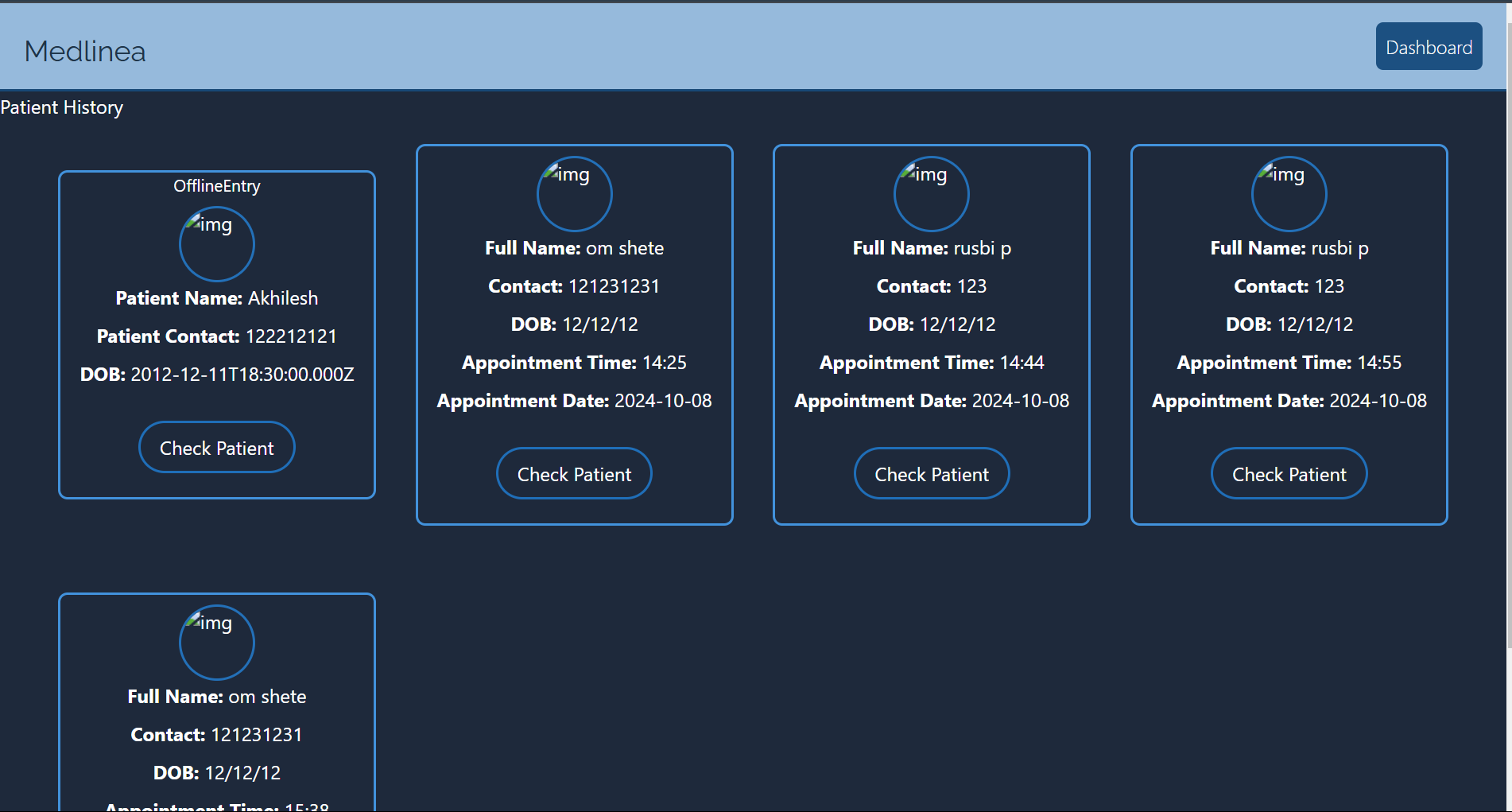
Booked Appointment Online/Offline
-
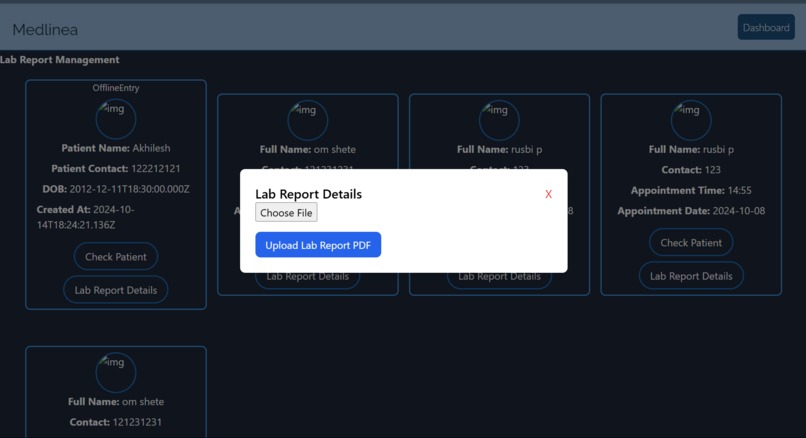
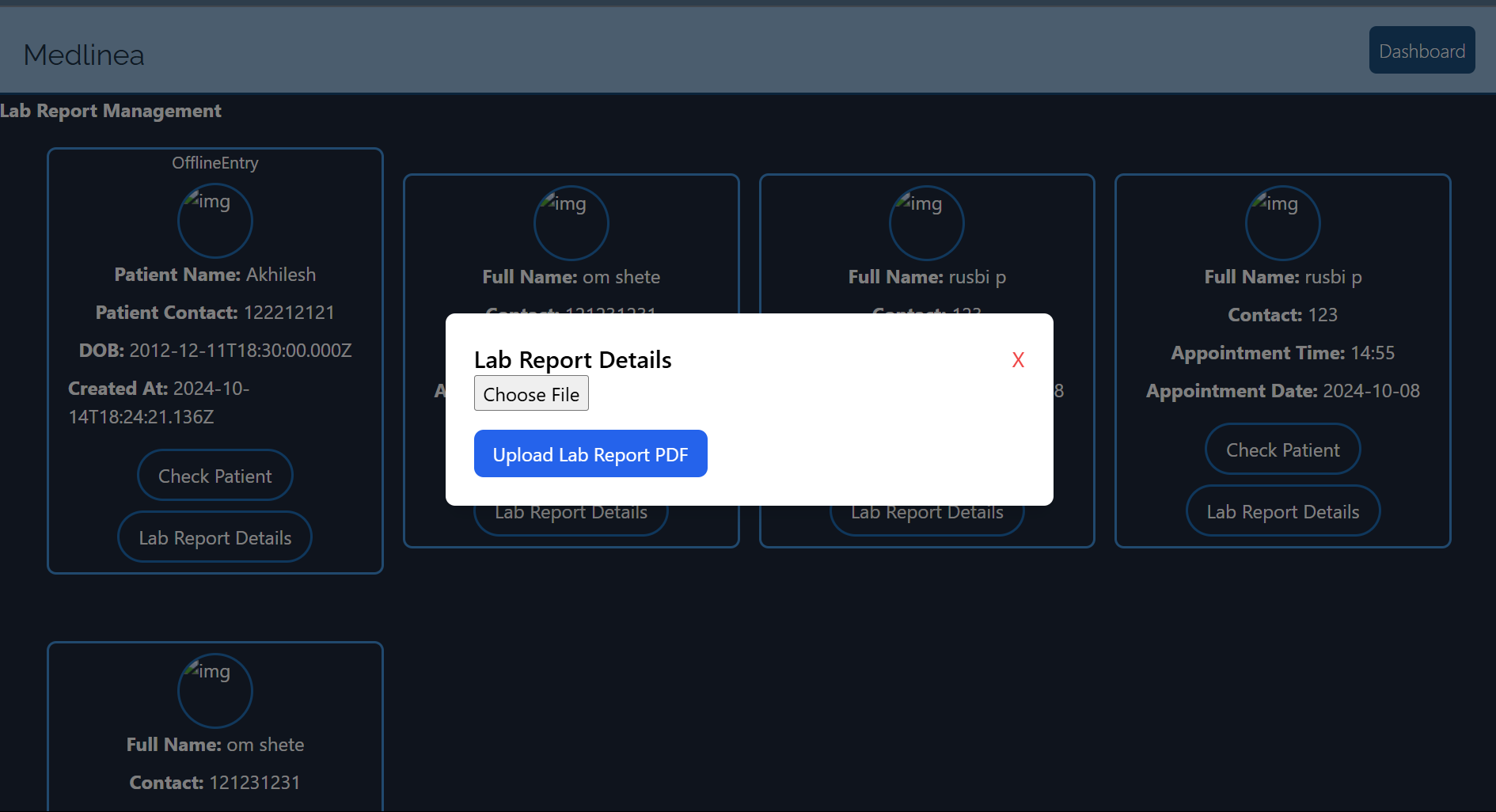
Lab-Reports
-
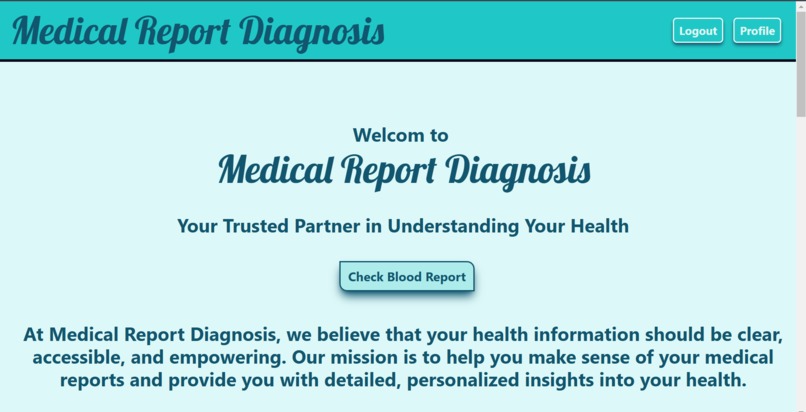
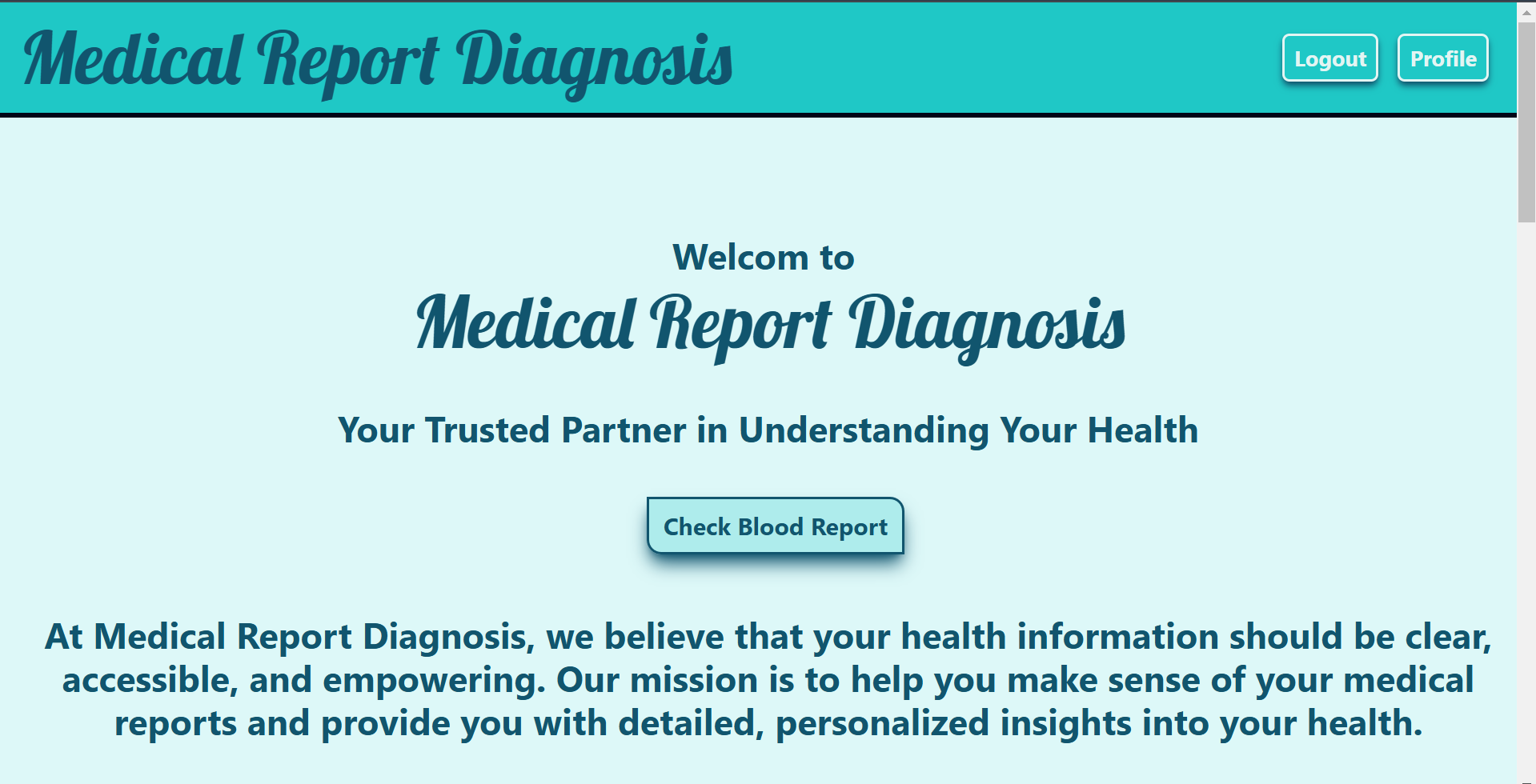
Diagnosis main page
-
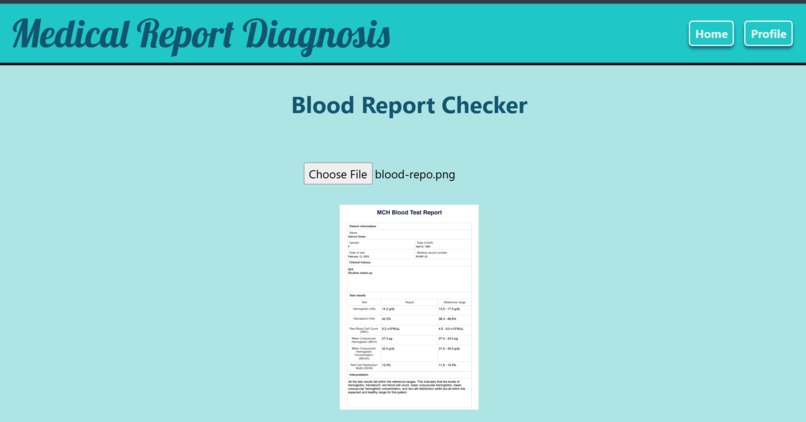
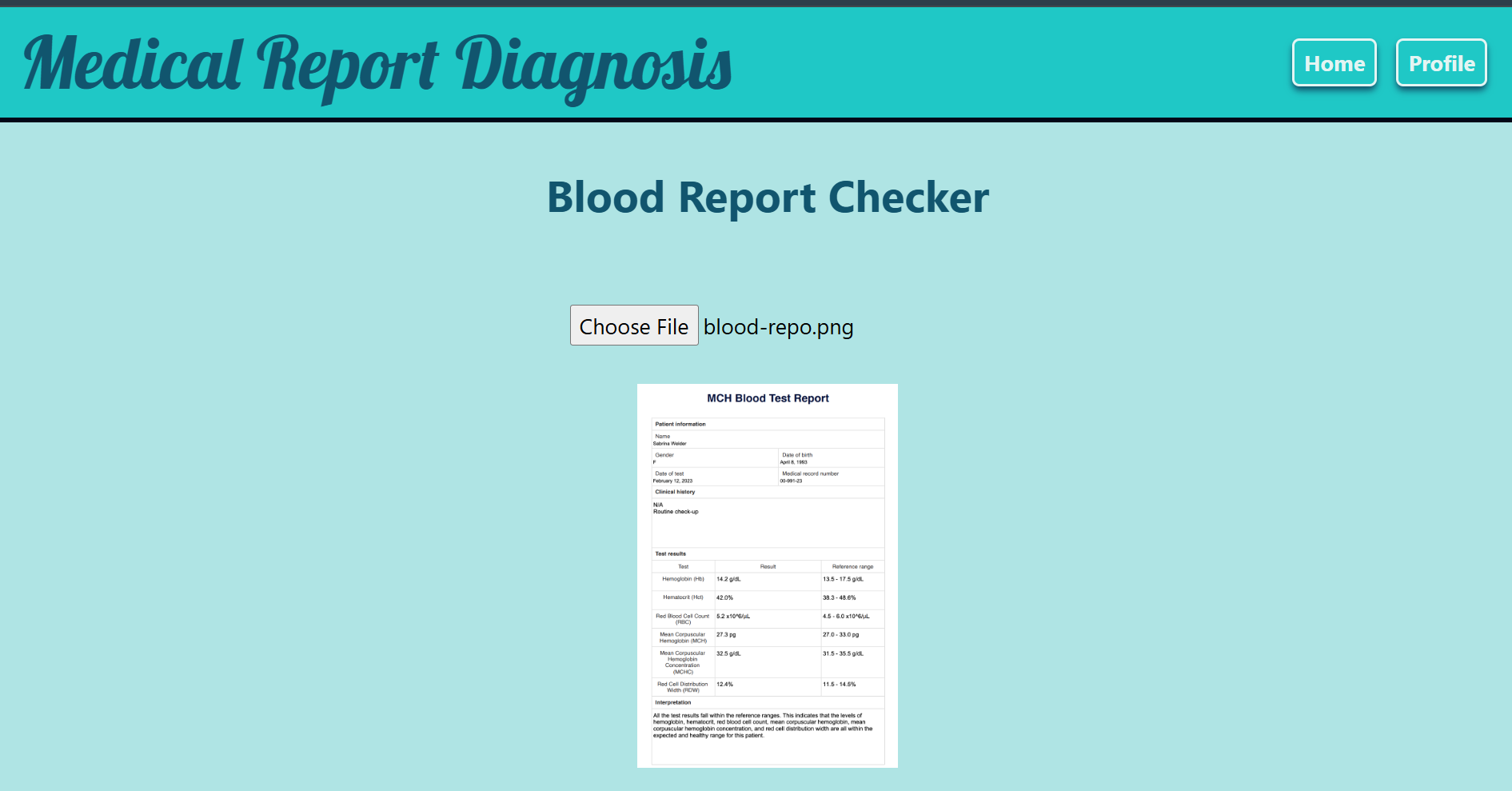
Add report here for AI Diagnosis
-
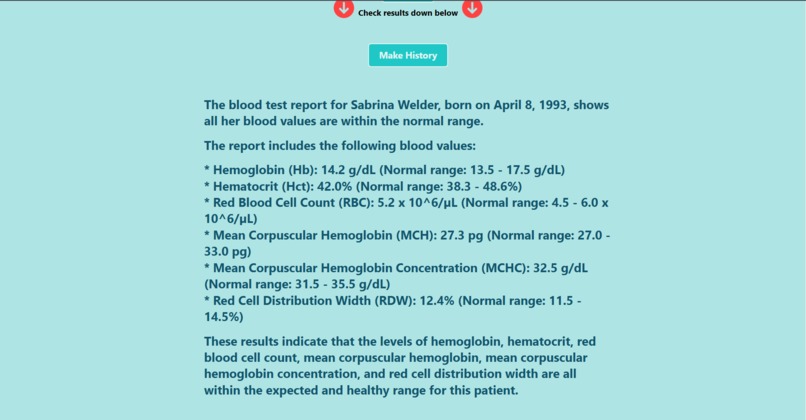
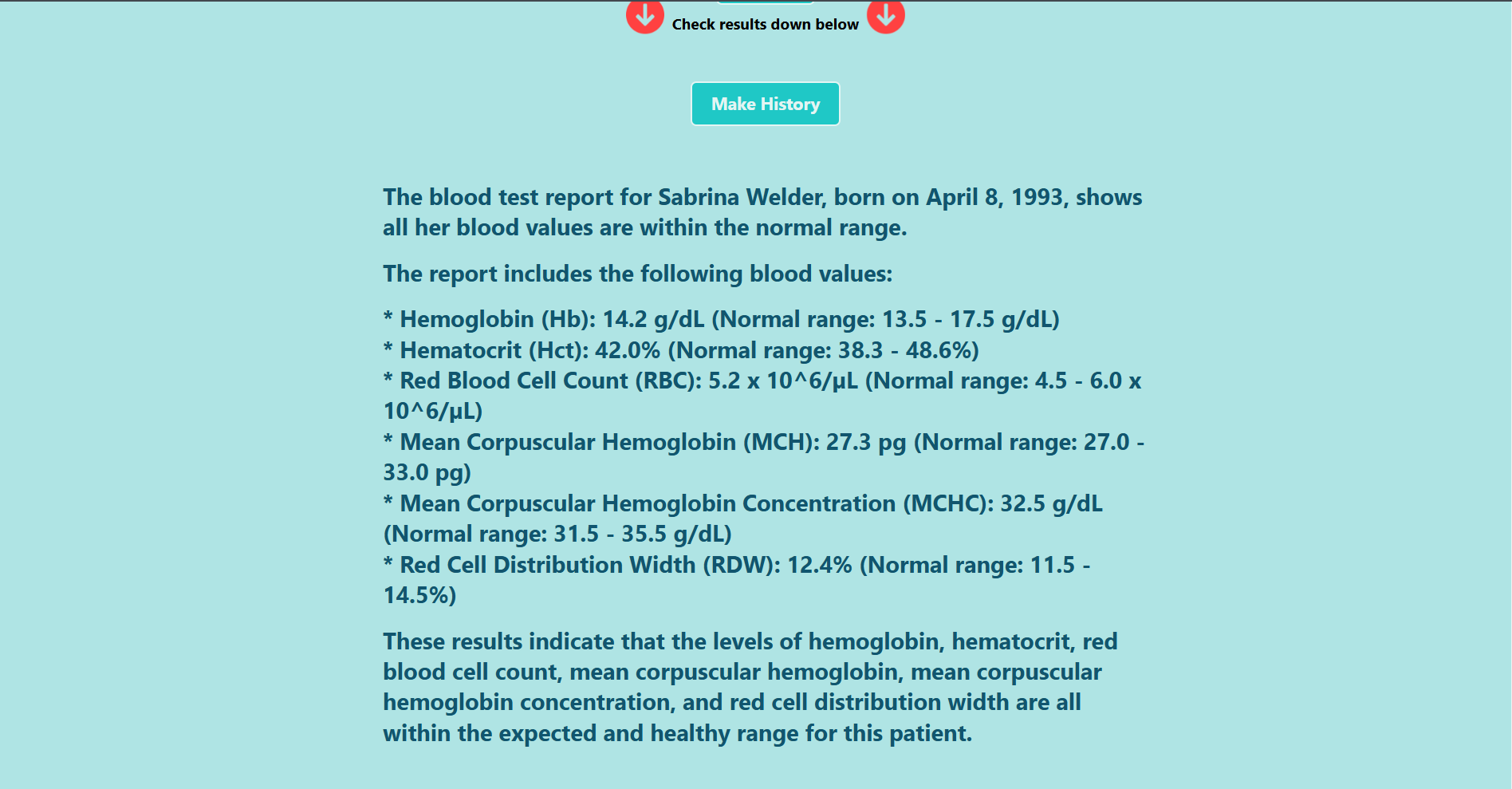
AI diagnosed Report
-
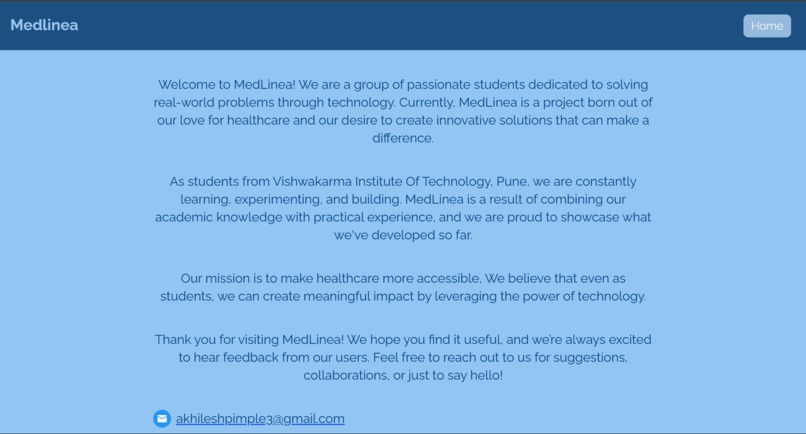
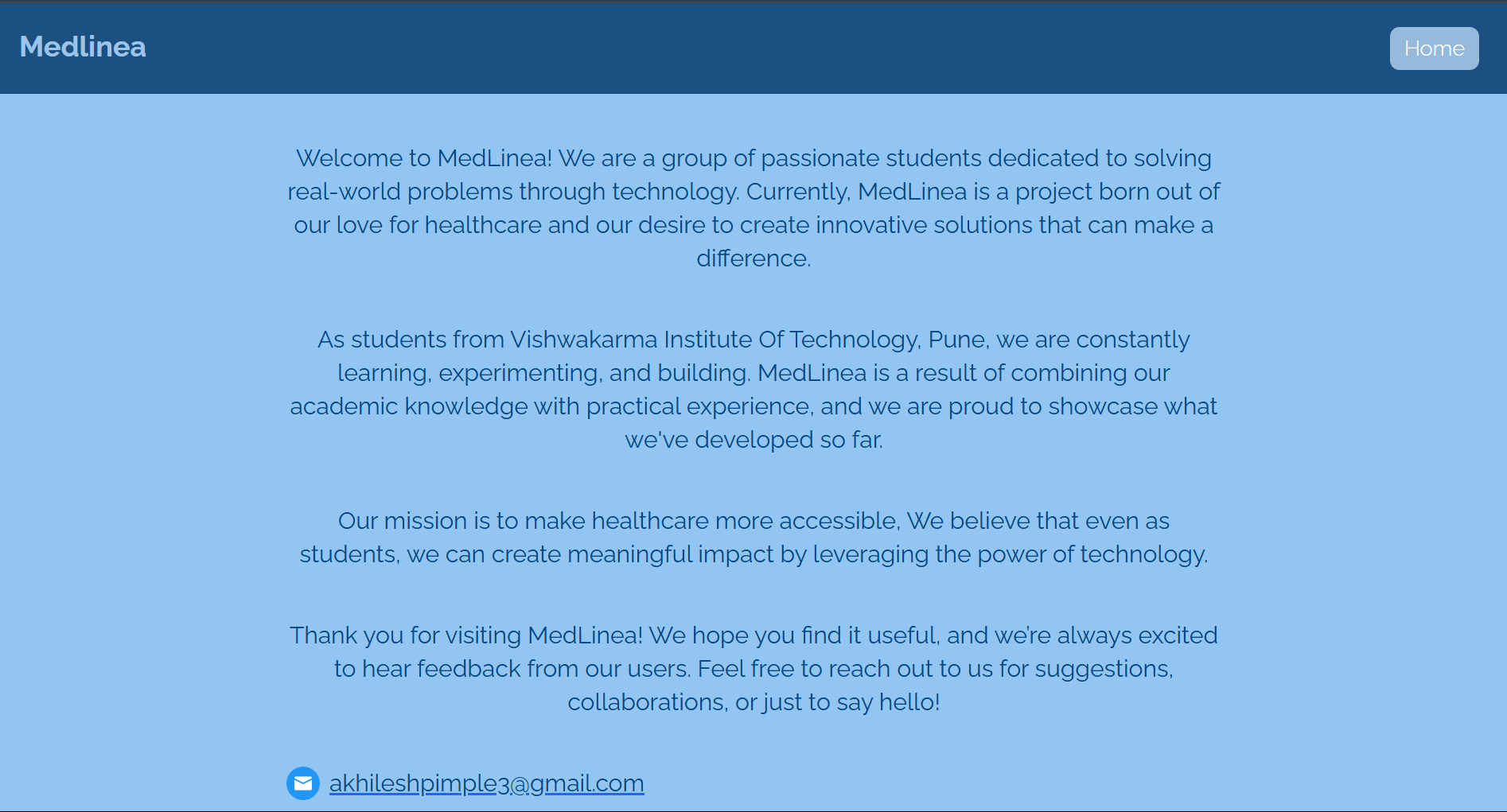
About Us
-
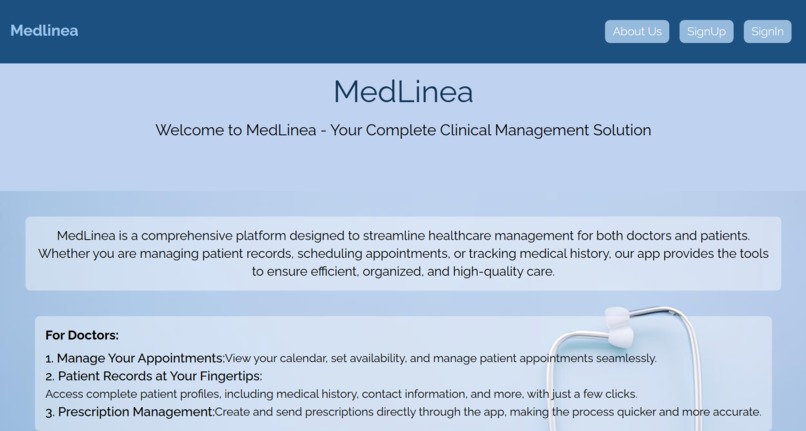
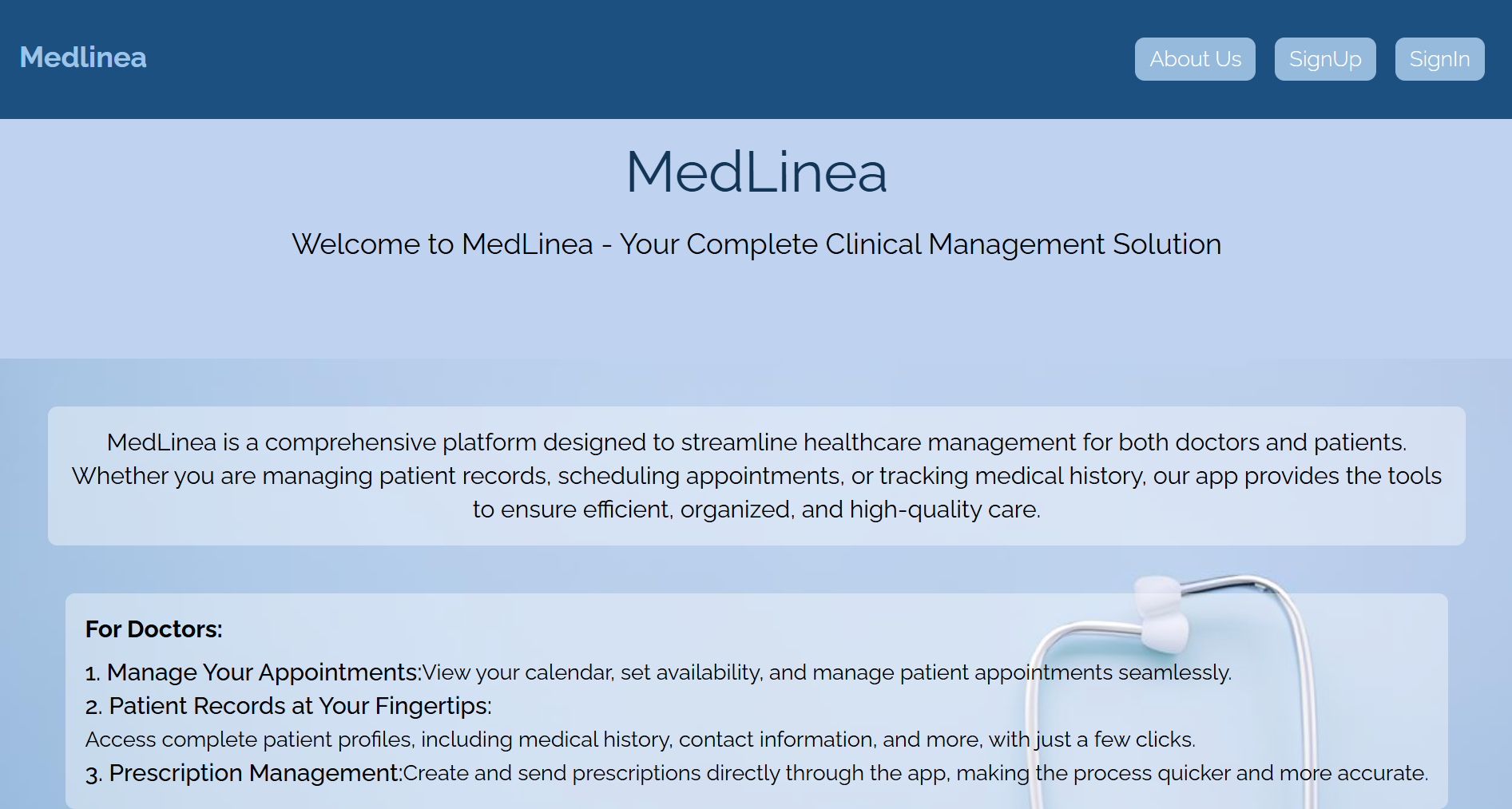
Main Page-1
-
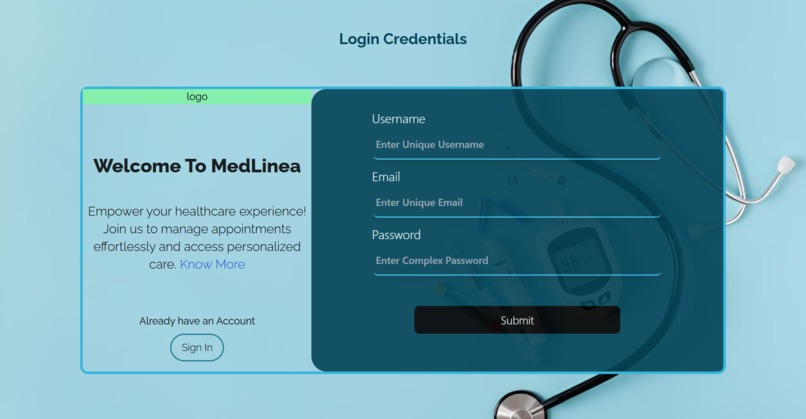
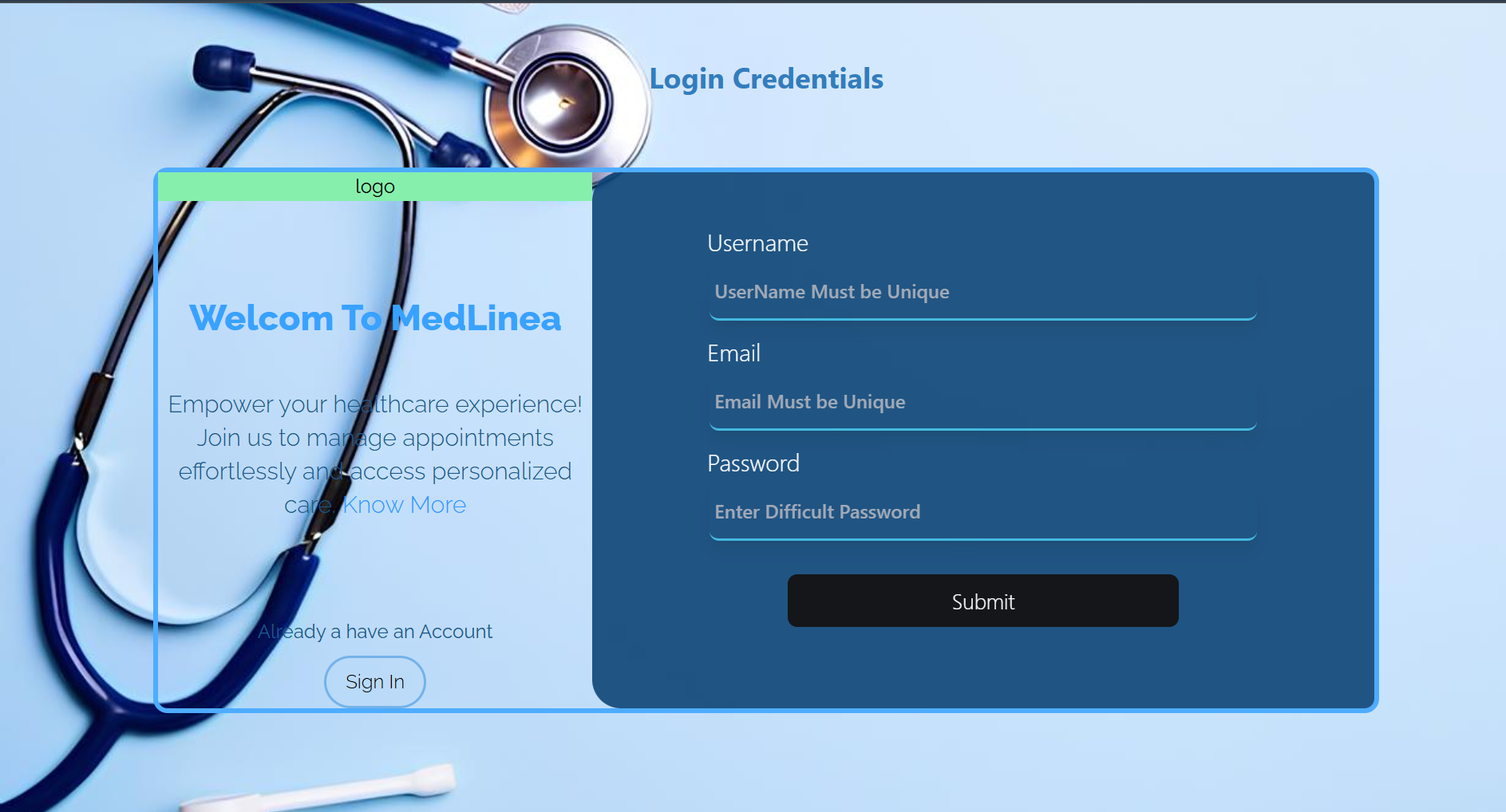
Doctor Sign-Up page
-
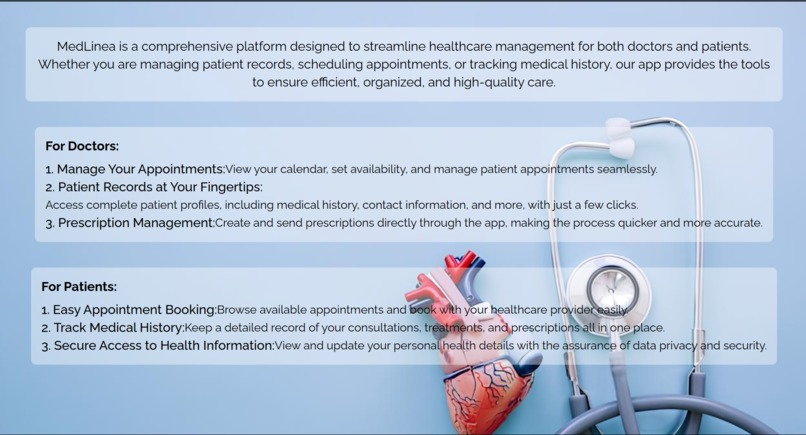
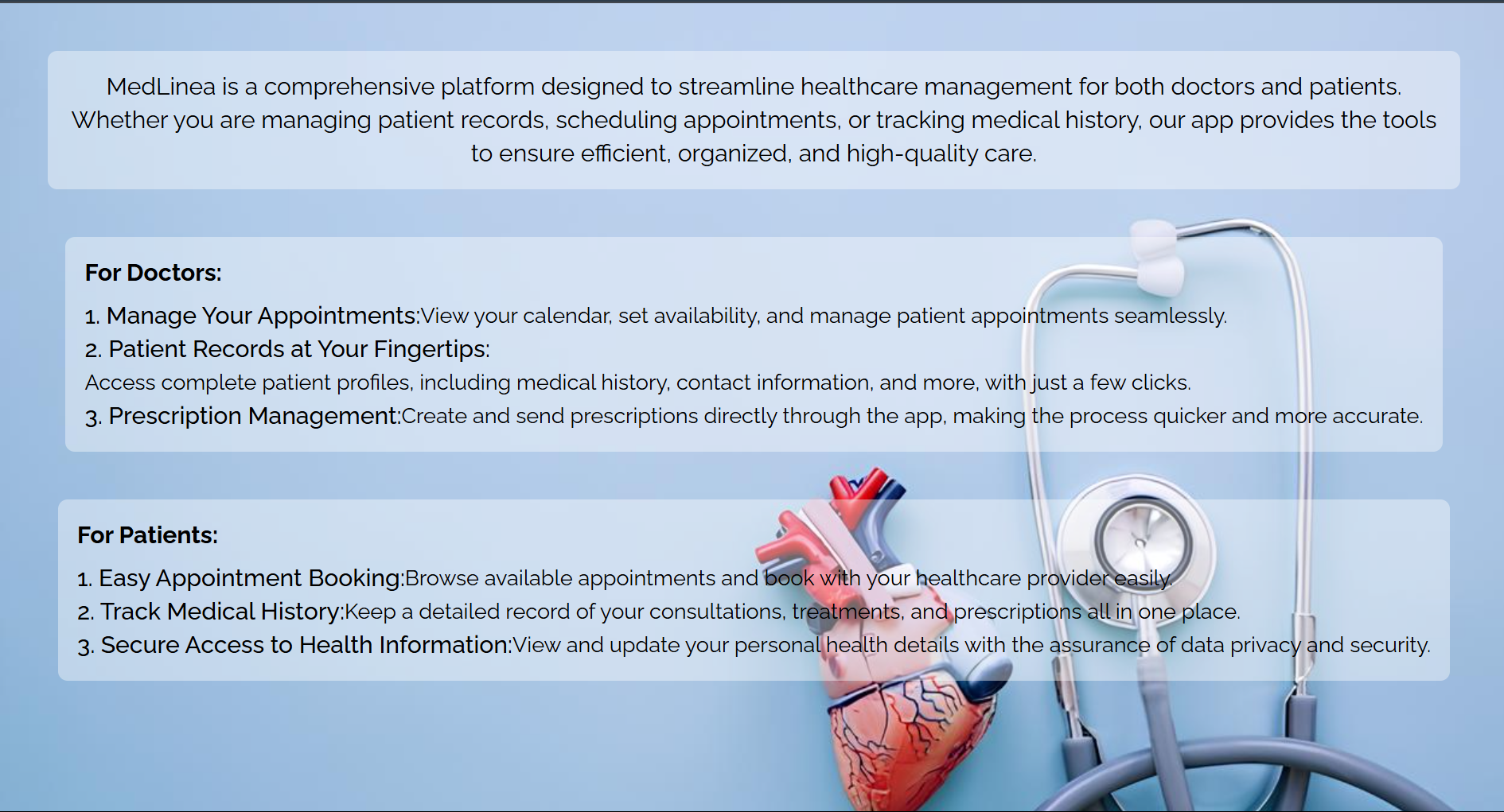
Main Page-2
-
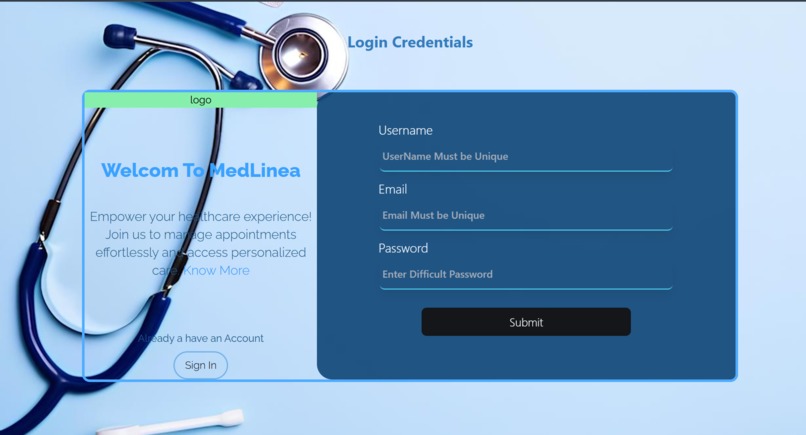
Patient Sign-Up page
-
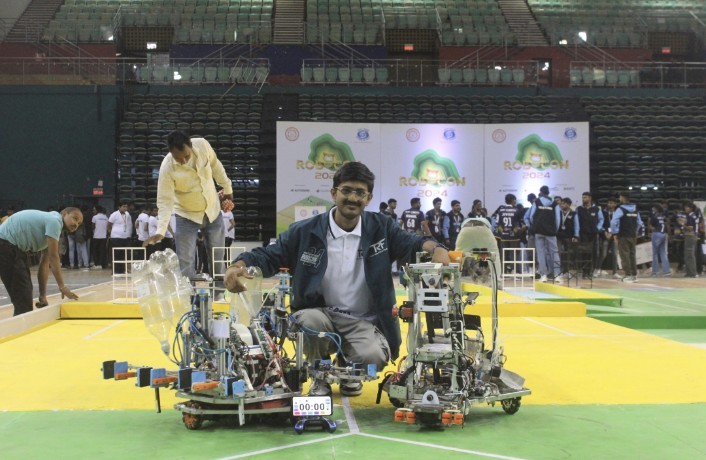
R2 in right similarly can be used for doing any task
Inspiration
MediLenia was inspired by the need for accessible healthcare, especially in remote areas. Issues like long wait times, difficulty accessing timely medical care, and the overburdened healthcare system created a strong need for an innovative solution. Additionally, limitations in existing online tools, such as symptom checkers and chatbots, highlighted the importance of a more personalized and accurate approach to healthcare assistance.
What it does
MediLenia is a web application that connects doctors and patients with AI integration to streamline the healthcare process. It provides real-time updates, appointment management, and medical report diagnoses. Key features include gesture understanding for sign language translation, medicine comparison, machine availability tracking, and hospital integration with reviews and ratings. It also supports offline clinic management and offers a secure platform with multi-language support.
How we built it
The front end of MediLenia was built using React JS, Tailwind CSS, HTML, and JavaScript, ensuring a consistent UI and interactive experience. The back end leverages Node.js, Express.js, RESTful API, and Web Socket for handling server-side functionalities and communication. MongoDB and Cloud storage handle data, providing secure and scalable storage solutions.
Challenges we ran into
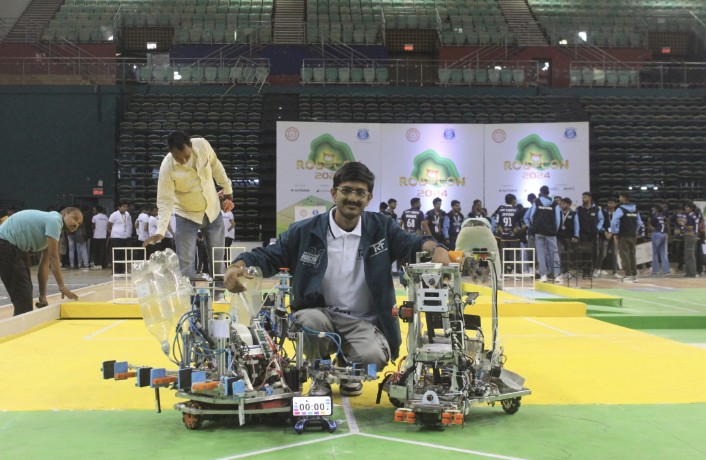
One challenge was ensuring accurate, real-time medical assistance, especially with features like gesture understanding for sign language translation and secure, stateless authentication using JSON Web Tokens. Integrating various systems seamlessly, like real-time machine availability and medical report diagnostics, also required careful planning and implementation. Also we tried to make a table which will go automatically from one point to another using 2D lidar and slam but we faced many difficulties in choosing best slam model.
Accomplishments that we're proud of
The team succeeded in creating a functional dashboard for doctors and patients, enabling easy data management and accessible healthcare for both online and offline users. The integration of AI models for diagnostics, multi-language subtitles, and real-time updates for appointments and communication are notable achievements.
What we learned
Developing MediLenia taught the team about the complexities of integrating AI in healthcare. They gained insights into handling sensitive data securely, enabling multi-language support for diverse users, and managing full-duplex communication for real-time applications. The project highlighted the potential of technology to bridge gaps in healthcare accessibility.
What's next for MediLenia
Future plans for MediLenia include enhancing AI capabilities for even more accurate medical diagnostics, expanding language options for inclusivity, and increasing partnerships with hospitals and clinics for a more extensive healthcare network. Continuous improvement will be driven by patient and doctor feedback to refine AI suggestions and expand features.
Built With
- api
- html5
- javascript
- ml
- mongodb
- node.js
- react
- tailwindcss
- websockets

Log in or sign up for Devpost to join the conversation.