-
-
Unique Selling Points
-
Business Details
-
Backend work
-
Real-world implementation ideas

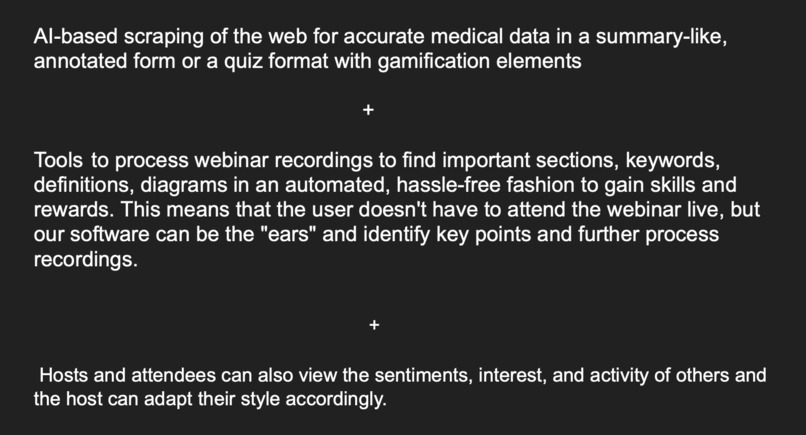
Unique Selling Points
AI-based scraping of the web for accurate medical data in a summary-like, annotated form or a quiz format with gamification elements
+
Tools to process webinar recordings to find important sections, keywords, definitions, diagrams in an automated, hassle-free fashion to gain skills and rewards. This means that the user doesn't have to attend the webinar live, but our software can be the "ears" and identify key points and further process recordings.
+
Hosts and attendees can also view the sentiments, interest, and activity of others and the host can adapt their style accordingly.
Inspiration
The pathetic situation of medical burnout and the continuous churn in medical education especially during COVID-19 compelled us to embark on this project. Physician burnout was an epidemic BEFORE the Covid-19 pandemic. According to a 2018 study, 400 physicians die by suicide each year – double that of the general population. Many studies have pointed out the lack of effective tools to balance education and work times. This is especially true during the surge of COVID-19 cases: 5.31M confirmed cases. Even worse is that education on COVID-19 is continuously fluctuating due to new information coming in and many of the smaller healthcare workers, midwives, and nurses aren't kept up to date on these alterations and could be fed misinformation without appropriate education. In fact, in the African continent many healthpost workers still believe that the virus does not exist. New temporary healthcare workers are being employed and they need to at least keep abreast with COVID-19 medical news. A few weeks back, more than 160 employees at Berkshire Medical Center in New England were furloughed for quarantine after possible exposure to the coronavirus from patients who have tested positive. A temporary agency was asked to quickly hire 54 nurses who specialize in medical/surgical, intensive care and emergency services. Hence, they need smart educational tools to quickly but effectively learn about COVID-19 information in a remote way.
Hence, we became passionate about creating potential solutions to the question "How can be improve medical education to medical personnel without comprehensive expertise by still not chewing into their precious time?"
What it does
This app is a comprehensive tool to enable medical education in an active but time-efficient manner given the high burden of all healthcare workers and medical personnel. The medical education deals with drug treatment options, vaccine candidates, and other medicinal products and symptom-treating OTC drugs. The app leads to lists of the particular product category with search, filter options to help navigate. When an item is clicked, a COVID-19 dataset with reliable sources like Harvard Medicine and WHO is searched for the key word, and NLP is used to discover the overall sentiment of the drug in the medical world: "Positive", "Negative", or "Neutral." You get further insight on the most crucial information spotted in these huge articles, helping professionals to avoid wasting large amounts of time.
The information is curated and labelled automatically to pick out relevant phrases, keywords, sentiments, concepts, etc without manually reading through the millions of articles especially due to time constraints and the misinformation present on the web. The app also generates quizzes by looking for keywords in the articles and picking out sentences that will be turned into a question using our question algorithm (see below). Quizzes are a scientifically-proven model for active learning that ensures optimum retention by the user of the app.
Since a lot medical education is now being delivered towards webinars/web conferences/workshops for all types of people, there will be a page to register a webinar and attendees can join them through the app. Furthermore, the app is equipped with a feature that can connect to the recording of a webinar (in real-time too!) and look for medical key words during the webinar and fetch its definition as well as visual diagrams using AI or host requests. The host can also see the engagement of his/her attendees through facial analysis features (if applicable), chat activity, occurrence of asking and answering questions, etc and give reward/skill batches accordingly and possibly adapt his/her teaching styles based on this feedback. Other prospects (not fleshed out in this prototype) is to enable disabled people to leverage webinar sessions through a text to braille and text to sign-language translators that are already built by Microsoft researchers.
How we built it
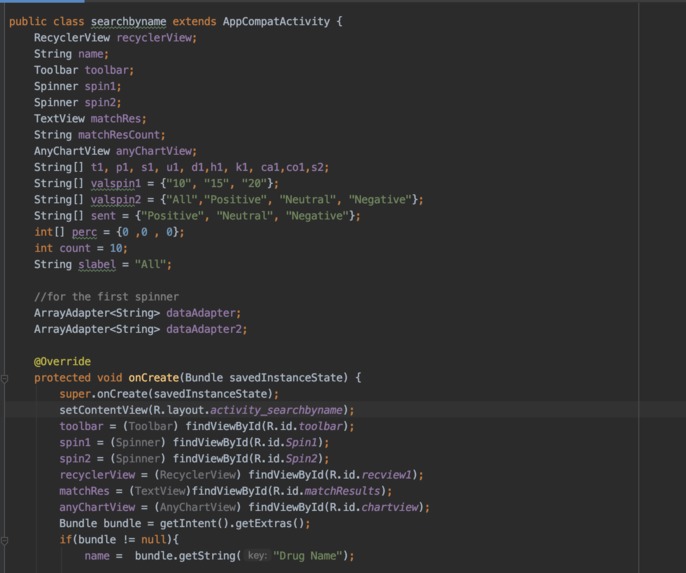
The mobile app development was done using Android Studio using Java. IBM studio Watson Discovery helped to get pre-enriched data on the medical information requested through a special, reliable COVID-19 database. The related-words Datamuse database was called using Python. A model for facial analysis was built through Custom Vision AI Models that can be easily integrated to the app. The voice-to-text translation would be used for the keyword extraction and recording processing of the medical webinars.
Challenges I ran into
A lot of network-based connectivity issues to IBM Cloud services required a lot of testing and trying various online suggestions. Additionally, we had to find many images to complete the facial analysis model built through websites like Pixel.
Accomplishments that I'm proud of
Ideated, brainstormed, researched, and created a prototype app in 24 hrs!
What I learned
Teamwork and work allocation; using Custom Vision AI to easily create image classification models; making an effective pitch; different coding SDKs and APIs
What's next for MediKnow
Personalised account and dashboard for quiz performances, webinar notes, and user preferences.
Language translation options
Diversifying the type of questions (currently only mcq and fill-in-the-blank)
Using automatically updating database
Implementation Plan
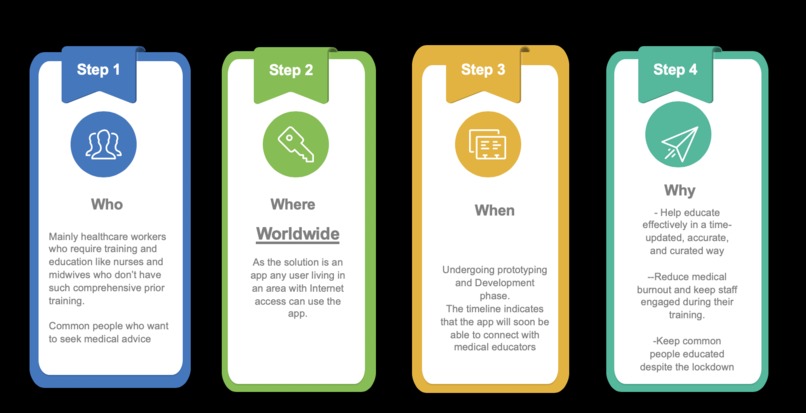
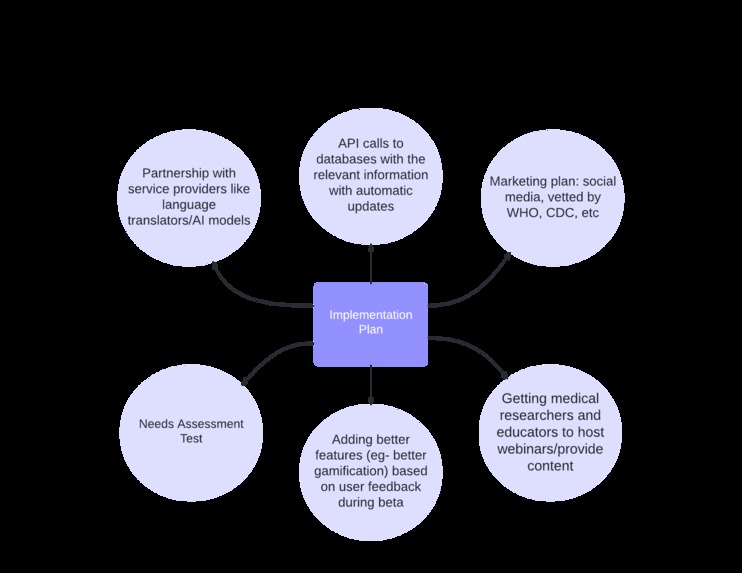
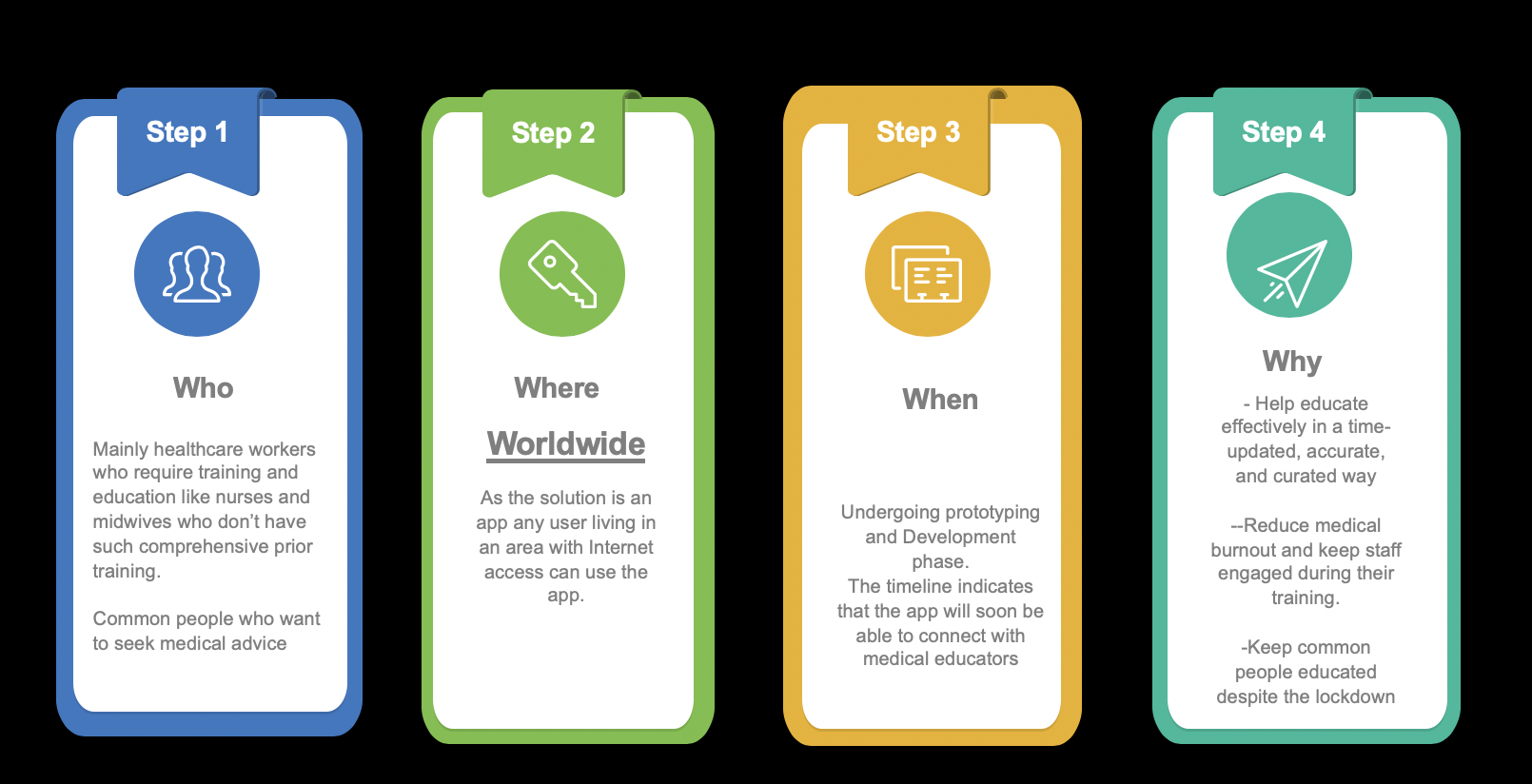
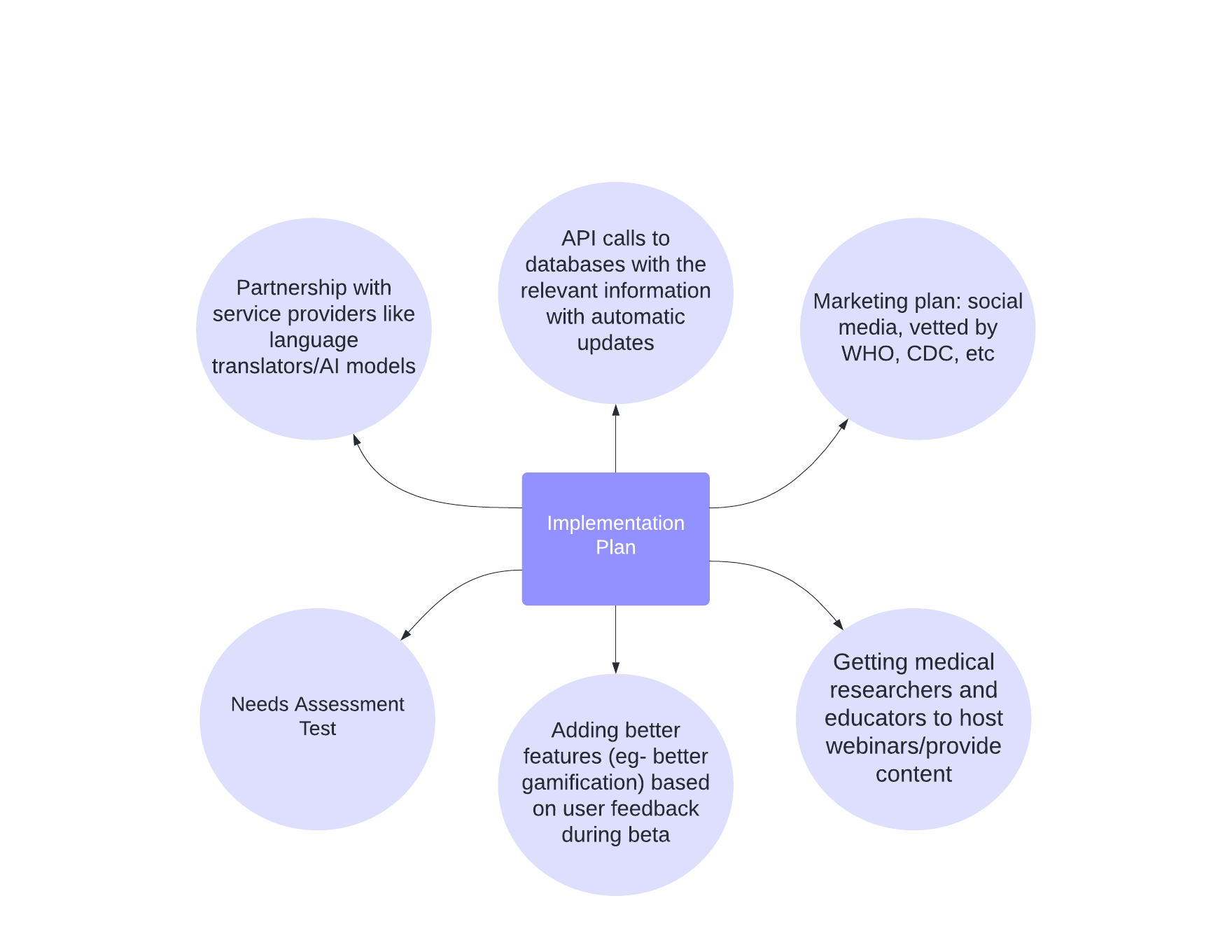
We hope to target mid-June to test implement as many features and test edge cases. This might require expanding our team to get an extra developer who is familiar with these technologies. We also have started surveying doctors in our locality got a 92% positive response. However, a more robust needs assessment will be carried out in parallel to the development phase.
KEY DEMOGRAPHIC
Mainly healthcare workers who require training and education like nurses and midwives who don’t have such comprehensive prior training.
Common people who want to seek medical advice
KEY RESOURCES
- Along with Internet-available news resources, establishing connections with medical researchers, educators, and labs would be useful so they can champion and upload content to the app.
KEY PARTNERSHIPS
Some useful partnerships need to be also pursued for example collaboration with Google to have a medical education specific tool (although some of the tools developed here have the advantage of being applied in all types of education fields) as well as services from language translation services (possibly from Duolingo).
DIFFERENTIATION
There are many educational websites and webinars but our AI, NLP, Watson, Gamification, and Voice Processing tools lead to unparalleled, active, and time-effective learning, which is very urgent for many healthcare workers. There are no apps that provide short but relevant and processed medical information, and most people need to read through big articles and resources to find answers. There are no tools to carry out the webinar trends and helpful automated recording processing that we have performed.
BETA TESTING
We will also need to have a beta testing phase in which we will collect a lot of feedback from preliminary users about potential new features and failing functionalities.
MARKETING
Will have to initially invest to market our app mainly through social media platforms like Facebook, Twitter, and Instagram.
COST AND REVENUE
This app could also leverage significant partnerships through integrating advertisements of educational medical tools using a pay-per-click model (matchmaking of two services). According to InMobi, this could be around $2 to $5 or possibly 10% of each sale made through the app. Paying for the app itself might place a barrier to acquiring customers. Hence, the app would have a Freemium model, costing for additional analytics options (personalised dashboards for example). Lastly, the app forge a partnership with big chains of hospital (like Apollo hospital) to promote participation for drug trial testing. Some portion of the money gathered here can be donated to coronavirus-related funds, especially towards research labs.
The main costs would be incurred while developing the app, marketing and outreach, using premium service offerings, incentives to make people our app champions and upload content to our platform.
Built With
- android-studio
- custom-vision
- ibm-watson
- java

Log in or sign up for Devpost to join the conversation.