-
-
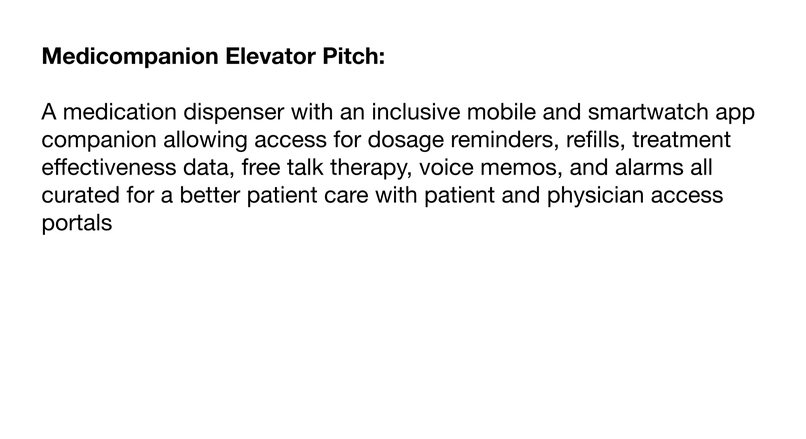
Medicompanion Elevator Pitch
-
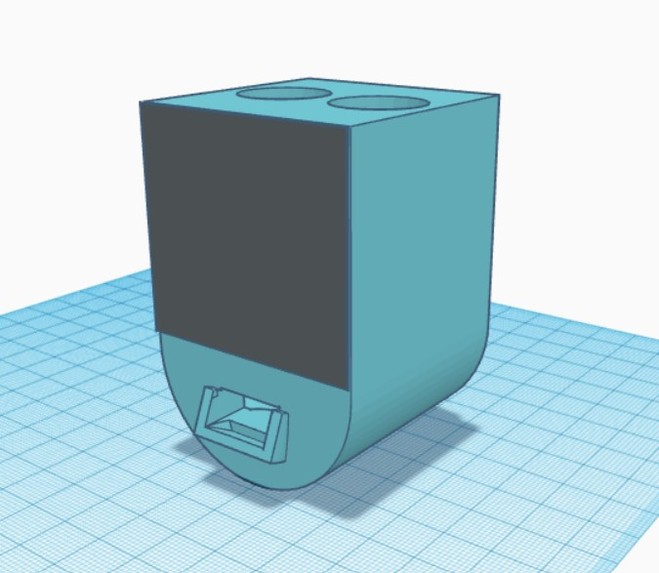
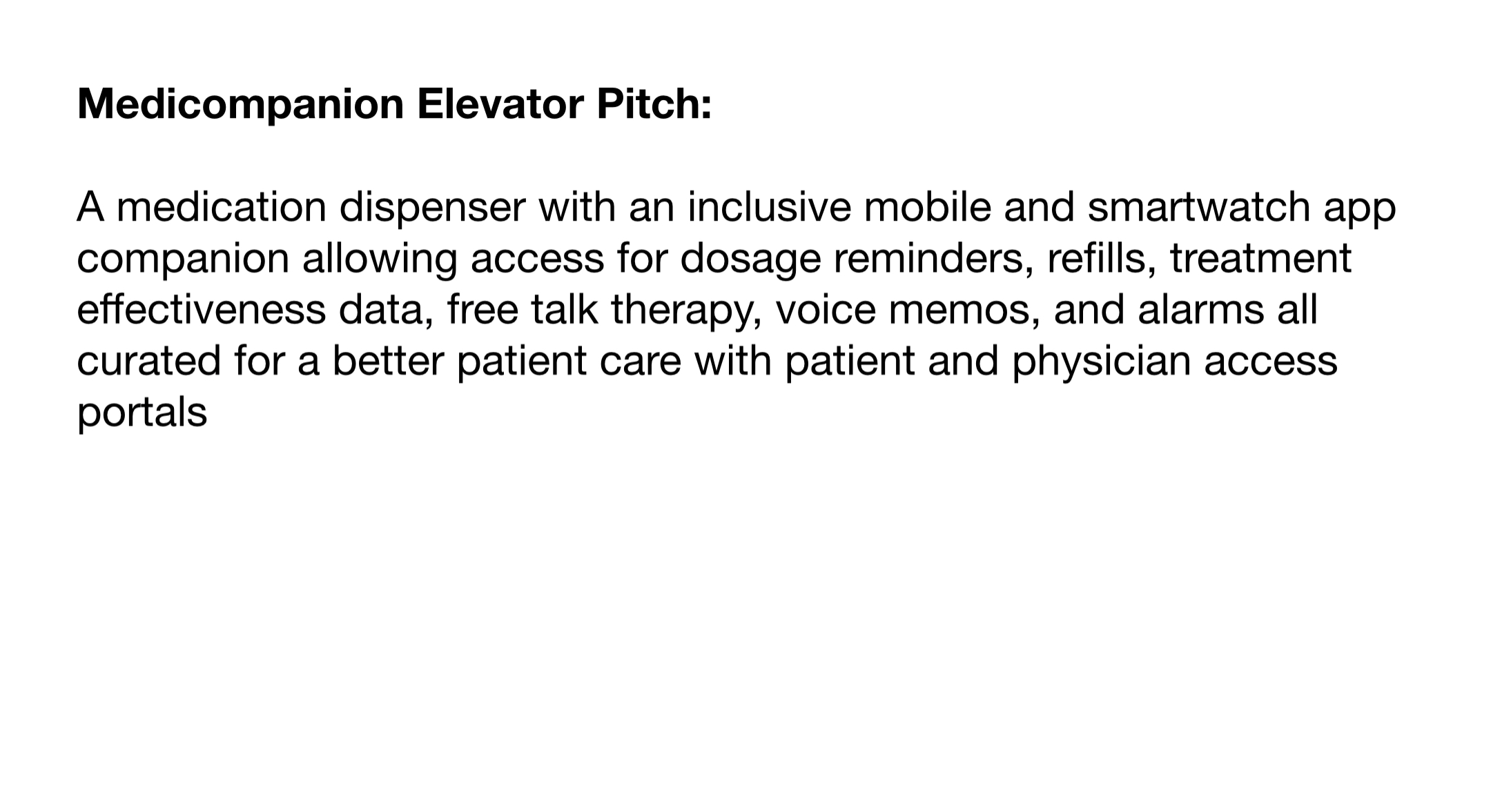
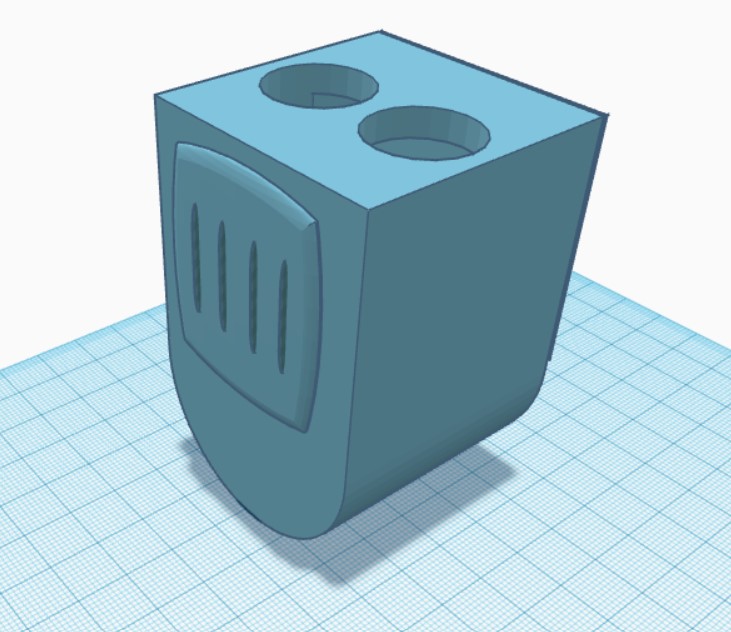
Front view with touch screen
-
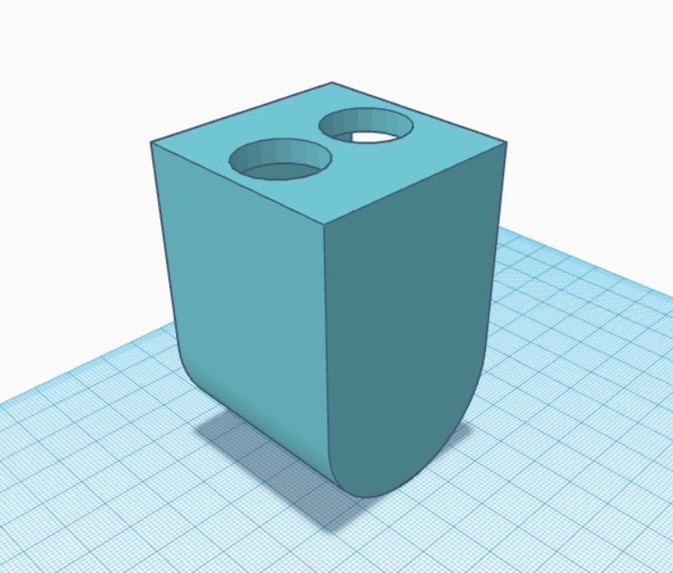
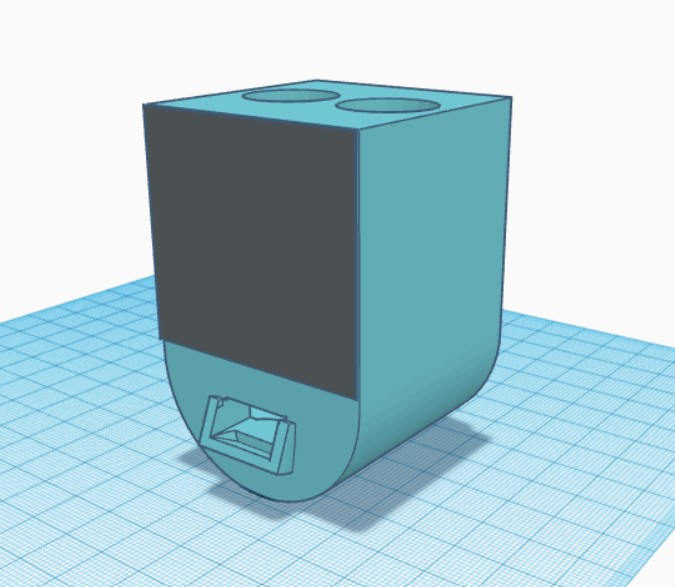
Back view with no cooling slits
-
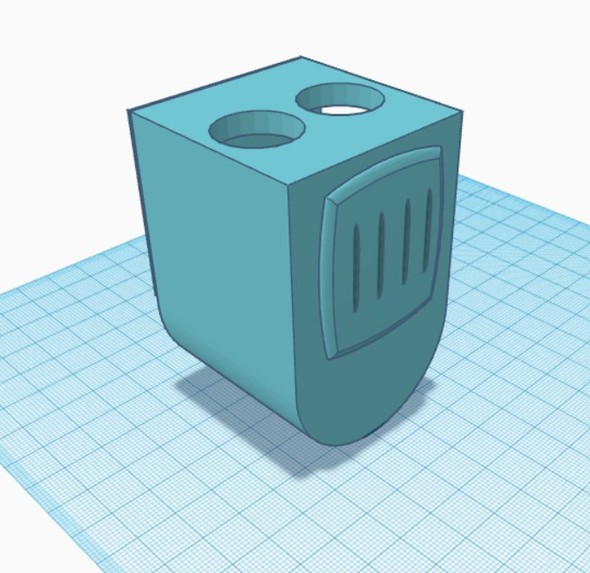
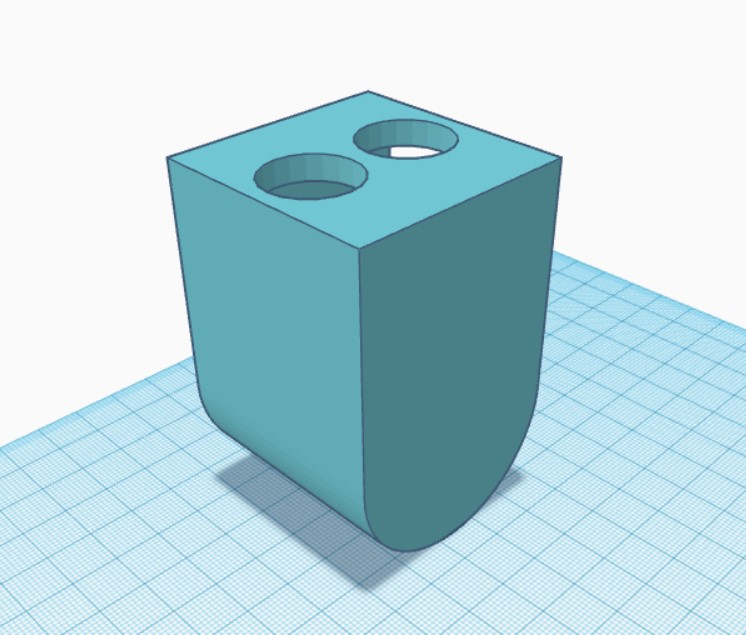
Back view with touch screen
-
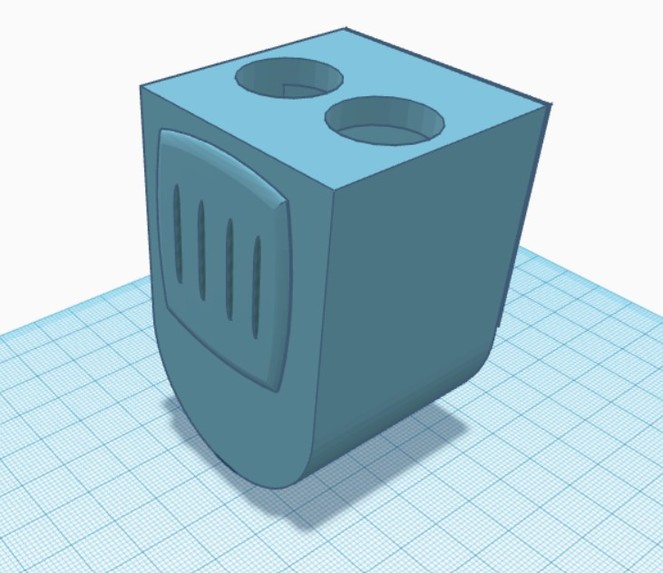
Back view of mechanical version
-
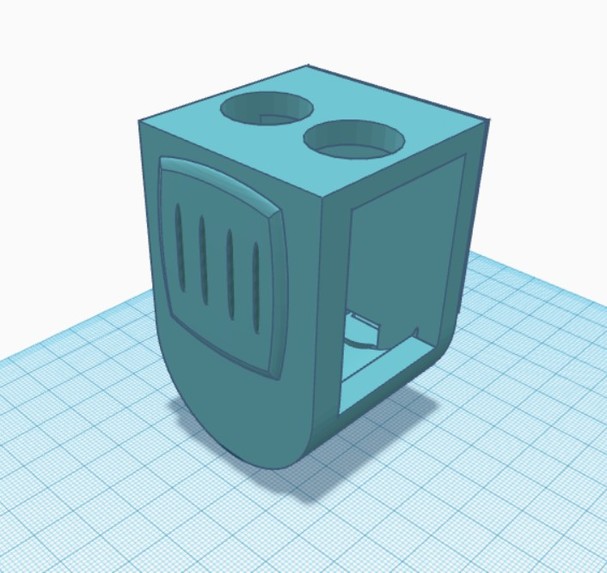
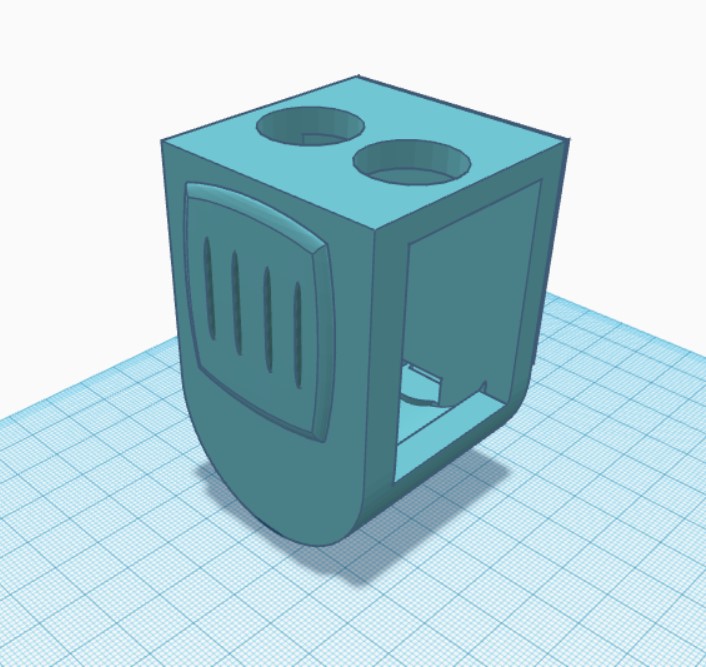
Internal view
-
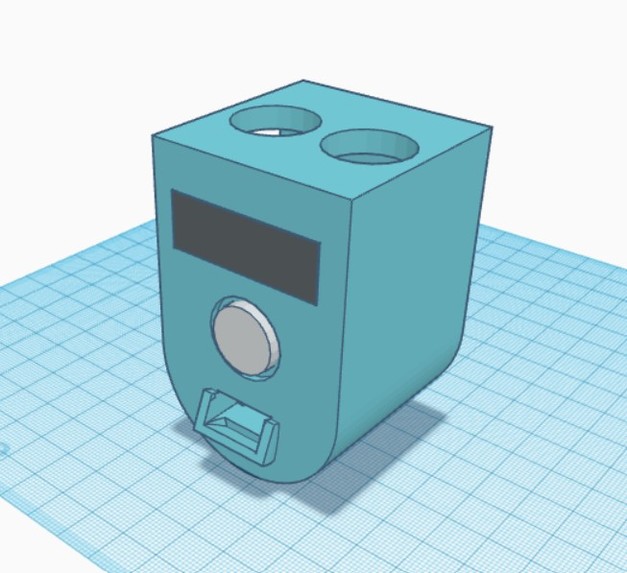
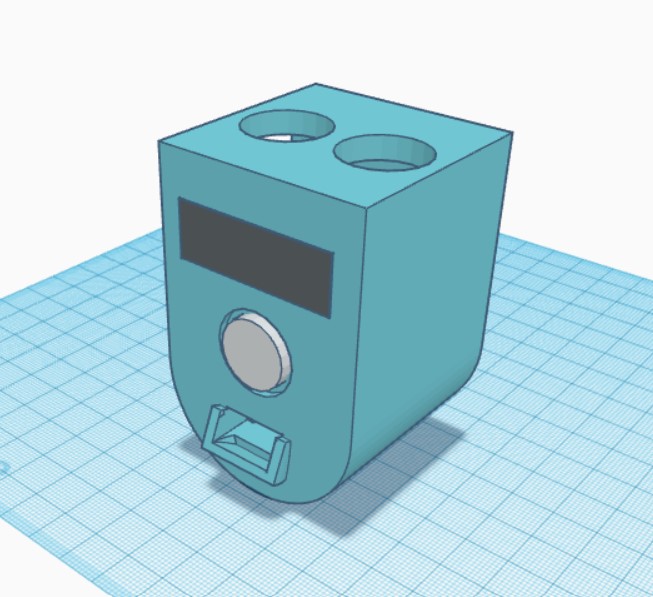
Front view of mechanical version
-
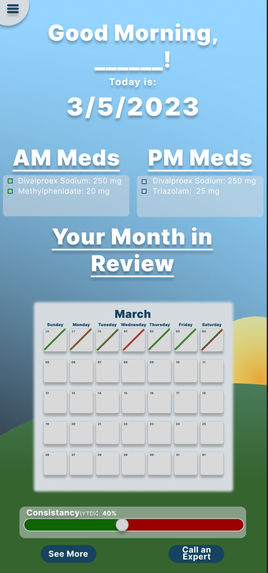
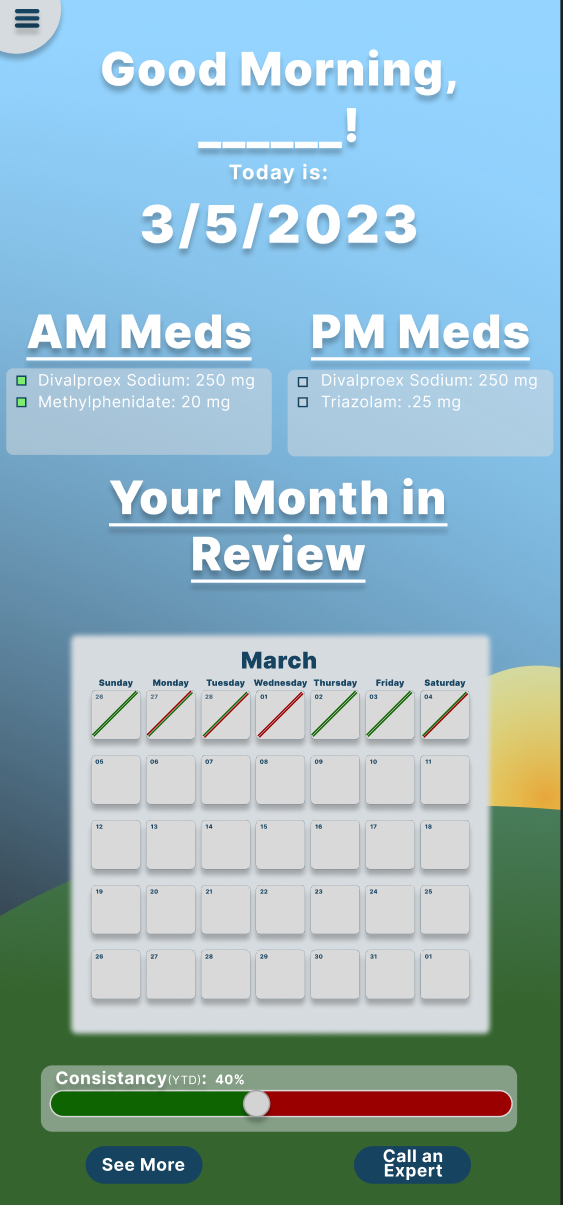
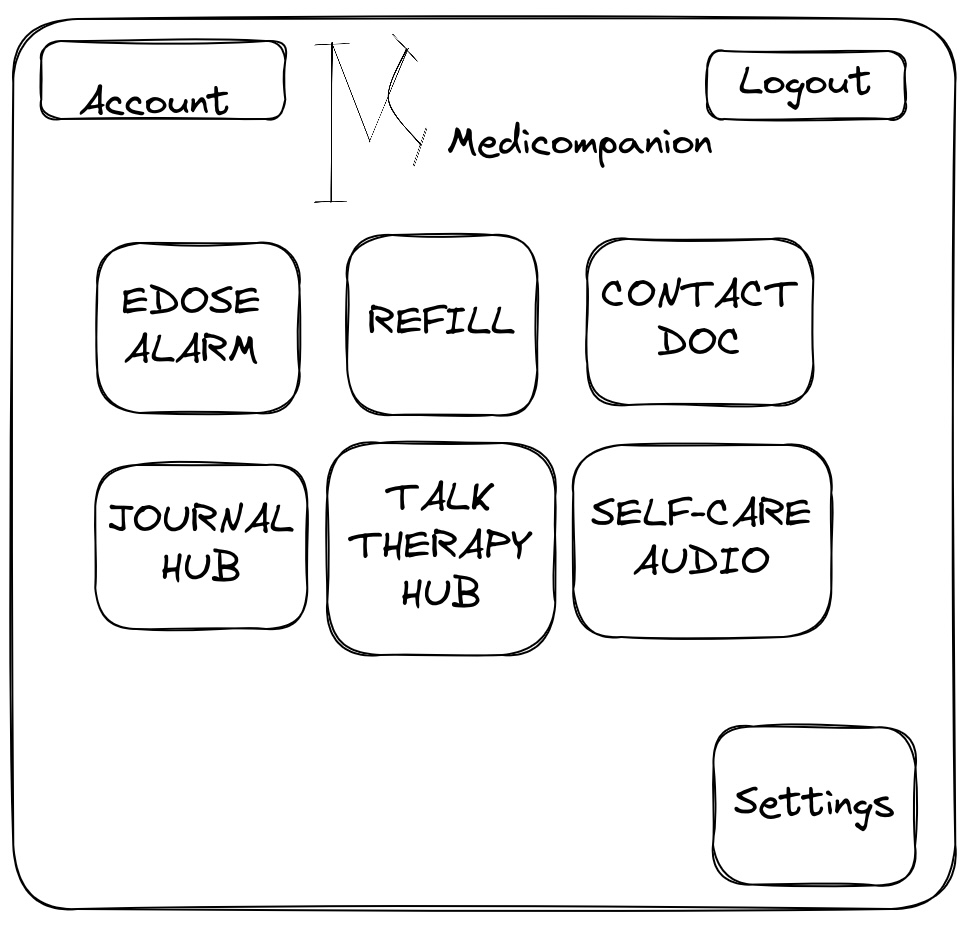
App landing page
-
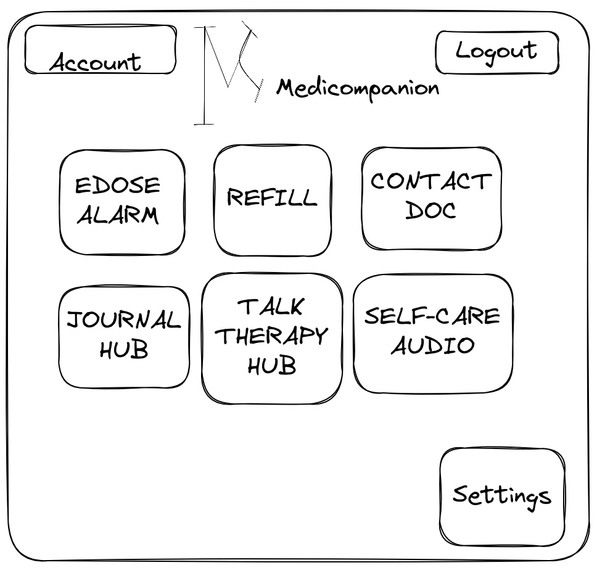
Watch landing page
-
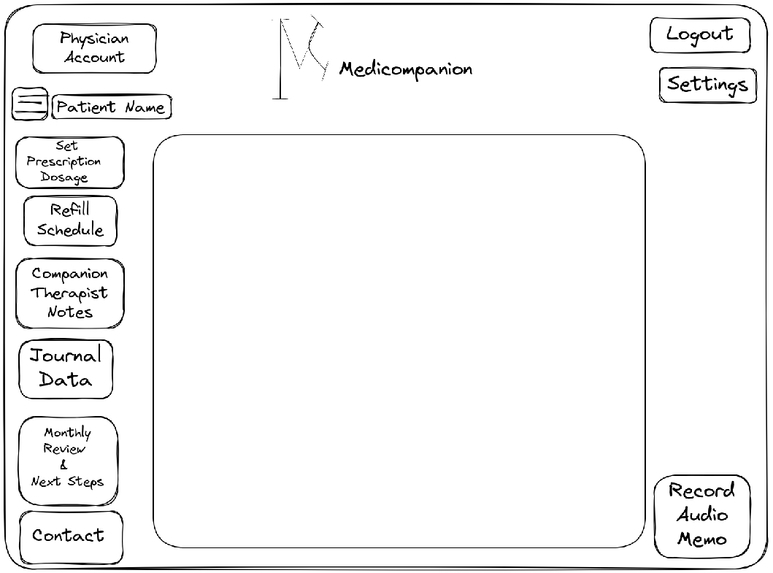
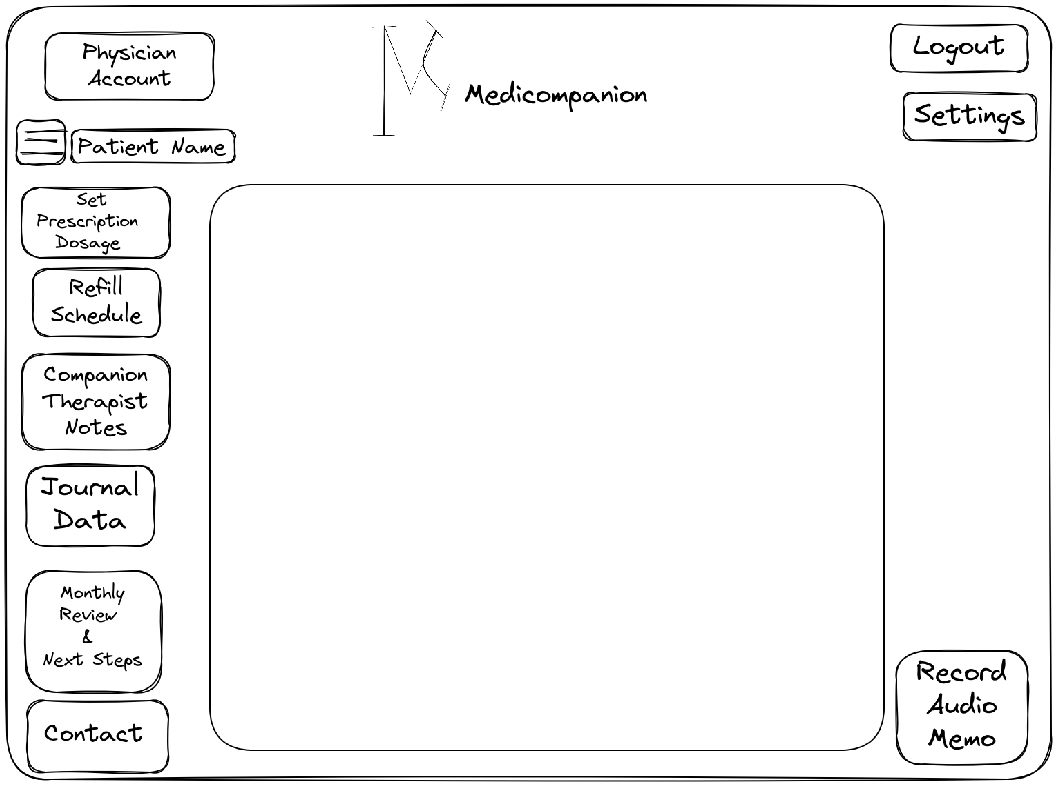
Physician interface
-
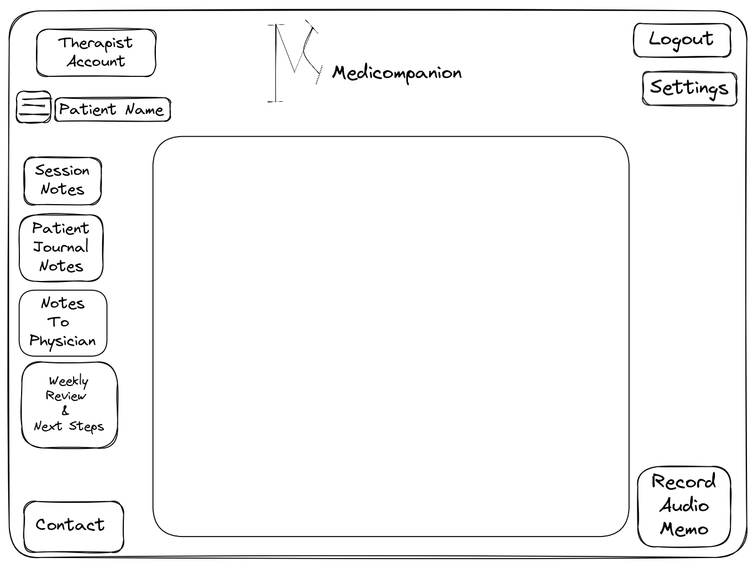
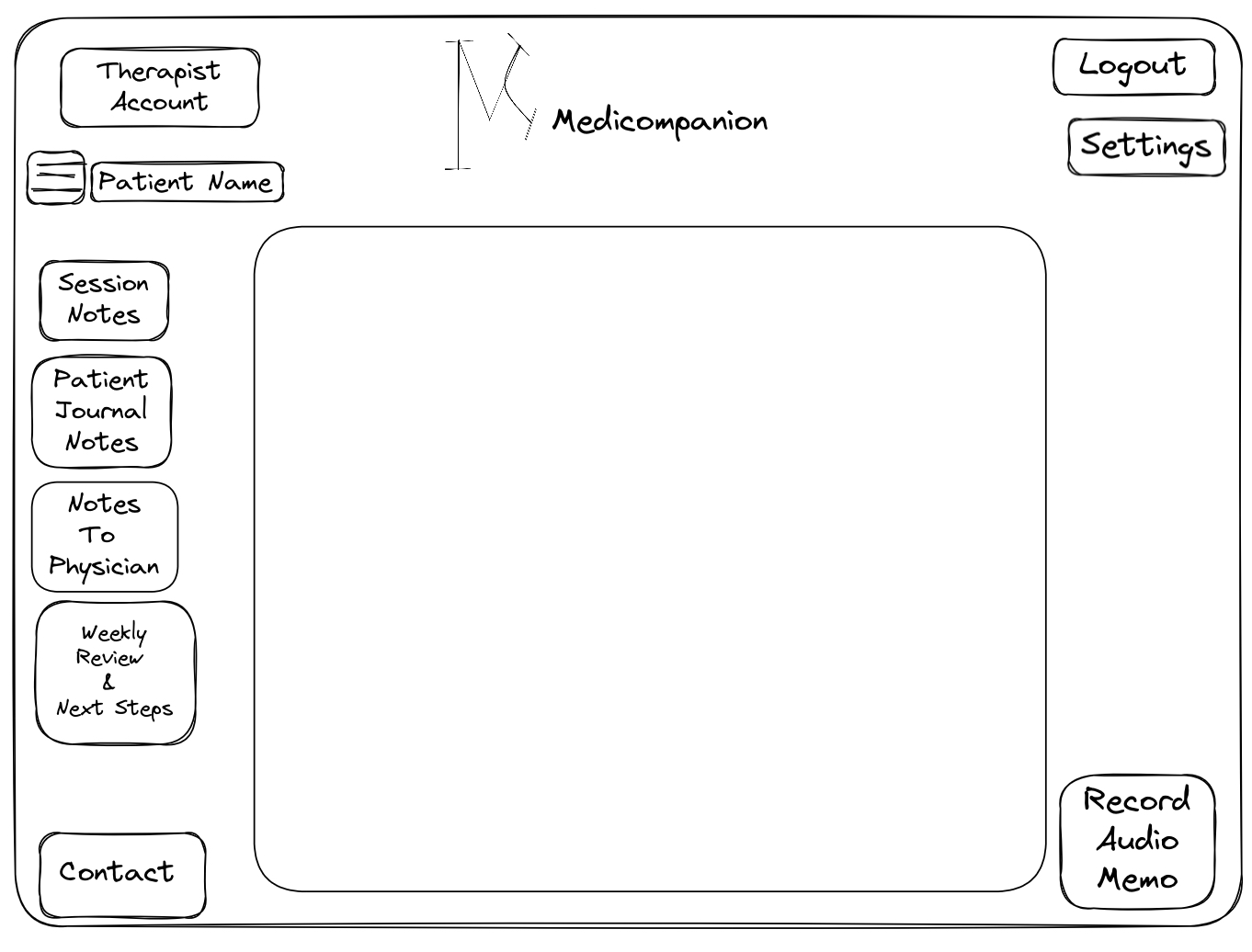
Therapist interface
-
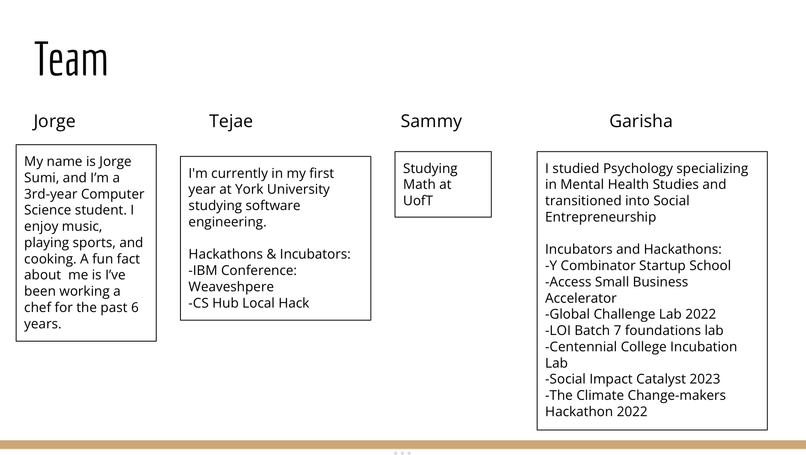
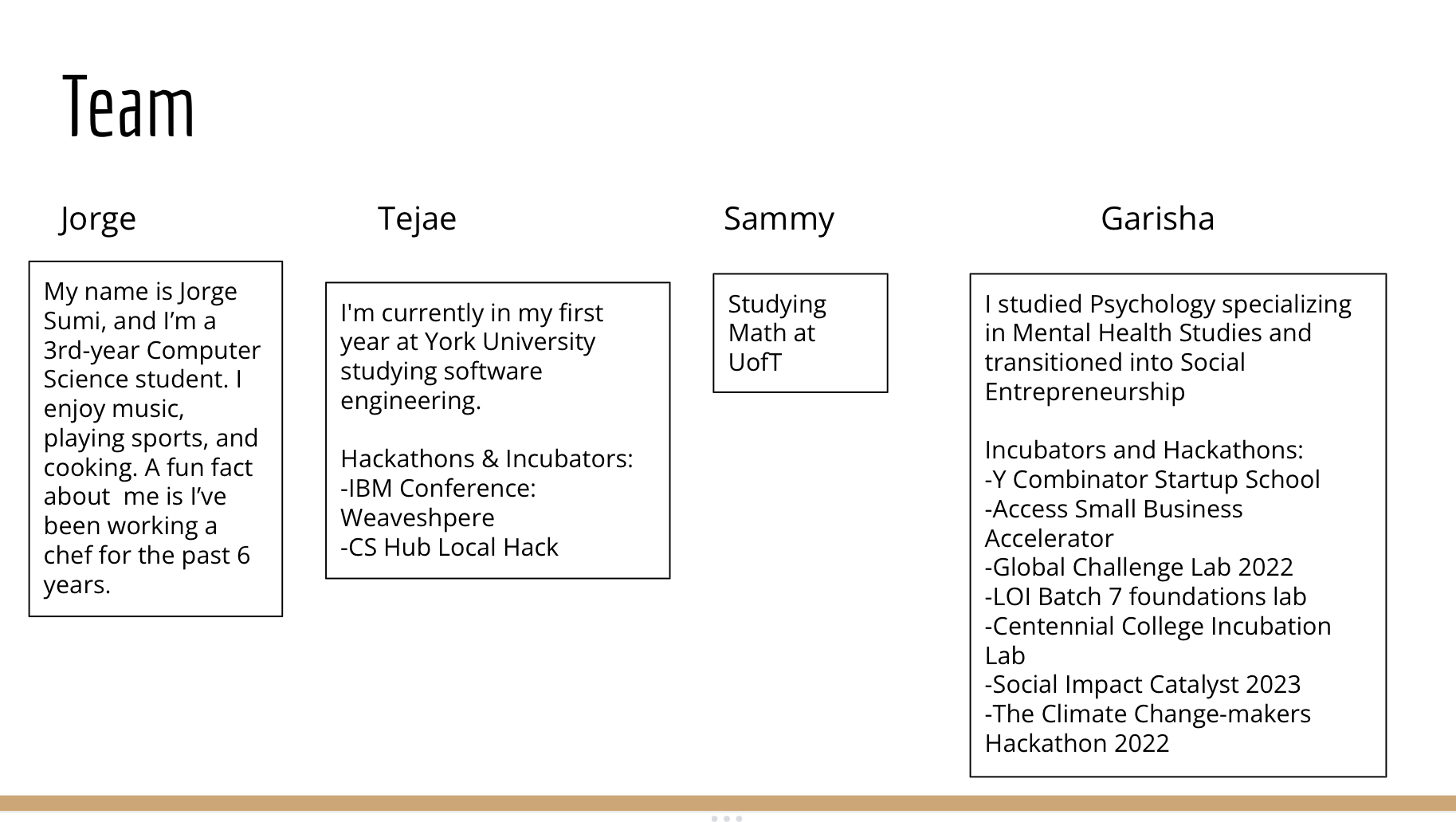
Team Medicompanion
Inspiration
- The members of our team have in the past or still require to take medication on a daily basis but would sometimes forget to do so. Seeing the problem they faced, the idea of a medication dispenser was formed as our project idea.
Our personal experiences as minorities with healthcare concerns is our drive and reason for why we want to create a solution that aims to tackle the very pain points we’ve experienced such as ADHD, epilepsy, depression, anxiety, CPTSD, and trauma
Garisha - As a South Asian that has experienced mental health concerns such as depression and suicidal ideation and attempt and has older relatives with diabetes, I have witnessed both the serious need for medication tracking on a patient and physician level as well as the lack of access to psychotherapy due to cost and some insurance companies not covering it as well as employers that have only basic mental health EAP plans. Having a product that would benefit the elderly as well as those with diagnoses that may hinder their working memory and those that wouldn’t have access to psychotherapy covered by OHIP or other insurance is much needed and something we can build forth with more research and prototyping, cause hey we all should care for each other’s care to have a sustainable and healthy life equally!
As such Medicompanion emerges as a care companion, we care for your care!
What it does
- Our product is an automatic daily medication dispenser for those who forget to take their medication, accompanied with a mobile and smartwatch app that includes reminders, journal data with treatment effectiveness, and access to free psychotherapy as a companion therapy
How we built it
- Ideally, we would have 3D printed a prototype and develop a compatible app to go with it. But for the sake of time, we used TinkerCAD and Figma to create a model and design of what our project would look like.
Challenges we ran into
- Some challenges we ran into included coming up with some initial ideas for what our project would be and how it would work and what the design would look like. Due to time constraints we had to settle with creating a visual representation of our prototype
Accomplishments that we're proud of
- We are proud to have completed our project for this hackathon because it was some of our first times attending one, which is an exciting experience in itself. Coming from different backgrounds and experiences and putting together ideas that we face as minorities with health concerns felt very liberating and we hope to continue with these ideas in our own ventures and work!
What we learned
- For some of us, it was our first time using software such as Figma or TinkerCAD, so it was a quick learning experience trying to figure out how it worked, how to use it and its limitations. Attending the pre-hack workshop was quite useful to gain knowledge into various resources for those of us without tech/coding background
Through conducting customer research through a survey we were able to gain data of about 60% minorities feeling they don’t feel heard from physicians in terms of their treatment and options for talk therapy due to affordability, hence our product not only encompasses those needing reminders for meds and refills but also those that might benefit from a dual treatment with medication and psychotherapy that they would otherwise not be able to afford in Ontario!
What's next for Medicompanion
- Potentially, we could 3D print a prototype model for our project and start the development of an app using swift to take the next steps of our project. -More customer and user research to validate our prototype for the market
Built With
- figma
- tinkercad


Log in or sign up for Devpost to join the conversation.