-
-
Responsive Logo - small
-
Responsive Logo - medium
-
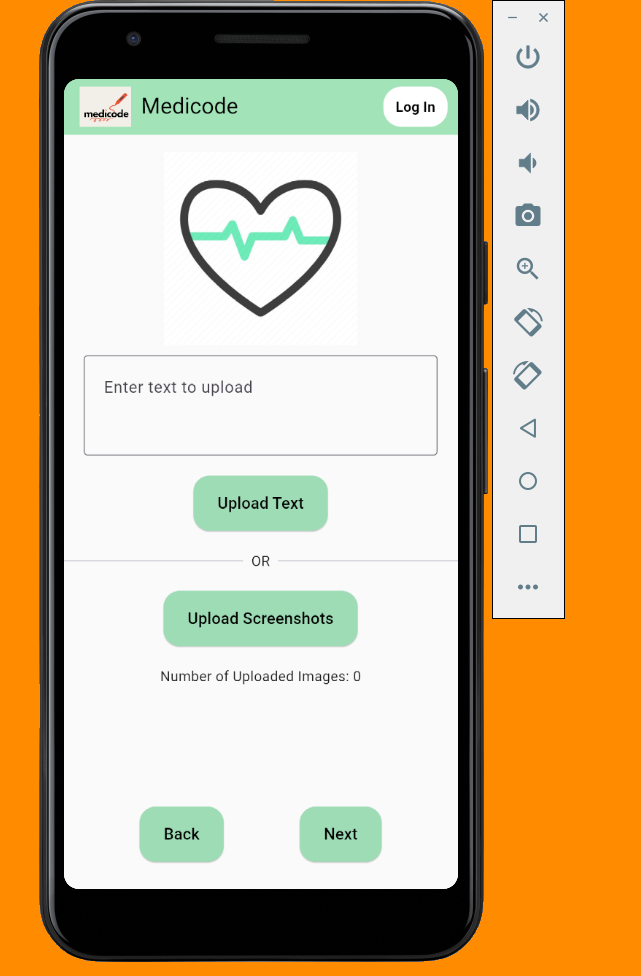
Screenshot of app
Inspiration
Medicode was inspired by the recognized need for clearer health communication. Research suggests that most health-related information should be written at an 8th-grade reading level to be accessible to the majority of adults, yet many radiology reports far exceed this complexity. In addition, there's usually a one-month gap between the time patients receive their screening reports from the radiologists and the time they will see their family doctors. This time of waiting can increase the anxiety of patients. Our team, equipped with backgrounds in radiology, biology, and medical research, identified a significant opportunity to bridge this gap. Having noticed how overwhelmed patients felt when trying to understand their medical results, we were inspired to create a solution that would transform these reports into clear, accessible language, empowering patients to better understand their health information. By leveraging our expertise, we set out to create an application that not only simplifies the language of radiology reports into plain English but also enhances patient engagement and understanding of their own health data.
What it does
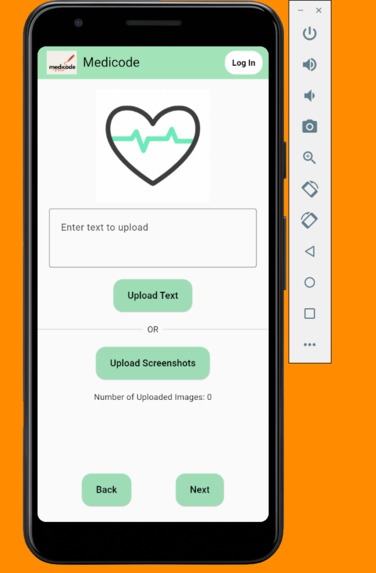
Medicode transforms radiology screening reports into easy-to-understand language for patients. Users can access the app in two ways: logged in or without login. While the app can be used without logging in, registered users have the benefit of viewing their past reports and managing their health records. If unregistered users wish to save their results, they'll have the option to register or log in after receiving their simplified report, ensuring a seamless user experience. The app allows users to upload texts or screenshots of their reports, which are then processed to provide clear, simplified explanations. Additionally, the app suggests personalized questions to ask during medical consultations, helping patients engage more effectively with healthcare providers and manage their health proactively. A key feature includes assessing whether a patient has dense breasts; if so, Medicode recommends supplemental screening options which patients can discuss with their doctors.
How we built it
Medicode was developed by a team of four dedicated individuals, combining our expertise to create a comprehensive health management app. We used Supabase SQL for data management to efficiently handle both text and image uploads. Once uploaded, images are processed and analyzed using the Google Gemini API, ensuring accurate text extraction and analysis. For data management, we chose Supabase SQL due to its potential for seamless integration with hospital systems, enhancing our ability to provide a secure and reliable service. The app is built on Flutter, allowing us to simultaneously develop for both Android and iOS platforms, maintaining a consistent user experience across devices. Key features include user authentication, where users can log in or register, manage their profiles, and securely perform operations. The integration of CURL operations within the app facilitates smooth data interchange and communication with external APIs. The app integrates these technologies within a user-friendly interface that respects patient privacy and data security.
Challenges we ran into
Throughout the development of Medicode, we encountered several significant challenges that tested our problem-solving skills and technical expertise. One of the primary issues was handling image uploads and format conversions, as our team was initially unfamiliar with these processes. We had to quickly learn and implement efficient ways to manage image data within the app. Another frequent obstacle was managing GitHub merge conflicts, which arose due to the collaborative nature of our project. These conflicts required us to refine our version control practices and improve our coordination when integrating new code. Data security was also a major concern, given the sensitive nature of the medical information handled by Medicode. Ensuring that all patient data was securely stored and transmitted without compromising privacy demanded rigorous implementation of encryption and compliance with healthcare regulations.
Accomplishments that we're proud of
Our team's ability to collaborate effectively is one of our proudest achievements. Despite being a group of four individuals working together for the first time, we overcame initial challenges to form a strong, cohesive unit. This teamwork was crucial in navigating the complexities of developing a health app like Medicode. We are also extremely proud of the user-friendly interface we designed. It makes the sophisticated technology behind Medicode accessible to all users, regardless of their technical skills, enhancing their experience and engagement with the app. Another significant accomplishment is Medicode’s potential usage in clinical practice. The app's ability to simplify and demystify medical reports has the power to transform patient-doctor interactions, making it a valuable tool in healthcare settings. Last but not least, we are proud of creating a tool that not only enhances patient engagement but also supports better healthcare outcomes by making medical information accessible. Successfully integrating complex AI functionalities within a user-friendly interface was a significant achievement.
What we learned
Throughout the development of Medicode, our team gained substantial knowledge in several technical areas and collaboration techniques. We deepened our understanding of Flutter, which we used to create a cross-platform mobile application. This experience enhanced our skills in developing seamless user interfaces for both Android and iOS. Additionally, we learned how to utilize Supabase and SQL for robust data management, ensuring efficient handling of user data and report processing. Our work with Google Gemini and image processing taught us about sophisticated data analysis techniques, particularly in extracting and interpreting medical information from images. Teamwork and version control were other critical learning areas. Collaborating on GitHub, we became adept at managing code in a team environment, resolving merge conflicts, and maintaining a coherent project trajectory.
What's next for Medicode
Moving forward, we plan to expand Medicode's capabilities to include more languages and report types, increasing our reach and accessibility. Also, as we look to the future of Medicode, we are excited to develop features that will allow users to manage their reports, records, and medical appointments more efficiently. This includes introducing reminders and calendar invites to ensure users are well-prepared for their upcoming appointments. Following deployment, we plan to onboard our first 100 actual patients through a collaboration with The University of British Columbia's Faculty of Medicine, Department of Radiology, and the BC Cancer Agency. This opportunity is made possible as our project manager is affiliated with these institutions, and the project is endorsed by UBC. In the long run, Medicode has the potential to be seamlessly integrated into hospital systems, potentially serving hundreds of thousands of patients.
Built With
- flutter
- geminiapi
- supabase


Log in or sign up for Devpost to join the conversation.