-
-
Same
-
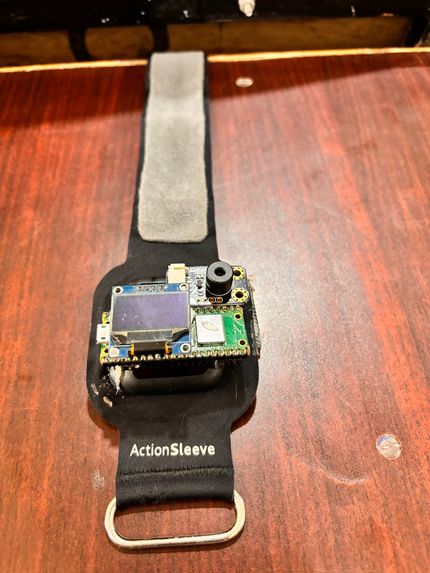
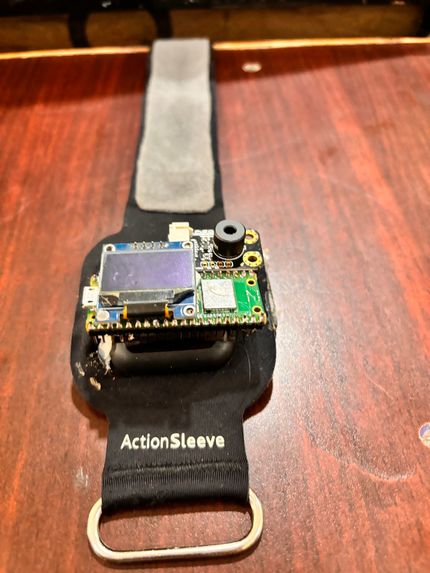
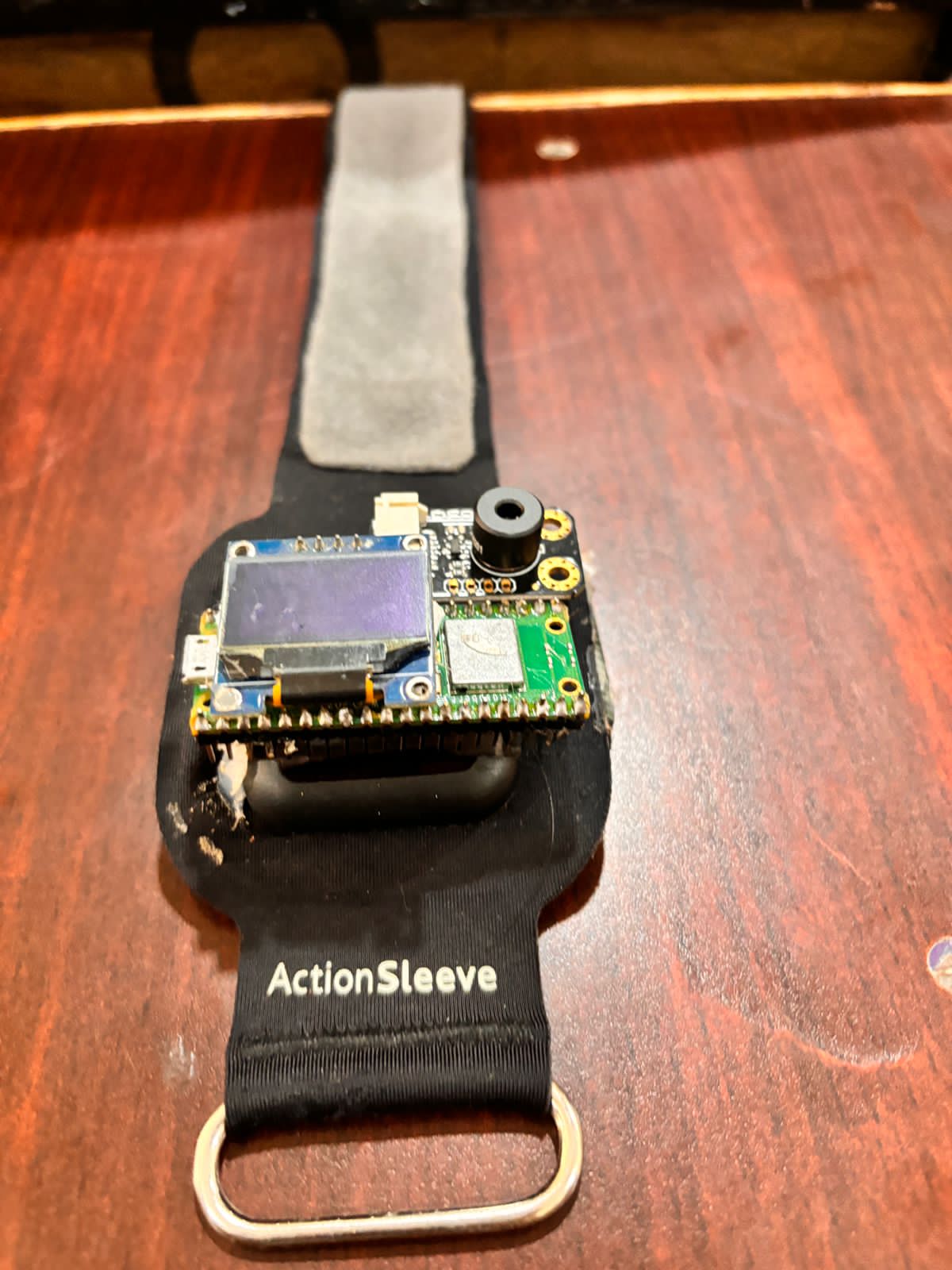
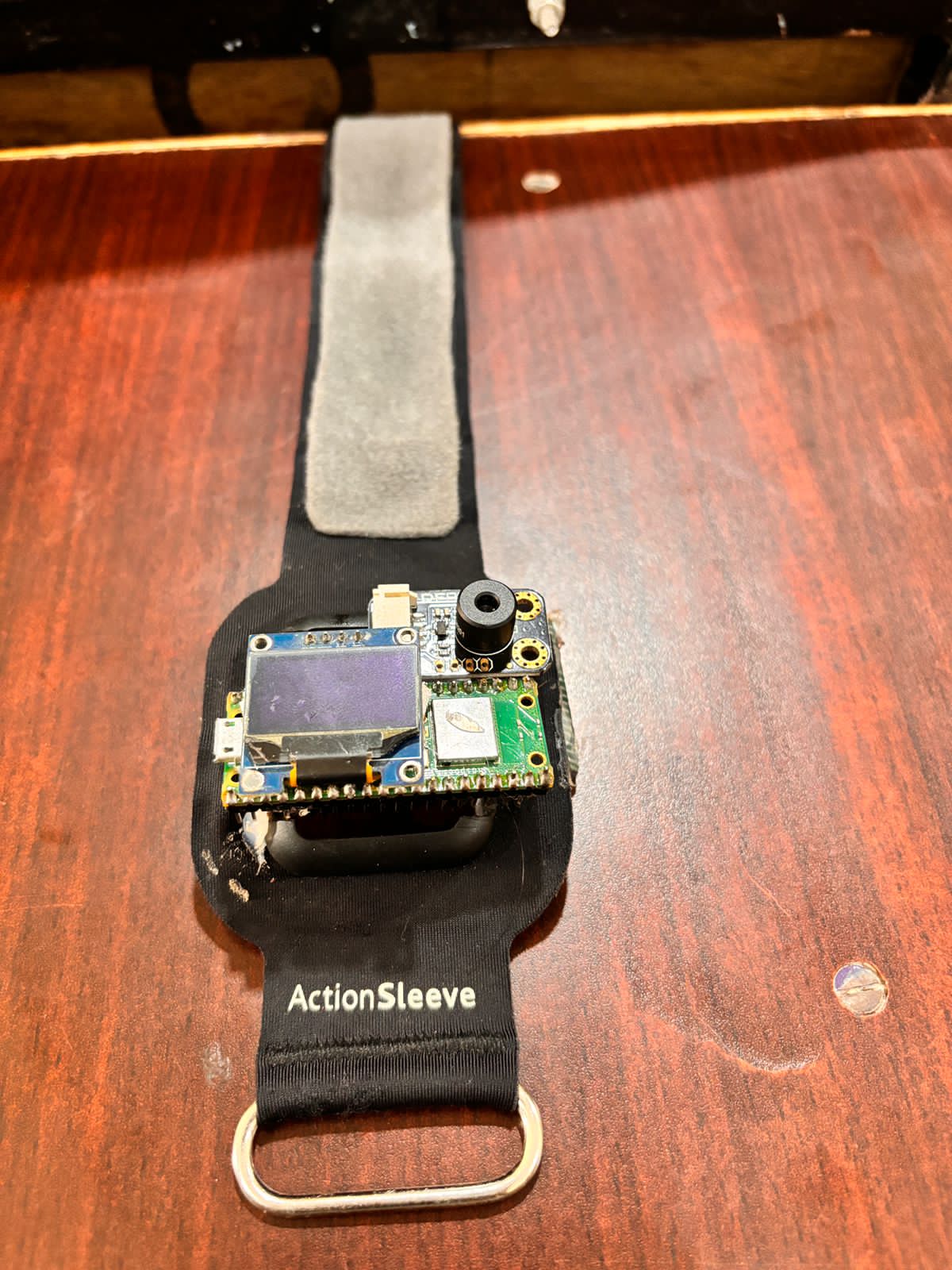
Medico healthcare device prototype
-
Inspiration
Healthcare in rural and underserved areas still faces challenges such as lack of timely diagnosis, limited access to doctors, and absence of continuous health monitoring. Many patients with cardiovascular diseases or other chronic conditions don’t get real-time medical support, which often leads to delayed treatment and severe consequences. Inspired by the need for affordable, portable, and smart healthcare solutions, we created Medico – an advanced IoT-based healthcare device that bridges this gap by providing real-time monitoring, early disease prediction, and seamless connectivity between patients, doctors, and hospitals.
What it does
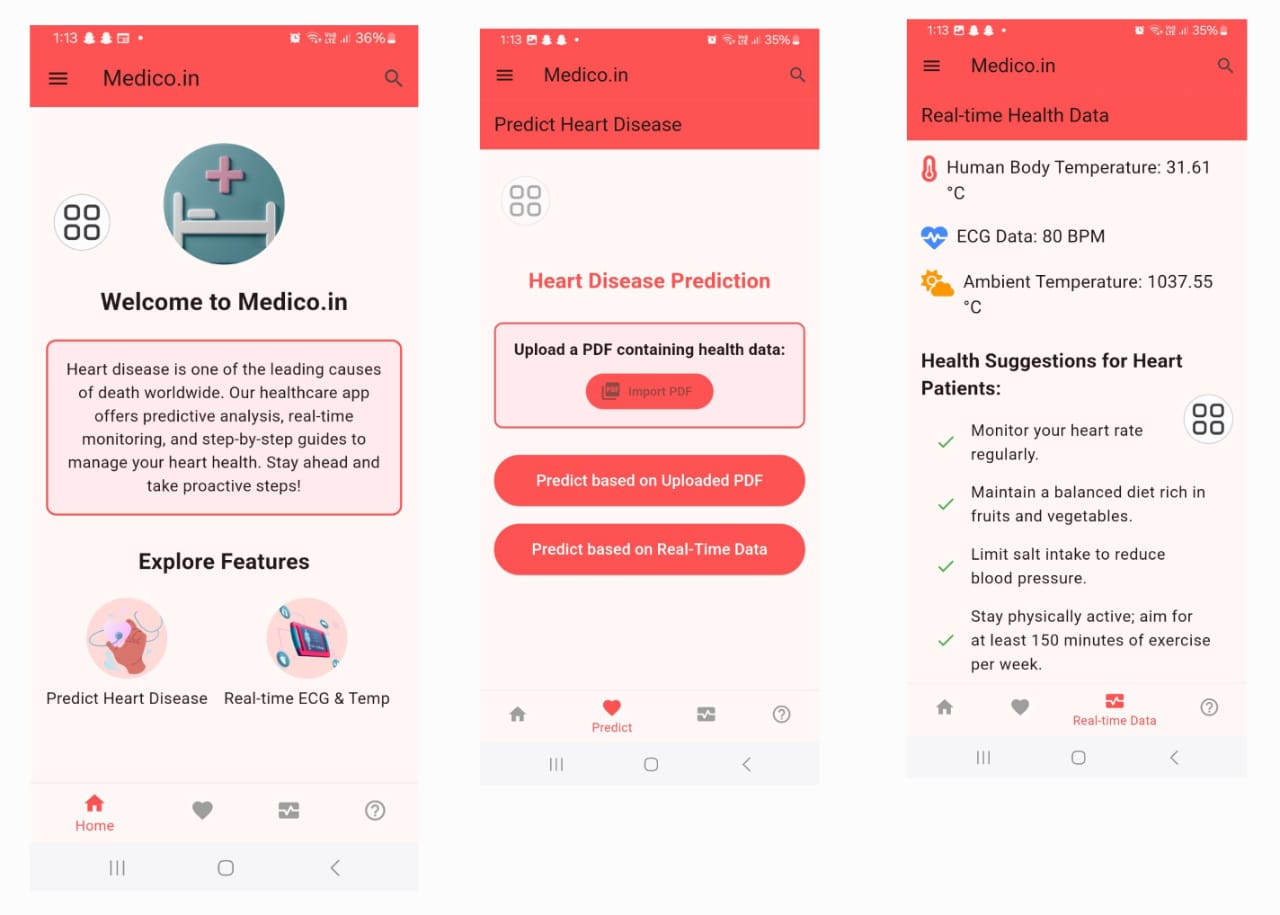
Medico is a compact and intelligent healthcare system designed to continuously track vital health parameters such as ECG, body temperature, and other biomedical signals. The device is connected with a mobile app and cloud platform to:
Monitor patient health in real-time.
Predict potential risks (like heart disease) using embedded ML algorithms.
Alert doctors, hospitals, and relatives during emergencies.
Ensure secure cloud storage of medical data for analysis and future reference.
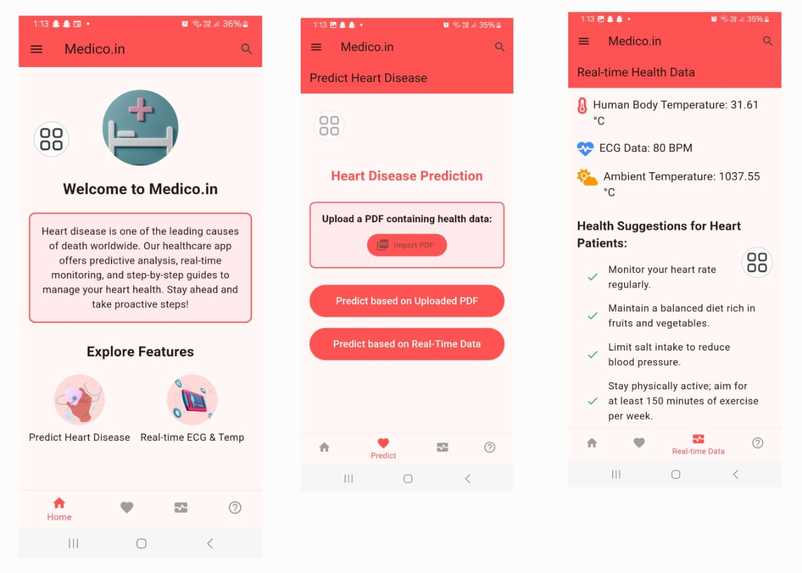
Provide a user-friendly dashboard for patients and caregivers.
In essence, Medico acts as a personal digital health assistant, making advanced healthcare monitoring accessible anywhere.
How we built it
Hardware Integration: We used ECG sensors, body temperature sensors, and ultrasonic modules connected with a microcontroller (Raspberry Pi Pico / ESP32).
IoT Connectivity: Data is transmitted to the cloud using GSM/WiFi modules and processed for real-time monitoring.
Mobile App: A Flutter-based Android app was developed to visualize vitals, generate alerts, and provide historical insights.
Cloud Backend: AWS IoT Core was integrated for data handling, storage, and secure communication.
Machine Learning: A lightweight ML model was embedded on the device for predicting heart-related risks using real-time input.
User Privacy & Security: End-to-end encryption and secure APIs were implemented for data safety.
Challenges we ran into
Ensuring low-latency real-time data transfer while keeping power consumption minimal.
Designing a compact PCB layout that accommodates multiple sensors.
Integrating multiple data formats (ECG signals, temperature, ultrasonic readings) into a uniform structure for cloud transmission.
Building a robust alert mechanism that works even in poor network conditions.
Maintaining accuracy of ML predictions while running on a resource-constrained embedded system.
Accomplishments that we're proud of
Successfully developed a working prototype of the Medico healthcare device.
Implemented a seamless mobile app + cloud integration for real-time monitoring.
Achieved early prediction of heart disease risks through embedded ML.
Created a solution that is affordable, scalable, and deployable in rural/remote areas.
Recognition and appreciation during tech events, hackathons, and internal showcases.
What we learned
Deep insights into IoT-based healthcare system design.
Hands-on experience with real-time data handling, cloud integration, and ML deployment on embedded systems.
The importance of user-centric design for healthcare devices, where reliability and simplicity matter as much as technical innovation.
How to collaborate as a team to overcome both technical and non-technical challenges.
What's next for Medico – Advanced Healthcare Device
Adding more biomedical sensors like SpO2, blood pressure, and glucose monitoring.
Improving battery efficiency and making the device more portable for long-term use.
Expanding the AI capabilities to predict a wider range of diseases using historical health data.
Integrating telemedicine features, enabling direct video consultation with doctors through the app.
Pilot testing in rural healthcare centers and partnering with hospitals for real-world deployment.
Scaling Medico into a commercial product to bring affordable advanced healthcare to millions.
Built With
- android-studio
- c++
- dart
- embeddedc
- esp32
- express.js
- firebase
- flutter
- iot
- node.js
- raspberry-pi
- sensor

Log in or sign up for Devpost to join the conversation.