-
ai analysis
Inspiration
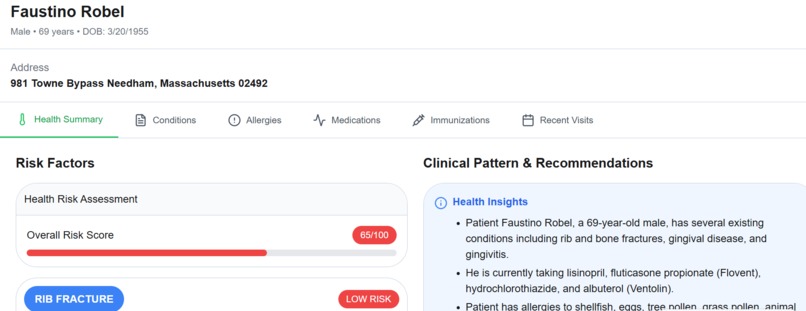
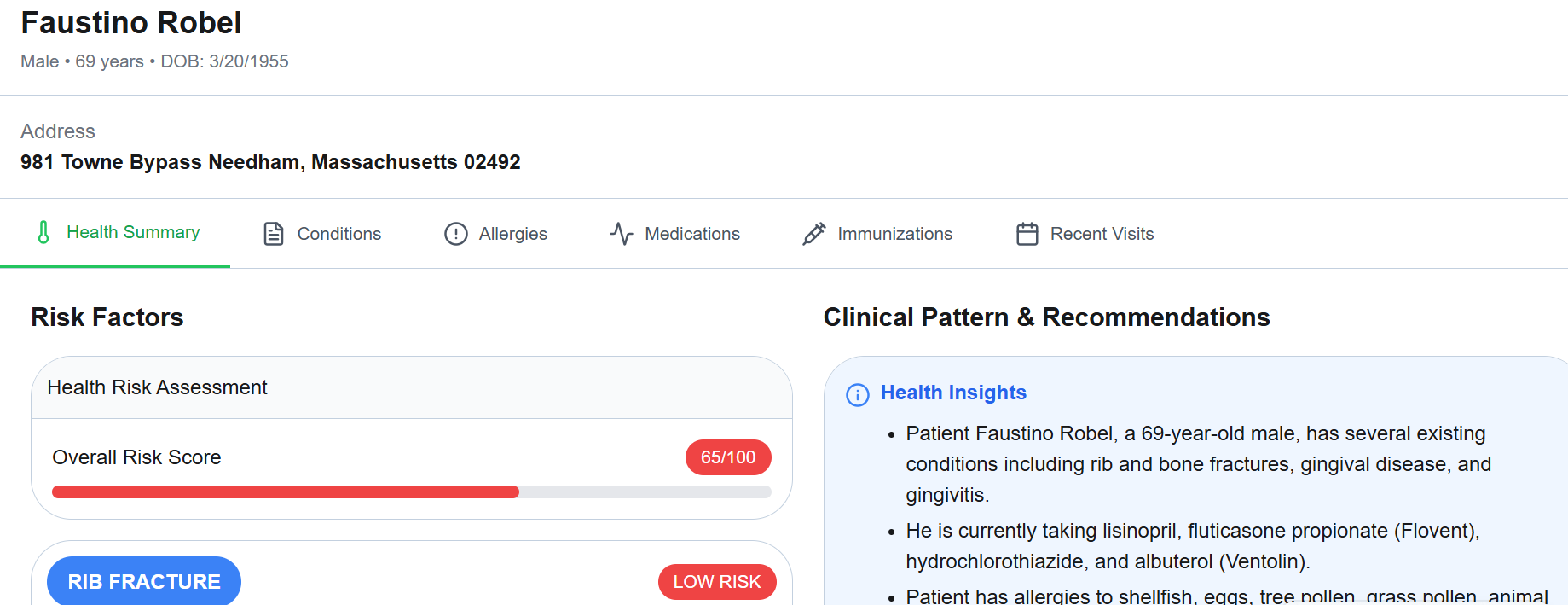
Medici integrates with Epic EHRs via the MeldRx API to access patient data in FHIR format. It employs large language models to analyze this data, predict potential allergies, and offer detailed evaluations of patient health records. The application provides healthcare providers with predictive insights and comprehensive analyses to support informed decision-making.
What it does
Medici integrates with Epic EHRs via the MeldRx API to access patient data in FHIR format. It employs large language models to analyze this data, predict potential allergies, and offer detailed evaluations of patient health records. The application provides healthcare providers with predictive insights and comprehensive analyses to support informed decision-making.
How we built it
Medici is an AI-driven healthcare solution that analyzes patient data using MeldRx FHIR API, Next.js, and Google Gemini AI. Here's how we built it:
🏗️ 1. Frontend Development with Next.js
We built the Medici UI using Next.js, ensuring a seamless and responsive experience for healthcare providers. The frontend integrates with the MeldRx FHIR API, allowing us to fetch real-time patient data, including:
✅ Demographics (Name, Gender, Date of Birth)
✅ Conditions (Diagnosed illnesses)
✅ Medications (Prescriptions and timestamps)
✅ Observations (Lab results, vital signs)
✅ Procedures (Past treatments and surgeries)
✅ Allergies & Immunizations (Recorded allergic reactions and vaccine history)
✅ Encounters (Medical visits and consultations)
We use React hooks and SWR (stale-while-revalidate) to fetch and update patient data efficiently.
⚙️ 2. Backend: Express.js & CDS Hooks for AI Processing
The backend is built using Express.js and serves as a CDS Hooks (Clinical Decision Support) service. When a doctor views a patient profile, Medici automatically fetches the patient's FHIR data and sends it to Google Gemini 1.5 Flash for analysis.
Challenges we ran into
Compliance: Adhering to healthcare regulations and ensuring that the application met all FHIR AI application requirements necessitated thorough validation and testing.
What we learned
The development of Medici provided valuable insights into:
FHIR Standards: Deepened our understanding of FHIR standards and their application in healthcare data integration.
AI in Healthcare: Gained experience in applying large language models to healthcare data for predictive analytics.
Regulatory Compliance: Enhanced our knowledge of healthcare regulations and the importance of compliance in application development.
What's next for medici
Built With
- fastapi
- gemini
- meldrx
- nextjs


Log in or sign up for Devpost to join the conversation.