-
-
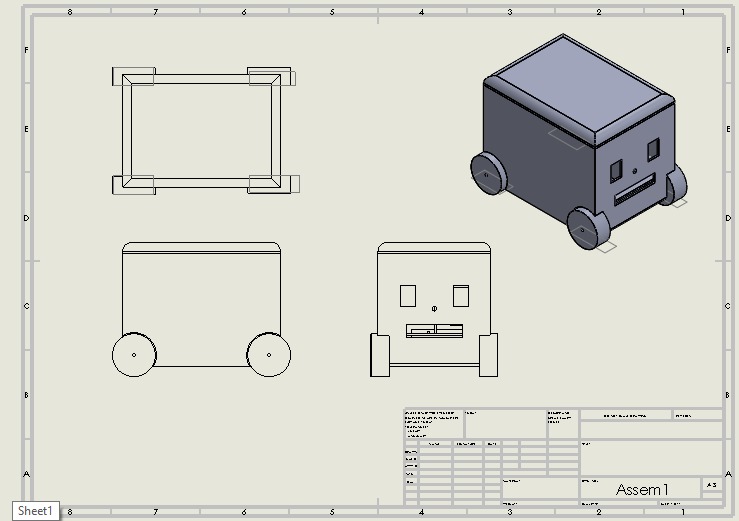
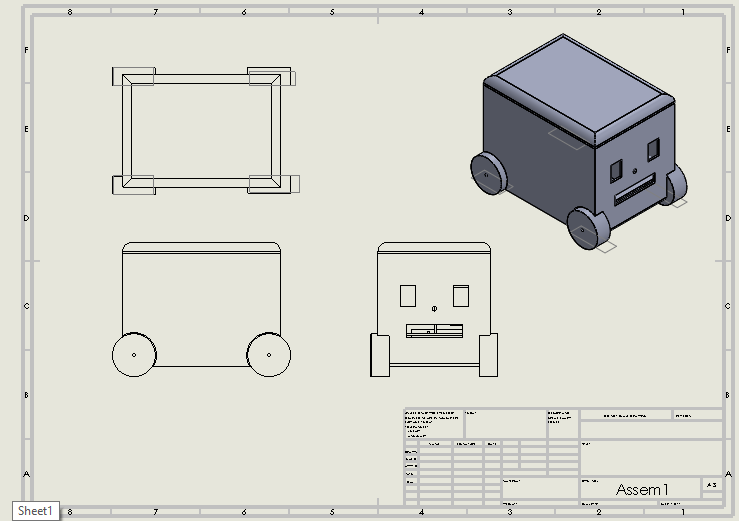
Robot Drawing/Model
-
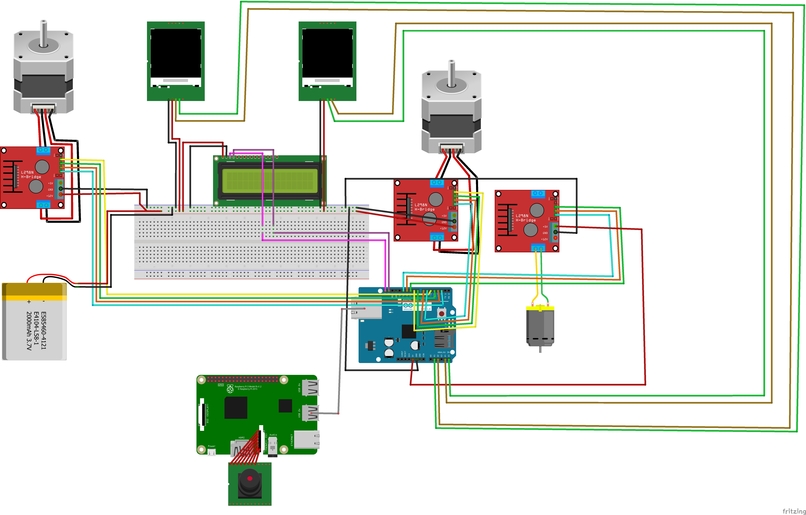
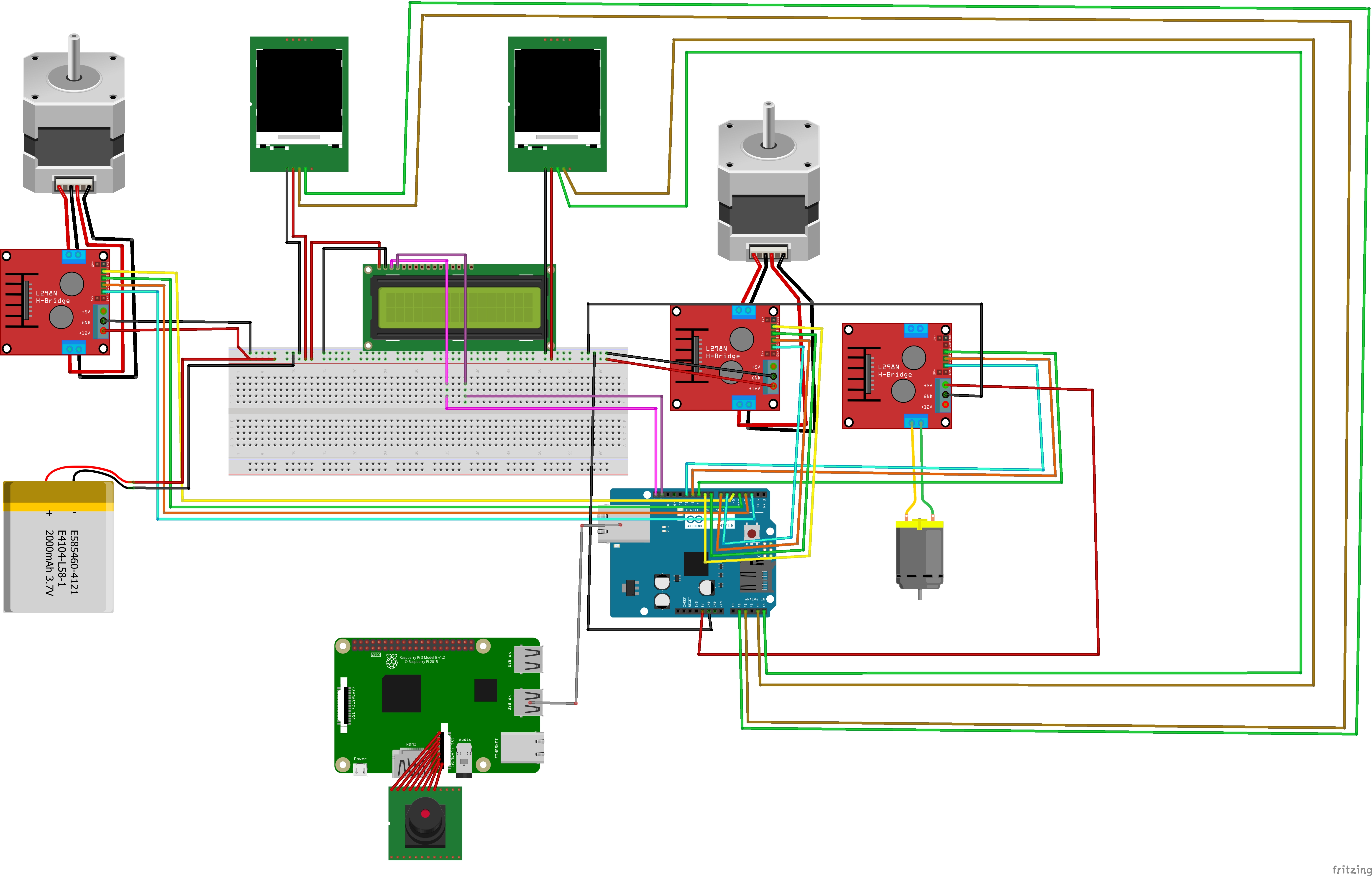
Wiring Diagram
-
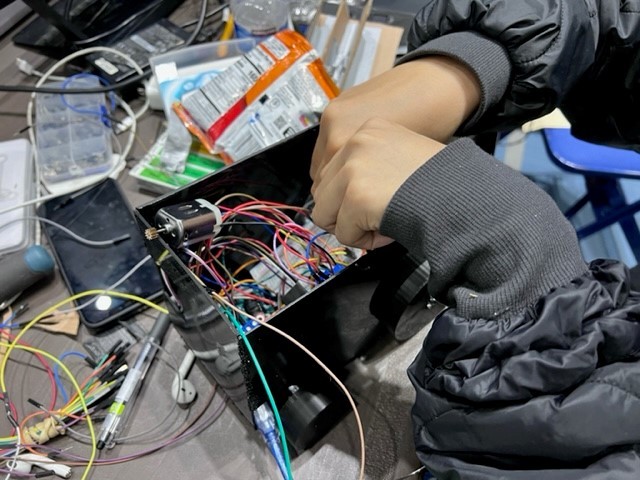
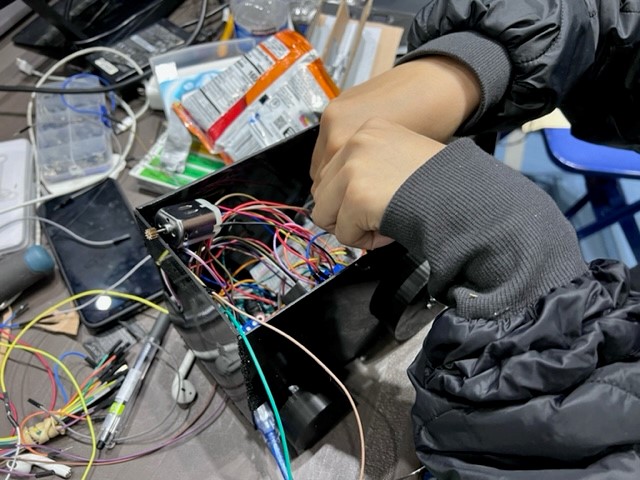
Wiring the Inside
-
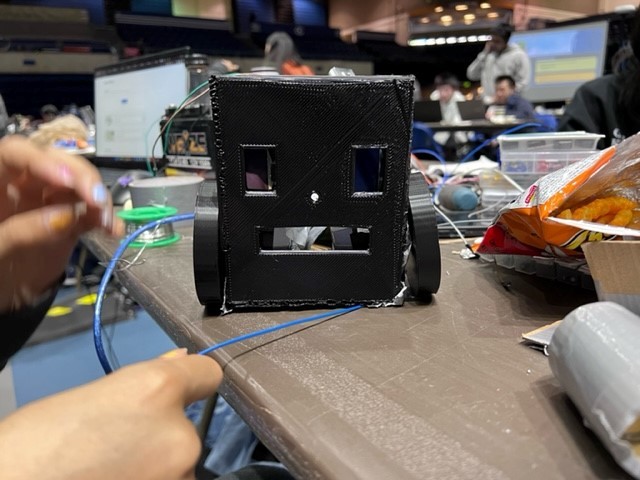
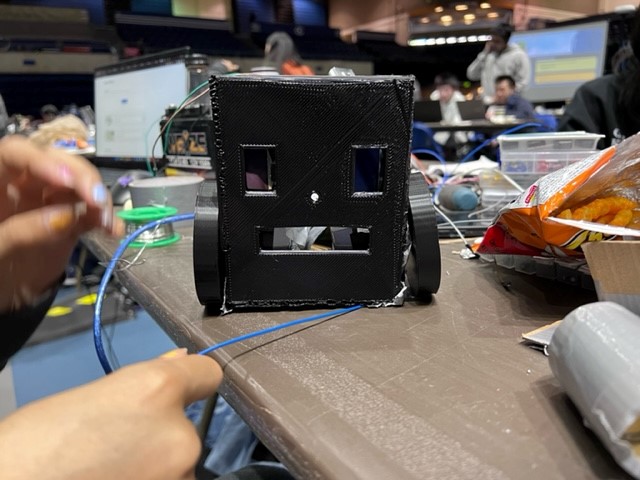
Front View of the Robot
-
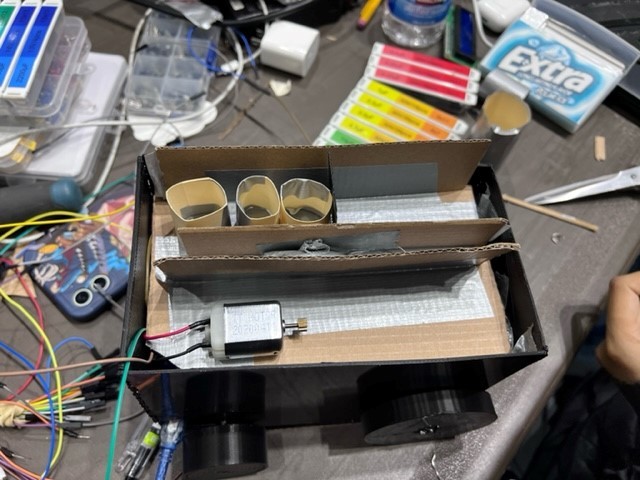
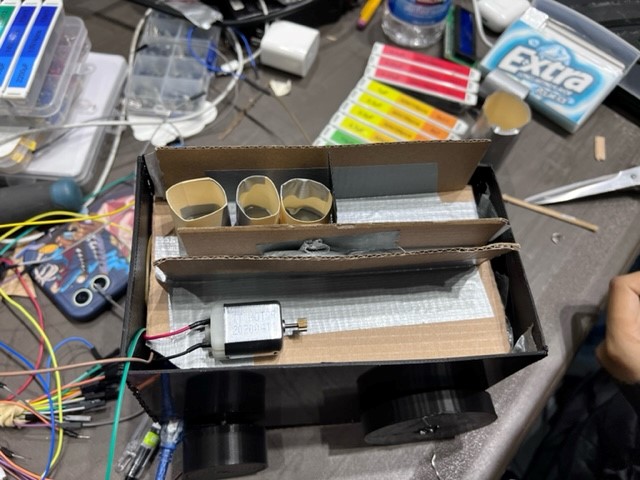
Working on the Dispersion Mechanism
-
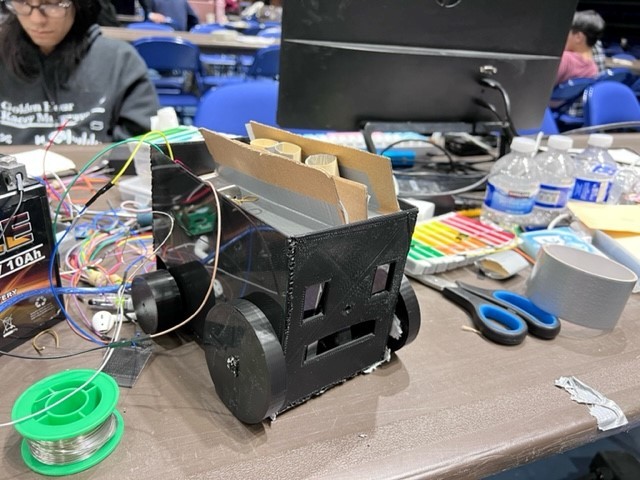
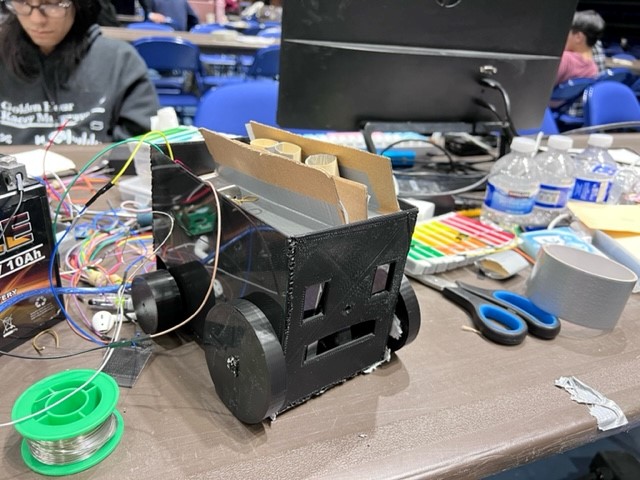
Final Robot
Inspiration
It's a very nerve-wracking time to be a nurse right now. There was a news article that was brought to our attention that wrote about a nurse who administered incorrect medications to a patient. As a result of this mistake, the patient sadly died. These mistakes happen commonly and usually result in no harm to the patient. However, this nurse, in particular, is being charged with life in prison due to the patient's death. To prevent nurses from making similar mistakes in the future, we chose to design a robot to aid in delivering prescribed medicine.
What it does
Our project goal is to create a companion for nurses in long-term healthcare settings. The robot is designed to travel with nurses and help with the daily tasks that need great amounts of attention and care. Our main focus would be helping with the accuracy and efficiency of medication delivery. The nurse travels with the robot and the robot scans the patient's identification pin code to determine the exact medications prescribed to the patient. The robot, then, dispenses the correct dosage of medication alongside the nurse, who is authenticating the administration.
How we built it
The robot is controlled with a Raspberry pi for camera detection. It's also controlled via an Arduino for basic motor control, including the Stepper motors that run the wheels and the Servo motor that we used for the pill dispensing function. The raspberry pi then communicates with the Arduino and signals it which way to move. We designed the robot in Solidworks and used PLA film to print the casing on a 3D printer.
Challenges we ran into
The first and largest challenge we ran into was the time restriction as waiting for the model to 3D print would take most of the work period up. The casing initially was going to take 2 and a half days to print as one piece. However, we decided to split the walls into separate pieces, reducing our printing time to 6 hours. With that being said, we also had a lot of troubleshooting with the 3D printer itself and the adhesion not working and the bed not being leveled. We also had to alter the functionality of the robot to satisfy size and material constraints. Oftentimes, we had to learn new techniques on the spot. An example of this was when one of our teammates went from zero coding experience to learning how to the Arduino to control the motors in the robot.
Accomplishments that we're proud of
Some accomplishments we are proud of is finishing the CAD in the first 3 hours of the competition, which allowed us to 3D print the robot within the time frame. As aforementioned, we also were very proud of being able to cut the original print time from 2 days to 6 hours.
What we learned
Skillwise, one of our members learned how to code an Arduino. However, the most important skills we learned and honed were often interpersonal. We learned the important role of communication, patience, and timing in collaborative work. There is a great deal of taking initiative and also respecting each other's decisions and opinions that really allow for change and improvement.
What's next for Medicart
In the next steps for Medicart, we will sync the robot to a database system, allowing it to pull direct information from the patient's medical records. Additionally, we want to implement an application system in which doctors and nurses can update the database in real-time, allowing for more efficient distributions of medications.

Log in or sign up for Devpost to join the conversation.