-
-
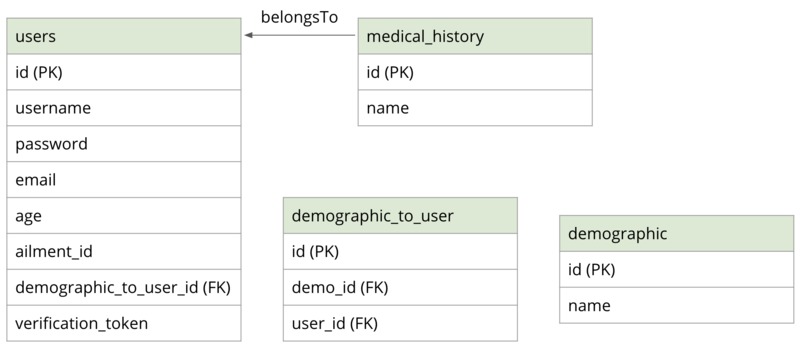
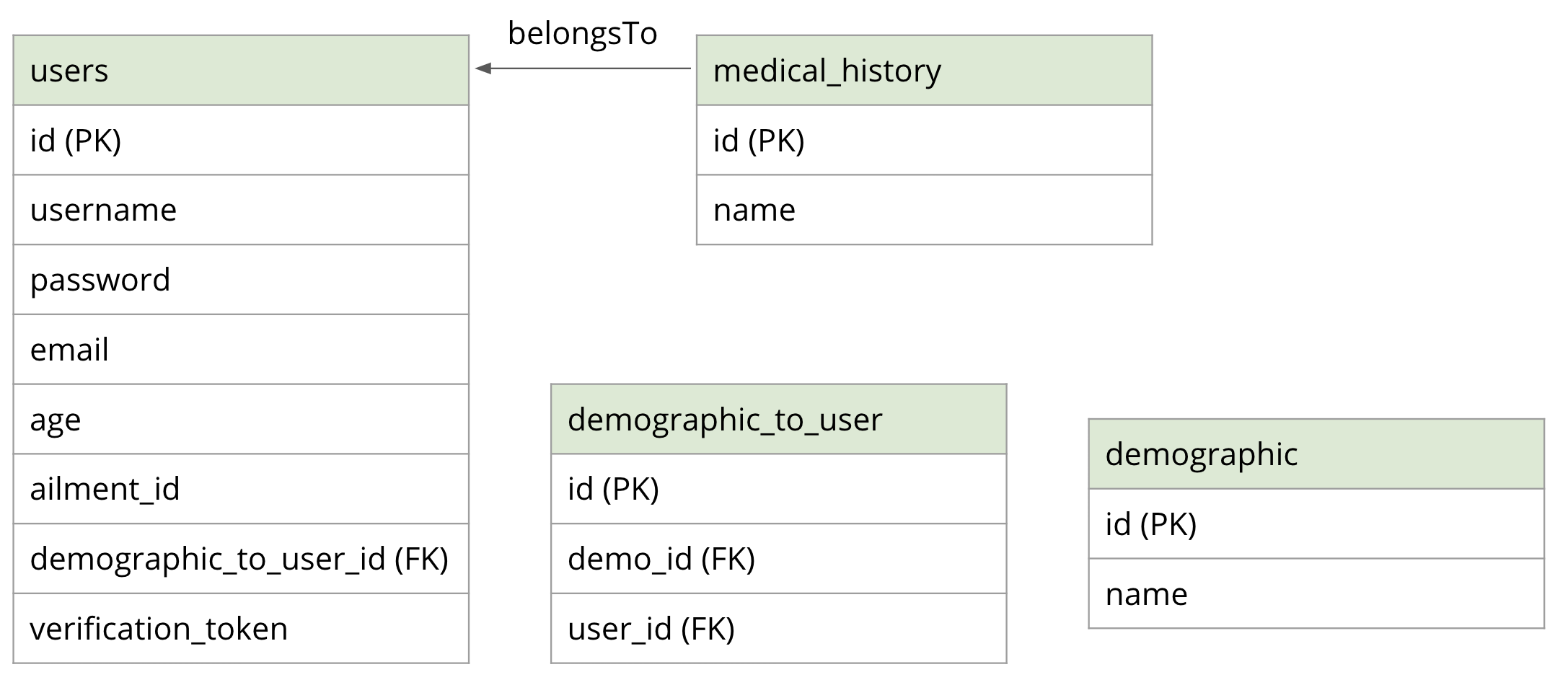
database schema designs - users
-
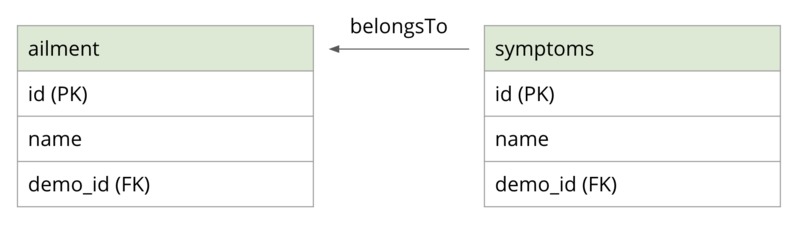
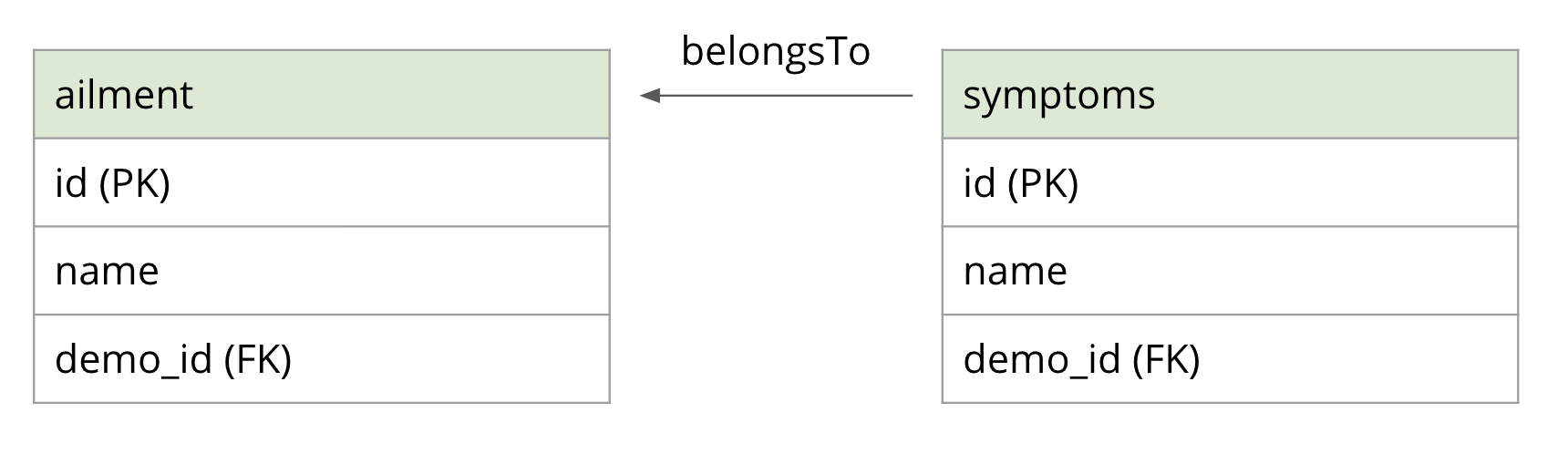
database schema designs - ailments
-
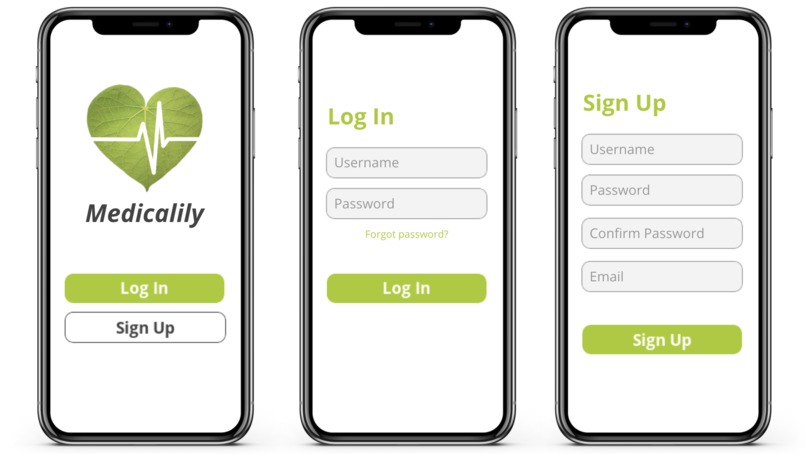
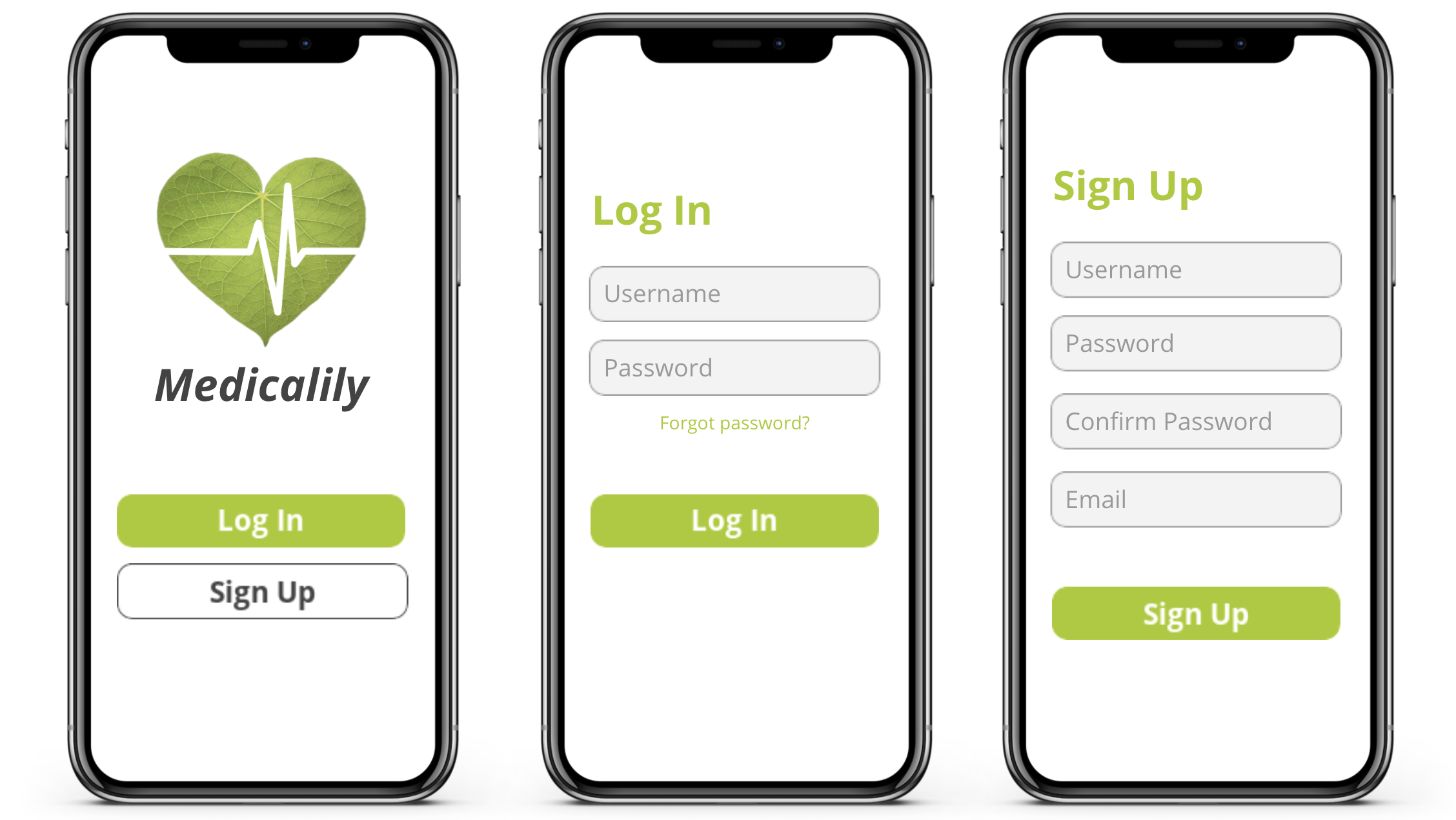
sample screens - set 1
-
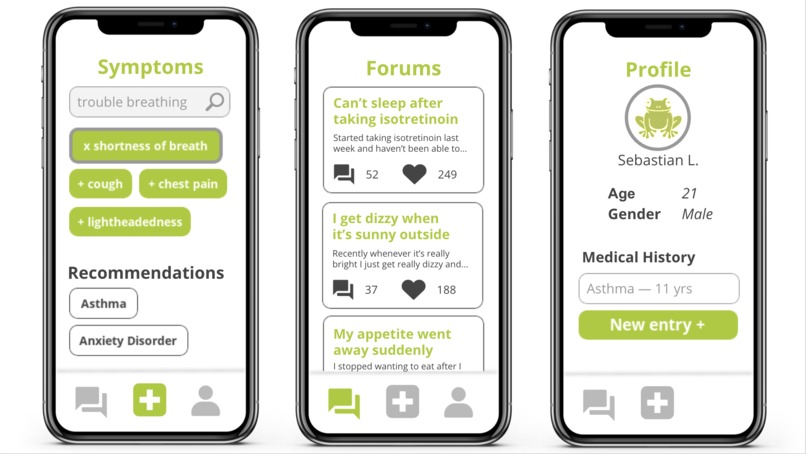
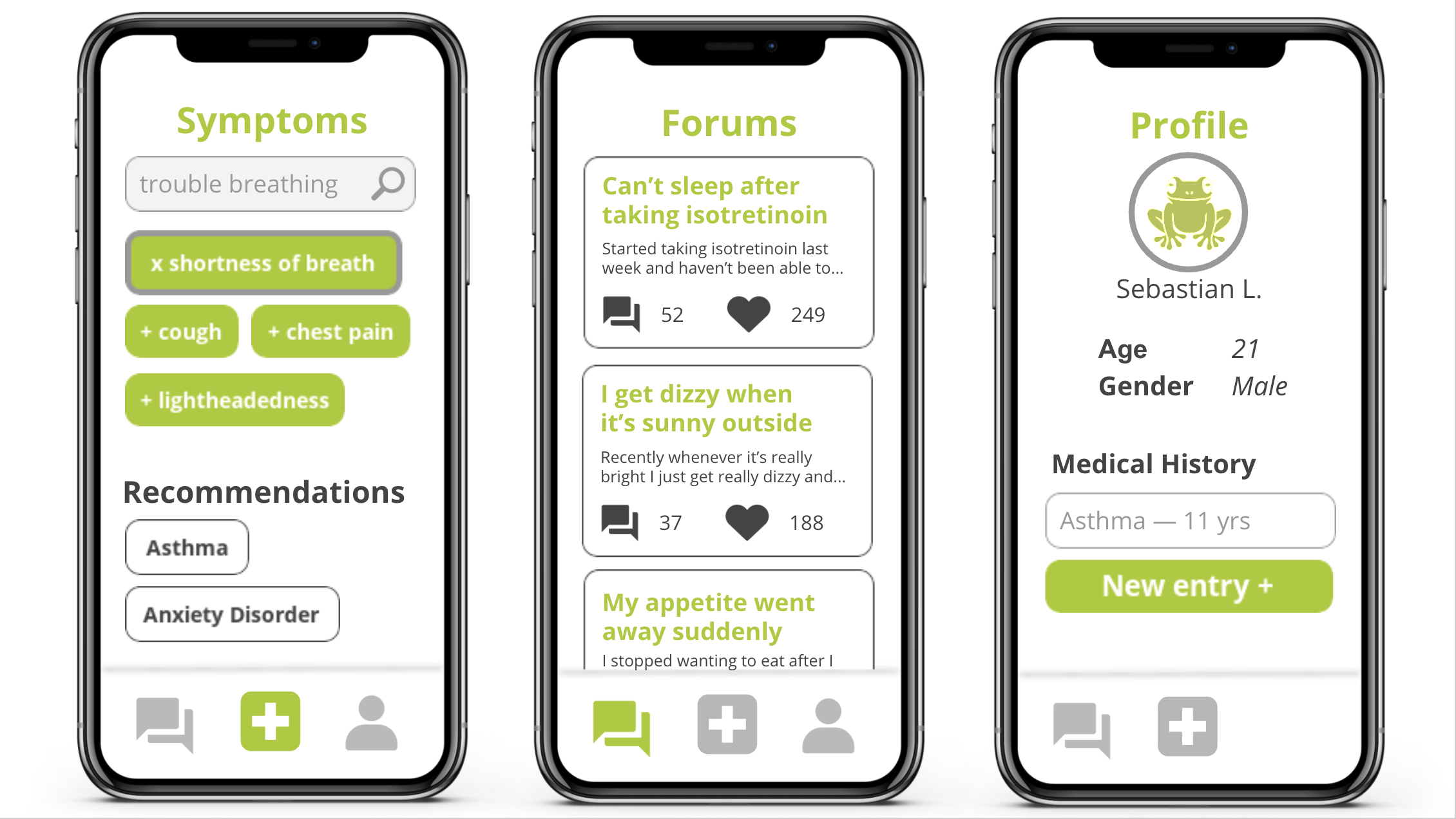
sample screens - set 2
Inspiration
Approximately 12 million people are affected by medical diagnostic errors in the United States each year, with women and minorities being disproportionately affected. It is an issue that requires scrutinizing the current infrastructure without undermining the patient's trust in the medical system. We wanted to create an application that would address this and found the perfect means to do so with the urban innovation track.
What it does
Medicalily strives to use the power of crowdsourcing to create a database of symptoms and diagnoses to keep medical providers and patients informed. We aim to create a community-driven aggregation of resources that empowers patients to remain aware of topics regarding their health.
How we built it
Much of the planning for the application centered around building a classic standard client-server model. We made sample screens as a general guideline for what functionalities we would want to see implemented in the backend, then proceeded to create data models in accordance to those plans. Once the data models were nailed down, we could start implementing and testing web services bit by bit with a cloud database.
Challenges we ran into
When we approached the list of challenges for the hackathon, we decided to explore CockroachDB and invest some time into incorporating it into our project. For us, it was our first time interfacing with this specific cloud database and we ran into many issues regarding how to connect the cluster to the ORM we were using. This was a major source of confusion and hindered development for a significant amount of time.
Accomplishments that we're proud of
We are especially proud of our user registration and verification system. It was our first time tackling email verification using the nodemailer module from Node.js. Watching an email successfully pop up in our inbox was a definite victory.
What we learned
This project allowed us to do a deep dive into backend development with Express.js and Sequelize. We designed a rather complex data model, which opened up lots of unexplored territory. We were able to explore Sequelize's associations and figure out how to construct web services around them.
What's next for Medicalily
Our current implementation covers basic user functionality. With more time and resources we could implement a filtration system for user-reported symptoms and diagnoses. We also plan to add demographic tags to popular posts as an additional point of interest for users.
Built With
- cockroachdb
- express.js
- javascript
- jwt
- node.js
- react-native
- sequelize
- sql

Log in or sign up for Devpost to join the conversation.