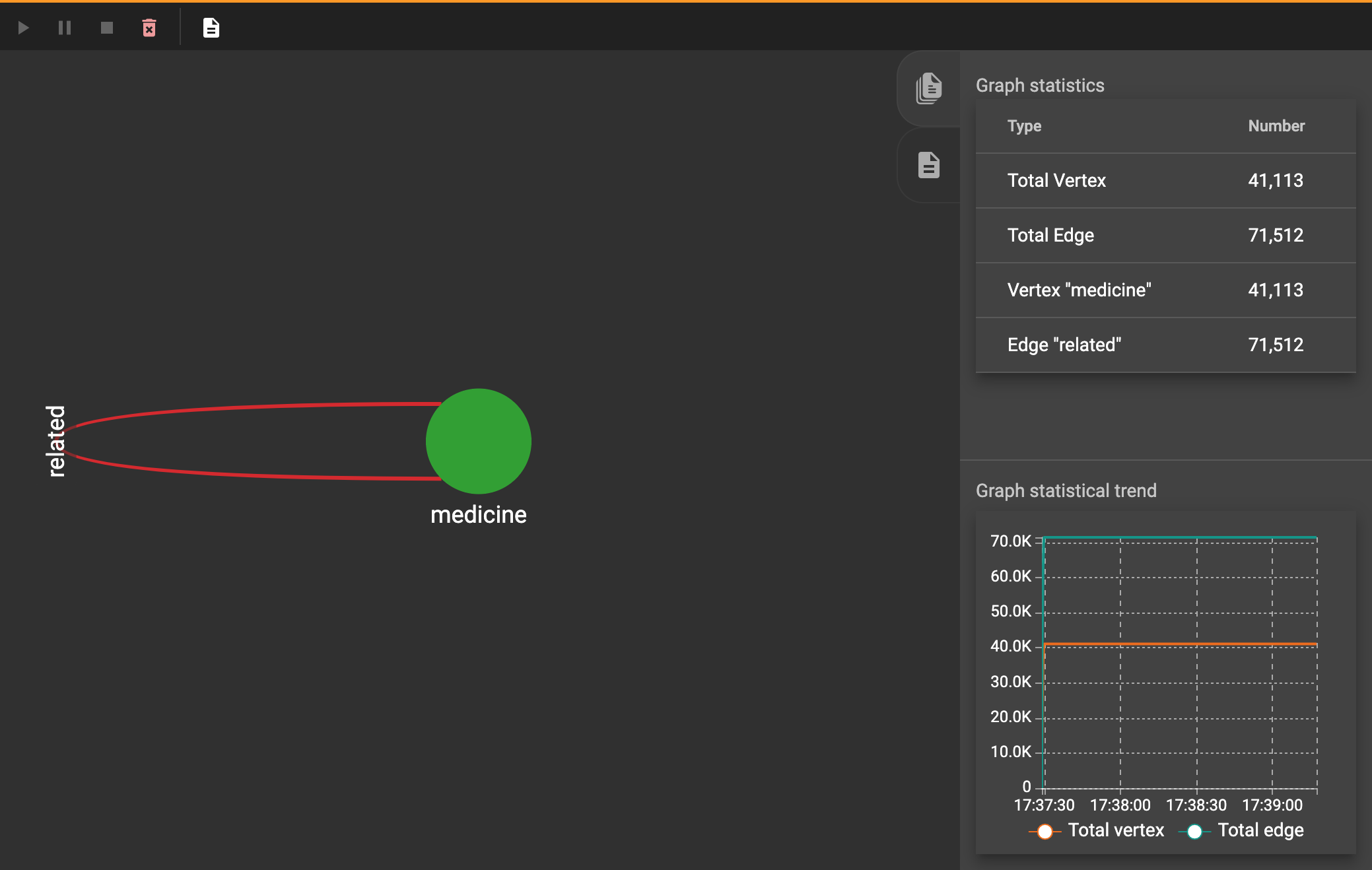
Medical Graph consists of various products that uses healthcare data to identify and learn from the “natural experiments” going on within the healthcare system as doctors and patients seek to find novel ways to address their illnesses.
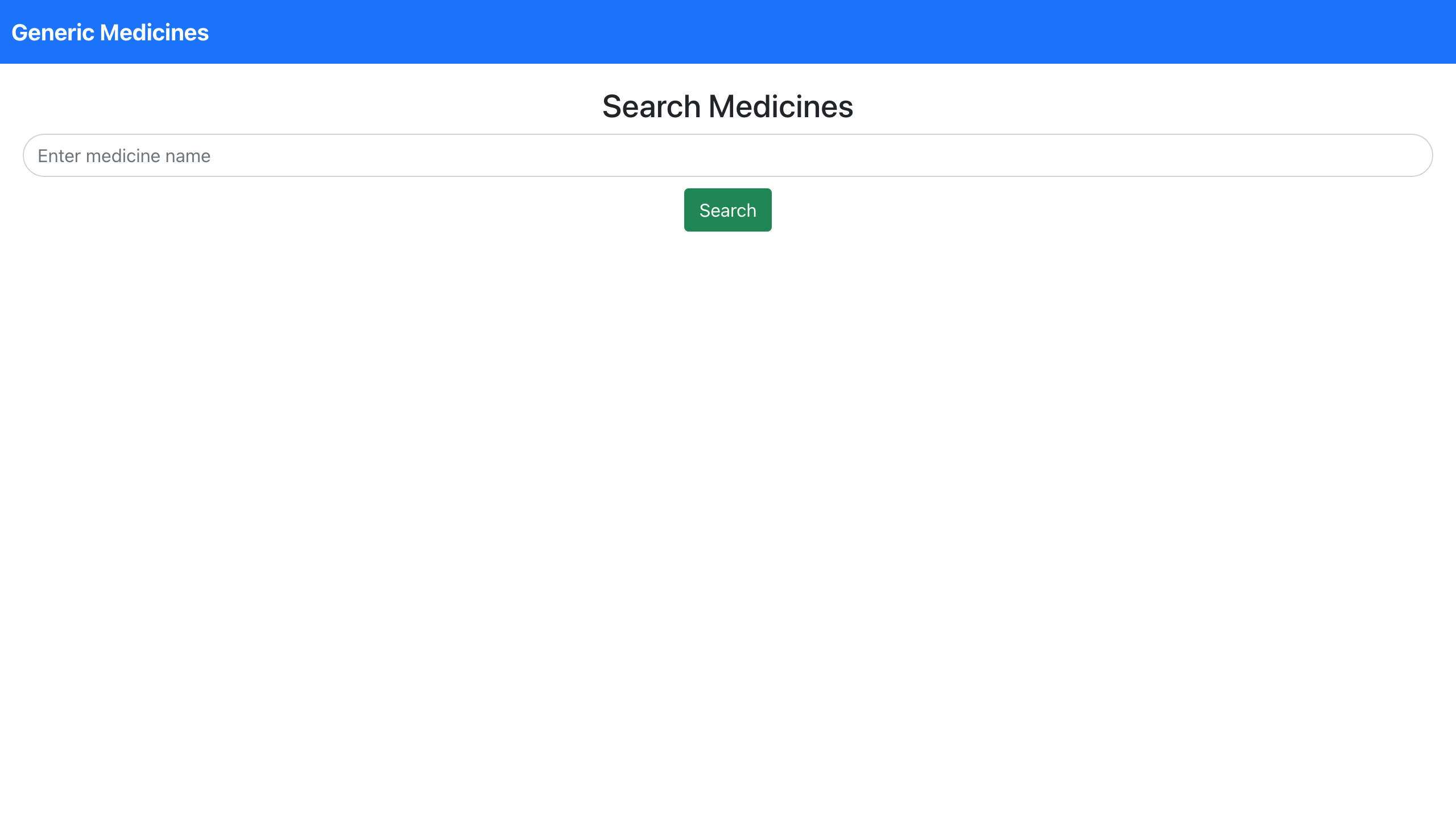
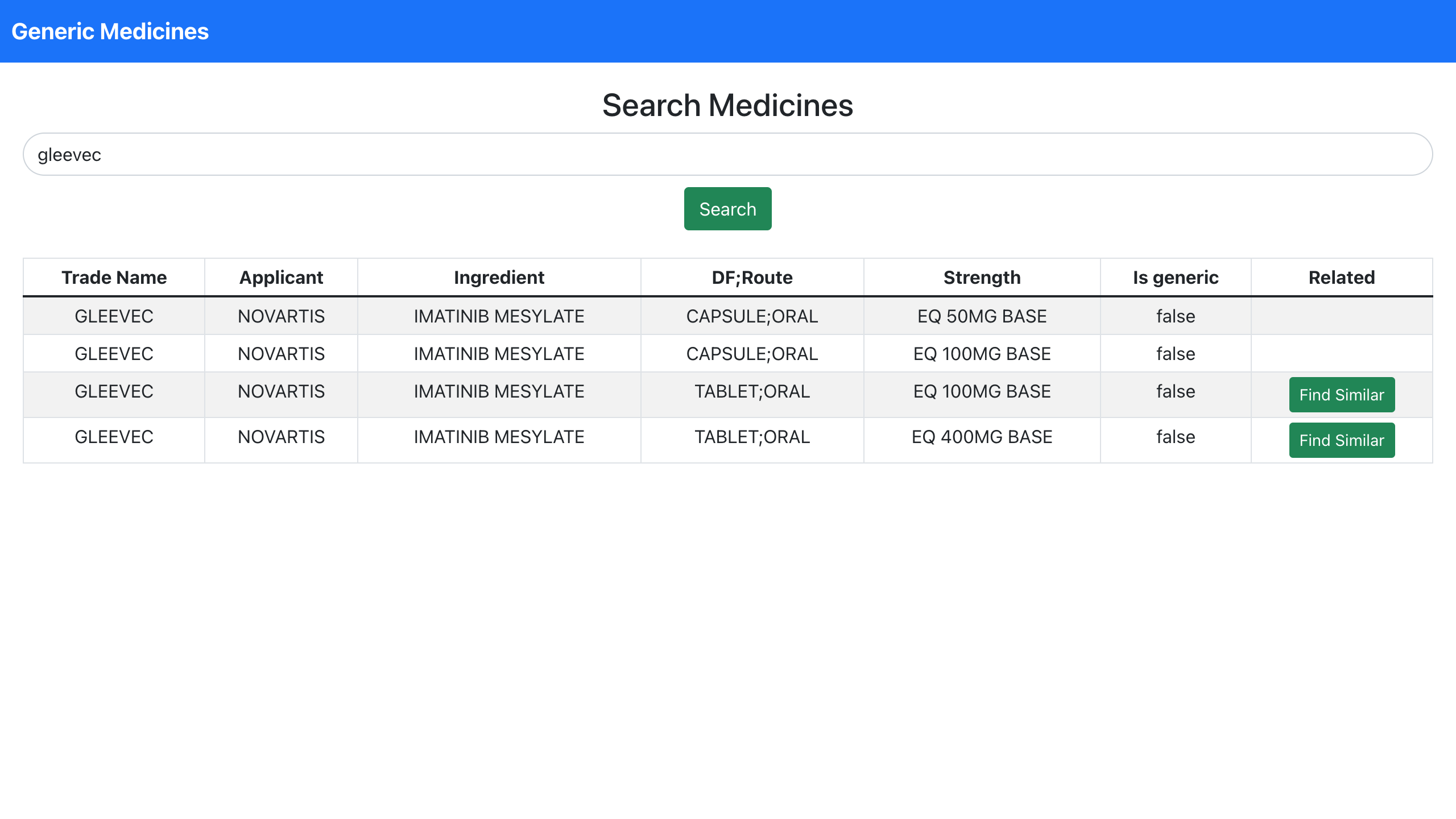
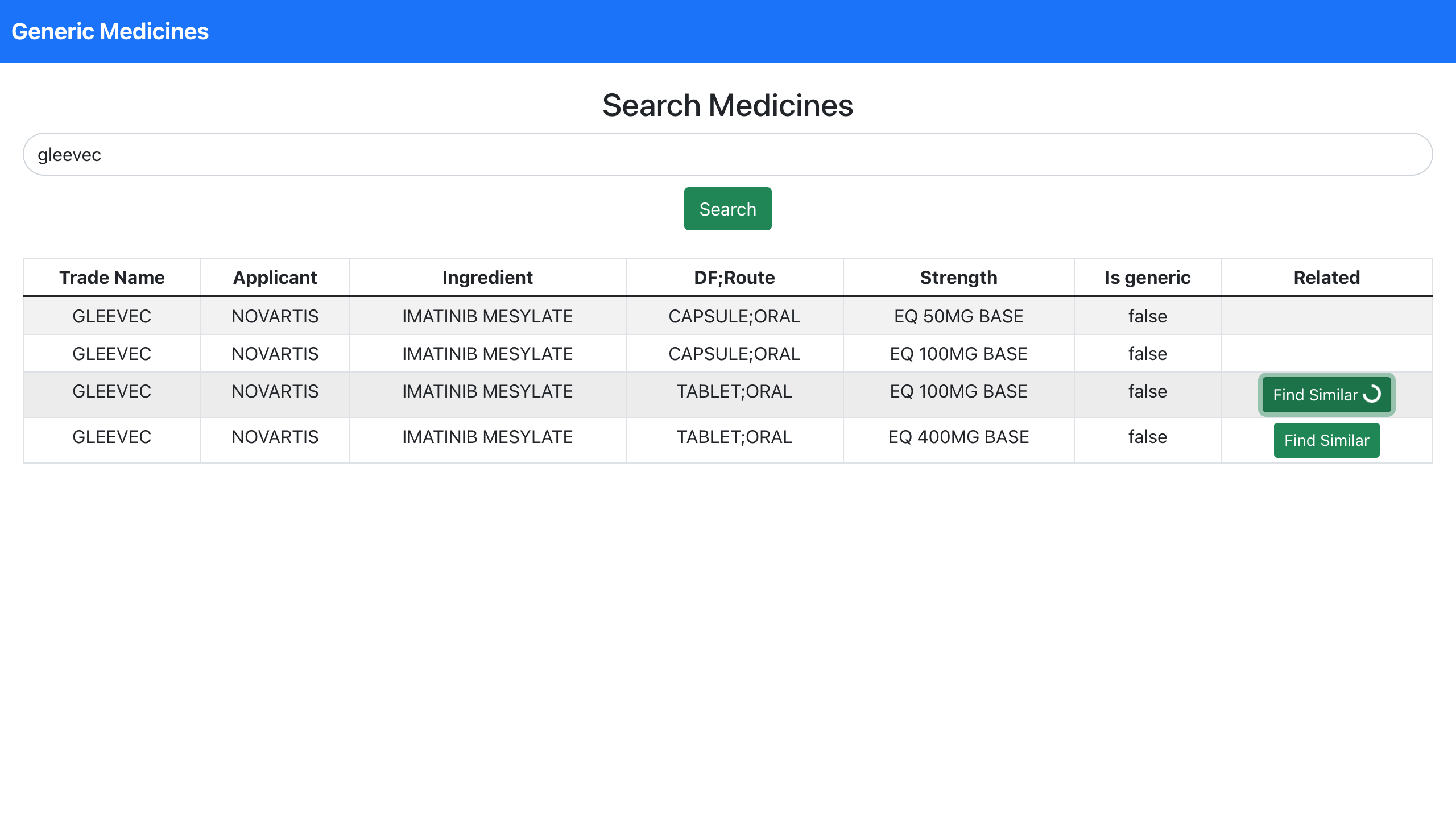
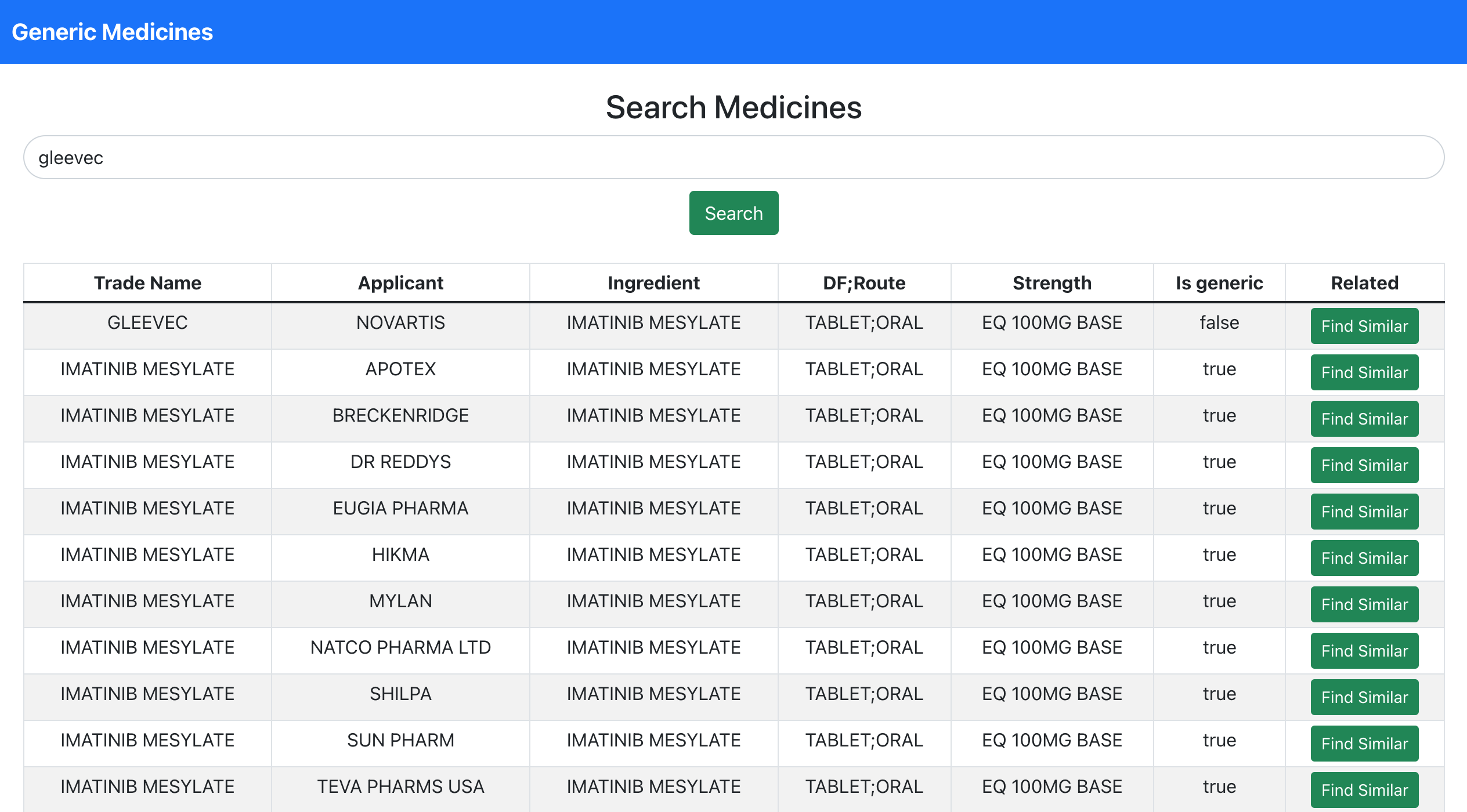
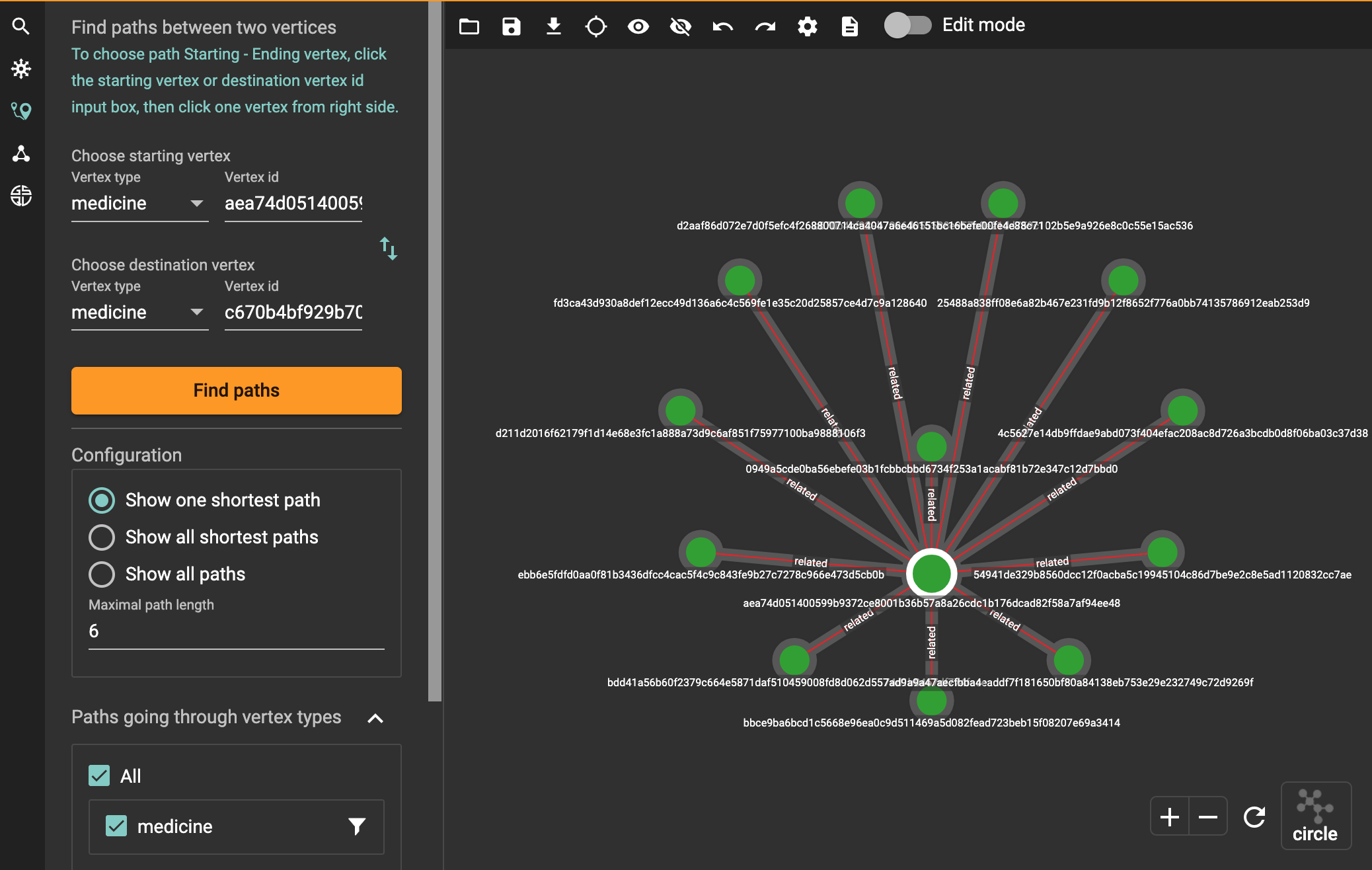
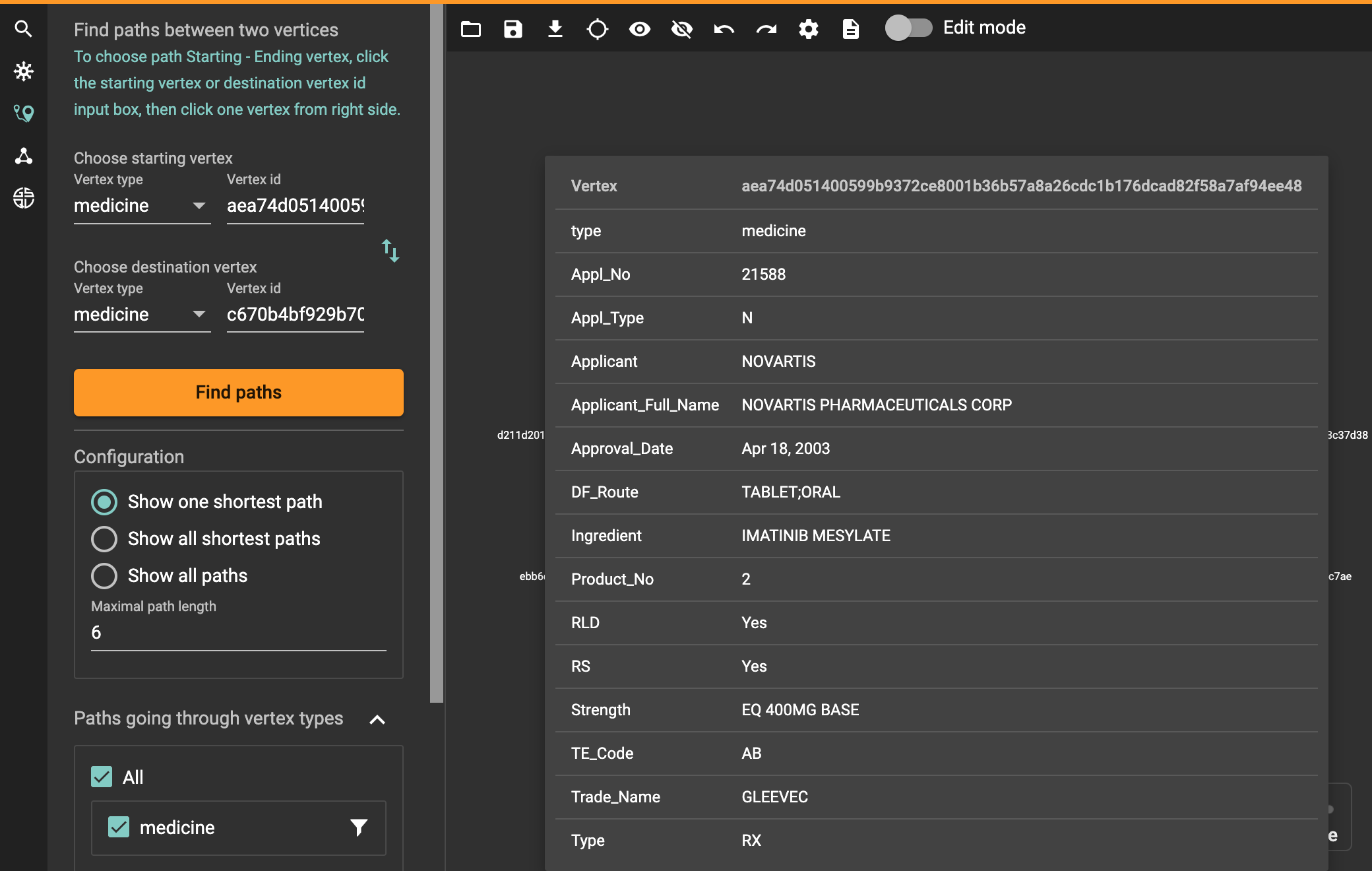
The first product is for Generic Medicines. Using this, you can easily find generic equivalents of brand name medicines. It uses TigerGraph to find connections between various medicines based on ingredient, dosage form, route of administration and strength. As per FDA, a generic medicine is a medication created to be the same as an already marketed brand-name medicine in dosage form, safety, strength, route of administration, quality, performance characteristics, and intended use. These similarities help to demonstrate bioequivalence, which means that a generic medicine works in the same way and provides the same clinical benefit as the brand-name medicine. In other words, you can take a generic medicine as an equal substitute for its brand-name counterpart. Generic medicines are approved only after a rigorous review by FDA and after a set period of time that the brand product has been on the market exclusively. This is because new medicines, like other new products, are usually protected by patents that prohibit others from making and selling copies of the same medicine. As per FDA, generic medicines tend to cost less than their brand-name counterparts because generic medicine applicants do not have to repeat animal and clinical (human) studies that were required of the brand-name medicines to demonstrate safety and effectiveness. The reduction in upfront research costs means that, although generic medicines have the same therapeutic effect as their branded counterparts, they are typically sold at substantial discounts, an estimated 80 to 85% less, compared with the price of the brand-name medicine. According to the IMS Health Institute, generic medicines saved the U.S. healthcare system nearly $2.2 trillion from 2009 to 2019. When multiple generic companies are approved to market a single product, more competition exists in the marketplace, which typically results in lower prices for patients.
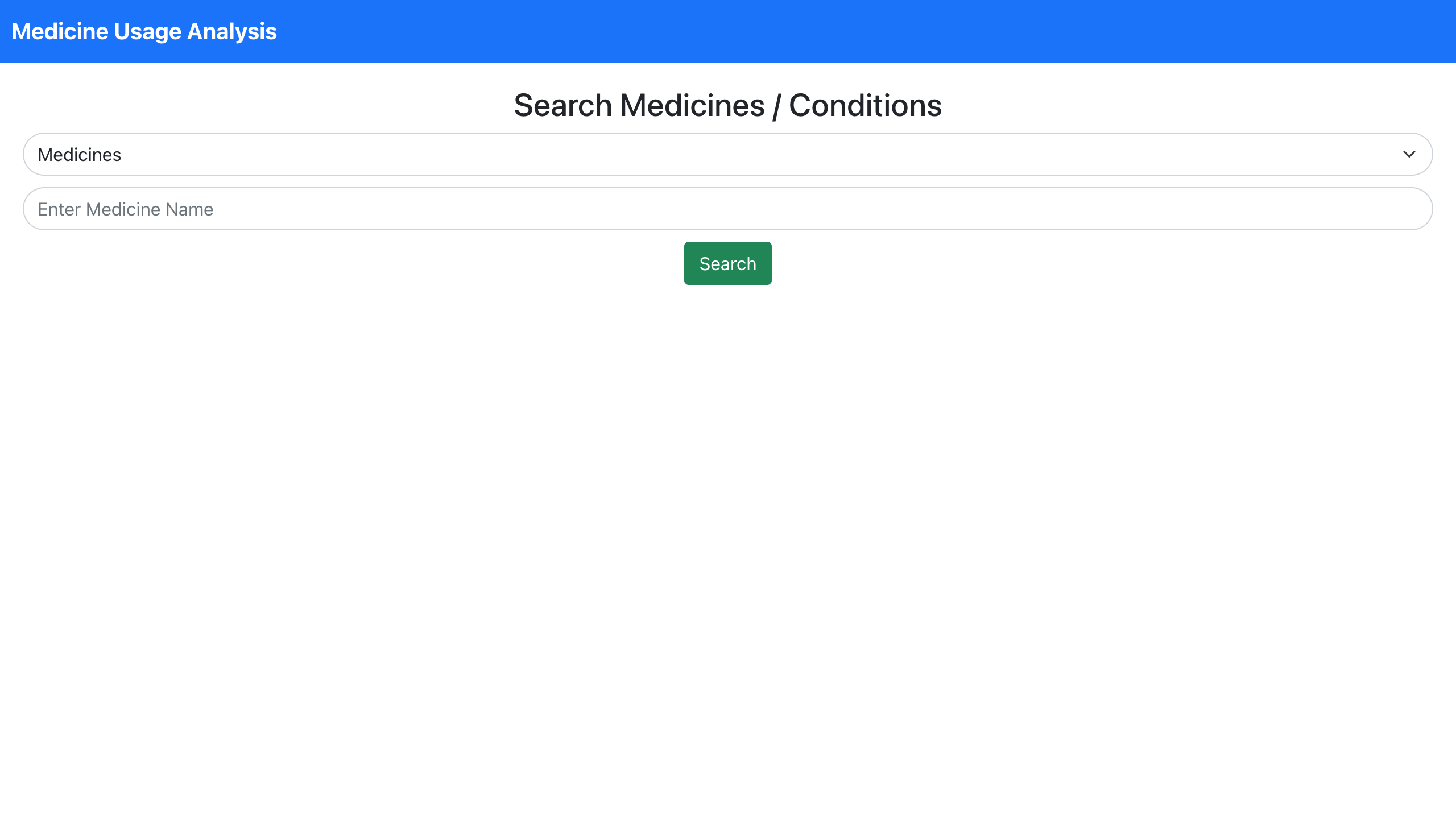
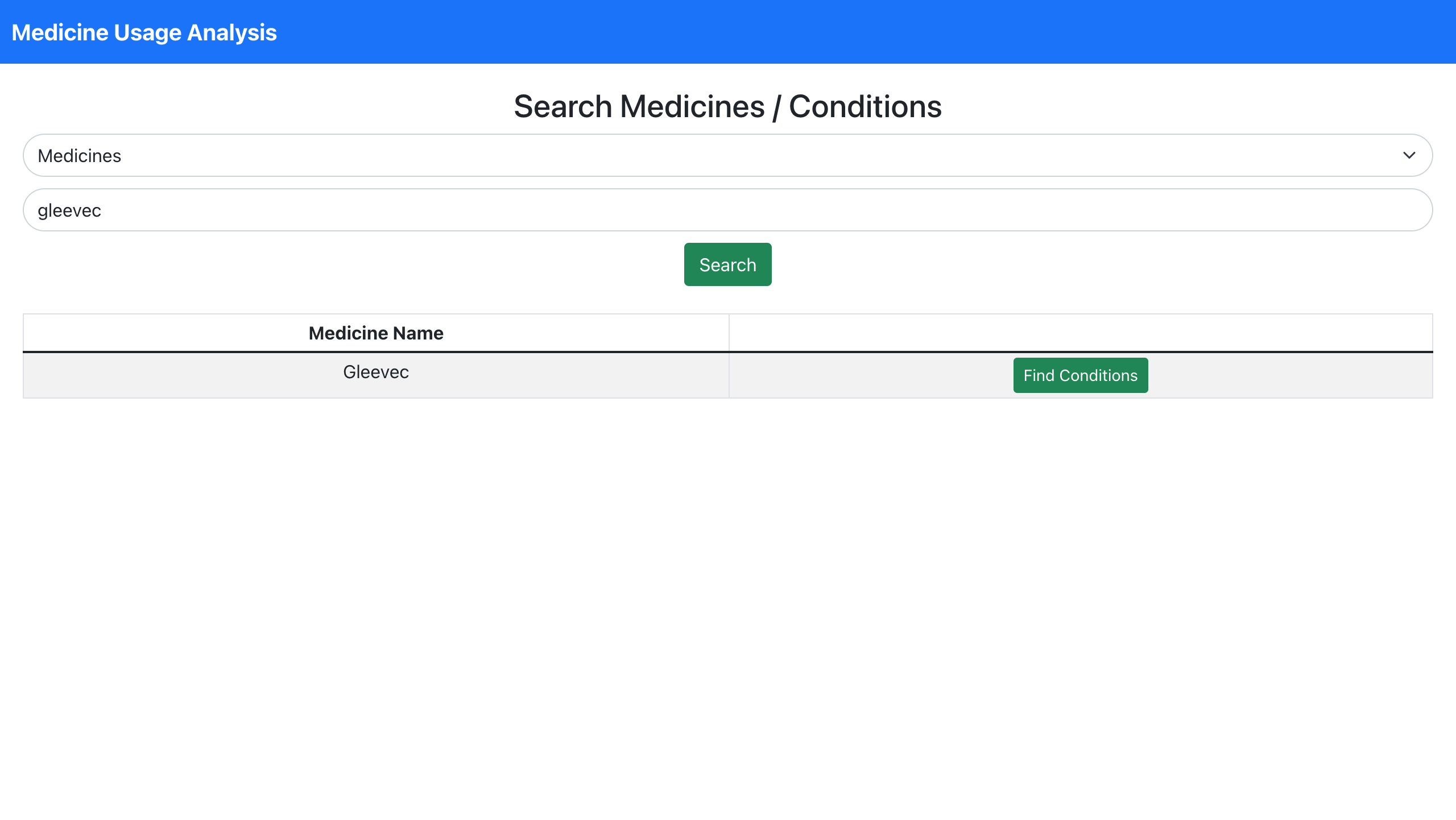
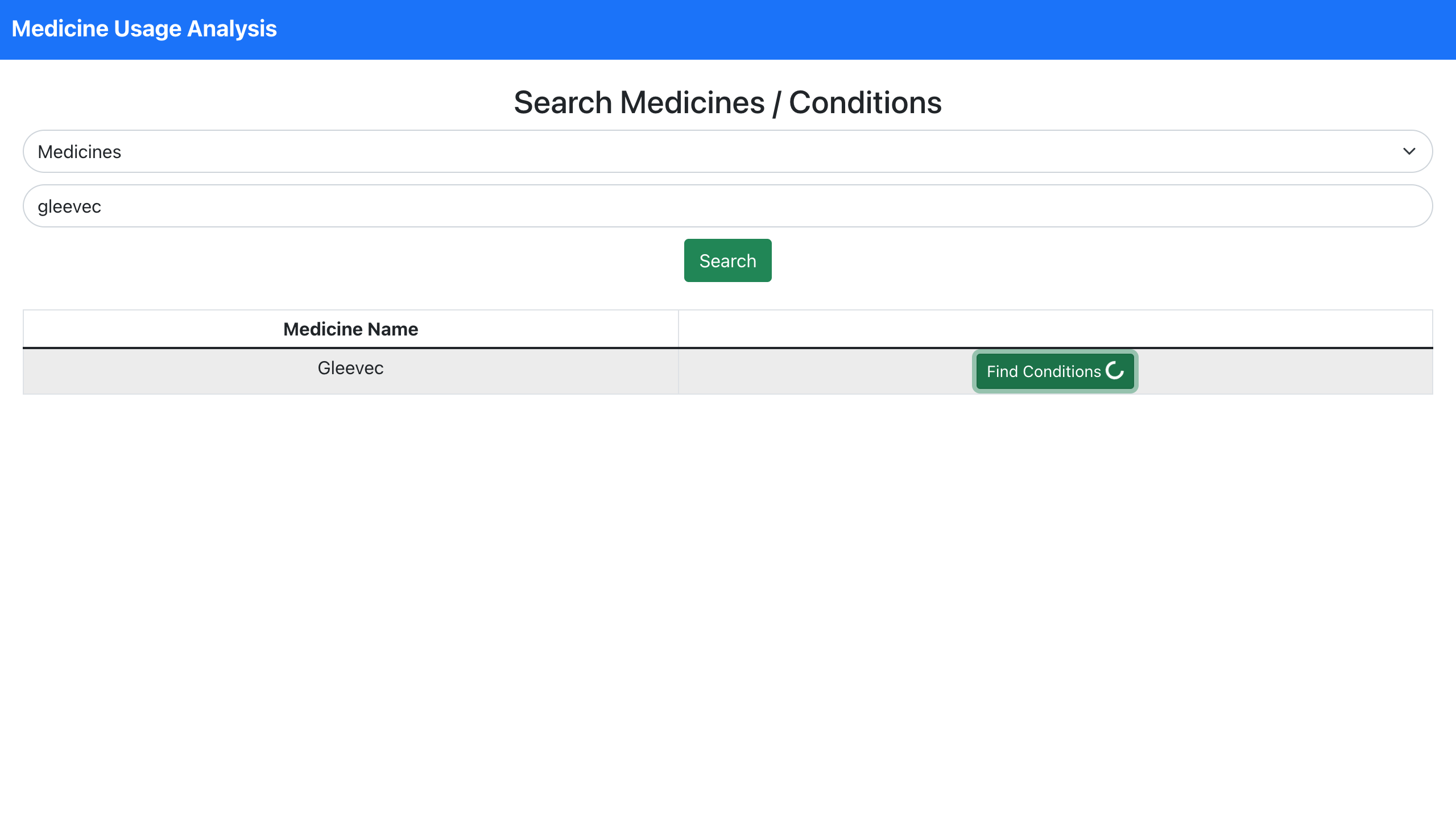
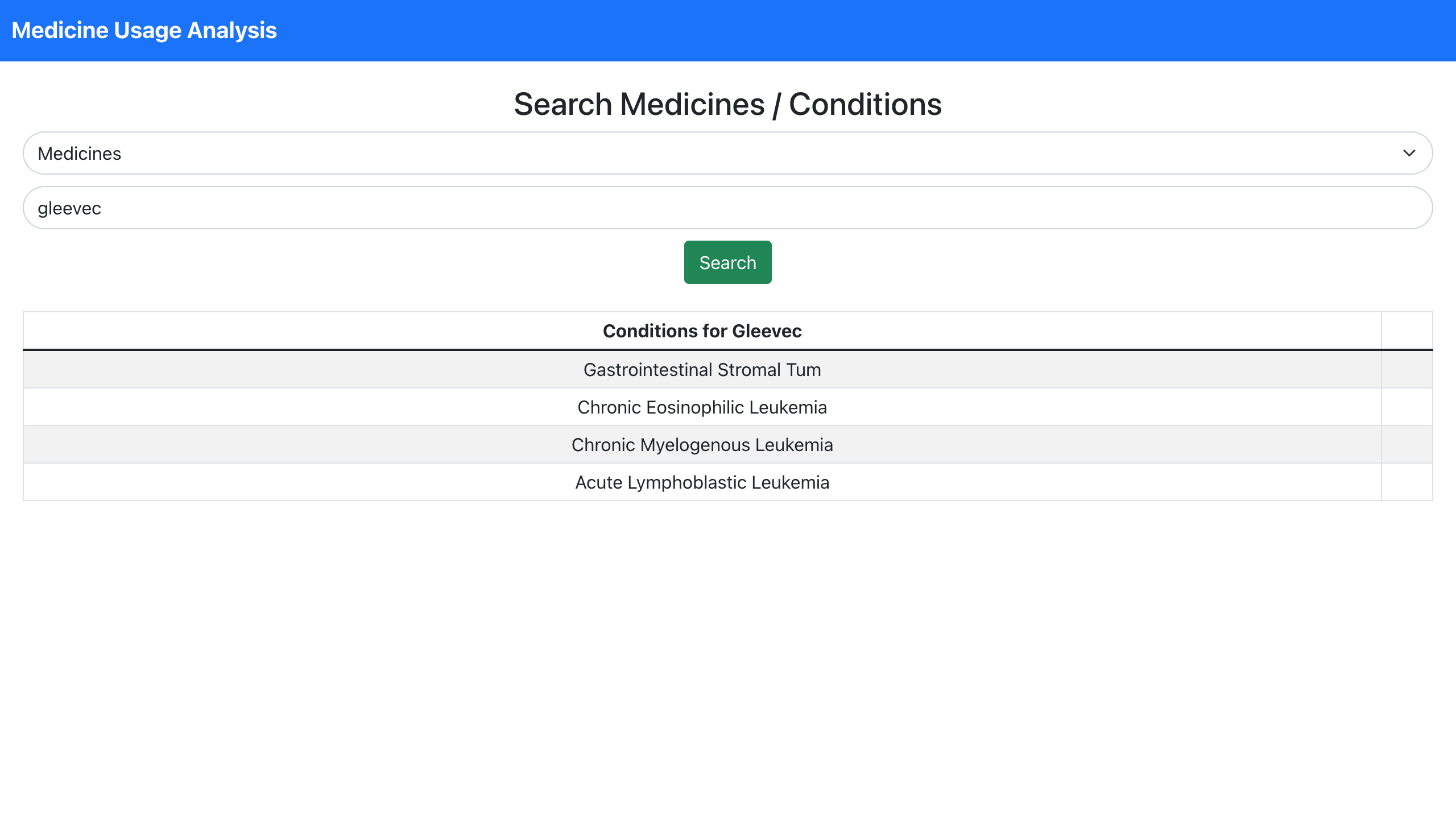
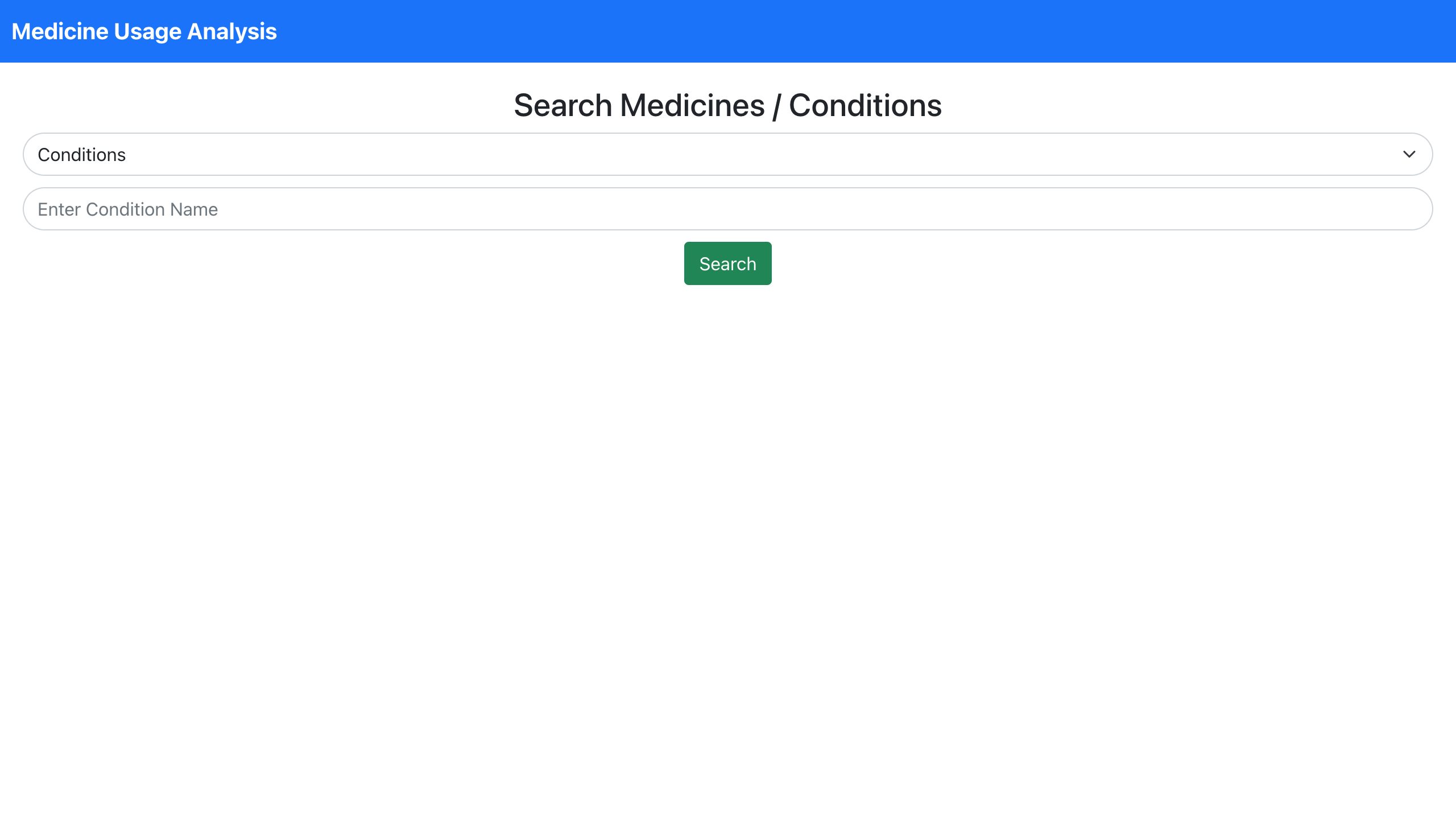
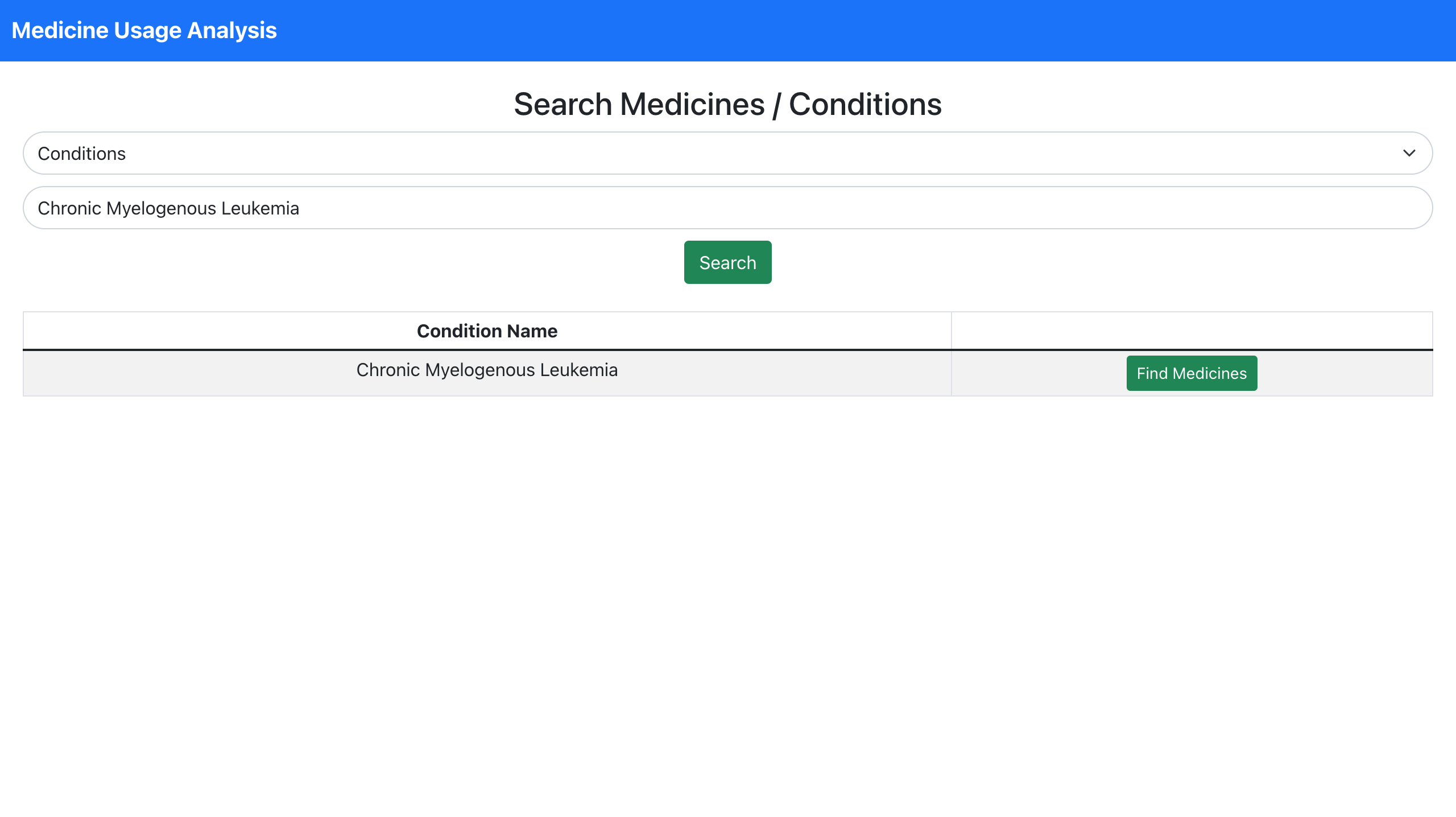
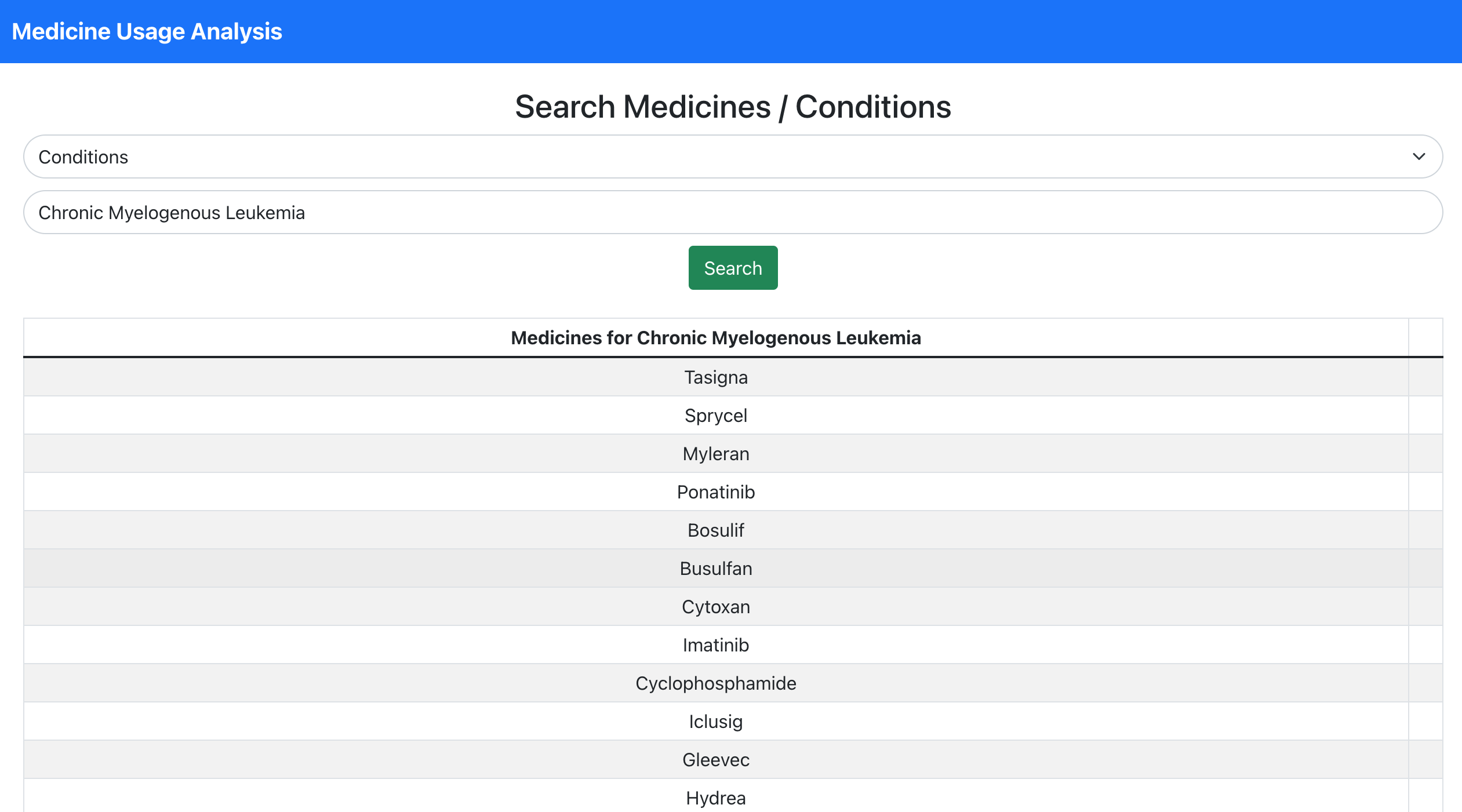
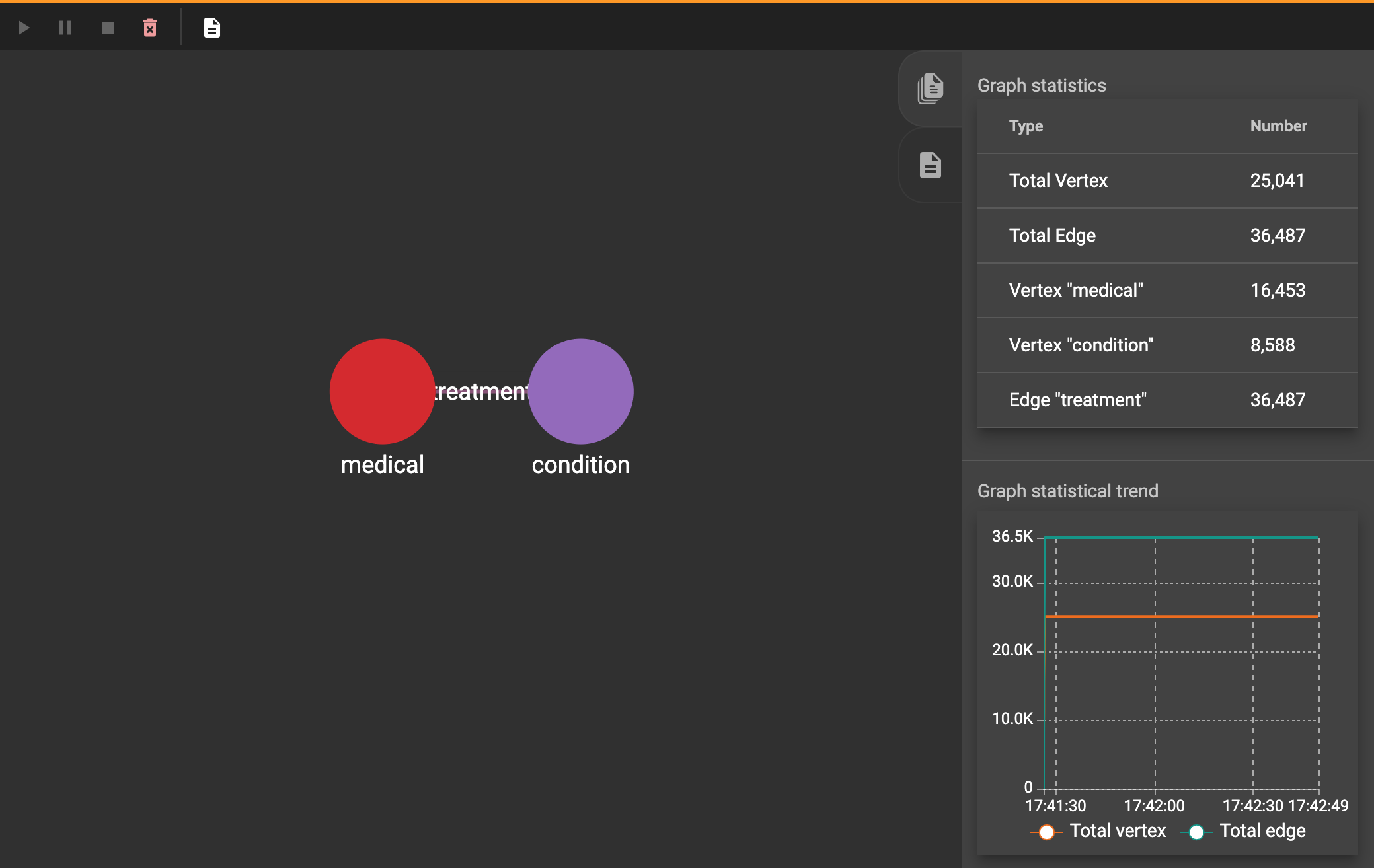
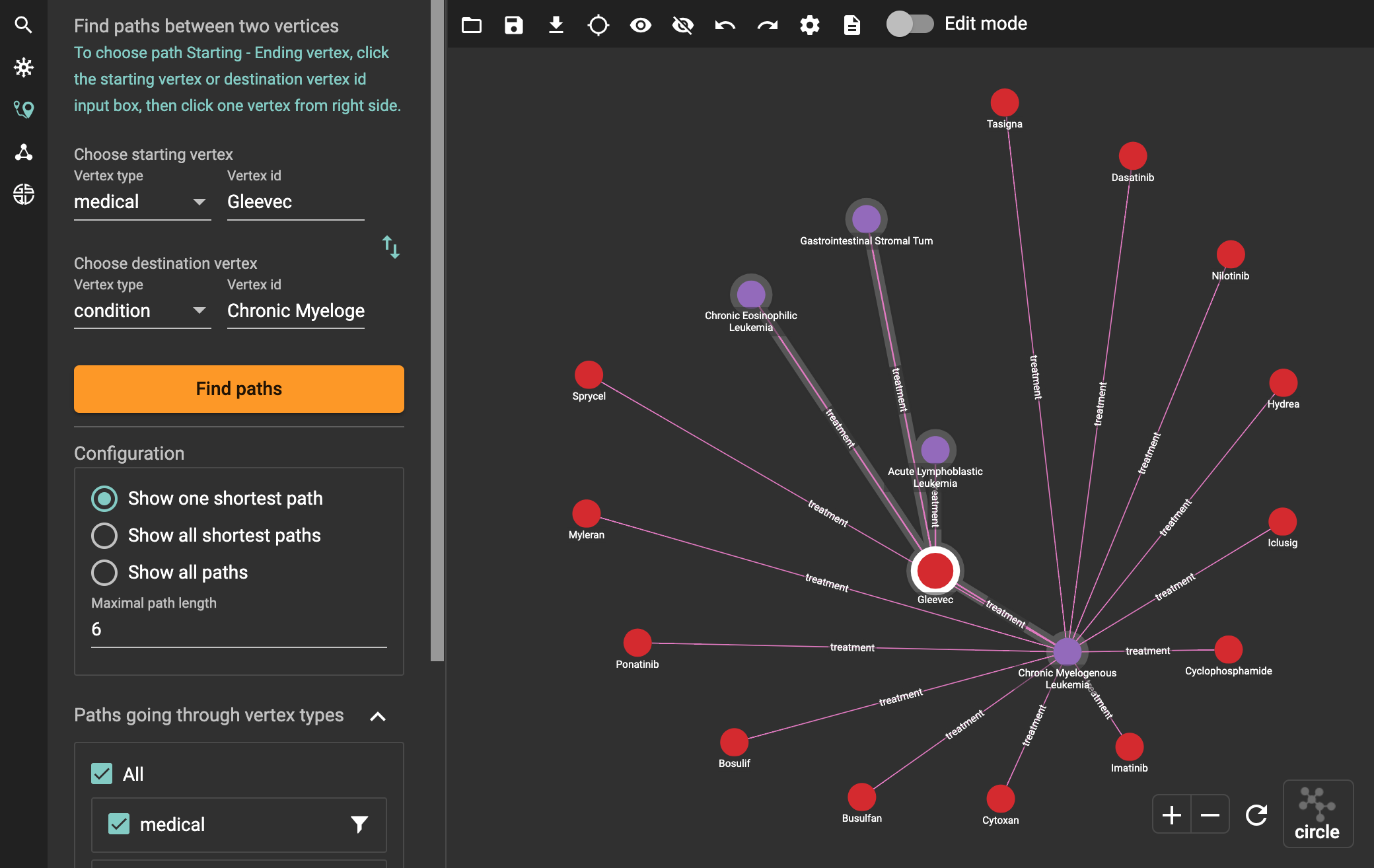
The second product is for Medicine Usage Analysis. Using this, you can easily identify and learn from the “natural experiments” going on within the healthcare system as doctors and patients seek to find novel ways to address their illnesses. It uses TigerGraph to find connections between medicines/treatments and conditions based on the medicine review dataset and clinical trials dataset. Medicines and other medical treatments are approved in carefully controlled clinical trials that are designed to answer very narrow questions about the safety and efficacy of those treatments for very specific conditions and patient groups. However, treatments are often effective for a wider range of uses than what they are officially approved for. Such “off label” usage is common. This product will help to find conditions for which a particular medicine is being used and medicines/treatments used for a particular condition.
Note: Private Github repo access has been shared with devposttesting and TigerGraph-MDC GitHub accounts

Log in or sign up for Devpost to join the conversation.