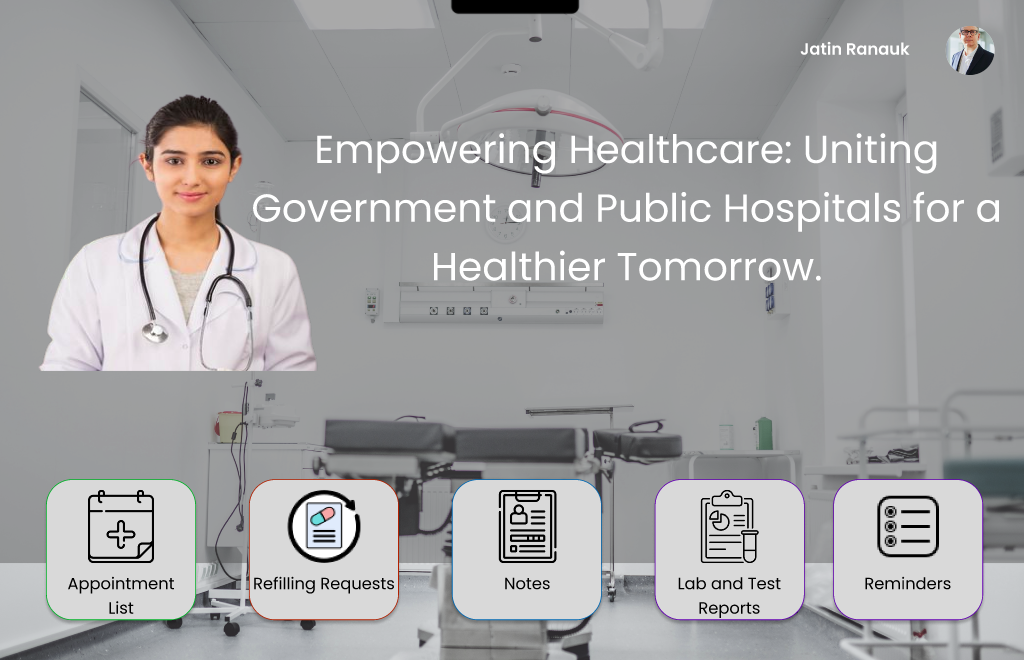
Indian health care system!
“Presently, the healthcare system is inefficient in hospital operations, poses a danger of unlawful narcotic medication sales, and issues with obtaining patient-prescribed medicine data, requiring the community to store a large number of receipts for medicines from each visit. Challenges in our healthcare journey aren't merely structural; they have a tremendous impact on people's lives. Delays in operations cause patients to suffer and strain providers. The threat of illegal drug sales hovers over our neighborhoods. Accessing patient data might be quite a challenge. Let us instill compassion and creativity in healthcare, making every second count for those who rely on it.
What's next for MediCaf
- Blockchain Technology for Data Security: Use blockchain technology to improve data security and integrity. The immutability of patient information and prescription data may be ensured via blockchain, decreasing the danger of tampering or illegal access.
- AI and Machine Learning (ML): Implement AI and ML algorithms for predictive analytics, fraud detection, and anomaly identification. AI can assist in identifying strange prescription trends as well as potential security breaches.IoT (Internet of Things) Devices: Connect IoT devices and sensors in real-time to monitor medication adherence, patient vital signs, and inventory management. For full control, this data can be merged into the centralized database.
- Integration of Telemedicine: Create a telemedicine module within the website to enable remote consultations, minimizing the need for physical visits and increasing access to healthcare services
4.Create companion mobile apps for patients and healthcare professionals that offer quick access to medical records, medication information, and appointment booking on smartphones or tablets. Big Data Analytics: Use big data analytics to extract information from massive datasets.
- This can aid in the improvement of healthcare outcomes, the optimization of resource allocation, and the identification of patterns in patient care. Biometric Authentication: Use biometric authentication technologies (such as fingerprint or face recognition) to improve user security and simplify platform access. Integrate speech recognition and natural language processing (NLP) capabilities to enable for voice-controlled data entry and retrieval, making the system more user-friendly. Explore Augmented Reality (AR) and Virtual Reality (VR) applications for medical training, operation simulations, and patient education.
- Data Interoperability Standards: To enable smooth data sharing across different healthcare systems and institutions, use interoperability standards such as HL7 and FHIR.5G Connectivity: Take advantage of 5G networks for quicker and more reliable data transfer.

Log in or sign up for Devpost to join the conversation.