-
-
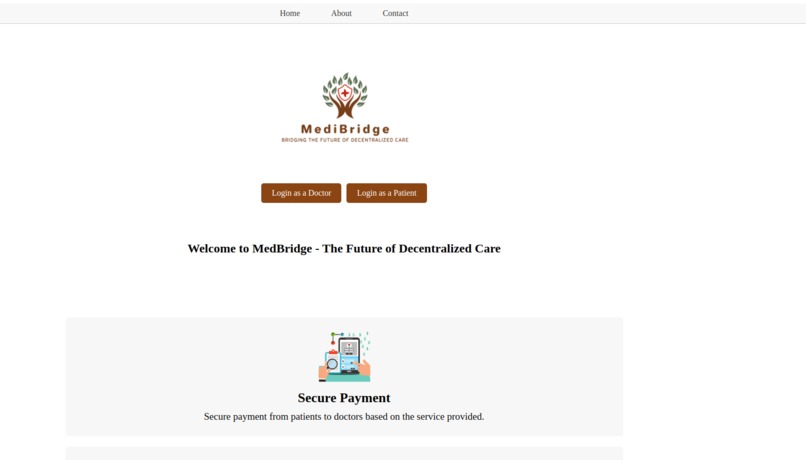
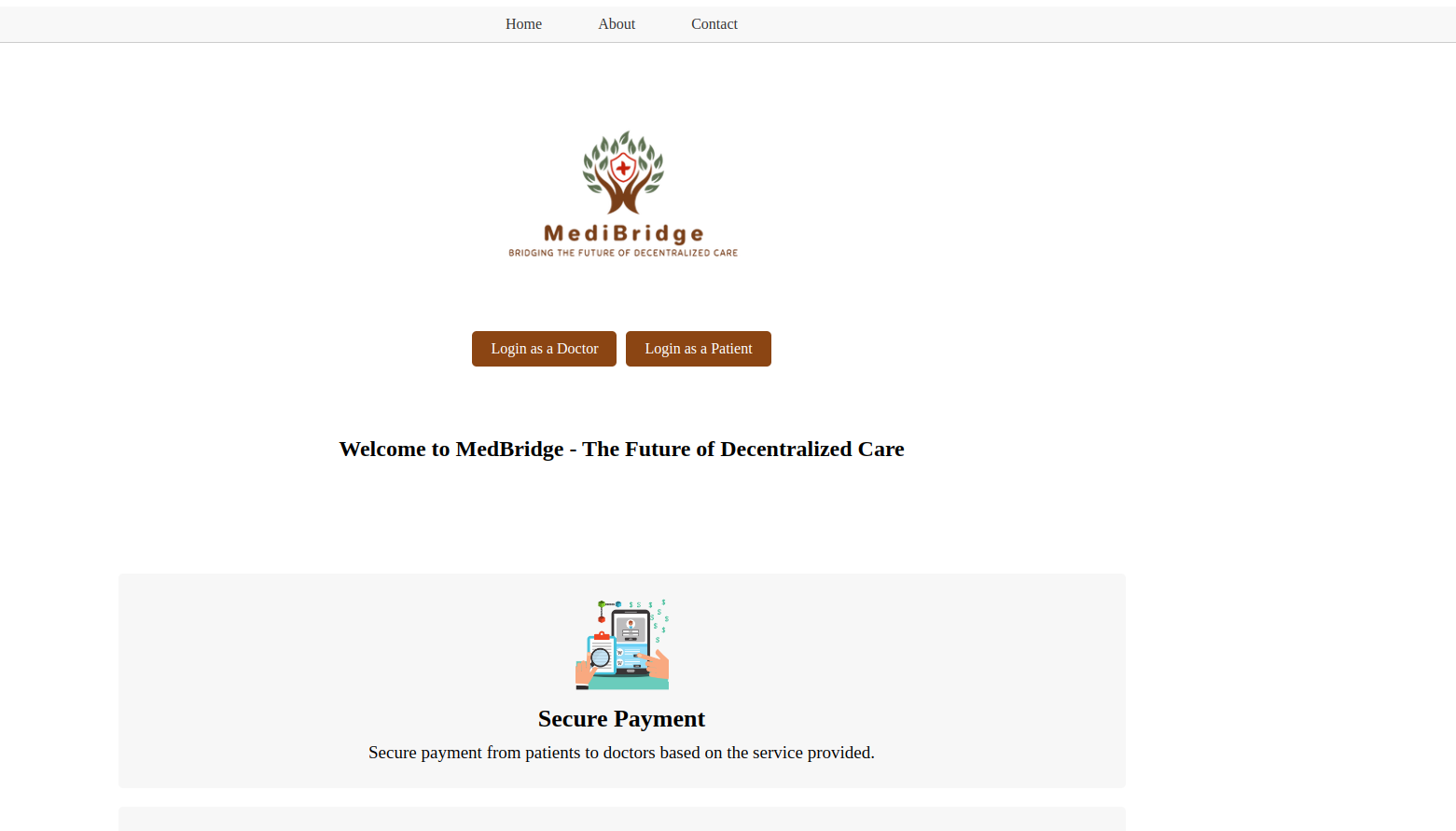
The Home Page
-
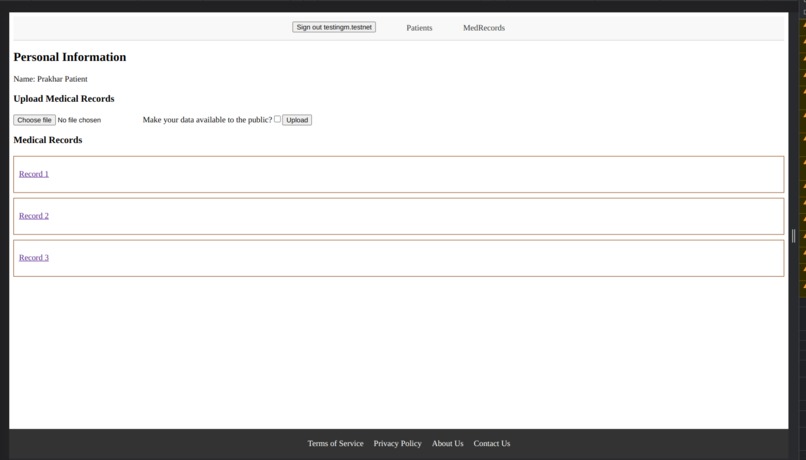
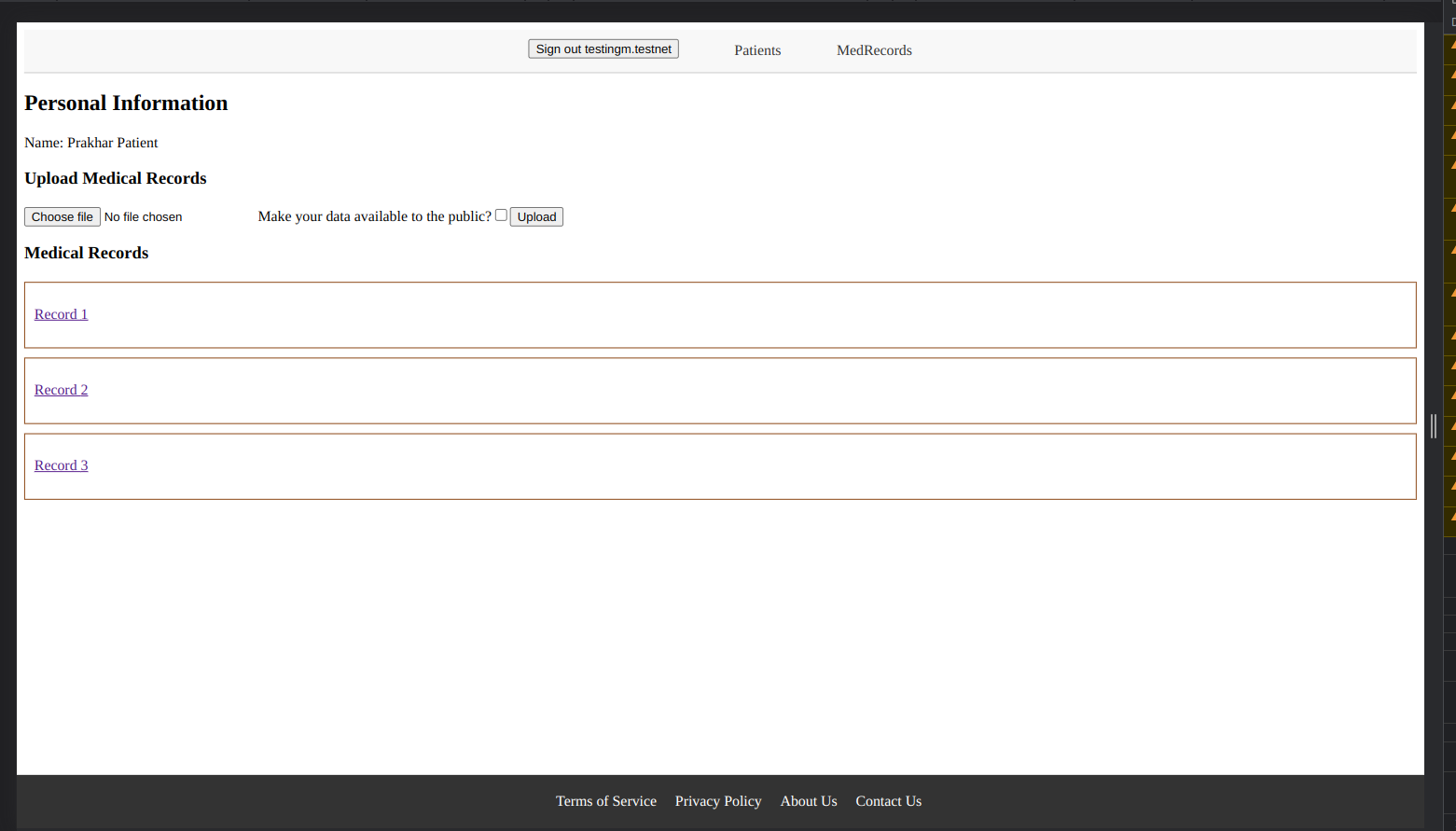
Patient Dashboard
-
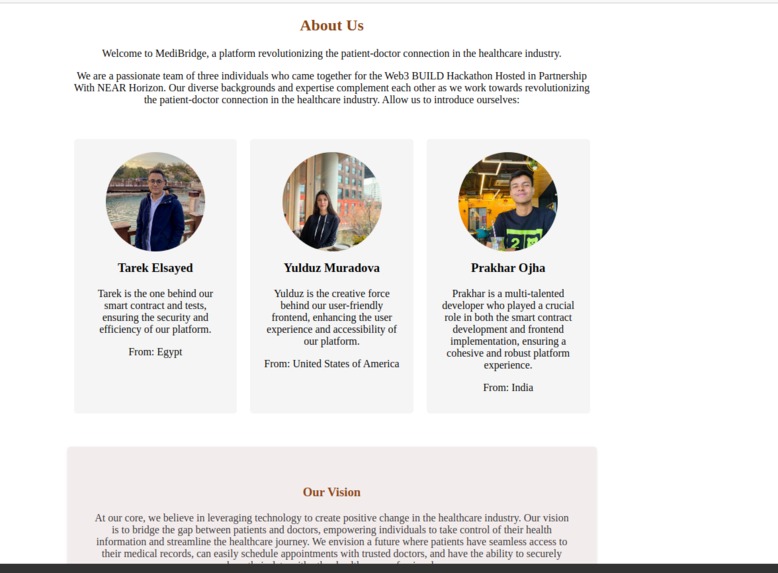
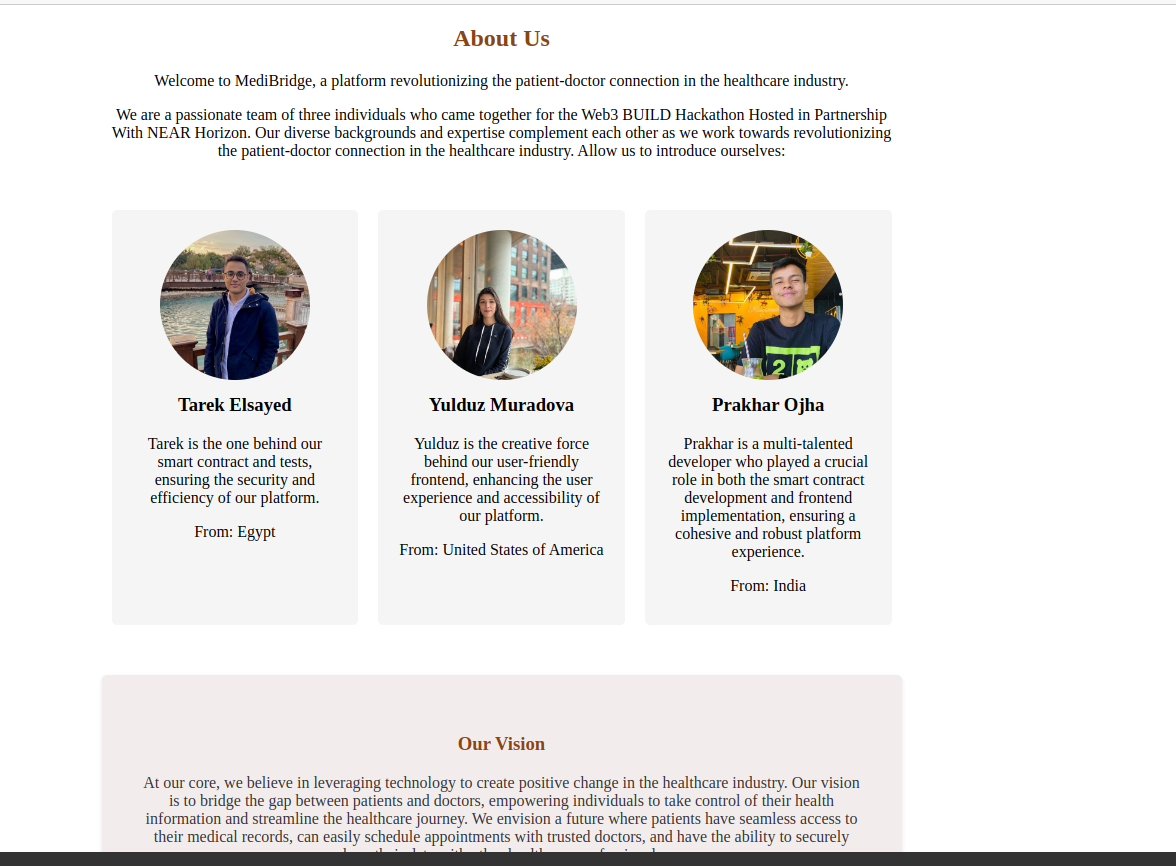
About US
-
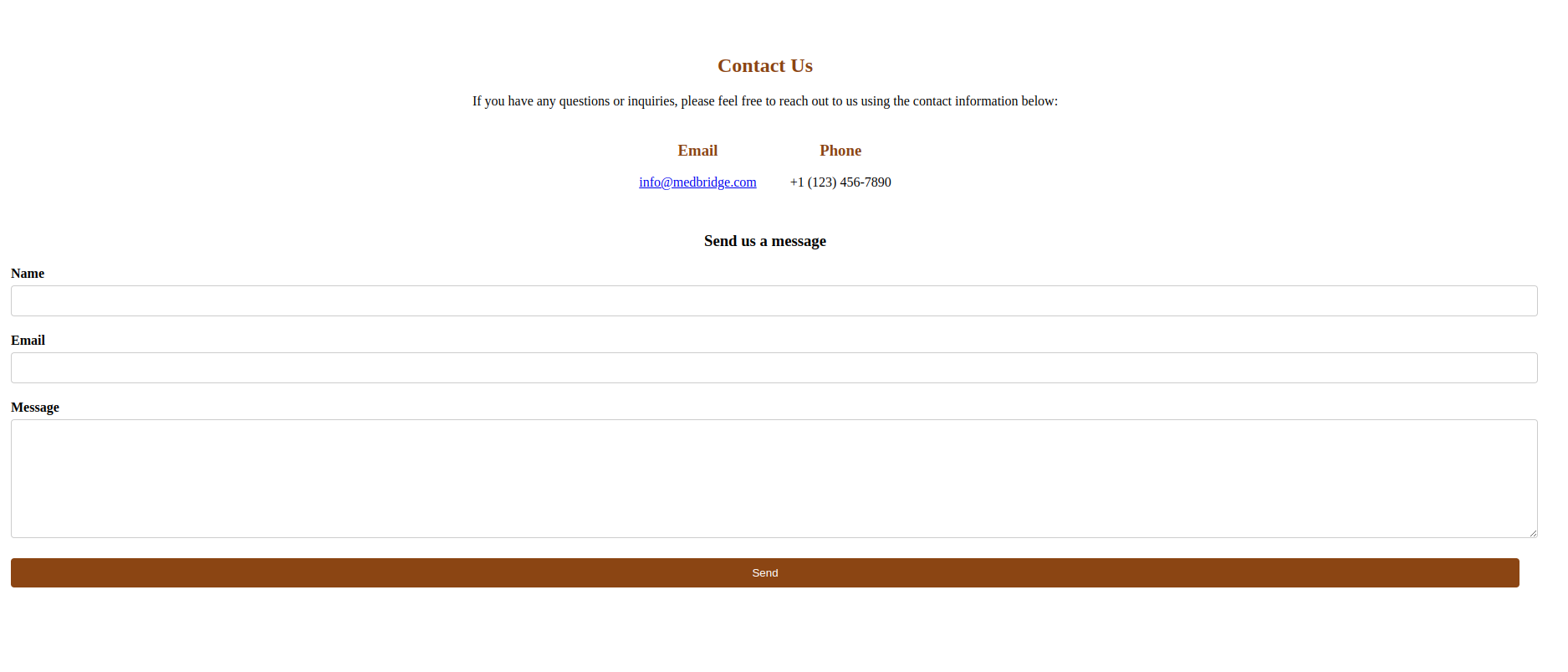
Contact US page
-
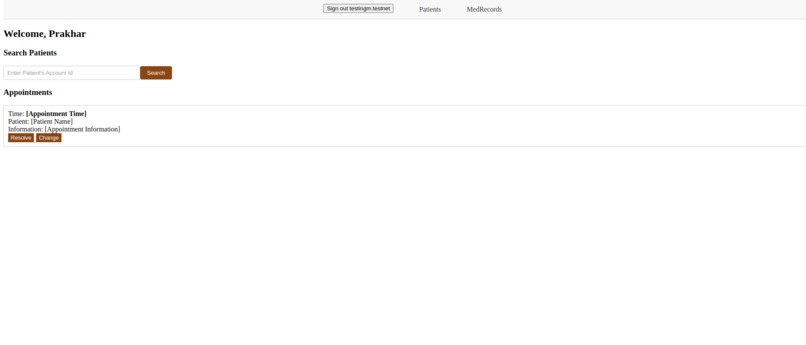
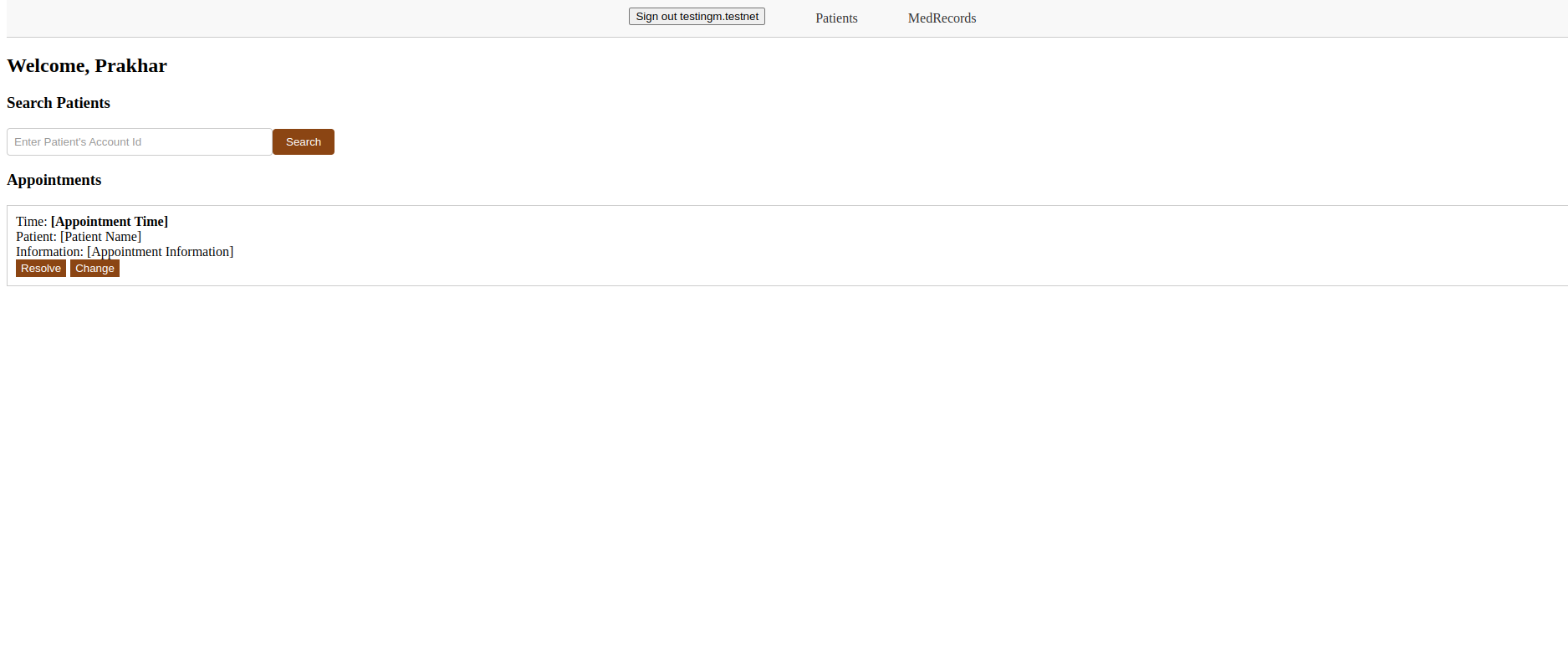
Doctor Dashboard
Inspiration
The current healthcare system faces several challenges that impact patient care. One of the main issues is the lack of efficient communication and sharing of medical information. Patient records are often scattered across different healthcare providers, making it difficult for doctors to access complete and accurate information. This can lead to delays in diagnosis, unnecessary tests, and inadequate treatment plans. Additionally, patients have limited control over their own health data, making it challenging for them to actively participate in their healthcare decisions.
What it does
MediBridge is a user-friendly platform that utilizes blockchain technology to securely store and share medical records. It allows patients to take control of their health information, enables seamless communication between healthcare providers, and paves the way for advanced medical research. With MediBridge, patients can upload and share their medical records securely, granting researchers access to valuable anonymized data for scientific advancements.
How we built it
We built MediBridge as a collaborative effort, leveraging our diverse skills and expertise. Tarek focused on developing the smart contract and writing tests, Yulduz led the front-end development, and Prakhar contributed to both ends and handled the deployment to the NEAR blockchain. We utilized Rust for the smart contract development, NEAR Protocol for blockchain integration, and modern web technologies for the user interface.
Challenges we ran into
Building MediBridge within the hackathon's tight timeframe presented its challenges. We had to rapidly learn and adapt to new technologies, coordinate our work across different time zones, and overcome unforeseen technical hurdles. Integrating various components and ensuring smooth functionality tested our problem-solving abilities and required efficient collaboration.
Accomplishments that we're proud of
Despite the challenges, we successfully developed a functional prototype of MediBridge within the hackathon's limited timeframe. We are proud of our team's dedication, resilience, and the collective effort that went into building a platform that has the potential to revolutionize the healthcare industry. Our accomplishments include developing a secure and user-friendly interface, integrating blockchain technology for data security and immutability, and creating a foundation for further enhancements.
What we learned
Through the development of MediBridge, we acquired a deep understanding of blockchain technology, smart contract development, and front-end implementation. We immersed ourselves in the NEAR Protocol, harnessing its power for secure and decentralized data storage. Effective collaboration, clear communication, and iterative development became paramount as we worked across different time zones to create a user-friendly platform. This journey with NEAR has opened our eyes to the immense potential of blockchain in healthcare, and we are eager to continue exploring innovative solutions that empower patients and revolutionize the industry.
What's next for MediBridge
Moving forward, we have exciting plans to enhance and expand MediBridge. Our focus will be on improving the user interface to deliver an even more seamless and intuitive experience. Additionally, we aim to incorporate advanced data analytics capabilities, allowing users to gain valuable insights from their medical records. We will actively seek user feedback and iterate on the platform's design to ensure it meets the evolving needs of patients and healthcare providers. We are also looking forward to charging the customers but providing them with some initial sponsor amount so that we can attract more customers. Our ultimate goal is to establish MediBridge as a trusted platform that empowers patients, facilitates medical research, and revolutionizes the healthcare landscape through innovation and technology.
Caveats
Due to time constraints, we were unable to fully integrate the view_scheduled_appointments and get_patient_records functions with the frontend in a secure manner. As a temporary workaround, we passed the AccountID directly to the get_patient and get_doctor functions. However, we acknowledge that this approach introduces a security vulnerability as it bypasses proper authentication and authorization checks.


Log in or sign up for Devpost to join the conversation.