-
-
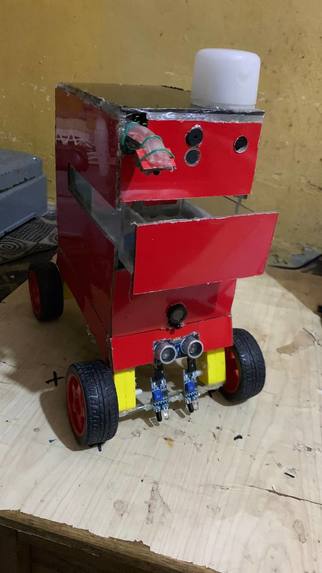
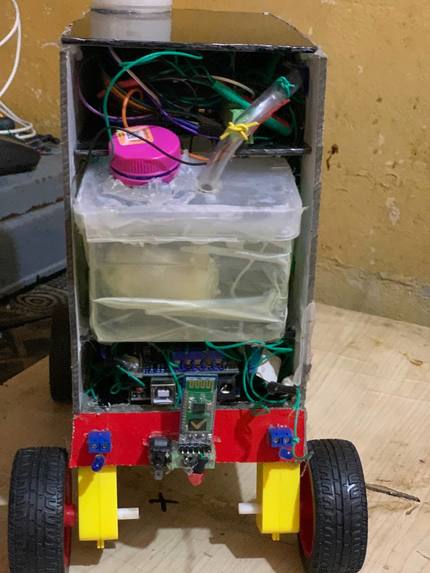
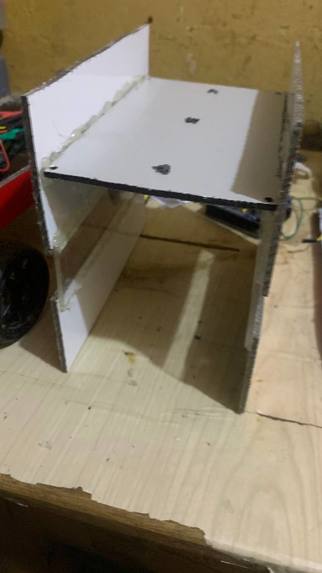
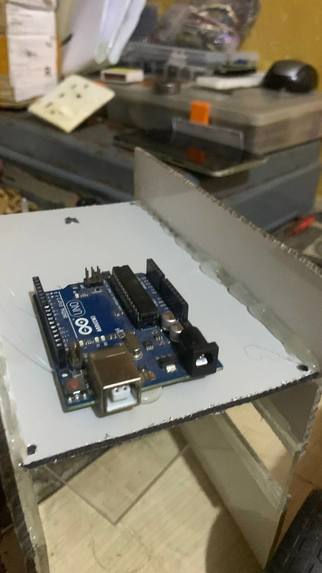
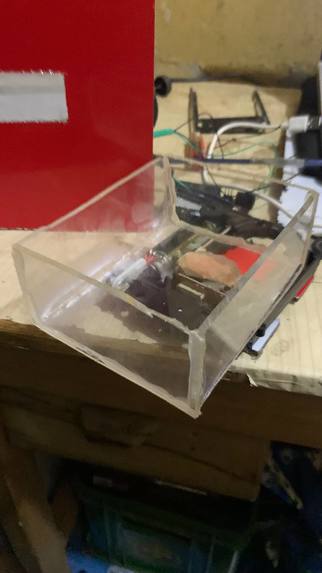
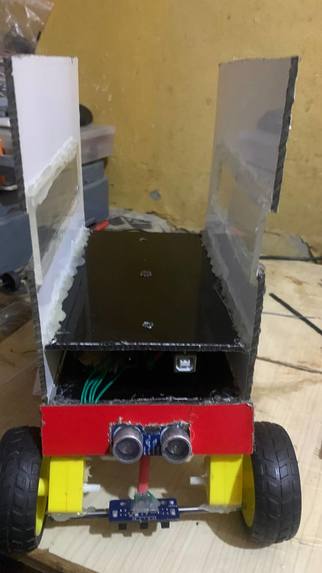
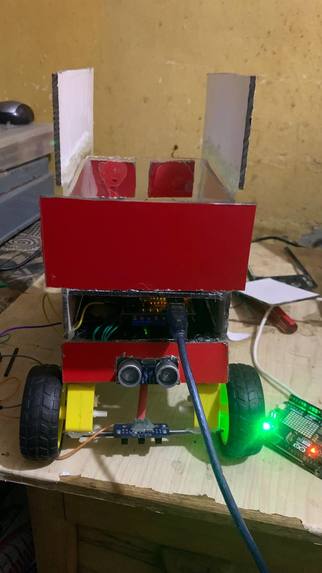
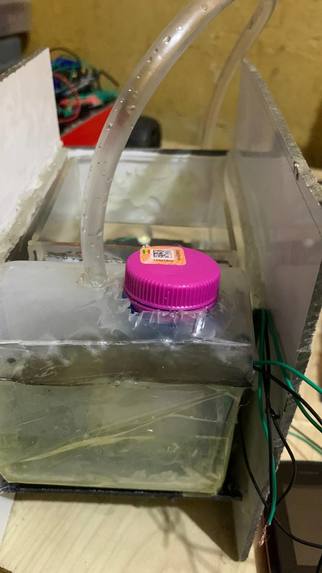
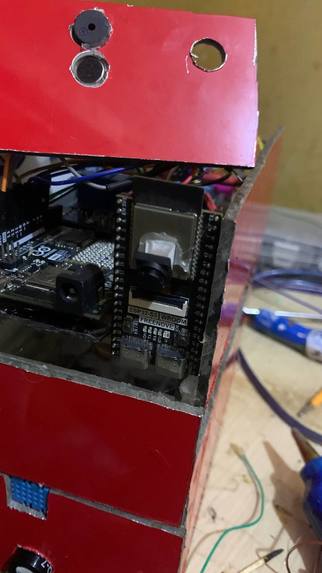
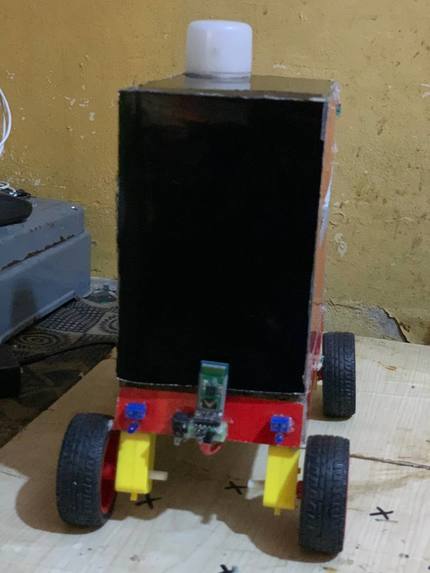
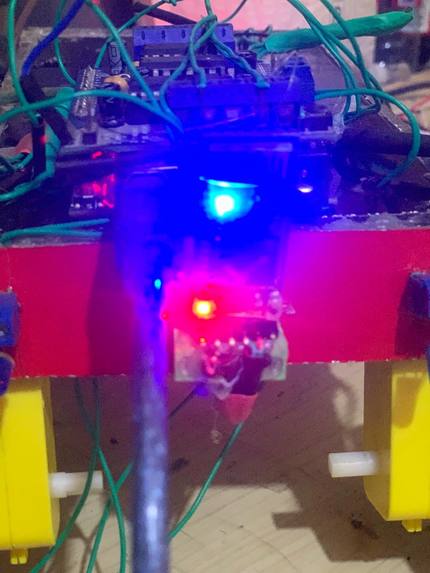
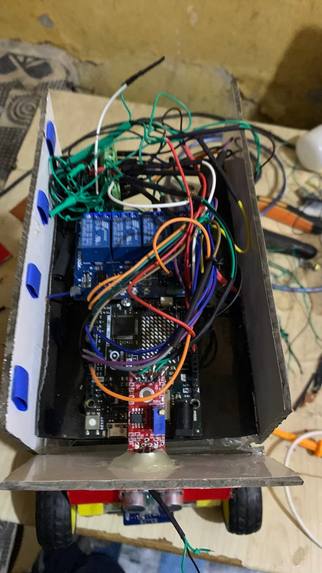
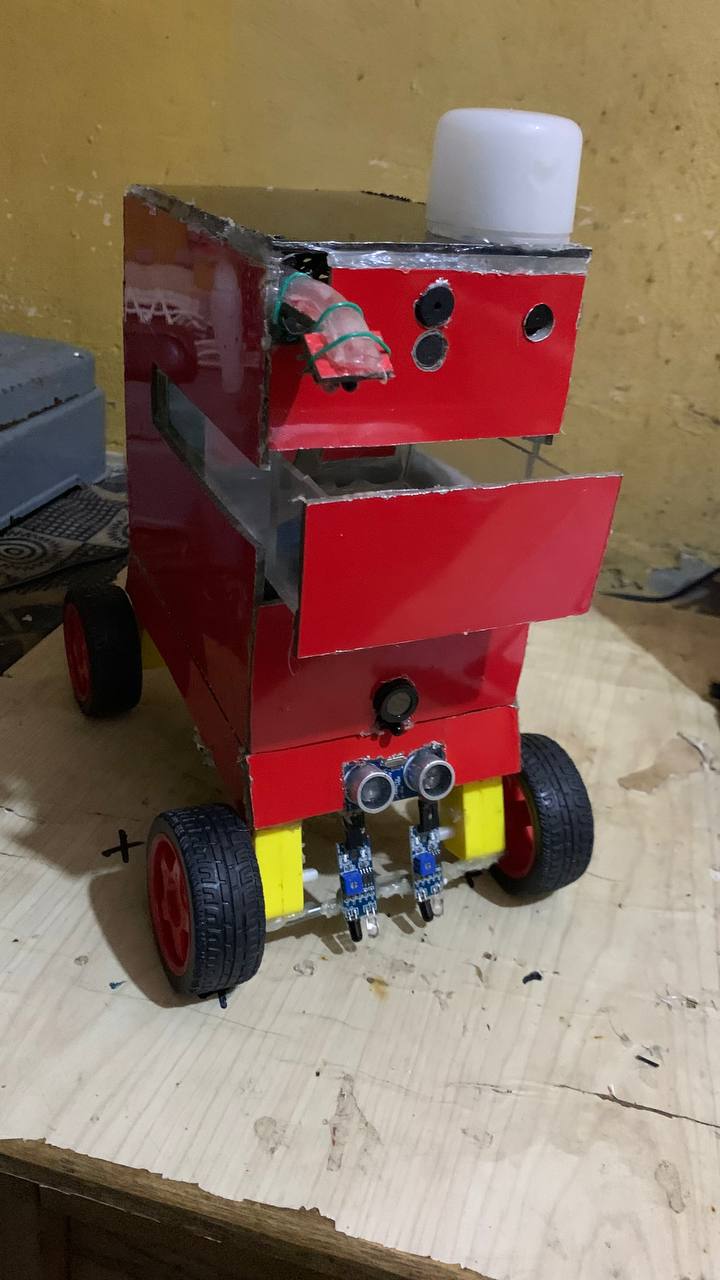
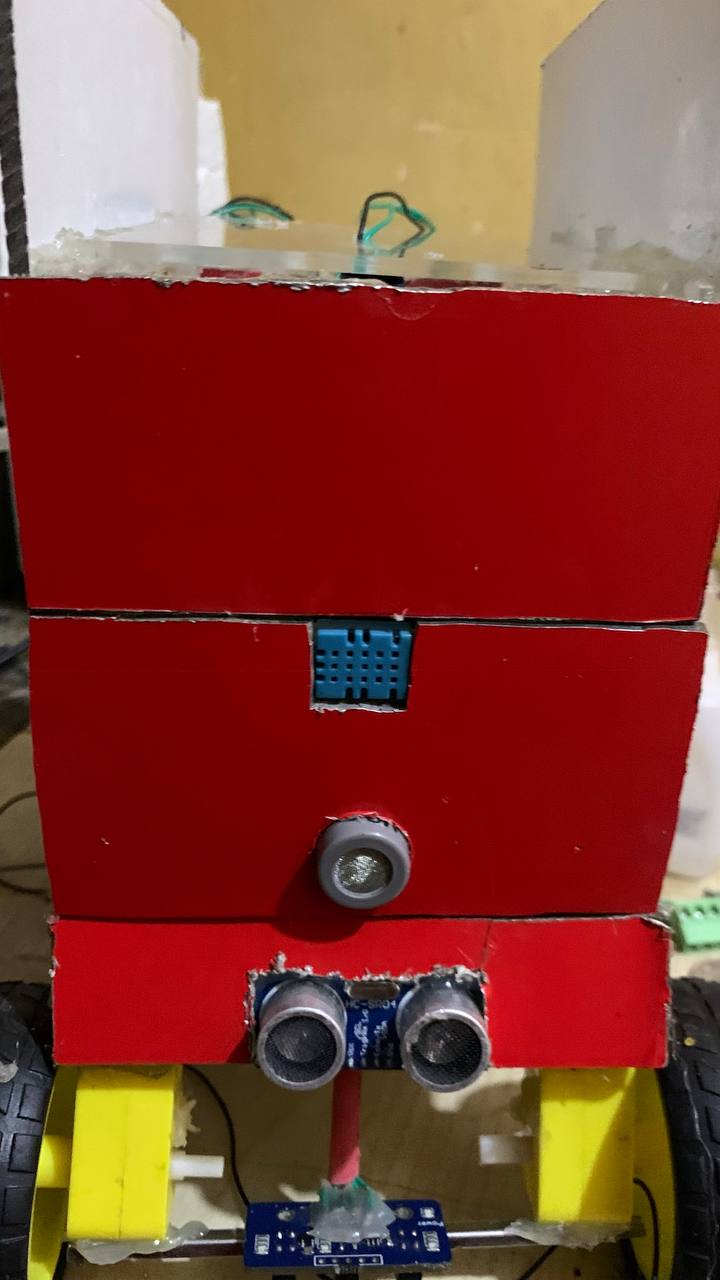
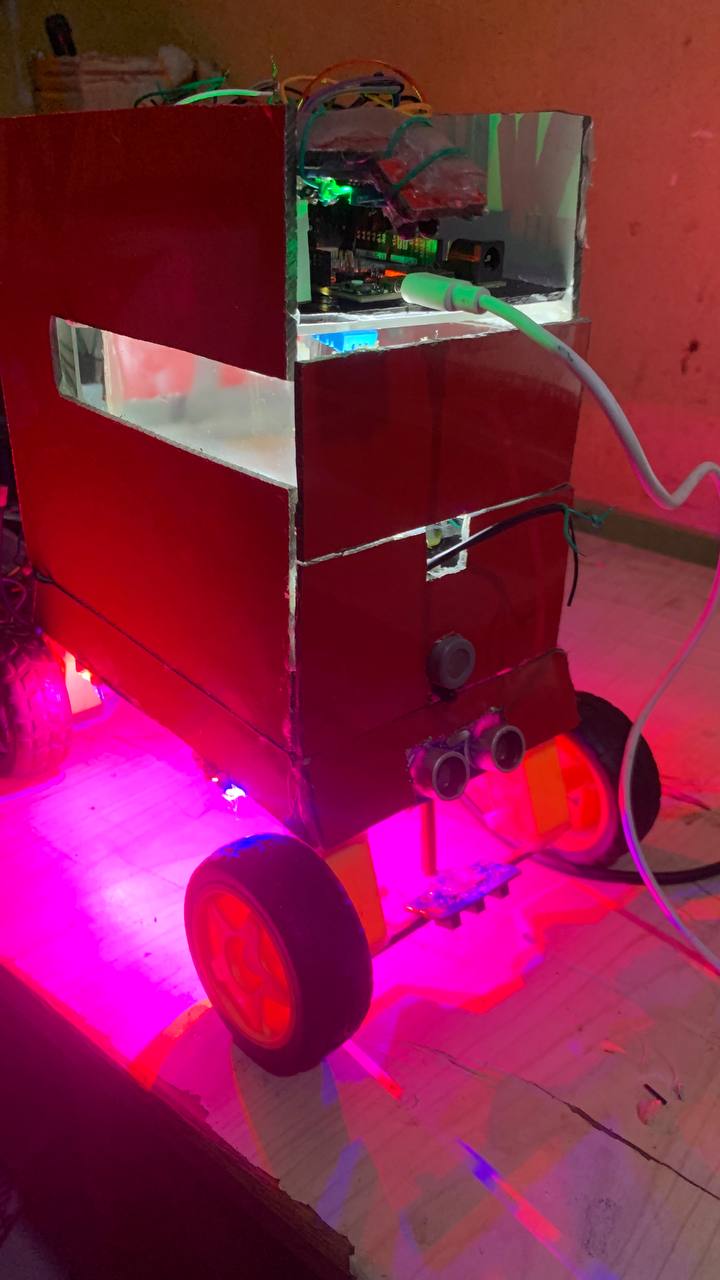
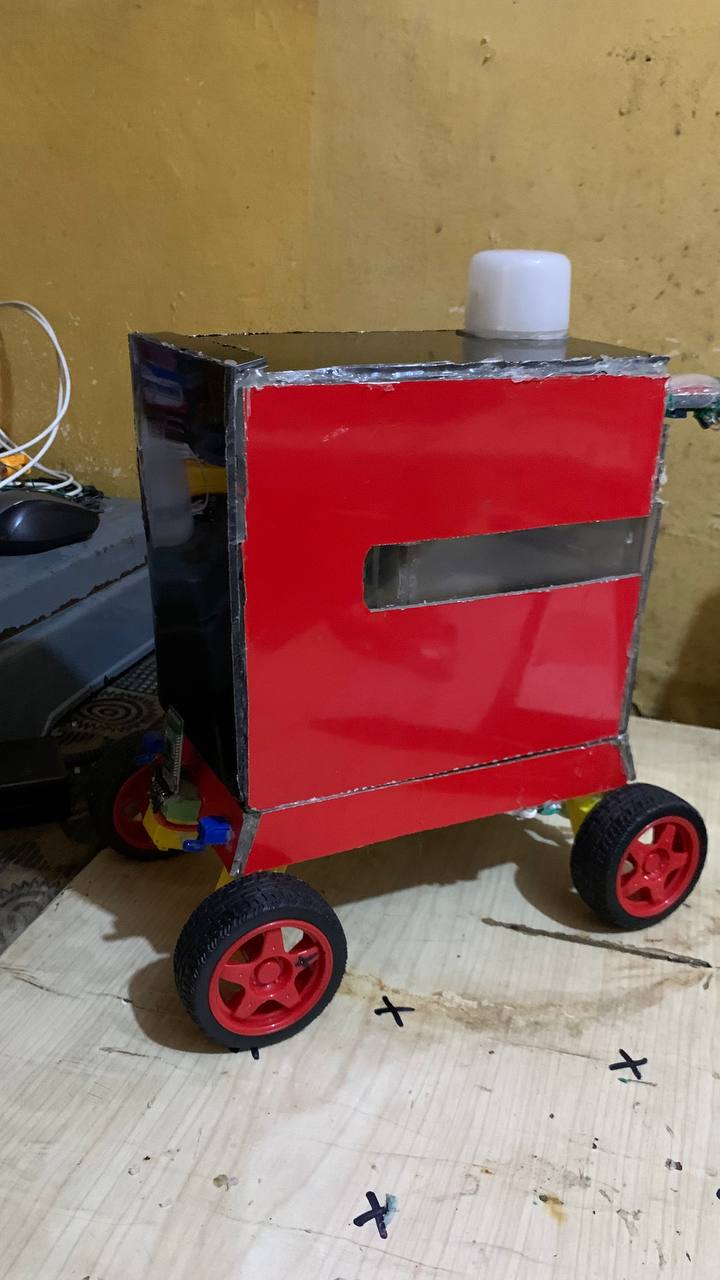
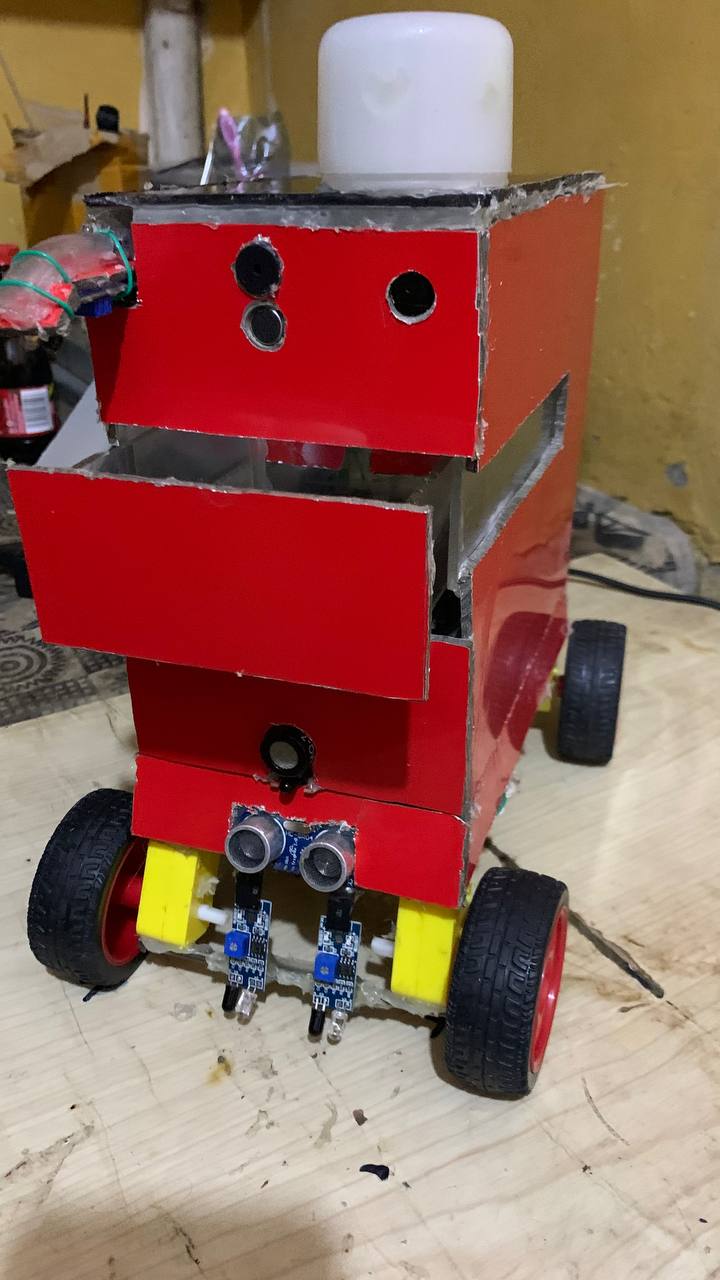
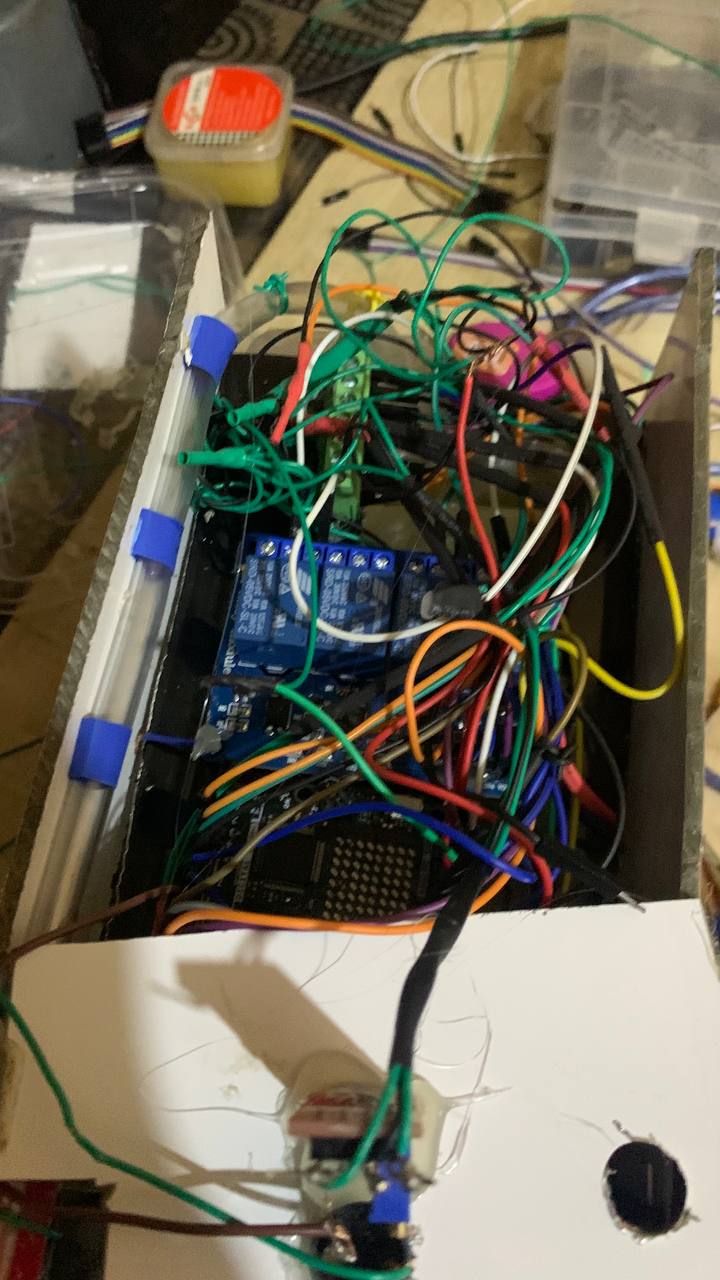
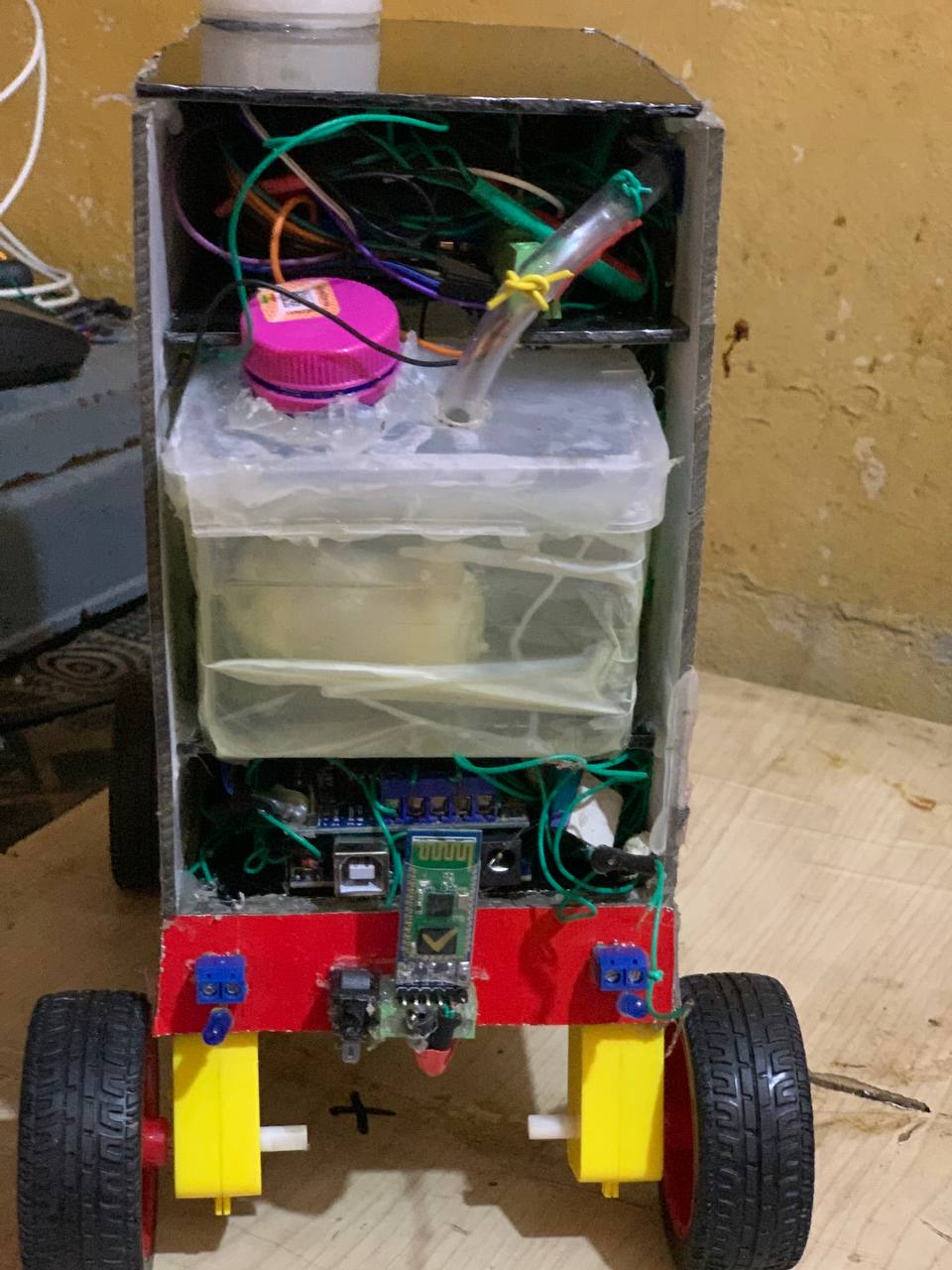
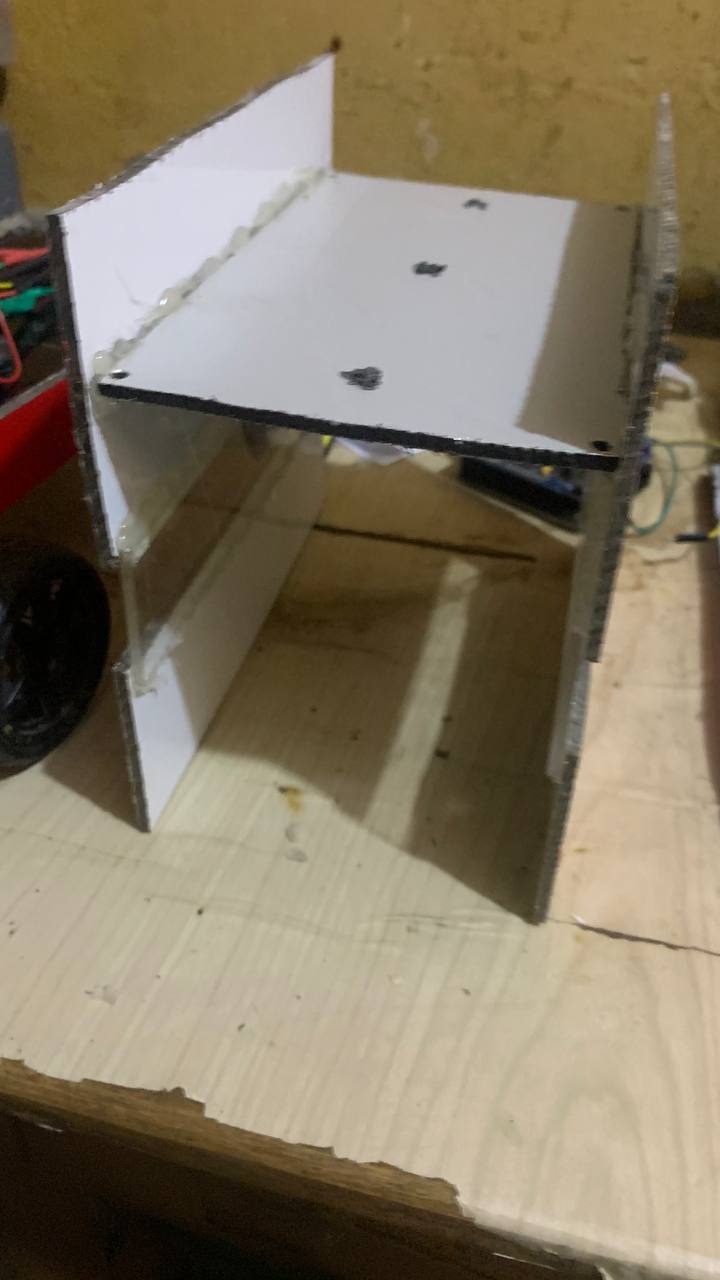
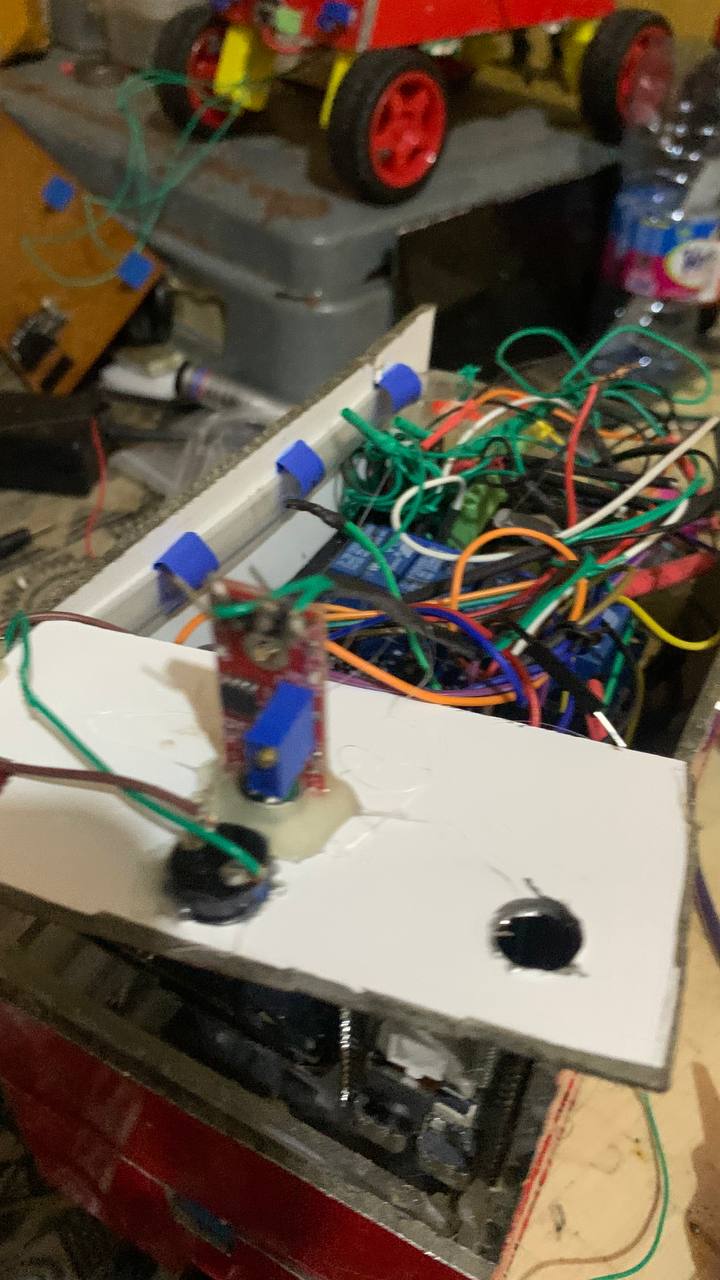
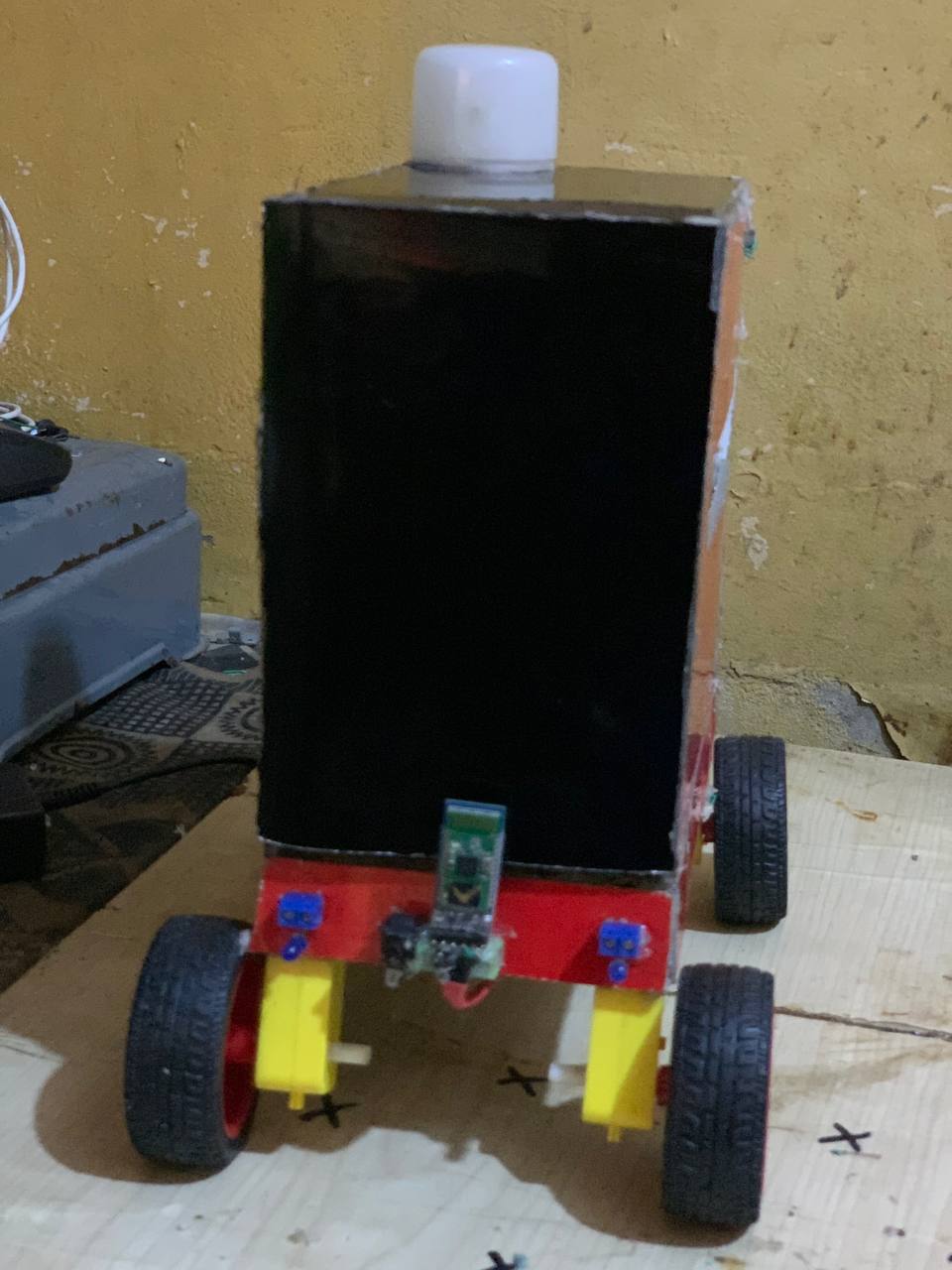
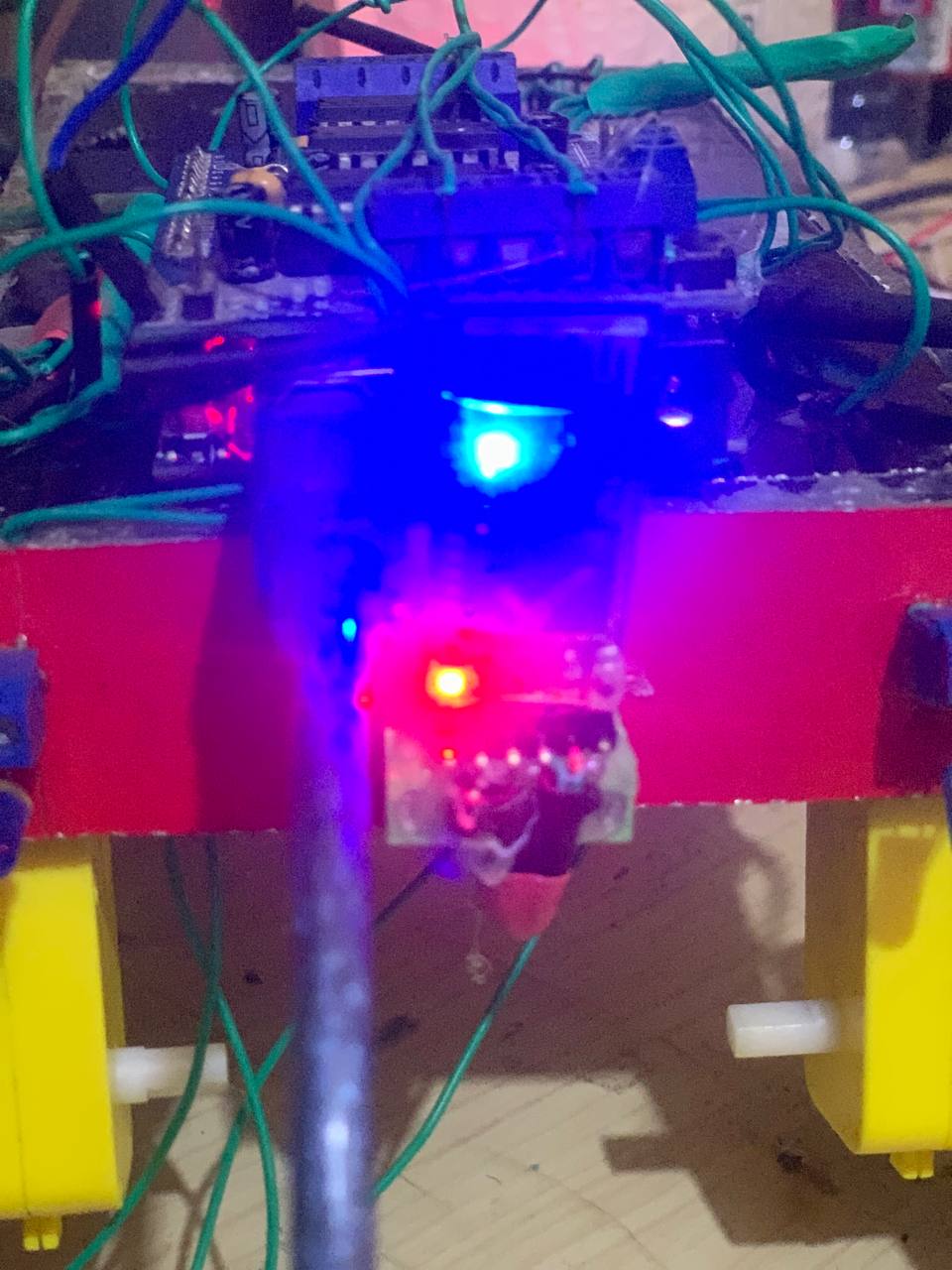
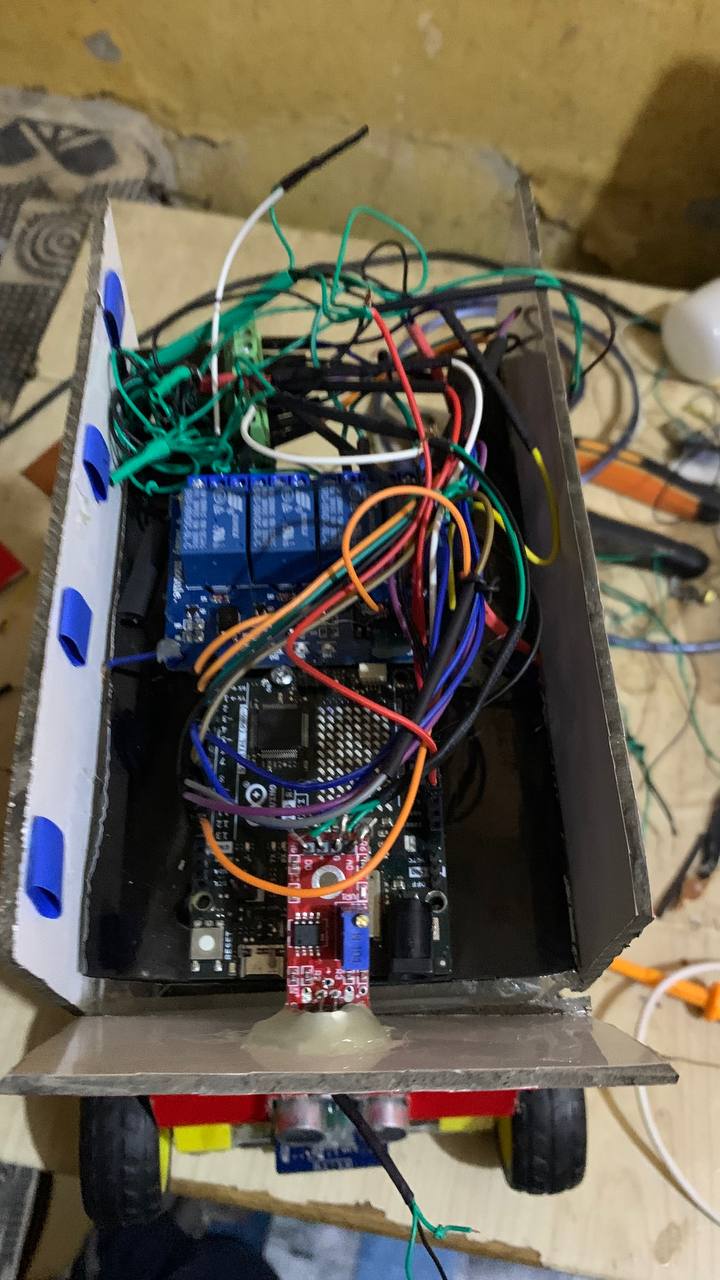
final prototype
-
-
-
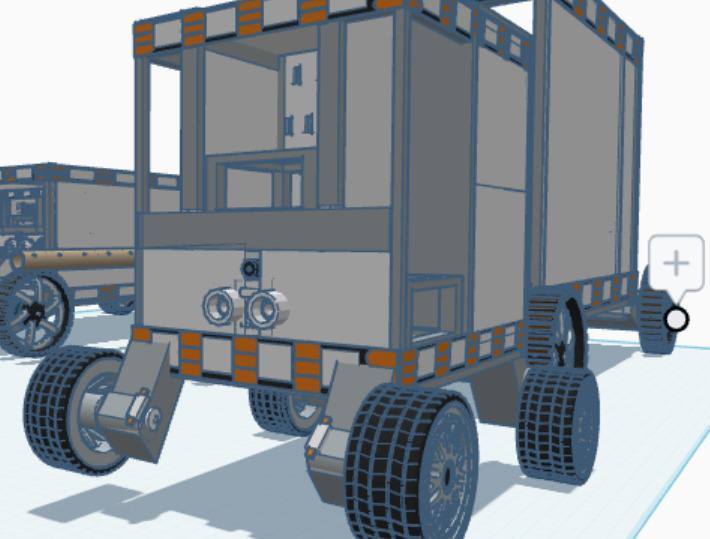
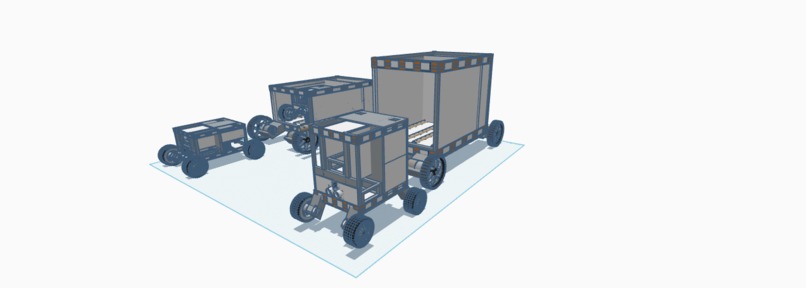
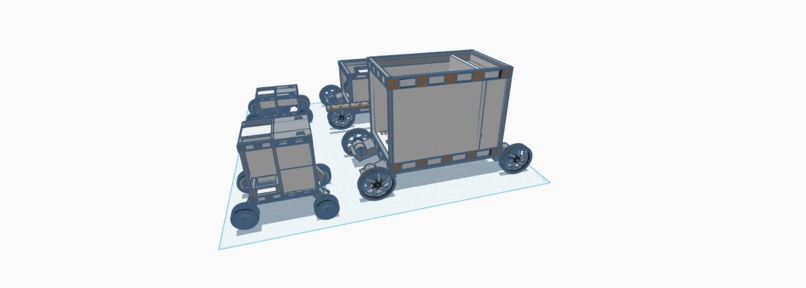
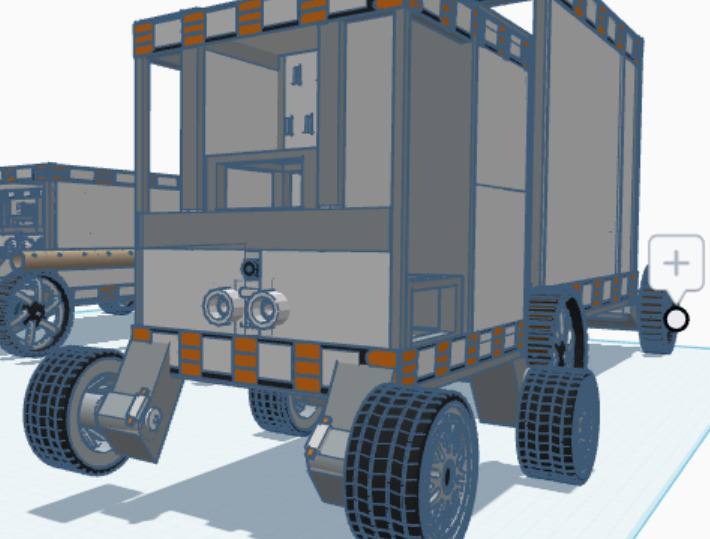
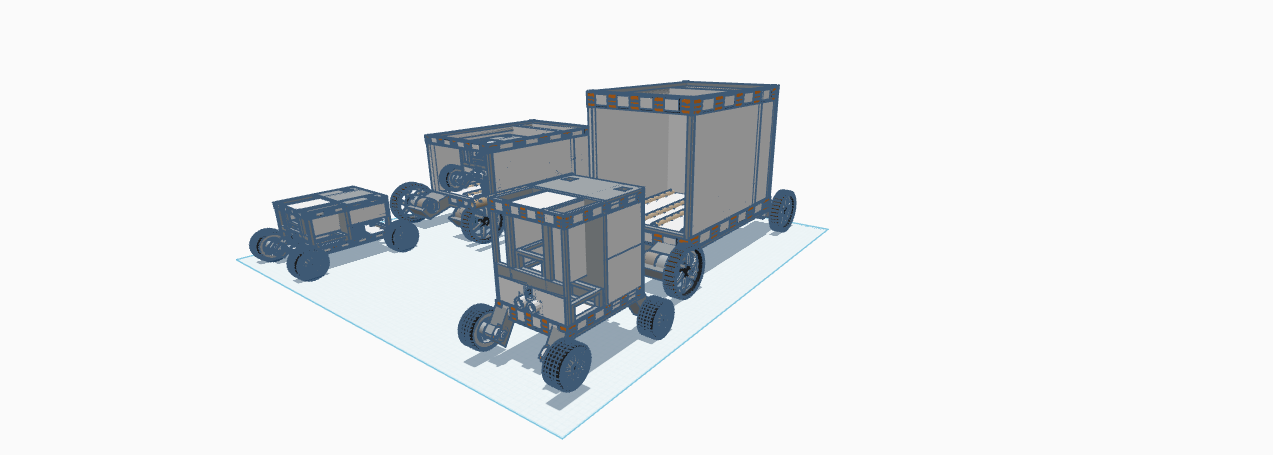
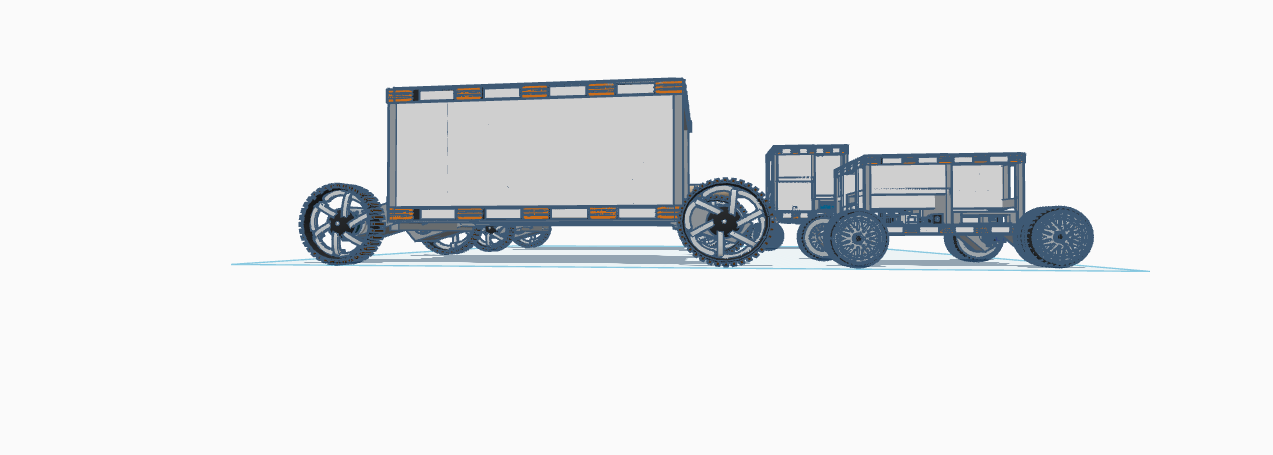
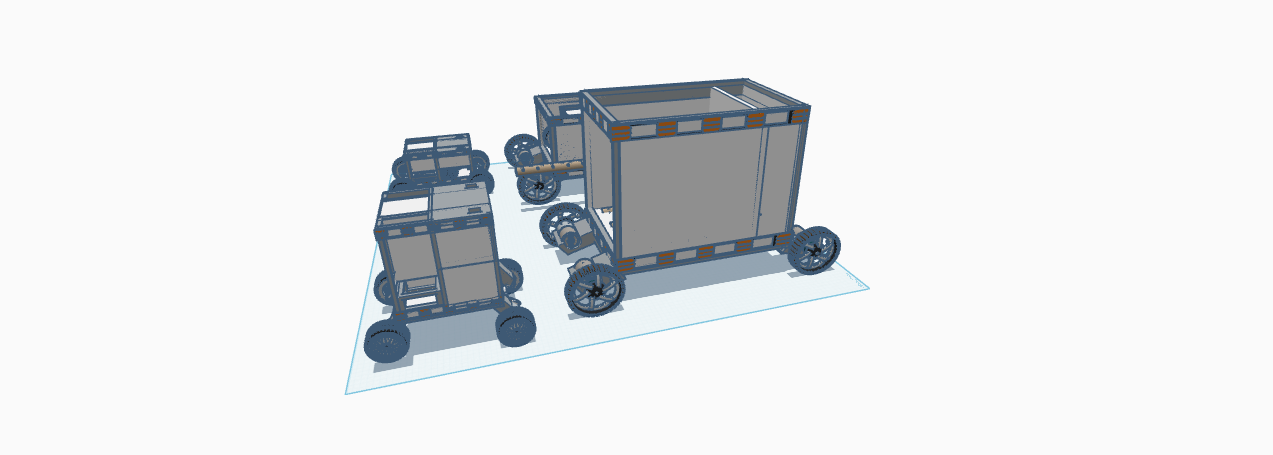
3d view of medibot
-
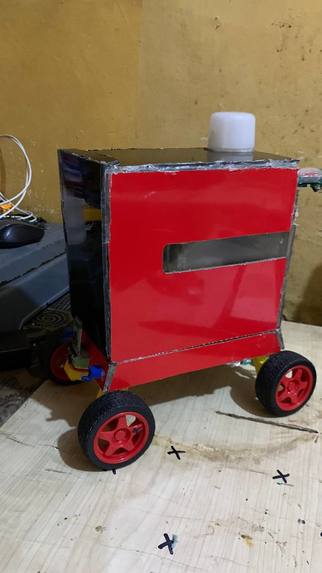
final prototype
-
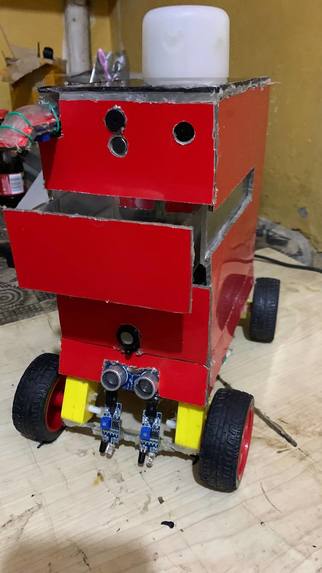
final prototype
-
-
-
-
-
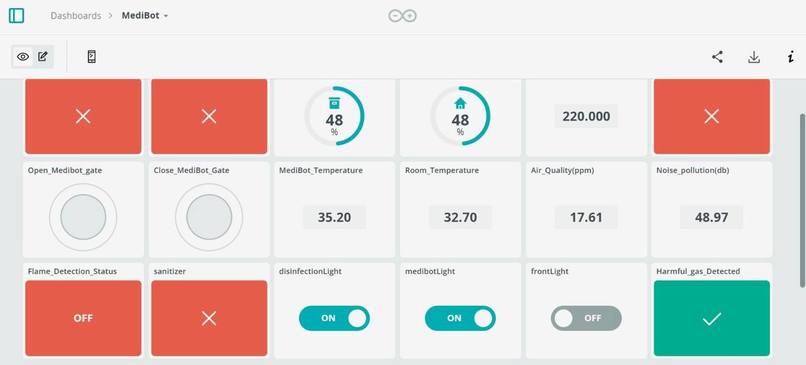
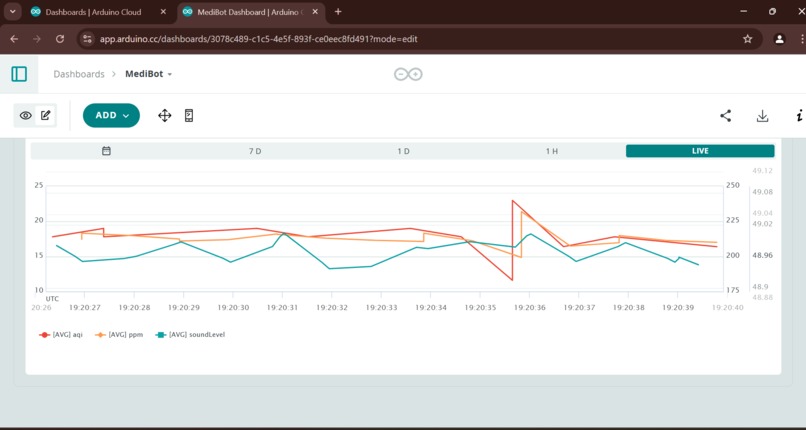
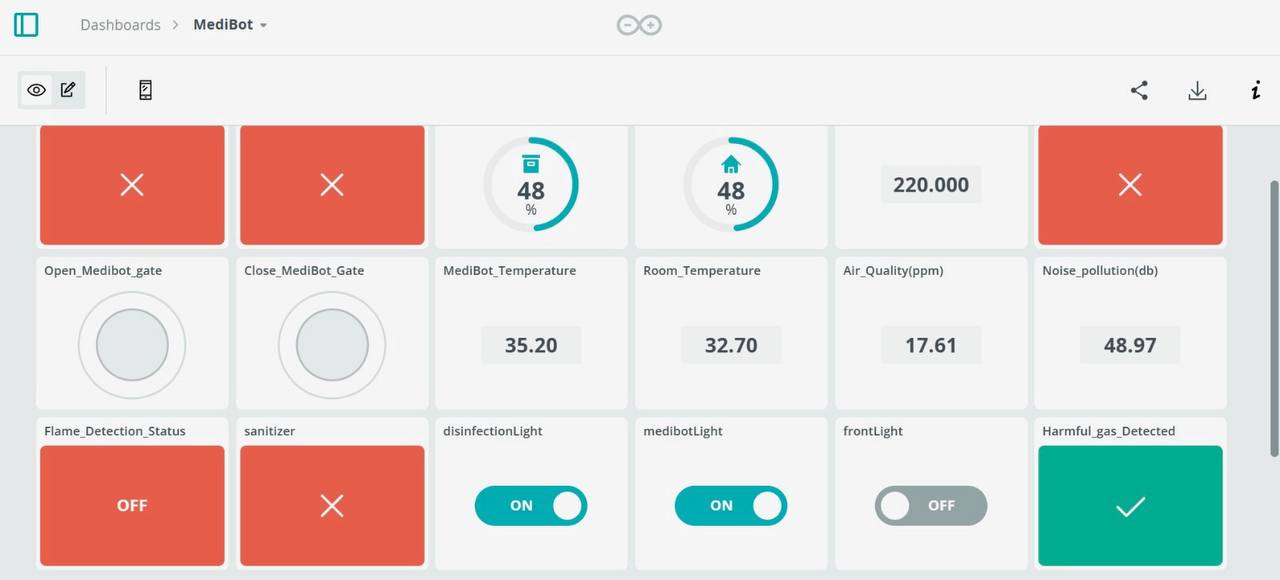
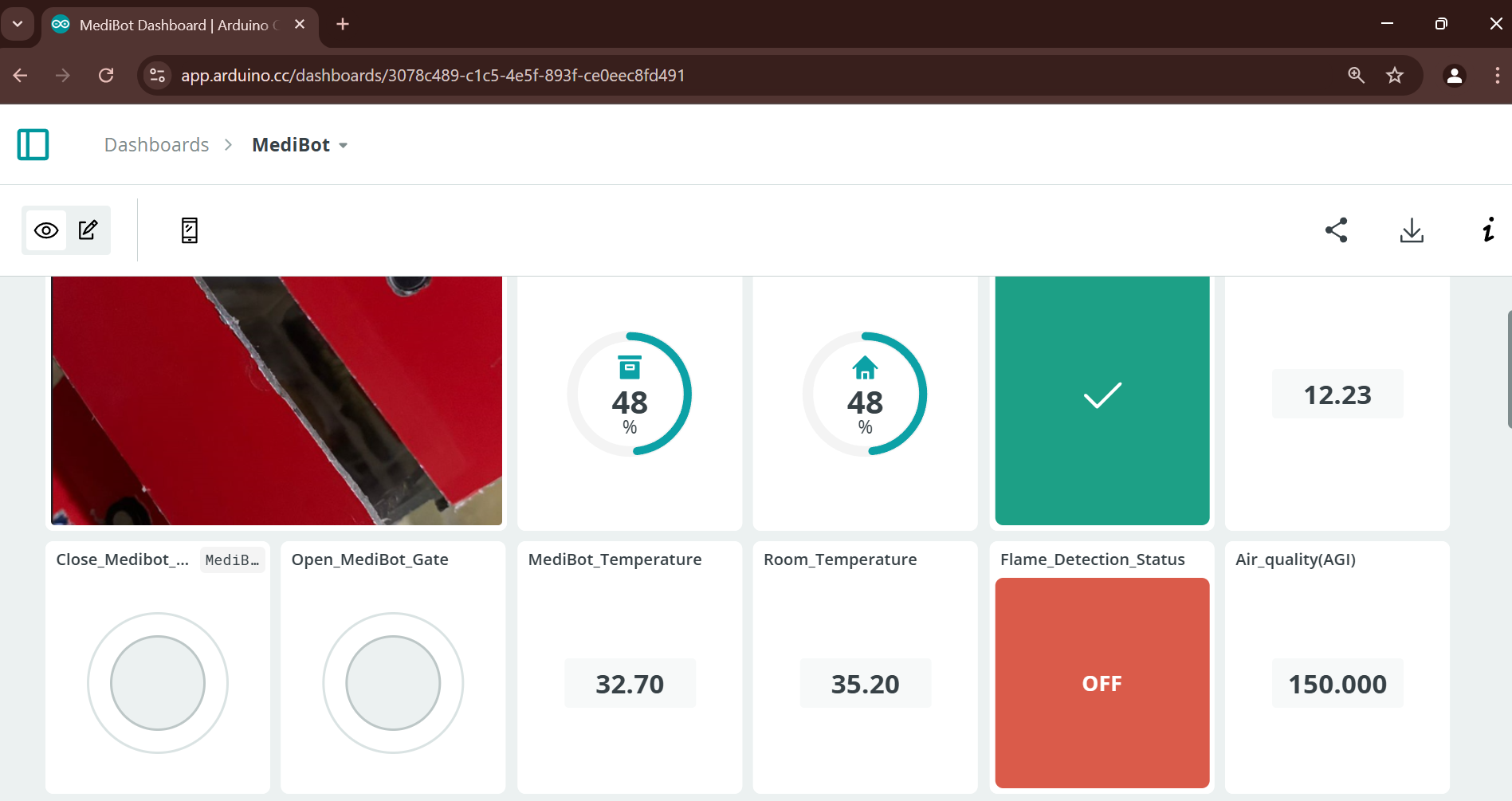
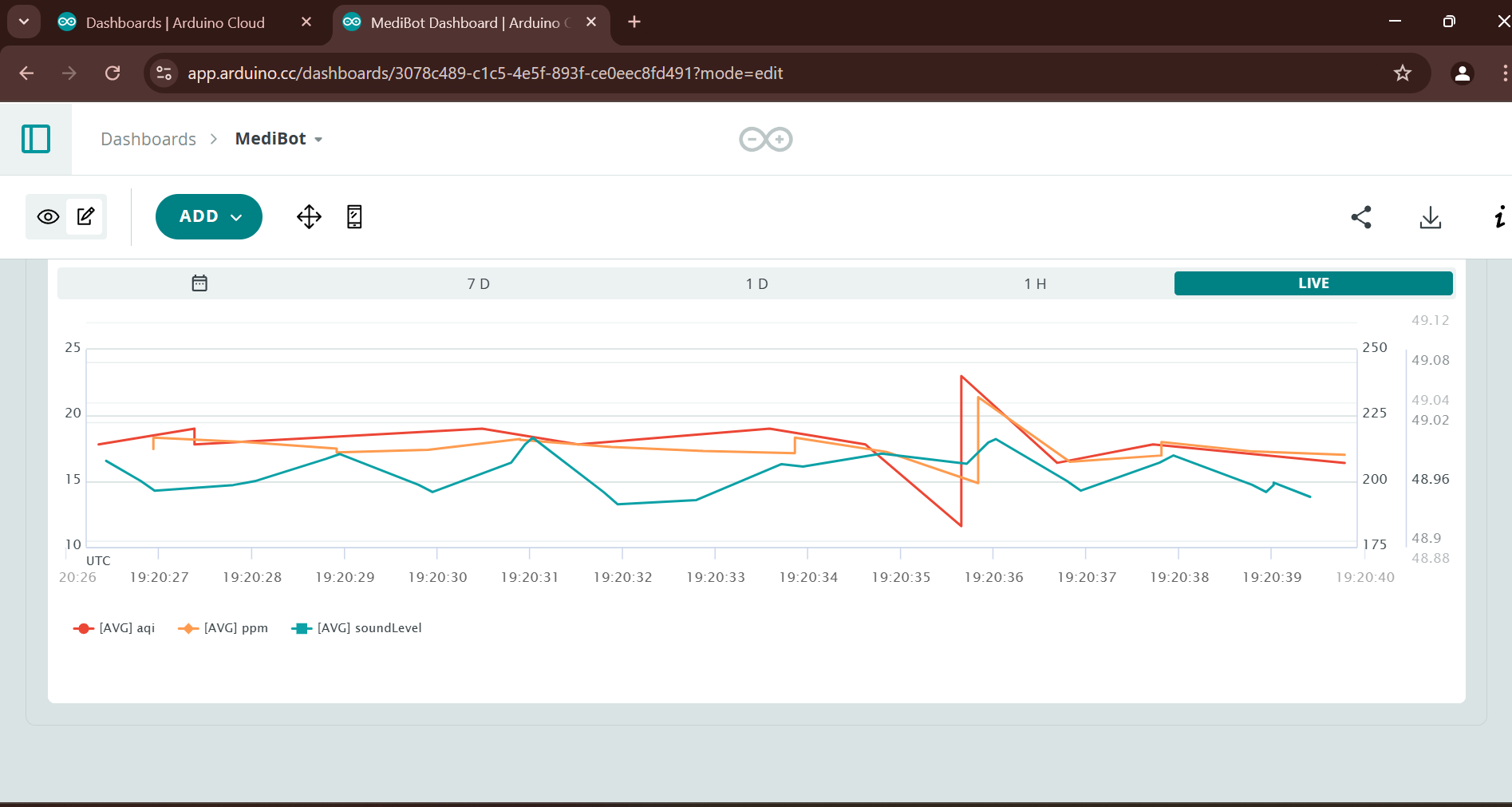
Iot dashboard of Medibot
-
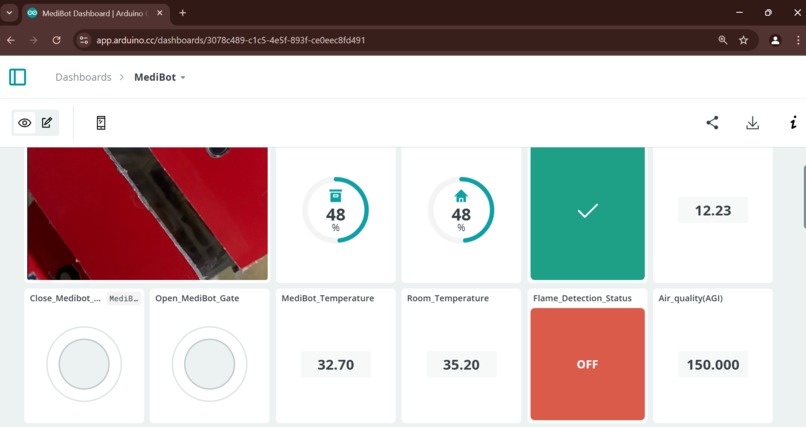
Iot dashboard of Medibot
-

-
-
-
-
-
-
-
-
-
-
-
-
-
-
-
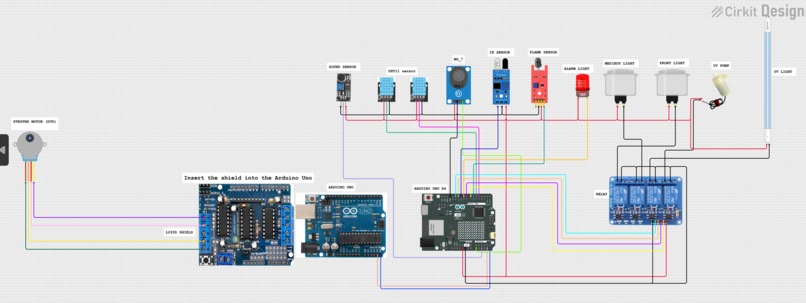
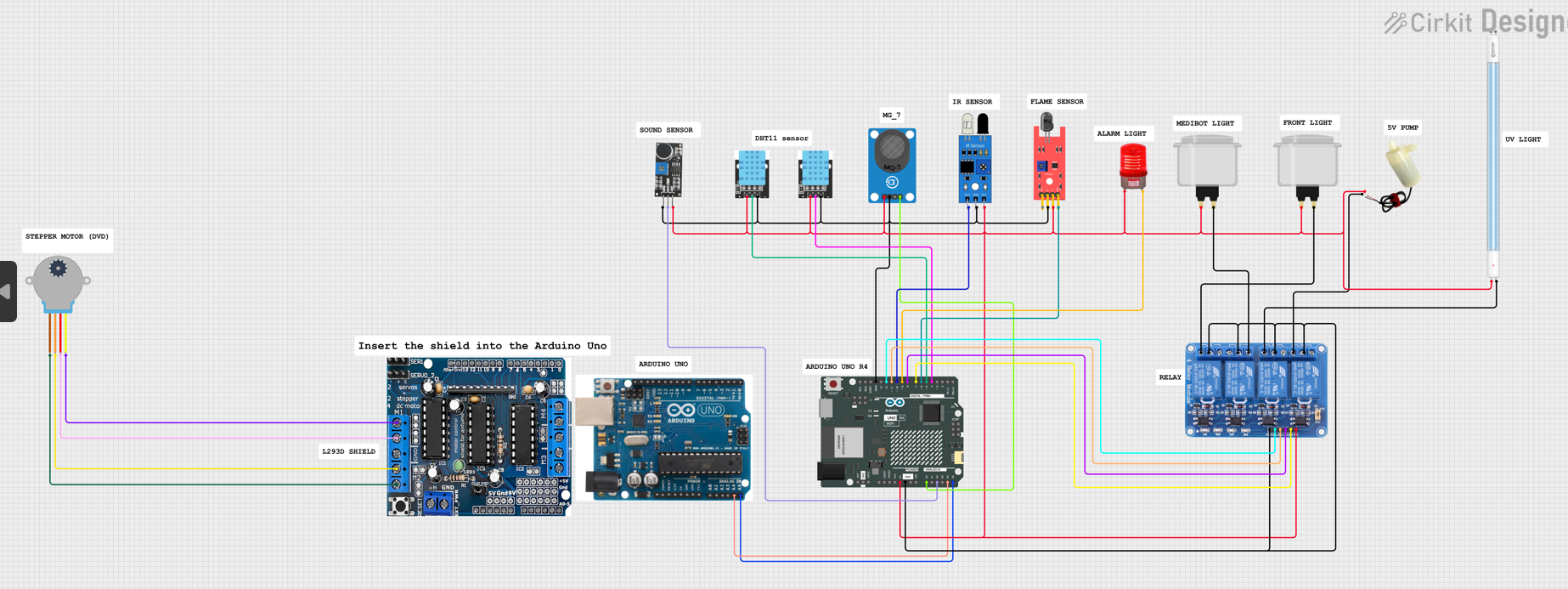
all sensors (IOT part) schematics
-
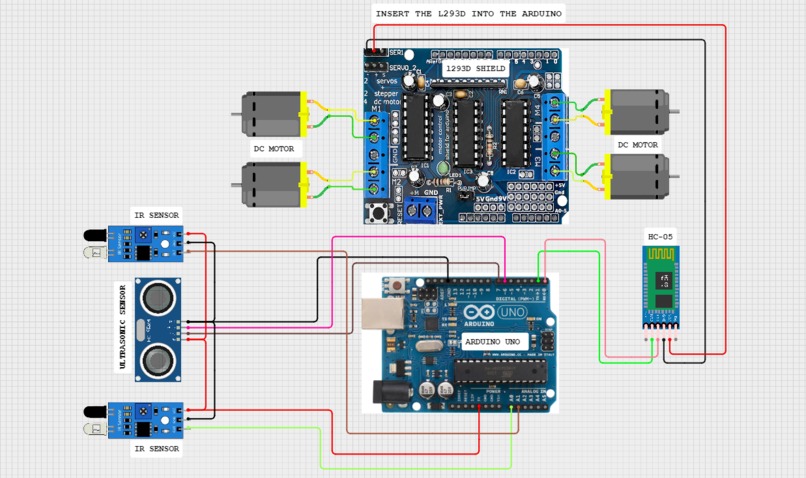
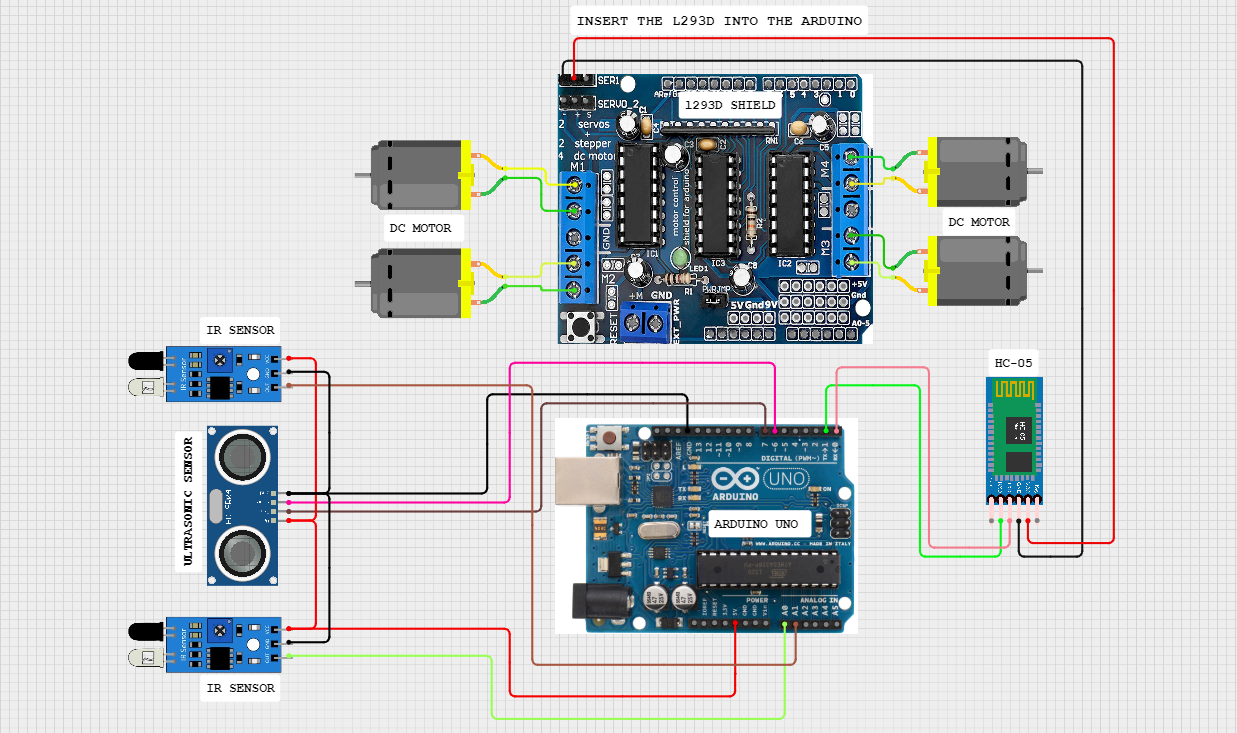
line following and bluetooth(Schematics)
-
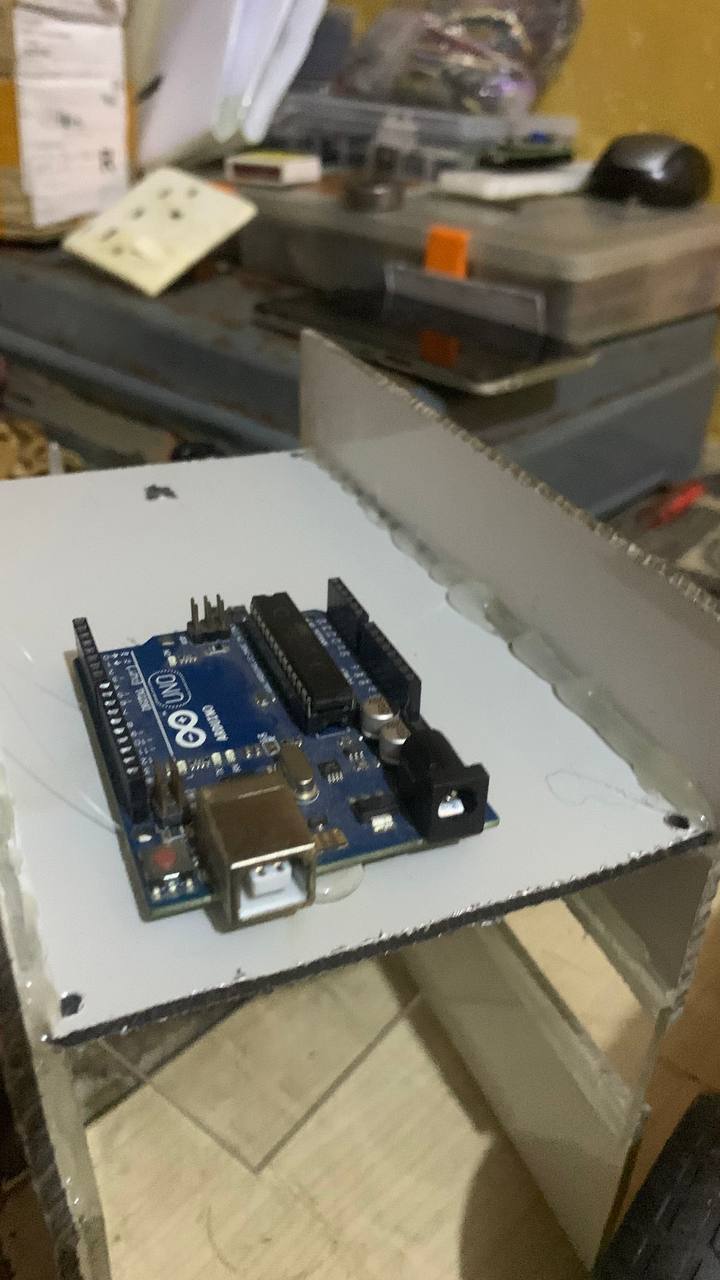
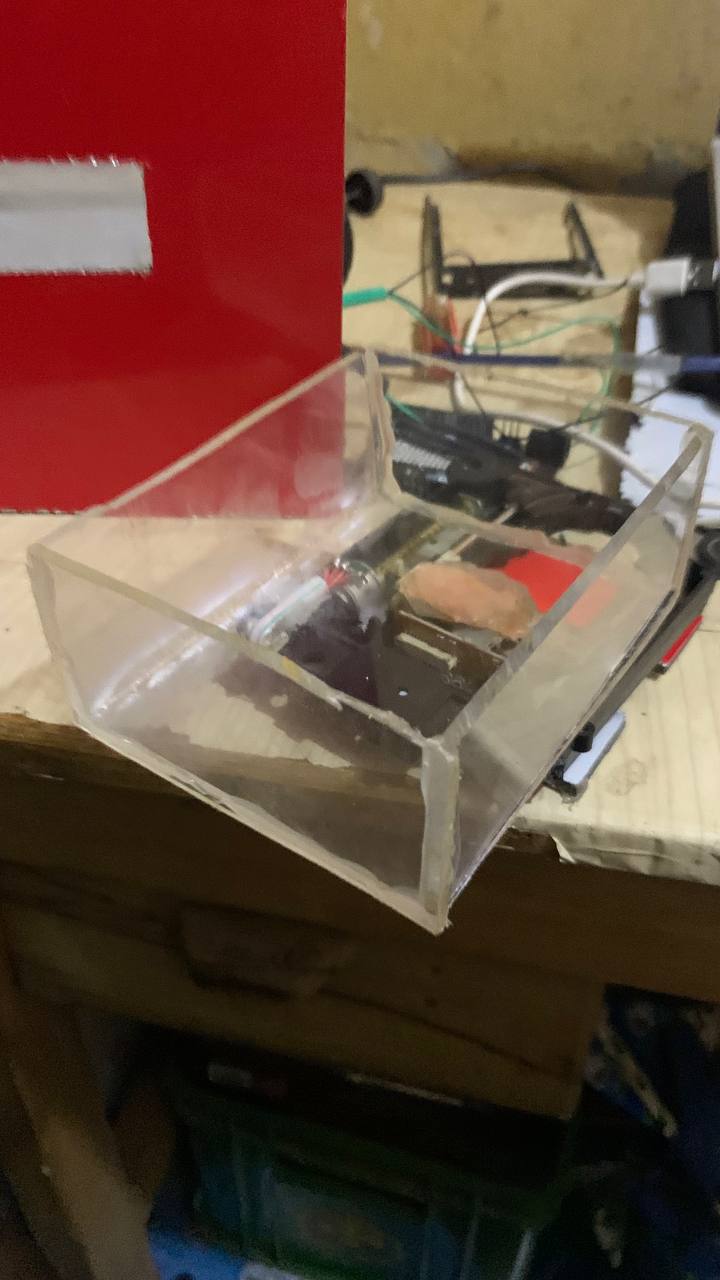
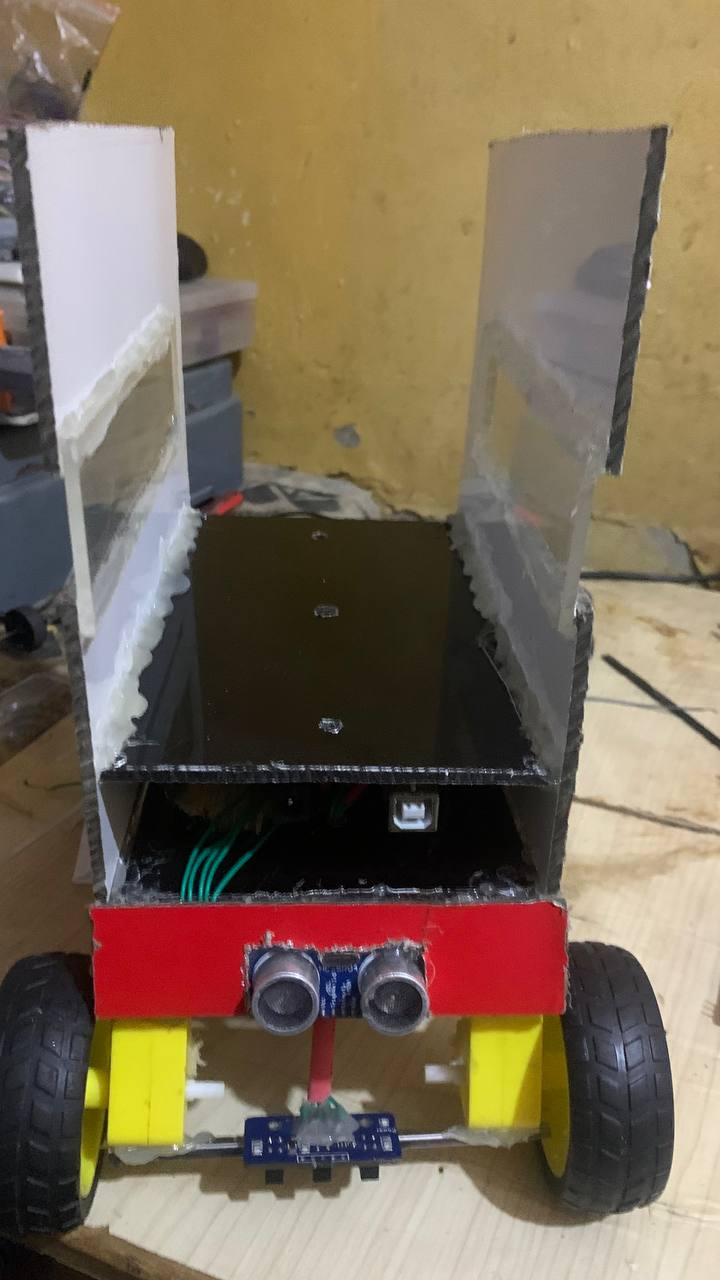
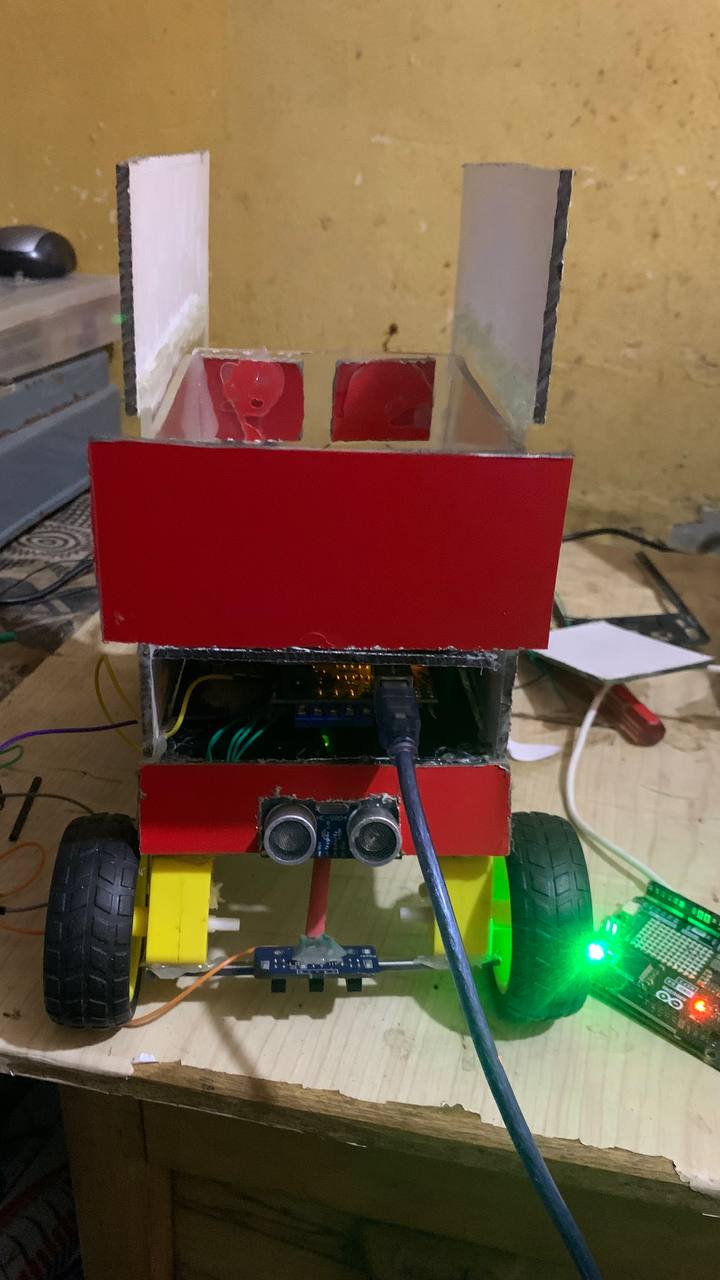
Inspiration
The concept of Medibot originated in 2019 during the COVID-19 pandemic when I was in quarantine, as I observed the immense challenges faced by healthcare workers, particularly the risks involved in delivering medications to patients. The pandemic highlighted the urgent need to reduce contact hours between healthcare professionals and patients, ensuring their safety while maintaining effective care delivery. Determined to create a solution, I partnered with my coursemates to envision a robot that could automate routine tasks, such as drug delivery, to minimize exposure. Although resource constraints and limited funding delayed the project's start, we remained committed to turning this vision into reality. From 2020 to 2024, we worked tirelessly to gather the necessary resources and refine the concept. By 2024, we began developing Medibot, and through relentless effort, we completed a functional prototype in January 2025. While originally inspired by the need to manage infectious diseases, Medibot's functionality extends beyond pandemics. It continues to be a valuable tool for improving the efficiency of drug delivery to patients and enhancing overall healthcare operations. Its ability to reduce exposure and streamline routine tasks makes it a vital asset for the future of healthcare
What it does
Medibot is a semi-autonomous robot designed to enhance healthcare operations by automating drug delivery and reducing contact between healthcare workers and patients. Before administering medication, Medibot provides hand sanitization to patients, ensuring hygiene. It monitors key environmental factors, including temperature, humidity, air quality, and sound pollution via IoT , offering real-time data for a safer healthcare environment. The data is also stored for logging and future analysis. Additionally, Medibot can detect early signs of fire or flame. For navigation, it uses a combination of IR sensors and ultrasonic sensors to follow a precise line and avoid obstacles. Medibot can also be manually controlled via Bluetooth for greater flexibility. The robot disinfects floors with UV light, contributing to infection prevention in healthcare settings.
How we built it
The construction of Medibot involved the use of multiple technologies, components, and platforms to ensure efficiency, functionality, and real-time data tracking.
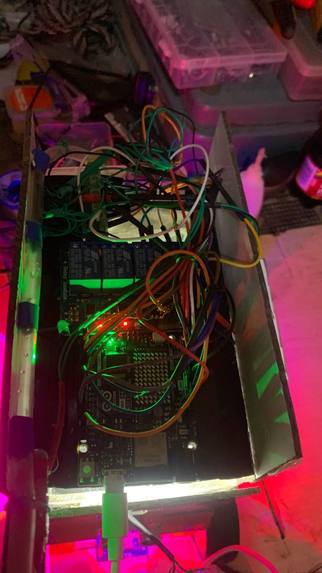
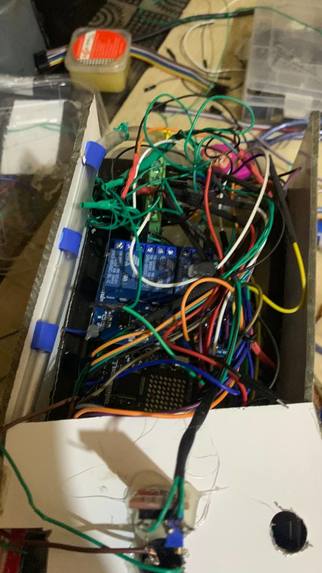
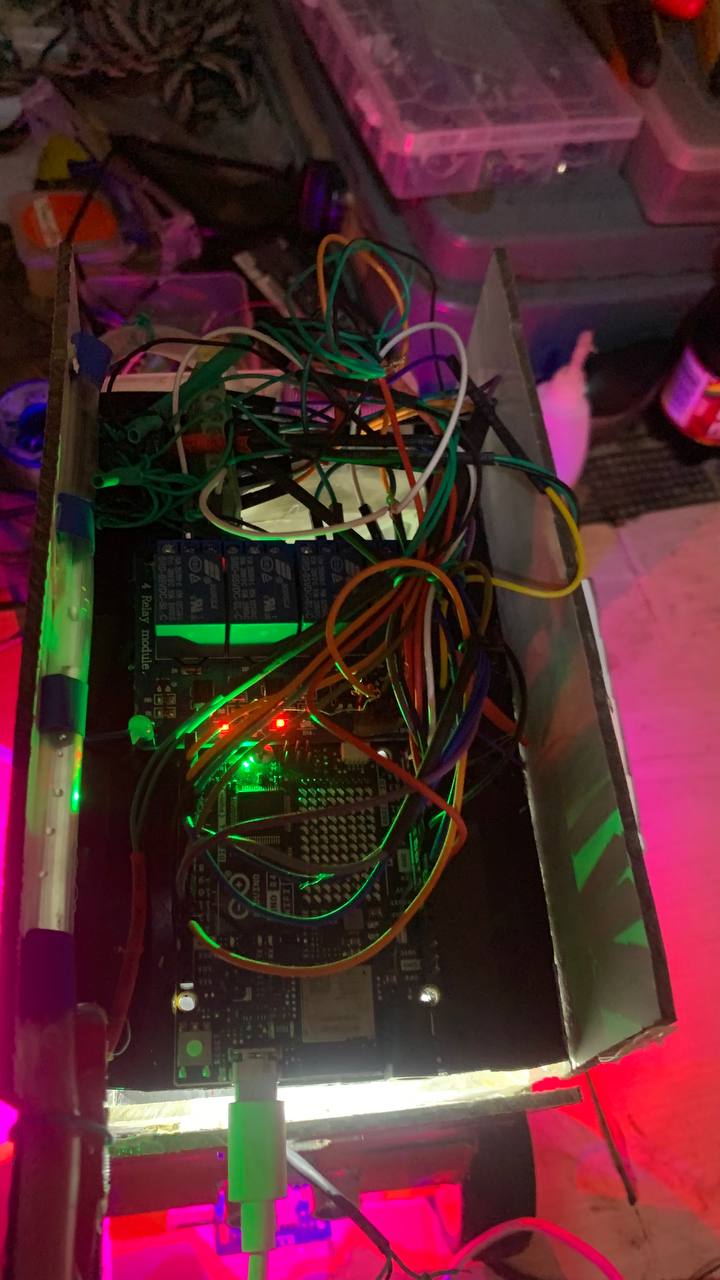
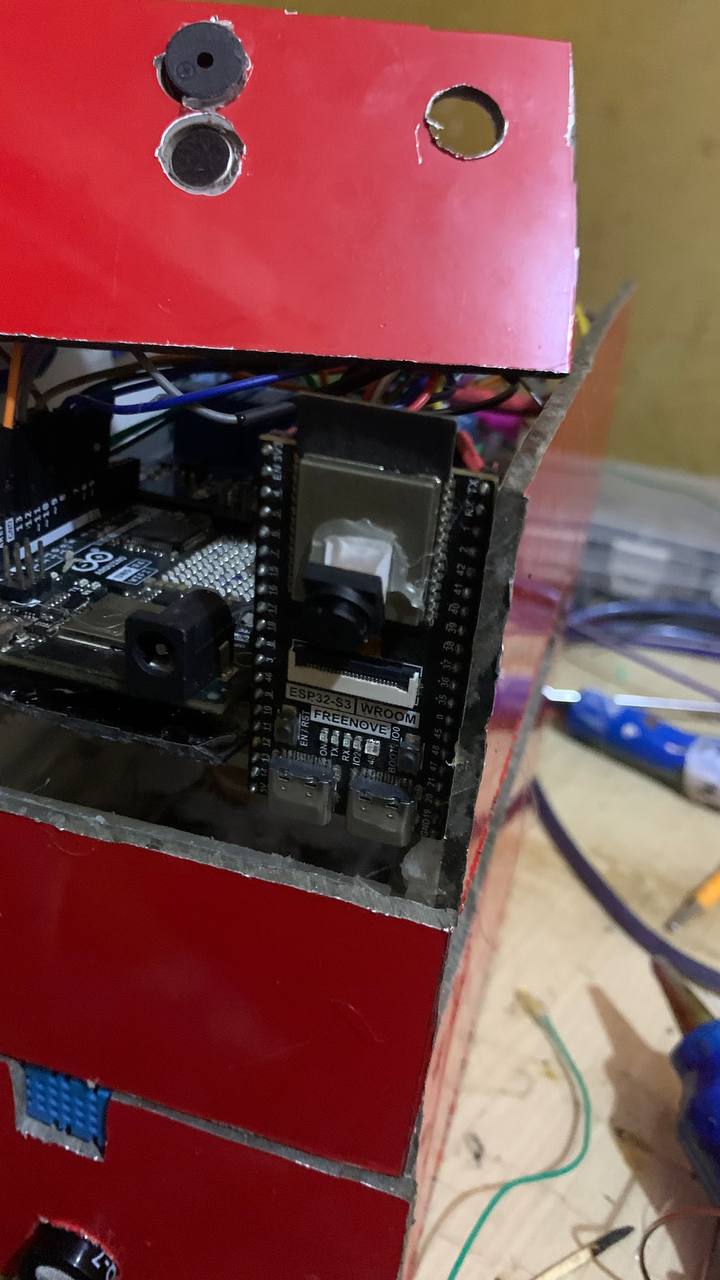
- Microcontroller and System Architecture The central control unit for Medibot is the Arduino Uno. This microcontroller manages data collection from various sensors, processes the information, and controls actuators. The Wire library is used to facilitate communication between the Arduino and connected modules, such as the IoT cloud.
Boards: To ensure specialized functions are handled efficiently, Medibot uses three separate Arduino boards:
*Arduino Uno R4 for IoT Functionality: * Handles IoT-related tasks, such as communicating with the Arduino IoT Cloud for remote control and monitoring. It processes data from sensors (e.g., temperature, humidity, air quality) and triggers actions like turning on the sanitizer dispenser or sending alerts when unsafe conditions are detected.
Arduino Board for Stepper Motor (Gate Control): Controls the stepper motor that manages gate operations, allowing precise movements for opening and closing gates autonomously.
Arduino Board for Movement Control (Bluetooth and Line Tracking): Controls the robot's movement via Bluetooth for manual control and line tracking for autonomous navigation. This board ensures Medibot can follow a predefined path, avoid obstacles, and reach the correct destinations.
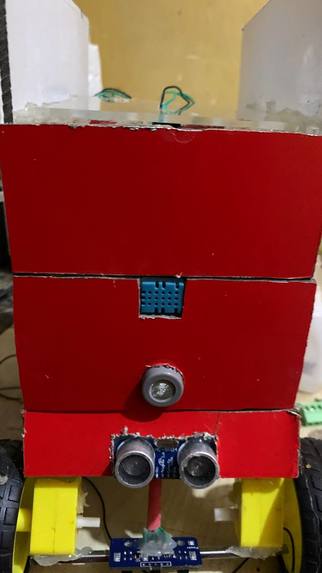
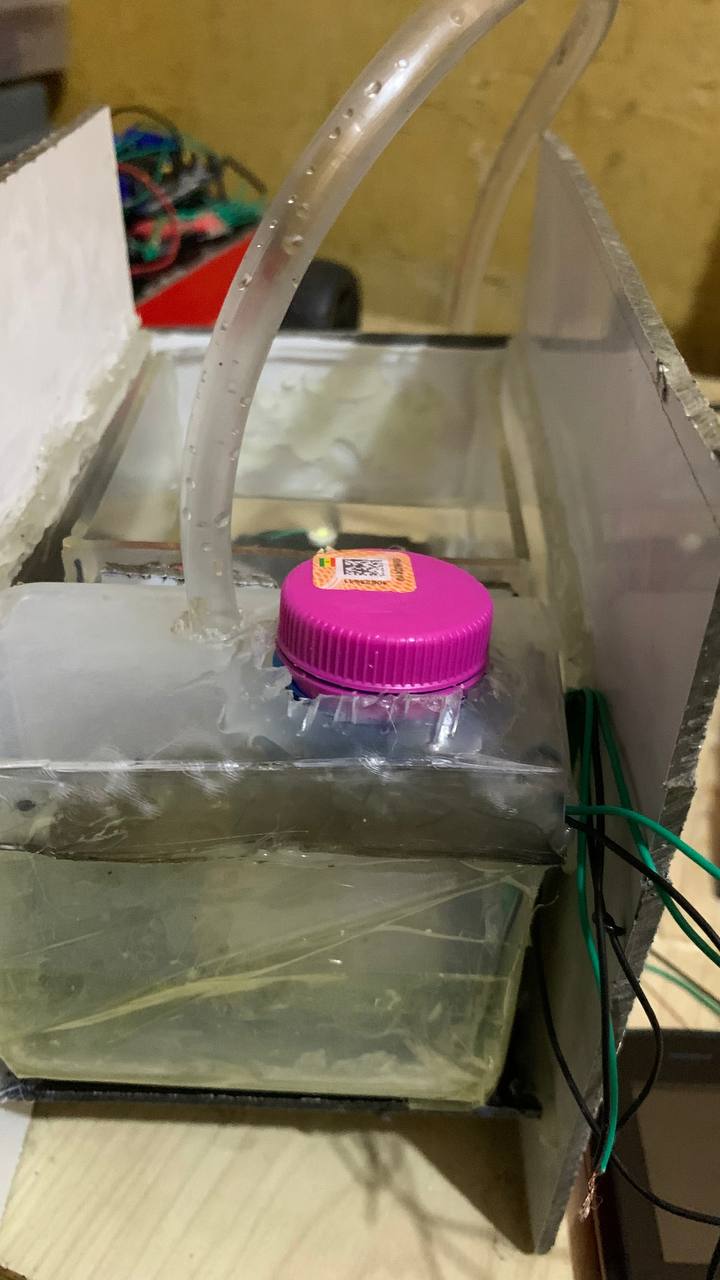
2. Sensors and Connections DHT11 Temperature and Humidity Sensors (x2): Medibot is equipped with two DHT11 sensors (connected to pins 4 and 5). One sensor is placed outside the robot to monitor the room temperature and humidity as the robot enters different areas, ensuring the environment remains safe and comfortable for both the robot and healthcare workers. The second sensor is located inside the robot to monitor the temperature and humidity of the storage area where the drugs are kept. This helps maintain the appropriate conditions for medication storage, ensuring the drugs are kept at the correct temperature and humidity levels for optimal preservation.
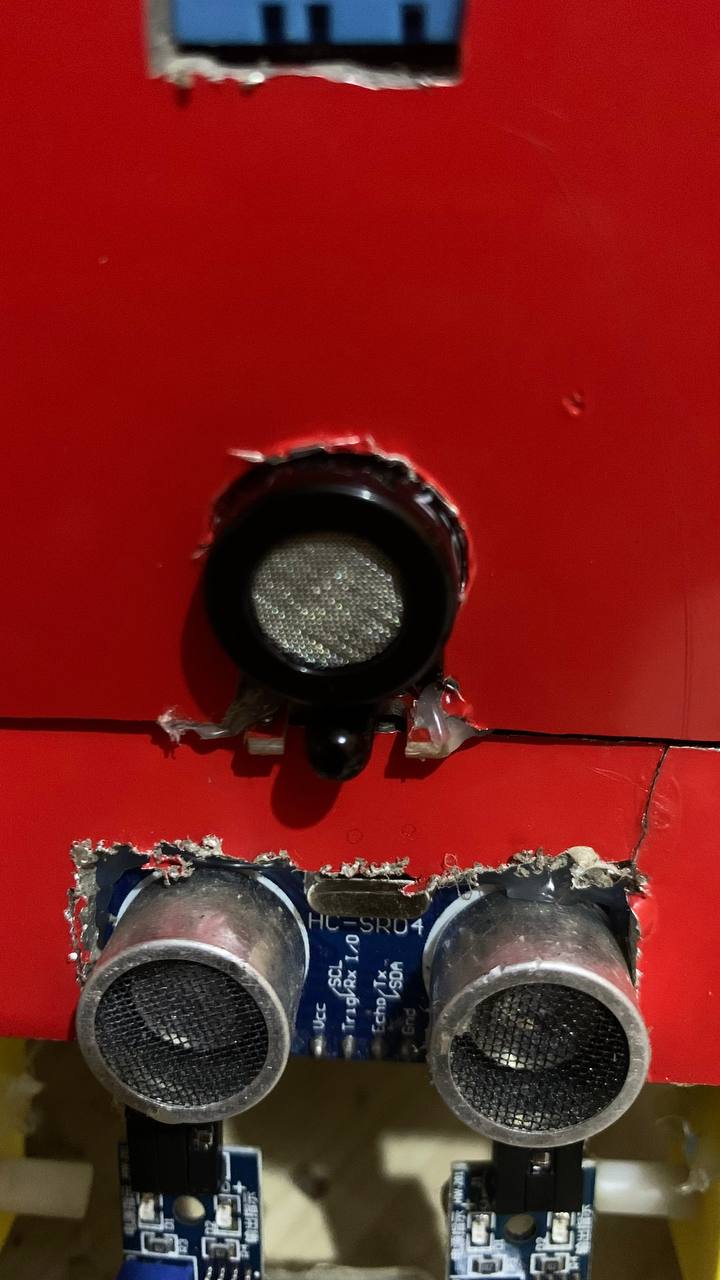
MQ-7 Gas Sensor: This sensor detects carbon monoxide (CO) levels and calculates the Air Quality Index (AQI) to monitor air quality. It is connected to analog pin A0 for voltage reading, which is further processed to calculate the AQI and CO levels.
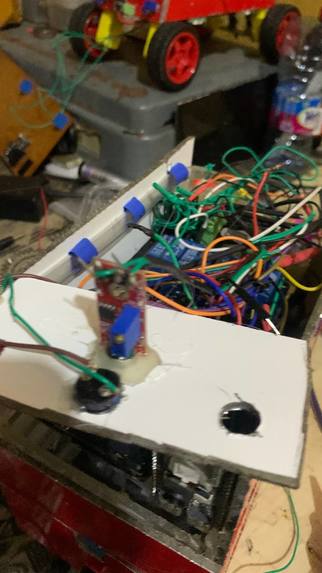
Sound Sensor: Medibot is equipped with a sound sensor to monitor environmental noise levels. It is connected to analog pin A2 and converts the analog signal into decibels (dB).
Flame Sensor: The flame sensor detects fire or flame in the vicinity. It is connected to digital pin 6, providing a digital HIGH/LOW signal based on flame presence. IR Sensor for Sanitizer Activation: The IR sensor detects objects (e.g., hands) in proximity for activating the sanitizer dispenser. It is connected to digital pin 10 and triggers the relay that controls the sanitizer dispenser.
IR Sensors (x3),Medibot uses three IR sensors to perform specific tasks:
IR Sensor 1 (for patient hand detection): This sensor detects the presence of the patient's hand and triggers the activation of a 5V DC pump to dispense sanitizer. It is connected to pin 10. IR Sensors 2 & 3 (for line tracking): These sensors are used for line tracking, enabling the robot to follow a predefined path. They help Medibot navigate autonomously along a specific track, ensuring it stays on course. These sensors are connected to the appropriate pins on the Arduino.
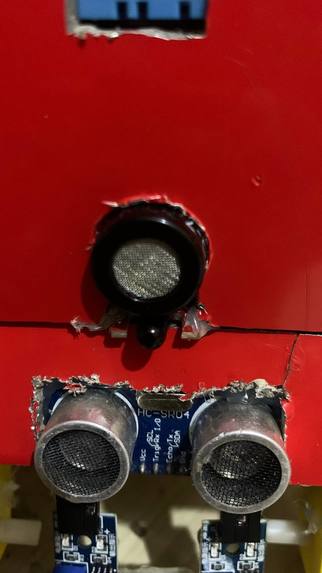
Ultrasonic Sensor (Obstacle Avoidance): An ultrasonic sensor is integrated into Medibot to provide obstacle avoidance capabilities. It detects obstacles in the robot's path, helping it navigate safely and avoid collisions while performing tasks. The ultrasonic sensor allows Medibot to change direction if any obstruction is detected, ensuring efficient movement through the healthcare environment.
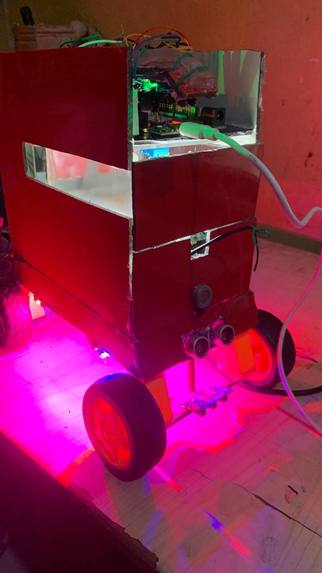
3.Actuators and Outputs Relay Modules: Medibot uses multiple relay modules to control various functions, including disinfection lights, the sanitizer motor, and alert systems. Each module is connected to specific pins: Disinfection Light: Pin 7 Front Light: Pin 8 Medibot Light: Pin 11 Sanitizer Dispenser Motor: Pin 12 Buzzer: A buzzer emits sound alerts for hazardous conditions such as high gas levels or fire detection. It is connected to digital pin 9. Green LED: Indicates the idle state of the sanitizer system. Connected to digital pin 2.
4. IoT Integration Arduino IoT Cloud: To integrate real-time data monitoring and remote control, Medibot is connected to the Arduino IoT Cloud using the Arduino IoT Cloud library and thingProperties.h. The system uploads key parameters like gasAlertLight, soundAlert, and hand sanitizer to the cloud for remote monitoring.
5. Manual Control via Bluetooth MIT App Inventor: To provide manual control, we created a Bluetooth app using MIT App Inventor. This app enables users to interact with Medibot via Bluetooth, giving them the ability to control its movement and activate functions such as the sanitizer dispenser or disinfection lights. The app communicates with the Bluetooth module attached to the Arduino board controlling the Medibot’s movement. Users can adjust its path, stop or start the robot, and perform specific tasks manually as needed.
6. Line Tracking for Navigation IR Sensors: Medibot uses IR sensors to follow precise lines on the floor, allowing it to navigate specific paths. This line-tracking feature ensures that Medibot can autonomously move to designated areas to perform tasks like delivering medication or sanitizing the environment.
Key Features and Functionality Drug Delivery: Medibot's primary function is automated drug delivery to patients, ensuring timely and accurate administration of medication.
Environmental Monitoring: Medibot continuously monitors temperature, humidity, air quality, sound pollution, and flame detection, providing real-time data to ensure a safe and healthy environment for both patients and healthcare staff.
Disinfection and Sanitization: Medibot dispenses sanitizer to patients before administering medication, promoting cleanliness and helping reduce the spread of infections.
Manual and Autonomous Control: Medibot offers manual control via Bluetooth, allowing the operator to take direct command of the robot. Additionally, it can autonomously follow predefined lines using IR sensors for navigation and obstacle avoidance with the ultrasonic sensor.
_IoT Integration-: Through Arduino IoT Cloud, Medibot enables real-time data logging, cloud synchronization, and remote control, providing seamless monitoring and management of its functionalities for enhanced healthcare operations.
Challenges we ran into
Resource Constraints: One of the major challenges was the lack of sufficient funding, which delayed the procurement of necessary components and materials. This limited the scope of some features, and we had to find creative solutions or substitute components to keep the project moving forward.
Sensor Calibration and Accuracy: Ensuring accurate readings from the sensors, especially for air quality and environmental factors, was challenging. It required multiple adjustments to fine-tune the sensors for reliable data collection.
Bluetooth Control Stability: Maintaining a stable Bluetooth connection for manual control was an issue. Inconsistent communication between the mobile app and Medibot led to delayed or lost responses, requiring several iterations to improve the system’s reliability.
Accomplishments That We Are Proud Of
Successful Integration of IoT and Sensors: Medibot's seamless integration with the Arduino IoT Cloud for real-time data monitoring and logging was a major accomplishment. This allows for remote control and provides valuable data for healthcare improvement.
Multi-Functionality Design: Medibot’s ability to automate drug delivery, sanitization, and environmental monitoring, all while ensuring patient safety and reducing human interaction, is a significant achievement. The combination of multiple sensors (e.g., temperature, humidity, air quality) and actuators in a single device adds great value.
Overcoming Resource Constraints: Despite limited funds, we were able to source and repurpose components to bring Medibot to life. The development process taught me resourcefulness and creative problem-solving, making the project even more meaningful.
What we learned
Practical IoT Integration: we gained hands-on experience integrating IoT with physical devices using Arduino, and learned how to effectively manage real-time data and cloud synchronization via the Arduino IoT Cloud.
Sensor and Actuator Handling: we improved my understanding of various sensors (DHT11, MQ-7, IR, ultrasonic) and actuators (relay, motors) in a robotics system, learning how to ensure proper calibration, functionality, and communication between components.
Problem-Solving and Innovation: Given the resource constraints and the challenges faced, we developed strong problem-solving skills. we learned to adapt, repurpose materials, and innovate to create a functional prototype without compromising on the core goals of the project.
Project Management: Balancing the technical and logistical aspects of the project, especially under tight budgetary constraints, taught me valuable lessons in project management, resource allocation, and prioritization.
Healthcare Application of Robotics: we gained insights into the impact of automation and robotics in healthcare, specifically in improving safety, reducing infection risk, and streamlining operations. This has broadened my perspective on the potential of technology in healthcare.
What's next for Medibot
AI Integration and Automation: we plan to incorporate advanced AI algorithms for smarter decision-making, such as real-time risk assessment and predictive analytics for medication delivery. This will allow Medibot to adapt and learn from its environment, further enhancing its autonomous capabilities.
Testing and Refinement: Extensive real-world testing will be conducted to refine Medibot's performance, particularly in terms of autonomous navigation, sensor accuracy, and seamless operation in diverse healthcare settings.
Feature Expansion: we aim to integrate additional features like remote monitoring via a mobile app, medication tracking, and interoperability with healthcare management systems. This will increase Medibot's utility and adaptability for healthcare workers and patients.
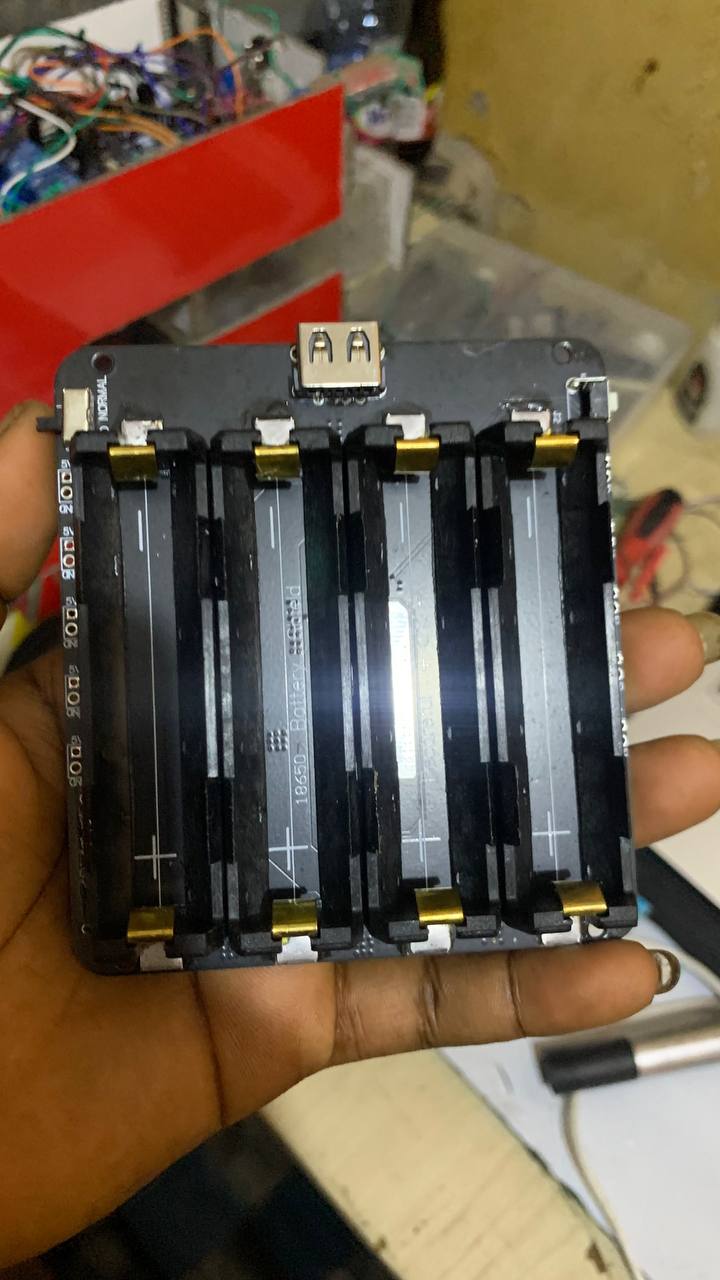
Resource Optimization: With additional funding, we will focus on optimizing Medibot’s hardware to make it more cost-effective while improving performance. Power efficiency will also be a priority to ensure longer operational periods.
Collaboration with Healthcare Institutions: Future partnerships with healthcare providers will help implement Medibot in clinical settings, providing valuable feedback to refine the system for real-world applications.
Scalability and Production: After successful testing and refinement, the focus will shift to scaling production, allowing Medibot to be deployed in healthcare facilities globally, enhancing efficiency and safety.
Built With
- arduino
- bluetooth
- c++
- cirkit-designer
- iot
- line-following
- mit-app-inventor
- tinkercad


Log in or sign up for Devpost to join the conversation.