-
Connecting People to Med
-
System Design
-
-
-
-
-
-
Final Result
Inspiration
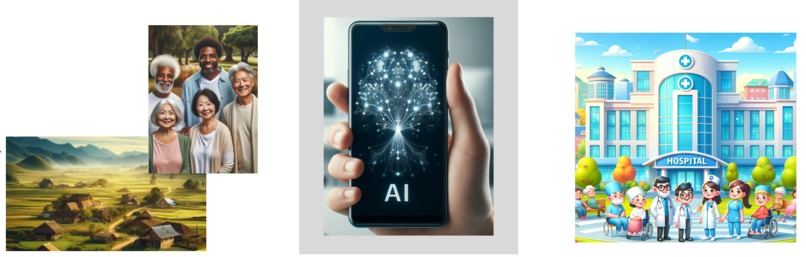
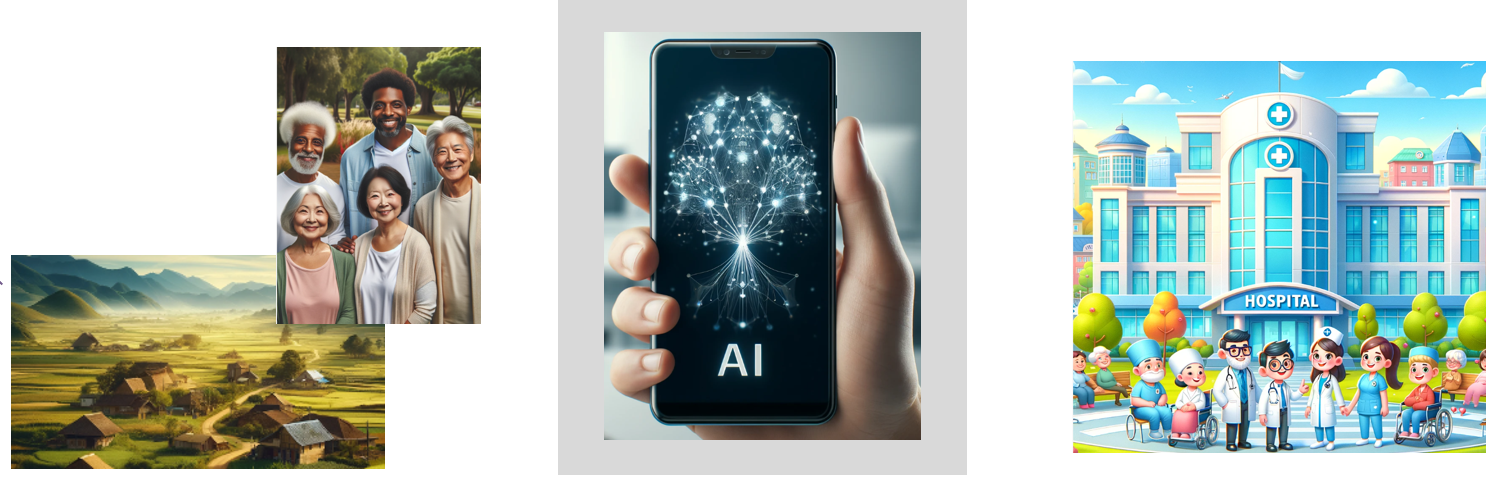
The healthcare industry has greatly benefited from recent advancements in artificial intelligence, particularly through the development of Large Language Models (LLMs). These models have improved communication between humans and machines, making interactions more seamless and effective. Our goal is to tailor these models specifically for healthcare to meet unique clinical needs and enhance the patient-physician relationship. We are developing a robust LLM application that promotes better health management and adherence to medical guidance, minimizing miscommunication and improving self-care. This is particularly valuable in remote areas with limited medical facilities, where our application can bridge the gap by leveraging widespread internet access to bring healthcare closer to those in need.
What it does
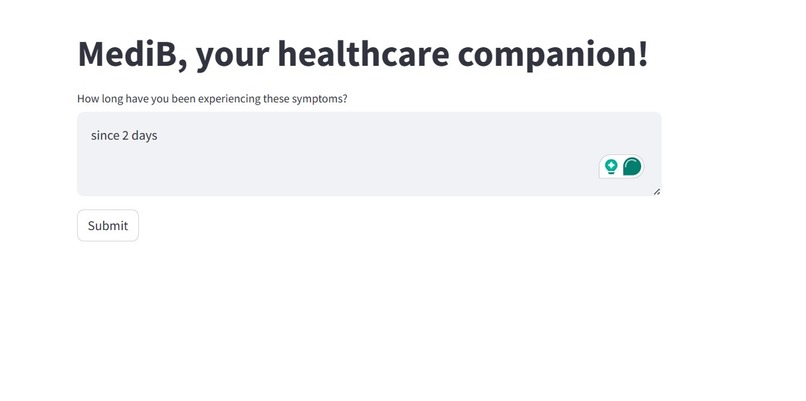
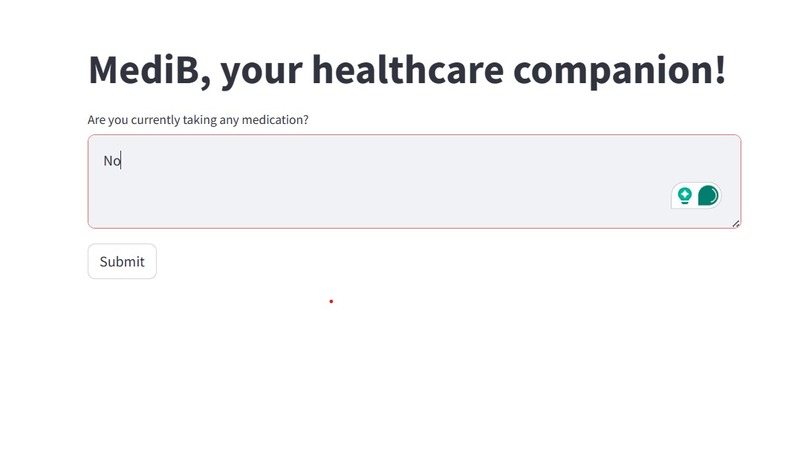
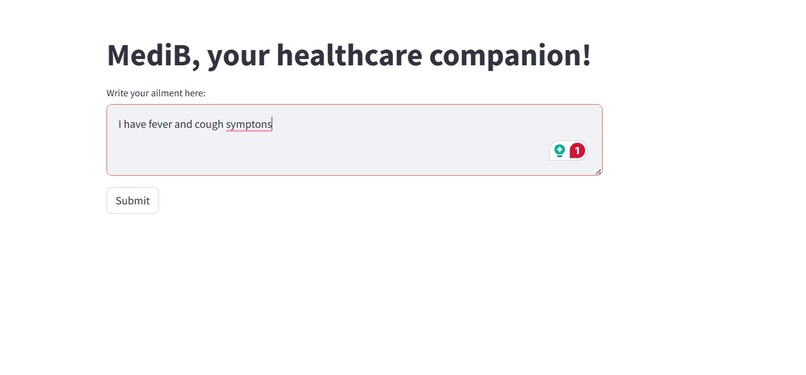
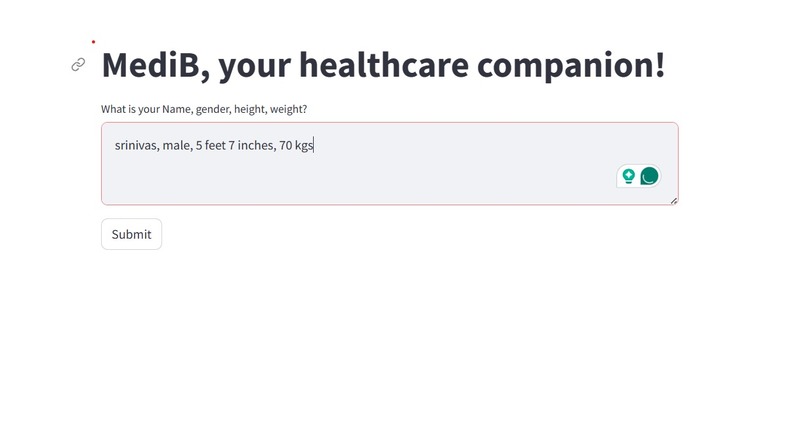
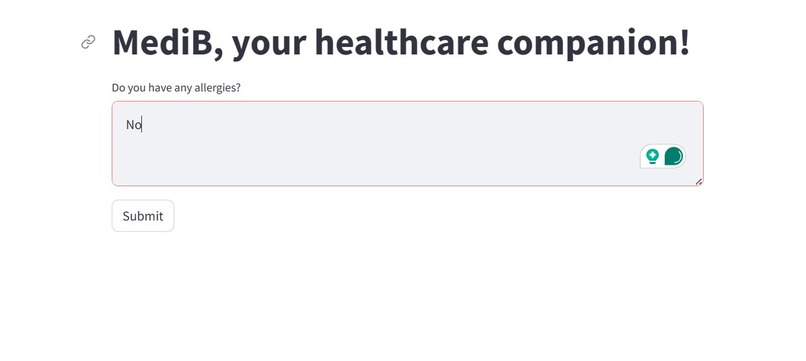
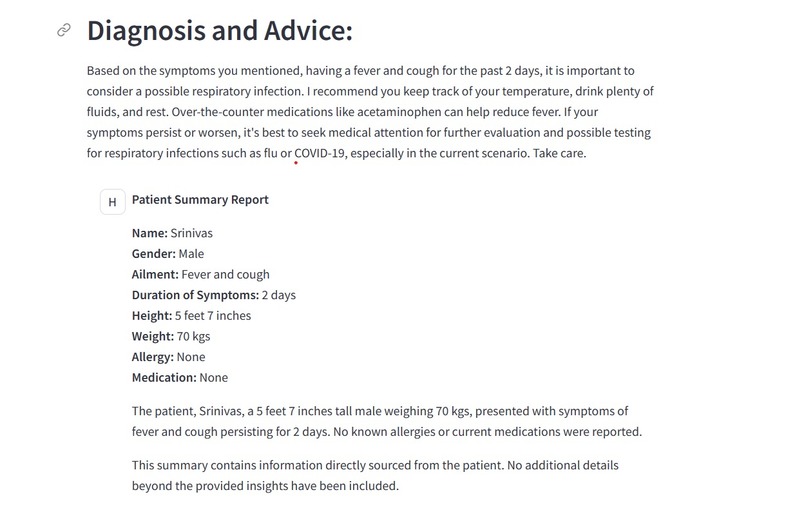
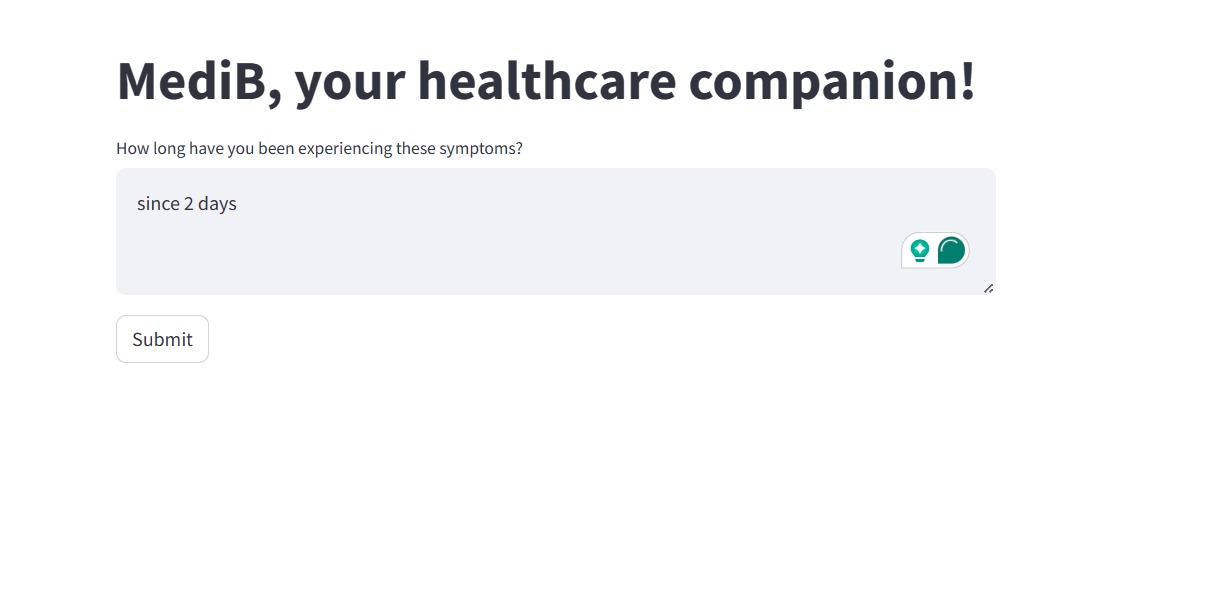
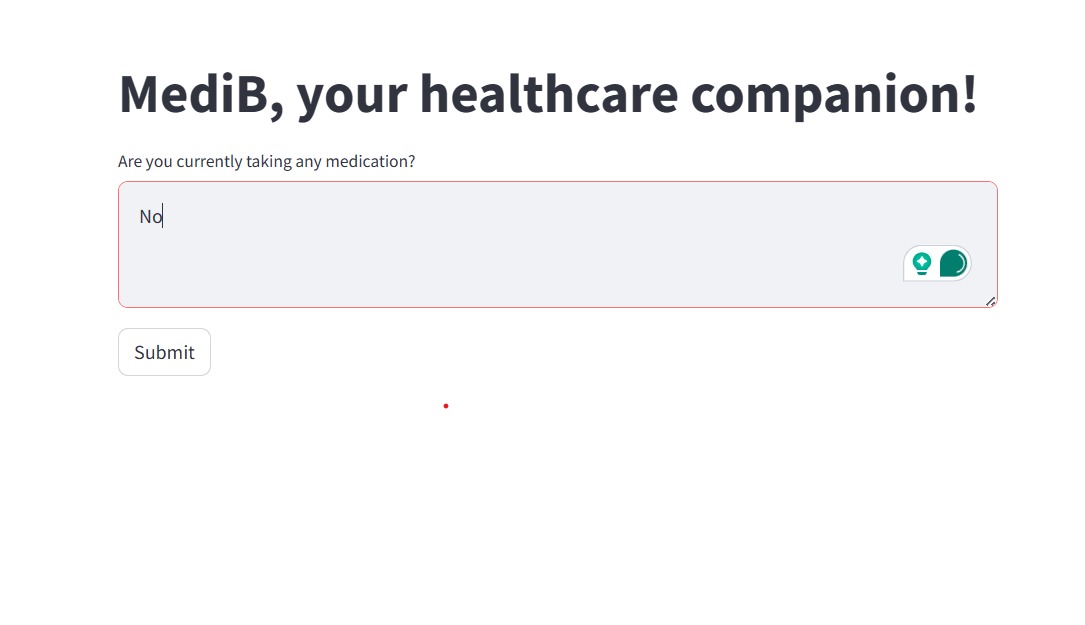
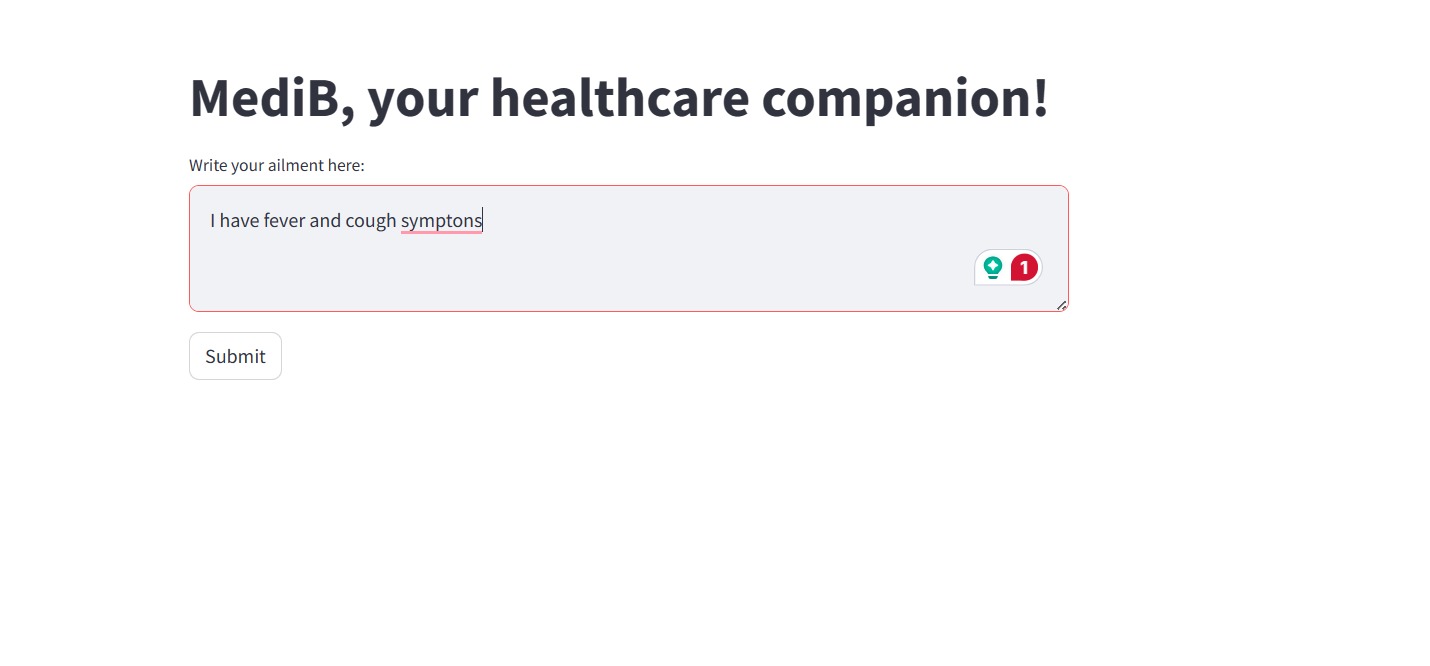
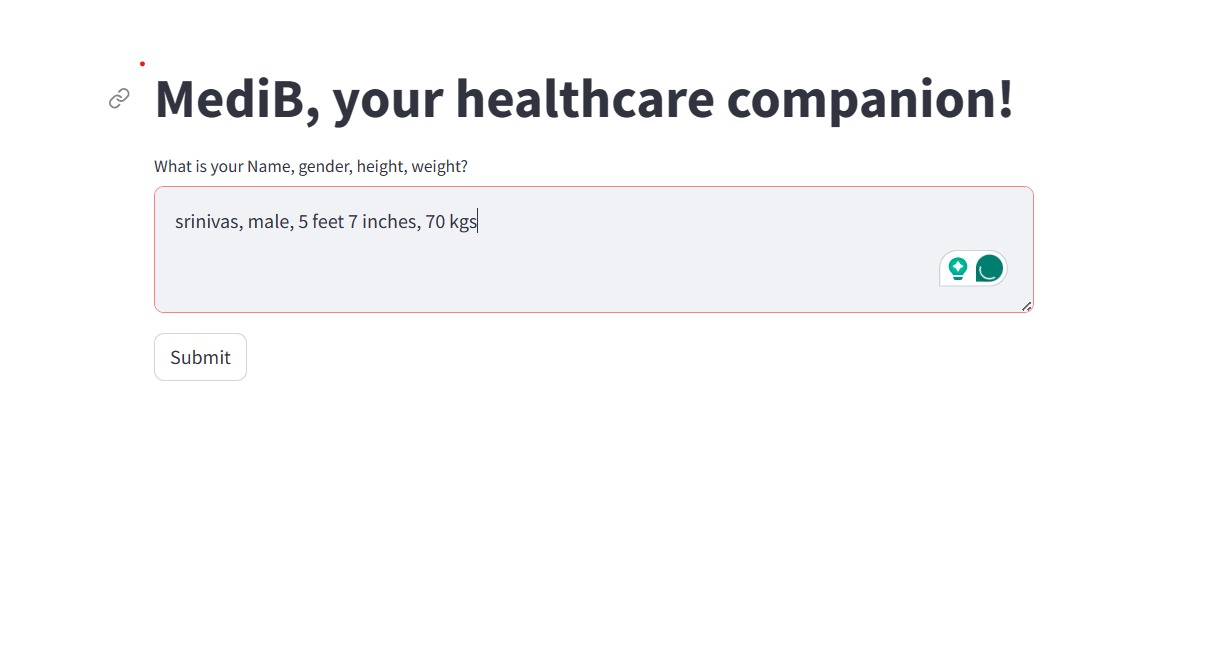
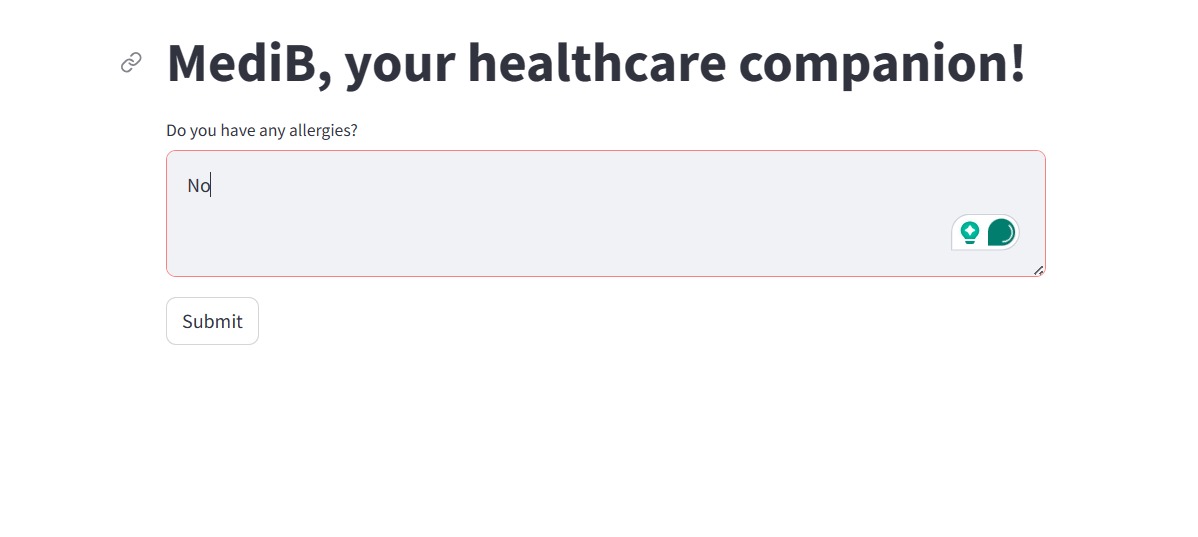
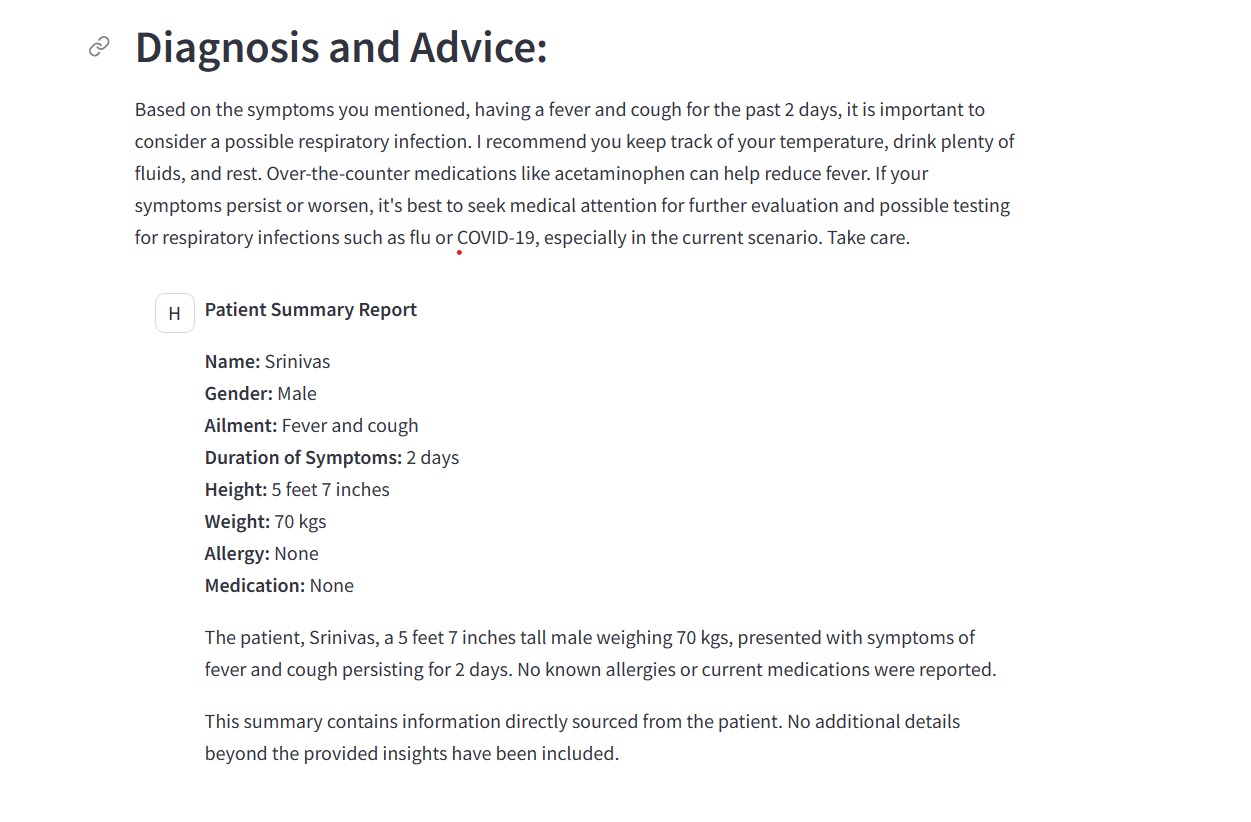
MediB is an advanced healthcare consultation application that offers intelligent and convenient communication for patients with medical queries. With this app, users can interact with a machine much like they would with a doctor, sharing their concerns and seeking advice and suggestions. The app processes patient queries by gathering information such as age, previous medications, and current symptoms. It then identifies the potential medical condition affecting the patient and provides recommendations for home remedies or suggests a doctor or hospital visit. Additionally, MediBee tracks previous conversations to monitor symptom progression, which helps in identifying if the condition has evolved or led to other diseases.
How we built it
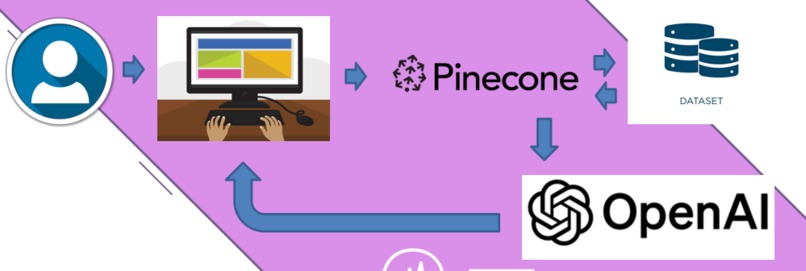
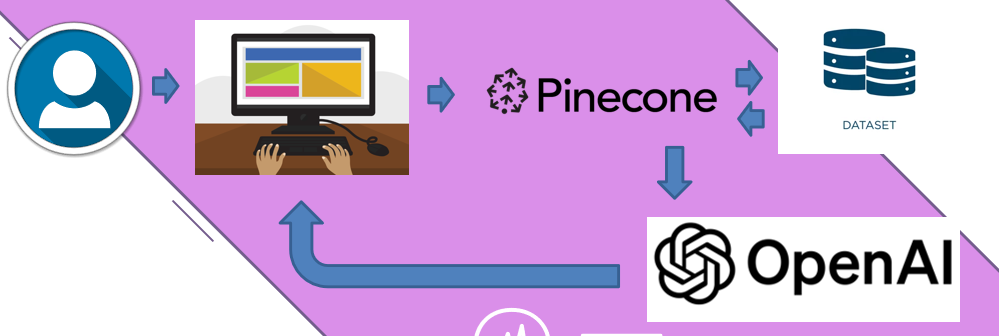
To develop this healthcare application, we began by researching clinical specifications to select an appropriate dataset. We used this dataset to extract features, such as symptoms and resolutions, from each entry. For storing the extracted vectors and weights, we utilized Pinecone. Next, we used the Streamlit framework to create a user interface. Through this interface, users can submit their queries, which are then matched with similar content stored in Pinecone. We combined this matched data with the user's query and forwarded it to ChatGPT via the OpenAI API. The responses generated by ChatGPT are more refined and accurate compared to typical queries processed through the OpenAI API. This method of enhancing a large language model's output is known as Retrieval-Augmented Generation (RAG). Furthermore, we incorporated Langchain technology to link previous conversations, allowing for improved responses in future interactions.
Challenges we ran into
One of the challenges we faced was finding a dataset containing conversations between patients and doctors that included symptoms. Once we found this dataset, we extracted the symptoms and results from these conversations. It was even more challenging to match these extracted vectors with the patient queries from our interface and then combine them to send to OpenAI's ChatGPT. However, through diligent research and the use of reliable resources, we were able to successfully overcome these challenges and ultimately produce the results we wanted.
Accomplishments that we're proud of
While working on this project, we were able to complete our research, select the necessary components, design an efficient system to reduce delays in the recommendation process, and ultimately produce results that help people with limited access to healthcare services.
What we learned
During the 24-hour hackathon, we attended several workshops where we learned about various Large Language Models (LLMs) and their specific applications. This knowledge led us to discover Langchain, which we later implemented in our project. Langchain helps our system remember previous conversations and generate current responses by analyzing past queries and results.
What's next for MediB
The next steps for MediB involve fine-tuning larger datasets to achieve even better results. We were previously limited by not having access to more powerful computational resources. Additionally, we plan to start accepting and analyzing images from patients, such as pictures of wounds and rashes, as well as medical reports like ECGs and X-rays. Furthermore, we aim to obtain the locations of patients and provide them with a list of nearby doctors or hospitals tailored to their specific medical needs. Finally, we are seeking medical accreditation and doctors’ approval to ensure the application's safety and reliability for public use.
Built With
- gpt-api
- openai
- pinecone
- python
- pytoch
- stream-line
- streamlit-ui


Log in or sign up for Devpost to join the conversation.