-
-
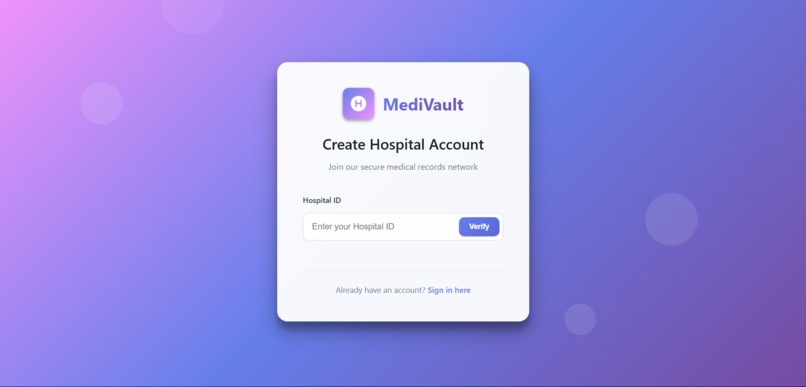
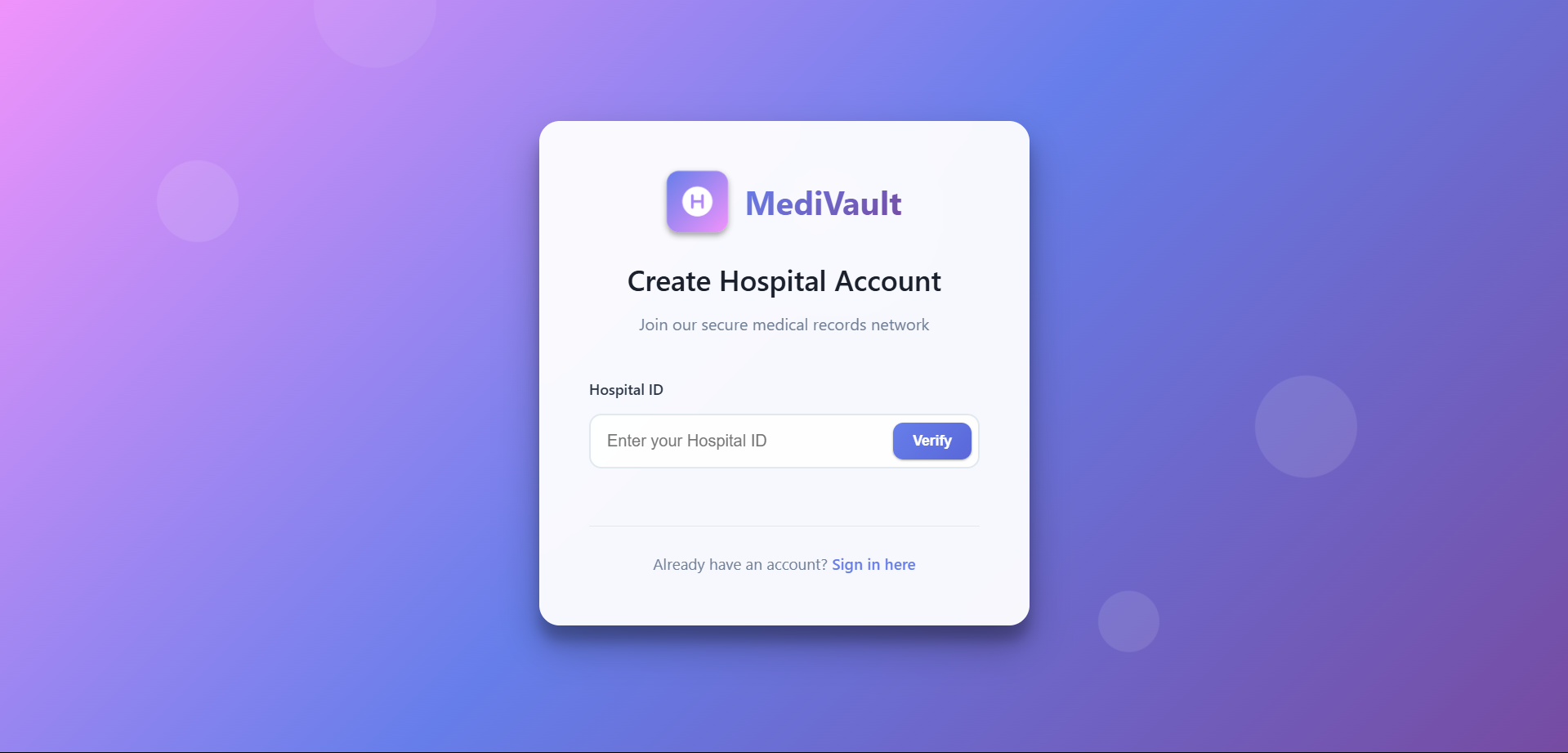
login page web site
-
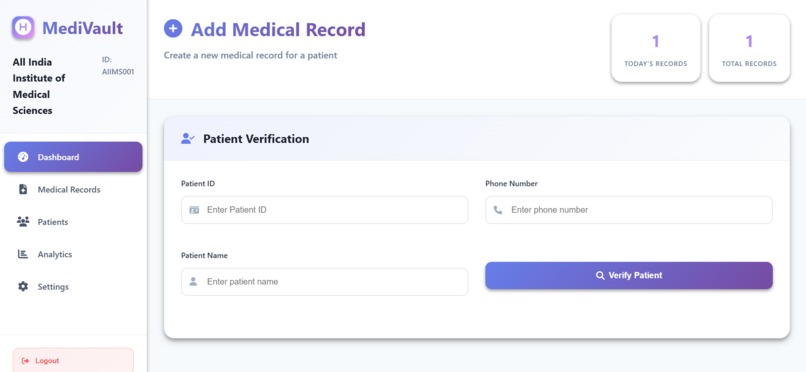
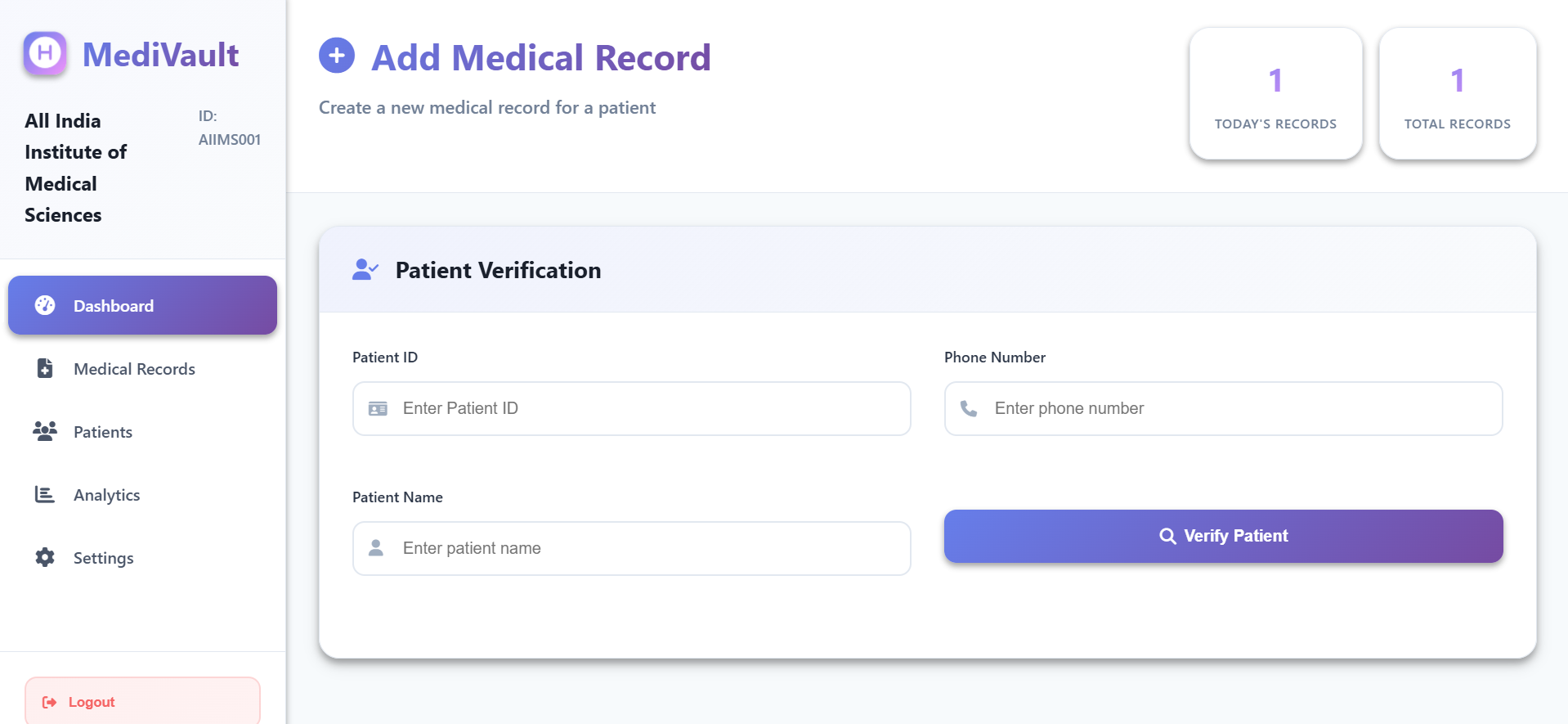
add records main page in web have only insert option
-
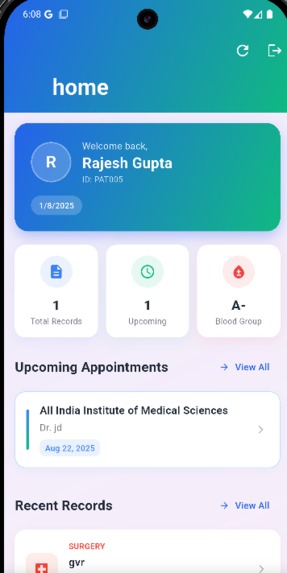
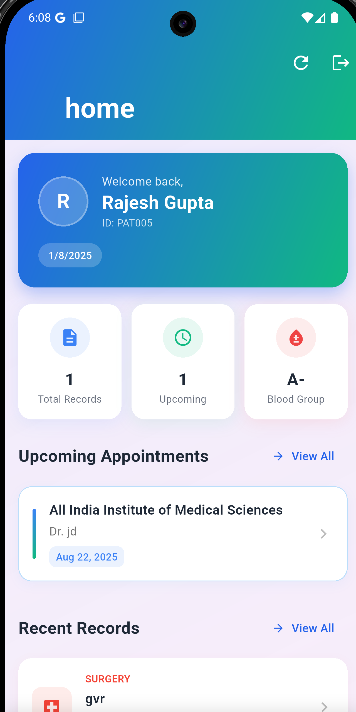
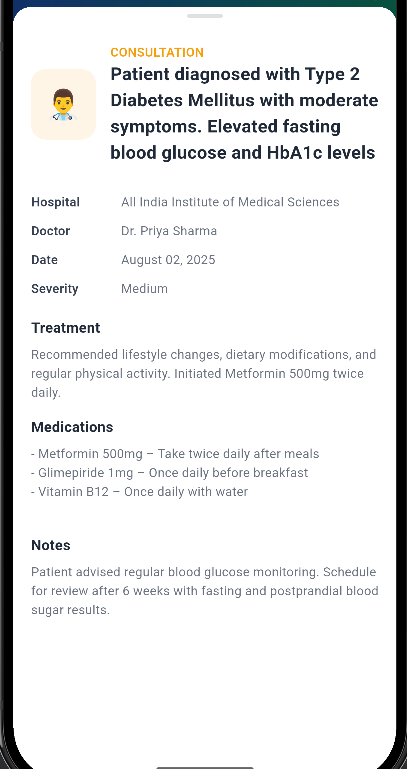
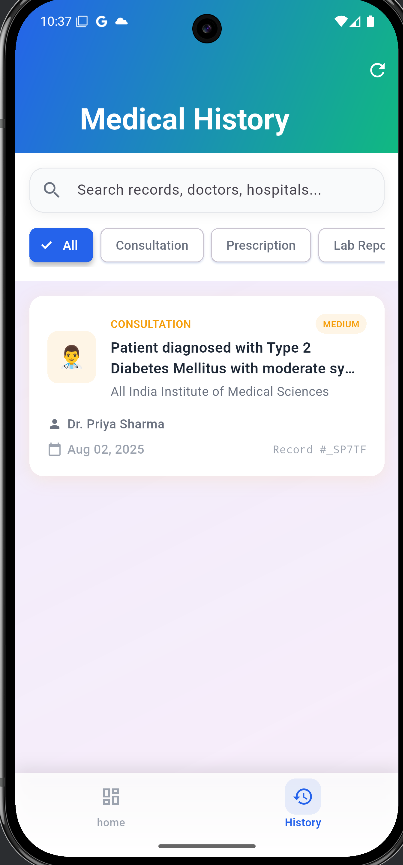
mobile home page demo sample data retrive from supabase
-
-
Inspiration
The inspiration for Medi_Vault came from witnessing the inefficiencies and security vulnerabilities in traditional medical record systems. We observed how paper files get lost, email transfers lack proper encryption, and patients often struggle to access their own medical histories quickly during emergencies. The COVID-19 pandemic further highlighted the need for secure, digital health record systems that can be accessed remotely while maintaining strict privacy standards. We wanted to create a solution that empowers both healthcare providers and patients with a secure, user-friendly platform for medical data management.
What it does
Hospital Web Portal: A secure, role-based website where only authorized healthcare staff can insert, update, and manage patient medical records. Features include multi-factor authentication, encrypted data entry forms, and real-time synchronization with the patient app.
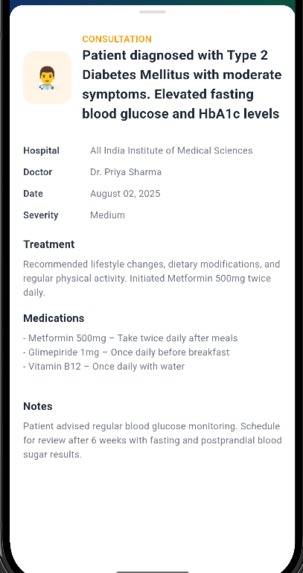
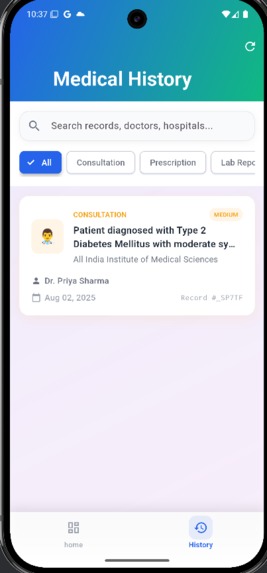
Patient Mobile App: A read-only mobile application that allows patients to view their complete medical history, including vitals, prescriptions, lab results, and doctor notes. The app provides chronological organization of records, biometric security, and an audit trail showing when and by whom each record was created.
The system ensures end-to-end encryption, maintains strict access controls, and provides a seamless bridge between healthcare providers and patients.
How we built it
Backend Infrastructure: We built a secure API using modern encryption protocols (TLS 1.3 for data transfer, AES-256 for at-rest encryption) with a robust database architecture that supports role-based access control.
Web Portal: Developed using responsive web technologies with multi-factor authentication integration, secure form handling, and real-time data validation to ensure only verified healthcare professionals can modify records.
Mobile Application: Created a cross-platform mobile app with biometric authentication, offline viewing capabilities, and intuitive UI/UX design that makes medical history easily accessible to patients.
Security Framework: Implemented comprehensive security measures including data hashing, timestamping, encrypted storage, and audit logging to ensure HIPAA compliance and data integrity.
Challenges we ran into
Security vs. Usability Balance: One of our biggest challenges was creating a system that maintains hospital-grade security while remaining user-friendly for patients of all technical backgrounds.
Real-time Synchronization: Ensuring that records updated on the hospital portal immediately appear in the patient app while maintaining data integrity and security protocols proved complex.
Authentication Systems: Implementing separate but compatible authentication systems for healthcare professionals (multi-factor) and patients (biometric) that work seamlessly together required careful architecture planning.
Data Privacy Compliance: Navigating healthcare data regulations and ensuring our encryption and access control methods meet industry standards while keeping the system performant.
Accomplishments that we're proud of
Dual-Platform Success: Successfully created two interconnected platforms that serve different user needs while maintaining seamless data flow and security.
Security Implementation: Achieved end-to-end encryption with zero local data storage on devices, ensuring patient data remains secure throughout the entire workflow.
User Experience: Designed intuitive interfaces for both healthcare workers and patients, making medical record management accessible regardless of technical expertise.
Real-time Integration: Successfully implemented instant synchronization between the hospital portal and patient app, allowing immediate access to updated medical information.
Audit Trail Transparency: Created a comprehensive logging system that tracks all record modifications, enhancing accountability and trust in the system.
What we learned
Healthcare Technology Complexity: We gained deep insights into the intricate requirements of healthcare data management, including regulatory compliance, security protocols, and user accessibility needs.
Cross-Platform Development: Learned valuable lessons about creating connected applications that serve different user roles while maintaining consistent data integrity and security standards.
Security-First Design: Understood the importance of building security into the foundation of healthcare applications rather than adding it as an afterthought.
User-Centered Approach: Learned that successful healthcare technology must prioritize both the technical needs of medical professionals and the accessibility requirements of diverse patient populations.
What's next for Medi_Vault
Enhanced Features: We plan to add appointment scheduling integration, medication reminders, and emergency contact sharing capabilities to create a comprehensive health management ecosystem.
Advanced Security: Implementation of blockchain technology for immutable audit trails and enhanced secure enclave storage for offline data caching.
AI Integration: Development of intelligent features like symptom pattern recognition, medication interaction warnings, and automated health insights based on historical data.
Telehealth Integration: Expanding the platform to support video consultations, remote monitoring capabilities, and direct communication channels between patients and healthcare providers.
Scalability Improvements: Optimizing the system architecture to handle enterprise-level healthcare networks and multi-hospital systems while maintaining performance and security standards.
Mobile Web Version: Creating a progressive web app version to ensure accessibility across all devices and platforms without requiring app store downloads.
hospital id is AIIMS001 add password and login afterwards this is a prototype patient id PAT005 Rajesh Gupta +919876543214
Built With
- css
- flutter
- html
- javascript
- supabase

Log in or sign up for Devpost to join the conversation.