-
Logo
-

Title
-
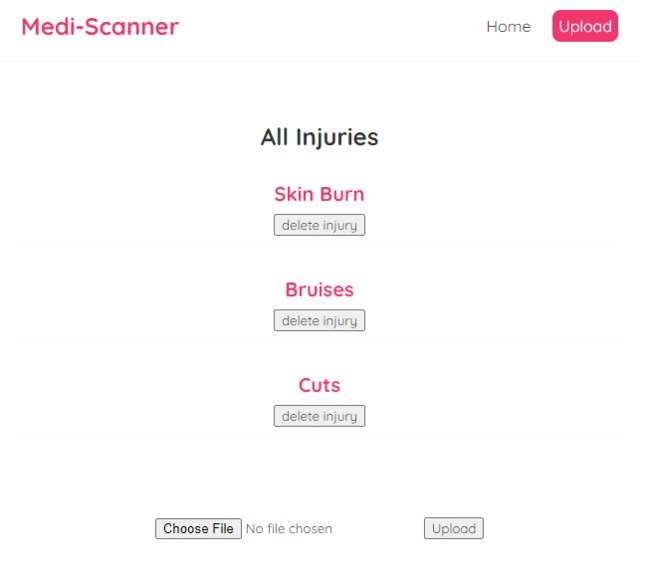
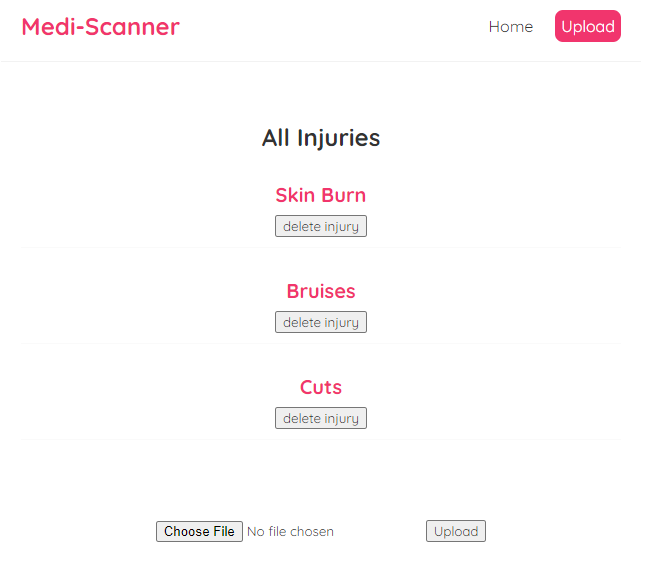
Web View
Inspiration
Long wait times for non-ER-related injuries and the desire to reduce recovery time so we can get back to life adventures!
What it does
Determines the stage/severity of an injury based on a photo uploaded by the user. The image is compared to a trained ML model that has been fed injury image datasets. A list of treatment recommendations are generated based on the stage of the injury.
How we built it
- Front end built with ReactJS, HTML, CSS, JS
- Back end built with Python, Flask REST API
- ML Model trained with TensorFlow
Challenges we ran into
- Merging front-end and back-end functionalities
- Creating a Flask REST API
- Resolving merge conflicts
Accomplishments that we're proud of
- Creating a functioning web app within a 24-hour timespan
- Learning new tech stacks and debugging on the fly
- Creating our own data set and training our own ML model
What we learned
- Importance of task assignment and management
- New tech stacks
- Training ML models
- Resolving and debugging merge conflicts
- Creating simple UI/UX designs
What's next for Medi Scanner
- Increase ML model accuracy
- Progression images of the recovery phase
- Display medical centers near the user


Log in or sign up for Devpost to join the conversation.