-
-
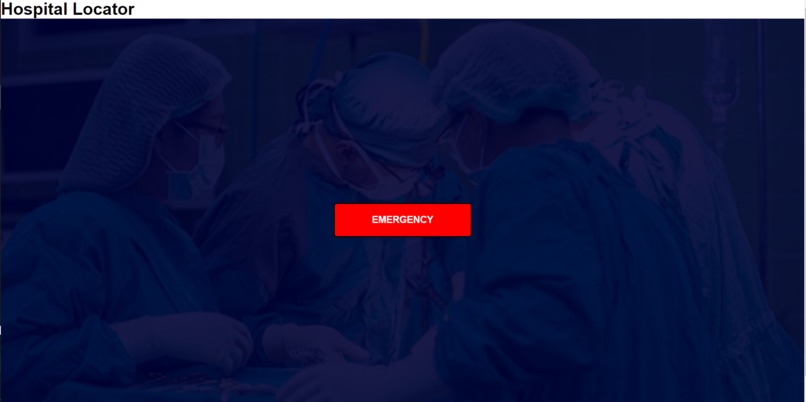
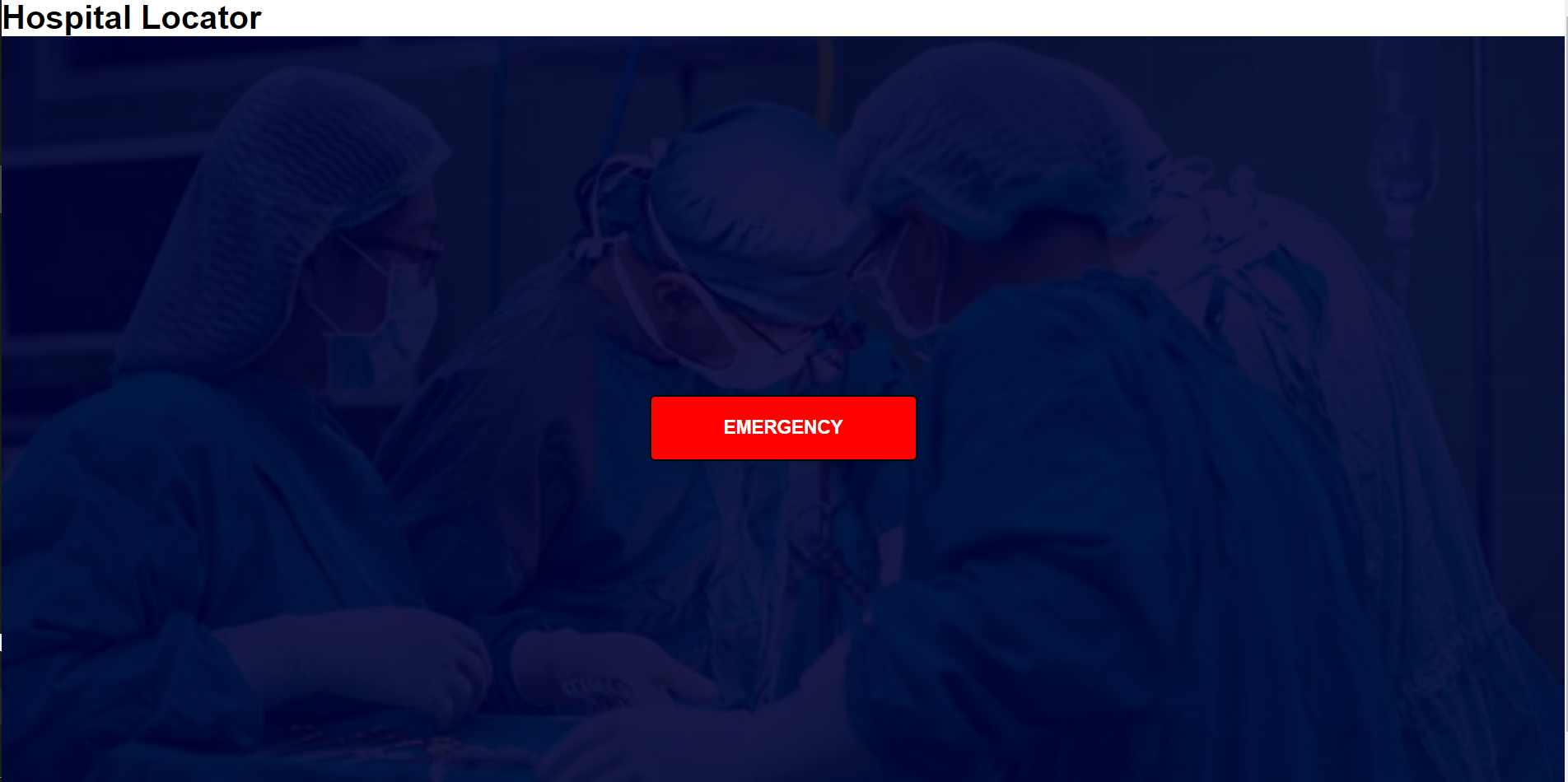
Home Page
-
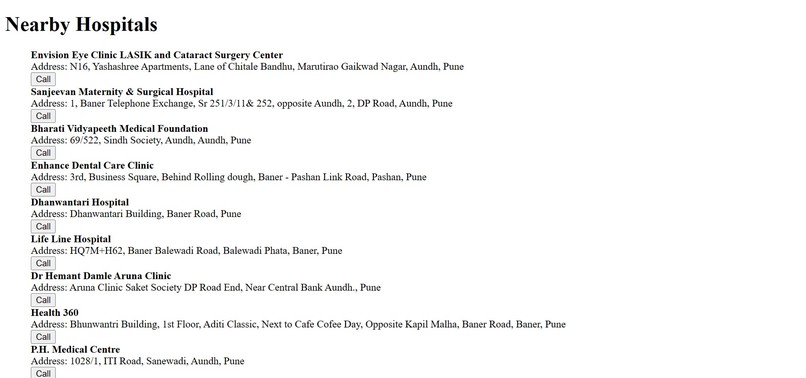
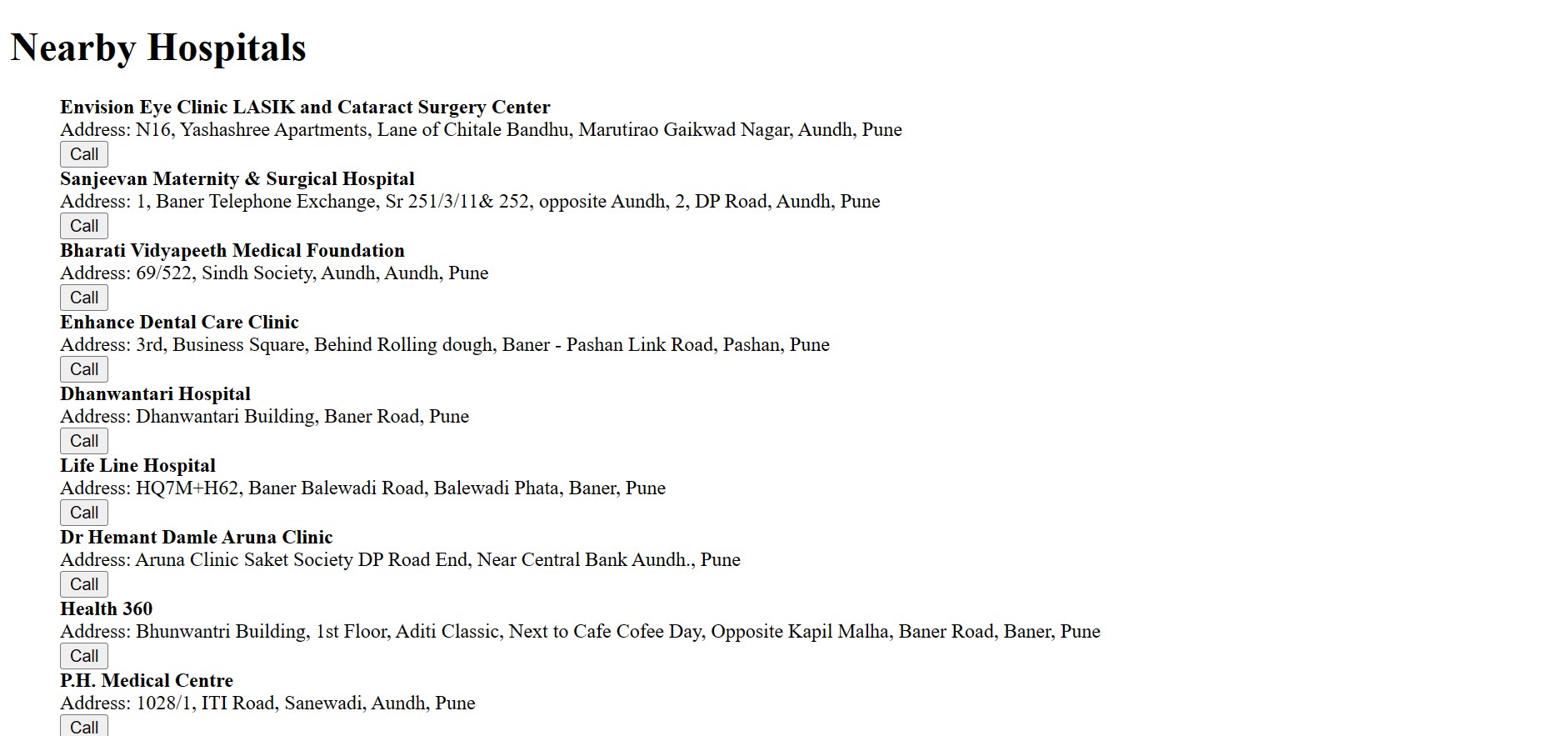
List of Hospitals in a 10km radius
-

Contacting hospital via automated call

Inspiration
The inspiration behind Medi Finder came from the need for an easy and efficient way to locate hospitals in an emergency. The current methods of finding nearby hospitals can be tedious and time-consuming, especially in stressful situations. We wanted to create a solution that would make it simple and straightforward for anyone to quickly locate the nearest hospital and get the help they need.
What it does
Medi Finder is a web application that allows users to find the nearest hospitals within a 10km radius. The user can either allow the app to access their current location or manually enter their address. Once the user's location is determined, the app searches for all hospitals within the radius and displays the results in a list format. The user can then view the address, contact information, and distance of each hospital. Most importantly, the app has a feature to send an automated call to the hospital with the user's current address, asking for an emergency ambulance.
How we built it
Medi Finder was built using various web technologies such as HTML, CSS, and JavaScript. We also used the Flask web framework for the backend, which allowed us to connect to a database of hospitals and perform search queries. We integrated the Google Maps API to determine the user's location and calculate distances between the hospitals and the user. We used Twilio to send the automated call to the hospital.
Challenges we ran into
One of the biggest challenges we faced was determining the radius for our hospital search. We wanted to find a balance between a radius that was too small, limiting the number of results, and a radius that was too large, resulting in too many irrelevant results. We also had to make sure that our database of hospitals was up-to-date and accurate. Another challenge was integrating Twilio's API and ensuring that the automated call feature worked seamlessly with the rest of the app. Our CSS code was unable to integrate with our flask code until the last moment after which we could not update the video, that's why our final website turned out to be basic :/
Accomplishments that we're proud of
Throughout the development of Medi Finder, we achieved a number of technical milestones that we are proud of. We were able to successfully integrate several APIs to provide users with comprehensive and accurate hospital data, as well as the ability to place automated calls through Twilio. Our team worked tirelessly to ensure that our application was user-friendly and easily accessible to everyone.
However, beyond the technical achievements, we also take pride in the positive impact that our application can have on people's lives. The potential to save lives and improve healthcare accessibility is incredibly fulfilling for us. Knowing that we could make a difference through our work on this project is truly inspiring and has motivated us to continue working on similar projects in the future. We hope that Medi Finder can serve as a valuable resource for people in need of urgent medical care.
What we learned
Throughout the development of Medi Finder, we gained technical skills and knowledge in a number of areas. Firstly, we learned how to use the Google Maps API to implement location-based services, including geocoding and reverse geocoding to translate latitude and longitude coordinates to physical addresses and vice versa. We also utilized Twilio's API to enable automated calls to hospitals, which required familiarity with REST APIs and HTTP request/response handling.
What's next for Medi Finder
Medi Finder was created with the goal of providing a quick and efficient solution to a problem that affects many people. By simplifying the process of locating nearby hospitals, we hope to make a positive impact on the healthcare industry and the lives of those who use our app. Medi Finder has the potential to revolutionize the way people access medical help. We plan to continue refining our algorithms to improve the accuracy of the hospital results, and also work on integrating a mapping system to show hospital locations visually. Additionally, by partnering with local hospitals, we aim to have more reliable and up-to-date information about ambulances, beds available etc.

Log in or sign up for Devpost to join the conversation.