Inspiration
Many individuals take multiple medications, supplements, and over-the-counter products daily, yet few fully understand how these substances interact. Researching every potential interaction can feel overwhelming, so people often avoid it entirely, putting themselves at risk. For example, taking St. John’s Wort without medical approval can reduce the effectiveness of prescription antidepressants or birth control, while calcium supplements can interfere with antibiotics like tetracycline, making them less effective. MedGuard was inspired by the belief that medication safety should be simple and accessible. We built a tool that automatically identifies interactions and delivers clear, trustworthy guidance so users can make safer decisions without having to navigate complex medical information on their own.
What it does
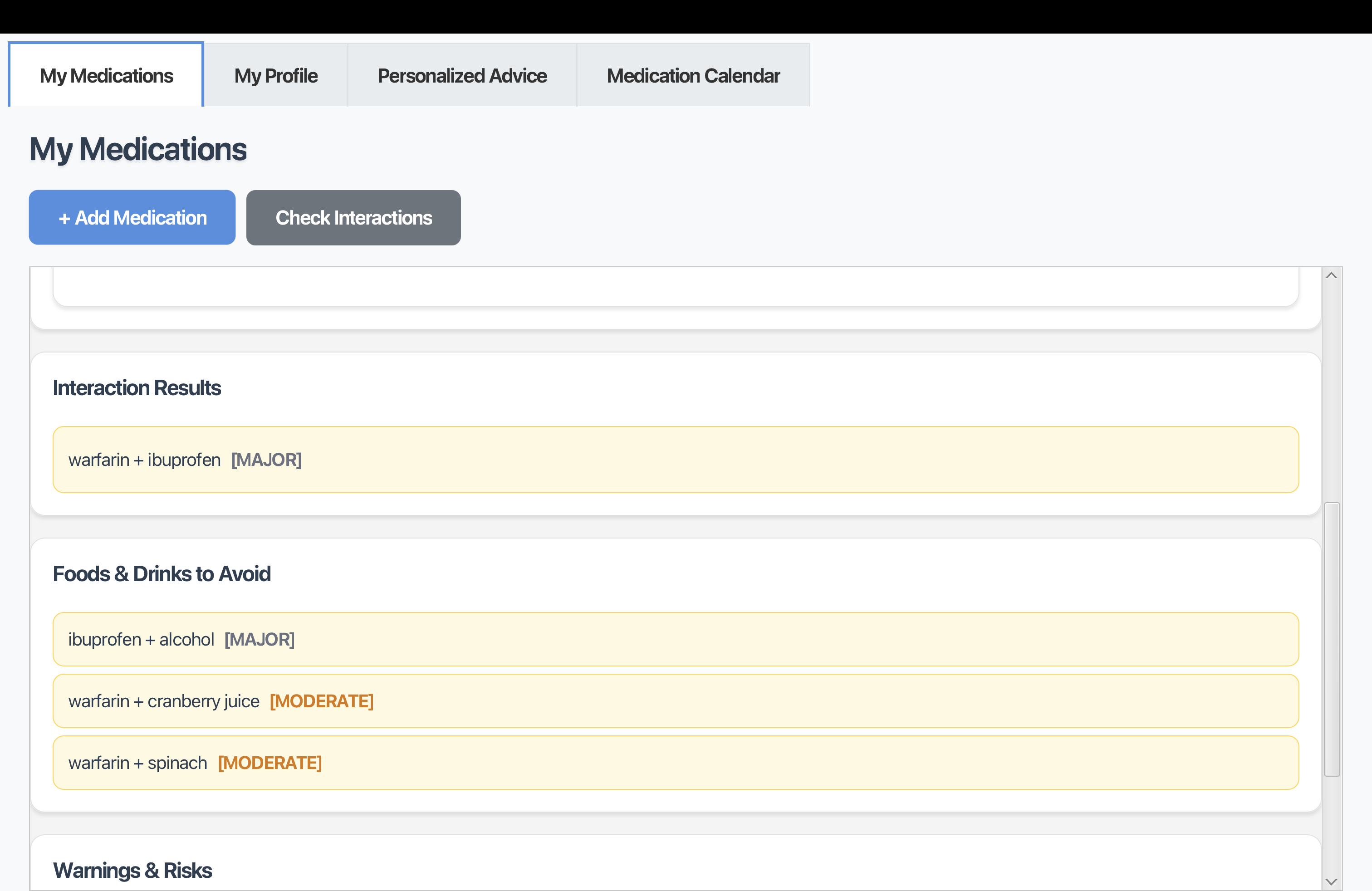
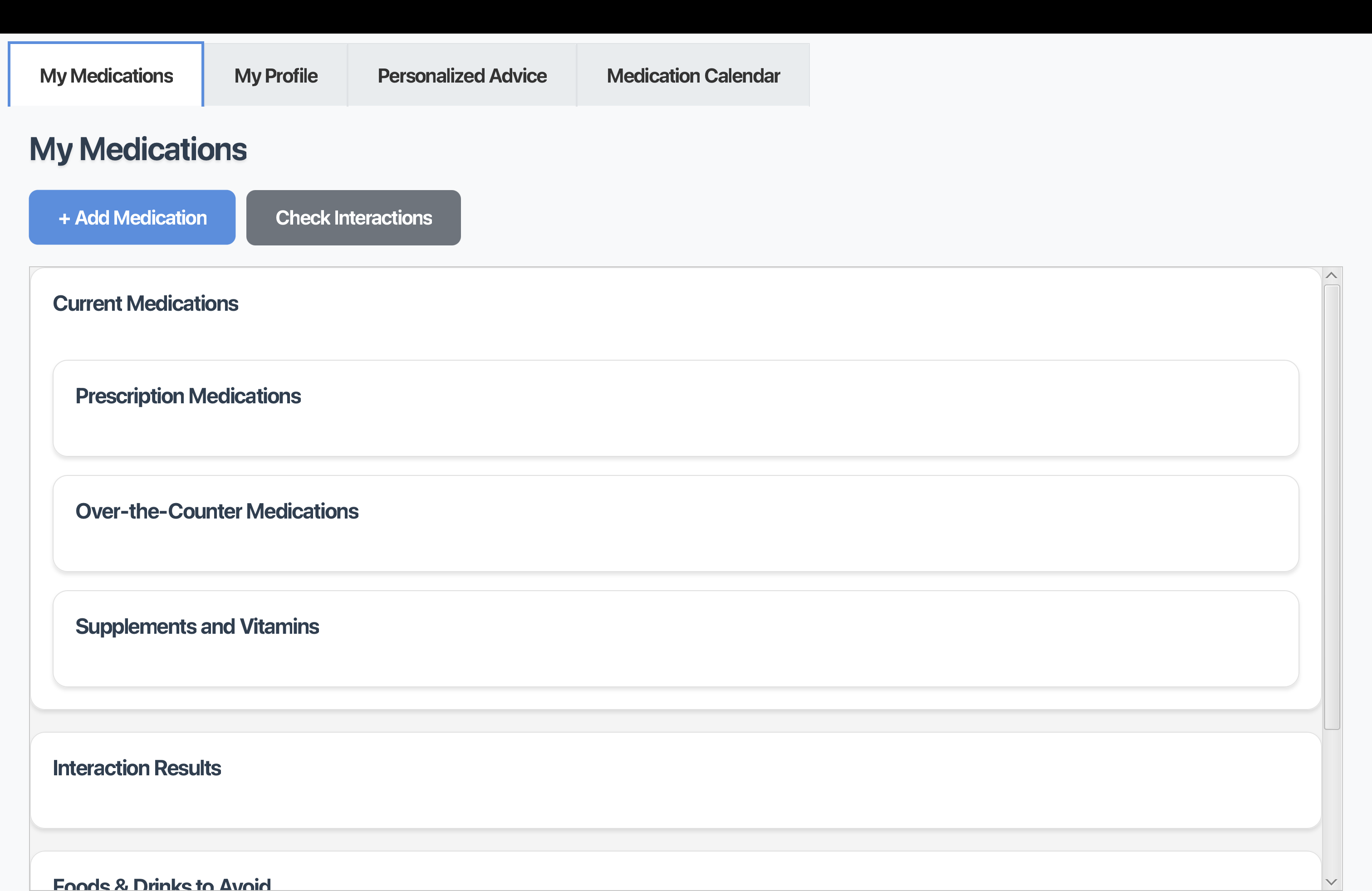
MedGuard helps users track all their medications and automatically checks for dangerous interactions. It displays clear warnings, personalized advice, and detailed information sourced from trusted FDA data. Users can view interaction severity, recommendations, and safer alternatives all in one place, making medication safety simple and accessible.
Business value
Hospitals/Providers: Reduces 30-day readmission rates, which is a key metric for hospital funding and quality scores.
Health Insurance: Lowers the Long-term Cost of Care for chronic conditions.
Pharma Companies: Provides Real-World Evidence on how medications are actually consumed outside of controlled trials.
How we built it
We build MedGuard using a JavaFX controller-based structure. The app stores users' medications and then checks them against a curated interaction database. Each interaction is displayed as a card, and users can open detailed pop-ups for more information.
Challenges we ran into
One of the biggest challenges we faced was deciding the best way to display complex medical information in a way that is still easy to understand. We also needed to ensure that all data we used was trustworthy, which limited us to verified sources rather than quick but unreliable options. Additionally, translating official medical data into simple, user-friendly language proved difficult because the FDA labels contain a large volume of detailed and technical information.
Accomplishments that we're proud of
We are proud that we were able to build a fully functional system that detects both food and drug interactions. Despite the challenges, we created a tool that provides reliable, practical guidance and can help users avoid dangerous combinations without requiring them to manually search through complicated medical resources.
What we learned
Throughout this project, we gained valuable experience integrating and organizing data using local databases, ensuring that information remains reliable and easily accessible. We also developed stronger skills in JavaFX, particularly in managing multiple screens, handling user input, and creating a responsive interface. Beyond technical knowledge, we learned the importance of designing with empathy for our intended users, recognizing that medical information must be presented in a clear, respectful, and user-friendly way.
What's next for MedGuard
Next, we want to add an AI assistant that summarizes the personalized advice and FDA warnings into plain language. We also plan to expand the interaction database with more information about each interaction, integrating with Electronic Health Records, allowing doctors to push prescription updates directly to the app. We also plan to add a feature that allows users to input medications by picture, and include alerts for missed doses or duplicate medications. Additionally, we want to develop an AI layer that detects patterns in missed doses and alerts a care manager if the patient's behavior suggests a potential health decline. Ultimately, we want MedGuard to become a comprehensive medication management platform that helps users stay safe and informed.


Log in or sign up for Devpost to join the conversation.