-
-
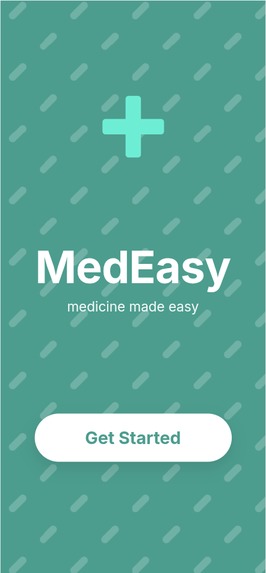
Welcome page for first time users
-
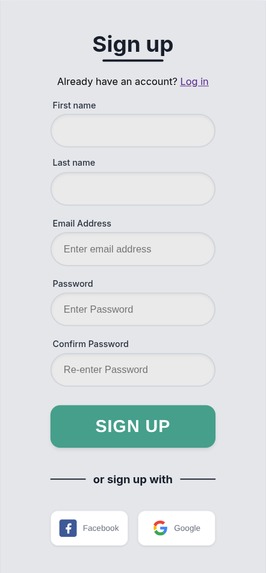
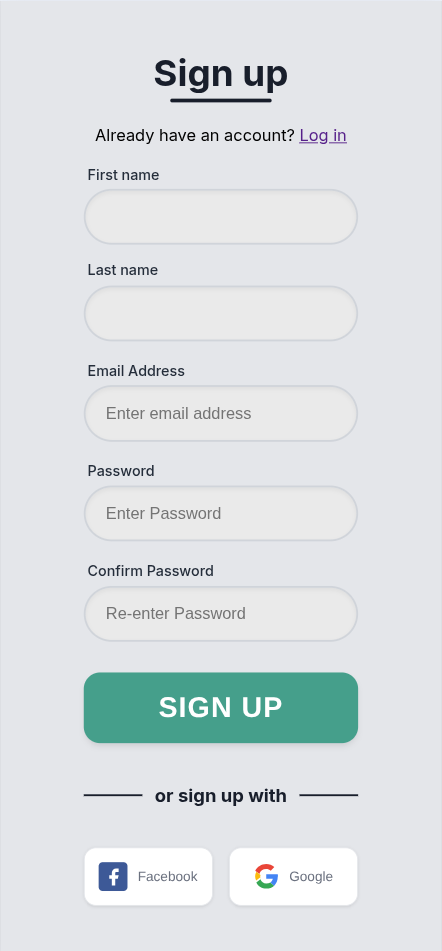
Sign up page for first time users
-
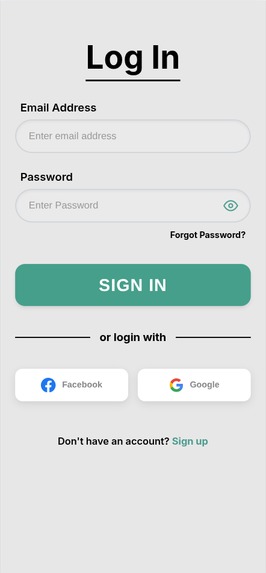
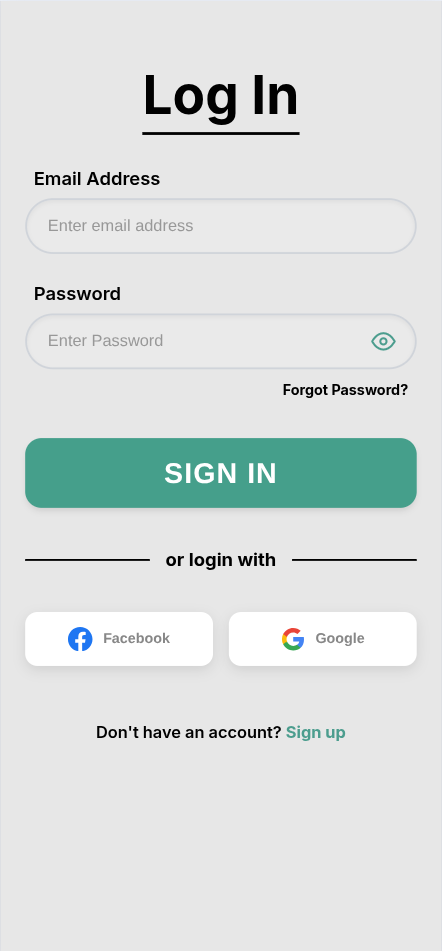
Log in for existing users
-
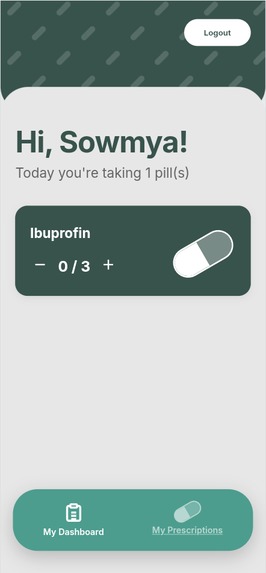
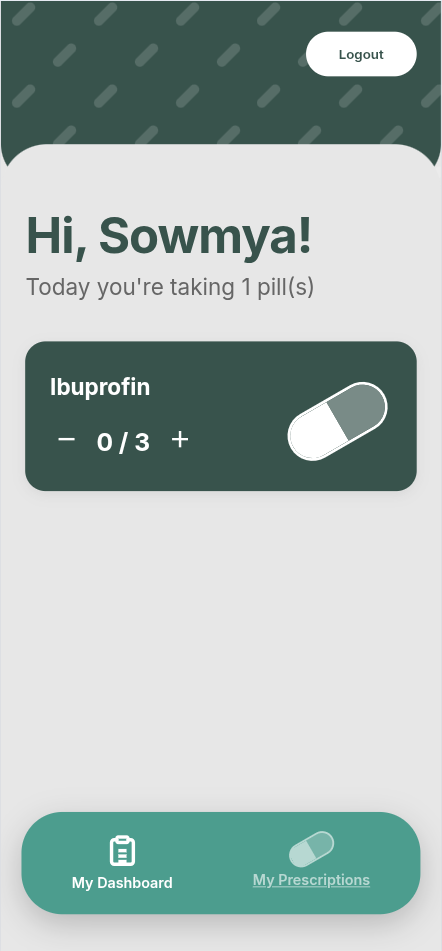
Page that contains current prescriptions and lets you log new prescriptions
-
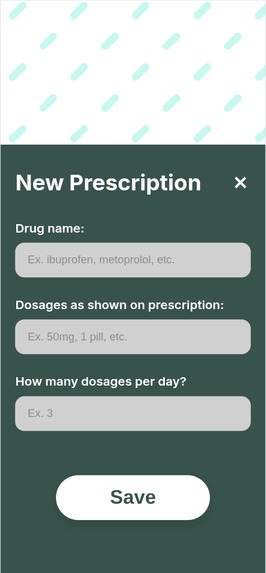
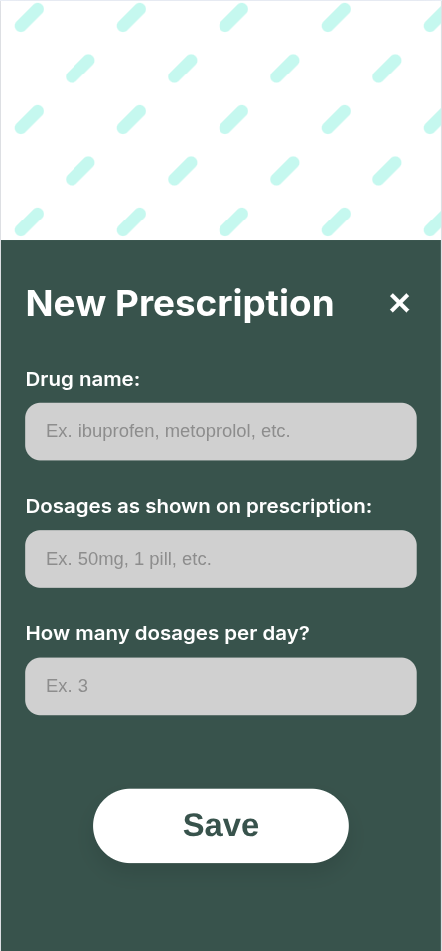
Page to log in information about new prescriptions
-
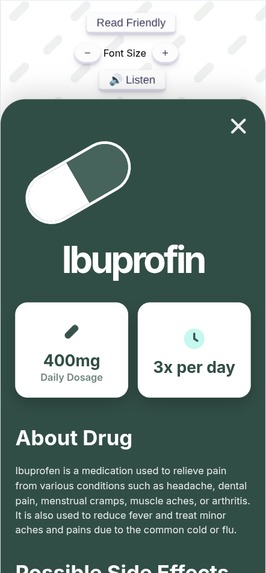
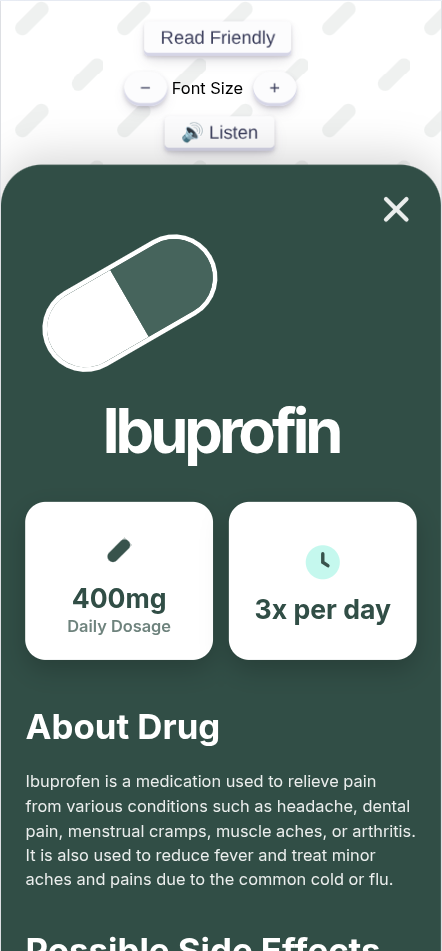
Page listing the prescriped medicine in detail
-
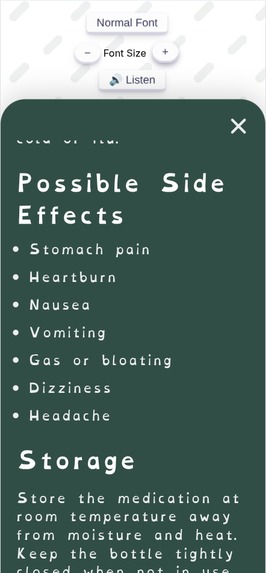
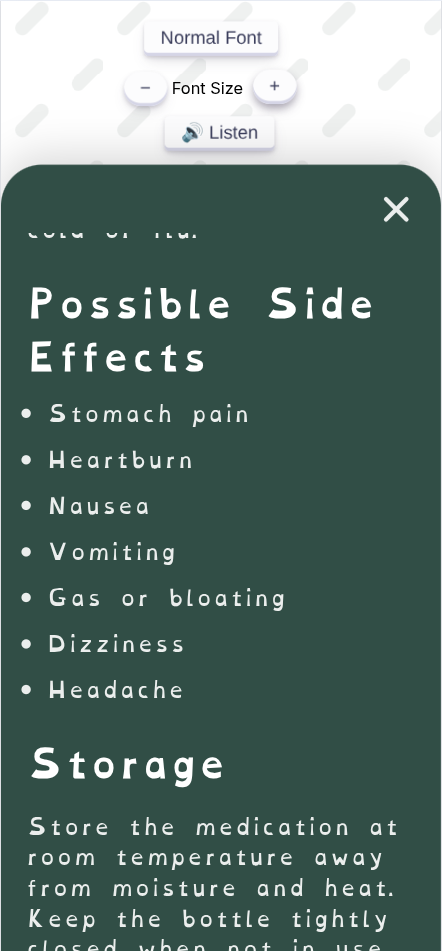
Page listing the prescribed medicine with a custom font for users with dyslexia
Inspiration
Medical prescriptions and doctors often use complex terminology that is difficult for non-medical workers to understand. This is a common problem for people of all ages, however, for senior citizens who have more medical needs, a lack of effective communication comes at a greater risk. Seniors often have more prescriptions to manage compared to someone younger, meaning they're exposed to medical terminology often. Although they're exposed to it often, it doesn't mean they understand all the properties of the medicine. MedEasy aims to bridge the gap between medical practitioners and older patients.
What it does
MedEasy allows users to feel more in control of their health by providing consice information about their prescriptions in an easily digestable format. Additionally, the app allows you to track your prescribed medicine on a daily basis and log in new prescription to the users pre-existing medication list. Considering older people have difficulties with short-term memory, it avoids the risk of under/overdosing on their prescription, reminds them about the medication's purpose, and potential side-effects.
How we built it
We began designing MedEasy's interface on Figma to ensure we're designing to meet the accessibility needs for senior citizens. While designing the interface, we were considerate of colours, fonts, placement of elements, and industry standards to make the process of using the product as seamless as possible for our users.
Challenges we ran into
Throughout the entire design/coding process, we encountered several challenges over the course of 24 hours such as:
- Selecting a specific design problem to focus on during the ideation phase.
- Designing for accessibility despite the digital divide between older users and technology.
- Translating the UI design on figma into the code.
- Difficulties implementing Gemini AI into the code and learning about API's for the first time.
- Time constraint.
Accomplishments that we're proud of
Despite the several challenges we encountered during this 24 hour challenge, there were also accomplishments we made throughout the design/coding process we're proud of such as:
- Effectively incorperating Gemini AI into our final product
- Being able to create a UI that met the functional requirements while still retaining its aesthetic appeal.
- Seeing our idea come to life, having the final product functional and aesthetically pleasing.
What we learned
During the 24 hours of ideating, designing, and coding, the entire process was a learning experience for all of us. Through this experience, we learned:
- How to streamline our creative process.
- Working in a team setting, emulating what could be found in a proffessional setting.
- Time-management.
- Learning more about the needs for older people/ senior citizens when it comes to healthcare.
What's next for MedEasy
Although MedEasy is a prototype, if it were to be developed further, these are the features we would consider incorperating:
- Adding more accessibility features such as a dark mode, voice control, etc.
- Further AI integration.
- Notification system.


Log in or sign up for Devpost to join the conversation.