-
-
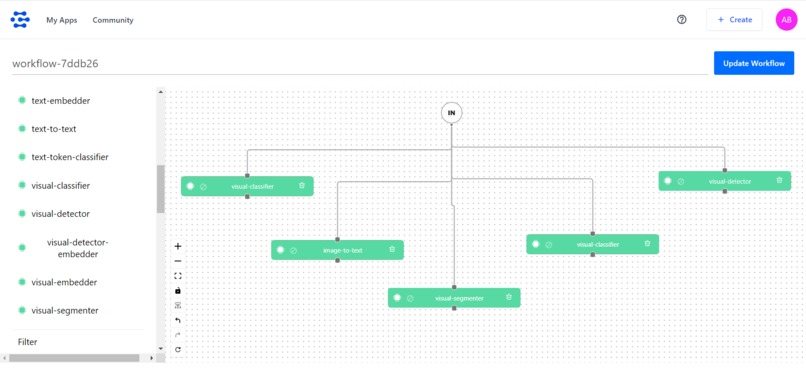
Clarifai Workflow
-
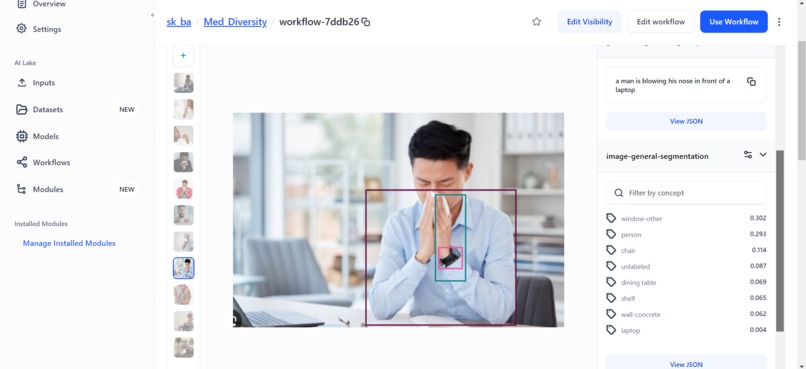
Example 2.2
-
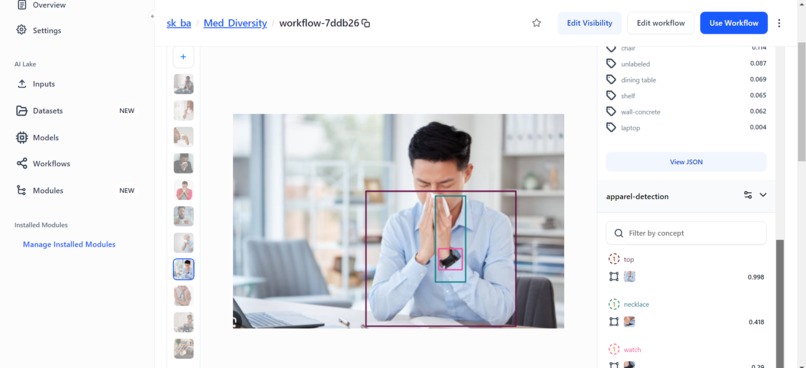
Example 2.3
-
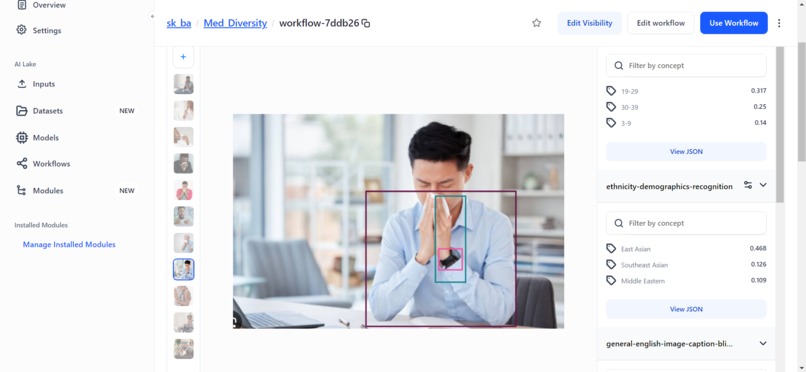
Example 2.1
-
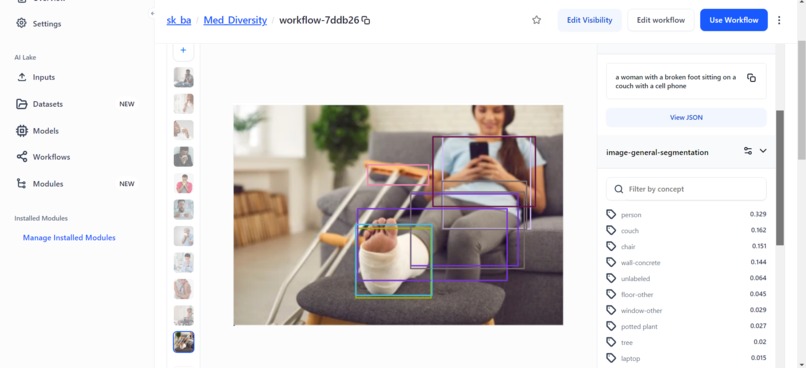
Example 1.2
-
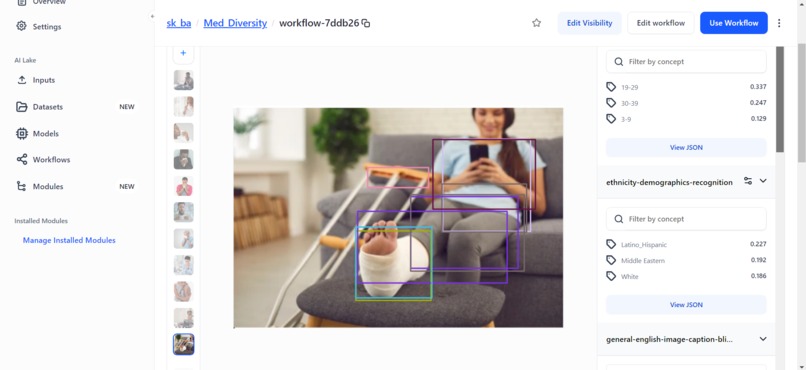
Example 1.1
-
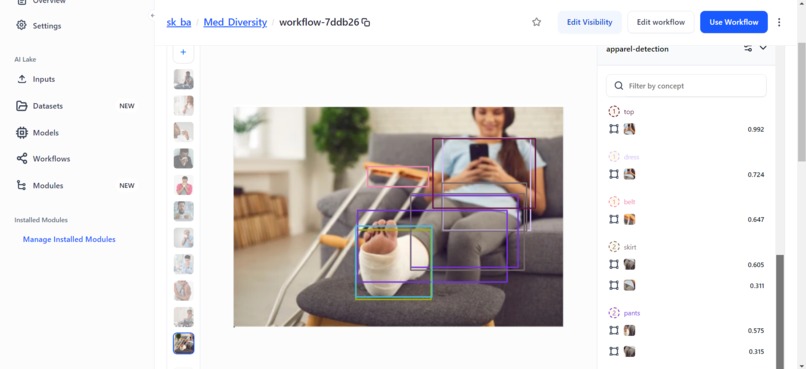
Example 1.3
Inspiration
The main motivation for this idea came from a research paper published in the Journal of the National Medical Association, titled "Racial and Ethnic Differences in Response to Medicines: Towards Individualized Pharmaceutical Treatment". This paper says that "Pharmacogenetic research in the past few decades has uncovered significant differences among racial and ethnic groups in the metabolism, clinical effectiveness, and side-effect profiles of many clinically important drugs. These differences must be taken into account in the design of cost management policies such as formulary implementation, therapeutic substitution and step-care protocols. These programs should be broad and flexible enough to enable rational choices and individualized treatment for all patients, regardless of race or ethnic origin."
Our inspiration for MedDiversity came from this desire to address healthcare disparities and promote inclusivity in telemedicine. We saw the potential to leverage AI technology to provide culturally sensitive and personalized care, ensuring that every patient, regardless of their background, receives the quality healthcare they deserve.
Problem Statement: Enhancing Healthcare Equity and Access through Cultural-Aware Telemedicine
In today's increasingly digital world, access to healthcare services, especially telemedicine, is crucial. However, one significant problem is the lack of culturally sensitive and personalized care for patients from diverse ethnic backgrounds. MedDiversity can play a pivotal role in addressing this challenge.
How MedDiversity Can Help:
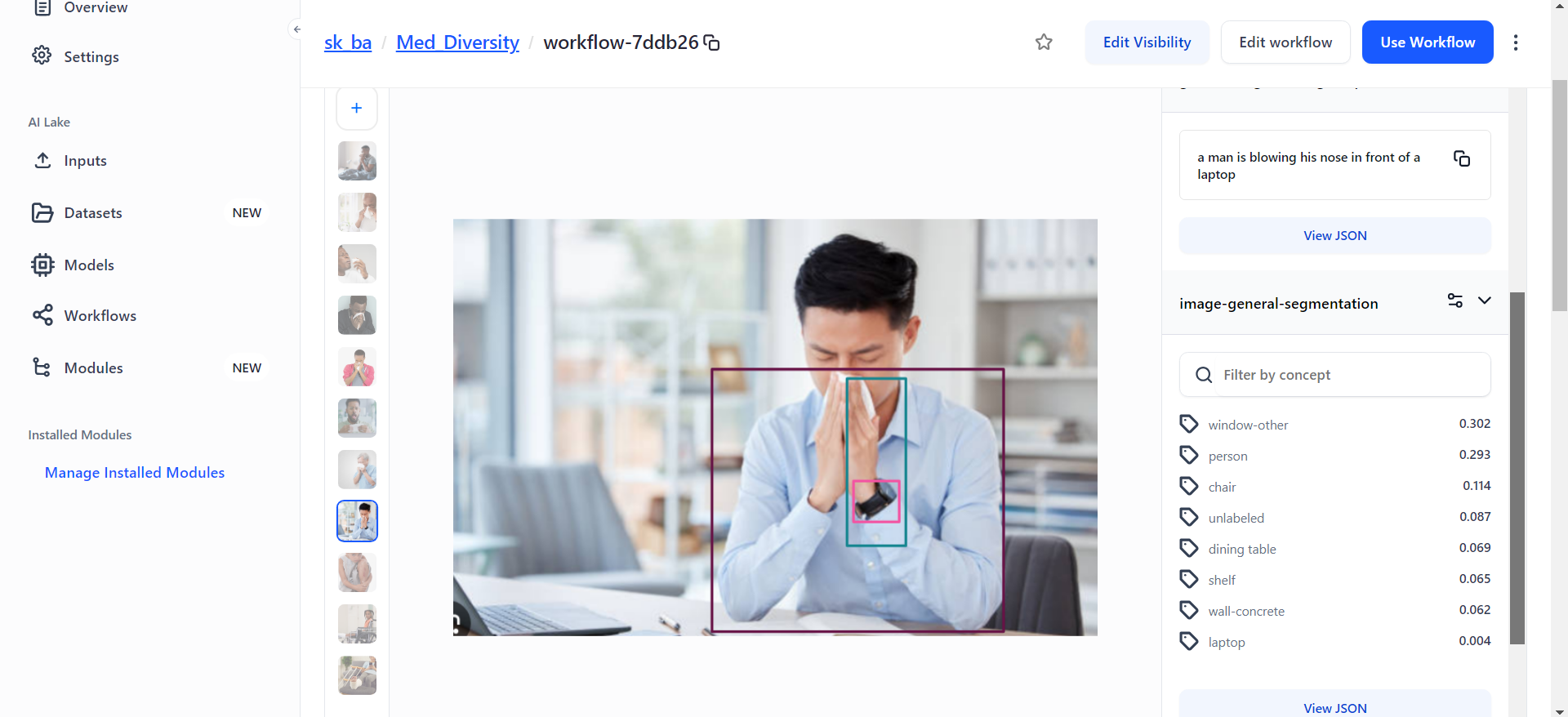
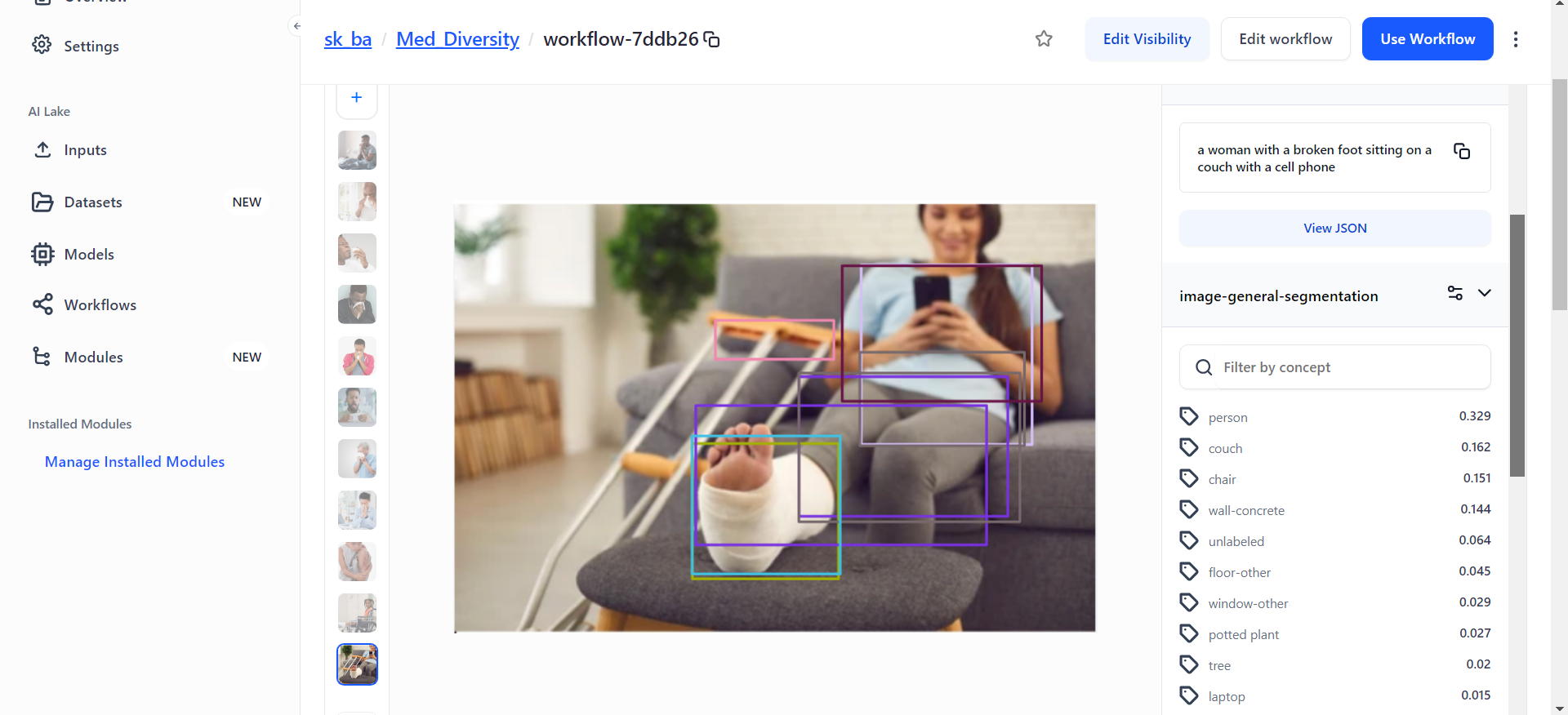
Image Captioning: When patients share images of their medical conditions during telehealth consultations, MedDiversity can provide accurate image captions, ensuring that healthcare providers have a clear understanding of the patient's medical concern.
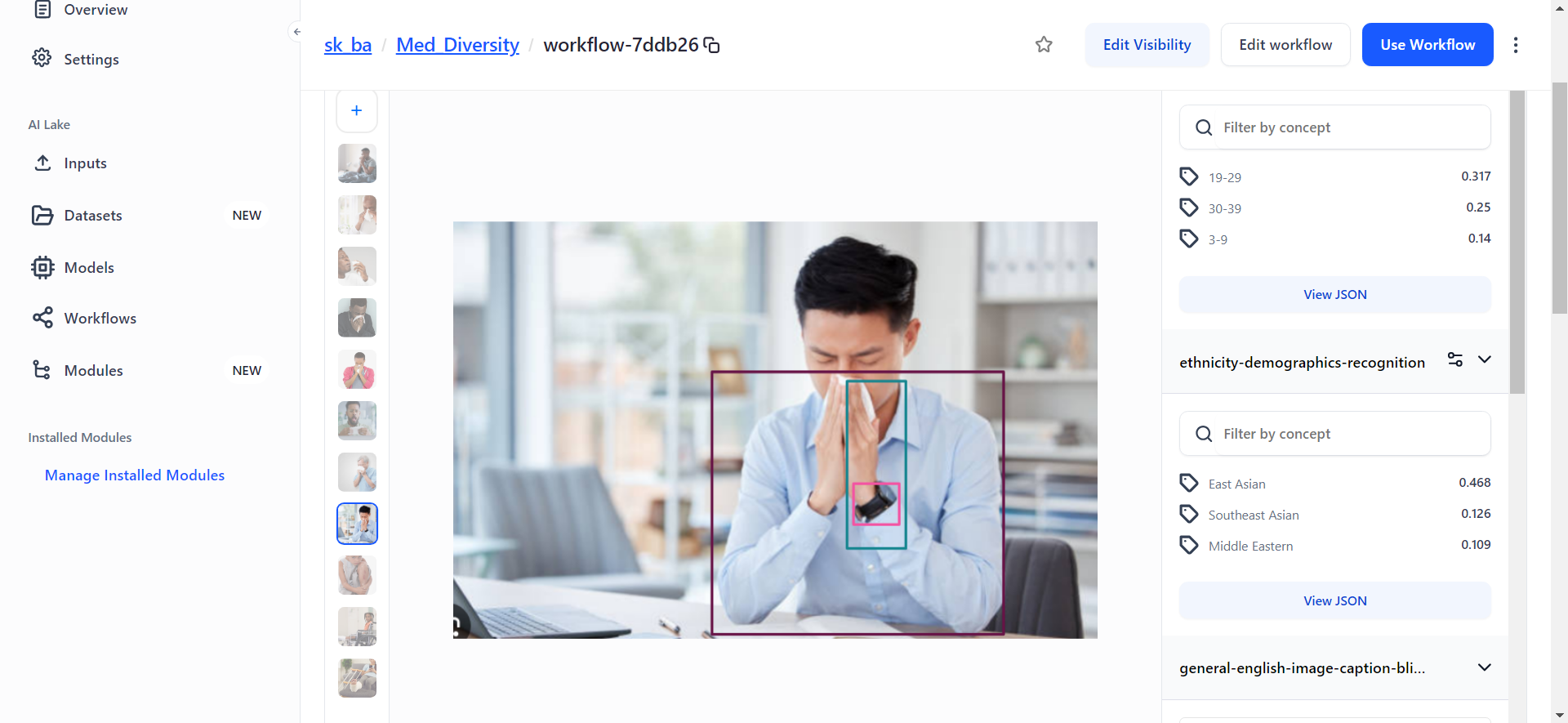
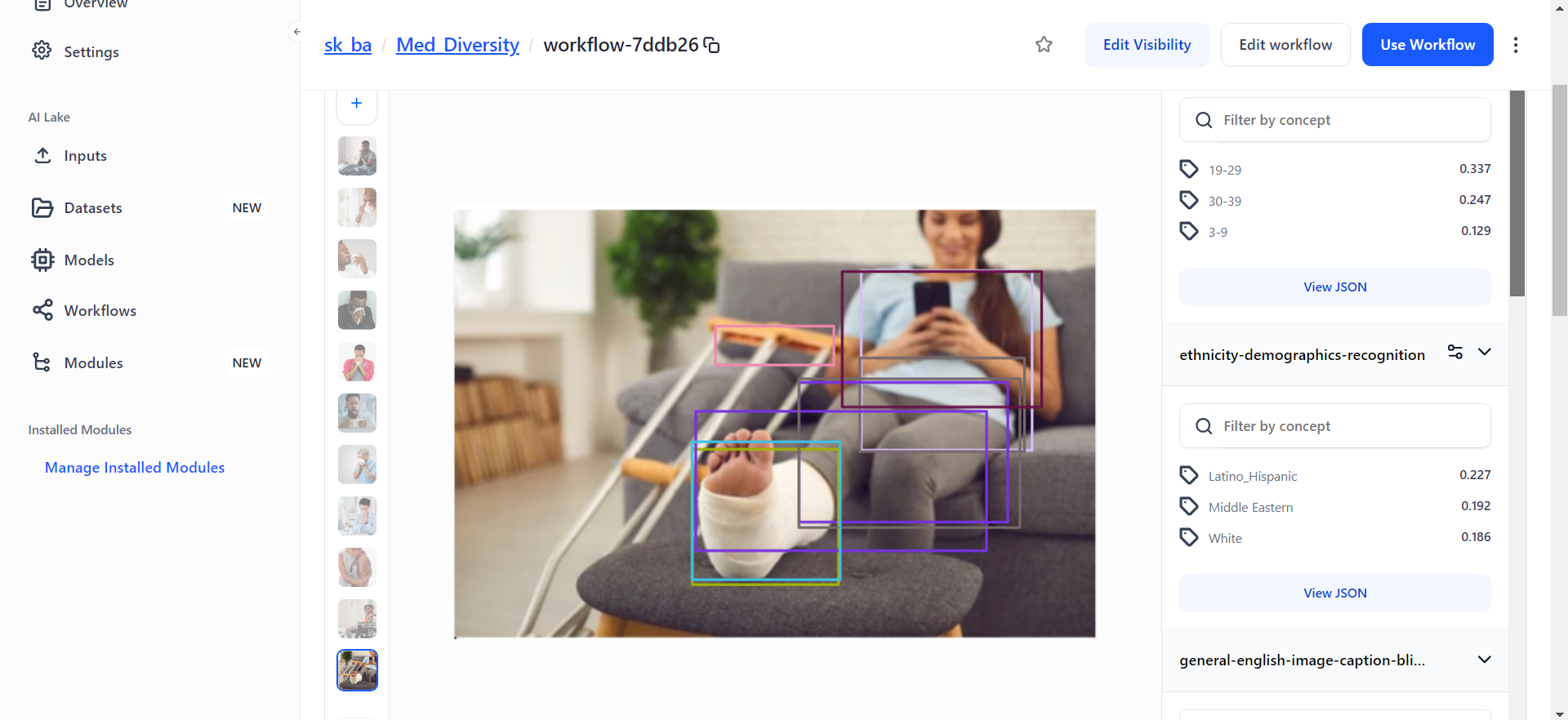
Ethnicity and Age Identification: By recognizing the ethnicity and age of the patient, MedDiversity can enable healthcare providers to offer culturally sensitive care. It allows them to tailor their approach, recommendations, and treatment plans to respect the patient's background and beliefs.
Object Recognition: MedDiversity can identify medical objects or conditions in images, such as identifying skin conditions, rashes, or symptoms in photos shared by patients.
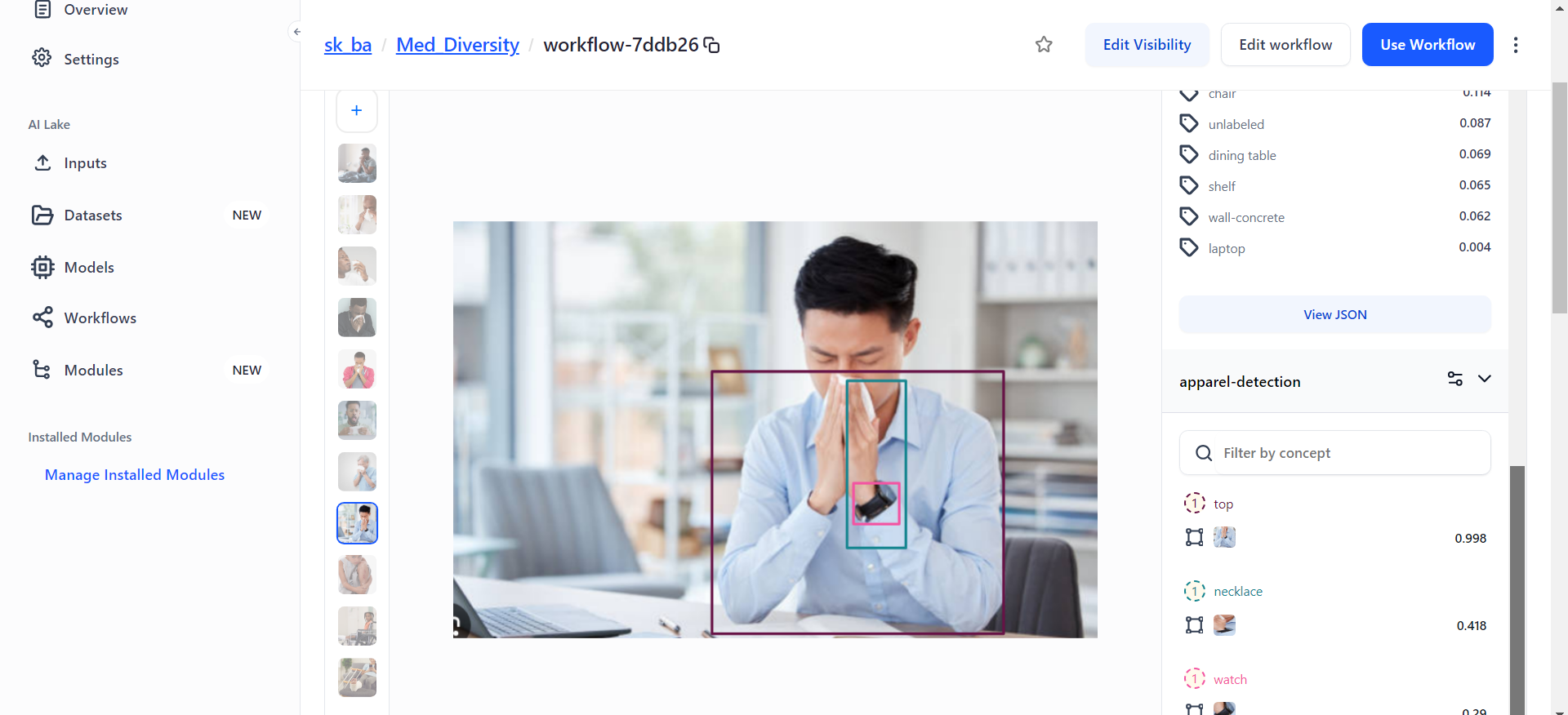
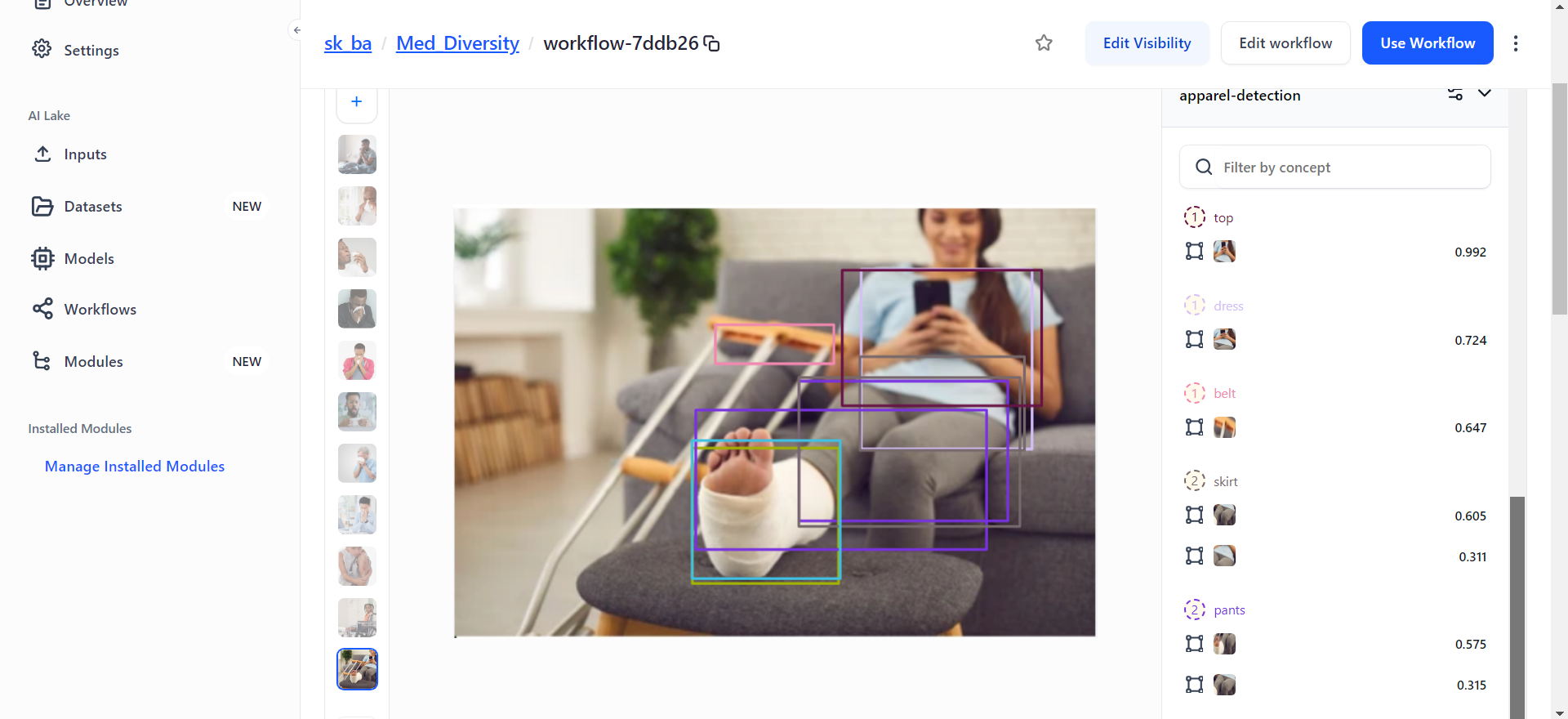
Clothing Recognition: Recognizing clothing items can be vital in a healthcare context. Patients' clothing can offer insights into their lifestyle, which is essential for making recommendations for better health. For example, traditional clothing can signify cultural practices that may influence dietary choices, exercise habits, or health-related beliefs.
The Impact: By enhancing telemedicine through MedDiversity, you can:
Improve Healthcare Access: Patients from diverse backgrounds will have more confidence in telehealth services when they receive culturally aware and personalized care.
Reduce Health Disparities: Culturally sensitive care can help address health disparities and increase the likelihood of positive health outcomes among underrepresented groups.
Enhance Patient Trust: Patients are more likely to trust and follow medical advice when they feel understood and respected in their cultural context.
Lower Costs: Early and accurate diagnosis through telemedicine can prevent costly complications and hospitalizations.
Improve Overall Health: By providing tailored recommendations that respect cultural practices, MedDiversity can contribute to the overall well-being of patients.
MedDiversity's unique combination of features can significantly contribute to solving the societal problem of healthcare disparities and inequities, ensuring that all individuals, regardless of their cultural background, have equal access to quality healthcare services.
What it does
MedDiversity seamlessly integrates image captioning, ethnicity recognition, age detection, object detection, and clothing analysis. It empowers healthcare providers to deliver personalized telemedicine, enabling them to understand and respect the cultural backgrounds of their patients. This breakthrough solution ensures better healthcare access and equity for individuals from diverse and growing global populations.
How we built it
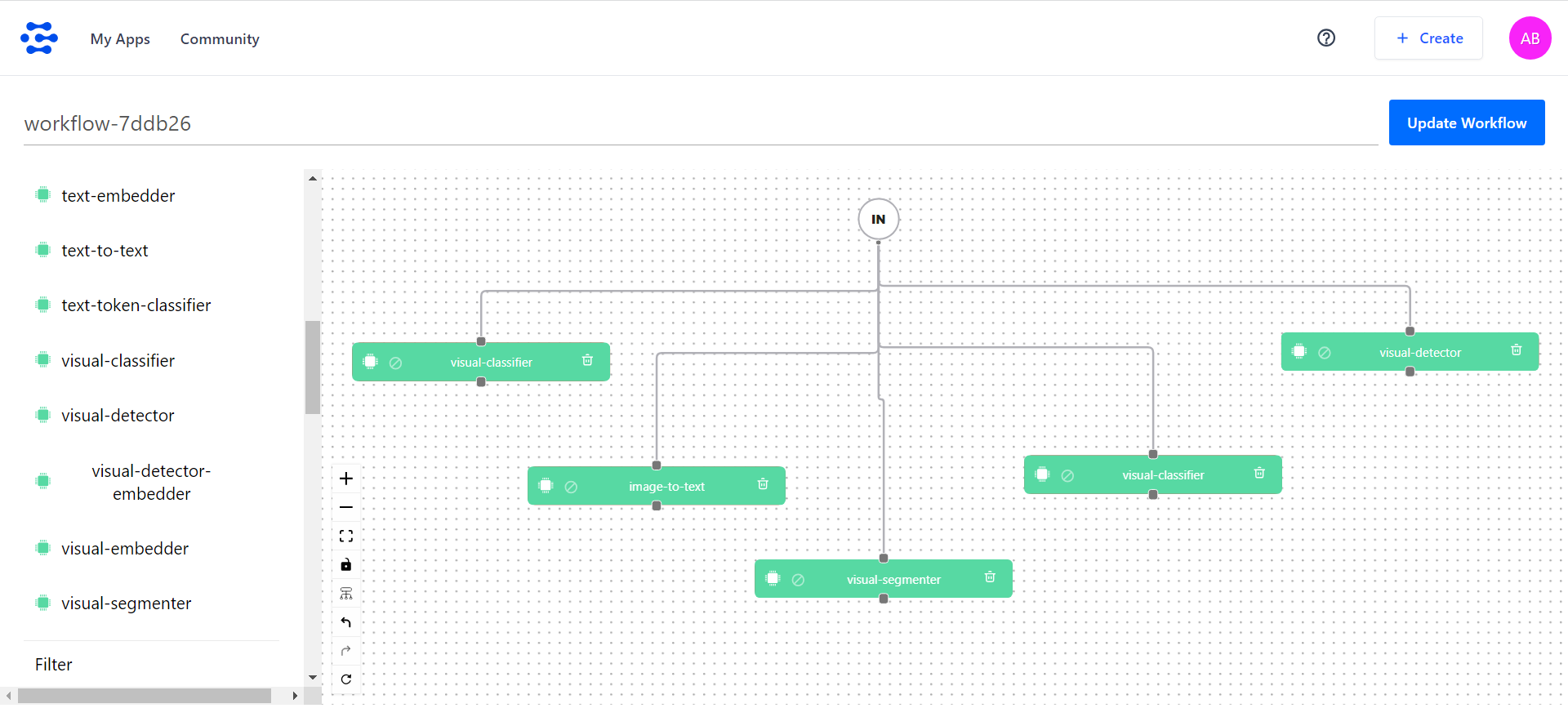
We built MedDiversity by harnessing cutting-edge models available through Clarifai. We chained together multiple models using Clarifai’s workflows to showcase an innovative application.
This workflow uses the following modules with models from Clarifai community:
- Visual-classifier modules with the age-demographics model
- Visual-classifier modules with the ethnicity-demographics-recognition model
- image-to-text modules with the general-english-image-caption-blip-2 model
- visual-segmenter module with the image-general-segmentation model
- visual-detector module with the apparel-detection model
Accomplishments that we're proud of
We're proud of creating a solution that can potentially impact the lives of millions by breaking down healthcare disparities. Achieving accurate ethnicity recognition and clothing analysis while respecting cultural differences is a significant accomplishment. We're also proud of the user-friendly interface via Clarifai for healthcare providers.
What we learned
While developing MedDiversity, we learned the importance of interdisciplinary collaboration. We gained insights into the complexities of healthcare equity and the need for culturally sensitive care. We also honed our skills by efficiently utilizing Clarifai's workflows.
What's next for MedDiversity
The future of MedDiversity involves expanding its reach to a wider audience, including healthcare institutions, telemedicine platforms, and patients. We plan to continually improve and refine our model to enhance its accuracy and cultural awareness. We also aim to collaborate with healthcare providers and organizations to implement MedDiversity in real-world healthcare settings, making inclusive healthcare a reality for all.
Built With
- clarifai
- workflow


Log in or sign up for Devpost to join the conversation.